
Reviewed · FUSHIMI INARI TOURS
Kyoto Magical Night English Tour: Gion & Fushimi Inari Shrine
Fushimi Inari’s red torii gates take on a different character after sunset, when the forest paths grow quiet and the lantern light does much of the work. This 2.5-hour walk then carries you through Gion, Yasaka, and Kyoto’s old Higashiyama streets, giving you a fast but useful introduction to the city at night.
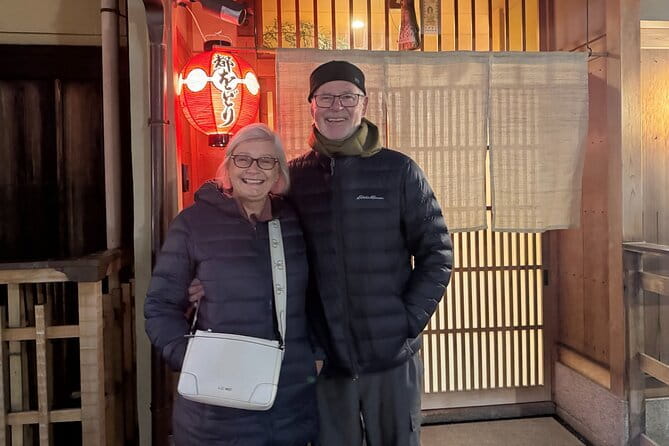
I like two things here: the English-speaking local guidance, which adds meaning to shrines and customs, and the included photos, a real help when you want pictures of your group rather than another arm’s-length selfie. The main drawback is pace. You cover a lot on foot, use public transportation, and need moderate fitness, so this is not a slow evening stroll.
Key points to know before booking
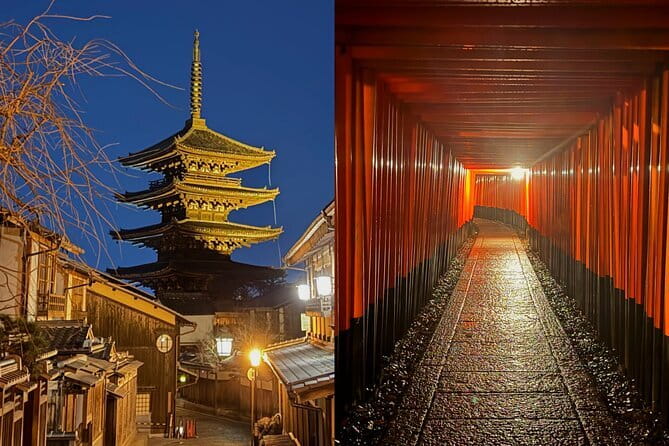
- Fushimi Inari after dark: Spend about an hour among the famous torii gates, with explanations of the shrine’s beliefs and customs.
- A broad Higashiyama route: The walk includes Gion, Hanamikoji Street, Yasui-Konpiragu, Yasaka Pagoda, Sannenzaka, Ninenzaka, Nene-no-Michi, and Yasaka Shrine.
- Private group experience: Only your own group takes part, though the price is listed per person and group discounts are available.
- Photos are included: Guides take professional photos during the walk and may send them soon after the tour.
- Public transportation costs extra: Budget ¥480 per person in addition to the tour price.
- Good value at $26.43: The fee is modest for a private English tour with shrine access, local guidance, and photographs.
Why Kyoto works so well at night
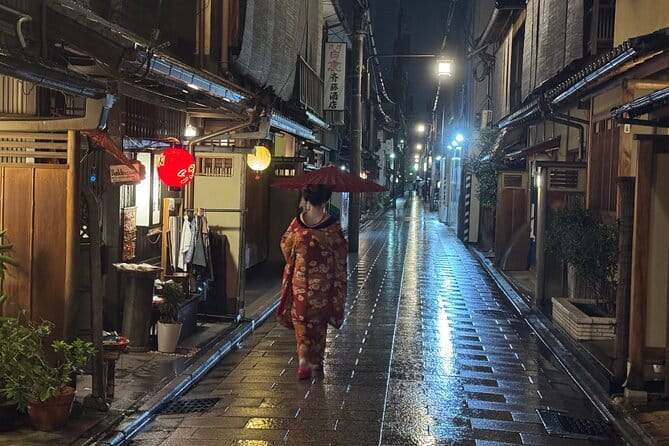
Kyoto can feel crowded and hurried in daylight, especially around its most famous temples and shopping streets. At night, the tone changes. The old wooden facades of Gion become quieter, stone lanes feel more atmospheric, and Fushimi Inari’s long rows of gates seem less like a photo stop and more like a place of worship.
That timing is the heart of this experience. You are not simply checking off two famous sights. You are seeing how Kyoto’s sacred and historic areas feel when the day’s noise has faded.
The tour begins near the Statue of Izumo-no-Okuni in Kawabatacho, in Kyoto’s Higashiyama Ward. From there, the route uses public transportation and plenty of walking. The advertised price is $26.43 per person, with group discounts available, and confirmation arrives when you book.
For that price, the value is strong. Admission to the temples and shrines is included, though the sites listed here are generally free to enter. You are mainly paying for the guide’s time, local explanations, route planning, and photos. The extra ¥480 transportation fare is small, but you should know about it before setting out.
More ways to walk Gion:
- Kyoto Geisha Walking Tour: Gion District & Hidden Gems
★ 4.7 · 3,273 reviews - Kyoto: Gion Magical Night Walking Tour with Geisha Trivia
★ 4.9 · 2,393 reviews - Kyoto: Gion Geisha District Walking Tour – Stories of Geisha
★ 4.7 · 2,187 reviews
Fushimi Inari and its glowing torii gates
Fushimi Inari-taisha is the main event early in the evening. The shrine is dedicated to Inari, associated with rice and prosperity, and is famous for its thousands of red-orange torii gates running up Mount Inari.
You spend about an hour here. That is enough time to walk beneath a good stretch of the gates, stop for pictures, and learn how to behave at a Shinto shrine without trying to cover the entire mountain. Fushimi Inari’s full network of paths extends far beyond what a two-hour-and-thirty-minute city walk can include, so keep your expectations realistic.
This is one place where a guide adds real value. The tour includes instruction on paying respects at the shrine and explanations of the myths and customs connected with Inari. You can also ask questions about the difference between Shinto shrines and Buddhist temples, a point that several guides explain along the route.
Bring coins if you would like to make an offering or wish at one of the shrines. One useful tip from the experience is to wear comfortable walking shoes. The route does not require athletic ability, but uneven ground, stairs, and a quick pace can make poor footwear a nuisance.
Rain does not automatically ruin this stop. The torii provide some shelter, and a little rain can make the lantern-lit setting feel even more atmospheric. Still, carry suitable rain gear, since much of the evening is outdoors.
Hanamikoji Street and the careful etiquette of Gion
After Fushimi Inari, the tour moves into Gion and Hanamikoji Street. Hanamikoji is lined with traditional wooden machiya buildings and teahouses, and it is one of the places where you might see a maiko or geisha moving between appointments.
The scheduled stop is short, about ten minutes, so think of this as an introduction rather than a full Gion walk. Your guide can point out the old architecture and explain the district’s role in Kyoto’s performing arts culture.
Gion calls for good manners. Keep your voice down, do not block narrow lanes, and do not photograph anyone without permission. The tour’s emphasis on local guidance is useful here because a guide can help you enjoy the district without treating it like a stage set.
The evening setting is a major advantage. You may find fewer people than during the busiest daytime hours, making it easier to appreciate the wooden facades and quiet side streets. The trade-off is that some shops and businesses may not be operating, so this is a cultural walk, not a shopping tour.
Yasui-Konpiragu and the relationship stone
Yasui-Konpiragu is a small but memorable stop. The shrine is known for prayers to end harmful relationships and form better ones, which gives it a more personal feel than a simple sightseeing landmark.
You spend about ten minutes here. The guide can explain the meaning behind the shrine and its famous relationship stone. The ritual involves passing through a hole in the stone, though the exact act may feel awkward if the area is crowded or if you have limited mobility.
This stop is valuable because it shows a practical side of Japanese religious life. People come to shrines with ordinary concerns: family, health, work, love, and the hope for a cleaner start. You are not just looking at an old building. You are seeing how belief fits into daily life.
More ways to walk the Fushimi Inari gates:
- Kyoto: Fushimi Inari, Kinkakuji, Bamboo Grove 1 Day Bus Tour
★ 4.8 · 4,316 reviews - Fushimi Inari Hidden Hiking Tour (Private Option Available)
★ 5.0 · 1,750 reviews - Osaka/Kyoto:Kinkakuji,Arashiyama,FushimiInariShrine,NaraPark
★ 4.1 · 1,596 reviews - Kyoto/Osaka: Nara, Fushimi Inari Taisha, Arashiyama Bus Tour
★ 4.7 · 1,275 reviews
Yasaka Pagoda and Kyoto’s old stone lanes

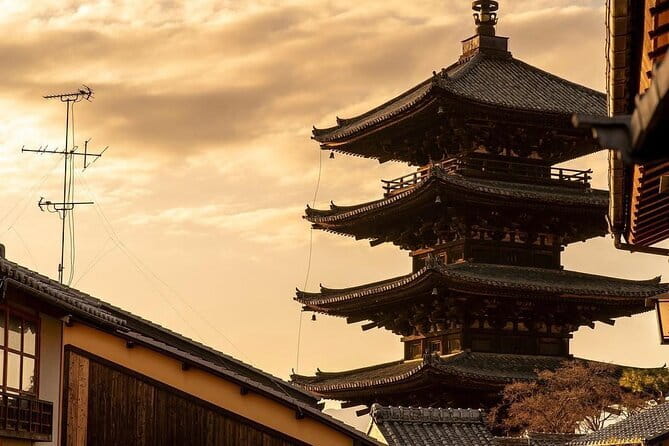
Yasaka Pagoda, also called Hokanji Temple’s pagoda, is one of the most recognizable sights in this part of Kyoto. The tour allows about fifteen minutes near the pagoda, enough for photographs and a short explanation of its place in the Higashiyama district.
Its height and wooden construction make it an impressive landmark, especially against the evening sky. The surrounding lanes are equally important. This is old Kyoto as many people picture it: narrow streets, traditional buildings, stone paving, and warm lights.
Next come Sannenzaka and Ninenzaka, two sloping lanes lined with souvenir shops and restaurants in preserved wooden houses. The walk lasts about fifteen minutes. It is a good place to see how Kyoto’s historic appearance has been maintained while still functioning as a modern commercial district.
Take care on the steps and sloping stones. The paths can be tiring, particularly after Fushimi Inari, and this is one reason the tour asks for moderate physical fitness. A guide can help you move efficiently, but you should not expect frequent long rests unless your group requests them.
The warning about walking carefully is also tied to local tradition. The names of these slopes have associations with age and misfortune, and guides may explain the stories behind them. Whether you take the folklore literally or not, the uneven stone lanes deserve your attention.
Nene-no-Michi and the quieter side of Higashiyama
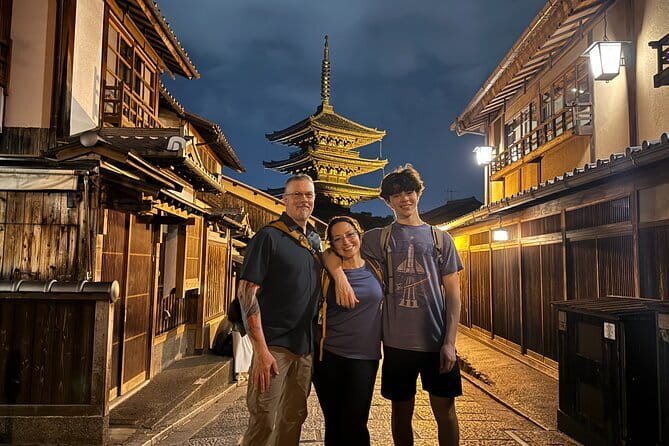
Nene-no-Michi offers a change of pace. Named after Nene, the wife of a powerful Japanese shogun, this path runs through an area associated with temples and historic buildings.
The scheduled time is about fifteen minutes. It is not a major monument stop. Its appeal is the walk itself, particularly when you want a calmer stretch after the busier shopping lanes of Ninenzaka and Sannenzaka.
This is where a local guide can adjust the experience. Guides have been described as personal, patient, and willing to take groups through attractive side lanes rather than only following the most obvious route. Some have also adjusted the pace for older people and families with children.
That flexibility matters in a private tour. If your group has children, an older relative, or someone recovering from a sore knee, tell the guide early. You still need to be prepared for walking, but private arrangements make the evening more adaptable than a large coach excursion.
Yasaka Shrine and a useful finish to the evening
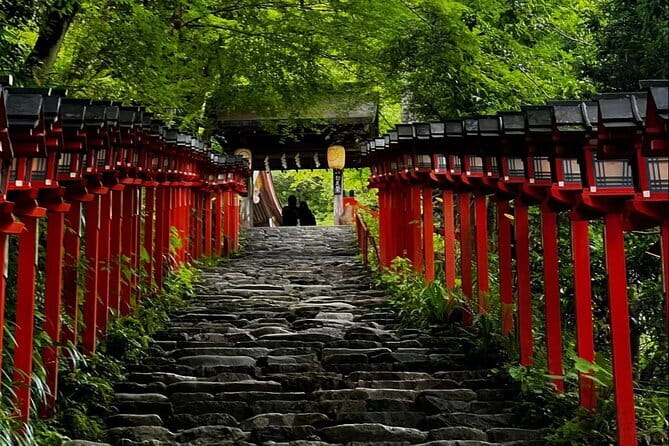
The final stop is Yasaka Shrine, the main shrine connected with about 2,300 related shrines across Japan. It is associated with prosperity and protection and has long played an important role in Kyoto’s religious and festival life.
The visit lasts about fifteen minutes. Your guide can explain how to approach the shrine, how to pay respects, and why Shinto shrines differ from Buddhist temples. Ending here gives the tour a clear religious and cultural thread, linking back to Fushimi Inari at the beginning.
The tour ends back at the original meeting point. That is practical if you are staying near central Kyoto or want to continue your evening from the Kawabatacho area. Some guides have also helped with restaurant suggestions and public transportation questions after the formal tour ends, though that extra assistance should be viewed as a courtesy rather than a guaranteed service.
Guides, photos, and the feel of a private tour
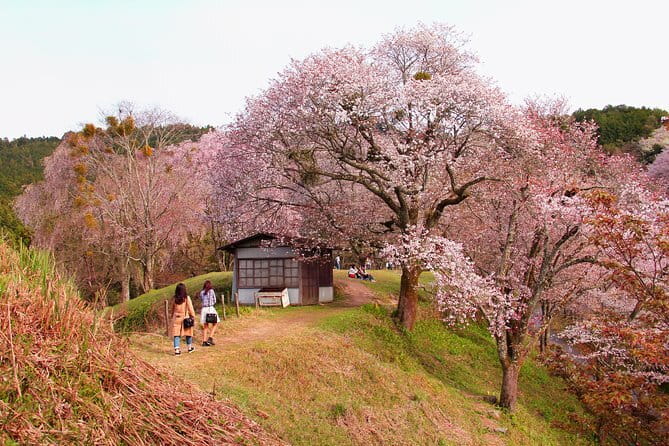
The guide is the most important variable in an experience like this. Guides named in the supplied material include Ikki, Yui, Yuri, Yuki, Mariko, and Joi. Ikki receives especially strong praise for his clear explanations, visual materials, warmth, route knowledge, and ability to connect with both adults and children.
You should not assume you can select a particular guide unless the operator confirms it. Still, the repeated emphasis on friendly English guidance is encouraging. The best guides do more than recite dates. They explain shrine etiquette, answer questions about Japanese customs, point out good photo locations, and help you understand what you are seeing.
The included photos are another practical advantage. Night photography is hard, especially with a whole family or couple in the frame. Guides have taken large batches of photos and short videos and sent them soon after the walk. That can be one of the most useful parts of the experience, since you can enjoy the evening without constantly managing your phone.
The private format also helps. Only your group participates, so you avoid being tied to strangers’ interests or waiting for a large crowd. The pace can still be brisk because the route covers many places in a short time, but the guide can usually pause when your group needs it.
Who will get the most from this tour
I would choose this walk for a first evening in Kyoto, especially if you want a quick orientation before exploring on your own. It introduces major sights, basic shrine customs, old neighborhoods, and the practical use of Kyoto’s public transportation.
Families can also do well here. One family group with four children aged five to twelve found the guide patient and engaging, and the photo service is handy when you want a proper family picture at each stop.
Older people can take part, but the route is not effortless. You will walk on stone streets, handle slopes and steps, and move between several districts. An older visitor with good mobility may enjoy it, while anyone needing frequent rest should raise that concern before booking.
This is less suitable if you want a slow photographic session at Fushimi Inari, a long visit inside one temple, or a food-focused evening. The tour is broad rather than deep. You see many places and learn how they fit together, but you do not spend an hour at every stop.
Timing, meeting details, and what to bring
Arrive early at the Statue of Izumo-no-Okuni. The late policy is strict: if you miss the meeting time, you may not be able to join and will not receive a refund.
Wear shoes suited to stone streets and walking. Bring water, a rain layer if the forecast is uncertain, and a few coins for shrine offerings. You also need to budget ¥480 per person for public transportation, since that is not included in the advertised price.
Food and drinks are not included. The route does pass through areas with restaurants, but you should not count on a meal break during the 2.5-hour experience.
Free cancellation is available when you cancel at least 24 hours before the starting time. Changes or cancellations inside that window are not accepted for a refund.
Should you book the Kyoto Magical Night Tour?
Book it if you want an affordable private introduction to Kyoto’s most atmospheric eastern districts, with a local English-speaking guide to explain customs and take your photos. The combination of Fushimi Inari, Gion, Yasaka, and the old Higashiyama lanes gives you a lot in one evening.
Skip it if you dislike walking, need a very slow pace, or prefer to explore one shrine in detail. For most first-time visitors with reasonable mobility, the $26.43 price is a good deal, particularly because the experience includes private guiding, shrine access, and professional photos. Arrive on time, wear good shoes, and let the evening carry you through Kyoto’s older side.
FAQ
How much does the Kyoto Magical Night English Tour cost?
The listed price is $26.43 per person. Group discounts are available.
How long does the tour last?
The tour lasts approximately 2 hours and 30 minutes.
Is this a private tour?
Yes. Only your group participates in the activity.
Is the tour conducted in English?
Yes. The experience includes a local English-speaking guide.
What is included in the price?
The price includes the local English-speaking guide, admission fees for all temples and shrines, and professional photos taken during the tour.
Is public transportation included?
No. Public transportation costs ¥480 per person and is not included in the tour price.
Where does the tour begin and end?
The meeting point is at the Statue of Izumo-no-Okuni in Kawabatacho, Higashiyama Ward, Kyoto. The activity ends back at the meeting point.
What happens if I cancel?
You can receive a full refund if you cancel at least 24 hours before the scheduled start time. Cancellations or changes made less than 24 hours before the start are not accepted for a refund.
More Shrines in Kyoto
- Osaka/Kyoto: Arashiyama, Nara & Fushimi Inari Shrine w/Lunch
★ 4.4 · 754 reviews - KYOTO Tea Ceremony with kimono near by Imamiya Jinjya Shrine
★ 5.0 · 343 reviews - Kyoto: 3-Hour Fushimi Inari Shrine Hidden Hiking Tour
★ 4.9 · 270 reviews - Kyoto: Fushimi Inari Shrine and Tofukuji Temple E-Bike Tour
★ 5.0 · 75 reviews
More of Kyoto After Dark
- Night Walk in Gion: Kyoto’s Geisha District
★ 4.5 · 2,003 reviews - Kyoto Night Foodie Tour in Gion (9+ dishes + 6 Sake tastings)
★ 5.0 · 1,762 reviews - Kyoto Gion Night Walk & Geisha District Guided Tour
★ 5.0 · 786 reviews - Kyoto Ghost Tour: Dark Tales, Urban Legends, Bamboo Forest Night
★ 5.0 · 625 reviews
Newest Kyoto experiences on the site
- Treasures of Kyoto: Gion & historical Walking Tour★ 5.0 · 6 reviews
- Whisk Your Own Matcha: A Zen Matcha Experience at Temple★ 3.6 · 7 reviews
- Kyoto tea town for matcha lovers★ 5.0 · 16 reviews
- Uji: Private immersion into Kyoto’s tea and reglious culture★ 5.0 · 17 reviews
- Kyoto Matcha Green Tea Tour★ 4.5 · 23 reviews
- Uji and Wazuka Matcha Farm Half Day Private Guided Tour★ 5.0 · 21 reviews
- Utilising upcycled Matcha! Creating matcha incense (Uji, Kyoto)★ 5.0 · 6 reviews
- Sacred Temple Yoga Experience in Japan★ 5.0 · 3 reviews
Fushimi Inari Tours, compared.
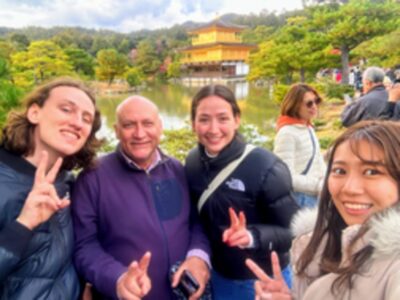
Fushimi Inari, Kinkakuji, Bamboo Grove 1 Day Bus Tour
Read our review →
Fushimi Inari Hidden Hiking Tour (Private Option Available)
Read our review →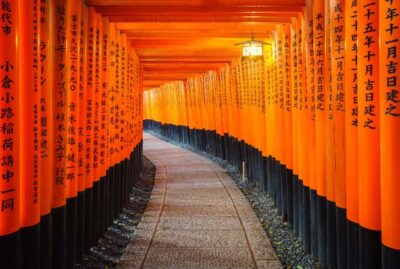
Kinkakuji,Arashiyama,FushimiInariShrine,NaraPark
Read our review →
Nara, Fushimi Inari Taisha, Arashiyama Bus Tour
Read our review →
Arashiyama, Nara & Fushimi Inari Shrine w/Lunch
Read our review →
Nijo Castle, Kiyomizu & Fushimi Inari Guided Tour
Read our review →
Nijo, Kinkaku-ji, Arashiyama, Kiyomizu & Fushimi Inari
Read our review →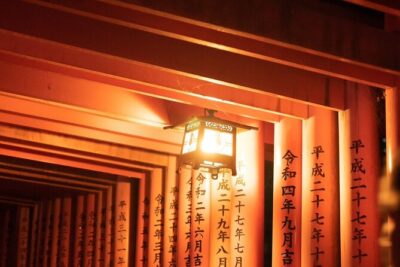
Browse the lists this tour appears in