
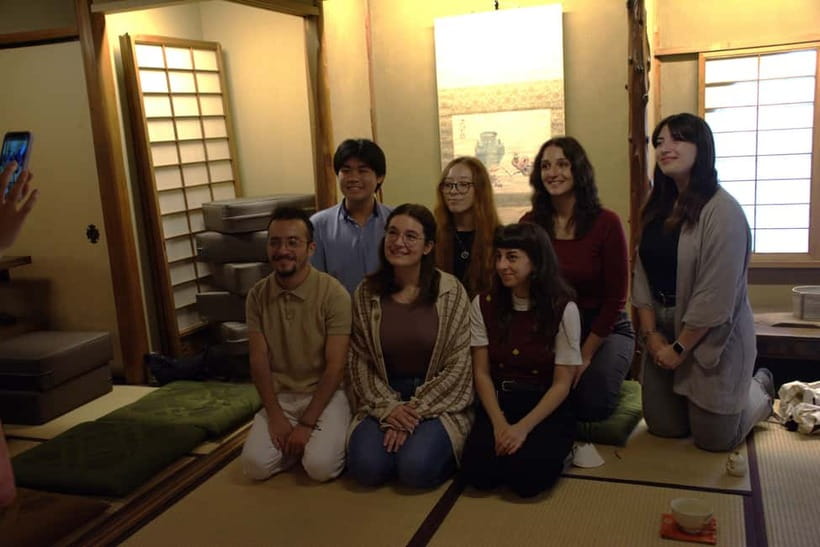
Reviewed · KYOTO MATCHA EXPERIENCES
Whisk Your Own Matcha: A Zen Matcha Experience at Temple
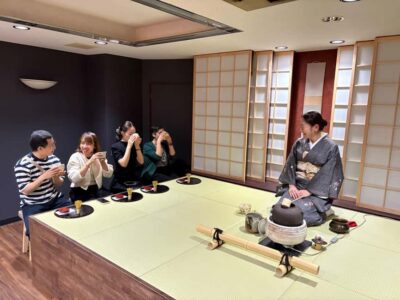
The best part of this 45-minute experience is that you do not just watch a tea ceremony. You make your own bowl of matcha, using traditional tools while an English-speaking host explains what each movement means. Sakura has led the session for many guests, and her warm, question-friendly style is a major part of the appeal.
I like the small, personal format and the chance to enjoy matcha with a Kyoto sweet rather than treating the ceremony as a quick photo stop. The main caution is practical: the meeting instructions have caused confusion, and one scheduled session reportedly failed when the guide was unavailable. Confirm the exact entrance before setting out.
Key points at a glance
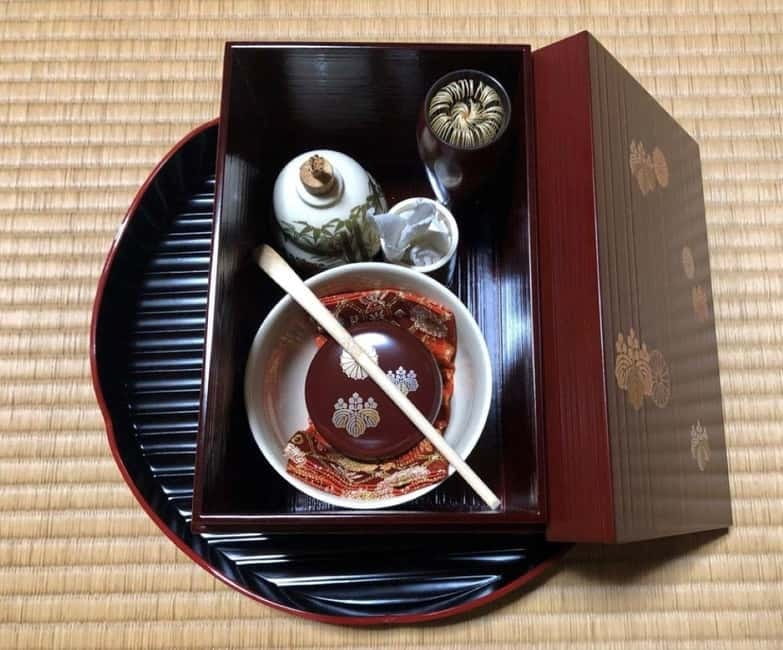
- Whisk your own matcha: You handle the traditional tea tools instead of sitting through a demonstration only.
- Sakura leads the session: Expect English explanations, plenty of time for questions, and a friendly teaching style.
- Tea and a Kyoto sweet included: The tasting gives the ceremony a simple, satisfying finish.
- Small and personal: The experience may be private rather than a large group event.
- Allow extra time to find the door: Directions refer to Shokoji Temple, while some booking details point to the Grapevine Cafe near Ichinen-Zaka and Ninen-zaka.
- Good for older children and adults: It is not suitable for children under 10 or people with back problems.
What this Kyoto matcha experience is really about
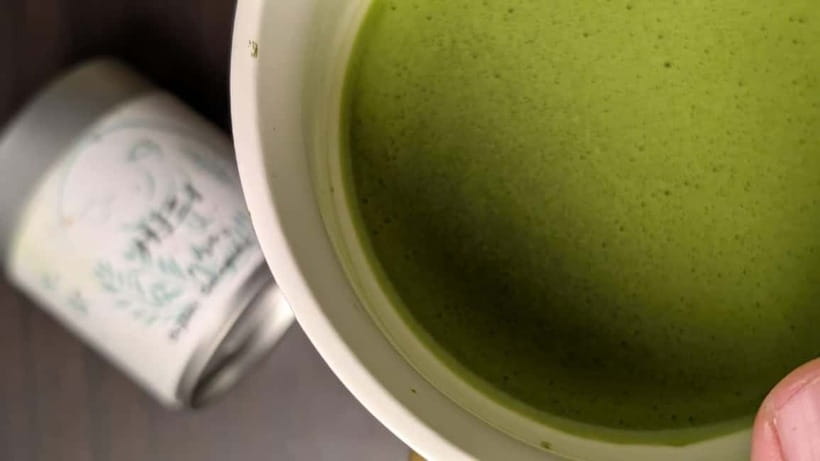
A tea ceremony can look simple from the outside: a bowl, a whisk, hot water, and a few careful gestures. The meaning sits in the details. This session gives you a chance to slow down and learn why the tools are handled in a certain way, why the preparation follows a set pattern, and how matcha became linked with Zen practice in Japan.
You are not signing up for a long formal ceremony. The whole activity lasts 45 minutes, so it fits neatly into a Kyoto sightseeing day. That short length is useful if you want a first taste of tea culture without giving up half a day.
The session is hands-on. Your host explains the background, introduces the equipment, and guides you as you whisk your own tea. That makes the experience easier to remember than simply watching someone else prepare a bowl.
More matcha experiences in Kyoto:
- Kyoto: Arashiyama Bamboo Forest, Monkeys, Matcha & Temple Tour
★ 5.0 · 759 reviews - Kyoto: Tea Museum Tickets and Matcha Grinding Experience
★ 4.9 · 739 reviews - Kyoto: Tea Ceremony Meditation – Make Matcha with Tea Master
★ 4.8 · 406 reviews
Meeting Sakura and learning the ceremony
Sakura is the host named in the activity information and in several detailed accounts of the session. Her role is not just to perform the ceremony. She explains the customs in English, answers questions, and helps you understand the reason behind the movements.
That teaching style matters. Japanese tea ceremony can feel formal if you do not know what you are seeing. With a guide beside you, the measured pace becomes less mysterious. You can ask about the tea, the utensils, the ceremony’s connection with Zen practice, or how to buy matcha later.
The session is described as a private experience in at least one booking account, rather than a large group class. That is a worthwhile feature if you prefer to ask questions freely or want a quieter introduction. Group size can affect the feel of any activity, so check the details for your chosen date rather than assuming every session will be private.
Sakura’s style also seems suited to first-time visitors. You do not need prior knowledge of tea ceremony, and you are not expected to know the correct gestures before arriving. The point is to learn by doing.
Whisking your own bowl of matcha
The most active part of the experience comes when you prepare the tea yourself. You use traditional tea tools and follow Sakura’s instructions as you whisk the matcha into a frothy drink.
This is not a cooking class, and the focus is not on technical perfection. Your first bowl may not look like one prepared by a tea master. That is fine. The value is in feeling the rhythm of the process and seeing how powder and water become a smooth drink through repeated whisking.
I like this part because it gives you something concrete to remember. You have not only heard about matcha. You have held the tools, followed the sequence, and tasted the result.
The ceremony also encourages a different pace from ordinary sightseeing. Kyoto can be crowded and noisy, especially around popular historic districts. For 45 minutes, the activity asks you to pay attention to a small set of actions. That quiet concentration is part of the experience, not an extra feature.
Tea, mochi, and the taste of Kyoto
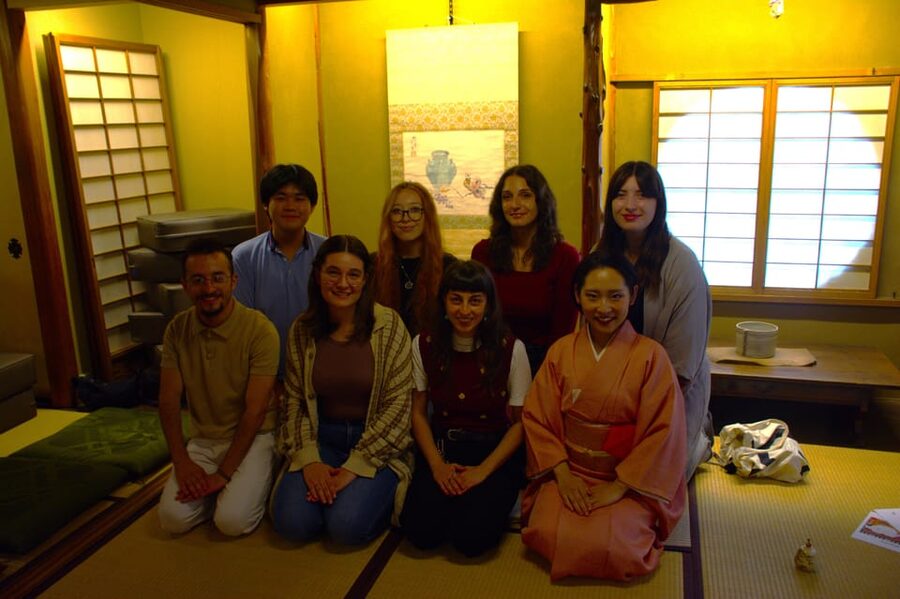
Tea is included, along with a traditional Kyoto sweet. One detailed account specifically mentions mochi with the matcha, though the exact sweet may vary. The pairing is important in Japanese tea culture because the sweet softens the bitterness of the tea and prepares your palate for the drink.
Matcha has a strong, grassy taste that some first-time drinkers find surprising. The sweet offers a pleasant counterpoint. You are not simply being handed a cup and sent on your way. The tasting gives you a chance to notice how the two flavors work together.
Do not expect a large snack or a full meal. This is a small cultural tasting during a short ceremony. Plan lunch or dinner separately.
The included photo session is another useful touch. The activity provides a photo shoot, though the supplied details do not specify how many images you receive or who takes them. If a particular type of photo matters to you, ask the host before the session begins.
More zen sittings and garden visits in Kyoto:
- Kyoto Zen Meditation & Garden Tour at a Zen Temple with Lunch
★ 5.0 · 441 reviews - Kyoto: Zen Experience in a Hidden Temple
★ 5.0 · 437 reviews - Kyoto: Zen Meditation at a Private Temple with a Monk
★ 5.0 · 202 reviews - Kyoto: Zen Garden, Zen Mind (Private)
★ 5.0 · 126 reviews
A calm temple setting, with a location warning
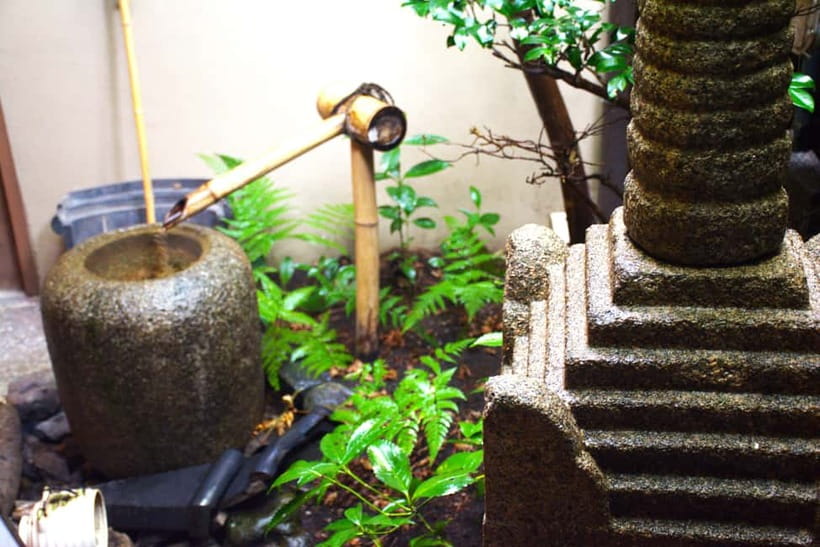
The meeting instructions identify Shokoji Temple, reached from Kyoto Station by walking north along Karasuma Street for about 10 minutes from the north central exit. The directions say the small temple is on the right, just past several intersections, and advise you to look for the sign at the entrance.
That sounds straightforward, but the entrance deserves careful attention. Some booking information and detailed directions refer instead to the Grapevine Cafe near the corner of Ichinen-Zaka Street and Ninen-zaka Path. The cafe is described as having grapevines above the entrance, and you may need to knock.
Those two sets of directions do not match neatly. I would not rely on a quick glance at a map pin. Check the current meeting instructions immediately before you leave, save the contact details, and allow extra time. If you cannot find the entrance, the supplied contact number is 080-5259-3796, and email contact is also provided.
This is the single biggest practical weakness. A peaceful setting only helps if you can find the door. One scheduled visitor could not locate the venue, while another reported arriving to find that the guide was out of the country and the service was no longer being offered. That kind of problem appears unusual compared with the positive sessions, but it is serious enough to justify confirming the appointment.
How the 45 minutes usually unfolds
The exact order may vary, but you can expect a compact sequence:
- An introduction to matcha and the history of Japanese tea ceremony
- An explanation of the tea tools and the meaning of the gestures
- A guided preparation of your own bowl
- Time to drink the matcha with a Kyoto sweet
- Questions, recommendations, and photos
The first section gives you the cultural frame. Without it, whisking can feel like a craft demonstration. With it, you understand that the ritual is tied to attention, hospitality, and Zen practice.
The preparation section is where you take part. Sakura guides you through the movements, so the ceremony remains accessible even if you have never used a bamboo whisk.
The final portion is relaxed. You taste the tea, enjoy the sweet, and can ask follow-up questions. One useful detail from the experience is that Sakura can offer advice about buying matcha for later use. That makes the session more useful if you plan to bring tea home or try preparing it again.
Is $32 a fair price?
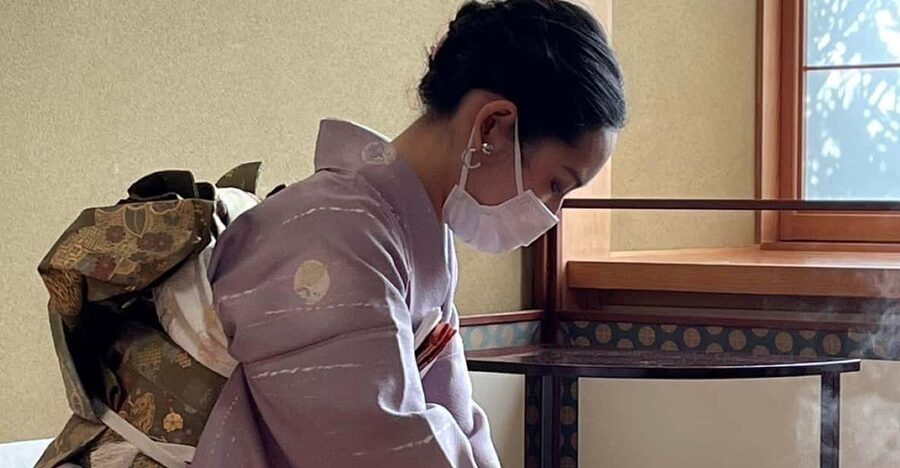
At $32 per person, this is not the cheapest way to drink matcha in Kyoto. You can find tea and sweets for less at a cafe. The price makes more sense if you are paying for instruction, cultural context, traditional tools, a guided activity, and a photo session in addition to the drink.
The 45-minute length keeps the cost from becoming a major commitment. You are buying a focused introduction rather than a full formal tea school lesson. For someone who wants a memorable cultural activity between temple visits, the price is reasonable.
Value depends heavily on what you want. If your goal is simply to taste matcha, skip the class and choose a tea shop. If you want to understand the ceremony and prepare the tea yourself, the added instruction is the point.
The uncertainty around the meeting place affects value. A well-run session with Sakura can be personal and informative. A missed appointment or unclear entrance can quickly turn a fair price into a frustrating one. Confirm the details before booking, and use the free cancellation window if the arrangements remain unclear.
You can cancel up to 24 hours in advance for a full refund, and the reserve-now, pay-later option keeps you from paying immediately. Those terms are useful when your Kyoto schedule is still moving around.
Who should book this experience?
I would recommend it to adults and children aged 10 and over who want a gentle introduction to Japanese tea culture. It suits first-time visitors especially well because you do not need to know the etiquette in advance.
It is also a good choice for anyone who enjoys small, question-friendly activities. If you want to ask about the tea ceremony, Zen practice, or matcha shopping, a personal session offers more room than a crowded demonstration.
Tea enthusiasts may enjoy the chance to use traditional tools and compare the preparation with methods they already know. The activity is also a good rainy-day option, since the main value comes from the indoor teaching and ritual rather than scenery.
I would think twice if you have back problems. The activity is specifically listed as unsuitable for people with back problems, and the supplied information does not describe the seating or posture in detail.
Families with young children should choose another activity. Children under 10 are not permitted, and the quiet, careful pace may not suit a younger child even if that age rule were different.
Party groups are not allowed, and alcohol and drugs are prohibited. This is a calm cultural session, not a social drinking experience.
Getting there without wasting your morning
From Kyoto Station, take the north central exit and walk north along Karasuma Street for about 10 minutes. The written directions identify Shokoji Temple on the right-hand side, just past several intersections.
The separate reference to the Grapevine Cafe creates a clear reason to verify your meeting point. Look for the grapevines above the cafe entrance if your current instructions direct you there, and be prepared to knock. If your confirmation names Shokoji Temple, look for the small temple sign rather than assuming the cafe is correct.
I would arrive early, but not excessively so. The activity lasts only 45 minutes, and a late arrival can cut into the teaching time. Save 080-5259-3796 in your phone before leaving Kyoto Station.
The activity is wheelchair accessible, which is useful, though the details do not explain the exact route, door width, or restroom arrangements. If you need a specific accessibility feature, contact the provider in advance.
Final verdict: book after confirming the door
This matcha session offers the right ingredients for a memorable Kyoto activity: a hands-on ceremony, English instruction, a traditional sweet, a calm setting, and a host named Sakura who explains the customs with warmth and patience. The private or small-scale format makes it more personal than a basic tea tasting.
I would book it if you want to learn by doing and you have time to confirm the meeting point. I would not book it blindly. The conflicting location clues and one serious no-show account are practical concerns, not minor details.
For the best chance of a smooth visit, confirm the venue and guide shortly before your appointment, allow extra time to find the entrance, and treat the activity as a short cultural lesson rather than a full meal or elaborate formal ceremony. If those expectations fit, $32 buys more than a bowl of tea. It gives you a simple way to understand the gestures, taste matcha with a Kyoto sweet, and carry a little of the ritual home with you.
FAQ
How long does the matcha experience last?
The experience lasts 45 minutes.
What is included in the price?
Tea, a traditional Kyoto sweet, and a photo shoot are included.
Is the experience taught in English?
Yes. The instructor language is English.
Can I whisk my own matcha?
Yes. You will use traditional tea tools and prepare your own bowl of matcha with guidance from the host.
Who is the host?
The host named in the activity details is Sakura.
Where is the meeting point?
The written directions identify Shokoji Temple, about a 10-minute walk north from Kyoto Station’s north central exit along Karasuma Street. Some directions also refer to the Grapevine Cafe near Ichinen-Zaka Street and Ninen-zaka Path, so confirm the exact entrance before setting out.
Is the activity wheelchair accessible?
Yes, the activity is listed as wheelchair accessible.
Can children attend?
Children under 10 are not permitted. The activity is also listed as unsuitable for people with back problems.
More Temples in Kyoto
- Kyoto: Tea Ceremony Ju-An at Jotokuji Temple
★ 4.9 · 3,207 reviews - Arashiyama Bamboo, Temple, Monkeys, or Secret Sake Brewery
★ 4.8 · 886 reviews - Kyoto: Arashiyama Bamboo, Temple, Matcha, Monkeys & secret spots
★ 5.0 · 219 reviews - Kyoto: Calligraphy class at Buddhist temple in city center
★ 5.0 · 167 reviews
Newest Kyoto experiences on the site
- Treasures of Kyoto: Gion & historical Walking Tour★ 5.0 · 6 reviews
- Kyoto tea town for matcha lovers★ 5.0 · 16 reviews
- Uji: Private immersion into Kyoto’s tea and reglious culture★ 5.0 · 17 reviews
- Kyoto Matcha Green Tea Tour★ 4.5 · 23 reviews
- Uji and Wazuka Matcha Farm Half Day Private Guided Tour★ 5.0 · 21 reviews
- Utilising upcycled Matcha! Creating matcha incense (Uji, Kyoto)★ 5.0 · 6 reviews
- Sacred Temple Yoga Experience in Japan★ 5.0 · 3 reviews
- Uji Tea Ceremony and UNESCO Heritage Walking Tour★ 5.0 · 20 reviews
Kyoto Matcha Experiences, compared.
Arashiyama Bamboo Forest, Monkeys, Matcha & Temple Tour
Read our review →
Tea Museum Tickets and Matcha Grinding Experience
Read our review →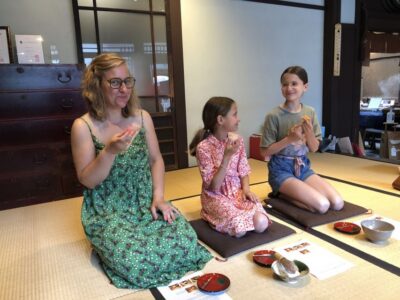
Tea Ceremony Meditation – Make Matcha with Tea Master
Read our review →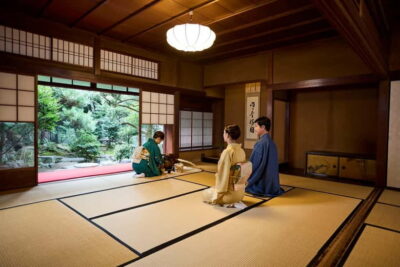

Arashiyama Bamboo, Temple, Matcha, Monkeys & secret spots
Read our review →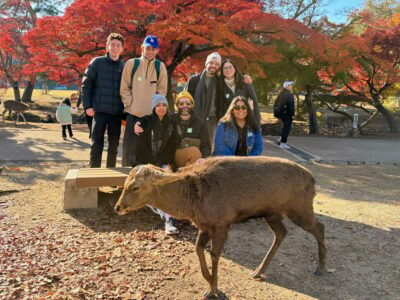
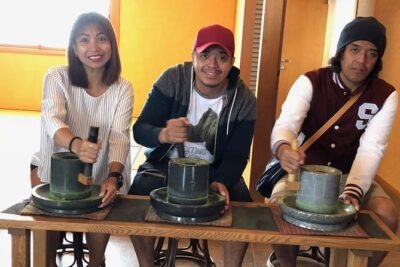
Traditional Tea Ceremony with Matcha & Sweets in Gion
Read our review →Browse the lists this tour appears in