
Reviewed · KYOTO MATCHA EXPERIENCES
Kyoto Matcha Green Tea Tour
Uji is where Kyoto’s tea story becomes something you can taste. This small-group walk takes you beyond a single cup of matcha, with tea tastings, matcha making, wagashi sweets, and matcha ice cream built into the day. You also visit Byodoin Temple, one of Japan’s best-known World Heritage sites.
I like the useful mix of food and culture. The included set lunch saves you from finding a restaurant during a short outing, while a guide helps with translation at local tea shops. The second strong point is the size: a maximum of 10 people should make it easier to ask questions and keep the group moving.
The main drawback is the price, $221 per person, which is a serious spend for roughly three hours. Transportation, hotel pickup, and some food and drinks are not included, and the experience is not recommended for vegan or gluten-free diets.
Key points at a glance
- Uji is the setting: Visit the Kyoto area best known for high-quality green tea and matcha.
- Matcha is treated as a craft: Watch it being made, taste different preparations, and learn how the finished cup comes together.
- Lunch is included: A set meal is served at a restaurant, with vegetarian options noted.
- Byodoin adds major cultural weight: The tour includes this UNESCO World Heritage Site near the end of the route.
- Local stops keep the outing grounded: Uji Shrine, Amagasetsuri Bridge, tea shops, and Masuda Chaho add variety.
- Small groups help: The maximum is 10 people, and the tour starts at Uji Station at 11 a.m.
Why Uji is the right place for a matcha tour
Uji is not simply a convenient day trip from Kyoto. It is one of Japan’s best-known tea-producing areas, and the town’s identity is closely tied to green tea. That makes it a better place to learn about matcha than a standard tea demonstration in a hotel or city shop.
I like that this experience treats tea as part of daily life. You walk through the town, pass tea shops, stop for tastings, and see how matcha fits into local food culture. The tea is not isolated from the place that produces it.
The route also gives you more than one kind of Uji experience. You have food, shopping, a historic shrine, a bridge over the Uji River, and Byodoin Temple. That variety matters because three hours of tea tasting alone could feel repetitive, especially if you already know you like matcha.
The start time is 11 a.m. at Uji Station. That is convenient if you are staying in Kyoto and prefer a slower morning, but you need to arrange your own transport to the meeting point. Hotel pickup and drop-off are not included, and transportation costs are separate.
More matcha experiences in Kyoto:
- Kyoto: Arashiyama Bamboo Forest, Monkeys, Matcha & Temple Tour
★ 5.0 · 759 reviews - Kyoto: Tea Museum Tickets and Matcha Grinding Experience
★ 4.9 · 739 reviews - Kyoto: Tea Ceremony Meditation – Make Matcha with Tea Master
★ 4.8 · 406 reviews
Tea tastings and the art of making matcha
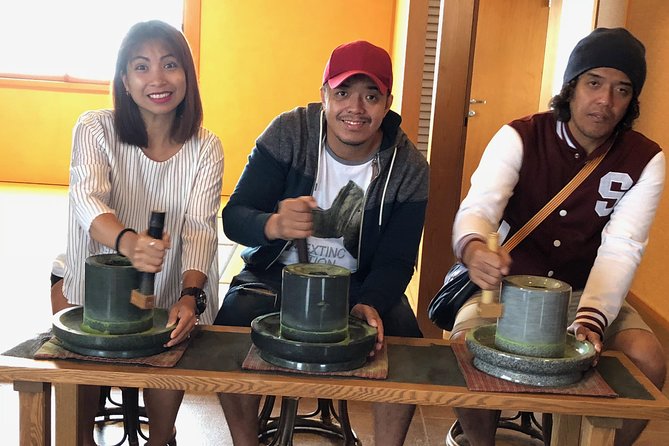
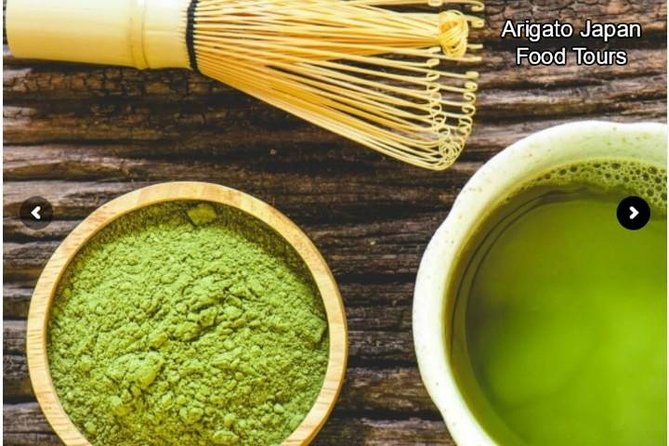
The main reason to book this outing is the chance to compare and understand matcha rather than simply drink it. The program includes an authentic tea experience with a local person, matcha tasting, and a demonstration of matcha making.
You can expect to see the preparation process up close. The value here is practical: a guide can explain what you are tasting and help translate at local shops. Without that support, it can be hard to compare products, understand labels, or decide what makes one tea different from another.
The experience also includes matcha ice cream and wagashi sweets. Wagashi are traditional Japanese confections often served with tea, so this pairing gives you a useful sense of how bitterness and sweetness work together. The ice cream offers a more familiar entry point for anyone who finds straight matcha intense.
I would not book this expecting an advanced tea-school lesson. The published details promise a broad introduction, tasting, and preparation rather than a formal certification course or a long ceremony. That is a good fit for most visitors who want context without spending an entire day in a single room.
The tea portion is also a strong choice for first-time matcha drinkers. You can try it in several forms, ask questions, and decide what you actually enjoy before buying souvenirs. If you already have a serious interest in Japanese tea, you may want to ask the guide how much time is devoted to production, grades, and brewing. The available information does not promise a technical lecture.
Lunch gives the short tour better value
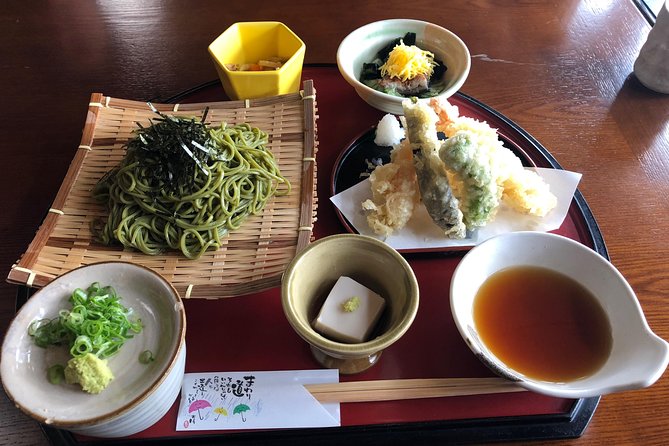
An included set lunch is one of the most useful features here. You do not need to stop the tour to search for food, and the meal turns the outing into a fuller half-day experience rather than a series of small samples.
The food is served in a restaurant, but the exact menu is not specified. That means you should not book this expecting a particular dish. The program is vegetarian-friendly, yet it is specifically not recommended for vegan or gluten-free diets.
The lunch also helps justify part of the $221 price. Uji is a popular destination, and a meal, several tastings, sweets, and a guided walk can add up. Still, the price remains high for the duration, so I would compare it with the cost of arranging a self-guided Uji visit.
On your own, you could visit Uji Station, walk through the tea-shopping area, see Byodoin, and sample tea at a shop. What you would not automatically get is the local guide, translation help, organized tasting, matcha-making experience, and included lunch. The tour is paying for structure and access, not simply admission.
Uji Shrine and the quieter side of town
Uji Shrine brings a spiritual pause to the food-focused route. This historic Shinto shrine is often visited with nearby Ujigami Shrine, and it gives you a chance to see a more traditional side of Uji.
The details provided for this stop are brief, so you should think of it as part of the walking route rather than a long guided temple lecture. Its value is the change of pace. After tea shops and tastings, a shrine grounds the visit in local religious culture.
This is also where a guide can make a difference. A short explanation of shrine customs, the site’s role, or the relationship between nearby religious sites can help you notice more than you would on a quick pass. The tour is conducted in a small group, which should make it easier to hear and ask questions.
You will need a moderate level of physical fitness. The experience involves walking between stops, browsing shops, crossing a bridge, and visiting temple and shrine areas. No serious hike is described, but comfortable shoes make sense.
A few more Kyoto tours worth putting on the shortlist
- Uji: Green Tea Tour with Byodoin and Koshoji Temple Visits
★ 4.8 · 72 reviews - Uji: UNESCO Heritage & Tea Ceremony Walking Tour
★ 4.6 · 54 reviews - Slow Cycling Tour at Uji’s Matcha Green Tea Fields and Heritage
★ 5.0 · 25 reviews - Uji and Wazuka Matcha Farm Half Day Private Guided Tour
★ 5.0 · 21 reviews
Crossing Amagasetsuri Bridge
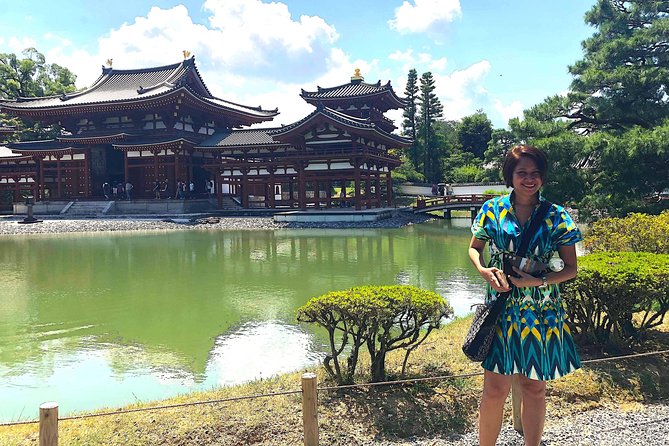
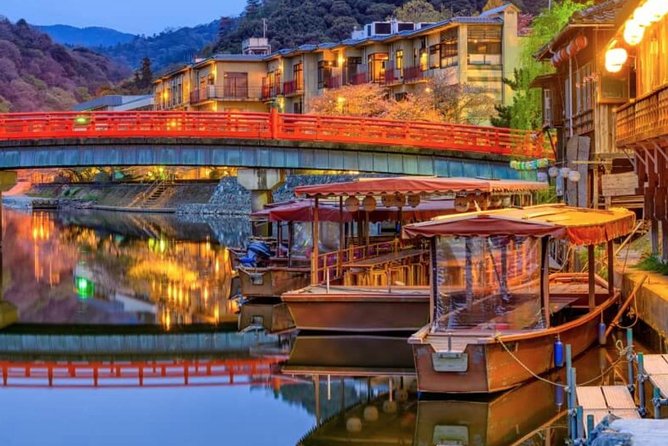
Amagasetsuri Bridge is a scenic wooden suspension bridge over the Uji River. It adds a visual break to the tour and gives you a different view of the town’s tea shops and surrounding scenery.
The bridge is not the main attraction, and the published schedule does not give it a separate duration. Think of it as a short scenic stop along the walk. It is especially useful for photos and for seeing Uji from the river rather than from its shop-lined streets.
A bridge stop also gives the route a more relaxed rhythm. The day is not only about sitting, tasting, and listening. You are moving through Uji and seeing how the river, historic sites, and tea businesses fit together.
Conditions can affect the route. The experience requires good weather, and stops may change because of weather, restaurant schedules, public holidays, or other unexpected issues. If a substitution is needed, the provider says an alternative will be made.
Tea shops, souvenirs, and Masuda Chaho
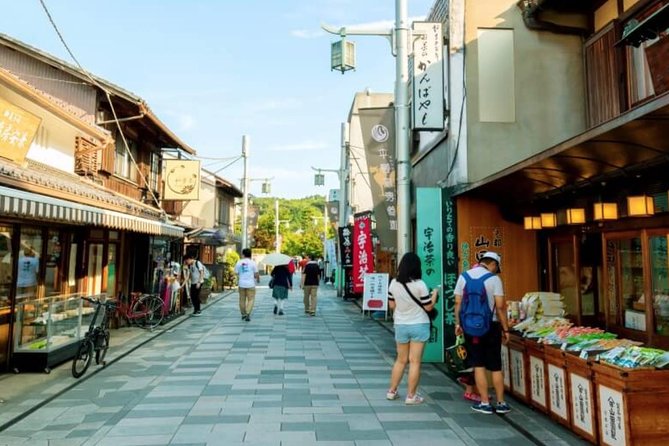
Shopping time is included, and Uji is a sensible place to buy tea. You can browse local shops for souvenirs unique to the area, with the guide available to help translate. That assistance is useful when you want to understand what you are buying rather than simply choose a package by appearance.
I recommend waiting before making a purchase. Taste first, ask questions, and note which tea style you prefer. The tour gives you a chance to sample products before committing money to a larger tin or gift package.
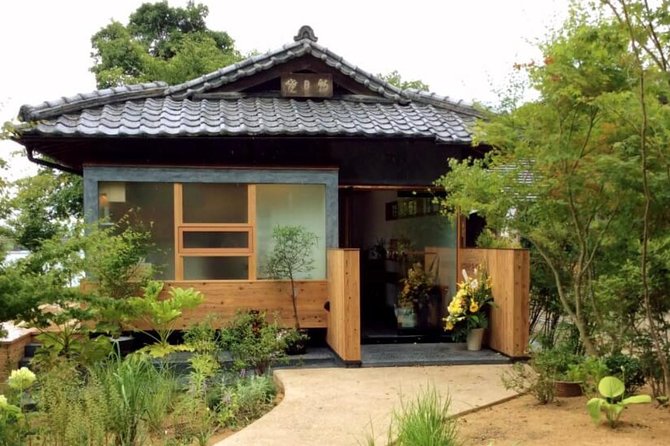
Masuda Chaho is listed as the final tea stop. It is a tea shop where you can sit with premium Uji matcha or hojicha, a roasted green tea. Hojicha is generally a gentler choice for anyone who finds matcha too strong, although the exact serving details may vary.
The shop provides a fitting finish because it brings the experience back to the cup. After learning about matcha and seeing it prepared, you can compare it with hojicha and decide which flavor suits you. It is also a practical place to make a final tea purchase if something has caught your eye.
Byodoin Temple adds a major landmark
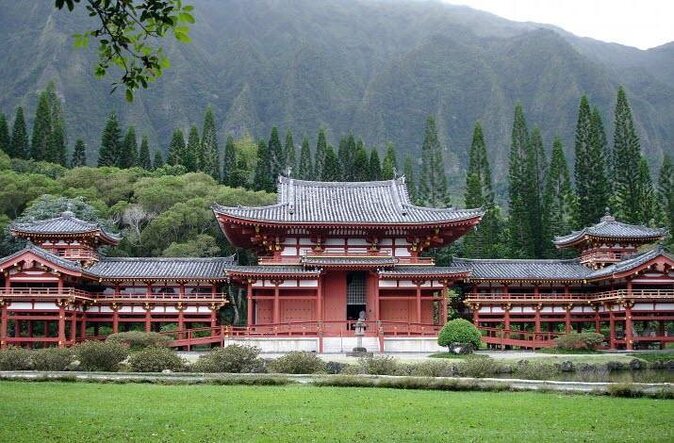
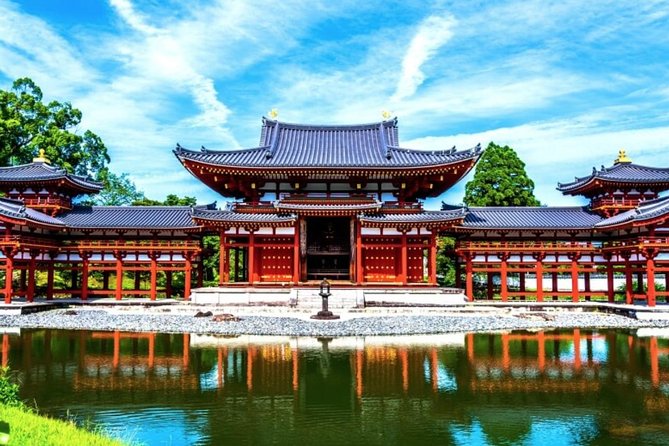
Byodoin Temple gives this tour its biggest historical attraction. The temple is a UNESCO World Heritage Site and one of the central sights in Uji.
The stop is listed as about five minutes, which is very short. You should not expect an extensive temple visit or a long period inside the grounds. The limited time may be enough for an introduction or exterior viewing, but it is a drawback if Byodoin is the main reason you want to visit Uji.
The tour ends around the Byodoin area, with shopping streets nearby. That gives you the option to continue exploring after the organized portion, subject to the day’s timing and your own plans. The published information lists the admission ticket as free for the stops, but it does not spell out every possible temple access detail, so check the final arrangements when booking.
I like the way Byodoin changes the balance of the tour. You are not spending the entire outing inside shops. You get a famous cultural site, even if the visit is brief, and you finish in an area where you can continue walking or shopping.
Group size, timing, and what you need to arrange
The tour lasts approximately 3 hours and 15 minutes, while the route information also describes about three hours of activity. Allow a little flexibility rather than planning a tight connection immediately afterward.
The group maximum is 10 people. That is small enough for a more personal feel, especially during tea preparation and tastings. It also makes translation and questions more manageable than on a large coach outing.
You meet at Uji Station at 11 a.m. and finish near Byodoin Temple and its shopping streets. You are responsible for getting to Uji and arranging your way onward. Mobile tickets are supported, and confirmation is provided when you book.
Children must be accompanied by an adult. Children aged 10 and above require a copy of passport information, according to the tour requirements. The listed minimum drinking age is 21, though the experience centers on tea rather than alcoholic drinks.
Solo visitors are asked to email the provider. That is worth doing before booking if you are traveling alone, since the supplier may need to confirm availability or the group arrangement.
The route and restaurants can change. Public holidays, weather, schedules, and other conditions may lead to substitutions. This is normal for a food-focused walking tour, but you should avoid treating every listed stop as guaranteed in precisely the stated order.
Is $221 a fair price?
At $221 per person, this is not a budget way to see Uji. You are paying a premium for a short, organized experience with a local guide, several tea-related tastings, lunch, sweets, ice cream, shopping time, and a visit to Byodoin.
The price makes more sense if you value the guide’s help with translation and want the day arranged for you. It is also more attractive if you would otherwise feel unsure about entering small tea shops or choosing among unfamiliar products.
The price is harder to defend if you mainly want to see Byodoin Temple. The temple stop is brief, and you can visit Uji independently with more control over your schedule. It is also not ideal value for someone who does not care much about matcha.
The high recommendation rate and 4.7 rating from 23 published ratings suggest a strong overall response, and the most praised feature is the warm, attentive hospitality. One detailed account specifically emphasized constant attention to detail and described the time as both enjoyable and useful. That points to the human side of the tour: the guide’s care may be as important as the number of stops.
Who should book this Uji experience?
I would recommend it for first-time visitors to Uji who want an easy introduction to tea culture without having to plan every stop. It suits couples, families with older children, and small groups who enjoy food, shopping, and light sightseeing in one outing.
It is also a good fit if you want to buy tea but would feel more comfortable with translation help. The combination of tasting before shopping and guidance at local shops can prevent a rushed or uninformed purchase.
I would be cautious if you are vegan or gluten-free, since the tour is not recommended for those diets. I would also look elsewhere if you want a long Byodoin visit, a formal tea ceremony, or an advanced study of tea production.
Book this tour if you want organized access to Uji’s tea culture, a meal, and a small group that moves between food and major sights. Skip it if the $221 cost feels steep for three hours or if you prefer to explore Uji at your own pace. For the right visitor, the appeal is clear: you taste the town, learn how matcha is made, and leave with a better sense of what makes Uji special.
FAQ
Where does the Kyoto Matcha Green Tea Tour begin?
The tour begins at Uji Station, Otsukata, Uji, Kyoto 611-0021, Japan. The start time is 11 a.m.
Where does the tour finish?
The organized experience ends at Byodoin Temple, with the end point described as the shopping streets in the Byodoin area.
How long does the experience last?
The tour lasts approximately 3 hours and 15 minutes. The route information also describes about three hours of activity, so allow some extra time in your schedule.
What is included in the tour?
The experience includes matcha tasting, a restaurant lunch, a tea experience, matcha making, wagashi sweets, matcha ice cream, and shopping time.
Is transportation included?
No. Hotel pickup and drop-off are not included, and transportation costs are separate. You need to make your own way to Uji Station.
Does the tour visit Byodoin Temple?
Yes. Byodoin Temple is included as a UNESCO World Heritage Site. The listed stop is about five minutes, so the visit is brief.
Is the tour suitable for vegetarians?
Yes. The experience is described as vegetarian-friendly. It is not recommended for vegan or gluten-free diets.
How large is the group?
The tour has a maximum of 10 people.
Can I cancel for a refund?
Yes. You can cancel at least 24 hours before the start time for a full refund. Cancellations or changes made less than 24 hours before the start are not accepted for a refund. If bad weather or an insufficient number of participants causes cancellation, you will be offered another date or experience, or a full refund.
Newest Kyoto experiences on the site
- Treasures of Kyoto: Gion & historical Walking Tour★ 5.0 · 6 reviews
- Whisk Your Own Matcha: A Zen Matcha Experience at Temple★ 3.6 · 7 reviews
- Kyoto tea town for matcha lovers★ 5.0 · 16 reviews
- Uji: Private immersion into Kyoto’s tea and reglious culture★ 5.0 · 17 reviews
- Uji and Wazuka Matcha Farm Half Day Private Guided Tour★ 5.0 · 21 reviews
- Utilising upcycled Matcha! Creating matcha incense (Uji, Kyoto)★ 5.0 · 6 reviews
- Sacred Temple Yoga Experience in Japan★ 5.0 · 3 reviews
- Uji Tea Ceremony and UNESCO Heritage Walking Tour★ 5.0 · 20 reviews
Kyoto Matcha Experiences, compared.
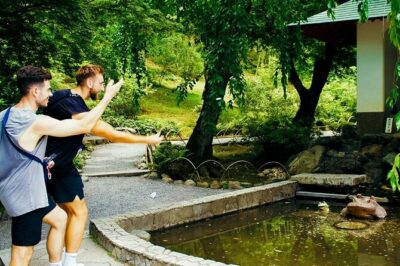
Arashiyama Bamboo Forest, Monkeys, Matcha & Temple Tour
Read our review →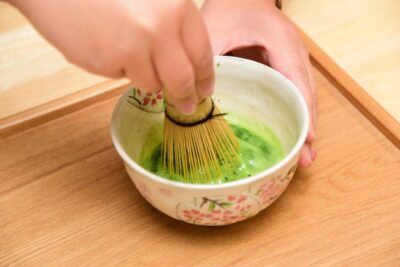
Tea Museum Tickets and Matcha Grinding Experience
Read our review →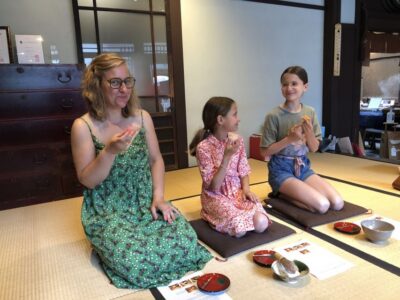
Tea Ceremony Meditation – Make Matcha with Tea Master
Read our review →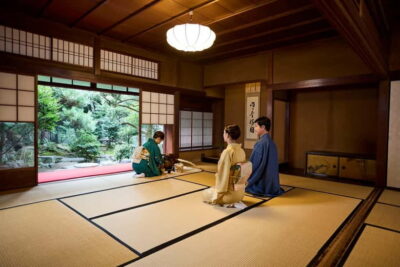

Arashiyama Bamboo, Temple, Matcha, Monkeys & secret spots
Read our review →
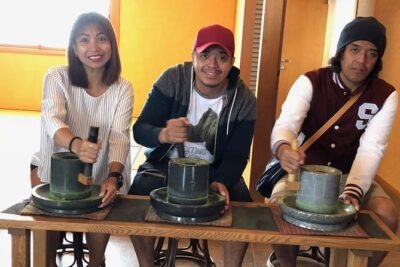
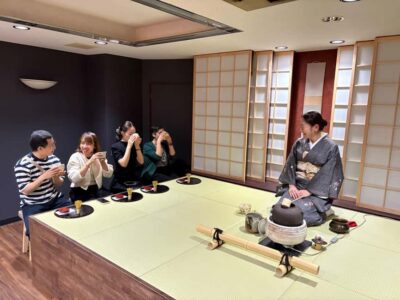
Traditional Tea Ceremony with Matcha & Sweets in Gion
Read our review →Browse the lists this tour appears in