

Reviewed · GION DISTRICT TOURS
Treasures of Kyoto: Gion & historical Walking Tour
Gion is at its most atmospheric as daylight fades, when lanterns glow outside old restaurants and the narrow lanes begin to feel far removed from modern Kyoto. This three-hour walk links Pontocho, Hanamikoji Street, and Yasaka Shrine with quieter corners, temples, and traditional streets that are easy to miss on your own.
I like the tour’s small-group or private format, which leaves room for questions and makes the history feel personal. I also like the practical advice built into the walk. Guides such as Raphaël, Jérôme, and Déborah have helped visitors understand geiko and maiko culture while suggesting more places to see afterward. The main consideration is pace: ten stops in three hours means you will see many places from the outside, rather than make long visits inside each one.
Key points at a glance

- Gion after sunset: See lantern-lit lanes, restaurants, bars, and teahouses as the district shifts into its evening mood.
- A route with real variety: Move from Pontocho Park and the Kamo River area to temple grounds, a theatre, shopping streets, and shrines.
- Useful cultural context: Learn about geiko, maiko, traditional architecture, local customs, and the role of Gion in Kyoto life.
- Private or small group: The format suits families, couples, and anyone who wants to ask plenty of questions.
- A strong three-hour introduction: You cover many of Kyoto’s key eastern sights without giving up a full day.
- Good follow-up advice: Your guide can point you toward other things to do after the walk.
Why Gion works best at the end of the day
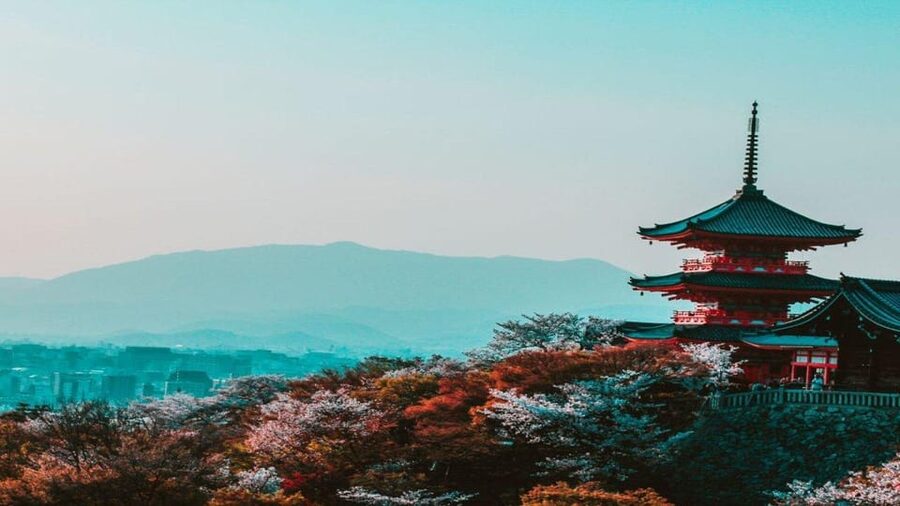
Gion is not simply a preserved movie set. It is a district of working restaurants, bars, shrines, theatres, and narrow lanes, with old customs still visible alongside modern Kyoto. The changing light helps you notice that contrast.
The walk begins at 213 Nakanocho in Higashiyama Ward, close to the historic streets associated with Gion. From there, the route moves through well-known sights and less obvious corners. You get the landmarks you likely came to see, but also the useful local explanation that turns a photo stop into something more memorable.
The evening timing matters. Lanterns give the wooden streets a softer look, and restaurants and teahouses begin preparing for the night. You might also see a geiko or maiko heading to an engagement, but this is subject to availability. That possibility should be treated as a bonus, not the purpose of the tour.
A guide is especially helpful here because some customs are easy to misunderstand. The walk can explain the difference between geiko and maiko, how the district’s entertainment culture works, and why respectful behavior matters around performers and private establishments. The best approach is to watch quietly, follow local guidance, and avoid treating people as photo props.
More ways to walk Gion:
- Kyoto Geisha Walking Tour: Gion District & Hidden Gems
★ 4.7 · 3,273 reviews - Kyoto: Gion Magical Night Walking Tour with Geisha Trivia
★ 4.9 · 2,393 reviews - Kyoto: Gion Geisha District Walking Tour – Stories of Geisha
★ 4.7 · 2,187 reviews
Pontocho Park and the first look at Kyoto’s evening streets
Pontocho Park is scheduled as the first major stop, with about 20 minutes for sightseeing, photos, and explanation. This gives you an early look at one of Kyoto’s most atmospheric areas before the route turns east toward Higashiyama.
The stop works well as an orientation point. Your guide can help you understand how the riverside setting, dining streets, and traditional entertainment districts fit together. You will not spend the whole tour here, so the visit is more about setting the scene than making a detailed exploration.
If you are hoping for a long meal or a drink, plan to return later. Food and drinks are not included, and the walk keeps moving. That is useful for a short introduction, but it means you should not expect time to stop at every inviting doorway.
Nene-no-michi and the quieter side of Higashiyama

Nene-no-michi is another 20-minute visit. This traditional-looking lane is one of the route’s strongest places for atmosphere, especially as the light fades and the stone streets take on a more intimate feel.
The value here is not just the view. A local guide can explain how the architecture, paving, and small lanes connect to the older character of Higashiyama. You get a sense of how Kyoto’s eastern districts were shaped, rather than simply moving between isolated attractions.
This is also one of the places where comfortable footwear matters. The tour lasts three hours and is conducted on foot, so supportive shoes will make the experience easier. The route is designed for sightseeing, not for a slow photographic study of every lane, so keep your camera ready but stay aware of the group.
Izumo-no-Okuni and the performing arts connection
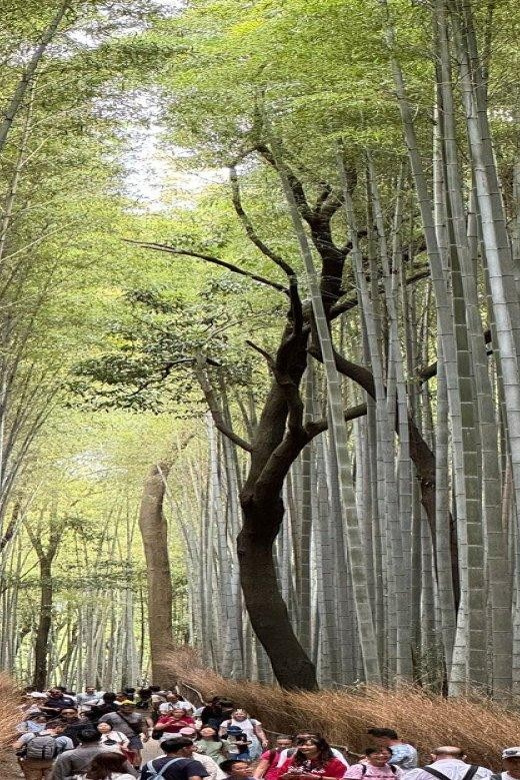
The statue of Izumo-no-Okuni provides a short but useful stop on the route. It connects the walk to Japan’s performing arts and helps explain why theatre and entertainment remain such an important part of Kyoto’s cultural identity.
You may find this stop most valuable if your interest in Gion goes beyond buildings. The district’s story includes performers, theatre, music, dance, dining, and formal hospitality. The guide can place the geiko and maiko traditions within that wider setting.
The visit is listed as a 20-minute photo and sightseeing stop. That is enough for an introduction and questions, but not a full lecture on Japanese theatre. Think of it as a thread that ties several later stops together.
More walking tours in Kyoto:
- Night Walk in Gion: Kyoto’s Geisha District
★ 4.5 · 2,003 reviews - Kyoto Gion Geisha District Walking Tour – The Stories of Geisha
★ 5.0 · 1,441 reviews - Nishiki Market Brunch Walking Tour (7 Tastings + Brunch)
★ 5.0 · 1,355 reviews - Kyoto Arashiyama Walking Tour: Bamboo, Monkeys, Gardens & Secrets
★ 5.0 · 1,216 reviews
Chion-in and Maruyama Park

Chion-in follows, again with roughly 20 minutes for a guided visit and photo stop. The temple gives the route a change of pace. Instead of narrow entertainment streets, you reach a major religious site with its own sense of scale and calm.
The tour does not promise an extended interior visit or a full temple tour, so you should expect an exterior-focused introduction. Still, this stop matters because it shows that Gion is not only about evening dining and geiko culture. Temples and shrines form a central part of daily life and the district’s identity.
Maruyama Park comes next. It offers a more open setting after the lanes around Nene-no-michi and Chion-in. The guide can help connect the park to the surrounding temples and streets, giving you a clearer sense of how the area fits together geographically.
The park is also a useful breathing space in a route with many stops. You can pause, take photos, and ask about other parts of Kyoto. If your guide is Raphaël, Jérôme, Déborah, or another member of the team, this is a good moment to ask for suggestions for the rest of your stay.
Hanamikoji Street, the heart of the Gion experience
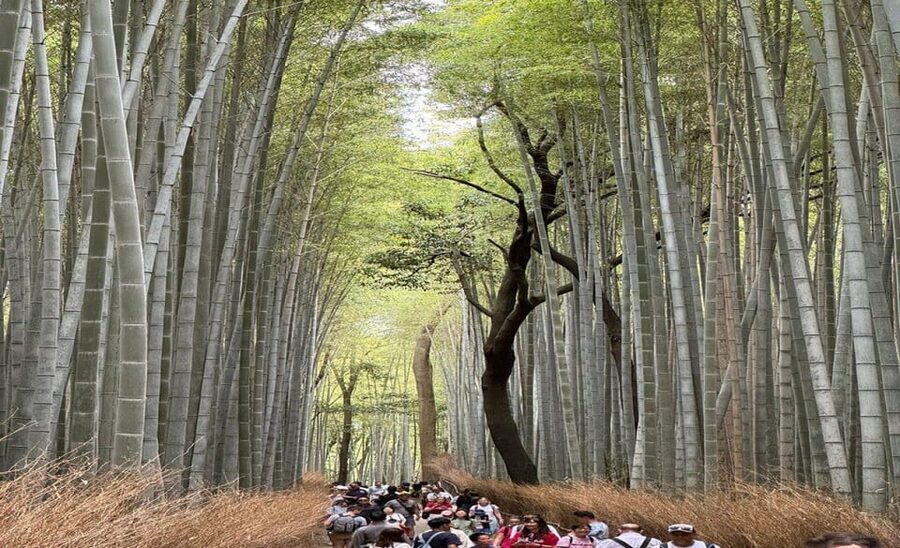
Hanamikoji Street is likely to be the emotional center of the walk. Its preserved appearance, wooden facades, and traditional establishments give you the classic Gion view, but the guide adds the details that a quick stroll cannot provide.
You will learn about the street’s architecture, customs, and connection to the geiko and maiko world. The explanations can help you tell the difference between a historic building kept for its appearance and a place that still serves a working purpose.
This is also where good manners matter most. Do not block doorways, enter private areas, or assume that a person in traditional dress is available for a photograph. If you happen to see a geiko or maiko, follow the guide’s instructions and observe from a respectful distance.
The street can feel crowded at popular times, and the tour cannot control that. The small-group setup helps, since it is easier to hear and keep together than in a large party. Still, expect a public street shared with other people, not a private viewing.
Yasaka Shrine and the Gion Shrine connection

Yasaka Shrine, also called Gion Shrine, gives the walk one of its most important cultural stops. The shrine anchors the district and helps explain the name Gion, as well as the close relationship between religious sites, festivals, neighborhood life, and the surrounding streets.
Your guide can point out features of the shrine and explain customs that may not be obvious if you visit alone. This is one reason the walk is more useful than simply following a map. You can see where to look and understand why the place matters.
The planned stop lasts about 20 minutes. That is enough to walk through the shrine area, take photos, and hear an introduction, but you may want to return later if you prefer a slower visit. The tour gives you a first look, not every detail.
Shijo-dori and Minami-za
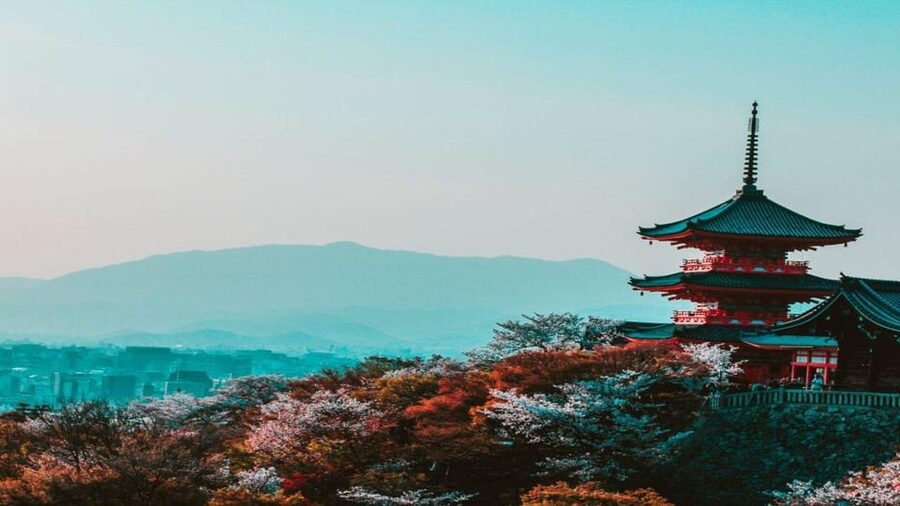
Shijo-dori brings the walk into a more active commercial setting. After the smaller lanes and temple grounds, this broad street shows another side of Kyoto, with shops, movement, and a stronger connection to everyday city life.
This contrast is useful. Gion is often presented as an old-world district, but Kyoto is also a modern city. Walking from traditional streets to Shijo-dori helps you see both sides without treating them as separate worlds.
The final listed stop is Kyōto Minami-za, the famous theatre associated with traditional Japanese performance. Even a short photo stop gives the route a fitting finish, linking back to the statue of Izumo-no-Okuni and the performing arts themes introduced earlier.
You should not expect a performance ticket or an interior theatre visit. The stop is part of the walking route, with time for sightseeing and explanation. If theatre interests you, ask your guide for practical advice about what else to see.
What the $44 price buys you
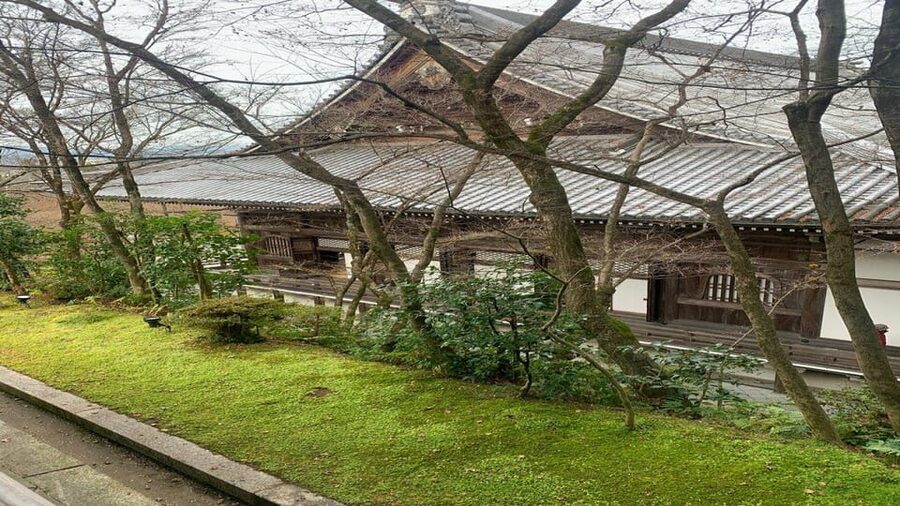
At $44 per person, this tour is priced as a compact introduction rather than a full-day cultural program. The value comes from the route design and the guide’s interpretation. You are paying to connect several important areas efficiently, understand what you are seeing, and get ideas for the rest of your Kyoto visit.
That value is strongest for first-time visitors with limited time. In three hours, you cover Pontocho Park, Nene-no-michi, Izumo-no-Okuni, Chion-in, Maruyama Park, Hanamikoji Street, Yasaka Shrine, Shijo-dori, and Minami-za. Seeing all of these independently would require map reading, route planning, and a fair amount of stopping to work out the context.
The price is less compelling if you prefer to linger at one temple, take a long meal, or explore at your own pace. The schedule uses about 20 minutes at each listed point, so this is a broad introduction. You also pay separately for any food, drinks, or other local expenses.
A private group option is available. That can make the cost worthwhile for families or couples who want a more flexible conversation, while a small group may offer the better deal for solo visitors or budget-minded pairs.
Guide quality and the value of local advice
The strongest feature of this experience is the human explanation. Raphaël has been praised for clear, engaging insight into geiko and maiko culture, and for making the subject accessible to a family with two children. Jérôme has been singled out for showing less obvious parts of Gion and offering ideas for additional visits. Déborah has led a pleasant walking visit focused on Kyoto’s treasures.
Those details point to the kind of guide interaction you should expect: history and culture, but also practical suggestions. Use the time well. Ask where to return, which sights deserve more time, and how to shape the rest of your Kyoto schedule.
Language choices include English, French, Spanish, and Italian. If cultural questions are important to you, choosing a guide in your strongest language can make the explanations much easier to follow, particularly when discussing terms such as geiko and maiko.
Who will enjoy this three-hour route
I would recommend the walk to you if:
- You have only one evening or a short stay in Kyoto.
- You want Gion explained rather than simply photographed.
- You enjoy cultural context, architecture, and local customs.
- You are visiting with children and want a clear, guided route.
- You prefer a private or small group instead of a large sightseeing party.
- You want advice about what to do after the tour.
It may be less suitable if you want a slow temple visit, a food tour, or guaranteed access to geiko and maiko performances. It is also not a car tour. The experience is on foot, with public transport included only according to the selected option, so check the exact booking choice if transit assistance matters to you.
Starting times vary, so check availability before booking. Free cancellation is available up to 24 hours ahead for a full refund, and you can reserve now and pay later. Those terms are useful when your Kyoto plans are still shifting.
Should you book the Gion walk?
Book it if you want a well-packed first look at eastern Kyoto, especially around sunset and early evening. The route combines famous names with smaller streets, gives you a practical introduction to geiko and maiko culture, and leaves you with ideas for the rest of your trip.
I would be especially happy to choose it for a family, a couple, or a first-time visitor who has three hours to spare. The main tradeoff is depth: you see many sites, but most visits are short and primarily outdoors. If you accept that, $44 buys a useful orientation, a pleasant walk, and the local context that makes Gion more than a collection of attractive streets.
FAQ
How long does the Gion and historical walking tour last?
The tour lasts three hours.
Where does the tour begin?
The meeting point is 213 Nakanocho, Higashiyama Ward, Kyoto, 605-0075, Japan.
Is this a private tour or a group tour?
You can book a private group, and a small-group format is also available.
Which languages are offered?
The live guide options include English, French, Spanish, and Italian.
Does the tour include food or drinks?
No. Food and drinks are not included in the price.
Is transportation included?
The experience is primarily a walking tour. Public transport may be included depending on the selected option, while car transportation around the city is not included.
Can I cancel the booking?
Yes. You can cancel up to 24 hours in advance for a full refund. You can also reserve now and pay later.
More History-Led Days in Kyoto
- Kyoto Gion: 2-Hour Geisha Culture & History Walking Tour
★ 5.0 · 1,186 reviews - Kyoto Gion Historical Walking Tour
★ 5.0 · 188 reviews - Historical Kyoto E-Bike Tour
★ 5.0 · 181 reviews - Kyoto: Nijo Castle World Heritage Guided Tour with Admission
★ 5.0 · 128 reviews
Newest Kyoto experiences on the site
- Whisk Your Own Matcha: A Zen Matcha Experience at Temple★ 3.6 · 7 reviews
- Kyoto tea town for matcha lovers★ 5.0 · 16 reviews
- Uji: Private immersion into Kyoto’s tea and reglious culture★ 5.0 · 17 reviews
- Uji and Wazuka Matcha Farm Half Day Private Guided Tour★ 5.0 · 21 reviews
- Kyoto Matcha Green Tea Tour★ 4.5 · 23 reviews
- Utilising upcycled Matcha! Creating matcha incense (Uji, Kyoto)★ 5.0 · 6 reviews
- Sacred Temple Yoga Experience in Japan★ 5.0 · 3 reviews
- Uji Tea Ceremony and UNESCO Heritage Walking Tour★ 5.0 · 20 reviews
Gion District Tours, compared.
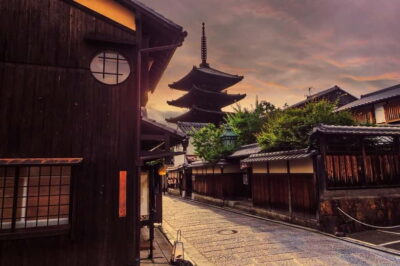
Kyoto Geisha Walking Tour: Gion District & Hidden Gems
Read our review →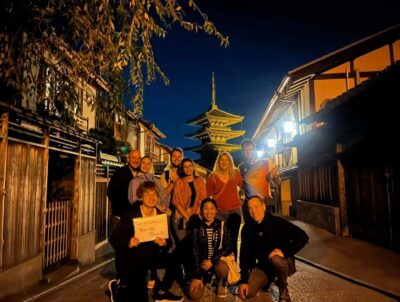
Gion Magical Night Walking Tour with Geisha Trivia
Read our review →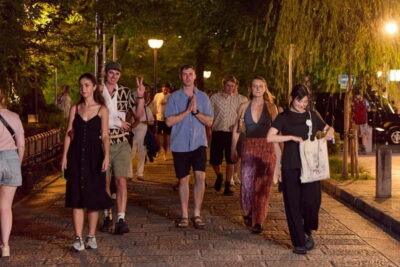
Gion Geisha District Walking Tour – Stories of Geisha
Read our review →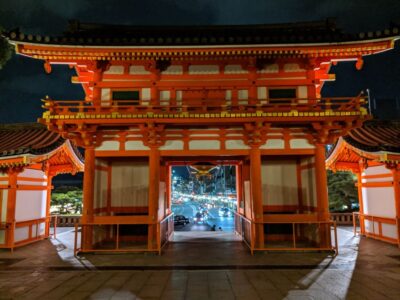
Best of Kyoto: Gion, Geisha, Pagodas & Cobblestones
Read our review →
Kyoto Night Foodie Tour in Gion (9+ dishes + 6 Sake tastings)
Read our review →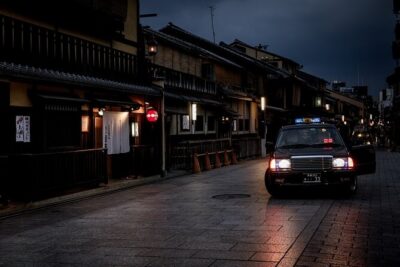
Kyoto Gion Geisha District Walking Tour – The Stories of Geisha
Read our review →
Kyoto Gion: 2-Hour Geisha Culture & History Walking Tour
Read our review →Browse the lists this tour appears in