
Reviewed · GION DISTRICT TOURS
Kyoto Geisha Walking Tour: Gion District & Hidden Gems
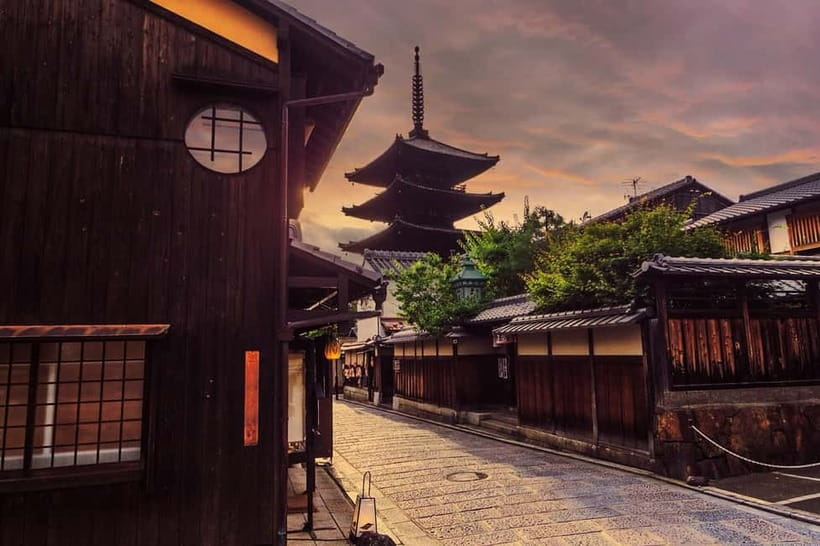
Gion’s appeal is not just the chance to spot a geiko or maiko. It is the setting: narrow lanes, wooden machiya houses, quiet tea houses, and lanterns coming on as evening begins. This two-hour walk gives you useful context for what you are seeing, rather than leaving you to wander through a pretty but puzzling neighborhood.
I like the clear explanation of geisha culture and the way guides connect it to Kyoto’s history. I also like the personal restaurant, bar, shopping, and sightseeing suggestions at the end. The main consideration is simple: seeing a geiko or maiko is possible, not guaranteed, and the tour involves steady walking outdoors.
The route covers a lot in a short time, including Hokan-ji Pagoda, Kennin-ji Temple, Chion-in Temple, preserved townhouses, tea houses, and quieter photo spots. Cold weather can make the walk less comfortable, and a 3 p.m. start may offer better daylight than a later departure.
Key points at a glance
- Geisha culture explained properly: Learn the difference between geiko and maiko, their place in Kyoto life, and how the Gion district developed.
- A broad Gion introduction: The route links famous sights with quieter lanes and traditional machiya houses.
- Strong local guidance: Michael receives especially warm praise, while Anton, Yuri, Ikuro, and other guides also lead departures.
- Useful end-of-tour advice: Guides share personal suggestions for restaurants, bars, shops, attractions, pottery, and perfume-making activities.
- Good value at $25: Two hours of guided sightseeing costs less than many formal cultural activities in Kyoto.
- Important limitation: You may see a geiko or maiko heading to an appointment, but no sighting can be promised.
Why Gion is worth seeing with a guide
Gion can look easy at first. Walk along Hanamikoji Street, take a few pictures, and move on. But the district makes much more sense when someone explains what the buildings were designed for, why some tea houses are private, and how geiko and maiko work within Kyoto’s traditional entertainment world.
That context is the main reason to book this walk. You are not simply collecting photographs of old wooden façades. You are learning how a neighborhood built around tea houses, performance, and formal hospitality still functions today.
The English-speaking guides take questions and explain the subject in an approachable way. Michael is praised again and again for his humor, warmth, and ability to connect small details with larger periods of Japanese history. Anton is also mentioned for a relaxed manner and clear explanations, while Yuri and Ikuro lead some departures as well.
The score of 4.7 from 3,273 ratings suggests dependable quality, but the individual guide matters. The strongest comments focus on guides who make the walk feel like a conversation rather than a lecture.
More ways to walk Gion:
- Kyoto: Gion Magical Night Walking Tour with Geisha Trivia
★ 4.9 · 2,393 reviews - Kyoto: Gion Geisha District Walking Tour – Stories of Geisha
★ 4.7 · 2,187 reviews - Best of Kyoto: Gion, Geisha, Pagodas & Cobblestones
★ 4.9 · 2,058 reviews
Starting beside Hotel Alza Kyoto
The meeting point is on a side street next to Hotel Alza Kyoto. Look for the red parasols and marble seats underneath them. That detail matters in Gion, where lanes can look similar and signs may not be obvious from a distance.
I would arrive a little early, especially if you are unfamiliar with the area. The tour lasts two hours, and the time goes quickly once you begin stopping for explanations and photographs.
This is a walking tour, not a vehicle outing. You should expect uneven streets, outdoor conditions, and a fair amount of standing while the guide talks. The activity is not suitable for wheelchair users or people with mobility impairments, so consider that before booking.
Hanamikoji Street and the world of geiko and maiko
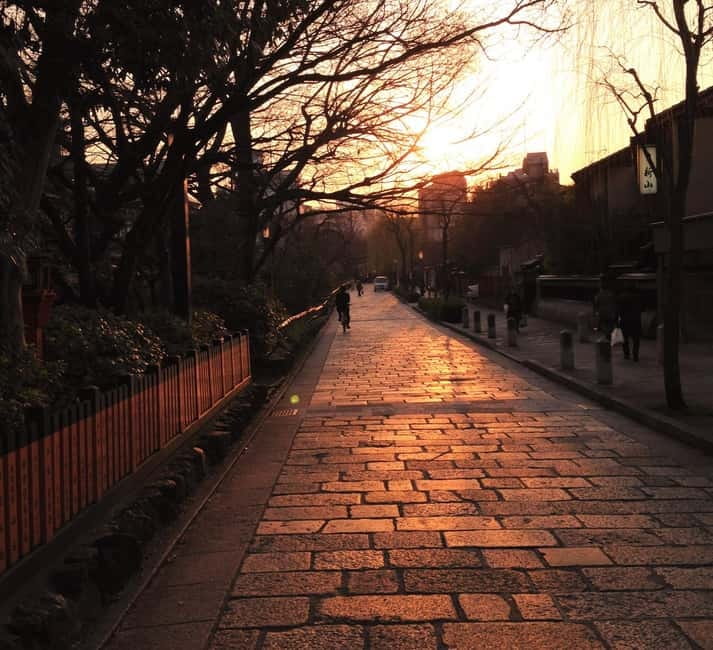
The walk introduces you to the visual heart of Gion: cobbled lanes, timber buildings, tea houses, and carefully preserved façades. The atmosphere changes as the day goes on. In daylight, you can study the architecture and details of the streets. Later, lanterns give the neighborhood a quieter, more theatrical feel.
One of the tour’s main subjects is the life of geiko and maiko. You learn about the origins of the tradition, its place in Kyoto, and its role in present-day Japanese society. The guide also helps separate fact from the simplified image often presented to international visitors.
You may see an elegantly dressed geiko or maiko walking to an appointment. Some people on the tour did see one, while another person specifically noted that no sighting happened. That is the honest expectation: the opportunity exists, but it depends on timing and chance.
If you do see one, the value of the guide is not just pointing out the person. You gain a better sense of why the sight matters and how the surrounding tea house district operates. The experience is more respectful and informative when you understand that these are working professionals going about their day.
Machiya houses and private tea houses
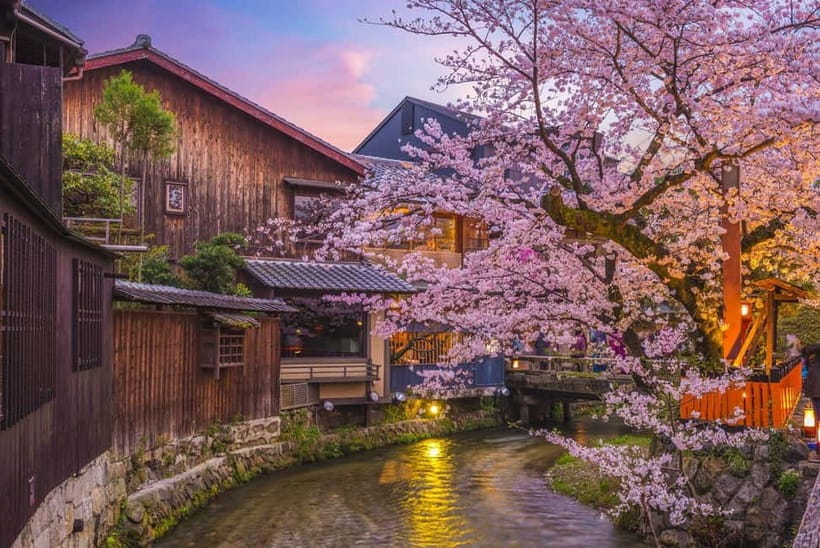
The traditional machiya houses are among the most appealing parts of the walk. Their narrow frontage and wooden construction give Gion its distinct look, but the guide adds meaning by explaining how these buildings fit the older pattern of urban life.
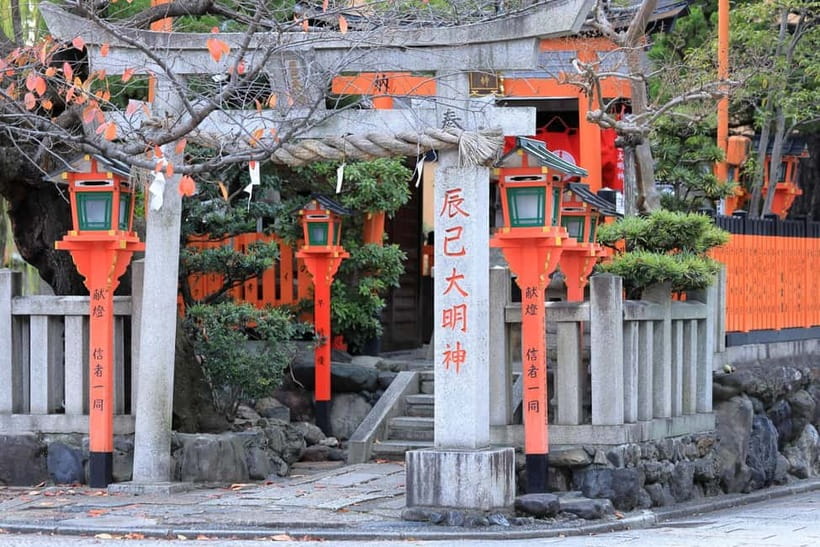
You also pass tea houses where geiko and maiko perform privately for wealthy clients. These are not ordinary restaurants or public theaters. The tour helps you understand why access is limited and why these establishments remain separate from standard sightseeing venues.
That is useful information because Gion can otherwise feel like a stage set built for visitors. The walk reminds you that it is still a living neighborhood, with homes, businesses, private appointments, and long-standing customs.
The route also includes small boutique-style shops. You may receive suggestions for places to browse after the tour, along with ideas for activities such as making perfume or pottery. These recommendations are especially useful if you want to spend more time in the area after the formal walk ends.
More geisha and maiko evenings in Kyoto:
- Night Walk in Gion: Kyoto’s Geisha District
★ 4.5 · 2,003 reviews - Kyoto Gion Geisha District Walking Tour – The Stories of Geisha
★ 5.0 · 1,441 reviews - Kyoto Gion: 2-Hour Geisha Culture & History Walking Tour
★ 5.0 · 1,186 reviews - Kyoto Gion Night Walk & Geisha District Guided Tour
★ 5.0 · 786 reviews
Hokan-ji Pagoda and the best photo stops
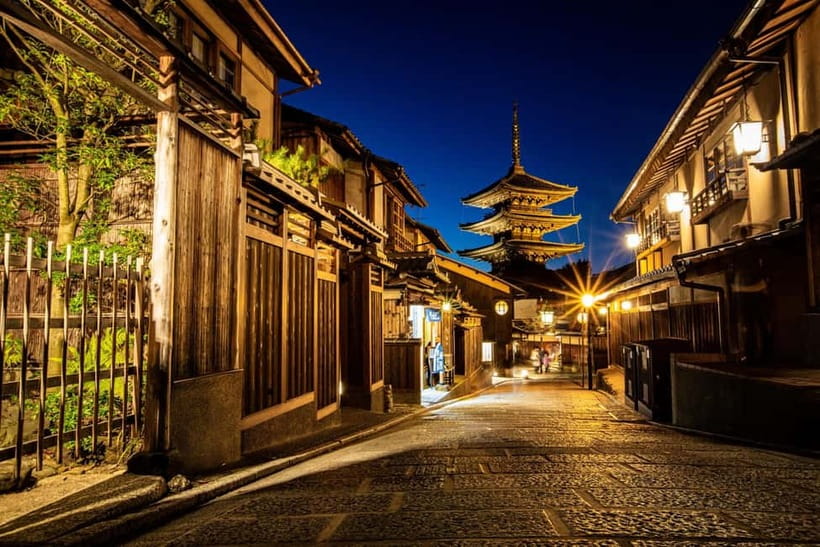
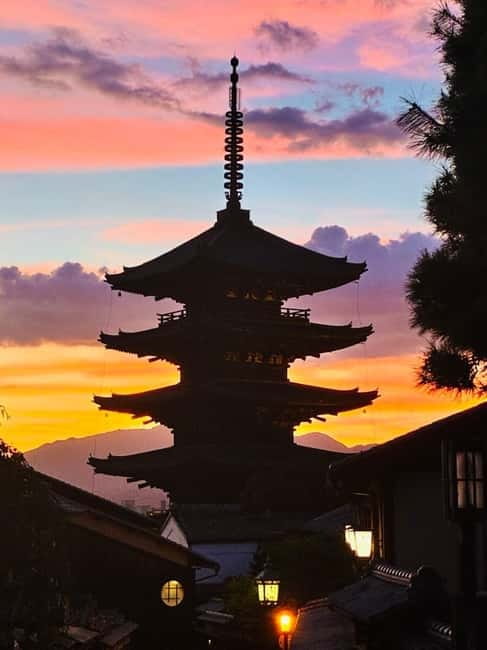
Hokan-ji Pagoda, often called Yasaka-no-To, is one of the most recognizable sights in this part of Kyoto. Its shape rises above the surrounding low wooden buildings, making it an excellent place to understand how old religious landmarks and neighborhood streets fit together.
The guide points out photo locations along the route, including less obvious corners that you might miss on your own. This is one of the practical advantages of joining a local walk. You do not have to spend your limited Kyoto time guessing which lane leads to a worthwhile view.
Still, this is not a dedicated photography workshop. The emphasis is on history, culture, and orientation, with time for photographs along the way. If you want long stops with a tripod or carefully planned portraits, you may find the pace too active.
A 3 p.m. departure offers more daylight for architecture and photographs, according to one detailed account. A 6 p.m. start gives you the lantern-lit mood and, at times, a quieter Gion. Choose based on your priority: clear visibility or evening atmosphere.
Kennin-ji, Kyoto’s oldest Zen temple
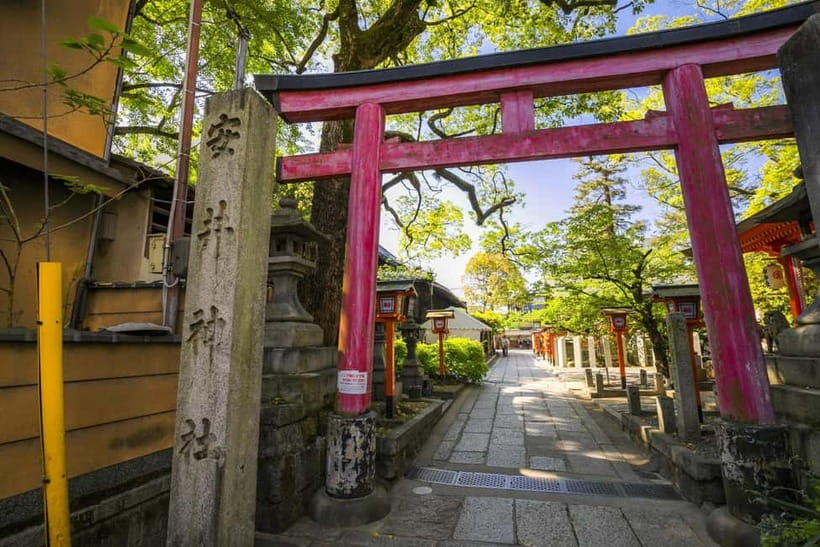
Kennin-ji brings a calmer change of pace. It is identified as the oldest Zen temple in Kyoto and offers a chance to step away from the narrow lanes and commercial activity around Gion.
The temple matters here because it gives you another angle on Kyoto’s traditions. The tour is not only about geisha culture. It also connects the district to religious practice, architecture, and the long development of the city.
Expect the guide to explain what you are seeing rather than simply lead you through the grounds. That approach helps if you are new to Japanese temples and are unsure which details deserve attention.
The stop also breaks up the street walking. You still need to be comfortable on foot, but the change in setting keeps the two-hour route from feeling like one long procession through similar lanes.
Chion-in and the quieter side of Kyoto
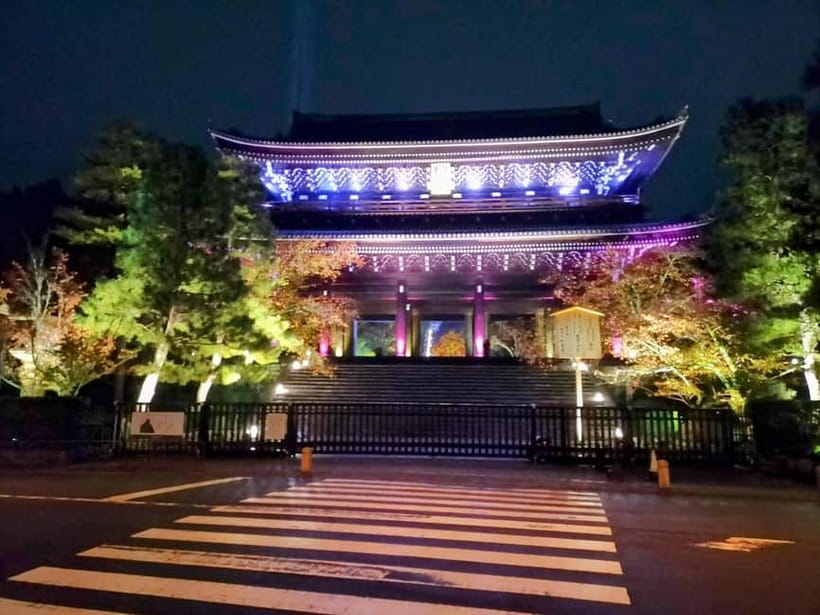
Chion-in is presented as an often-overlooked stop, and it adds scale to the walk. Its grounds are broad and picturesque, with three designated national treasures within the temple complex.
This part of the route is valuable because many first-time visitors focus tightly on Gion’s famous streets. Chion-in gives you a sense of the larger religious and cultural zone around the district.
You may find this stop more peaceful than the main lanes, especially if your departure falls at a quieter time. It also shows why a guided route can be more useful than a simple map. A map can mark a temple, but it cannot explain why the site fits into the story of the neighborhood.
The full itinerary covers several notable places in only two hours, so do not expect an in-depth temple visit at every stop. Think of Chion-in and Kennin-ji as well-chosen introductions. You can return later if one captures your interest.
The evening change in Gion
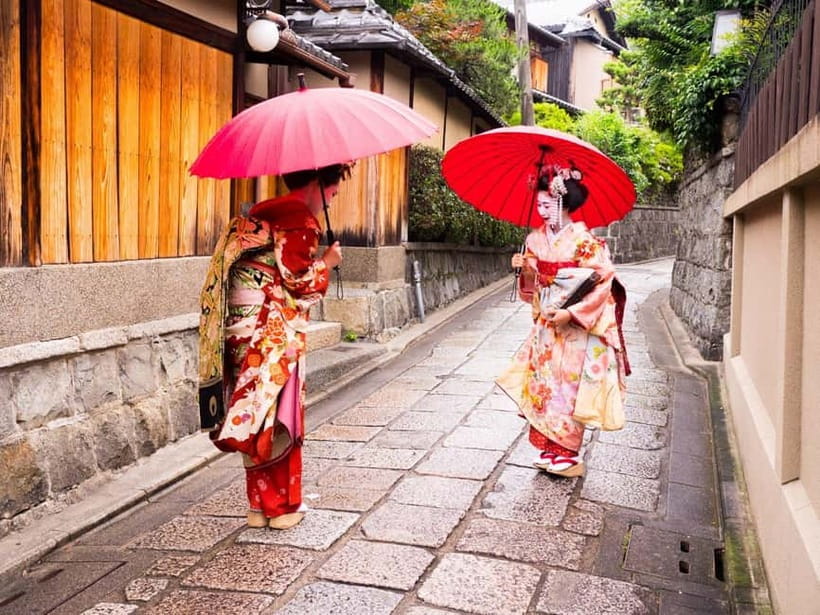
As daylight fades, Gion takes on a different character. Lanterns appear, the wooden façades become more atmospheric, and the streets feel connected to the tea house traditions discussed earlier.
A later departure can be appealing for this reason. One person found the 6 p.m. time quiet and spacious, with enough room to look around and ask questions. The tradeoff is less daylight for photographs and architecture.
Winter visitors should dress warmly. One person found the outdoor walk uncomfortably cold and suggested a break indoors. There is no stated café stop built into the route, so bring suitable layers and do not assume the group will pause for refreshments.
What the $25 price delivers
At $25 per person, this is a strong-value introduction to Gion. You receive two hours with an English-speaking guide, cultural explanation, a broad route through the district, and practical suggestions for the rest of your Kyoto stay.
The value is greatest if this is your first visit to Gion. You get orientation, background, photo locations, and a list of places to investigate later. The tour can save you from spending an entire afternoon wandering without knowing what you are looking at.
It is also a useful first-day activity. Several people used it as an introduction to Kyoto, then followed the guide’s suggestions for food and other attractions afterward. If you book it early in your stay, you can make better use of the advice over the following days.
The price does not include a geisha performance, a meal, or entry to a private tea house. You are paying for the walk and the guide’s interpretation, not access to an exclusive entertainment experience. That distinction keeps expectations realistic.
Guide quality and group feel
The clearest strength is the guide team. Michael is often described as passionate, funny, patient, and easy to understand. He is also praised for answering questions and offering practical suggestions beyond the advertised route.
Some departures feel especially personal. When only one person or a very small group booked, the guide could adjust the discussion to match individual interests. You should not assume every departure will be private, but the format appears capable of feeling intimate when numbers are low.
The guides also work well with families. One account specifically notes that Michael was good with children. That makes the walk suitable for older children who can handle two hours of walking and listening, though the cultural subject matter may be more interesting to teenagers than very young kids.
The experience is conducted in English. If you want a tour in another language, this is not the right choice based on the information provided.
Who should book this Gion walk?
I would choose this tour if you want an easy introduction to Kyoto’s geisha culture without paying for a formal performance. It suits first-time visitors, history-minded travelers, photographers who want better locations, and anyone who likes to ask questions while walking.
It is particularly useful if you are curious about the difference between geiko and maiko, the function of tea houses, or how old Kyoto traditions fit into modern life. The guide’s food and sightseeing advice also makes it practical beyond the two-hour route.
You may want a different activity if your main goal is guaranteed contact with a geiko or maiko, an indoor cultural performance, or a slow photography session. You should also think twice if you have mobility limitations or dislike walking in cold weather.
Free cancellation up to 24 hours before the start and the option to reserve now and pay later make it easier to fit into a changing Kyoto schedule. Check the available starting times before booking, since daylight and evening atmosphere offer different advantages.
Should you book it?
Yes, if you want context rather than just scenery. For $25, you get a well-priced introduction to Gion, several major cultural sights, a chance to spot geiko or maiko, and useful advice for the rest of your trip.
Book it early in your Kyoto stay, preferably at 3 p.m. if photographs and daylight matter most, or around 6 p.m. if you want lanterns and a quieter evening mood. Just remember that the geisha sighting is a possibility, not the product itself. The real value is learning how to read Gion.
FAQ
How long does the Kyoto Geisha Walking Tour last?
The tour lasts two hours.
How much does the tour cost?
The listed price is $25 per person.
What language is the tour conducted in?
The tour is conducted in English with a live English-speaking guide.
Where is the meeting point?
Meet on the side street next to Hotel Alza Kyoto. Look for the red parasols or umbrellas with marble seats underneath.
Will I definitely see a geiko or maiko?
No. The tour gives you an opportunity to spot geiko and maiko as they travel to appointments, but sightings are not guaranteed.
Which sights are included?
The route includes the Gion district, traditional machiya houses, tea house areas, Hokan-ji Pagoda, Kennin-ji Temple, and Chion-in Temple.
Who are some of the guides?
Guides include Michael, Anton, Yuri, and Ikuro, depending on the departure. Michael is especially noted for his history explanations, humor, and practical Kyoto suggestions.
Is the tour suitable for wheelchair users?
No. The activity is not suitable for wheelchair users or people with mobility impairments.
Can I cancel the booking?
Yes. You can cancel up to 24 hours in advance for a full refund. You can also reserve now and pay later.
More Walking Tours in Kyoto
- Nishiki Market Brunch Walking Tour (7 Tastings + Brunch)
★ 5.0 · 1,355 reviews - Kyoto Arashiyama Walking Tour: Bamboo, Monkeys, Gardens & Secrets
★ 5.0 · 1,216 reviews - Kyoto: Izakaya Bars Guided Walking Tour
★ 4.9 · 815 reviews - Kyoto Sake Brewery & Tasting Walking Tour
★ 5.0 · 623 reviews
Newest Kyoto experiences on the site
- Whisk Your Own Matcha: A Zen Matcha Experience at Temple★ 3.6 · 7 reviews
- Treasures of Kyoto: Gion & historical Walking Tour★ 5.0 · 6 reviews
- Kyoto tea town for matcha lovers★ 5.0 · 16 reviews
- Uji: Private immersion into Kyoto’s tea and reglious culture★ 5.0 · 17 reviews
- Kyoto Matcha Green Tea Tour★ 4.5 · 23 reviews
- Uji and Wazuka Matcha Farm Half Day Private Guided Tour★ 5.0 · 21 reviews
- Utilising upcycled Matcha! Creating matcha incense (Uji, Kyoto)★ 5.0 · 6 reviews
- Sacred Temple Yoga Experience in Japan★ 5.0 · 3 reviews
Gion District Tours, compared.
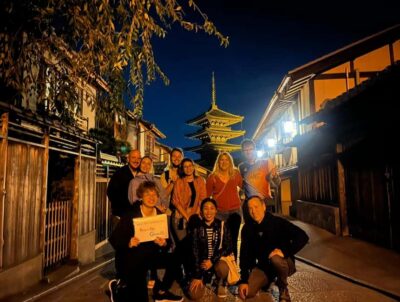
Gion Magical Night Walking Tour with Geisha Trivia
Read our review →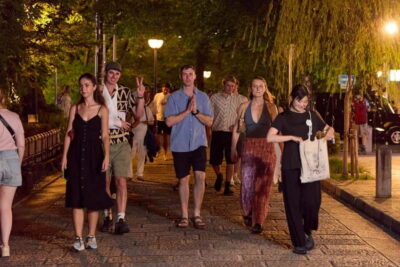
Gion Geisha District Walking Tour – Stories of Geisha
Read our review →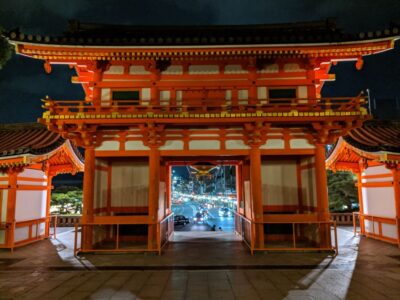
Best of Kyoto: Gion, Geisha, Pagodas & Cobblestones
Read our review →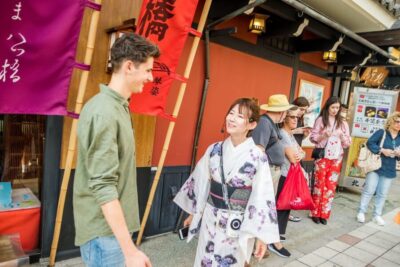

Kyoto Night Foodie Tour in Gion (9+ dishes + 6 Sake tastings)
Read our review →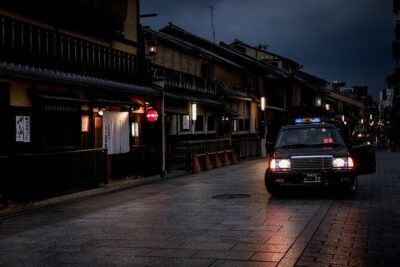
Kyoto Gion Geisha District Walking Tour – The Stories of Geisha
Read our review →
Kyoto Gion: 2-Hour Geisha Culture & History Walking Tour
Read our review →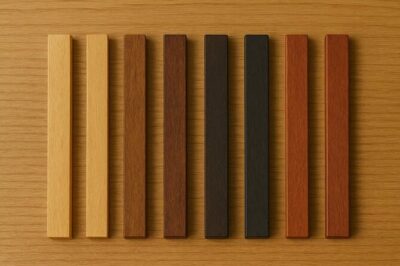
Chopsticks Making Workshop in Gion with Engraving Option
Read our review →Browse the lists this tour appears in