
Reviewed · GION DISTRICT TOURS
Kyoto Gion Night Walk & Geisha District Guided Tour
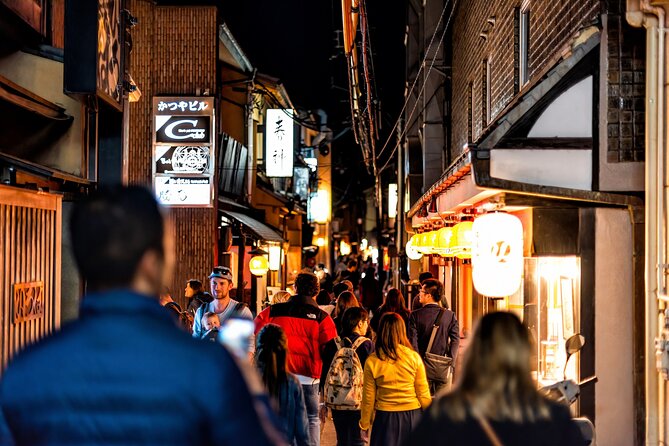
Gion is at its most atmospheric after sunset, when paper lanterns glow outside restaurants and the narrow lanes take on a quieter, older feel. This tour leads you through Hanamikoji Street, Yasaka Shrine, and less obvious corners of Kyoto’s historic geisha district, with stories about customs, architecture, and daily life.
I like the small-group promise of no more than nine people on the standard outing, plus the chance to book a private version in several languages. The $18 price is also appealing for three hours of guiding. The main drawback is the timing: you may finish hungry, cold, or tired, and seeing a maiko or geisha is never guaranteed.
Key points to know before you book
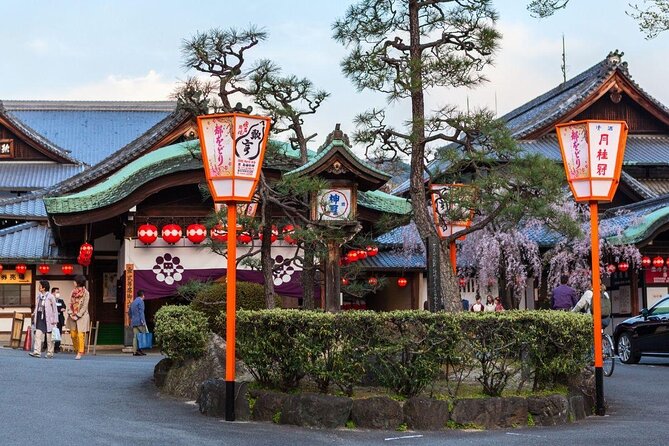
- Gion after dark: Lanterns, teahouses, restaurants, and quiet lanes give the district a different mood than daytime sightseeing.
- A three-hour walking route: You will cover Gion, Hanamikoji Street, and Yasaka Shrine, with limited opportunities to sit down.
- Small groups: The standard outing is advertised for no more than nine people, though the general activity limit is listed as 25.
- Guide quality matters: Guides such as Naoki, Jasmine, Shingo, Raphael, Vincent, and Miyake have been praised for history, humor, patience, and restaurant advice.
- Maiko sightings are possible, not promised: You may see one near Hanamikoji Street, but the experience is mainly about the district and its culture.
- Snack details vary: A snack is included with Premium Group and Private Tour bookings, not necessarily every standard booking.
Why Gion is best after sunset
Gion can feel like a different place at night. Lanterns cast warm light across wooden facades, narrow lanes lead toward traditional restaurants, and the district’s teahouses look more mysterious once the shops and modern traffic fade into the background.
This is not a performance or a staged geisha encounter. You are walking through a living neighborhood, so the mood depends on the evening. Some restaurants may be closed, especially on holidays or quieter nights, and you may see no geisha or maiko at all. That is part of the honest bargain here: you get a guided look at the setting and customs, not a guaranteed celebrity sighting.
I like that the walk includes side streets and smaller religious sites rather than stopping only at the most photographed corners. A guide can point out details you would likely pass without context, from the design of a traditional street to the customs connected with teahouses and entertainers.
The tour has earned a 4.8 rating from 786 reviews, with 94 percent recommending it. That is a strong result, though the less favorable comments point to two real concerns: some guides may tell disconnected bits of information, and the meeting point can be confusing on a busy street.
More ways to walk Gion:
- Kyoto Geisha Walking Tour: Gion District & Hidden Gems
★ 4.7 · 3,273 reviews - Kyoto: Gion Magical Night Walking Tour with Geisha Trivia
★ 4.9 · 2,393 reviews - Kyoto: Gion Geisha District Walking Tour – Stories of Geisha
★ 4.7 · 2,187 reviews
Starting near Kyoto Kawaramachi Garden
The tour begins at Kyoto Kawaramachi Garden, at 68 Shinchō in Shimogyo Ward. This is near public transportation, which helps if you are coming from another part of central Kyoto, but you should allow time to locate the guide among other groups and guides in the area.
The meeting point is not at the end of the walking route, and the tour finishes at Sanjō Ōhashi Bridge. That matters because you should not plan to return to the starting point after the walk. The bridge is a useful end point for continuing into central Kyoto, but your onward route is your responsibility.
I would save the meeting details on your phone before leaving your hotel. The activity uses a mobile ticket, and confirmation arrives when you book. If you are meeting an older relative or a child, make the starting instructions especially clear. One guide, Miyake, was praised for patiently helping someone who got lost, but it is still better not to depend on a last-minute rescue.
Two hours through Gion’s lantern-lit lanes
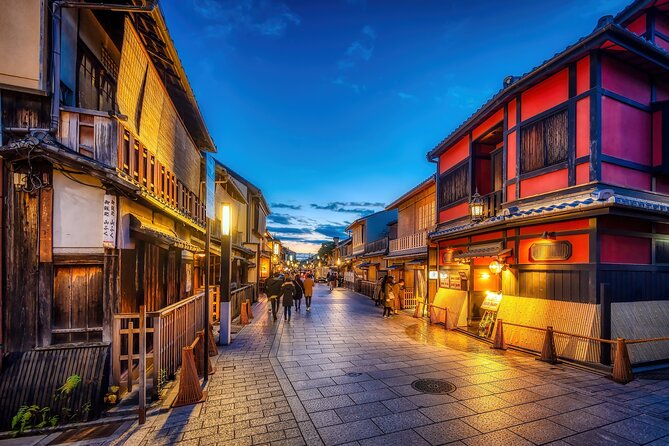
The longest part of the outing is the Gion walk, roughly two hours. This is where the tour earns its price if your guide is a good storyteller. You are not simply being led from one landmark to the next. You are given a working introduction to the area’s traditions, architecture, and connection with geisha culture.
The guides named in feedback include Naoki, Jasmine, Shingo, Raphael, Vincent, Miyake, Guillaume, Eloise, Alex, and Nobu Miyaki. Their styles differ, but the best accounts point to the same strengths: clear explanations, patience with questions, local restaurant suggestions, and a willingness to add small detours when time allows.
Naoki receives especially warm praise for linking Gion to broader Japanese history and for taking people beyond the obvious sights. Jasmine is described as careful with group pace and particularly good at answering questions. Shingo is noted for speaking very good English, while Raphael and Vincent are praised for their grasp of Kyoto and the geisha district.
Those individual qualities matter more than a fixed script. Gion is full of small visual clues, and a guide who notices your interests can make the walk feel personal. A history enthusiast may get more from stories about samurai-era Kyoto, while a first-time visitor may prefer an explanation of teahouses, shrines, and neighborhood etiquette.
The tradeoff is physical. The route is about three hours in total, with stretches of walking and few breaks. One family found the timing awkward because it ran across dinner, while another visitor said the tour was long but useful. Wear comfortable shoes, check the weather, and do not arrive hungry.
Hanamikoji Street and the etiquette of the geisha district
The 30-minute stop at Hanamikoji Street is one of the clearest highlights. This is one of Gion’s best-preserved historic streets, lined with traditional buildings and associated with teahouses and geisha culture.
It is also the place where respectful behavior matters most. If a maiko or geisha appears, keep your distance and follow your guide’s instructions. Do not treat people working in the district as props. The possibility of a sighting adds excitement, but the neighborhood itself deserves attention even when no one appears.
Some visitors have seen a geisha and two maiko near Hanamikoji Street, while others saw none. Both outcomes are normal. The best reason to visit is to understand the setting, not to chase a photograph.
A guide can also help explain the difference between a maiko and a geisha, though the detail and clarity may vary by guide. If this subject is central to your interest, a private tour may be worth the extra cost because you can ask more questions and set the pace around the parts of Gion that interest you most.
More geisha and maiko evenings in Kyoto:
- Best of Kyoto: Gion, Geisha, Pagodas & Cobblestones
★ 4.9 · 2,058 reviews - Night Walk in Gion: Kyoto’s Geisha District
★ 4.5 · 2,003 reviews - Kyoto Gion Geisha District Walking Tour – The Stories of Geisha
★ 5.0 · 1,441 reviews - Kyoto Gion: 2-Hour Geisha Culture & History Walking Tour
★ 5.0 · 1,186 reviews
Yasaka Shrine adds a spiritual counterpoint
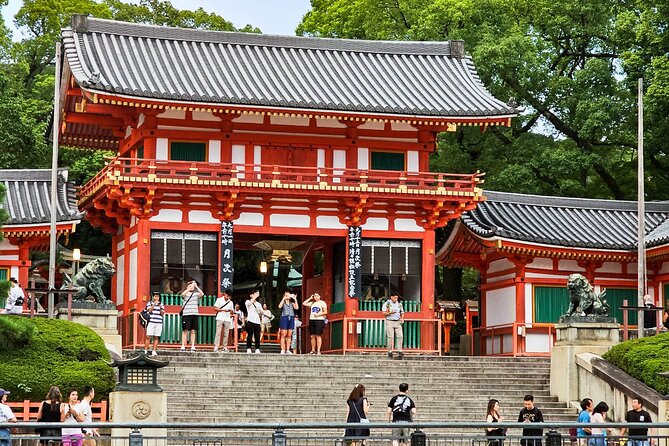
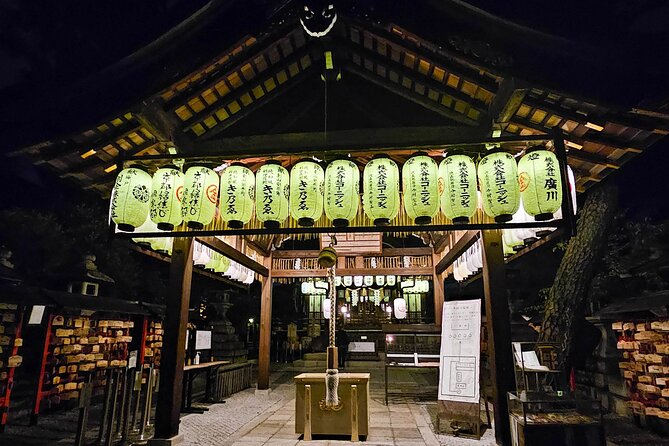
The final listed stop is Yasaka Shrine, also called Gion Shrine, with about 30 minutes set aside for the visit. After streets associated with restaurants, teahouses, and entertainment, the shrine gives the evening a different focus.
Here, the guide explains architecture, customs, and the role of the shrine in local culture. The stop helps prevent the tour from becoming only a walk around attractive old buildings. You get a better sense of how religious life and neighborhood traditions sit alongside Gion’s dining and entertainment quarters.
Admission is included, and the stop does not require a separate ticket. The supplied information does not promise a ceremony or special event, so think of Yasaka Shrine as a guided cultural visit rather than a scheduled spectacle.
The route may also include smaller temples, shrines, or unusual corners that are not named in the basic schedule. Those extras seem to depend on the guide and the evening. That flexibility can be a strength, though it also explains why some people leave with a less orderly sense of the district’s story.
What the $18 price really buys you
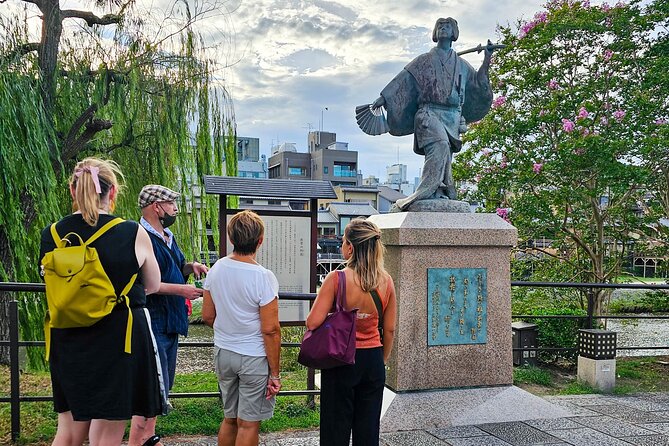
At $18 per person, this is inexpensive for a three-hour guided walk in central Kyoto. You are mainly paying for interpretation and orientation. Gion is easy to wander through on your own, but a guide can turn a pretty evening into a more meaningful one by explaining what you are seeing.
The value is strongest if you are new to Kyoto, curious about geisha culture, or want restaurant and neighborhood suggestions. Guillaume, Jasmine, and other guides have been praised for offering dining advice at the end of the walk. That can be useful on your first night, when choosing where to eat in Gion can feel daunting.
The price is less compelling if you only want photographs or a quick look at Hanamikoji Street. You can walk through parts of Gion without paying anything. This tour makes sense when you want answers, context, and a route through side streets that you might not choose alone.
A snack is included only with Premium Group and Private Tour bookings, according to the supplied details. Water and a snack are mentioned in the tour highlights, so check the exact option you select before assuming food is included in the basic group price. Meals and additional drinks are not included.
Small groups, private upgrades, and guide fit
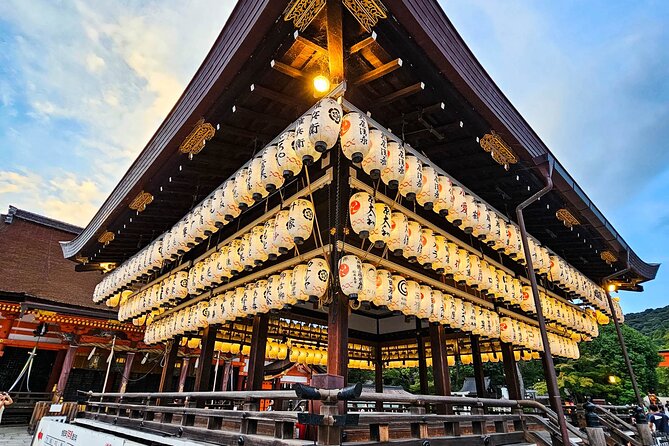
The standard group is advertised as no more than nine people, which is a useful size for narrow lanes and questions. Yet the general activity information also gives a maximum of 25 participants. I would treat nine as the intended small-group size and confirm the exact option at booking, especially during busy periods.
A private upgrade is available, with several language choices. This is the better fit if your group includes older family members, children, or people with a strong interest in Japanese history. One positive account describes a guide taking special care of an elderly mother, while another says children aged 12 to 16 enjoyed the evening.
Private guiding also gives you more control over questions and pace. That may help address one of the few recurring weaknesses: some people found the information interesting but disconnected, like separate facts rather than one clear story. With a private guide, you can ask the guide to tie the pieces together.
The route is not presented as wheelchair-specific, and it involves walking through streets and lanes for around three hours. The information says most people can participate. If mobility, stamina, or cold weather is a concern, contact the provider before booking and consider the private option.
Timing, weather, and what to carry
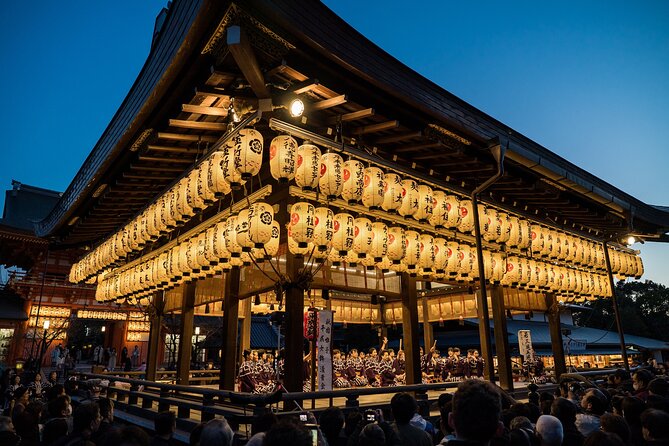
The walk takes place at night, and the season will shape your comfort. Winter can be cold, especially when you stop listening to the guide and stand in open areas. Bring a warm layer, even if the afternoon felt mild.
Dinner planning deserves equal attention. The tour can overlap normal dinner hours, and the walk ends at Sanjō Ōhashi Bridge rather than back at the starting point. Eat beforehand, carry water, or plan a meal after the tour. The included snack, when provided by your booking type, should not be treated as dinner.
Good shoes are essential. The route is long enough that uncomfortable footwear will distract from the stories. A phone with the meeting details, a charged battery, and weather protection will make the evening easier.
The experience requires good weather. If rain or other poor conditions cause cancellation, you are offered another date or a full refund. For your own cancellation, you can receive a full refund if you cancel at least 24 hours before the start time. Changes or cancellations inside that window are not accepted.
Who will enjoy this Gion walk most
I would choose this tour if you want an affordable introduction to Kyoto’s traditional culture and prefer a guide to explain what you are seeing. It is especially useful near the start of a Kyoto stay, since the route can give you ideas for restaurants and places to revisit.
It also suits curious families with older children, history fans, and visitors who enjoy walking more than sitting through a formal presentation. The mix of streets, shrine architecture, and cultural explanation keeps the evening varied.
I would be more cautious if you need frequent rests, want a guaranteed geisha sighting, or dislike tours that run across dinner. The route is not a quick photo stop. It asks for three hours on foot, and the quality of the evening depends partly on the guide’s ability to create a clear story.
Should you book the Kyoto Gion Night Walk?
At $18, this is an easy tour to recommend for first-time visitors who want a guided introduction to Gion after dark. The small-group format, central route, and strong record of engaging guides give it good value.
Book it with realistic expectations. You may see no maiko or geisha, some businesses may be closed, and the walk can feel long in cold weather. If you plan ahead for dinner and choose the private option when your group has special needs, this can be a smart way to begin your Kyoto visit.
FAQ
How long does the Kyoto Gion night walk last?
The experience lasts approximately three hours. The schedule allows about two hours for Gion, 30 minutes for Hanamikoji Street, and 30 minutes for Yasaka Shrine.
Where does the tour begin?
The meeting point is Kyoto Kawaramachi Garden, 68 Shinchō, Shimogyo Ward, Kyoto, 600-8001, Japan.
Where does the tour finish?
The walk ends at Sanjō Ōhashi Bridge, Ohashicho, Nakagyo Ward, Kyoto, 604-8004, Japan.
Is the tour offered in a private format?
Yes. You can upgrade to a private Kyoto walking tour, and private options are available in multiple languages.
Is a snack included?
A snack is included with Premium Group and Private Tour bookings. Meals and other drinks are not included, so check your selected booking option before relying on the snack.
Will I definitely see a geisha or maiko?
No. You may see a maiko or geisha, particularly around Hanamikoji Street, but sightings are not guaranteed.
What happens if the weather is poor?
The experience requires good weather. If the provider cancels because of poor conditions, you will be offered another date or a full refund.
More Walking Tours in Kyoto
- Nishiki Market Brunch Walking Tour (7 Tastings + Brunch)
★ 5.0 · 1,355 reviews - Kyoto Arashiyama Walking Tour: Bamboo, Monkeys, Gardens & Secrets
★ 5.0 · 1,216 reviews - Kyoto: Izakaya Bars Guided Walking Tour
★ 4.9 · 815 reviews - Kyoto Sake Brewery & Tasting Walking Tour
★ 5.0 · 623 reviews
More of Kyoto After Dark
- Kyoto Night Foodie Tour in Gion (9+ dishes + 6 Sake tastings)
★ 5.0 · 1,762 reviews - Kyoto Ghost Tour: Dark Tales, Urban Legends, Bamboo Forest Night
★ 5.0 · 625 reviews - Kyoto Bar Hopping Night Tour
★ 5.0 · 613 reviews - Kyoto Night All-Inclusive Eats and Streets, Gion and Beyond
★ 4.7 · 601 reviews
Newest Kyoto experiences on the site
- Treasures of Kyoto: Gion & historical Walking Tour★ 5.0 · 6 reviews
- Whisk Your Own Matcha: A Zen Matcha Experience at Temple★ 3.6 · 7 reviews
- Kyoto tea town for matcha lovers★ 5.0 · 16 reviews
- Uji: Private immersion into Kyoto’s tea and reglious culture★ 5.0 · 17 reviews
- Kyoto Matcha Green Tea Tour★ 4.5 · 23 reviews
- Uji and Wazuka Matcha Farm Half Day Private Guided Tour★ 5.0 · 21 reviews
- Utilising upcycled Matcha! Creating matcha incense (Uji, Kyoto)★ 5.0 · 6 reviews
- Sacred Temple Yoga Experience in Japan★ 5.0 · 3 reviews
Gion District Tours, compared.
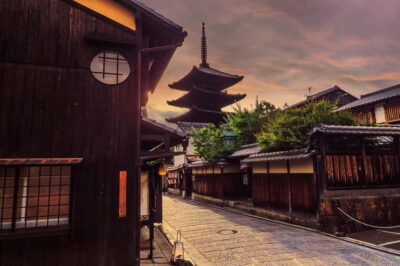
Kyoto Geisha Walking Tour: Gion District & Hidden Gems
Read our review →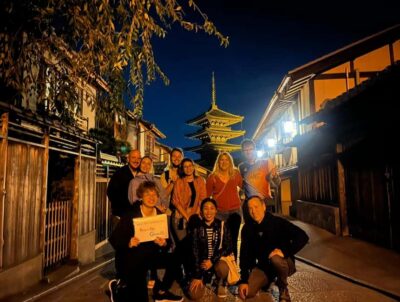
Gion Magical Night Walking Tour with Geisha Trivia
Read our review →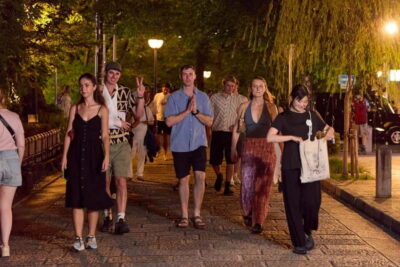
Gion Geisha District Walking Tour – Stories of Geisha
Read our review →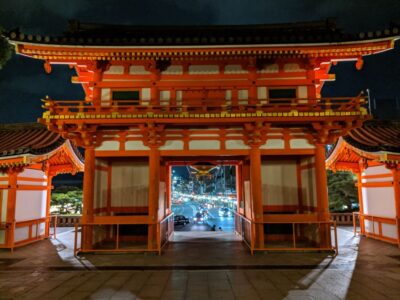
Best of Kyoto: Gion, Geisha, Pagodas & Cobblestones
Read our review →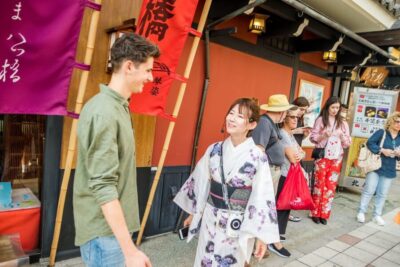

Kyoto Night Foodie Tour in Gion (9+ dishes + 6 Sake tastings)
Read our review →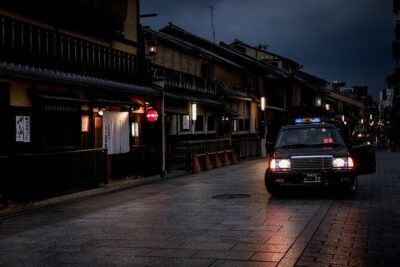
Kyoto Gion Geisha District Walking Tour – The Stories of Geisha
Read our review →
Kyoto Gion: 2-Hour Geisha Culture & History Walking Tour
Read our review →Browse the lists this tour appears in