
Reviewed · KYOTO MATCHA EXPERIENCES
Kyoto Matcha Green Tea Tour
Uji is where Kyoto’s tea culture becomes something you can taste, smell, and make yourself. This three-hour walk mixes Byodoin Temple and old shrines with matcha soba, sweets, ice cream, tea grinding, and a hands-on tea session. It is a good way to see more than Kyoto’s central sights.
I especially like the small group of no more than eight and the way the tour joins food with local history. Guides such as Karim, Miki, Sanae, Thomas, and Jamelah have been praised for adjusting the pace, answering questions, and helping with details such as shrine customs and goshuin stamps.
The main drawback is the tight meeting rule: your guide can wait only five minutes at Keihan Uji Station, not JR Uji Station. At $173 per person, this is also a serious spend for three hours, though the food stops and private-style attention make the price easier to justify.
Key points at a glance
- Uji, not central Kyoto: Reach the meeting point at Keihan Uji Station, about 40 minutes from Kyoto City.
- Matcha in several forms: Taste tea, try matcha soba, make your own drink, and finish with wagashi sweets or matcha ice cream.
- Byodoin Temple included: See Uji’s celebrated World Heritage temple as part of a wider food and culture walk.
- Small, personal group: The group is limited to eight, with an English-speaking guide.
- Food is part of the experience: Several stops are included, but extra food and drinks cost more.
- Plan your arrival carefully: The guide leaves after a five-minute grace period, and the tour cannot provide directions once it starts.
Why Uji makes a better tea day than a quick Kyoto shop visit
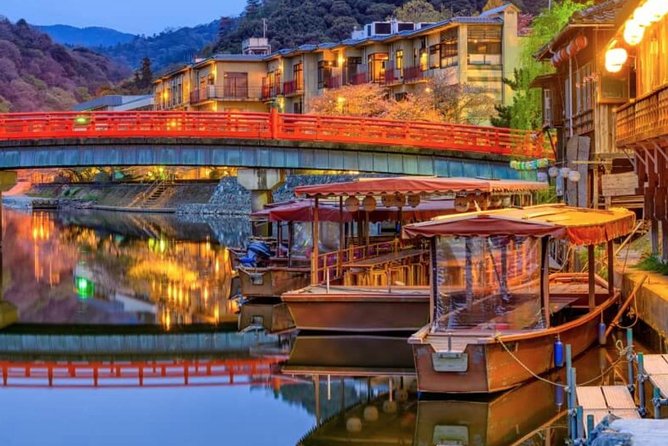
Uji sits outside the busiest central parts of Kyoto, about 40 minutes away, and feels like a proper change of scene. The Uji River, historic streets, temples, shrines, and tea shops give the outing a clear sense of place. You are not simply handed a bowl of green tea in a modern café. You are shown why tea matters here.
The tour is built around Uji’s role as the home of matcha. Your guide explains how the town grew into a retreat for Kyoto’s noble families and introduces the people and stories connected with its development. That context matters because matcha can otherwise seem like a fashionable drink rather than a long-standing part of Japanese food and ceremony.
I also like the pace. Three hours is enough to cover several sights and food stops without turning the outing into an all-day commitment. You still have time afterward to walk around Uji, shop, or return to Kyoto before the evening.
More matcha experiences in Kyoto:
- Kyoto: Arashiyama Bamboo Forest, Monkeys, Matcha & Temple Tour
★ 5.0 · 759 reviews - Kyoto: Tea Museum Tickets and Matcha Grinding Experience
★ 4.9 · 739 reviews - Kyoto: Tea Ceremony Meditation – Make Matcha with Tea Master
★ 4.8 · 406 reviews
Starting at Keihan Uji Station
The meeting point is the entrance of Keihan Uji Station, at Otsukata Uji, Kyoto 611-0021. This is not JR Uji Station, so check your route before leaving Kyoto. The difference between the two stations matters, especially if you are relying on a navigation app and arriving close to the start time.
Your guide will hold a sign. The group can wait only five extra minutes, and once the tour begins the guide cannot give directions or call guests who are late. I would arrive early enough to find the correct station entrance without rushing.
The small group format is one of the tour’s strongest features. With a maximum of eight people, you can ask questions without shouting across a crowd. Guides have helped with shrine etiquette, translated during communication problems, and adjusted stops around personal interests. One family even had a private outing when nobody else booked the same time slot, though you should not count on getting a private tour.
Byodoin Temple and Uji’s old religious sites
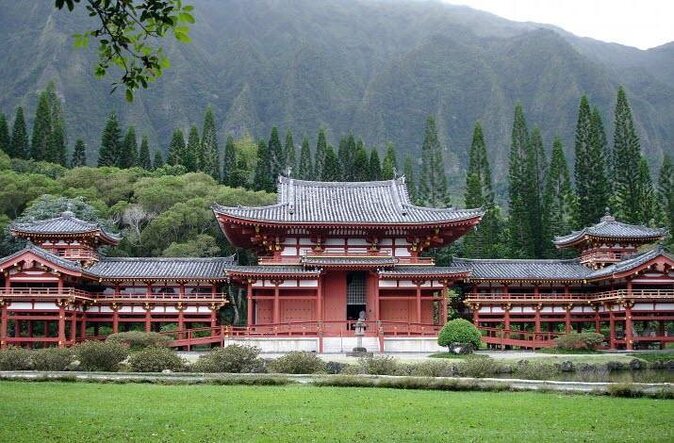
Byodoin Temple is likely to be the visual highlight. Its Phoenix Hall is one of Uji’s best-known sights, and the temple is included among the area’s World Heritage attractions. The tour gives you more than a photo stop by placing the building within Uji’s religious and cultural story.
Your guide also takes you to an old shrine and explains how to pray there. That small lesson can make a real difference. Instead of watching other people perform rituals and wondering what to do, you get practical guidance on the sequence and meaning.
The religious stops are not presented as an isolated temple circuit. They are part of a walk through Uji’s streets and tea culture. That combination is useful if you want some history but do not want a formal, lecture-heavy sightseeing tour.
One point to keep in mind is that three hours passes quickly. The exact time at each temple or shrine can vary with the group and the guide, so this is not the right choice if you want an extended, slow visit inside every site. It is better suited to seeing the main setting, hearing the story, and moving on to the next part of Uji.
Matcha soba, local sweets, and the food stops
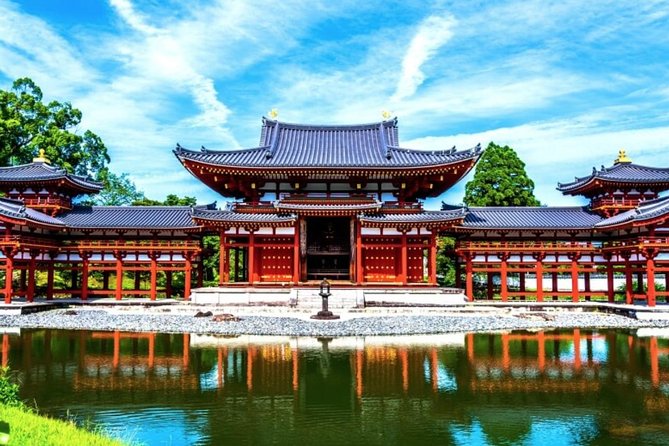
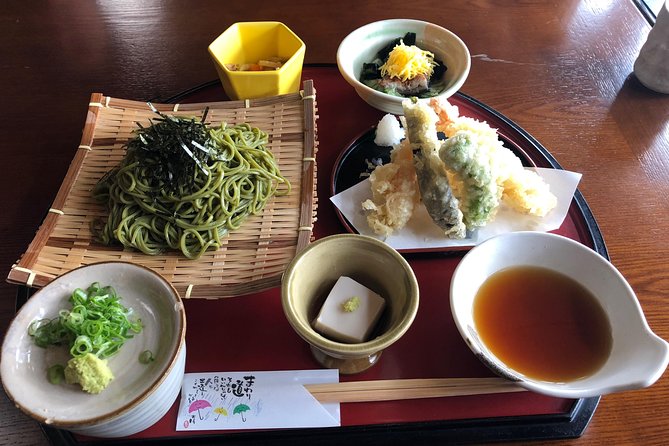
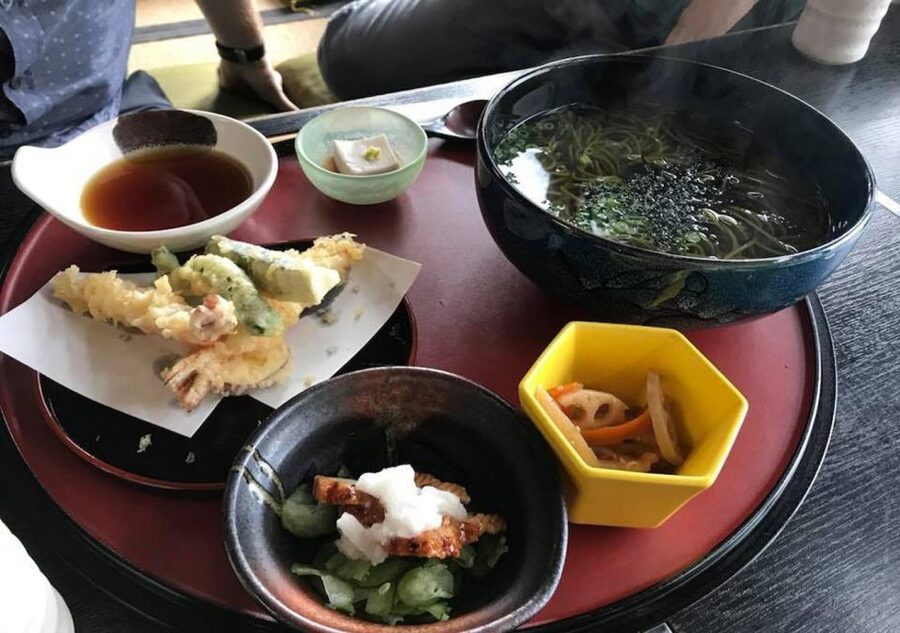
Food gives this experience its personality. Included stops can feature a variety of dishes, with matcha appearing in forms you may not expect. Past outings have included matcha soba, local treats, wagashi sweets, and matcha ice cream.
Matcha soba is a particularly useful introduction because it shows that powdered tea is not limited to a sweet drink. The noodles bring tea into a savory meal, while wagashi offers a more delicate partner for the tea tasting. Matcha ice cream provides the easy crowd-pleaser at the end.
One lunch stop beside the river has been especially memorable for the setting as well as the meal. The Uji River gives you a quieter pause between the temples and shops. Food is included at the planned stops, but you should budget extra if you want additional drinks, snacks, or purchases.
Dietary needs should be shared when you book. The supplied information does not promise that every request can be met, so early notice is important. The tour also lists a minimum drinking age of 21, although the main focus is tea rather than alcohol.
A few more Kyoto tours worth putting on the shortlist
- PERFECT KYOTO 1-Day Bus Tour
★ 5.0 · 13,518 reviews - Kyoto: Fushimi Inari, Kinkakuji, Bamboo Grove 1 Day Bus Tour
★ 4.8 · 4,316 reviews - Kyoto: Tea Ceremony in a Traditional Tea House in Kiyomizu
★ 4.9 · 3,519 reviews - Kyoto Geisha Walking Tour: Gion District & Hidden Gems
★ 4.7 · 3,273 reviews
Grinding tea and making your own matcha
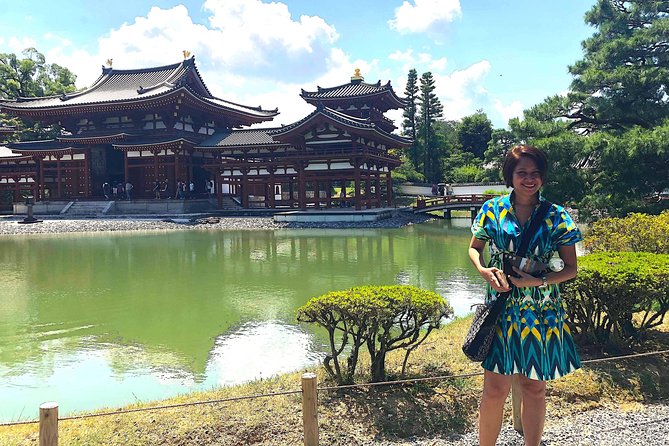
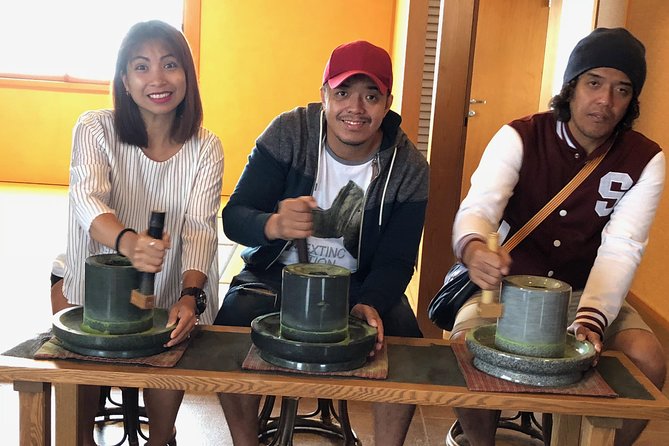
The hands-on tea section is the heart of the outing. You can see or take part in grinding tea leaves before learning how to prepare matcha yourself. This turns an abstract idea into a physical process: the powder, the whisk, the texture, and the final flavor all become easier to understand.
I like this part because it gives you something to remember beyond photographs. You are not just tasting a finished product. You are learning how the drink comes together and noticing how its texture differs from ordinary brewed green tea.
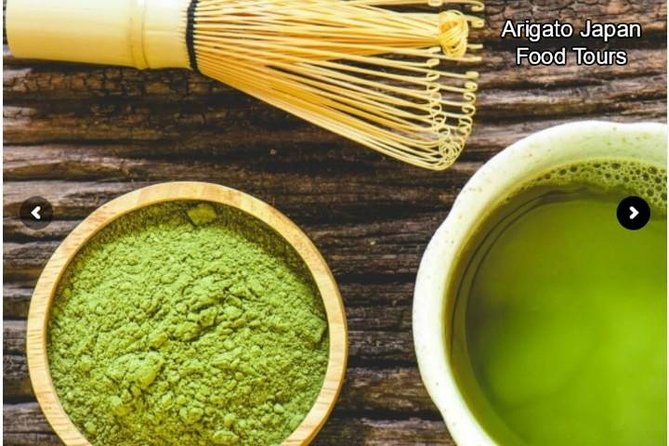
The final tasting is described as intimate, with freshly whisked matcha and local sweets. Expect a smooth, strong drink with a distinct tea flavor rather than a sugary café beverage. If you are new to matcha, the wagashi helps balance its bitterness.
The experience also lets you compare matcha across foods and drinks. A bowl of tea, a savory noodle dish, ice cream, and a sweet each show a different side of the ingredient. That range is one reason the tour feels broader than a standard tea ceremony.
The guide can shape the experience
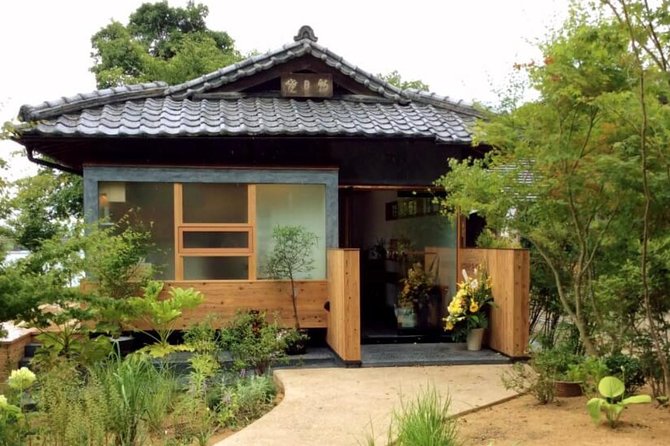
The named guides associated with this experience include Karim, Jamelah, Miki, Sanae, Thomas, Raquel, and others. Their approach may vary, but the useful pattern is clear: the guide is expected to explain local history in English, answer questions, and keep the group moving between stops.
Karim has been praised for combining temple visits, a soba lunch, and the tea-making class at a relaxed pace. Miki has adjusted the outing to suit different interests and used English, Spanish, and some Tagalog. Raquel has been particularly flexible with a family traveling with an infant.
That flexibility matters in a small group. You can ask how to collect a goshuin stamp, request help with a shrine custom, or ask for more detail about tea varieties. The guide may also help when communication at a restaurant becomes difficult.
Still, this is a shared tour unless your departure happens to attract no other bookings. The guide has to respect restaurant reservations and the schedule, so there may not be time for every shop or side street that catches your eye.
Shopping in Uji’s tea streets
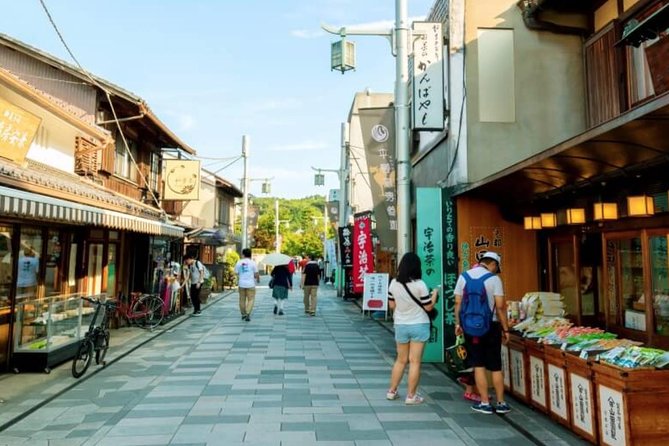
Shopping time is included, but it is not the whole purpose of the outing. Uji’s tea shops give you a chance to compare matcha products and pick up edible souvenirs after you have learned more about what you are buying.
I find shopping more useful after a tasting. You can ask about different tea types, decide if you prefer powder for drinks or sweets, and avoid buying a tin simply because the package looks attractive. The tour’s food stops also give you a better sense of which flavors you enjoy.
The amount of browsing time can depend on the group’s pace. If you want a long, serious shopping session, plan to stay in Uji after the tour. One useful feature is that the route can finish early enough for you to wander around town and still return to Kyoto without losing the whole day.
Is $173 a fair price for three hours?
At $173 per person, this is not a budget walking tour. The price needs to be judged against what is included: an English-speaking guide, several food stops, matcha tasting, the tea-making activity, wagashi, matcha ice cream, sightseeing, and shopping time.
For a simple temple walk, I would consider the price high. For someone who wants food, local interpretation, and an activity in one compact outing, the value is stronger. You would otherwise need to organize transport from Kyoto, find the right shops, choose where to eat, arrange a tea experience, and work out the customs at the religious sites.
The group limit also changes the calculation. A group of eight is far more manageable than a large bus tour, and the guide can respond to questions. That said, transportation to Uji is not included, nor are extra drinks, extra food, hotel pickup, or gratuity.
You can reserve now and pay later, and cancellation is free up to 24 hours before the start for a full refund. Those terms help if your Kyoto schedule is still changing, but they do not reduce the price itself.
Who will enjoy this Uji matcha tour?
I would recommend it most strongly if you want several kinds of Kyoto experience in one morning or afternoon:
- You are visiting Kyoto for the first time and want help understanding Uji.
- You enjoy food tours but also want temples and local stories.
- You are curious about matcha beyond the usual sweet latte.
- You prefer a small group to a large organized tour.
- You want an English-speaking guide who can explain customs and answer questions.
- You have limited time and want a structured three-hour visit.
Families can join, but children must be accompanied by an adult, and unaccompanied minors are not allowed. The outing may also suit families with young children because the schedule includes food and movement rather than a long seated ceremony, though the five-minute late policy leaves no room for delays.
I would choose a different plan if your main goal is a long, formal tea ceremony, extensive temple photography, or a full-day Uji exploration. This experience offers a taste of several things rather than a deep study of one.
Practical details before you book
Make sure you select a departure time that gives you enough margin to reach Keihan Uji Station. Do not go to JR Uji Station by mistake. Since the guide cannot call or redirect you after the tour starts, arriving early is part of the preparation.
The tour is conducted in English and runs for three hours. A minimum of two people per booking is required, and the group can include up to eight participants. Specific dietary requirements should be provided at booking.
Transportation costs are separate. Hotel pickup is not offered, and gratuity is not included. Extra food and drinks are also at your own expense.
The experience is listed with a 4.7 rating from 28 bookings, and the praise centers on the guides, relaxed pace, food, temple visits, and tea-making session. The most consistent strength is not one single dish or site. It is the way the guide connects them into a clear picture of Uji.
Should you book the Kyoto Matcha Green Tea Tour?
Book it if you want Uji explained by a local guide and would enjoy tasting matcha in several forms. The mix of Byodoin Temple, shrine customs, riverside food, tea grinding, matcha making, and sweets gives you a fuller outing than a quick stop at one tea shop.
Skip it if $173 feels too high for a three-hour activity, or if you would rather explore Uji independently and spend your time inside the temples. For the right visitor, the price buys convenience, food, context, and a small-group experience that is difficult to arrange on your own.
My practical advice is simple: arrive early at the correct station, tell the provider about dietary needs, and leave room after the tour for more wandering and shopping. If matcha is one of your reasons for visiting Japan, this is a well-focused way to meet Uji.
FAQ
Where does the Kyoto Matcha Green Tea Tour meet?
The meeting point is at the entrance of Keihan Uji Station, at Otsukata Uji, Kyoto 611-0021. It is not at JR Uji Station.
How far is Uji from Kyoto City?
Uji is about 40 minutes from Kyoto City.
How long does the tour last?
The tour lasts three hours.
What language is the tour conducted in?
The live tour guide speaks English.
How many people can join the tour?
The group is limited to eight participants.
Is food included?
A variety of dishes at multiple food stops is included. Matcha tasting, matcha making, wagashi sweets, and matcha ice cream are also included. Additional food and drinks cost extra.
Is transportation from Kyoto or hotel pickup included?
No. Hotel pickup is not included, and transportation costs are separate.
Can I cancel the booking?
Yes. You can cancel up to 24 hours in advance for a full refund. You can also reserve now and pay later.
Newest Kyoto experiences on the site
- Treasures of Kyoto: Gion & historical Walking Tour★ 5.0 · 6 reviews
- Whisk Your Own Matcha: A Zen Matcha Experience at Temple★ 3.6 · 7 reviews
- Kyoto tea town for matcha lovers★ 5.0 · 16 reviews
- Uji: Private immersion into Kyoto’s tea and reglious culture★ 5.0 · 17 reviews
- Kyoto Matcha Green Tea Tour★ 4.5 · 23 reviews
- Uji and Wazuka Matcha Farm Half Day Private Guided Tour★ 5.0 · 21 reviews
- Utilising upcycled Matcha! Creating matcha incense (Uji, Kyoto)★ 5.0 · 6 reviews
- Sacred Temple Yoga Experience in Japan★ 5.0 · 3 reviews
Kyoto Matcha Experiences, compared.
Arashiyama Bamboo Forest, Monkeys, Matcha & Temple Tour
Read our review →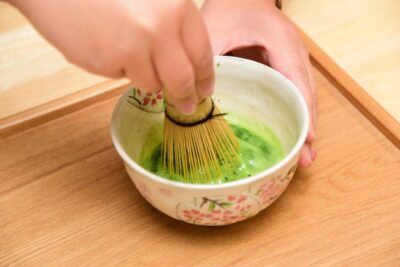
Tea Museum Tickets and Matcha Grinding Experience
Read our review →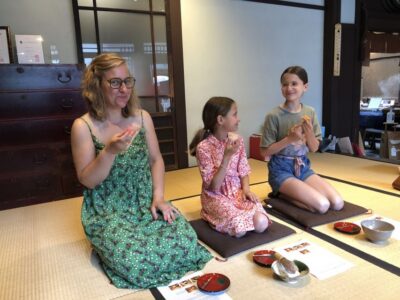
Tea Ceremony Meditation – Make Matcha with Tea Master
Read our review →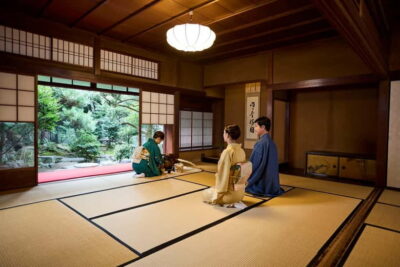

Arashiyama Bamboo, Temple, Matcha, Monkeys & secret spots
Read our review →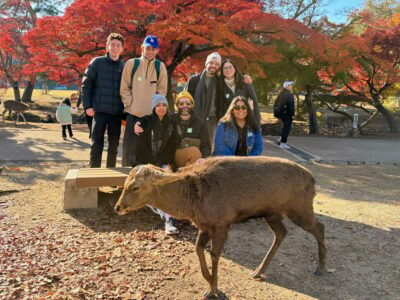
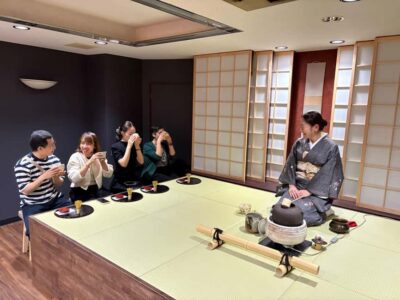
Traditional Tea Ceremony with Matcha & Sweets in Gion
Read our review →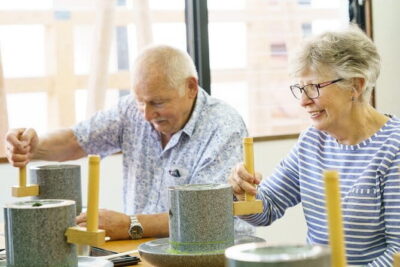
Matcha Grinding Experience and Walking Tour in Uji Kyoto
Read our review →Browse the lists this tour appears in