
Reviewed · KYOTO MATCHA EXPERIENCES
Kyoto: Tea Museum Tickets and Matcha Grinding Experience
Grinding tencha into powder is the heart of this one-hour Uji tea experience. At Chazuna, you learn how matcha begins as shaded tea leaves, work a traditional mill, and whisk the fresh powder into your own cup. Instructors such as Hideko, Keiko, and Sukimoto have been praised for clear explanations and good humor.
I like the hands-on work and the included museum ticket. You are not simply watching a tea demonstration, and the digital exhibits make Uji tea easier to understand. The main drawback is the strict timing: arrive 15 minutes early, because entry may be refused 30 minutes after the start and no refund is offered.
Key points to know before booking
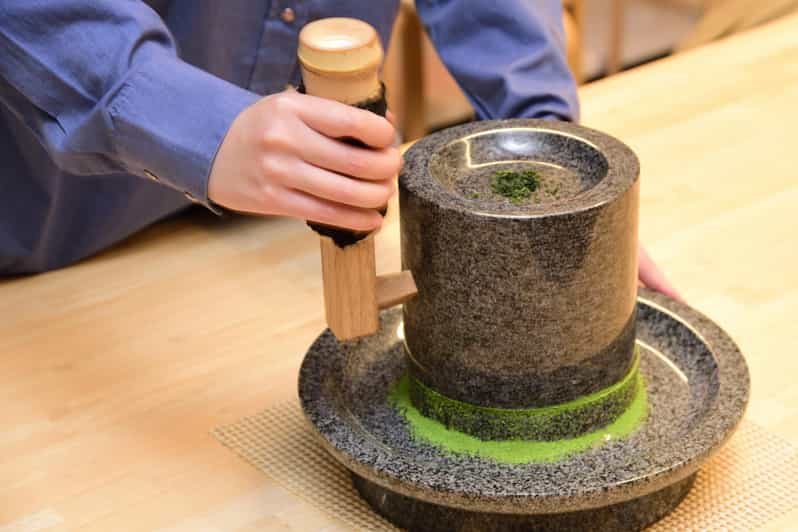
- You grind your own tencha: Turn a tea mill by hand and produce the powder used for your matcha.
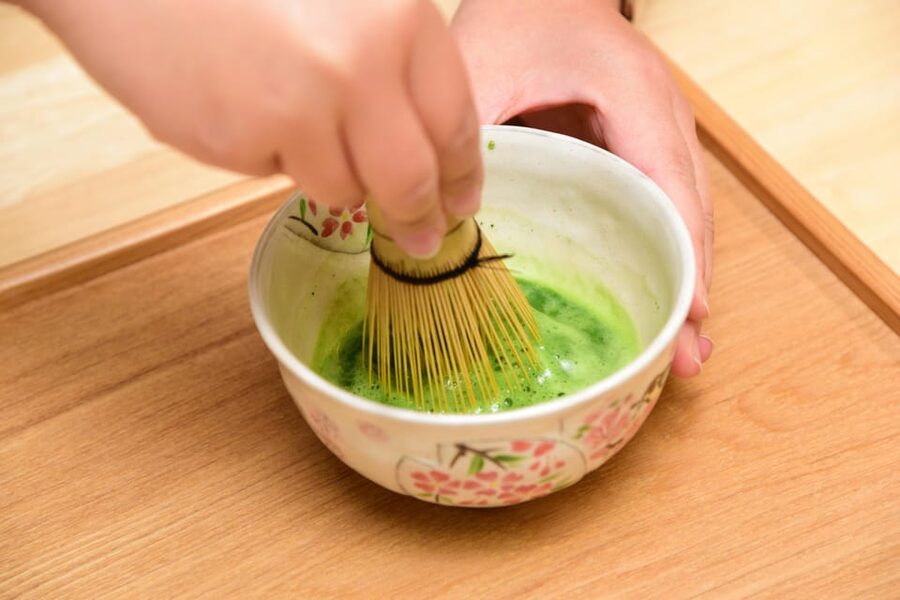
- You drink what you make: An instructor shows you how to whisk the tea, then you taste it with sweets.
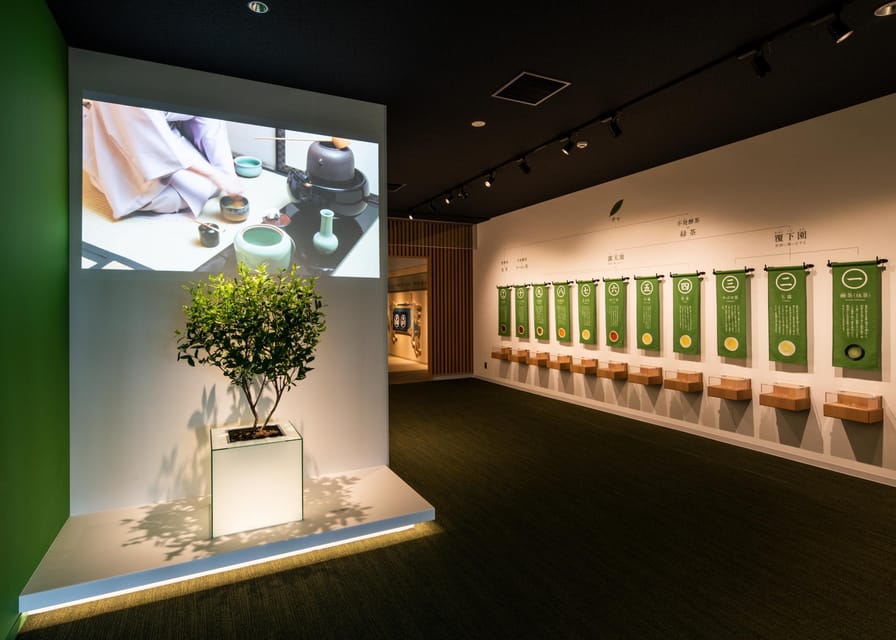
- The museum ticket is included: Explore Chazuna’s history displays, videos, touchable exhibits, and playful photo spot.
- English support is available: Sessions are taught in Japanese and English, with instructors using explanations and printed material.
- Uji is easy to add to a Kyoto day: Chazuna is a four-minute walk from Keihan Uji Station or about 12 minutes from JR Uji Station.
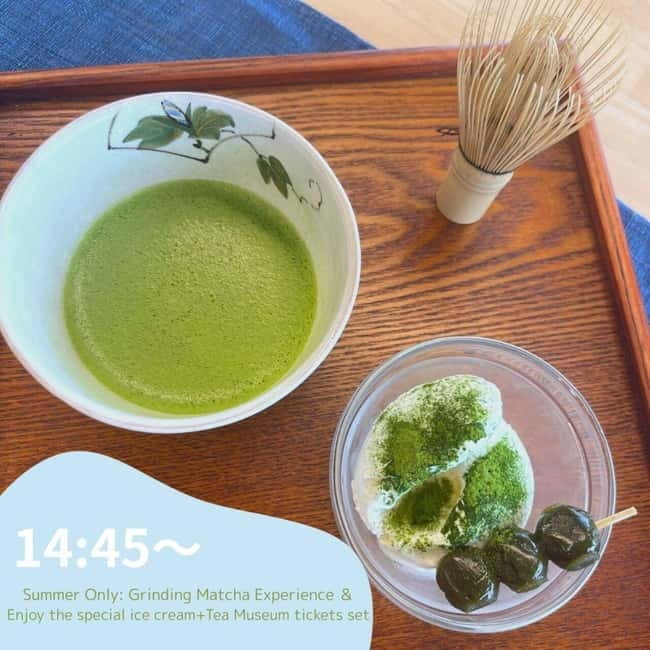
- Summer has a special 2:45 p.m. option: You can pour your freshly ground matcha over ice cream and eat it as well as drink it.
From shaded tea leaves to your own cup
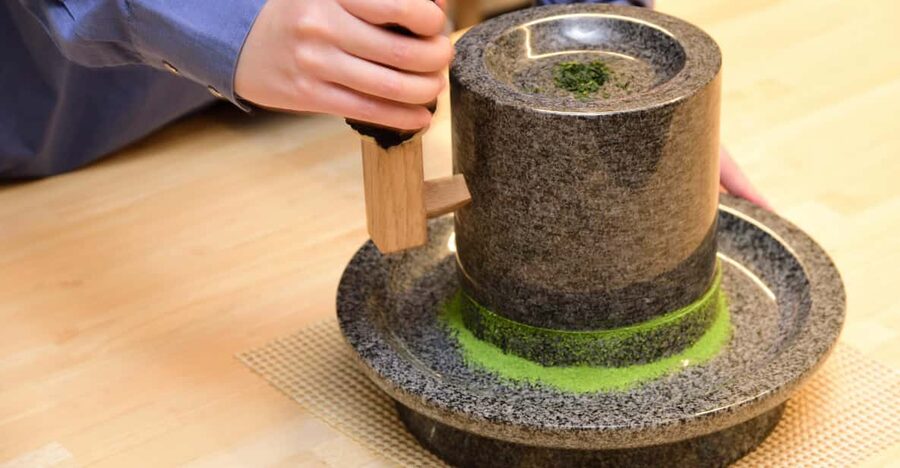
The best part of this activity is that it shows you the work hidden inside a bowl of matcha. You begin with tea leaves called tencha, the leaf used to make matcha, rather than with a ready-made green powder.
Under the instructor’s direction, you place the leaves into a tea mill and turn it steadily. This is not hard physical work, but it is slow enough to make you notice the process. The mill produces a fine powder, and the smell changes as the leaves are ground.
That fresh aroma is one of the small pleasures here. It gives you a better sense of why freshly made matcha tastes different from a sweet matcha drink bought at a café. The activity is short, but it gives you a clear link between the tea field, the mill, the bowl, and the final drink.
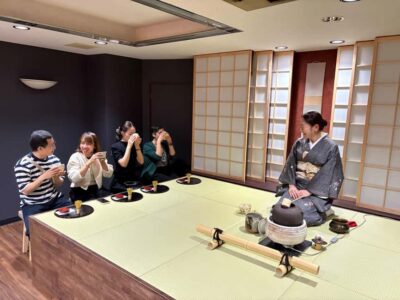
You then learn how to prepare the tea. The instructor demonstrates the whisking method and explains the steps of a traditional tea preparation. You use your own powder, whisk it, and drink it with a sweet. Some sessions have included sweets, mochi, or a small accompaniment, though the exact offering can vary.
The class is practical rather than formal. You do not need prior tea knowledge, and you are not expected to perform a full tea ceremony. The focus is on understanding the ingredients and learning a method you can repeat at home.
More matcha experiences in Kyoto:
- Kyoto: Arashiyama Bamboo Forest, Monkeys, Matcha & Temple Tour
★ 5.0 · 759 reviews - Kyoto: Tea Ceremony Meditation – Make Matcha with Tea Master
★ 4.8 · 406 reviews - Kyoto: Kimono Tea Ceremony with Matcha and Sweet
★ 4.9 · 249 reviews
Chazuna makes Uji tea easier to understand
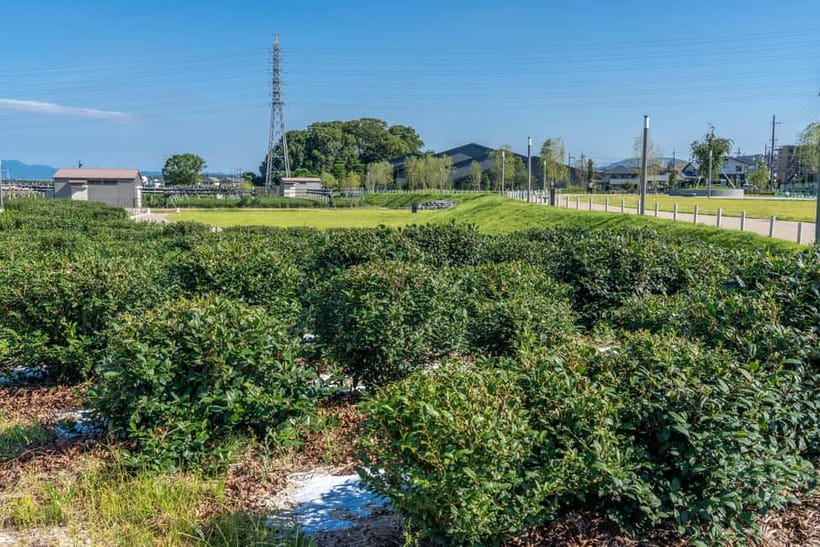
Chazuna is located in the Historical Park of Tea and Uji Town. The site combines a tea museum, workshop spaces, a restaurant, and views of gardens and tea-growing areas.
The museum gives useful context before or after the class. In the History Room, a large 10-yen coin featuring Byodoin Phoenix Hall introduces Uji and its connection to the area’s past. Digital displays show the town through modern versions of old townscape drawings called Meisho-zue.
A large 4K screen and touchable exhibits make the information approachable. This is not a long, object-filled museum where you need to read every panel. It is compact and visual, which works well if you have children, limited time, or only a passing interest in tea.
The exhibits cover the growth and production of Uji tea. You can learn about different types of Japanese tea, how leaves are harvested, and how matcha differs from other green teas. The digital format also gives you something to do while you wait for a scheduled workshop.
One playful feature is a photo spot where you can appear to swim in matcha. It is lighthearted, but it adds a memorable finish to the museum visit. I would allow extra time for the museum rather than rushing out as soon as the class ends.
What the workshop feels like in practice
The class is designed to be hands-on. You sit with other participants, listen to the instructor, grind the leaves, and prepare the tea. The guides offer close help, which matters because the mill and whisking technique are simple but unfamiliar to most first-time visitors.
The instructors have different personalities. Hideko has been singled out for a warm and amusing presentation, while Keiko has guided participants through making matcha from tencha and demonstrated tea preparation. Sukimoto has also been praised for a funny, well-organized explanation.
English is available, though the level of ease may vary by instructor. Printed material and a textbook help support the lesson. You should feel comfortable asking questions, but explanations may sometimes follow a prepared script, especially when the instructor is working in English.
That is not a serious problem for the activity itself. The key steps are shown clearly, and the class is built around demonstration. Still, if you want a highly detailed lecture in fluent English, this may feel more basic than a specialist tea seminar.
The tone is friendly and relaxed. Families, couples, solo visitors, and groups of friends can all fit into the experience. Solo participants may be seated with other people, which can make the class feel social without requiring you to arrive with a group.
The museum and workshop work well together

You can visit the museum on its own, but pairing it with the grinding session makes the information stick. The displays explain tea production, then the workshop gives you a small job to perform with your own hands.
I like this order of learning. First, you see the story of Uji tea. Then you handle the leaf and smell the powder. Finally, you taste the result. The lesson becomes more than a collection of facts.
The museum is not huge, so do not book this expecting a half-day institution. One participant described it as short but full of useful information, which is a fair way to think about it. The workshop is the main event, while the museum adds value and context.
The included ticket also improves the price. At about $23 per person, the activity costs more than buying a bowl of matcha at a tea shop, but you receive a class, an instructor, a drink, a sweet accompaniment, and museum admission. For a short cultural activity in Uji, that is good value.
The main limitation is that the ground tea is used during the class. You should not assume you will receive a full portion to take home. If you want tea or equipment for later, the center sells tea and matcha sets, and some participants have chosen to buy them after the experience.
More museums in Kyoto:
- Skip the lines Basic Ticket at SAMURAI NINJA MUSEUM KYOTO
★ 4.5 · 632 reviews - Kyoto : Geiko Maiko Dance of Kyoto & Visits of Gion Museum
★ 4.6 · 415 reviews - Kyoto Sword Experience – includes Museum Ticket/Ninja Experience
★ 4.5 · 149 reviews - Kyoto: Samurai Ninja Museum guided tour
★ 4.8 · 145 reviews
Planning your visit from Kyoto
Chazuna is simple to reach by public transportation. From Keihan Uji Station, the meeting point is about a four-minute walk. From the south exit of JR Uji Station, allow about 12 minutes.
Those walking times are short, but the strict start time makes them important. I would aim to reach the building at least 15 minutes before your reservation, then go to the first-floor reception area. Do not cut it close after visiting Byodoin Temple or shopping along the main street.
Uji works well as a day trip from Kyoto, and this activity gives your visit a clear center. You can combine it with Byodoin Temple, Uji’s food shops, matcha desserts, and tea souvenirs. The town is also pleasant for a slower walk, so avoid scheduling the workshop at the very end of a tightly packed day.
If you drive from Osaka, the route uses the Keiji Bypass Uji Nishi IC, followed by roughly 10 minutes on the side road toward Uji. From Tokyo or Nagoya, the route uses the Uji-higashi IC and takes about three minutes after the exit. The activity information provides driving directions, but public transportation is likely simpler for most Kyoto visitors.
The strict arrival rule matters
The booking is for one hour, and punctuality is more than a polite request. You must arrive 15 minutes early and check in at reception. Entry or participation can be refused after 30 minutes from the scheduled start, because late arrivals interrupt the rest of the group.
This is the one part of the experience I would treat seriously. Uji has several sights close together, but a delayed train, a long temple visit, or a slow lunch can quickly put you at risk of missing the class.
Schedule the workshop with breathing room before and after it. You can explore the museum after the class and visit the nearby sights later. That plan is safer than trying to squeeze in a temple visit immediately before the scheduled start.
The activity is wheelchair accessible. The listed instructor languages are Japanese and English.
A refreshing summer variation at 2:45 p.m.
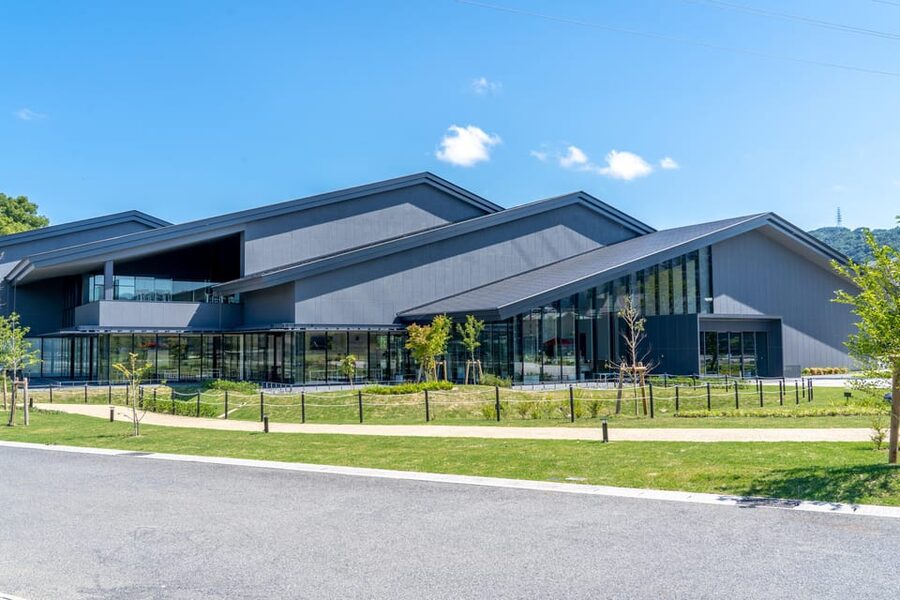
During summer, the 2:45 p.m. session offers a seasonal change. After grinding your matcha, you can pour it over ice cream and eat it, as well as prepare and drink the tea.
This is a fun choice on a hot afternoon, especially if you like matcha desserts. The experience remains educational, but the cold ice cream makes the final tasting more playful than the standard tea preparation.
This option is tied specifically to summer and the 2:45 p.m. time. Do not assume every departure includes it. Check the available session details when booking if the ice cream element is important to you.
Who will enjoy this most
I would recommend this to matcha drinkers who want to understand how the powder is made. The act of turning the mill gives you a physical sense of the work, and the tasting lets you judge the result immediately.
It also suits families. The touchable displays, digital screens, grinding activity, and photo spot give children more to do than a quiet tea ceremony would. The one-hour length is manageable, though younger children still need to follow the instructor’s directions around the equipment.
Couples and friends get a pleasant shared activity without committing to a long class. Solo visitors can also book with confidence, since the workshop seats people together and the instructors offer close guidance.
You may want to skip it if you have no interest in tea and are visiting Uji only for temples. The museum is compact, and the workshop centers on matcha from beginning to end. Also, if you want to take home the tea you grind, confirm what is included before you book, since the usual activity uses the tea during the session.
Booking flexibility and practical value
You can cancel up to 24 hours before the activity for a full refund. A reserve-now, pay-later option is also available, which helps if you are still arranging your Kyoto schedule.
Time and date changes must be made through the website’s change procedure. The provider does not handle schedule-change questions by phone, so make adjustments as soon as possible if your plans shift.
The high 4.9 rating reflects what the experience does well: warm instructors, clear demonstrations, a calm setting, and genuine participation. The praise is most consistent around the grinding itself and the friendly teaching. Those are the reasons to book, not the promise of a large museum or an elaborate ceremony.
Should you book the Chazuna matcha experience?
Book it if you want a short, practical introduction to Uji tea and like the idea of making your own drink. The class gives you more than a tasting, while the museum ticket makes the $23 price easier to justify.
I would especially recommend it as part of a Uji day with Byodoin Temple, tea shops, and the market street. Arrive early, keep your schedule loose, and remember that the tea you grind is generally for drinking during the workshop rather than taking home.
If you prefer a long, formal tea ceremony, this is not that. It is friendlier, more interactive, and more focused on the path from leaf to powder to cup. For most first-time visitors to Uji, that makes it a useful and enjoyable choice.
FAQ
Where does the matcha experience take place?
It takes place at Chazuna, in the Historical Park of Tea and Uji Town. Go to the first-floor reception area when you arrive.
How long does the experience last?
The listed duration is one hour. You can also spend additional time visiting the included Chazuna museum.
What is included in the price?
The price includes admission to the Chazuna Museum, the matcha-making experience, and an instructor.
How much does the experience cost?
The listed price is $23 per person.
How early should I arrive?
Arrive 15 minutes before your reservation and check in at the reception counter. Participation may be refused after 30 minutes from the start time.
Is the activity offered in English?
Yes. The listed instructor languages are Japanese and English.
Where is Chazuna from the train stations?
It is about a four-minute walk from Uji Station on the Keihan Uji Line. From the south exit of JR Uji Station on the Nara Line, it is about a 12-minute walk.
Can I visit the museum with my workshop ticket?
Yes. A Chazuna Museum ticket is included with the matcha-making experience.
Can I take the matcha I grind home?
The activity uses the ground matcha during the session, so you should not assume that your portion can be taken home. Tea and matcha sets are available for purchase at the center.
Is the activity wheelchair accessible?
Yes. The activity is listed as wheelchair accessible.
What happens during the summer 2:45 p.m. session?
At 2:45 p.m. during summer, you can pour your freshly ground matcha over ice cream and eat it, as well as prepare and drink the tea.
Newest Kyoto experiences on the site
- Treasures of Kyoto: Gion & historical Walking Tour★ 5.0 · 6 reviews
- Whisk Your Own Matcha: A Zen Matcha Experience at Temple★ 3.6 · 7 reviews
- Kyoto tea town for matcha lovers★ 5.0 · 16 reviews
- Uji: Private immersion into Kyoto’s tea and reglious culture★ 5.0 · 17 reviews
- Kyoto Matcha Green Tea Tour★ 4.5 · 23 reviews
- Uji and Wazuka Matcha Farm Half Day Private Guided Tour★ 5.0 · 21 reviews
- Utilising upcycled Matcha! Creating matcha incense (Uji, Kyoto)★ 5.0 · 6 reviews
- Sacred Temple Yoga Experience in Japan★ 5.0 · 3 reviews
Kyoto Matcha Experiences, compared.
Arashiyama Bamboo Forest, Monkeys, Matcha & Temple Tour
Read our review →
Tea Ceremony Meditation – Make Matcha with Tea Master
Read our review →

Arashiyama Bamboo, Temple, Matcha, Monkeys & secret spots
Read our review →
Traditional Tea Ceremony with Matcha & Sweets in Gion
Read our review →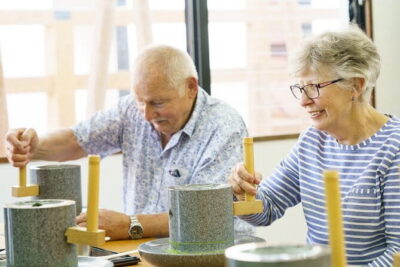
Matcha Grinding Experience and Walking Tour in Uji Kyoto
Read our review →Browse the lists this tour appears in