
Reviewed · FUSHIMI INARI TOURS
Kyoto: Fushimi Inari, Kinkakuji, Bamboo Grove 1 Day Bus Tour
Fushimi Inari’s endless orange gates are the big draw here, but this full-day Kyoto bus tour gives you much more than that famous walk. You’ll visit major temples on both sides of the city, stroll through Arashiyama’s bamboo grove, and reach the Golden Pavilion without working out several train and bus connections.
I like the efficient route and the guides, especially names that come up often such as Den, At-Chan, Sakura, Ciel, and Tommy. I also like that entry tickets are handled for you. The tradeoff is simple: this is a packed day, with limited time at each stop and plenty of stairs, hills, and walking.
Key points at a glance
- Seven major Kyoto stops: Kiyomizu-dera, Sanjusangen-do, Arashiyama, the Sagano Bamboo Forest, Tenryuji, Kinkakuji, and Fushimi Inari.
- Fushimi Inari after the main temples: You get a memorable walk beneath thousands of red torii gates.
- English guide plus audio options: Live commentary is in English, with audio guidance in Spanish, French, Italian, German, Portuguese, and Ukrainian.
- Optional Japanese buffet: Vegetarian dishes are available, but special diets are not well covered.
- Comfortable sightseeing logistics: An air-conditioned coach includes Wi-Fi, regular ventilation, and entry tickets for four temples.
- Best for a short Kyoto stay: You see a great deal in one day, but you give up the freedom to linger.
Why this Kyoto day tour works well
Kyoto’s best-known sights are spread across the city. Kiyomizu-dera and Sanjusangen-do are in the east, Arashiyama is in the west, and Fushimi Inari lies south of central Kyoto. Doing all of this independently in one day is possible, but it takes careful planning and a willingness to change trains and buses several times.
At $122 per person, this tour is not the cheapest way to see Kyoto. Still, the price includes transport, a guide, several admission tickets, and lunch if you choose that option. I see the value in it if you have only one free day, are visiting with children, or simply prefer to let someone else manage the route.
The group schedule is tight, but it is not designed to keep you inside one temple for hours. Instead, it gives you a useful first look at Kyoto’s major sights. You can then return to the places that interest you most.
The tour begins at 8:00 AM, with check-in at 7:50 AM, and lasts about nine hours. You finish back at the same Kyoto Station meeting area. There is no hotel pickup, so you need to reach Tully’s Coffee at Kyoto Avanti on your own.
More ways to walk the Fushimi Inari gates:
- Fushimi Inari Hidden Hiking Tour (Private Option Available)
★ 5.0 · 1,750 reviews - Osaka/Kyoto:Kinkakuji,Arashiyama,FushimiInariShrine,NaraPark
★ 4.1 · 1,596 reviews - Kyoto/Osaka: Nara, Fushimi Inari Taisha, Arashiyama Bus Tour
★ 4.7 · 1,275 reviews
Starting at Kiyomizu-dera before the crowds build
Your first major stop is Kiyomizu-dera, one of Kyoto’s essential temples. The visit lasts about an hour, giving you time to see the celebrated wooden terrace and look over the city from the hillside setting.
The temple dates back to 778 and is part of Kyoto’s World Heritage listing. The main value of arriving early is practical: you see the site before the day’s schedule becomes more crowded and before the afternoon heat, if you visit in warmer months.
You should wear shoes with good grip. The approach and temple grounds include slopes and steps, and this tour does not suit wheelchair users or people with mobility limitations. Comfortable walking shoes are not a small detail here. They can determine how much energy you have left by the time you reach Fushimi Inari.
Your guide may also point out details that are easy to miss when you are rushing from one photo spot to the next. Guides such as Den and At-Chan have been praised for explaining temple customs, history, and Japanese words in a clear, friendly way. The tone is educational without requiring you to arrive with any background knowledge.
Sanjusangen-do and its remarkable wooden hall
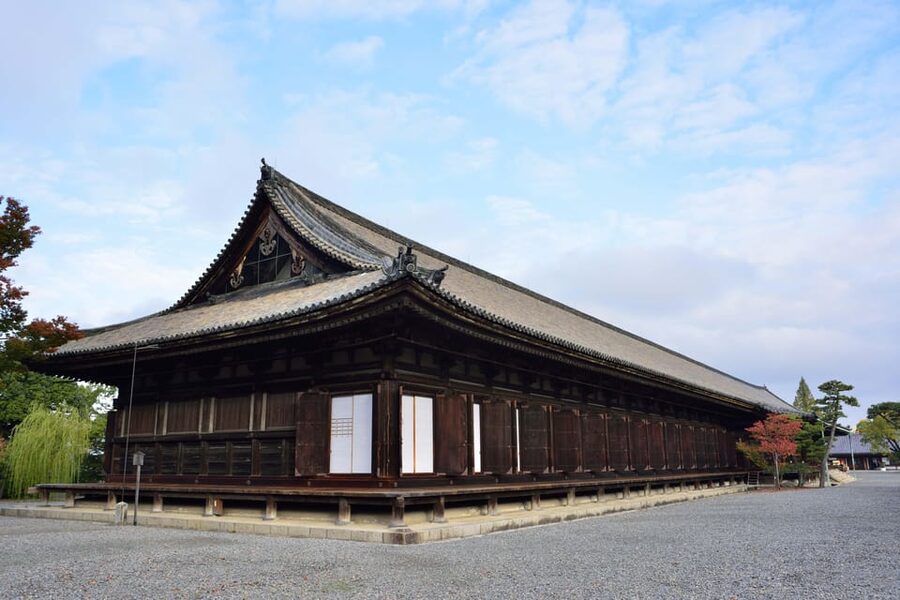
The next stop is Sanjusangen-do, officially known as Rengo-In. You spend around 40 minutes here, usually inside the temple’s long wooden hall.
The name Sanjusangen-do refers to the 33 spaces created by the building’s columns. The hall is Japan’s longest wooden structure, and the interior contains 1,001 statues of Kannon, the Buddhist figure associated with compassion. It is a very different experience from Kiyomizu-dera’s open terrace and city views.
This stop is especially useful because a guide can give the building a sense of scale and explain what you are seeing. On your own, you might walk through the hall, admire the rows of statues, and leave without grasping why the structure is important.
Photography rules can vary inside religious sites, so listen carefully to your guide and follow posted instructions. The visit is shorter than at Kiyomizu-dera, but the compact timing works well for a first visit.
Arashiyama lunch and the Togetsukyo Bridge
After the eastern temples, the coach takes you west to Arashiyama. This change of area is one of the tour’s strongest points. You do not spend the day circling one neighborhood. Instead, you see how different Kyoto’s districts feel.
The lunch stop lasts about 50 minutes. If you select the lunch option, you receive a Japanese buffet with seasonal ingredients and vegetarian dishes. The meal is convenient and gives the group a set place to eat beside the Arashiyama area, with views toward the Togetsukyo Bridge.
I would treat the buffet as a practical inclusion rather than the reason to book the tour. Some dishes may not be served as hot as you expect, and one guide may take you to a better-quality meal elsewhere in Kyoto. Still, the buffet saves you from searching for a restaurant during a short break, which matters on such a tightly scheduled day.
The tour does not provide Muslim-friendly, allergy-friendly, lactose-free, or gluten-free meals. If you have a serious allergy or strict dietary needs, choose the option without lunch. You can bring food or use your free time in Arashiyama to buy something yourself.
The bridge area has shops, restaurants, and other attractions, but you will not have a long free period here. Keep your food break organized and do not wander too far from the meeting point.
More trips out to the Golden Pavilion:
- Kyoto: Nijo, Kinkaku-ji, Arashiyama, Kiyomizu & Fushimi Inari
★ 5.0 · 699 reviews - Kyoto: Kinkakuji, Golden Pavilion Guided Tour
★ 4.7 · 71 reviews - Kyoto top must-see Golden pavilion and Bamboo forest half-day Private tour
★ 5.0 · 52 reviews - Kyoto Bamboo Forest & Golden Pavilion E-Bike Tour
★ 5.0 · 50 reviews
Walking through the Sagano Bamboo Forest
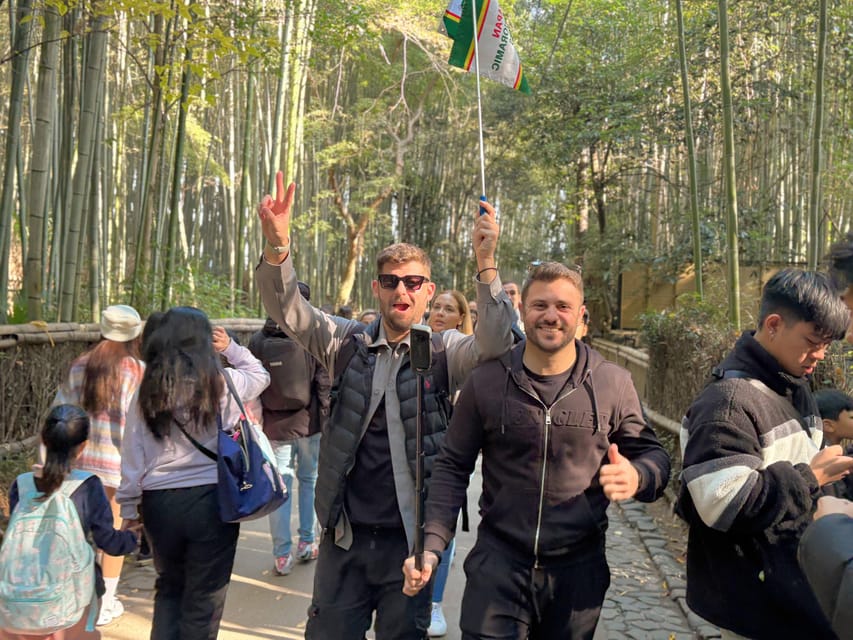
The Sagano Bamboo Forest is a short stop, with about 20 minutes for photos and walking. That may sound brief, but the main path is easy to reach and gives you time to walk through the tall bamboo and take pictures.
A light breeze can make the stalks sway overhead, creating the quiet, green corridor that makes this spot so popular. The reality is that the path can be busy, and your visit is not a private walk in the woods. The tour still gives you the key visual experience without asking you to spend half a day in Arashiyama.
This is one place where your guide’s timing matters. Stay aware of how long you have, since the coach cannot wait for an unplanned shopping stop or a long café break. If you want a slow, reflective visit, return to Arashiyama on a separate morning.
Tenryuji brings gardens and a slower pace
After the bamboo grove, you visit Tenryuji, a World Heritage Site and one of Arashiyama’s major temples. The scheduled visit is about 30 minutes.
Tenryuji is valuable because it balances the dramatic bamboo path with a more composed Japanese garden. You can look across carefully arranged scenery and see how the temple grounds change with the seasons. The visit is not long enough for every corner, but it gives you a clear sense of why the temple matters.
Admission is included, so you do not need to queue at the ticket counter. That small convenience adds up across a day with several stops. The guide also helps you understand where to focus your limited time.
At this point, you will have completed several walking sections. If you are visiting in winter, wear layers. The coach is air-conditioned and has been described as clean, heated when needed, and comfortable between stops, but the temple grounds are outdoors.
Kinkakuji, Kyoto’s Golden Pavilion
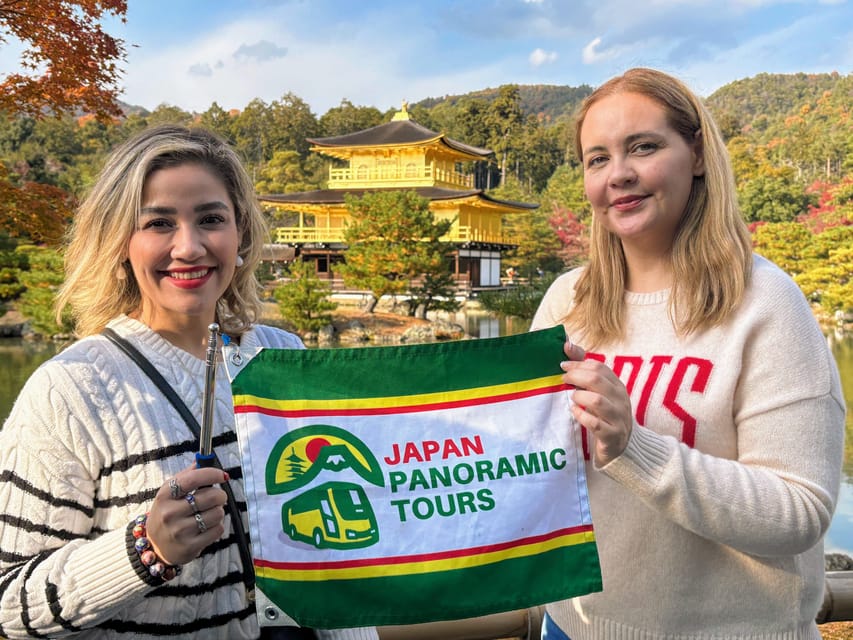
The coach then heads to Kinkakuji, better known as the Golden Pavilion. The official temple name is Rokuon-ji, and the pavilion is one of Kyoto’s most instantly recognizable sights.
Your visit lasts about 40 minutes. The pavilion’s gold-covered exterior reflects in the pond, making this a strong stop for photographs. The grounds also give you more than one viewing angle, although the route is controlled and you should not expect to enter the pavilion itself.
Kinkakuji can feel more like a grand visual stop than a quiet temple visit. That is not a criticism. The Golden Pavilion is famous because it is striking, and this tour gives you enough time to see it properly without letting one landmark take over the whole day.
Admission is included. Your guide may explain how the temple fits into Kyoto’s religious and political past, which helps turn a quick photo stop into a more useful visit.
The route passes by Nijo Castle, but it does not include a visit. Keep that distinction in mind when comparing this tour with other Kyoto day trips. You see a wide range of sights, but not every major landmark receives a full stop.
Ending beneath the torii gates at Fushimi Inari
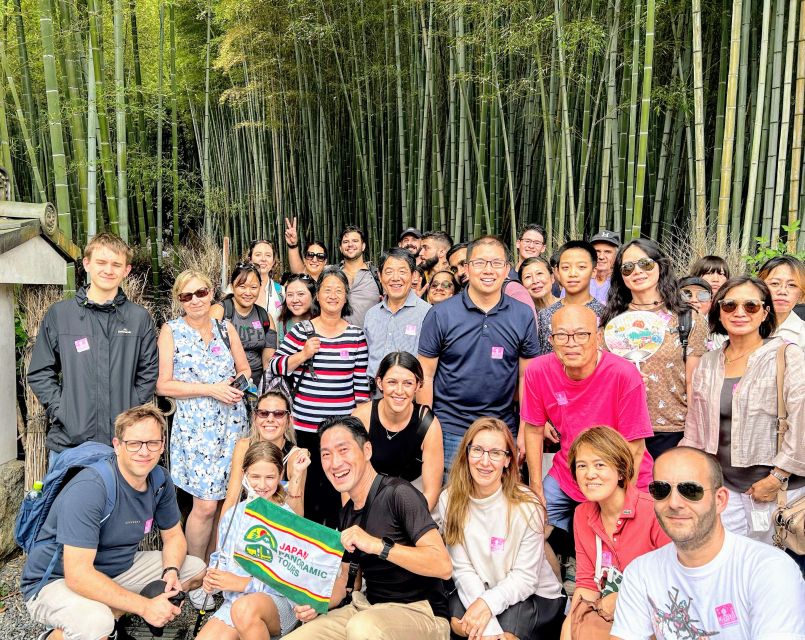
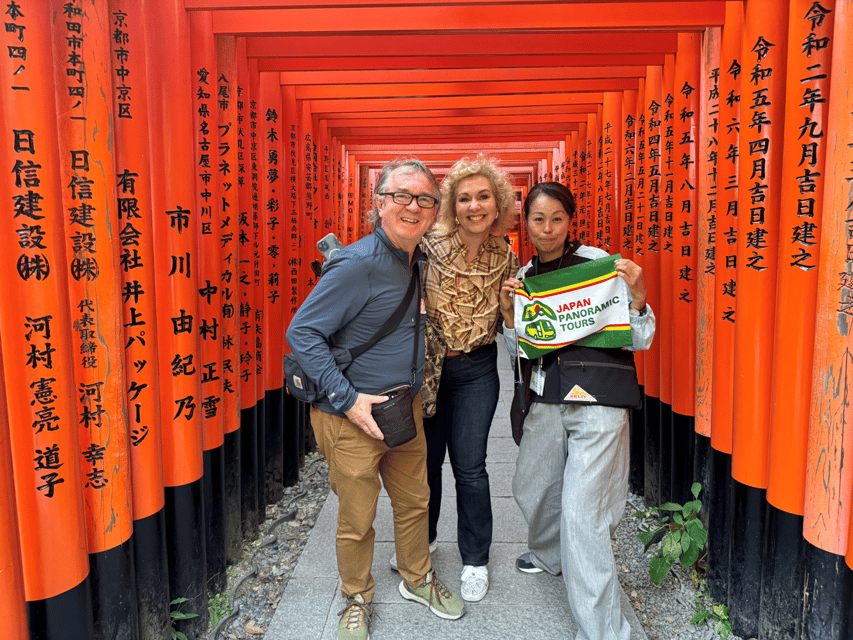
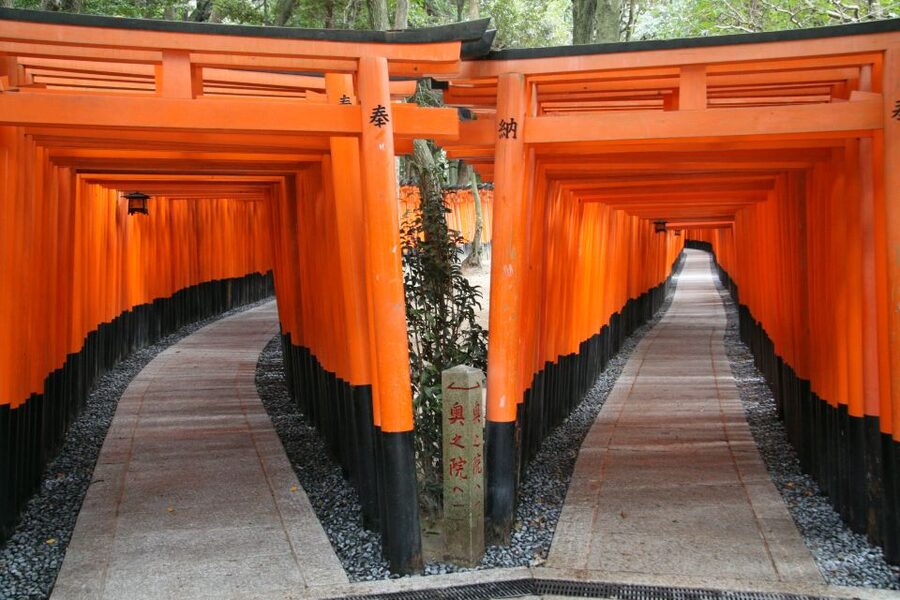
The final major visit is Fushimi Inari Taisha, one of Kyoto’s most memorable shrines. You have about an hour to walk beneath the famous rows of red torii gates.
This is the tour’s most atmospheric stop. The gates form tunnels up the hillside, and each one marks a donation made to the shrine. The first section is the busiest and most photographed. With only an hour, you may not reach the higher parts of the mountain, but you can still experience the main torii-lined route.
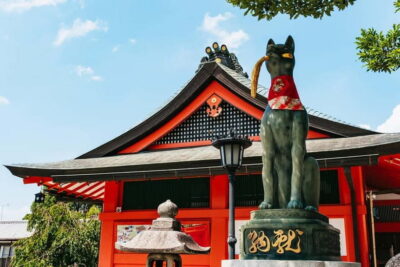
Fushimi Inari is a Shinto shrine dedicated to Inari, associated with rice, business, and prosperity. Fox figures appear around the grounds because foxes are regarded as Inari’s messengers. A good guide can make those details easier to spot and explain.
The late timing has a benefit: you finish the day with a powerful image rather than a routine transfer back to Kyoto. It also means you will be tired. The torii path includes steps and uphill walking, so pace yourself. You do not need to race to the top to enjoy the shrine.
Afterward, the coach returns to the Kyoto Station meeting point. The stated transfer back takes about 20 minutes, though traffic can affect the final arrival time.
The guides make the difference
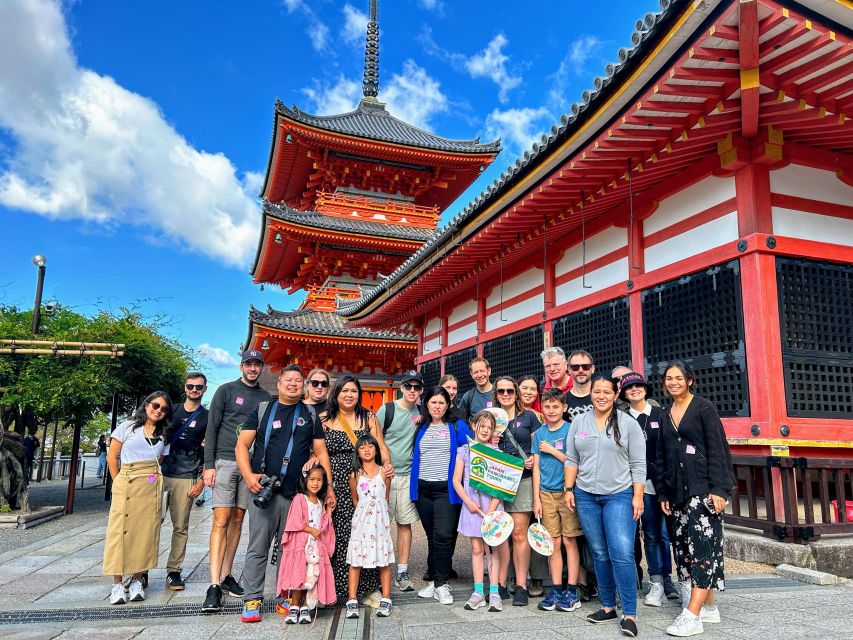
The strongest part of this experience is the live guide. Names associated with especially warm and clear tours include Den, At-Chan, Sakura, Ciel, Tommy, Nagomi, Hiroko, Mai, and Samurai. You cannot choose a particular guide in advance, but the tour’s style depends heavily on who leads your group.
Good guides on this route do more than recite dates. They explain why a wooden hall has 33 spaces, point out customs at shrines, help with photographs, and keep a large group moving. At-Chan has been praised for helping solo visitors with pictures and teaching useful Japanese phrases. Tommy has used humor and bus activities to keep the long transfers lively.
The live commentary is in English. Audio headsets are available in Spanish, French, Italian, German, Portuguese, and Ukrainian. That is useful if you prefer to hear information at your own pace, though the live guide remains the main source of direction and timing.
The coach includes Wi-Fi and air conditioning, and the operator says vehicles receive regular ventilation and antibacterial treatment. You will still spend much of the day outside, so the bus is a welcome reset between temples.
Who should book this Kyoto tour
I would recommend this tour to you if you have one day in Kyoto and want to cover the classic sights without handling the transport plan yourself. It is also a good fit for families who value predictable timing, couples who want a broad introduction, and solo visitors who appreciate help with photos and directions.
You should think twice if you prefer slow temple visits, quiet streets, or independent meals. The schedule gives you a taste of many places, not a deep visit to one or two. The walking is substantial, and the steps and hills can be tiring.
The tour is not suitable for wheelchair users or people with mobility impairments. Pets are not allowed. Late arrival is a serious problem because check-in is at 7:50 AM and departure is at 8:00 AM, with no refund for latecomers or no-shows.
You can cancel up to 24 hours before departure for a full refund, and reserve now while paying later. Traffic, weather, or temple operations can change the order, and a closed site may be replaced by another stop.
Is the $122 price worth it?
For $122, you are paying for more than a bus seat. The value comes from combining distant areas, four included temple admissions, an English-speaking guide, audio options, and an optional meal in one long day.
The price makes less sense if you plan to use public transport confidently and want to choose inexpensive local food. You may spend less on your own, especially if you skip several admission fees or visit fewer sites.
For a short Kyoto stay, I think the price is reasonable. The route would be difficult to reproduce smoothly in one day, and the coach removes much of the stress. Just understand that convenience comes with a fixed schedule.
Should you book it?
Book this Kyoto bus tour if your priority is seeing the city’s major temples, bamboo grove, Golden Pavilion, and Fushimi Inari in a single day. Pick the no-lunch option if you have serious dietary restrictions or want to choose your own meal.
Skip it if you want long, unhurried visits or already know Kyoto’s transport system well. For everyone else, it is an efficient first look at the city, with excellent guide support and enough time at each stop to understand why these places matter.
FAQ
Where does the Kyoto bus tour start?
The meeting point is in front of Tully’s Coffee at Kyoto Avanti, 31 Higashikujo Nishisannocho, Minami Ward, Kyoto. Look for the green and white Japan Panoramic Tours flag.
What time should I arrive?
Check-in is at 7:50 AM, and the coach departs at 8:00 AM. Latecomers and no-shows are not eligible for refunds or changes.
How long does the tour last?
The tour lasts about 510 minutes, or nine hours, including transfers and visits.
Which places does the tour visit?
The route includes Kiyomizu-dera, Sanjusangen-do, Arashiyama, the Sagano Bamboo Forest, Tenryuji Temple, Kinkakuji, and Fushimi Inari Taisha. The coach passes by Nijo Castle without stopping for a visit.
Is lunch included?
Lunch is included only if you select the lunch option. The meal is a Japanese buffet with vegetarian dishes.
Can the tour accommodate special diets?
The lunch does not provide Muslim-friendly, allergy-friendly, lactose-free, or gluten-free dishes. If you have a serious allergy or strict dietary needs, choose the option without lunch.
What languages are available?
The live tour guide speaks English. Audio guidance is available in Spanish, French, Italian, German, Portuguese, and Ukrainian.
Are admission tickets included?
Admission tickets for Kiyomizudera, Tenryuji, Kinkakuji, and Sanjusangen-do are included.
Is the bus equipped with Wi-Fi?
Yes. Transportation is by air-conditioned vehicle with Wi-Fi. The operator also states that vehicles receive regular ventilation and antibacterial treatment.
Is the tour suitable for people with limited mobility?
No. The tour includes stairs and hills and is not suitable for wheelchair users or people with mobility impairments. Comfortable shoes are recommended.
More Bus Tours From Kyoto
- PERFECT KYOTO 1-Day Bus Tour
★ 5.0 · 13,518 reviews - Kyoto: Hop-on Hop-off Sightseeing Bus Ticket
★ 3.9 · 2,034 reviews - Kyoto: Nara & Traditional Matcha Experience Bus Tour
★ 4.9 · 185 reviews - From Kyoto: Nara History Guided Half Day Bus Tour with Lunch
★ 4.8 · 114 reviews
More Mornings in Arashiyama
- Kyoto Arashiyama Walking Tour: Bamboo, Monkeys, Gardens & Secrets
★ 5.0 · 1,216 reviews - Arashiyama Bamboo, Temple, Monkeys, or Secret Sake Brewery
★ 4.8 · 886 reviews - Kyoto: Arashiyama Bamboo Forest, Monkeys, Matcha & Temple Tour
★ 5.0 · 759 reviews - Osaka/Kyoto: Arashiyama, Nara & Fushimi Inari Shrine w/Lunch
★ 4.4 · 754 reviews
Newest Kyoto experiences on the site
- Treasures of Kyoto: Gion & historical Walking Tour★ 5.0 · 6 reviews
- Whisk Your Own Matcha: A Zen Matcha Experience at Temple★ 3.6 · 7 reviews
- Kyoto tea town for matcha lovers★ 5.0 · 16 reviews
- Uji: Private immersion into Kyoto’s tea and reglious culture★ 5.0 · 17 reviews
- Kyoto Matcha Green Tea Tour★ 4.5 · 23 reviews
- Uji and Wazuka Matcha Farm Half Day Private Guided Tour★ 5.0 · 21 reviews
- Utilising upcycled Matcha! Creating matcha incense (Uji, Kyoto)★ 5.0 · 6 reviews
- Sacred Temple Yoga Experience in Japan★ 5.0 · 3 reviews
Fushimi Inari Tours, compared.
Fushimi Inari Hidden Hiking Tour (Private Option Available)
Read our review →
Kinkakuji,Arashiyama,FushimiInariShrine,NaraPark
Read our review →
Nara, Fushimi Inari Taisha, Arashiyama Bus Tour
Read our review →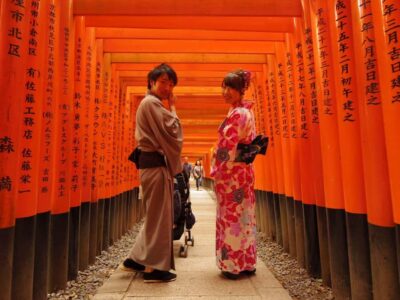
Arashiyama, Nara & Fushimi Inari Shrine w/Lunch
Read our review →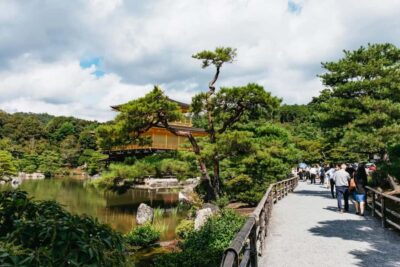
Nijo Castle, Kiyomizu & Fushimi Inari Guided Tour
Read our review →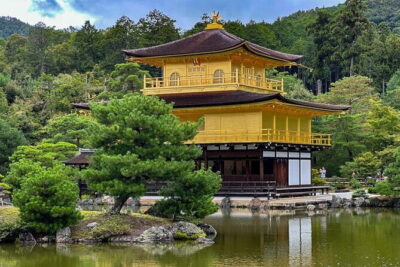
Nijo, Kinkaku-ji, Arashiyama, Kiyomizu & Fushimi Inari
Read our review →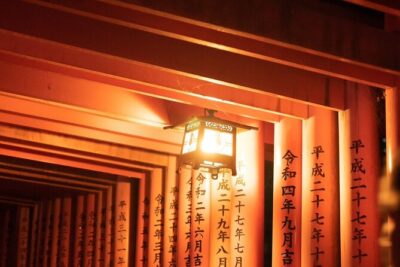
Browse the lists this tour appears in