
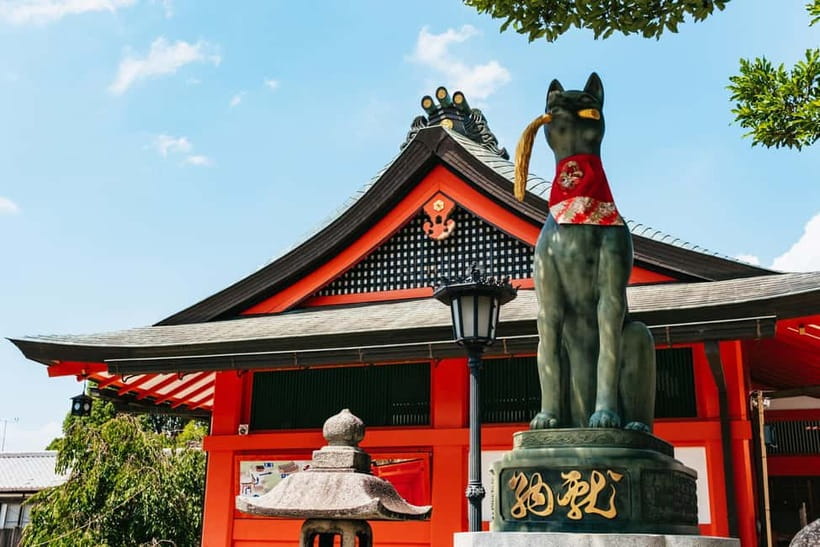
Reviewed · FUSHIMI INARI TOURS
Kyoto: 3-Hour Fushimi Inari Shrine Hidden Hiking Tour
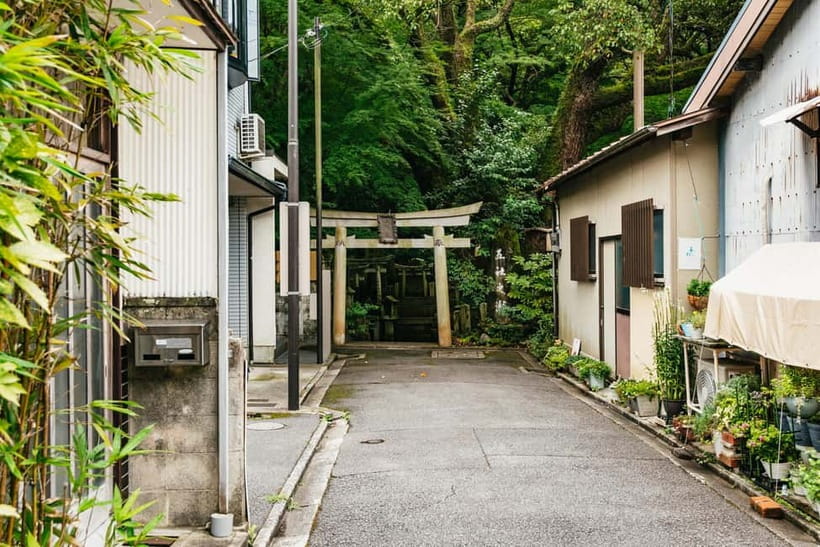
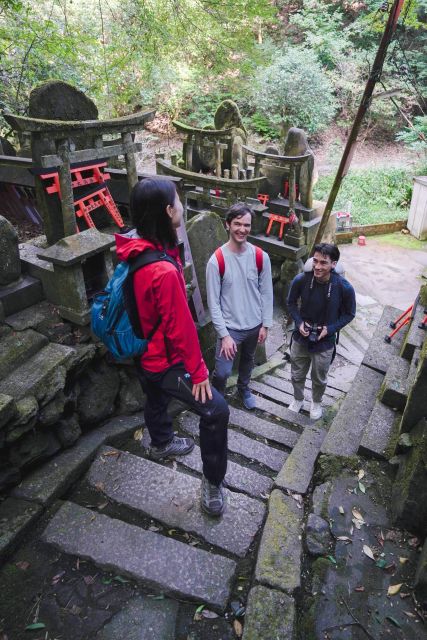
Fushimi Inari is famous for its thousands of red torii gates, but the best part of this tour is reaching them by way of quiet mountain trails instead of joining the packed approach from the front. You walk through bamboo, evergreens, small shrines, and rough forest paths before arriving at the shrine from behind.
I like two things here. First, the route gives you a calmer look at Mount Inari, with much of the first half away from other people. Second, guides such as Hina, Naru, Shiori, and Yukari add useful context about Shinto customs, offerings, amulets, and shrine etiquette. The catch is simple: this is a real 7-kilometer hike, not a gentle stroll.
Key points to know
- Start near Tofukuji Station: Meet outside FamilyMart Nakai Tofukuji, beside Exit 2.
- Use forest trails and bamboo groves: Much of the route leaves paved paths and the busiest tourist flow.
- Reach Fushimi Inari from the mountain side: You see quieter shrine areas before entering the famous torii gate sections.
- Expect hills, stairs, and rough ground: The route is moderate, with some steep or slippery stretches after rain.
- Small groups keep the walk personal: Groups can be as large as nine, with private options available.
- Photos and cultural guidance are included: Your guide can take pictures and explain respectful shrine customs.
Why this route changes the Fushimi Inari experience
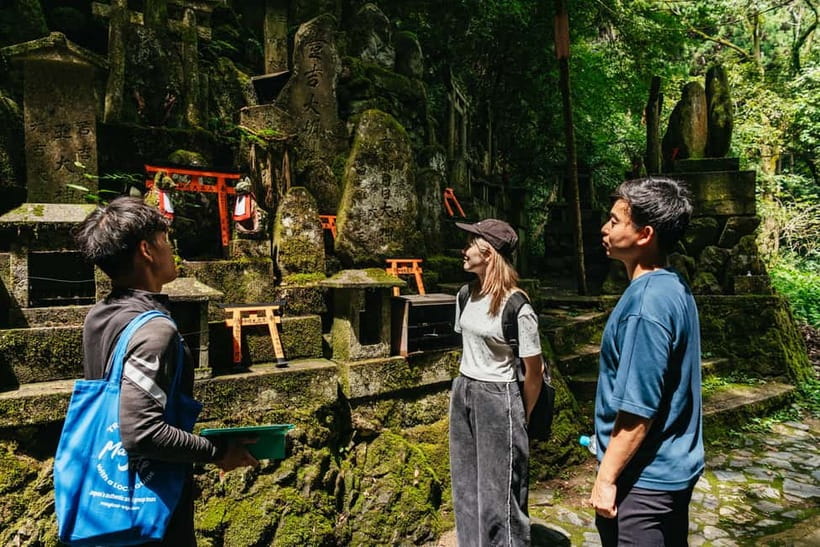
Fushimi Inari Taisha can feel hectic at the lower gates. People stop for pictures, tour groups gather, and the first famous tunnel of vermilion torii gates can become a slow-moving line.
This tour uses a different rhythm. You meet near Tofukuji Station, walk through a quieter neighborhood, and approach the mountain by lesser-used paths. The route then joins the better-known shrine paths farther up. That change matters. You get the famous gates, but they are part of a longer walk through woodland rather than the whole show.
The tour description says much of the hike takes place under trees, so you are not in direct sun for half the outing. That is helpful in warm weather, though the humidity, insects, and uphill effort still matter. Bring water, wear proper shoes, and do not treat the shade as air conditioning.
The group size is capped at nine people, with private and small-group choices available. A small group makes it easier to ask questions, stop for photos, or adjust the pace. It also means the guide can explain a shrine ritual without shouting across a crowd.
More ways to walk the Fushimi Inari gates:
- Kyoto: Fushimi Inari, Kinkakuji, Bamboo Grove 1 Day Bus Tour
★ 4.8 · 4,316 reviews - Fushimi Inari Hidden Hiking Tour (Private Option Available)
★ 5.0 · 1,750 reviews - Osaka/Kyoto:Kinkakuji,Arashiyama,FushimiInariShrine,NaraPark
★ 4.1 · 1,596 reviews
Starting at Tofukuji Station and Tofukuji Temple
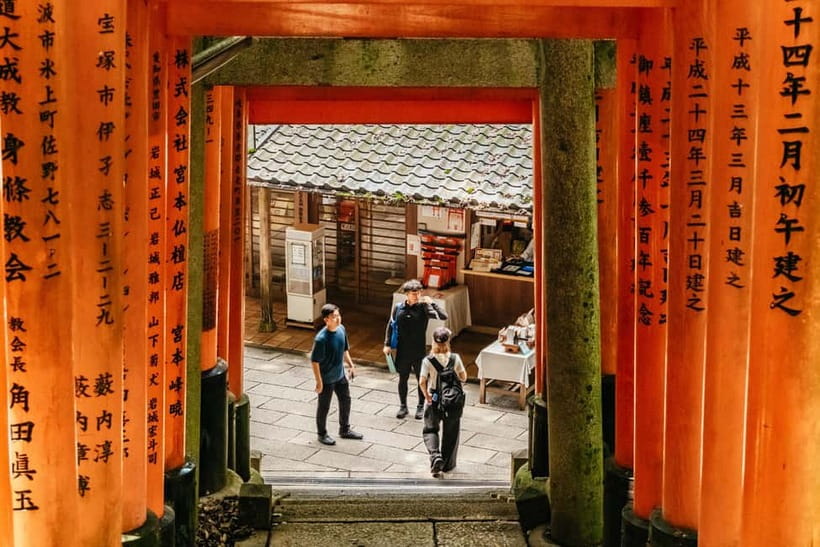
The meeting point is outside FamilyMart Nakai Tofukuji, beside Exit 2 of Tofukuji Station. You can reach Tofukuji on the JR line, including rapid and local trains. On the Keihan line, use a sub-express, semi-express, or local train. Do not use an express train for this meeting point.
From the station, the walk begins through a quieter residential area. This is a useful opening because you move from ordinary Kyoto streets toward the religious site gradually, rather than stepping straight from a crowded station into the main shrine entrance.
The itinerary includes about 10 minutes at Tofukuji Temple. That is a short visit, not a full temple tour, but it gives the morning a cultural starting point before the mountain trail begins. Keep your expectations in check: the main focus is the hike toward Fushimi Inari, not a long examination of Tofukuji.
This early section also gives the guide a chance to introduce the route and explain basic shrine behavior. If you have never visited a Shinto shrine, ask about purification, bowing, offerings, and the meaning of the torii gates. Several guides, including Hina and Jimmy, have helped visitors understand these customs during the walk.
The first forest section and the bamboo grove
After the neighborhood and temple stop, the route turns toward the mountain. One of the most appealing sections is the first off-pavement trail, where you enter a bamboo grove and walk among trees rather than crowds.
Bamboo groves are not rare in Kyoto, but this setting feels different from a quick photo stop. Here, the grove forms part of a longer mountain route. You are walking uphill, watching your footing, and moving through a quieter natural setting before the famous gates appear.
The word hidden can be overused in Kyoto, so keep your expectations realistic. This is not a secret wilderness far from all people. The route eventually connects with Fushimi Inari’s main paths, and the tour cannot avoid every other visitor. Still, the first half is designed to keep you away from the largest groups, and that is the main reason to book it.
The ground can be uneven, rocky, or slippery, especially after rain. One account of a rainy outing described muddy conditions, while another noted steep and slippery stretches. Long pants and a long-sleeved shirt are strongly recommended, partly because of mosquitoes and other bugs.
Reaching the torii gates from the back
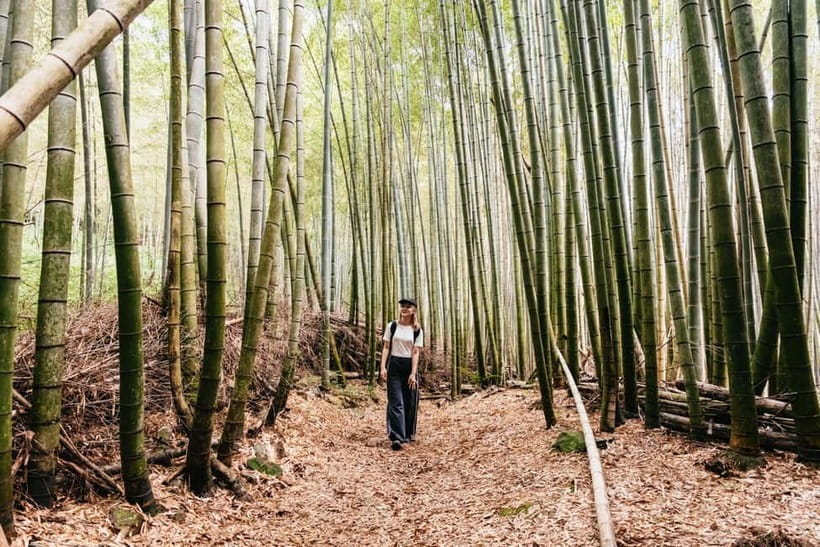
The route eventually meets the famous vermilion torii gates. This is one of the tour’s best design choices. Instead of spending the whole outing in the crowded lower section, you first earn your way into the shrine through the wooded mountain.
Fushimi Inari’s torii gates were donated by individuals and businesses, and they create long passages of red-orange color up Mount Inari. The guide can explain how to behave at the gates and shrines along the way. Jimmy, Hina, and other guides have been praised for explaining offerings, wishes, amulets, and respectful conduct.
You may pass through a large number of gates during the hike. One account estimated roughly 1,500, though the exact number depends on the route and how you count them. The important point is that you see both the famous sections and the smaller religious sites tucked along the mountain.
This part is also where crowd levels begin to change. The upper and less-used paths can feel quiet, but as you move toward the most photographed sections and the lower shrine, more people appear. That is not a flaw in the tour. It is the reality of Fushimi Inari. The tour reduces the crowded portion, but it does not remove it.
More hikes out of Kyoto:
- Kyoto Hiking Tour: The Nature and Legends of Kurama and Kibune
★ 5.0 · 75 reviews - Kyoto: Hike and Hot Springs in Kurama
★ 5.0 · 49 reviews - Kyoto: Fushimi Inari Hidden Hike (Private)
★ 5.0 · 31 reviews - Kyoto Arashiyama Bamboo Forest Hiking Tour(Hidden Temples)
★ 5.0 · 30 reviews
Mount Inari, small altars, and the return trail
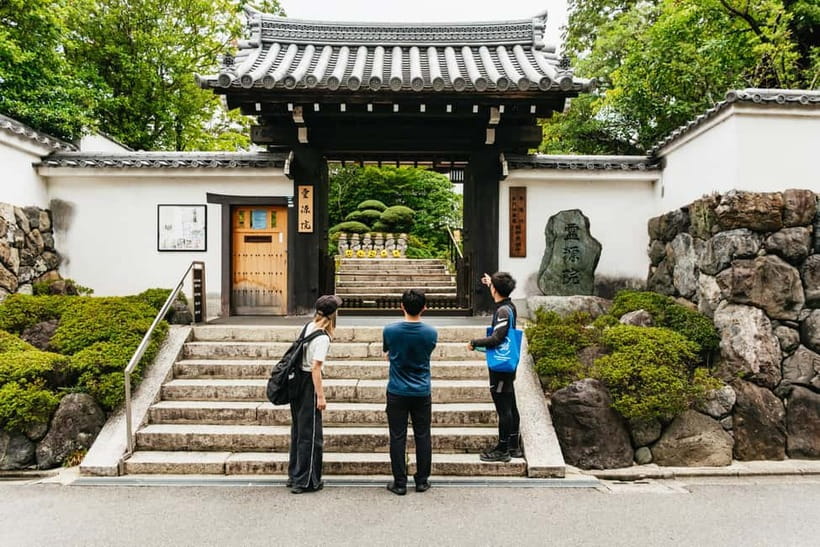
The itinerary takes you toward the summit area of Mount Inari, where the mountain is covered with shrine altars. These smaller religious sites are easy to miss if you only follow the main gate corridor from the front.
This is where a guide adds real value. Without context, a small altar may look like another photo stop. With an explanation of the shrine’s purpose, the symbols, and proper conduct, the mountain feels less like a scenic staircase and more like an active religious place.
After reaching the upper area, you descend on a forested trail and visit more small shrines. The return route includes another bamboo grove before connecting with the most famous lower sections of Fushimi Inari. In other words, you do not simply walk up and retrace the same path.
The descent is not automatically easy. Downhill stairs and uneven ground can be hard on knees, especially after the uphill climb. You should be comfortable walking for several hours and handling changes in surface. Regular stops are built into the outing, and extra stops can be made when needed, but this is still an active tour.
One useful detail comes from a group that approached the shrine in the opposite direction and found the climb less intense. That will not make the route flat, but the direction does help spread the effort across the three hours.
The famous lower shrine and photo stops
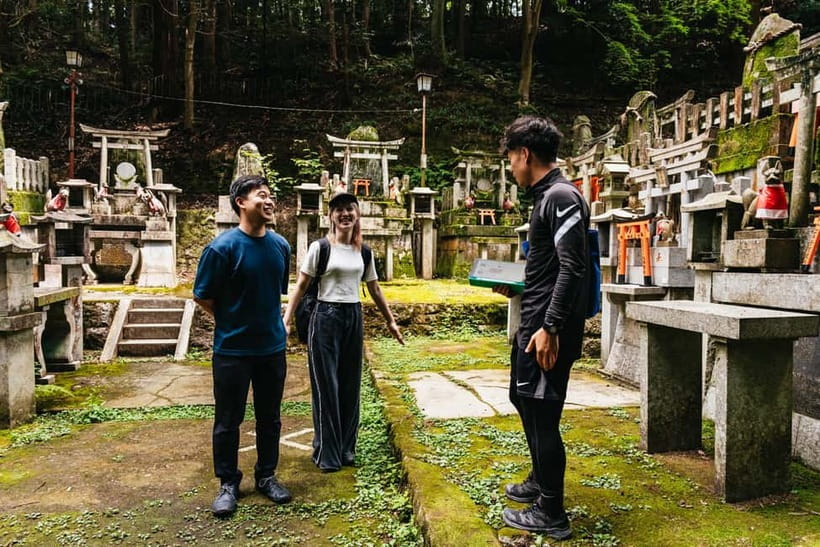
Near the end, you reach the most recognizable part of Fushimi Inari. This is where the dense rows of torii gates create the classic Kyoto picture. Your guide can help with photos at scenic points, and photography is included in the experience.
Several guides have been singled out for taking thoughtful pictures, including Naru and Nina. Do not expect a professional photo session with endless poses. The useful benefit is having someone in the group who can take a picture of you without forcing you to rely on a stranger or a timer.
The lower shrine area is also where the crowd becomes most noticeable. If your main aim is to photograph the iconic gates without anyone else in the frame, no tour can guarantee that at a popular Kyoto site. Your best chance is to follow the guide’s timing, be patient, and accept that the quieter pictures will come earlier in the walk.
The tour description says the route finishes at the main shrine at the base, where you can buy local street food before continuing through Kyoto. The itinerary information also lists FamilyMart Nakai Tofukuji as the arrival point, so check the exact ending details when you reserve. Either way, the main sightseeing finish is the lower Fushimi Inari area.
How hard is the 7-kilometer hike?
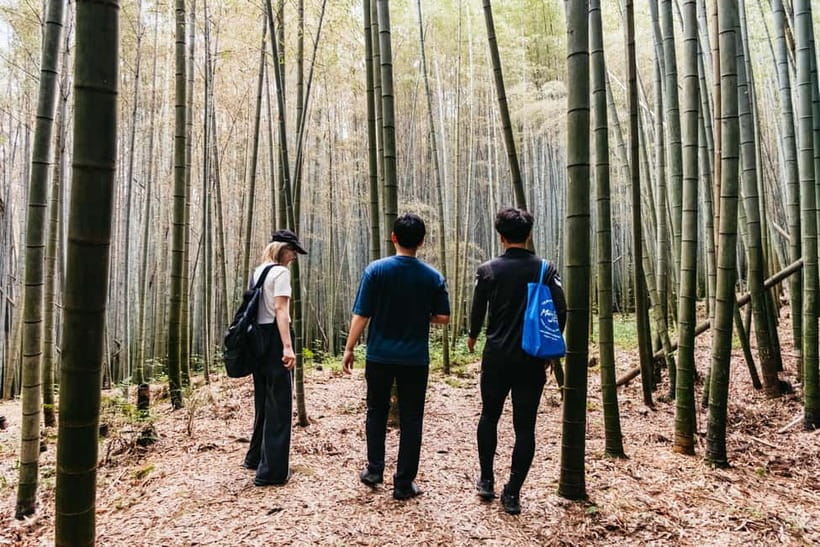
The most important booking question is fitness. The hike is described as not super difficult, but it is not a simple walk. You cover about 7 kilometers, climb stairs, use unpaved paths, and gain substantial height.
You do not need to be an athlete. Several families and casual walkers have completed the route, and regular stops help. Still, you should be able to walk uphill for a sustained period and manage rough ground. One participant’s watch recorded about 50 flights climbed, which gives you a useful sense of the effort.
I would rate it as moderate, with a few harder stretches. Rain can make the route muddy and slippery. Summer brings heat, humidity, and insects, even though forest shade covers much of the route.
Wear:
- Long pants and a long-sleeved shirt
- Comfortable shoes with a secure grip
- Water
- Minimal personal items
Large bags and luggage are not allowed. Children under eight are not suitable for this activity, and the tour is not recommended for people with mobility impairments or those who are not in regular walking condition.
Guides, group size, and the cultural side
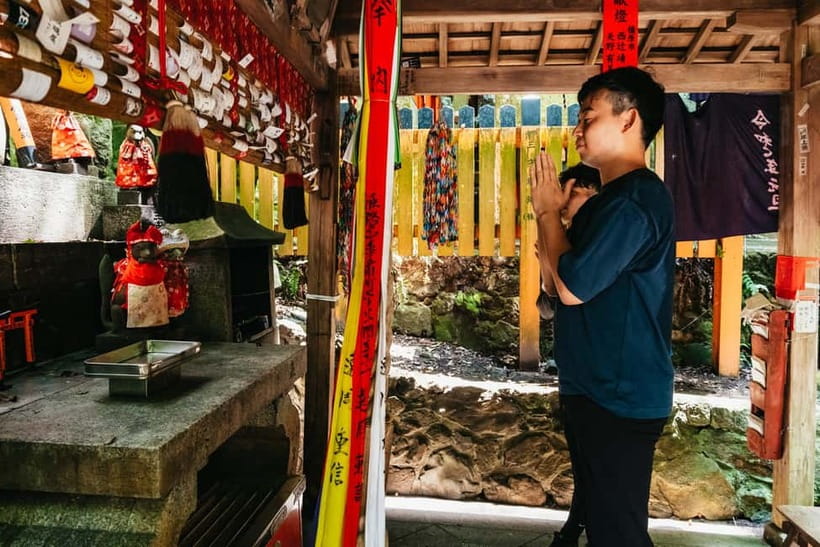
The guide can make the difference between a pleasant hike and a long walk with little meaning. The available guides vary, but names connected with especially strong outings include Hina, Naru, Shiori, Yukari, Yuto, Makoto, Nina, and Matthew.
The strongest guide experiences combine trail leadership with simple cultural explanations. You may learn how to enter a torii gate respectfully, how to make an offering, what certain amulets represent, and why small altars appear throughout the mountain.
English ability may vary by guide. One outing was enjoyable but had only brief explanations because the guide’s English was limited. If detailed conversation is a priority, ask about the guide or language arrangement before booking. The activity is offered in English, but individual speaking styles will differ.
A group of up to nine is small enough for conversation without guaranteeing a private experience. If you want more control over pace and questions, choose the private option if available. The smaller the group, the easier it is to pause for a photo or take an extra break.
Is $72 good value?
At $72 per person, this is not the cheapest way to see Fushimi Inari. You can visit the shrine on your own for the cost of transportation and spend nothing on admission to the shrine itself.
You are paying for the route, a local guide, cultural explanations, group management, and photos. The value is strongest if you would otherwise stay on the crowded main path and miss the forest trails, smaller altars, and bamboo sections. It is also useful if you want to understand shrine etiquette rather than simply walk through the gates.
The price is less convincing if your only goal is a quick picture of the red torii gates. In that case, visit independently and go early. But for a three-hour mountain walk that combines the famous shrine with less-used paths, $72 is reasonable, especially for a small group.
Free cancellation up to 24 hours before the start and reserve-now, pay-later booking make the commitment easier. Extreme weather can cancel the tour, and you may cancel for rain if you are not prepared.
Who should book this Fushimi Inari hike?
Book it if you want:
- A quieter route through Mount Inari
- A proper hike instead of a short shrine visit
- Help with Shinto customs and shrine etiquette
- Photos taken along the route
- A small-group outing with an English-speaking guide
- Bamboo groves, forest paths, old altars, and torii gates in one morning
Think twice if you want a flat walk, have limited mobility, dislike stairs, or are carrying luggage. The tour is also a poor match if you want to avoid all crowds. The early and middle sections are quiet, but the lower shrine becomes busier.
Should you book it?
I would book this tour if Fushimi Inari is high on your Kyoto list and you want more than the standard front entrance. The route gives you a better sense of the mountain, and the guide helps you read the shrine as a living religious place rather than a backdrop for photos.
Go in expecting a moderate hike with stairs, uneven trails, bugs, and some sweat. Wear long sleeves, carry water, and leave your large bag behind. If that sounds appealing, this is one of the better ways to pair Fushimi Inari’s famous gates with the quieter woods around them.
FAQ
Where does the Fushimi Inari hiking tour start?
Meet outside FamilyMart Nakai Tofukuji, beside Exit 2 of Tofukuji Station.
How do I reach the meeting point?
You can use the JR line, including rapid and local trains. On the Keihan line, use sub-express, semi-express, or local trains. Do not use express trains.
How long is the tour?
The tour lasts three hours.
How far do you hike?
The total hike is approximately 7 kilometers.
Is this an easy walk?
No. It is described as a moderate hike with stairs, uphill sections, unpaved paths, and some uneven or slippery ground.
What should I wear?
Wear long pants and a long-sleeved shirt. These help with mosquitoes and other insects on the mountain trails.
Are meals included?
No. Additional food and drinks are not included. You may enjoy local street food near the shrine after the tour.
Are photos included?
Yes. Photos taken during the tour are included.
Can children join?
Children under eight are not suitable for the activity. Children younger than eight would need permission from a parent or guardian before booking, according to the tour information.
Can I cancel or reschedule?
You can cancel up to 24 hours before the starting time for a full refund. Free date and time changes are available up to 24 hours before the start, subject to availability.
More Shrines in Kyoto
- Osaka/Kyoto: Arashiyama, Nara & Fushimi Inari Shrine w/Lunch
★ 4.4 · 754 reviews - KYOTO Tea Ceremony with kimono near by Imamiya Jinjya Shrine
★ 5.0 · 343 reviews - Kyoto Magical Night English Tour: Gion & Fushimi Inari Shrine
★ 5.0 · 97 reviews - Kyoto: Fushimi Inari Shrine and Tofukuji Temple E-Bike Tour
★ 5.0 · 75 reviews
Newest Kyoto experiences on the site
- Treasures of Kyoto: Gion & historical Walking Tour★ 5.0 · 6 reviews
- Whisk Your Own Matcha: A Zen Matcha Experience at Temple★ 3.6 · 7 reviews
- Kyoto tea town for matcha lovers★ 5.0 · 16 reviews
- Uji: Private immersion into Kyoto’s tea and reglious culture★ 5.0 · 17 reviews
- Kyoto Matcha Green Tea Tour★ 4.5 · 23 reviews
- Uji and Wazuka Matcha Farm Half Day Private Guided Tour★ 5.0 · 21 reviews
- Utilising upcycled Matcha! Creating matcha incense (Uji, Kyoto)★ 5.0 · 6 reviews
- Sacred Temple Yoga Experience in Japan★ 5.0 · 3 reviews
Fushimi Inari Tours, compared.

Fushimi Inari, Kinkakuji, Bamboo Grove 1 Day Bus Tour
Read our review →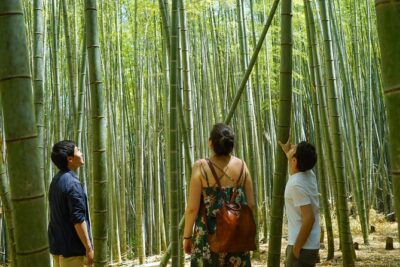
Fushimi Inari Hidden Hiking Tour (Private Option Available)
Read our review →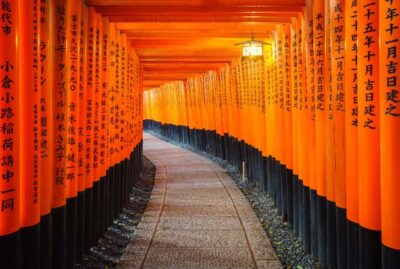
Kinkakuji,Arashiyama,FushimiInariShrine,NaraPark
Read our review →
Nara, Fushimi Inari Taisha, Arashiyama Bus Tour
Read our review →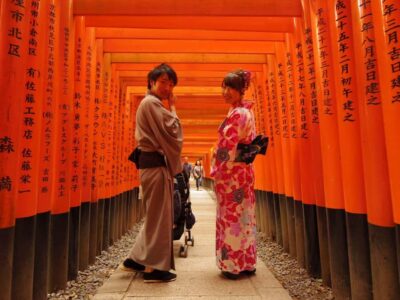
Arashiyama, Nara & Fushimi Inari Shrine w/Lunch
Read our review →
Nijo Castle, Kiyomizu & Fushimi Inari Guided Tour
Read our review →
Nijo, Kinkaku-ji, Arashiyama, Kiyomizu & Fushimi Inari
Read our review →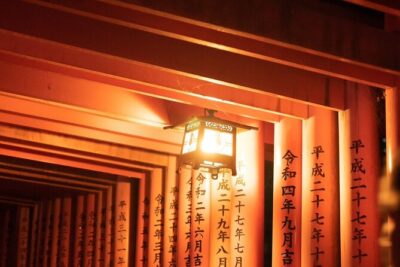
Browse the lists this tour appears in