
Reviewed · FUSHIMI INARI TOURS
Osaka/Kyoto: Arashiyama, Nara & Fushimi Inari Shrine w/Lunch
The best thing about this day trip is simple: you see three of the Kyoto region’s biggest sights without piecing together several train routes. Arashiyama’s bamboo, Nara’s deer and giant Buddha, and Fushimi Inari’s red torii gates are all very different, so the day feels varied rather than repetitive.
I like the included shabu-shabu lunch in a 100-year-old Kyoto townhouse, and I like the way the guides keep the day moving while sharing useful tips about shrine customs, photo spots, and local food. Guides such as Gary, Nick, Eric, Mike, and Nik have been singled out for their energy and care. The tradeoff is time: you cover a lot of ground in about nine hours, and Fushimi Inari can feel rushed.
Key points at a glance
- Three famous sights in one day: Visit Arashiyama, Nara Park and Todai-ji, then Fushimi Inari Shrine.
- Lunch in a traditional townhouse: Choose Kobe beef shabu-shabu, pork shabu-shabu, or vegetarian curry rice.
- Comfortable transport: Ride an air-conditioned bus from Osaka or Kyoto, with no train changes or route planning.
- Self-guided sightseeing stops: Your guide explains the plan and meeting point, then you explore each site on your own.
- Flexible ending: Return to the Kyoto lounge or continue on to Osaka, depending on the option booked.
- Good value at $61: Transport, lunch, guide, taxes, and fees are included, though Todai-ji admission costs extra.
What this full-day trip really delivers
This is a highlights tour, not a slow cultural walk. You leave from Osaka Villa Namba or the Kyoto VIP Lounge, ride with an English- or Chinese-speaking guide, and move between major sights by bus.
That setup matters in Japan. Arashiyama, Nara, and Fushimi Inari are all easy to name and harder to combine efficiently, especially if you are visiting for only a few days. The bus removes the need to work out several train connections, find the right station exits, and keep checking the time.
At each stop, the guide generally gives instructions and local context before you set off. You then explore independently and return to the bus at the agreed time. This suits you if you want a clear plan but do not need a guide beside you at every shrine gate or temple hall.
The day lasts about nine hours, although traffic and other delays can change the schedule. The bus leaves promptly. A late arrival at the wrong meeting point can mean missing the tour without a refund, so treat the departure instructions seriously.
More ways to walk the Fushimi Inari gates:
- Kyoto: Fushimi Inari, Kinkakuji, Bamboo Grove 1 Day Bus Tour
★ 4.8 · 4,316 reviews - Fushimi Inari Hidden Hiking Tour (Private Option Available)
★ 5.0 · 1,750 reviews - Osaka/Kyoto:Kinkakuji,Arashiyama,FushimiInariShrine,NaraPark
★ 4.1 · 1,596 reviews
Arashiyama Bamboo Forest: a short walk through Kyoto’s famous green corridor
Arashiyama is the gentle opening to the day. You walk through tall bamboo stalks that filter the light and sway above the path. It is one of Kyoto’s most photographed places, and the setting does have a calm, almost dreamlike quality despite its popularity.
You will have time to stroll, take photos, and enjoy the surrounding area. The bamboo path itself is not a full-day visit, so this stop works well in a packed schedule. Wear shoes you can walk in, since the experience is mainly on foot and the surface may feel uneven in places.
The main limitation is crowding. The famous section can fill quickly, which makes a clean photo harder than the promotional pictures suggest. Your guide may point out useful photo locations, but you should still expect other people in the frame.
I see Arashiyama as a strong first stop because it gives you a distinct Kyoto setting before lunch and the temple visits. If you want long walks through the wider Arashiyama district, river views, gardens, or more temple time, this tour will not provide enough hours. It gives you a taste, not a full exploration.
Kobe beef shabu-shabu in a century-old Kyoto townhouse
Lunch takes place at Kyoto Wasabi, a traditional Kyo-Machiya townhouse with more than 120 years of history. The building adds something that a standard restaurant meal cannot: you eat in a setting tied to Kyoto’s older streets and domestic architecture.
The main choice is Kobe beef shabu-shabu. Thinly sliced beef cooks quickly in a savory broth at your table, and the format lets you control how lightly or fully the meat is cooked. The tour describes the beef as wagyu prized for its tenderness and flavor.
You can also choose Kyoto pork shabu-shabu, with pork and tofu simmered in broth. This is a good pick if you prefer a lighter meat option or simply want something different from beef. Vegetarians can choose curry rice made with vegetables and spices.
The meal is one of the strongest parts of the package because lunch is already covered in the $61 price. An additional Kobe beef aburi sushi order is available on the day for an extra charge, but it is not part of the included meal.
Allow enough time to eat without rushing, but do not assume this is a long, leisurely restaurant session. The schedule has several major stops afterward, and one review specifically found the meal portion a little tight. The food itself is frequently praised, while the quantity may feel modest if you arrive very hungry.
Nara Park and Todai-ji: deer, etiquette, and Japan’s giant Buddha
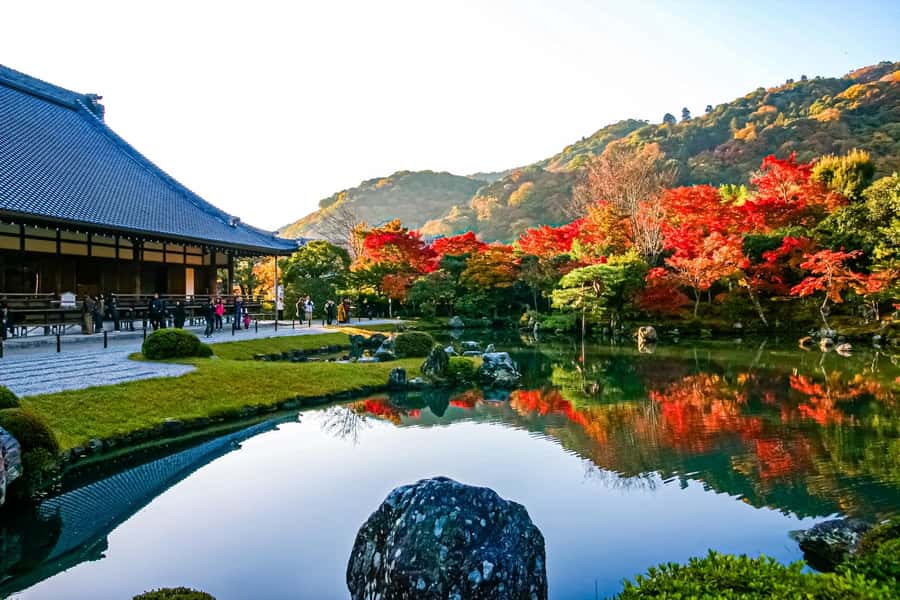
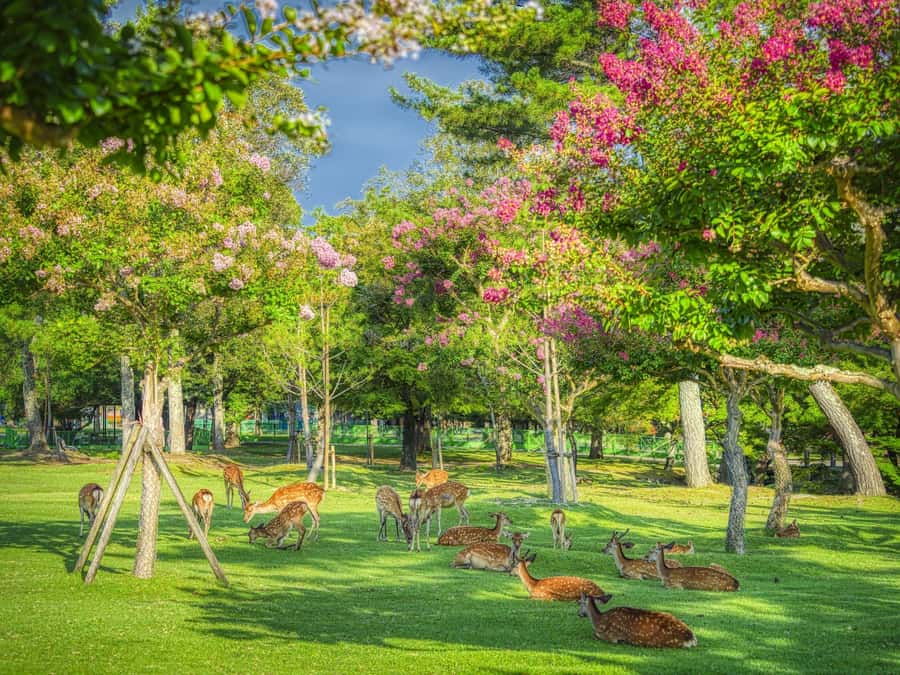
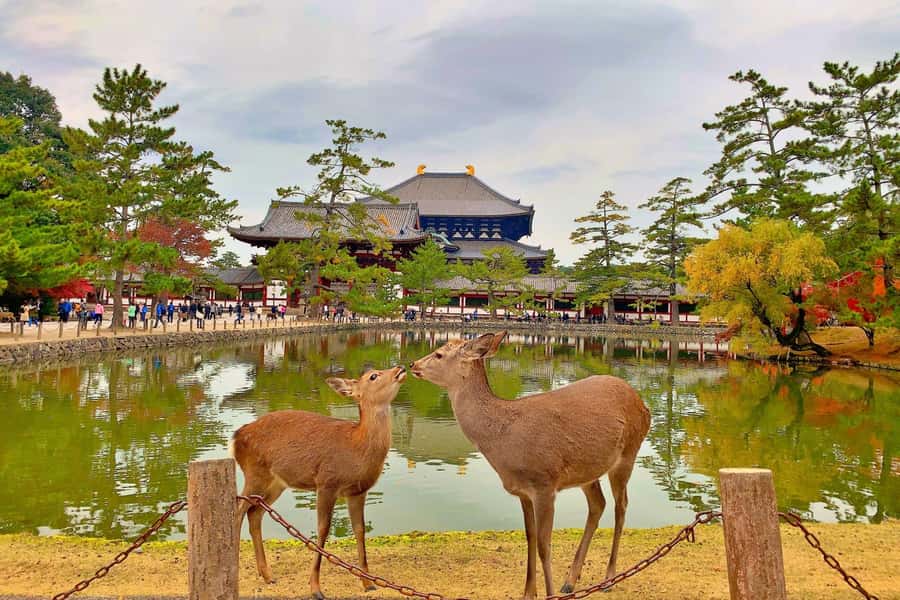
After lunch, the bus takes you to Nara, Japan’s ancient capital. Nara Park is best known for its free-roaming deer, which are accustomed to people and often approach visitors.
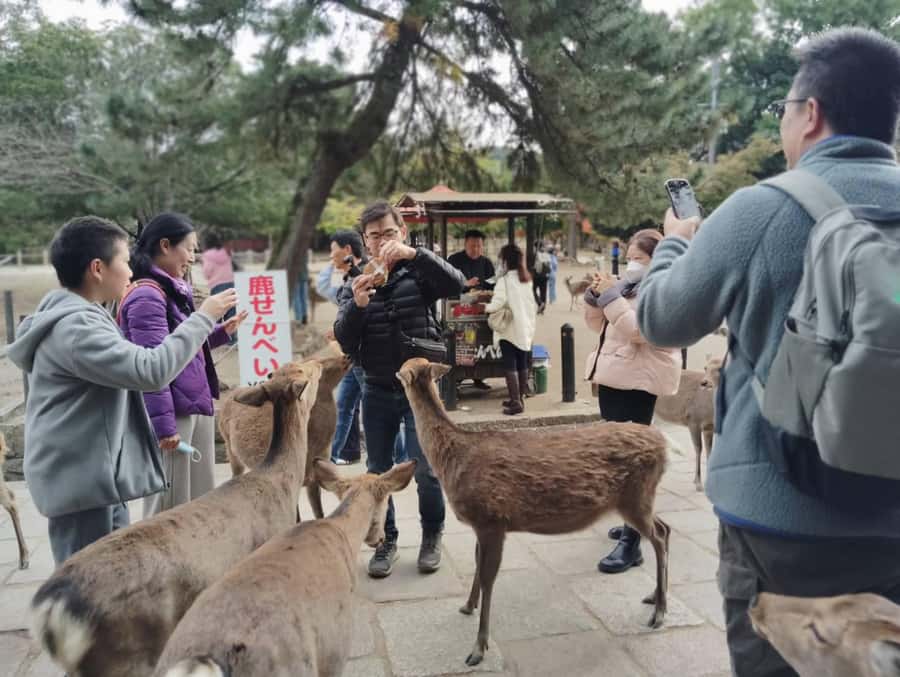
The deer are wild animals, not a petting zoo. Do not disturb them, chase them, or assume every animal wants contact. Keep food and paper under control, and follow your guide’s instructions. A little respect makes the encounter safer and more pleasant.
The park’s appeal is not only the deer. It places open green space, old religious buildings, and local life close together. You get a chance to slow down after the bus ride and lunch, although the stop still operates on a fixed clock.
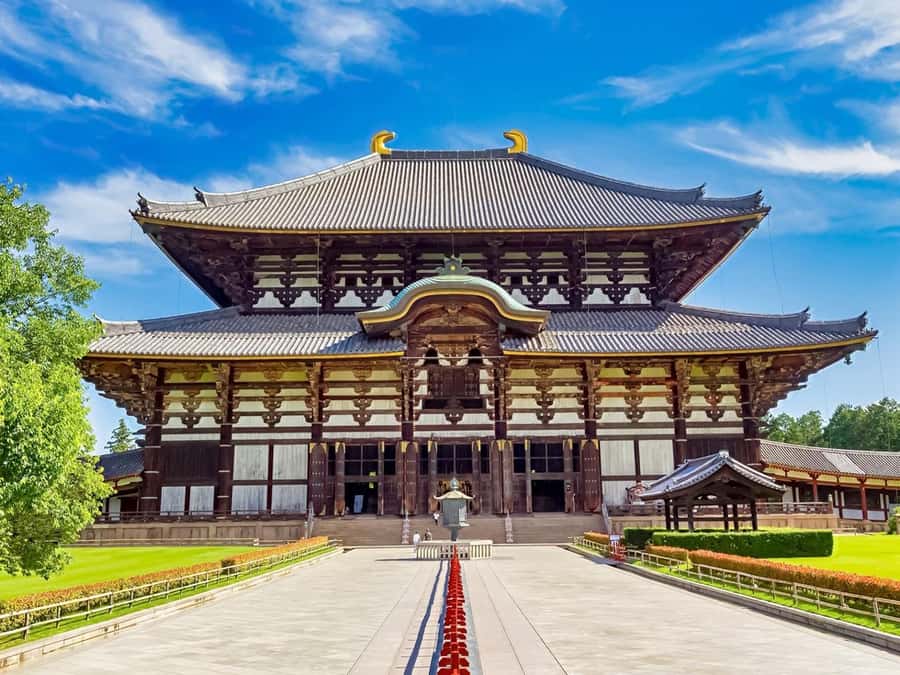
Todai-ji Temple is the major cultural anchor. Its Great Buddha Hall is recognized as a UNESCO World Heritage site, and the temple is known for its colossal Buddha statue, about 15 meters tall. The main wooden building is also described as the world’s largest wooden structure.
Admission to Todai-ji is optional and not included in the tour price. Carry a little extra money if you want to enter. If you skip the temple, you can spend more time around the park, but the Buddha hall is one of the day’s most important sights.
This stop can feel especially rewarding if you have never seen a large Japanese Buddhist temple. It can also feel short if you want to study the architecture, visit every nearby building, and spend relaxed time with the deer. Families should keep a close eye on the meeting time, since Nara Park is spread out and it is easy to wander farther than planned.
More mornings in Arashiyama and the bamboo grove:
- Kyoto/Osaka: Nara, Fushimi Inari Taisha, Arashiyama Bus Tour
★ 4.7 · 1,275 reviews - Kyoto Arashiyama Walking Tour: Bamboo, Monkeys, Gardens & Secrets
★ 5.0 · 1,216 reviews - Arashiyama Bamboo, Temple, Monkeys, or Secret Sake Brewery
★ 4.8 · 886 reviews - Kyoto: Arashiyama Bamboo Forest, Monkeys, Matcha & Temple Tour
★ 5.0 · 759 reviews
Fushimi Inari Shrine: the famous red torii gates
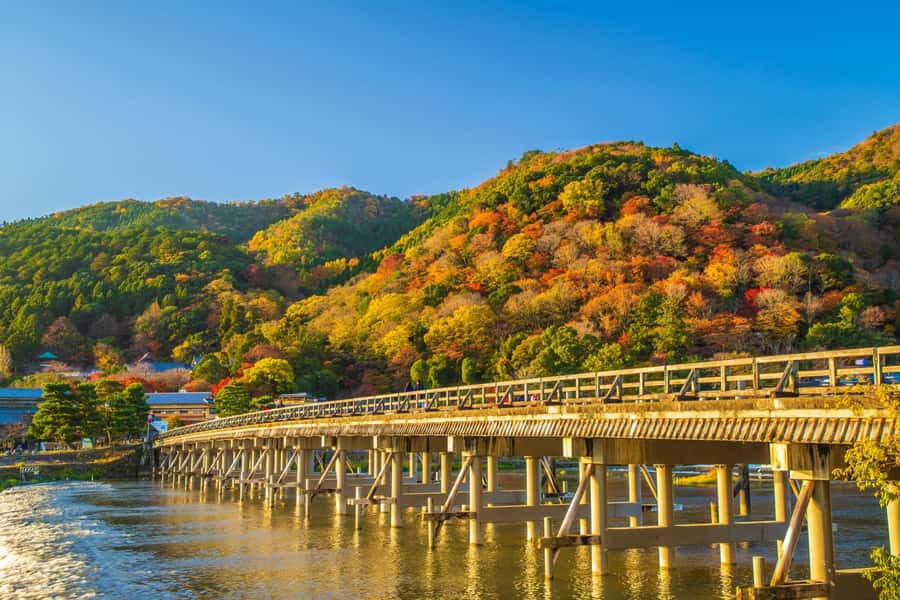
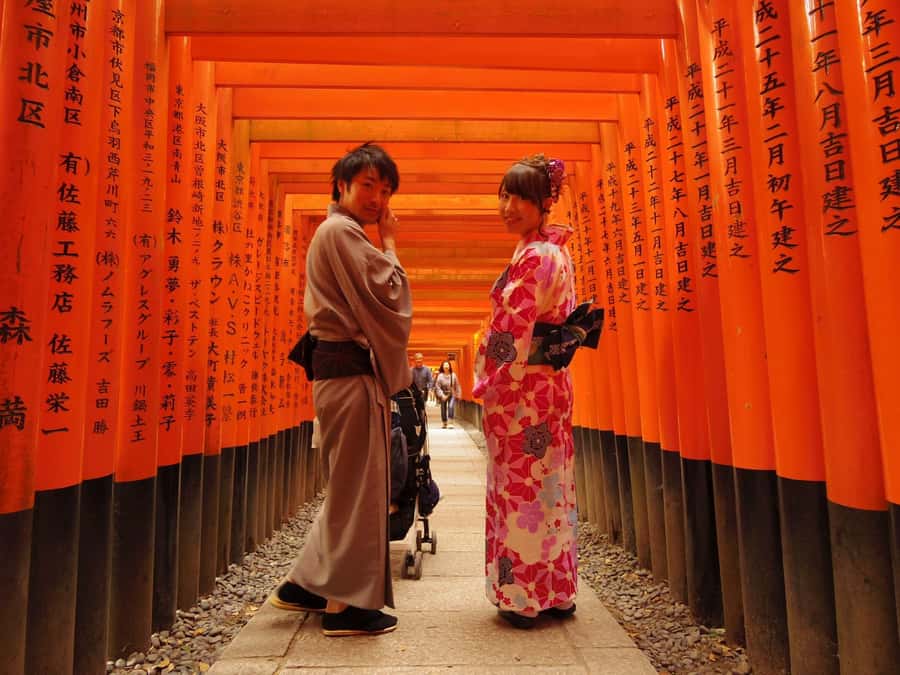
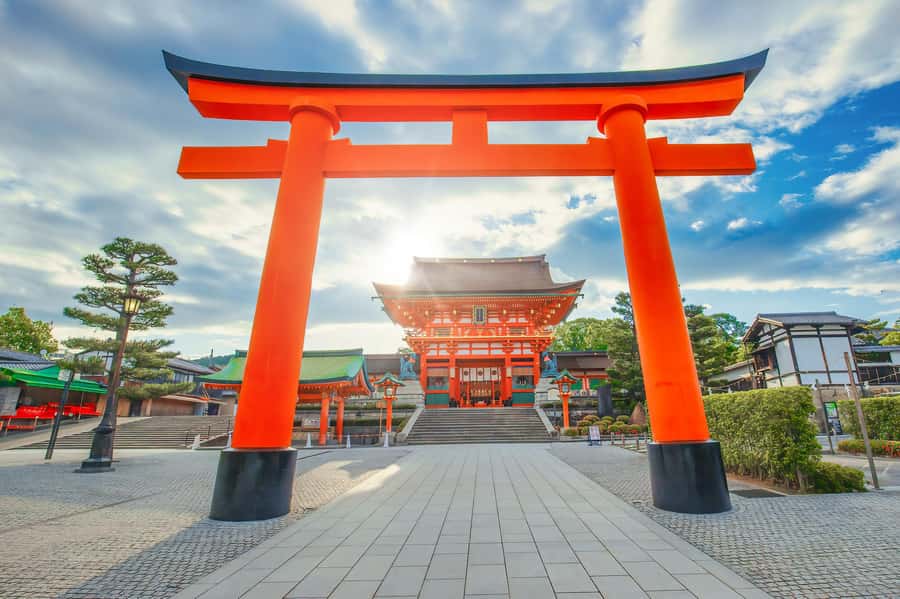
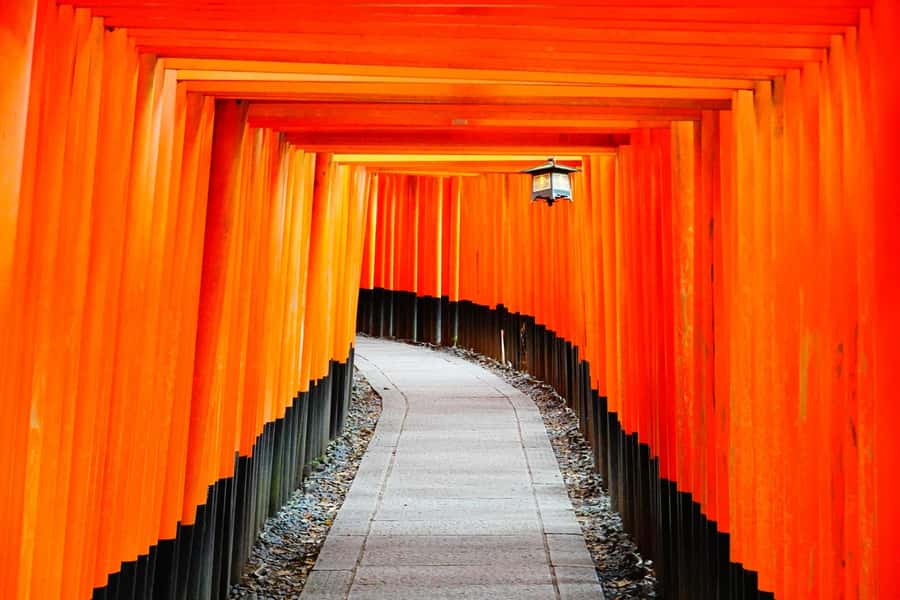
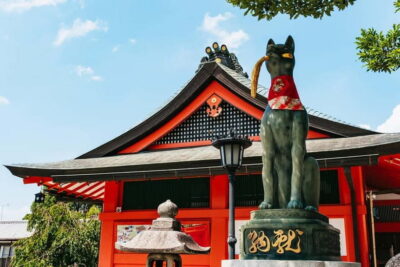
The last major stop is Fushimi Inari Taisha, one of Kyoto’s most recognizable shrines. Its path rises through thousands of vermilion torii gates, creating a long tunnel of color on Mount Inari.
The gates were donated by individuals and businesses, and the shrine honors Inari Okami, associated with business prosperity, household safety, and success. Along the route, you will see smaller shrines and religious markers as the path climbs.
You do not need to walk the entire mountain route to understand why Fushimi Inari is special. Even the first section gives you the classic torii-gate experience. Still, the stop is where time pressure is most noticeable.
The bus parking area may be some distance from the shrine entrance, and the path can be crowded. Around 80 minutes may be enough for a quick visit, but some people will want an extra half hour to get beyond the busiest lower section. If photography is your priority, move with purpose and keep an eye on the clock.
Your guide can explain how to approach the shrine and may offer practical advice about blessings or proper behavior. Once you leave the group, though, this is mainly independent sightseeing. You are not accompanied through every gate.
Guides, group pace, and the self-guided format
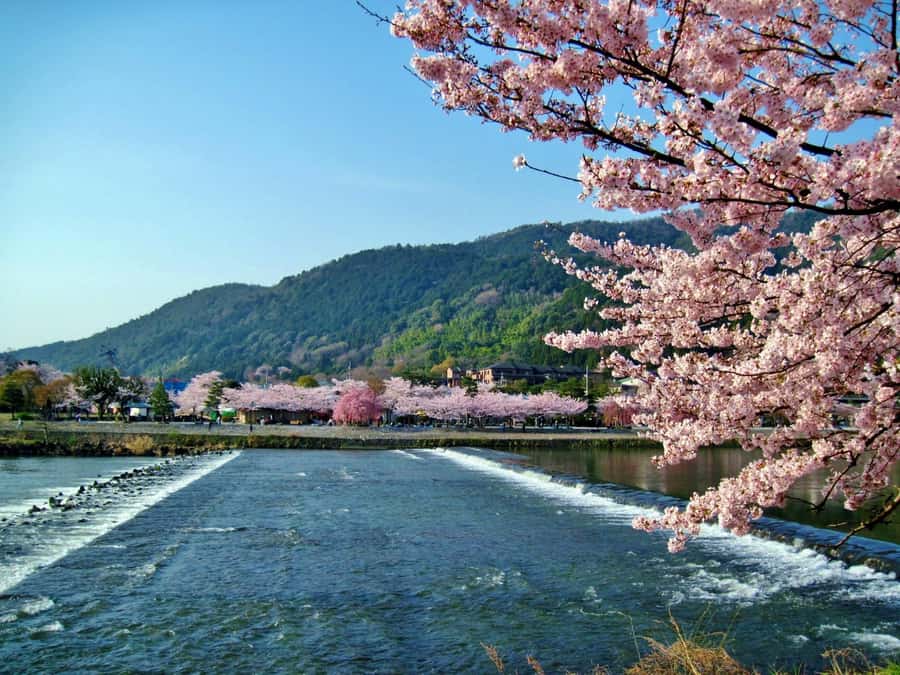
The guide can make or break a tightly scheduled day. The strongest feedback centers on guides who are warm, funny, organized, and attentive. Gary is repeatedly praised for keeping spirits high and making the day easy to follow. Nick and Nik are noted for humor, cultural explanations, photo help, and checking that everyone returned to the bus, even in very hot weather.
Eric and Mike are also described as friendly and good at explaining the day. Guide quality can vary by departure, and commentary may be given in both English and Chinese when the group includes both language groups. Some people may find an accent or pronunciation difficult to follow.
Do not expect a private guide walking beside you at every stop. The guide’s main role is to explain the plan, provide background, answer questions, and keep the group together. You then roam independently before returning at the stated time.
That format is efficient and gives you freedom. It is less suitable if you want a slow, detailed tour inside each temple or shrine. Think of the guide as your day manager and cultural interpreter, not a personal museum docent.
Why the $61 price offers solid value
At $61 per person, the package includes:
- Air-conditioned bus transport
- English- or Chinese-speaking guide
- Lunch
- Taxes, fees, and handling charges
The value is strongest if you are starting in Osaka and want to reach Kyoto-area sights without arranging the transport yourself. Train fares, local transfers, and lunch would otherwise be separate costs, and the bus gives you a fixed route through places that are not all next door to one another.
The price also covers a meal that includes Kobe beef as one of the choices. That does not mean you should expect an extravagant multi-course feast. The meal is practical and enjoyable, with a traditional setting and several dietary choices.
Todai-ji admission is extra, and hotel pickup and drop-off are not included. You must reach the selected meeting point yourself. The tour ends back at the meeting point, with the option to finish in Kyoto or Osaka according to the booking choice.
For an independent visitor who already understands Japan’s transport system, the savings are partly about convenience rather than necessity. You can visit these places independently and stay longer. But if you have one open day and want the major sights handled in a single run, $61 is a fair deal.
Heat, crowds, and what to pack
Summer conditions can make this day demanding. The bus has air conditioning, but much of the sightseeing takes place outdoors. The walk through Arashiyama, time around Nara Park, and climb through Fushimi Inari can add up quickly.
Bring water, comfortable walking shoes, sun protection, and a small towel. Guides have sometimes helped people cope with heat by offering cooling wipes, fans, and reminders to refill water bottles, but you should still arrive prepared.
Crowds vary by weather and season. Rain can make paths less comfortable, but poor weather may reduce visitor numbers. In extreme weather or a natural disaster, the tour may be canceled with a full refund.
The bus may be full, and there may not be a phone-charging point onboard. Charge your phone before departure if you plan to use it for photos, maps, or location sharing.
Who should book this tour?
I would choose this tour if you are visiting Osaka or Kyoto for a short stay and want to cover the region’s headline sights with minimal transport planning. It is also a good fit for families, first-time visitors, and anyone who prefers a bus and a clear schedule to several train changes.
It suits you especially well if you like to explore on your own after receiving instructions. You get structure without being led by the hand at every stop.
I would hesitate if your priority is slow temple study, extended photography, a long Arashiyama walk, or a full day devoted to Nara. The schedule is efficient, but efficiency comes with limits. Fushimi Inari is the stop most likely to leave you wishing for more time.
Final verdict: a smart first look at Kyoto and Nara
This is a practical way to see three major sights in one day, with a satisfying lunch and reliable transport built into the price. The guides are a major strength, particularly when they help with shrine etiquette, heat, directions, and the return-to-bus routine.
Book it if you value breadth, convenience, and a strong introduction to the Kyoto area. Skip it if you already know these sights and want to linger. For a first visit, the mix of bamboo, deer, Buddhist art, and torii gates gives you a memorable day, even if you must keep moving.
FAQ
How long does the tour last?
The tour takes approximately nine hours, but traffic and unforeseen conditions can change the timing.
Where does the tour begin?
Departure is from Osaka Villa Namba or the Kyoto VIP Lounge, depending on the option selected.
Can I end the tour in either Osaka or Kyoto?
The return includes an option to disembark in Kyoto or Osaka, depending on the selected arrangement.
Is hotel pickup included?
No. Hotel pickup and drop-off are not included. You must reach the assigned meeting point yourself.
What languages are available?
The tour is offered in English and Chinese. Commentary may be given in both languages depending on the group.
What lunch choices are available?
You can choose Kobe beef shabu-shabu, Kyoto pork shabu-shabu, or vegetarian curry rice.
Is Todai-ji admission included?
No. Entrance to Todai-ji is optional and costs extra.
Are the deer at Nara Park tame?
The deer are wild animals. You should not disturb them and should follow the guide’s safety instructions.
Can I order extra Kobe beef sushi?
Kobe beef aburi sushi is available for an additional on-site charge on the day of the tour.
What happens if I arrive late?
The bus departs promptly and cannot wait for late arrivals. Arriving at the wrong meeting point or missing departure can mean missing the tour without a refund.
More Days That Pair Kyoto With Osaka
- One-Day Tour of Kyoto’s Highlights from Osaka/Kyoto
★ 4.5 · 1,092 reviews - Kyoto Morning Tour from Kyoto or Osaka
★ 4.0 · 281 reviews - Kyoto/Osaka: Kyoto and Nara Customized Private Guided Tour
★ 4.6 · 258 reviews - Nara Park, Osaka & Kobe from Kyoto Full Day tour
★ 5.0 · 207 reviews
More Day Trips to Nara
- Kyoto and Nara Day Trip from Kyoto
★ 4.5 · 445 reviews - Full Day Guided Tour to Kyoto and Nara from Osaka by Van
★ 5.0 · 420 reviews - Nara Afternoon Tour from Kyoto or Osaka
★ 4.5 · 390 reviews - From Kyoto: Nara Guided Morning Tour
★ 4.6 · 335 reviews
Newest Kyoto experiences on the site
- Treasures of Kyoto: Gion & historical Walking Tour★ 5.0 · 6 reviews
- Whisk Your Own Matcha: A Zen Matcha Experience at Temple★ 3.6 · 7 reviews
- Kyoto tea town for matcha lovers★ 5.0 · 16 reviews
- Uji: Private immersion into Kyoto’s tea and reglious culture★ 5.0 · 17 reviews
- Kyoto Matcha Green Tea Tour★ 4.5 · 23 reviews
- Uji and Wazuka Matcha Farm Half Day Private Guided Tour★ 5.0 · 21 reviews
- Utilising upcycled Matcha! Creating matcha incense (Uji, Kyoto)★ 5.0 · 6 reviews
- Sacred Temple Yoga Experience in Japan★ 5.0 · 3 reviews
Fushimi Inari Tours, compared.
Fushimi Inari, Kinkakuji, Bamboo Grove 1 Day Bus Tour
Read our review →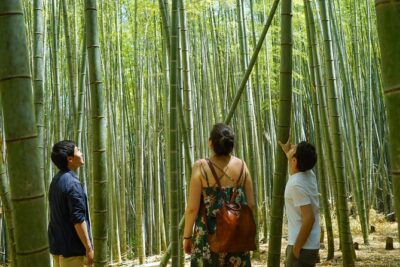
Fushimi Inari Hidden Hiking Tour (Private Option Available)
Read our review →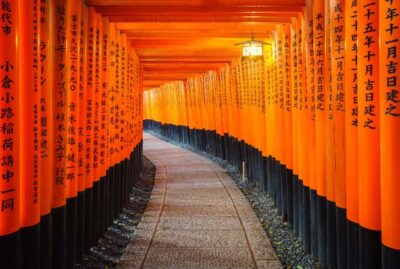
Kinkakuji,Arashiyama,FushimiInariShrine,NaraPark
Read our review →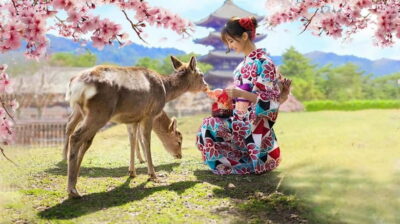
Nara, Fushimi Inari Taisha, Arashiyama Bus Tour
Read our review →
Nijo Castle, Kiyomizu & Fushimi Inari Guided Tour
Read our review →
Nijo, Kinkaku-ji, Arashiyama, Kiyomizu & Fushimi Inari
Read our review →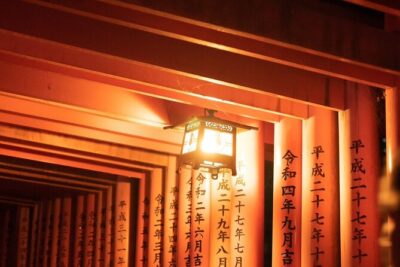
Browse the lists this tour appears in