
Reviewed · OSAKA DAY TRIPS
One-Day Tour of Kyoto’s Highlights from Osaka/Kyoto
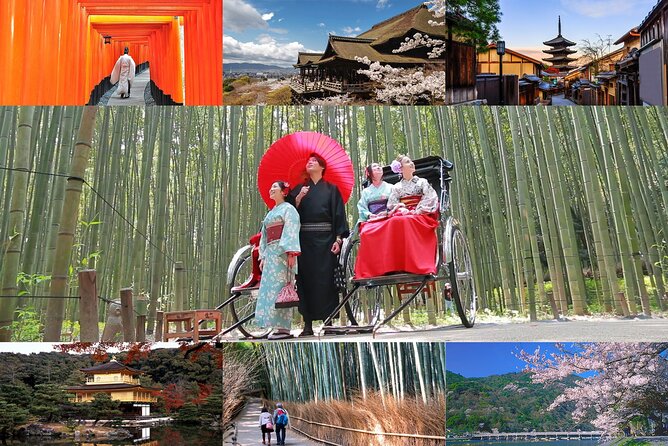
Kyoto packs centuries of temples, shrines, gardens, and mountain views into a city that is easy to love and hard to cover quickly. This tour tackles four headline sights in one long day, starting at Fushimi Inari and finishing among the bamboo paths of Arashiyama. I like the smart route and the relief of returning to an air-conditioned bus between stops.
I also like that entry to Kiyomizu-dera and Kinkaku-ji is included, while the English-speaking guide adds context you would miss by simply following a map. Guides named Naomi, Maria, Hama, Ma-chan, and Tet/Ted have been especially praised for clear directions, photos, and personal care. The tradeoff is simple: four major sights require firm time limits, and the walking includes slopes, stairs, and plenty of pavement.
Key points to know before booking
- Four classic Kyoto stops: Fushimi Inari, Kiyomizu-dera, Kinkaku-ji, and Arashiyama all fit into one day.
- A practical Osaka option: You can board at Namba’s OCAT, so you do not need to arrange your own train trip from Osaka to Kyoto.
- Entry fees included: Admission to Kiyomizu-dera and Kinkaku-ji is covered in the tour price.
- Cool transport matters: The air-conditioned bus has Wi-Fi, a welcome break in Kyoto’s summer heat and sudden rain.
- Lunch is optional: Add the lunch plan for convenience, or bring your own meal. Halal and vegan meals are not available.
- A fast-paced walking day: Plan for stairs, hills, temple grounds, and about 10 hours from departure to return.
Why this tour works for a first Kyoto visit
At about $66.32 per person, this is a strong value if you want a guided introduction rather than a slow, self-directed day. Your price covers the bus, an English-speaking guide, and two temple admissions. Lunch costs extra, but the included option removes one more decision during a busy day.
The route gives you four very different sides of Kyoto. Fushimi Inari is a major Shinto shrine with long rows of red torii gates. Kiyomizu-dera gives you an old wooden temple and city views. Kinkaku-ji provides the polished, postcard image of the Golden Pavilion. Arashiyama brings bamboo, a river setting, and the famous Togetsukyo Bridge.
That variety is the tour’s main strength. You do not spend the entire day looking at similar temple buildings. You move from shrine paths to hillside architecture, from a reflective pond to a cool bamboo grove.
The bus also changes the feel of the day. Kyoto’s sights are spread out, and planning the most efficient public transport route can eat up valuable time. Here, you can rest between stops, use the onboard Wi-Fi, and stay out of the heat. The downside is a group of up to 42 people, so you need to keep an eye on the guide and return to the meeting point on time.
More days that pair Kyoto with Osaka:
- Osaka/Kyoto:Kinkakuji,Arashiyama,FushimiInariShrine,NaraPark
★ 4.1 · 1,596 reviews - Kyoto/Osaka: Nara, Fushimi Inari Taisha, Arashiyama Bus Tour
★ 4.7 · 1,275 reviews - Osaka/Kyoto: Arashiyama, Nara & Fushimi Inari Shrine w/Lunch
★ 4.4 · 754 reviews
Fushimi Inari and its endless red gates
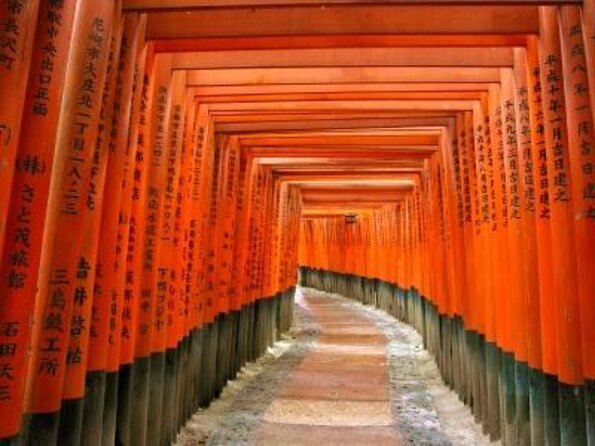
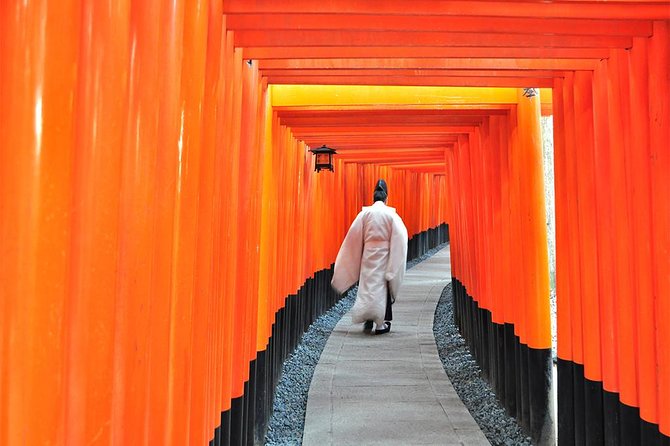
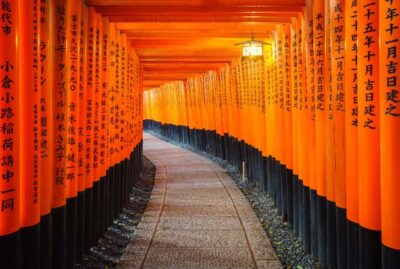
Your first major stop is Fushimi Inari Taisha, the head shrine of more than 30,000 Inari shrines across Japan. You have about 1 hour and 20 minutes here, enough to walk through the famous torii corridor and explore the lower shrine grounds.
The torii gates are the reason most people recognize Fushimi Inari. Donated by individuals and businesses, they form bright red-orange passages that climb into the wooded hills. Inari is linked with agriculture, business, traffic safety, and a good harvest, so the shrine carries both spiritual and everyday importance.
I like starting here because the setting feels active and dramatic right away. You get a strong first impression of Kyoto before the day has fully warmed up. The bright gates also make this one of the most rewarding places for photographs.
Do not expect to reach every upper trail during the allotted time. Fushimi Inari continues far up the mountain, and a full climb takes much longer than this tour allows. Use your time wisely: walk through the first gate sections, pause at the main shrine area, and follow your guide’s instructions about where to turn back.
The paths can be crowded, especially near the entrance. A little patience helps. Stay aware of the group, since it is easy to stop for photographs and lose sight of the guide.
Kiyomizu-dera, hillside views, and a serious stair workout
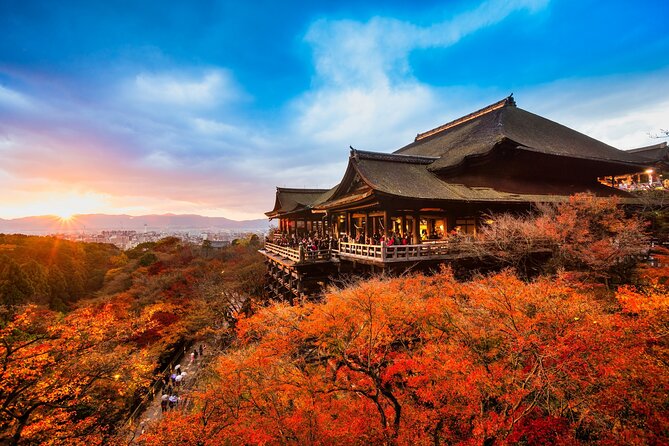
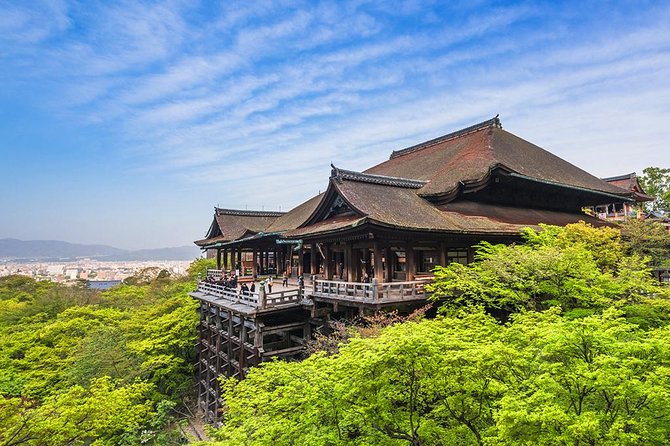
Next comes Kiyomizu-dera, one of Kyoto’s most famous temples. You have about 1 hour and 40 minutes, with admission included. This is the longest scheduled stop, and it needs the extra time because reaching the temple involves uphill walking and steps.
The temple’s best-known feature is its large wooden stage, built on a hillside with a system of pillars and without a single nail. From the viewing platform, you can look across Kyoto and the surrounding hills. The structure is impressive not only for its appearance, but also for the engineering behind it.
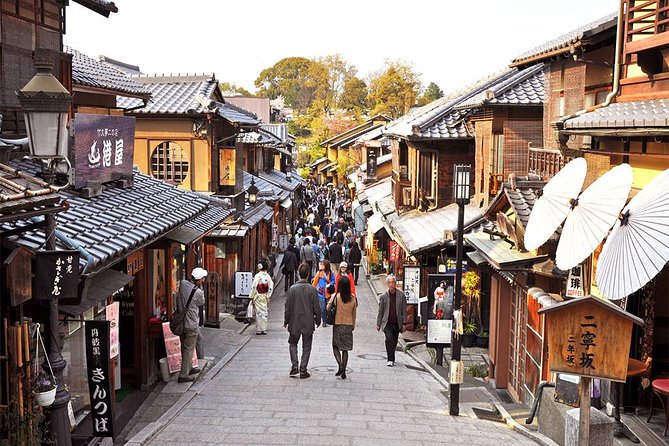
The approach to Kiyomizu-dera adds to the experience. You may walk along sloping streets and through a busy approach area before reaching the temple grounds. This is one reason the tour is not a good fit for anyone who wants a low-effort sightseeing day.
Take care in hot weather. One July review described temperatures reaching 38 degrees, and the combination of heat, stairs, and temple paths can wear you down. Carry water, wear comfortable shoes, and use the shaded waiting areas when possible. The cool bus becomes particularly welcome after this stop.
Kiyomizu-dera gives you more freedom to explore than a quick photo stop, but the schedule still has limits. You will not have time to examine every corner of the complex. Concentrate on the main stage, the views, and the parts your guide points out.
Kinkaku-ji and Kyoto’s polished Golden Pavilion
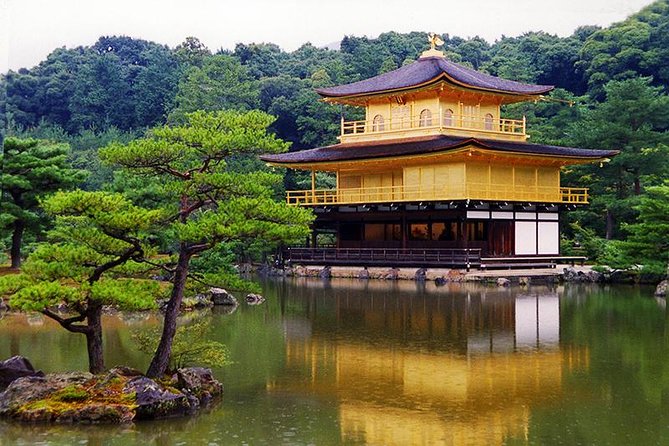
Kinkaku-ji, the Golden Pavilion, is a shorter stop at about 45 minutes. Admission is included, and the visit follows a defined path through the temple grounds.
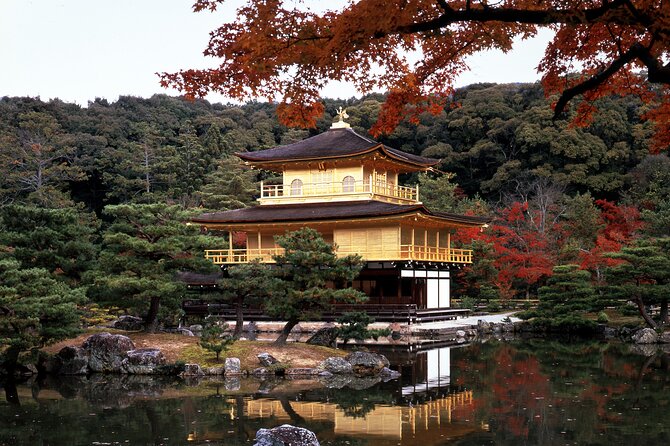
The pavilion is covered in gold leaf and set beside a pond, with gardens and traditional Japanese-style buildings around it. It was originally the villa of the Ashikaga shogun and later became a Zen temple. The setting is carefully composed, so the classic photograph comes quickly, often from the pond-side path.
This is the most compact stop on the tour. Forty-five minutes is enough to see the pavilion, walk through the garden route, and take photographs. It is not enough for a long, quiet visit or a detailed exploration of the wider temple complex.
That brevity is not necessarily a flaw. After the hills and walking at Kiyomizu-dera, a shorter, straightforward stop can help keep the day on schedule. You see one of Kyoto’s essential sights without spending an entire afternoon there.
Crowds can make the viewing area feel tight. Listen for the meeting instructions before you wander off, and keep your pace steady. The tour’s success depends on everyone returning to the bus when asked.
A few more Kyoto tours worth putting on the shortlist
- PERFECT KYOTO 1-Day Bus Tour
★ 5.0 · 13,518 reviews - Kyoto: Fushimi Inari, Kinkakuji, Bamboo Grove 1 Day Bus Tour
★ 4.8 · 4,316 reviews - Kyoto: Tea Ceremony in a Traditional Tea House in Kiyomizu
★ 4.9 · 3,519 reviews - Kyoto Geisha Walking Tour: Gion District & Hidden Gems
★ 4.7 · 3,273 reviews
Arashiyama bamboo and the last stretch of the day
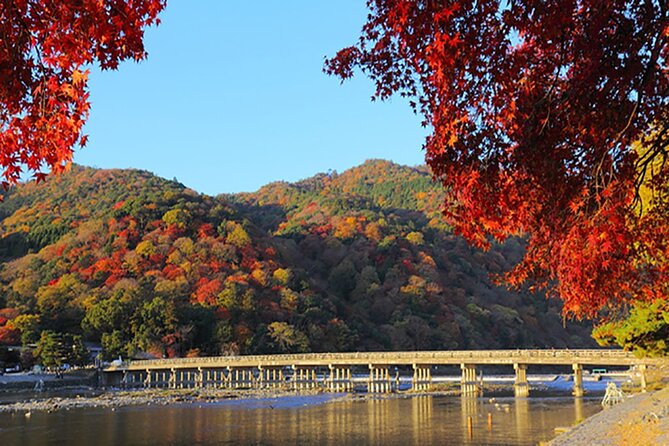
The final stop is Arashiyama, with about 1 hour and 20 minutes. You walk through the Sagano Bamboo Forest and have the chance to see the Togetsukyo, or Moon-Crossing, Bridge.
The bamboo path is visually striking. Tall green stalks close in around the walkway, and the shade can feel like a relief after a day in the sun. The atmosphere is different from the red gates and temple courtyards earlier in the day, which makes Arashiyama a satisfying finish.
Still, keep your expectations realistic. The main bamboo path is not a long wilderness walk. It is a popular public route, and busy periods can make the path crowded. Your time also may not allow a full exploration of the wider Arashiyama area.
The Togetsukyo Bridge adds another useful landmark. It gives you a broader view of the river area and a chance to see a different side of the district. If you have visited Arashiyama before, you may want more time here. If this is your first Kyoto visit, the tour provides a useful introduction and lets you decide if you want to return independently.
Because Arashiyama is the last stop, fatigue can affect your enjoyment. Save a little energy for this final walk rather than treating the first two sites as a race.
What the guides add to the day
The guide can make or break a sightseeing day with this much ground to cover. A strong guide gives clear meeting instructions, explains the sites in understandable English, keeps the group moving, and helps you make good use of short visits.
Several guides have received particularly warm praise. Naomi is noted for history, humor, photographs, and thoughtful help with families. Maria has been praised for balancing explanation with free time. Hama is known for useful photo spots and clear English, while Ma-chan has been appreciated for her expertise and the care she gives to the group. Tet/Ted has been singled out for a warm introduction to Japanese culture and helpful suggestions for the rest of a trip.
Guide quality can vary, so I would keep your expectations measured. Some visitors have found the commentary too brief, and a few have had difficulty understanding the English explanations. If site history is your main reason for booking, bring your own notes or use a translation and map app as a backup.
That does not cancel out the value of the guide. Even limited commentary can help with timing, entrances, meeting points, and practical navigation. But the experience is strongest when the guide’s English is clear and the explanations go beyond basic directions.
Lunch, bus comfort, and the real pace of the day
You can choose a lunch-included package or bring your own food. The lunch option makes the day easier, especially because there is a scheduled meal break and little spare time for finding a restaurant. Several visitors have praised the lunch, with one describing it as both tasty and suitable for photographs.
Food restrictions need attention before booking. Halal and vegan meals are not available. Vegetarian requests require direct contact with the operator at least three days before departure. If your needs do not fit those arrangements, book without lunch and bring something suitable.
The air-conditioned bus is one of the tour’s practical advantages. Kyoto summers can be intensely hot, and the bus gives you a cool place to sit between stops. Free Wi-Fi is also useful for checking maps, messages, and the rest of your Japan plans.
The coach may feel large for the group on quieter departure days. That gives you plenty of room, but it may also feel less intimate than a small walking tour. For this route, I see the larger bus as a reasonable trade for comfort and reduced transport planning.
Departure points, walking, and timing
You can meet the bus in Osaka or Kyoto. The Osaka meeting point is Namba OCAT on the first floor near Daiso, with an 8:50 AM meeting time. The Kyoto departure is at the Hachijo Exit Tourist Bus Parking area at Kyoto Station, with a 9:05 AM meeting time.
Arrive at least 10 minutes early. The bus will not wait for late arrivals, and missing the departure could mean missing the entire day. Hotel pickup and drop-off are not included, so you need to reach the meeting point independently.
The full experience lasts about 10 hours, though the active sightseeing portion is shorter once driving and lunch are included. The schedule can change because of traffic or weather, and poor weather can lead to a different date or a full refund.
This is a walking tour delivered partly by bus. Folding strollers are allowed and stored with luggage, but the hills and stairs can still make the route difficult with a stroller. Children aged two and under are free, but they do not receive a seat or meal and must sit on an adult’s lap.
Who should book this Kyoto day trip?
I would choose this tour if you are staying in Osaka, have only one day for Kyoto, and want to see the famous sights without building your own transport plan. It also suits first-time visitors who value a guide, a fixed route, and a cool bus between long walks.
It is a good match for families if everyone can manage the walking and you appreciate help with photographs and directions. It can also work well for older visitors who are comfortable with stairs, though the hills and pace deserve serious thought.
I would hesitate if you want quiet temple visits, long photography sessions, or a deep exploration of each district. You will see all four locations, but you will not have unlimited time at any of them. I would also think twice if you dislike group schedules or need highly detailed historical interpretation in English.
Should you book it?
Book this tour if your goal is to cover Kyoto’s major sights in one efficient day. The $66.32 price is reasonable for transport, a guide, two entrance fees, Wi-Fi, and the option of lunch, especially from Osaka.
Go in ready for a brisk schedule, crowds, stairs, and plenty of walking. Wear supportive shoes, bring water, arrive early, and consider the lunch option unless you have dietary needs that require your own food. If you want a broad first look at Kyoto rather than a slow study of one neighborhood, this tour makes a practical choice.
FAQ
How long does the Kyoto highlights tour last?
The tour lasts approximately 10 hours, including transportation and the scheduled stops.
Can I join the tour in Osaka?
Yes. The Osaka meeting point is Namba OCAT on the first floor near Daiso. The meeting time is 8:50 AM.
Can I join the tour in Kyoto?
Yes. The Kyoto meeting point is at the Kyoto Station Hachijo Exit Tourist Bus Parking area. The meeting time is 9:05 AM.
Is hotel pickup included?
No. Hotel pickup and drop-off are not included. You must make your own way to the selected departure point.
Which places does the tour visit?
The route includes Fushimi Inari Taisha, Kiyomizu-dera, Kinkaku-ji, and Arashiyama, including the Sagano Bamboo Forest and a view of Togetsukyo Bridge.
Are entrance fees included?
Admission to Kiyomizu-dera and Kinkaku-ji is included. Fushimi Inari and Arashiyama are listed without an admission charge.
Is lunch included?
Lunch is included only if you choose the lunch-included option. You can also book without lunch and bring your own food.
Are halal or vegan meals available?
No. Halal and vegan meals are unavailable. Vegetarian requests must be made directly with the tour operator at least three days before the tour.
Is the tour suitable for children?
Most people can participate, and children aged two and under are free. Children in that age group do not receive a seat or meal and must sit on an adult’s lap.
What happens if the weather is poor?
The schedule may change for safety because of weather or traffic. If the tour is canceled due to poor weather, you can receive a different date or a full refund.
Newest Kyoto experiences on the site
- Treasures of Kyoto: Gion & historical Walking Tour★ 5.0 · 6 reviews
- Whisk Your Own Matcha: A Zen Matcha Experience at Temple★ 3.6 · 7 reviews
- Kyoto tea town for matcha lovers★ 5.0 · 16 reviews
- Uji: Private immersion into Kyoto’s tea and reglious culture★ 5.0 · 17 reviews
- Kyoto Matcha Green Tea Tour★ 4.5 · 23 reviews
- Uji and Wazuka Matcha Farm Half Day Private Guided Tour★ 5.0 · 21 reviews
- Utilising upcycled Matcha! Creating matcha incense (Uji, Kyoto)★ 5.0 · 6 reviews
- Sacred Temple Yoga Experience in Japan★ 5.0 · 3 reviews
Osaka Day Trips, compared.
Kinkakuji,Arashiyama,FushimiInariShrine,NaraPark
Read our review →
Nara, Fushimi Inari Taisha, Arashiyama Bus Tour
Read our review →
Arashiyama, Nara & Fushimi Inari Shrine w/Lunch
Read our review →
Full Day Guided Tour to Kyoto and Nara from Osaka by Van
Read our review →
Nara Park, Osaka & Kobe from Kyoto Full Day tour
Read our review →Browse the lists this tour appears in