
Reviewed · FUSHIMI INARI TOURS
Kyoto/Osaka: Nara, Fushimi Inari Taisha, Arashiyama Bus Tour
Nara’s deer, Fushimi Inari’s endless orange gates, and Arashiyama’s bamboo forest make a powerful trio. This $52 day tour links them by air-conditioned bus, saving you the trouble of working out several train routes and local connections.
I like the clear rhythm: three major stops, plus time to wander on your own. I also like the guides’ practical care. Guides such as Amy, Willa, Christine, and Fiona are praised for keeping people together, explaining meeting times clearly, and adding useful food and photo tips. The trade-off is simple: this is a busy day, and one hour at Nara or 70 minutes at Fushimi Inari will not satisfy anyone who likes to linger.
Key points at a glance
- Three famous sights in one day: Visit Nara Park, Fushimi Inari Taisha, and Arashiyama without arranging separate transport.
- Deer up close: Feed Nara’s sacred deer with shika senbei, the special crackers sold for them.
- Short but useful shrine visit: Walk through Fushimi Inari’s vermilion torii gates during a 70-minute stop.
- Flexible Arashiyama time: Choose bamboo, Nonomiya Shrine, Tenryu-ji, the river bridge, food, shopping, or the Kimono Forest.
- Comfortable transport: Ride in an air-conditioned vehicle with parking, fuel, taxes, and handling charges covered.
- Good fit for first-time visitors: The tour covers a lot of ground, but you give up the freedom to set your own pace.
Why this bus tour works for a first Kyoto visit
Kyoto and Nara are easy to reach on public transport, but their sights are spread out. Nara Park is east of Osaka, Fushimi Inari lies south of central Kyoto, and Arashiyama sits on Kyoto’s western edge. Connecting all three in one day takes planning, transfers, and a close eye on the clock.
This tour handles the long hops by bus. You begin at 8:00 a.m. from Osaka or 9:00 a.m. from Kyoto, then return to an Osaka or Kyoto drop-off point after roughly nine to ten hours. The bus is not just a place to sit between sights. It also gives you a chance to rest, especially after walking around Nara and Arashiyama.
The strongest part of the experience is its organization. Guides keep reminding you when to return to the bus and where to meet. That matters here because a late arrival at one stop can affect everyone’s return time. Amy is repeatedly praised for clear instructions and steady group control, while Willa, Christine, Fiona, and others are noted for warmth, humor, and useful advice.
You should still expect a group tour. The bus schedule, traffic, and weather can change the timing. If you want to spend half a day inside one temple or climb far up Mount Inari, book independently instead.
More ways to walk the Fushimi Inari gates:
- Kyoto: Fushimi Inari, Kinkakuji, Bamboo Grove 1 Day Bus Tour
★ 4.8 · 4,316 reviews - Fushimi Inari Hidden Hiking Tour (Private Option Available)
★ 5.0 · 1,750 reviews - Osaka/Kyoto:Kinkakuji,Arashiyama,FushimiInariShrine,NaraPark
★ 4.1 · 1,596 reviews
Nara Park and the deer of the old capital
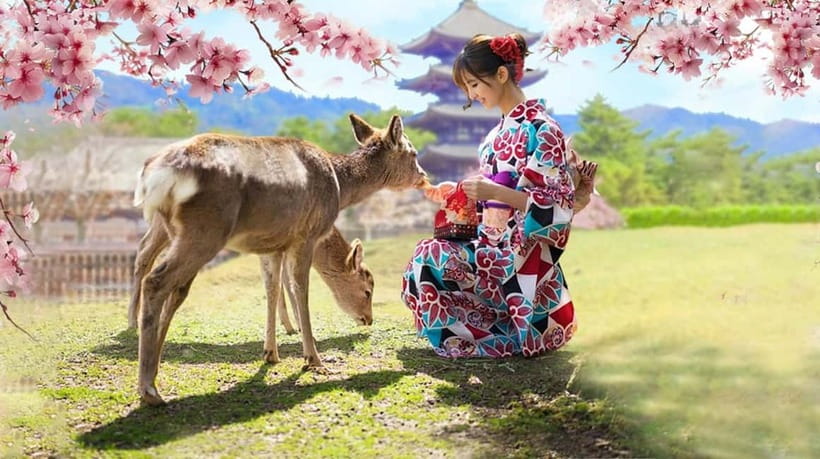
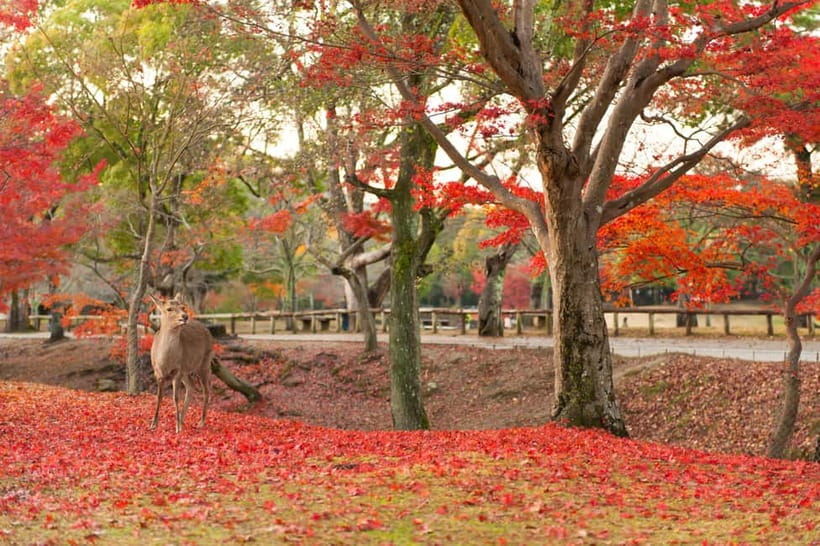
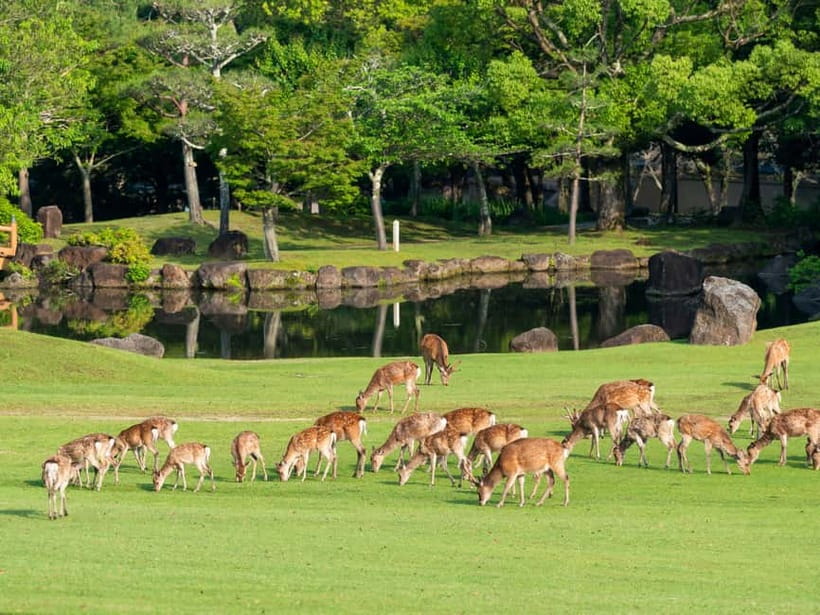
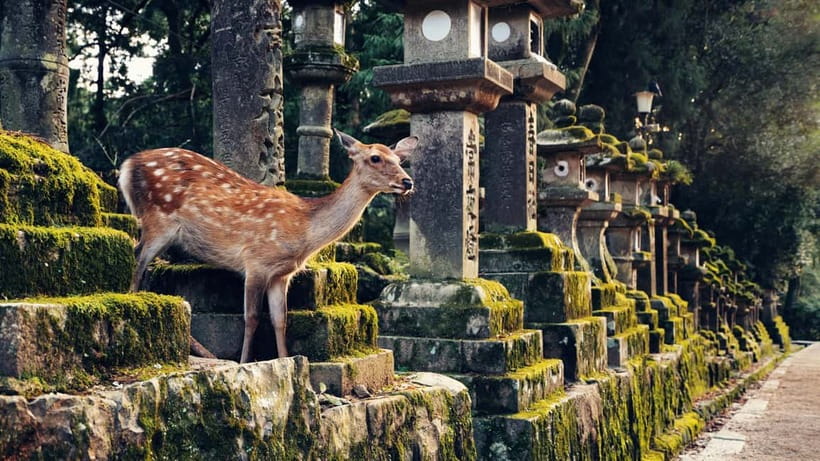
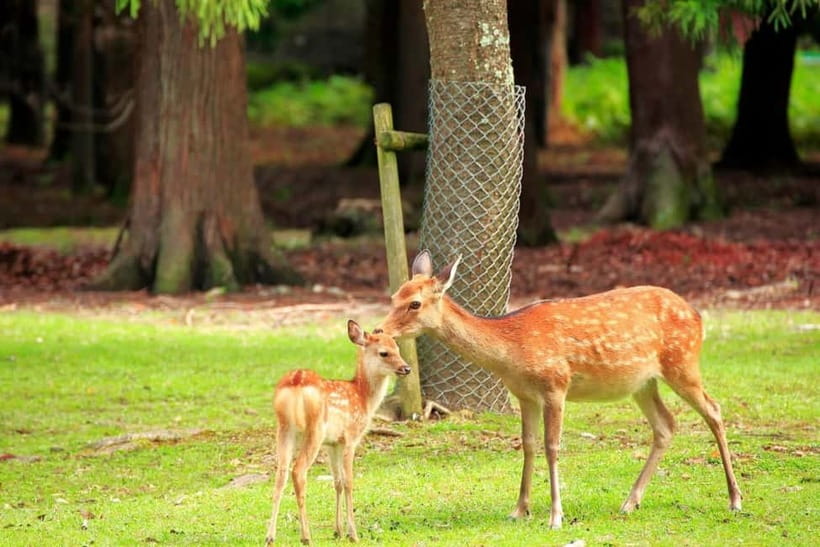
Your first major stop is Nara Park, with about one hour to explore. The park is famous for its free-roaming deer, regarded in local tradition as divine messengers. The deer are the main attraction, but the setting also gives you a first taste of Nara’s open temple grounds and old religious culture.
Buy shika senbei and hold them out carefully. The deer know exactly what the crackers are for, and some can be surprisingly eager. You can feed, pet, and photograph them, though you should follow local guidance and avoid teasing or chasing them.
One hour is enough to meet the deer and take photographs. It is not enough for a full visit to Nara’s major temple sites. That limitation is important. If your goal is Todai-ji or a slower look at Nara’s historic center, this tour gives you only a quick introduction.
I like this opening stop because it is immediate and memorable. You do not need a long explanation to understand why the deer matter. You simply walk into the park and find them sharing the paths with you.
Keep your bag and food secure. The deer are used to people and may come close when they see crackers. Comfortable shoes help, since even a short visit involves walking on park paths and standing for photographs.
Fushimi Inari and the red gate tunnel
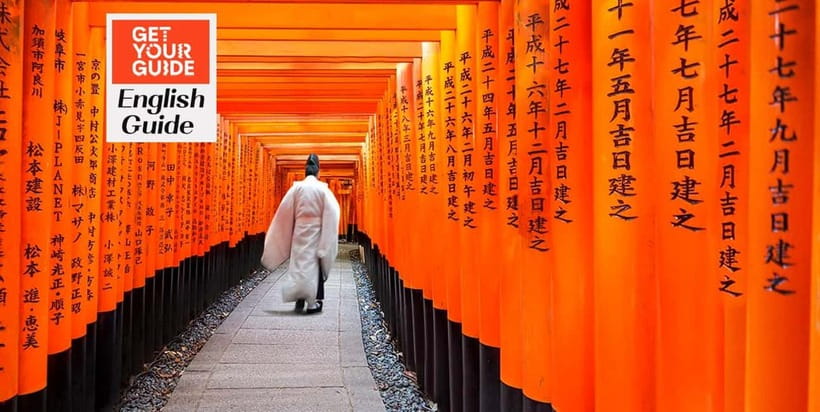
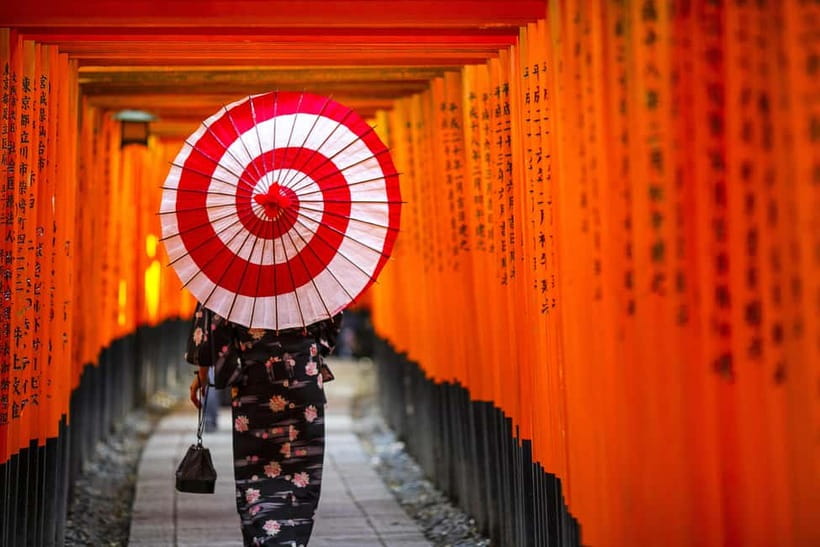
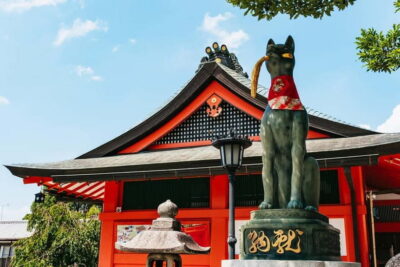
The next stop lasts about 70 minutes at Fushimi Inari Taisha. This is the shrine famous for its long rows of vermilion torii gates, donated over many years by individuals and businesses seeking good fortune and prosperity.
The first section of gates is the most photographed, so it can feel crowded. Keep walking and the mood often changes as the path continues uphill. Even if you do not climb far, the repeated gates create a striking corridor of color and shadow.
The shrine honors Inari, associated with prosperity and business success. That makes this a particularly appealing stop if you enjoy Japanese religious sites where daily hopes for work, money, and good fortune are part of the visit.
The time here is enough for the main shrine area and a walk through the lower gate sections. It is not enough for a complete ascent of the mountain. You will need to choose between taking photographs, visiting the shrine buildings, and walking farther along the torii path.
I recommend moving beyond the first photo point before turning back. You will see fewer gates at once, but the walk feels calmer and more atmospheric. Watch the time carefully, since the meeting point and departure instructions matter.
The shrine has also appeared in popular films and television, including Memoirs of a Geisha and Detective Conan. That connection may add interest, but the site works best when you focus on its religious purpose rather than treating it only as a movie backdrop.
Arashiyama’s bamboo, shrines, and river views
Arashiyama receives the longest portion of the day, with about two and a half hours listed for the wider area. The schedule also breaks out shorter visits for the bamboo forest, Nonomiya Shrine, Togetsukyo Bridge, and Kimono Forest. In practice, you will need to make choices.
More mornings in Arashiyama and the bamboo grove:
- Kyoto Arashiyama Walking Tour: Bamboo, Monkeys, Gardens & Secrets
★ 5.0 · 1,216 reviews - Arashiyama Bamboo, Temple, Monkeys, or Secret Sake Brewery
★ 4.8 · 886 reviews - Kyoto: Arashiyama Bamboo Forest, Monkeys, Matcha & Temple Tour
★ 5.0 · 759 reviews - Osaka/Kyoto: Arashiyama, Nara & Fushimi Inari Shrine w/Lunch
★ 4.4 · 754 reviews
Bamboo Forest
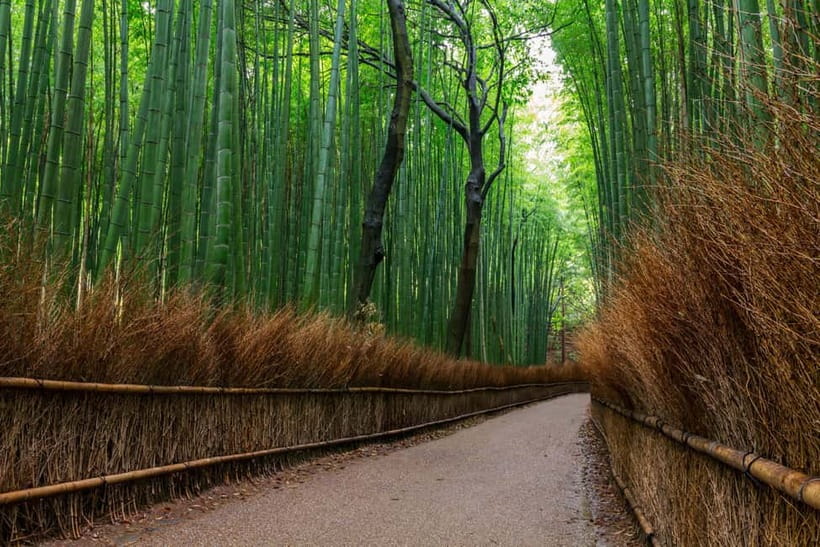
The bamboo path is Arashiyama’s signature sight. Tall stalks rise on both sides, and the filtered light gives the walkway a quiet, enclosed feel. It is a short photo stop in the formal schedule, around 15 minutes, so do not expect a long forest walk unless you use some of your free time here.
This is one place where early arrival would normally help, but the tour’s fixed schedule controls your timing. If the path is crowded, patience is useful. The experience is about the narrow corridor, the height of the bamboo, and the soft sound of the stalks moving above you. It is not a wilderness hike.
Nonomiya Shrine
Nonomiya Shrine sits within the bamboo area and dates from the Heian Period, more than 1,000 years ago. It is associated with love and academic success, making it a compact stop with a different focus from Fushimi Inari’s prosperity prayers.
The shrine’s unpainted Kuroki Torii is unusual. Most famous Japanese shrine gates are painted, so this dark wooden entrance has a quieter appearance. With only about 15 minutes here, you will get a brief look rather than a full religious visit.
Tenryu-ji Temple
Tenryu-ji is an optional extra-fee visit and a UNESCO World Heritage Site. Its Sogenchi Garden is the main reason to pay the admission fee, with ponds, stones, trees, and borrowed scenery arranged in the Zen garden tradition.
This is the best choice for you if gardens and temples matter more than souvenir shopping or street snacks. The extra fee is not included, and the self-guided format means you explore at your own speed within the time available.
Do not try to do everything in Arashiyama. If you enter Tenryu-ji, you may have less time for the bamboo path, bridge, or food. If the temple does not interest you, use that time for the free sights.
Togetsukyo Bridge
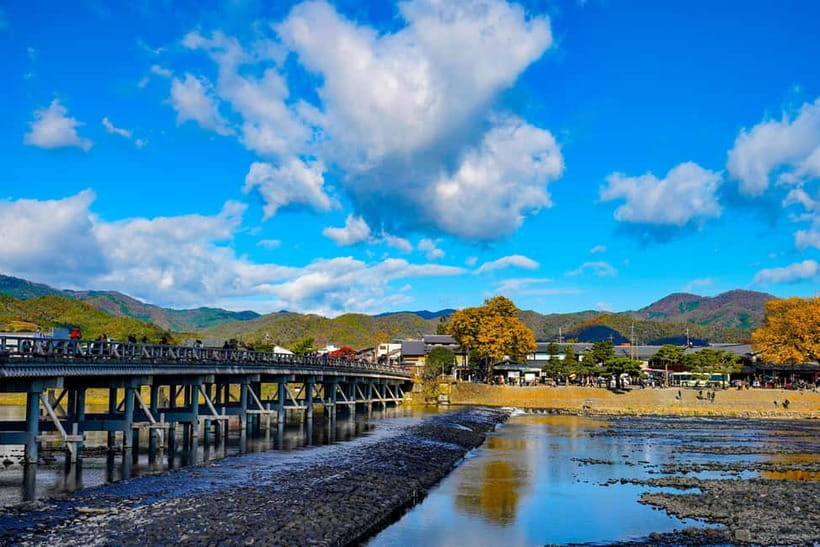
Togetsukyo Bridge gives you a broad view of the river and surrounding hills. It is an easy photo stop, with about 15 minutes listed for walking and sightseeing.
Rickshaw rides pass through the area, offering a glimpse of an older style of sightseeing. You are not promised a ride, but the rickshaws add movement and character to the bridge area. This is also a useful point to pause after the tighter bamboo paths.
Kimono Forest
Near Arashiyama Station, the Kimono Forest is a modern art installation made from about 600 pillars covered in Kyo-Yuzen textile patterns. The colorful cylinders create an easy photo stop and show how Kyoto’s textile traditions can be presented in a contemporary setting.
The stop lasts about 15 minutes, with additional free time nearby. It is smaller than the bamboo forest or Tenryu-ji, but it gives the day a change of pace. You can also look for local snacks and restaurants around Arashiyama.
The area includes a Rilakkuma Tea House and an Arashiyama station footbath. The tour information does not include food, drinks, or footbath fees, so bring money if those appeal to you. The footbath can be a welcome rest after several hours on your feet.
What the $52 price really covers
At $52 per person, the value comes mainly from transport and time saved. You get an English or Chinese-speaking guide, an air-conditioned vehicle, fuel, parking, taxes, and handling charges. You do not pay separately for the basic transportation between the three areas.
The price does not include food, drinks, personal purchases, or the optional Tenryu-ji admission. You should also budget for shika senbei in Nara and any snacks or drinks in Arashiyama.
For a first visit, I think the price is fair if you value convenience. Train fares alone are not the only issue. You would also need to plan connections, find each meeting point, and monitor the time at three widely separated areas.
The value is weaker for independent-minded visitors. You can visit these sights by yourself and stay longer at the places you prefer. This tour charges you in flexibility, not just money.
The guides make or break the pace
The guide’s job here is less about giving long lectures and more about keeping the day moving. That includes explaining what to see, warning you about walking distances, setting clear return times, and helping with practical questions.
Several guide names appear in the feedback, including Amy, Willa, Christine, Fiona, Laura, Tracy, Frederick, and Anson. Amy is especially praised for organization, humor, photos, and thoughtful communication before the day. Christine is noted for clear directions, good recommendations, and keeping the group on schedule. Willa is frequently described as warm, funny, and attentive.
The exact guide will depend on the departure. I would not book solely to meet one named person, but the repeated pattern is useful: expect an energetic host who keeps the group together and adds historical and cultural background along the way.
The bus driver also matters on a long day. Specific drivers are praised for safe, smooth driving and punctual arrivals. That gives you a practical benefit after a full morning of walking.
Timing, comfort, and who should skip it
Arrive 10 to 15 minutes early. The bus leaves on time, and late arrivals can disrupt the entire group. Wear comfortable shoes, bring water, and carry an umbrella and weather-ready clothing.
The schedule may shift because of traffic, weather, or other delays. Your return time is not guaranteed to the exact minute. If you have an evening flight, a timed dinner, or a separate train reservation, leave a generous buffer.
This is not a suitable choice for wheelchair users or people with mobility impairments. The day involves walking at several sites, uneven paths may be present, and the pace is set by the group. Pregnant people and anyone aged 70 or above are asked to sign a waiver on arrival.
Families can enjoy the deer and colorful gates, but tell the operator in advance if you bring an infant, stroller, or large luggage. Japanese traffic laws count babies as passengers, so accurate details are needed for the vehicle arrangement.
The tour suits first-time visitors, solo visitors who like organized company, and anyone staying in Osaka who wants an efficient Kyoto and Nara day. It is less suited to photographers, temple specialists, and slow walkers who want long, quiet stretches at one site.
Should you book this Kyoto and Nara day tour?
Book it if you want to see the main symbols of Nara, Fushimi Inari, and Arashiyama in one day without managing the transport yourself. The bus, clear meeting instructions, and active guides make a complicated route feel manageable.
Skip it if you already know Kyoto well or want to spend a full morning at one shrine, temple, or garden. For everyone else, $52 is a reasonable trade for transport, structure, and a first look at three major Japanese sights. Just accept the central rule of the day: you will see a lot, but you will not see everything.
FAQ
Where does the tour start?
There are two possible starting points: Harimaya Nippombashi 1-chome in Osaka and Kyoto Station Hachijo Entrance Square Sunken Garden. The meeting point depends on the option you book.
What time does the tour leave?
The Osaka departure is scheduled for 8:00 a.m. The Kyoto departure is scheduled for 9:00 a.m. Arrive 10 to 15 minutes before departure.
How long does the tour last?
The full experience takes about nine to ten hours. Traffic, weather, and other unforeseen conditions can affect the return time.
Does the tour return to Osaka or Kyoto?
Both drop-off options are available. You should tell the operator your preferred drop-off point when booking. If you do not, the default is the same point as pickup.
Is food included?
No. Food and drinks are not included. You can find local street food and restaurants in Arashiyama, and you should pay separately for any snacks or drinks.
Is Tenryu-ji Temple included?
Tenryu-ji is an optional stop with an extra admission fee. The garden can be visited as a self-guided experience.
What languages are available?
The tour offers English and Chinese-speaking guides.
Can wheelchair users join?
The activity is not suitable for wheelchair users or people with mobility impairments. Comfortable shoes are recommended because the day includes walking at several sites.
More Days That Pair Kyoto With Osaka
- One-Day Tour of Kyoto’s Highlights from Osaka/Kyoto
★ 4.5 · 1,092 reviews - Kyoto Morning Tour from Kyoto or Osaka
★ 4.0 · 281 reviews - Kyoto/Osaka: Kyoto and Nara Customized Private Guided Tour
★ 4.6 · 258 reviews - Nara Park, Osaka & Kobe from Kyoto Full Day tour
★ 5.0 · 207 reviews
More Day Trips to Nara
- Kyoto and Nara Day Trip from Kyoto
★ 4.5 · 445 reviews - Full Day Guided Tour to Kyoto and Nara from Osaka by Van
★ 5.0 · 420 reviews - Nara Afternoon Tour from Kyoto or Osaka
★ 4.5 · 390 reviews - From Kyoto: Nara Guided Morning Tour
★ 4.6 · 335 reviews
Newest Kyoto experiences on the site
- Whisk Your Own Matcha: A Zen Matcha Experience at Temple★ 3.6 · 7 reviews
- Treasures of Kyoto: Gion & historical Walking Tour★ 5.0 · 6 reviews
- Kyoto tea town for matcha lovers★ 5.0 · 16 reviews
- Uji: Private immersion into Kyoto’s tea and reglious culture★ 5.0 · 17 reviews
- Kyoto Matcha Green Tea Tour★ 4.5 · 23 reviews
- Uji and Wazuka Matcha Farm Half Day Private Guided Tour★ 5.0 · 21 reviews
- Utilising upcycled Matcha! Creating matcha incense (Uji, Kyoto)★ 5.0 · 6 reviews
- Sacred Temple Yoga Experience in Japan★ 5.0 · 3 reviews
Fushimi Inari Tours, compared.
Fushimi Inari, Kinkakuji, Bamboo Grove 1 Day Bus Tour
Read our review →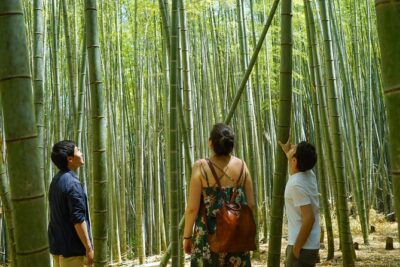
Fushimi Inari Hidden Hiking Tour (Private Option Available)
Read our review →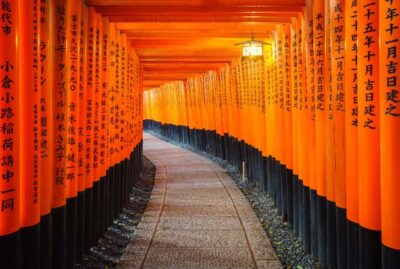
Kinkakuji,Arashiyama,FushimiInariShrine,NaraPark
Read our review →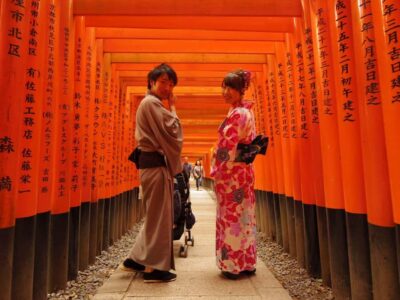
Arashiyama, Nara & Fushimi Inari Shrine w/Lunch
Read our review →
Nijo Castle, Kiyomizu & Fushimi Inari Guided Tour
Read our review →
Nijo, Kinkaku-ji, Arashiyama, Kiyomizu & Fushimi Inari
Read our review →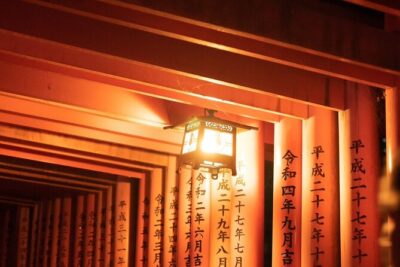
Browse the lists this tour appears in