
Reviewed · FUSHIMI INARI TOURS
Kyoto: Nijo, Kinkaku-ji, Arashiyama, Kiyomizu & Fushimi Inari
Kyoto’s biggest sights are spread across the city, and this 10-hour-45-minute bus tour tackles them in one ambitious sweep. You start at 7 a.m. near Kyoto Station, visit Arashiyama before the day gets fully crowded, then continue to the Golden Pavilion, Nijo Castle, Kiyomizu-dera, and Fushimi Inari.
I like the efficient route and the mix of famous temples, gardens, bamboo, and torii gates. I also like having free time at several stops, so you are not simply marched from one photo stop to the next. Guides such as Paula, Cesar, Angeles, Alan, and Pastor have been praised for keeping the day moving while adding useful context.
The trade-off is simple: this is a packed day. You will spend a lot of time on a bus, walk in heat or rain, and hear commentary in both English and Spanish. On hot days, bring water and expect the schedule to feel demanding.
Five things to know before booking
- Early Arashiyama visit: You reach the Bamboo Grove early, with about 1 hour and 20 minutes to walk and take photos.
- Five major Kyoto sights: The route includes Arashiyama, Kinkaku-ji, Nijo Castle, Kiyomizu-dera, and Fushimi Inari.
- Flexible packages: Temple admission and lunch depend on the option you select.
- Bilingual guiding: Commentary is provided in English and Spanish, which can lengthen some explanations.
- Small enough to manage: The group is limited to 30 people, though this is still a full coach-style day.
One bus, five famous Kyoto sights
At $51.80 per person, this tour is priced as a time-saving sightseeing package rather than a quiet temple visit. You are paying for transportation between far-flung parts of Kyoto, a guide, and a carefully arranged route. If you tried to connect all five sights by local transport in one day, you would spend much of your time changing trains and buses.
The final cost depends on your package. Some options include admission to Kinkaku-ji, Nijo Castle, and Kiyomizu-dera. Others leave those tickets out. Lunch is included only with the Premium option, so check the exact package before paying. A lower price can look attractive until you discover that you still need to buy several entry tickets and arrange your own meal.
I would compare the packages this way:
- Choose the basic option if you want control over food and already have a plan for admission tickets.
- Choose the ticket-inclusive option if you prefer one payment and less decision-making during a busy day.
- Choose Premium if a prepared lunch matters to you and you do not want to search for food between stops.
The tour has a maximum of 30 people. That is not a private outing, but it is easier to manage than a very large group. The guide will need to gather everyone after each stop, so keep an eye on the meeting instructions and return on time.
More ways to walk the Fushimi Inari gates:
- Kyoto: Fushimi Inari, Kinkakuji, Bamboo Grove 1 Day Bus Tour
★ 4.8 · 4,316 reviews - Fushimi Inari Hidden Hiking Tour (Private Option Available)
★ 5.0 · 1,750 reviews - Osaka/Kyoto:Kinkakuji,Arashiyama,FushimiInariShrine,NaraPark
★ 4.1 · 1,596 reviews
A 7 a.m. start near Kyoto Station
The meeting point is Hotel Keihan Kyoto Grande, at 31 Higashikujō Nishisannōchō in Minami Ward. The tour begins at 7 a.m. and ends back at the same meeting point.
That early start is important. It helps you reach Arashiyama before the busiest part of the day, and it gives the bus a chance to cover the city before traffic builds. The downside is that you need to be ready early, and the day continues until roughly early evening.
The first ride to Arashiyama takes about 40 minutes. This is a useful time for the guide to outline the day, explain Kyoto’s major sights, and tell you how the stops will work. The bilingual format means the commentary is delivered in English and Spanish. Some people appreciate that arrangement, while others may find repeated explanations slower than a single-language tour.
Guides have included Paula, Cesar, Angeles, Alan, and Pastor. The strongest descriptions of the guiding style point to friendly delivery, historical context, clear organization, and a good balance between explanation and free time. Your guide may be different, but the tour is designed around that same bilingual format.
Arashiyama Bamboo Grove before the crowds
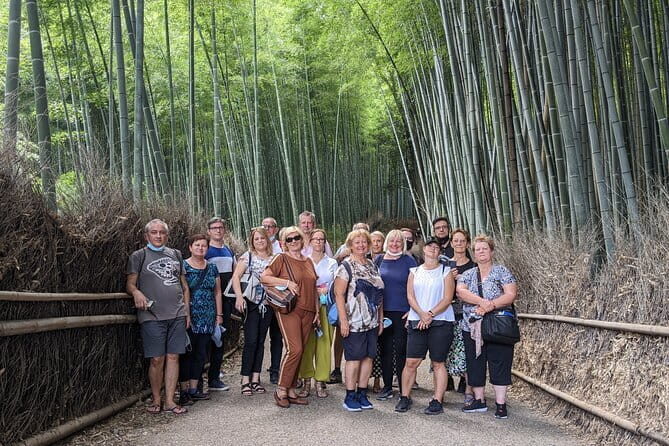
Arashiyama is your first major stop, reached after about 40 minutes on the bus. You have about 1 hour and 20 minutes here, with early access presented as one of the benefits of the schedule.
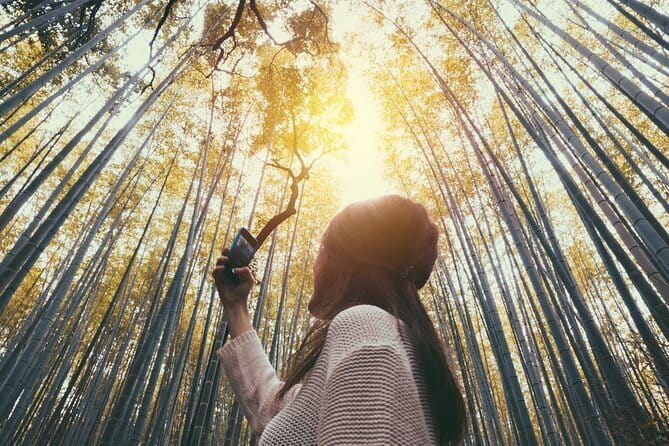
The Bamboo Grove is a short, memorable walk through tall bamboo stalks that close in above the path. It is one of Kyoto’s most recognizable photo spots, so getting there early matters. The grove itself is free, which means your time here is focused on walking, photos, and the feel of the place rather than buying a ticket.
The stop is not a full tour of every Arashiyama attraction. The schedule centers on the bamboo path. If you expect a long visit to nearby temples or gardens, you may find this portion limited. One poor experience also involved arriving when nearby temples were not open, which is a reminder that this is a targeted bamboo-grove stop, not a complete Arashiyama visit.
Use the free time wisely. Walk at an easy pace, take your photos, and return to the agreed meeting point early. The bus cannot wait for a long individual exploration, and a delay here can affect every later temple.
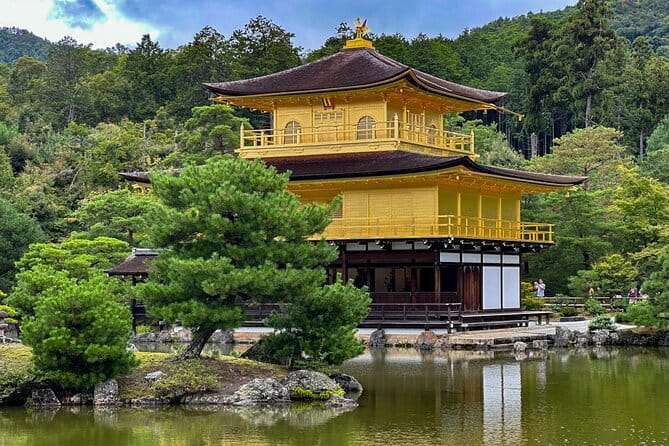
Kinkaku-ji, the Golden Pavilion, in 45 minutes
From Arashiyama, the bus takes about 30 minutes to Kinkaku-ji, also called the Golden Pavilion. You have approximately 45 minutes at the site.
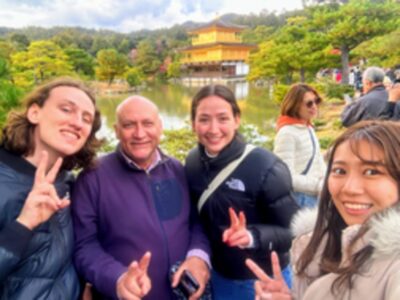
The pavilion’s gold-covered exterior reflected in the pond is one of Kyoto’s classic views. The appeal is visual and immediate, but the visit is brief. You will follow the designated route, take in the pavilion and surrounding grounds, and continue rather than settle into a slow temple visit.
Admission is not included in every package. If you select an option without tickets, you must pay for entry yourself. That is a small detail with a real effect on the day: stopping to buy tickets can cut into a 45-minute visit.
I would not expect much quiet here. Kinkaku-ji is one of Kyoto’s best-known sights, and the tour’s value comes from getting you there without requiring you to plan the bus connection. Keep your camera ready, but also take a moment to look beyond the gold facade at the pond and garden setting.
More Kiyomizu-dera visits and hillside walks:
- Kyoto: Tea Ceremony in a Traditional Tea House in Kiyomizu
★ 4.9 · 3,519 reviews - Kyoto: Nijo Castle, Kiyomizu & Fushimi Inari Guided Tour
★ 4.7 · 700 reviews - Kyoto Tea Ceremony & Kiyomizu-dera Temple Walking Tour
★ 5.0 · 115 reviews - Kyoto Kiyomizu Tea Ceremony with Scenic Garden Views
★ 5.0 · 101 reviews
Nijo Castle and the sound of the floors
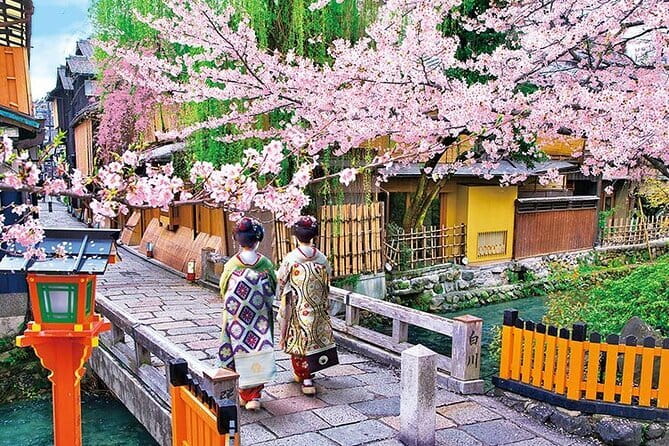
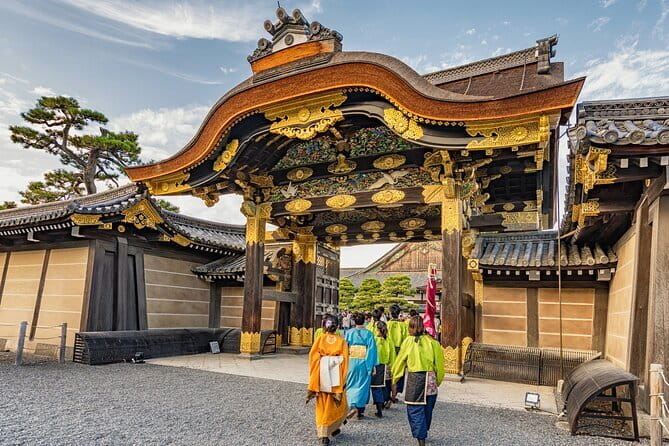
The next ride takes roughly 30 minutes, followed by about 1 hour and 30 minutes at Nijo Castle. This is one of the more substantial stops on the route.
Nijo Castle is known for its architecture, gardens, and historic role in Kyoto. Its famous nightingale floors were designed to chirp underfoot, helping protect the castle from unwanted visitors. You may find this stop more varied than the quick Golden Pavilion visit because the grounds and buildings offer several elements to see.
Admission depends on your package. Without a ticket-inclusive option, you need to arrange entry separately. The 90-minute allocation gives you enough time to see the main areas, but you should not expect to inspect every corner at a slow pace.
This is also a place where the guide’s commentary can add real value. Architectural details are easy to miss when you are moving on your own. After the explanation, you can use the remaining time to explore at your own speed, a balance that several strong tour experiences have highlighted.
Kiyomizu-dera and the hillside approach
After Nijo Castle, the bus continues for about 30 minutes to Kiyomizu-dera. The scheduled visit is the longest of the day, at approximately 2 hours and 30 minutes.
Kiyomizu-dera sits on a hillside and offers broad views over Kyoto. Its wooden stage, temple buildings, and approach streets make this more than a single photo stop. You have time to look around, take in the city below, and explore the temple area at a less hurried pace.
The long stop is welcome because the approach can be busy and the site has several sections. It also makes this one of the more physically demanding parts of the day. Expect plenty of walking and some uphill or uneven stretches. In hot weather, the combination of sun, crowds, and walking can be tiring.
Admission is included only in selected packages. Confirm this before booking, especially if you are comparing the basic price with the Premium option. A ticket included in the package may be worth the added cost simply because it removes one more task from an already full schedule.
Kiyomizu-dera is also a good place to eat if your package does not include lunch, but the schedule does not promise a specific restaurant. One negative experience raised concerns about heat, hydration, meal planning, and rest breaks. I would bring water and a snack even if you plan to buy lunch, since your food choices and timing may be limited.
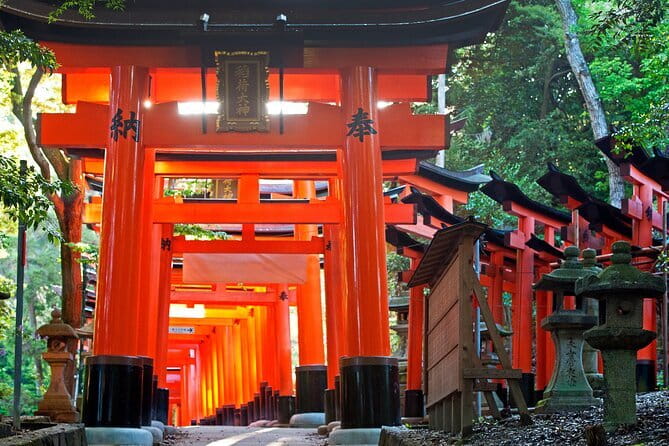
Fushimi Inari and its endless torii gates

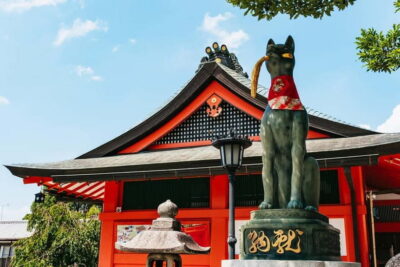
The final major stop is Fushimi Inari Taisha, reached after another ride of about 30 minutes. You have about 1 hour and 30 minutes here.
Fushimi Inari is famous for its rows of vermilion torii gates climbing the wooded mountain. The lower section is the most accessible part for a short visit, while the full route extends much farther uphill. With 90 minutes, you can see the famous gates and walk as far as your energy allows, but you will not have time for a leisurely climb to every upper section.
This stop works well at the end because it offers a different mood from the formal temple grounds earlier in the day. Instead of a pavilion, castle, or hillside temple, you follow a path framed by hundreds of gates. Wear comfortable shoes and do not push yourself farther uphill than the schedule allows.
Fushimi Inari does not require an admission ticket, which keeps this part straightforward. Still, it can be crowded near the entrance. If you want quieter photographs, walk farther along the path, but keep track of time and return to the meeting point before departure.
What the bilingual format means for you
The guide speaks English and Spanish. This makes the tour useful for mixed-language groups, but it also affects the rhythm of the day.
Some people enjoy the extra language and the chance to meet a wider range of visitors. Others have found that hearing the same information twice makes the commentary feel long, or that English delivery can be difficult to follow depending on the guide. The tour’s strong guide feedback includes praise for Angeles’s enthusiasm, Cesar’s organization, Paula’s balance of information and free time, and Alan and Pastor’s ability to keep spirits up during a long day.
That variation is normal on a guided tour. If clear English commentary is your top priority, ask yourself how much you value the convenience of the route compared with the risk of a bilingual presentation that may not match your preferred pace.
The guide is most useful on the bus and during transitions. At the sights, you generally have time to look around on your own. That arrangement suits you if you want context but do not want a guide speaking continuously beside you.
Heat, rain, walking, and the real pace
The advertised duration is about 10 hours and 45 minutes, but the day can feel longer because it begins early and contains five major sightseeing stops. Weather matters. A hot day can make Kiyomizu-dera and Fushimi Inari especially tiring, while rain may affect walking and views.
Bring:
- Water for the bus rides and walking sections
- Comfortable shoes for temple grounds, paths, and stairs
- Sun protection in warm weather
- A small snack if you do not select lunch
- A phone with the meeting details available offline
The route can change because of traffic, weather, road closures, or other conditions on the day. That is worth accepting before you book. Kyoto’s roads can slow the schedule, and a coach cannot move through the city as quickly as a train.
The tour is suited to most people, but it is not a restful day. Families with very young children should think about the early start, long duration, heat, and repeated boarding. One piece of feedback also described children making the guide hard to hear, so families should consider how well their children will manage a full day of organized sightseeing.
Who gets the most value from this Kyoto tour
I would choose this tour if you have limited time in Kyoto and want to see the city’s headline sights without building the route yourself. It is especially useful for a first visit, a short stay, or a day when you prefer a guide and arranged transportation.
You will get the most from it if you:
- Want to see five major places in one day
- Prefer a planned bus route to several local transport changes
- Like having historical commentary along the way
- Are comfortable with a bilingual English and Spanish presentation
- Can manage a full day of walking and early sightseeing
- Appreciate free time rather than a guide-led visit at every minute
I would look for a slower, more specialized tour if you already know Kyoto well or want long visits at only one or two temples. This route gives you breadth, not depth. It is a first look at Kyoto’s essential sights, not a quiet study of temple design, gardens, or local neighborhoods.
Should you book it?
Book this tour if your main goal is to cover Kyoto’s famous sights efficiently. The $51.80 starting price can be good value when you add up transportation, a guide, and the time saved planning connections. The ticket and lunch options also let you choose between a lower upfront cost and a simpler day.
Before booking, check three things: which admissions are included, whether lunch is part of your package, and that you are comfortable with bilingual commentary. Then prepare for heat, walking, and a long day.
I would recommend it for a short Kyoto stay and for anyone who wants a reliable overview in one outing. I would skip it if you prefer slow temple visits, flexible meal breaks, or a single-language guide. For the right schedule, this is an energetic and practical way to get your first look at Kyoto.
FAQ
Where does the Kyoto tour start and end?
The tour starts at Hotel Keihan Kyoto Grande near Kyoto Station at 7 a.m. It ends back at the same meeting point.
How long does the tour last?
The tour lasts approximately 10 hours and 45 minutes, including travel between the stops.
Which Kyoto sights are included?
The route includes Arashiyama Bamboo Forest, Kinkaku-ji, Nijo Castle, Kiyomizu-dera, and Fushimi Inari Taisha Shrine.
Are temple admission tickets included?
Admission to Kinkaku-ji, Nijo Castle, and Kiyomizu-dera is included only if you choose an option with those tickets. The basic option may exclude them.
Is lunch included?
Lunch is included only in the Premium option. Check the package details before booking.
What language does the guide speak?
The guide provides commentary in English and Spanish. The maximum group size is 30 people.
More Nijo Castle Visits
- Kyoto: Nijo-jo Castle and Ninomaru Palace Guided Tour
★ 4.7 · 1,020 reviews - Kyoto: Imperial Palace & Nijo Castle Guided Walking Tour
★ 4.7 · 453 reviews - Kyoto: Nijo Castle World Heritage Guided Tour with Admission
★ 5.0 · 128 reviews - Kyoto Imperial Palace & Nijo Castle Guided Walking Tour – 3 Hours
★ 4.5 · 106 reviews
More Golden Pavilion Trips
- Kyoto: Kinkakuji, Golden Pavilion Guided Tour
★ 4.7 · 71 reviews - Kyoto top must-see Golden pavilion and Bamboo forest half-day Private tour
★ 5.0 · 52 reviews - Kyoto Bamboo Forest & Golden Pavilion E-Bike Tour
★ 5.0 · 50 reviews - Osaka/Kyoto: Katsuoji, Kinkakuji, Arashiyama 1-Day Bus Tour
★ 4.6 · 33 reviews
Newest Kyoto experiences on the site
- Treasures of Kyoto: Gion & historical Walking Tour★ 5.0 · 6 reviews
- Whisk Your Own Matcha: A Zen Matcha Experience at Temple★ 3.6 · 7 reviews
- Kyoto tea town for matcha lovers★ 5.0 · 16 reviews
- Uji: Private immersion into Kyoto’s tea and reglious culture★ 5.0 · 17 reviews
- Kyoto Matcha Green Tea Tour★ 4.5 · 23 reviews
- Uji and Wazuka Matcha Farm Half Day Private Guided Tour★ 5.0 · 21 reviews
- Utilising upcycled Matcha! Creating matcha incense (Uji, Kyoto)★ 5.0 · 6 reviews
- Sacred Temple Yoga Experience in Japan★ 5.0 · 3 reviews
Fushimi Inari Tours, compared.
Fushimi Inari, Kinkakuji, Bamboo Grove 1 Day Bus Tour
Read our review →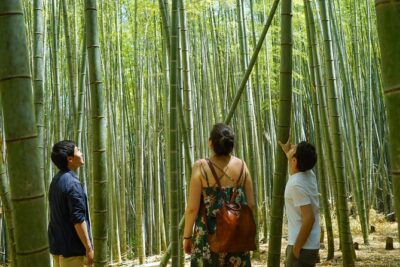
Fushimi Inari Hidden Hiking Tour (Private Option Available)
Read our review →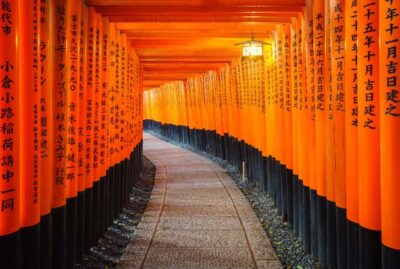
Kinkakuji,Arashiyama,FushimiInariShrine,NaraPark
Read our review →
Nara, Fushimi Inari Taisha, Arashiyama Bus Tour
Read our review →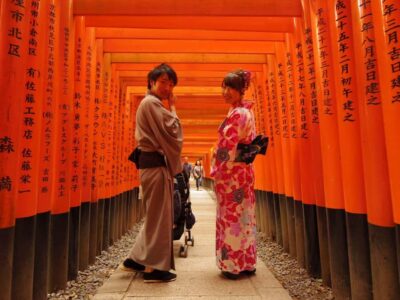
Arashiyama, Nara & Fushimi Inari Shrine w/Lunch
Read our review →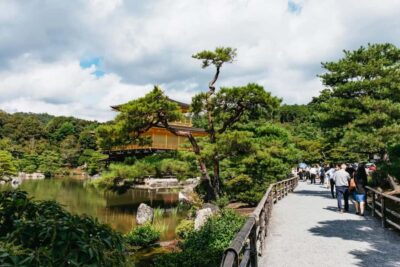
Nijo Castle, Kiyomizu & Fushimi Inari Guided Tour
Read our review →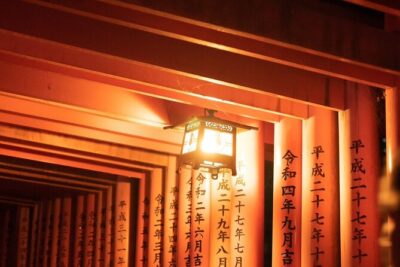
Browse the lists this tour appears in