
Reviewed · KIYOMIZU-DERA TEMPLE TOURS
Kyoto Kiyomizu Tea Ceremony with Scenic Garden Views
Kyoto’s tea ceremony is at its best when the room, garden, gestures, and silence all work together. At Tea Ceremony Sakaguchian, near Kiyomizu, you watch a tea master purify the utensils, whisk bright green matcha, and serve it beside delicate wagashi sweets while a Japanese garden fills the windows.
I like two things here: the intimate group size, capped at 12, and the useful English explanations from the assistant who guides you through the history and etiquette. I also like that you receive two cups, one prepared for you and another you learn to make yourself. The main drawback is time. At about 45 minutes, or close to an hour depending on the session, this is a polished introduction rather than a full study of tea culture.
Key points to know before booking
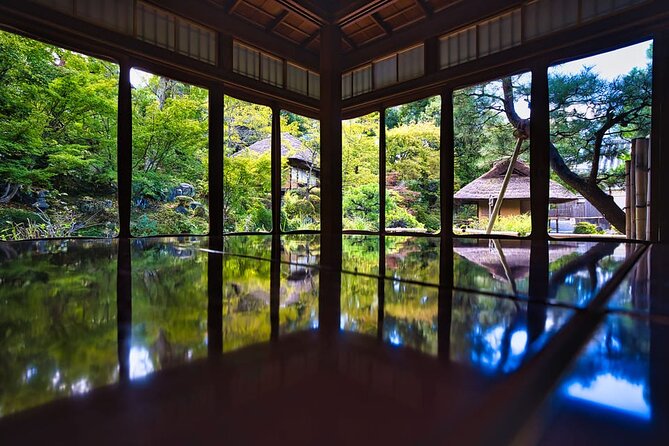
- Garden views shape the experience: Large windows look onto a carefully tended Japanese garden, giving you more than a tea demonstration.
- Two cups of matcha are included: The tea master prepares the first, then you learn the basic whisking method for the second.
- The group stays small: With no more than 12 people, it feels personal enough for questions and clear instruction.
- An English-speaking assistant explains the rituals: You receive context about the movements, tools, history, and symbolism.
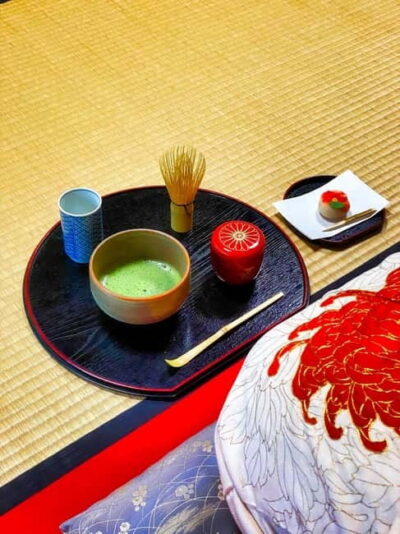
- Wagashi completes the lesson: Traditional Japanese sweets are served with the matcha and help balance its strong, grassy taste.
- Plan for a floor-based setting: The experience is not recommended if you have problems with your feet or knees, and wearing socks is a useful tip.
A quiet tea room near Kiyomizu
The meeting point is Tea Ceremony Sakaguchian, at 3-chōme-334 Kiyomizu in Kyoto’s Higashiyama Ward. The activity begins and ends there, so you do not need to arrange a separate return transfer.
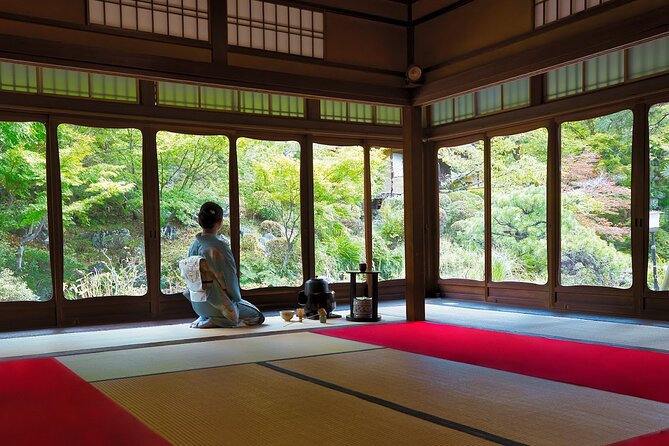
The setting matters. This is not a quick cup of matcha at a café counter. You enter a traditional tea room with broad garden views, then settle into a space designed for attention and calm. The garden gives your eyes somewhere to rest while the tea master works, and the changing seasonal view adds a sense of time that a restaurant setting cannot match.
The location also fits neatly into a day around Kiyomizu. After the ceremony, you can continue exploring the old streets and temples in the area. I would place this activity between sightseeing stops, since its slower pace gives you a welcome pause from walking.
The room may feel formal at first, but the tone is friendly. The assistant explains what is happening in English and helps you understand the meaning behind each stage. That support is important because tea ceremony movements can seem mysterious if you only watch in silence.
More Kiyomizu-dera visits and hillside walks:
- Kyoto: Tea Ceremony in a Traditional Tea House in Kiyomizu
★ 4.9 · 3,519 reviews - Kyoto: Nijo Castle, Kiyomizu & Fushimi Inari Guided Tour
★ 4.7 · 700 reviews - Kyoto: Nijo, Kinkaku-ji, Arashiyama, Kiyomizu & Fushimi Inari
★ 5.0 · 699 reviews
Watching the tea master prepare the first cup
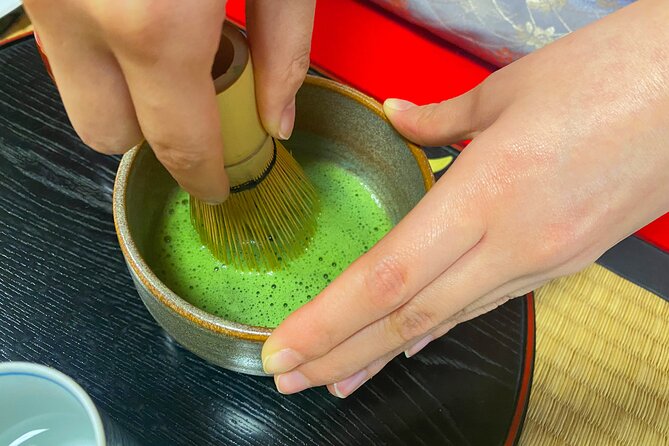
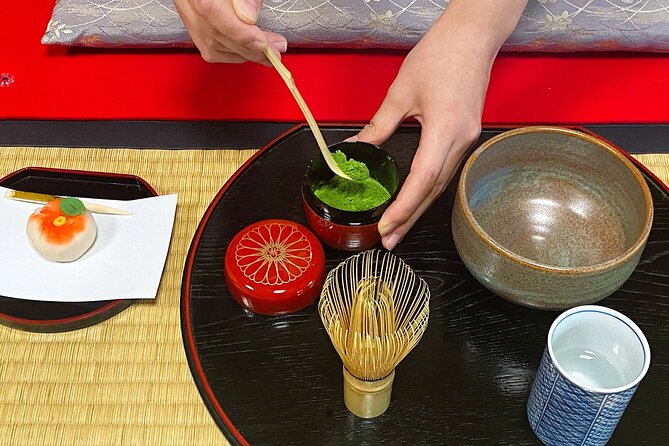
The ceremony begins with the tea master performing the preparation rather than rushing straight to the tasting. You watch the careful handling of the bowl, the purification of the utensils, the measured movements, and the whisking of matcha into a fine froth.
The appeal is in the precision. A tea ceremony is not simply a method for making powdered tea. The placement of objects, the way the bowl is presented, and the rhythm of the hands all carry meaning. The assistant helps you follow these details, including the ideas of harmony, respect, purity, and tranquility that shape the tradition.
You receive a traditional sweet before or alongside the first tea. Wagashi can be delicate in appearance and texture, with sweetness that prepares your palate for matcha’s earthy bitterness. This pairing is part of the lesson, not just an extra dessert.
The first cup is prepared by the tea master, which lets you focus on watching. You can notice how the bright green powder changes as it is whisked and how much ceremony surrounds a drink that may seem simple in a modern café.
I especially like this part for first-time visitors. You are not expected to know how to sit, hold the bowl, or respond to the presentation. The assistant gives enough guidance to make the ritual understandable without turning it into a lecture.
Learning to whisk matcha yourself
The second cup makes the experience more active. After watching the tea master, you are shown how to prepare matcha yourself, including the basic technique for creating a smooth, frothy drink.
This hands-on portion is valuable because it reveals how much control the tea master brings to the process. You get a clearer sense of the whisking motion and the care needed to prepare the tea properly. It also gives you something practical to remember after leaving Kyoto.
Do not expect a professional tea-training session. The activity is short, and one person described it as only scratching the surface of formal ceremony and matcha preparation. That is a fair criticism. You learn the essentials, but you will not study every school of tea, every utensil, or the full structure of a longer formal gathering.
For most people, that limit is also part of the value. You get a focused cultural experience without giving up half a day. Families, couples, and small groups can watch the master, ask questions, and take part without needing prior knowledge.
The matcha itself may taste different from the sweetened drinks common outside Japan. Expect a more direct tea flavor. The wagashi helps balance it, and the two-cup format lets you compare the prepared tea with your own effort.
Why the garden views make a difference
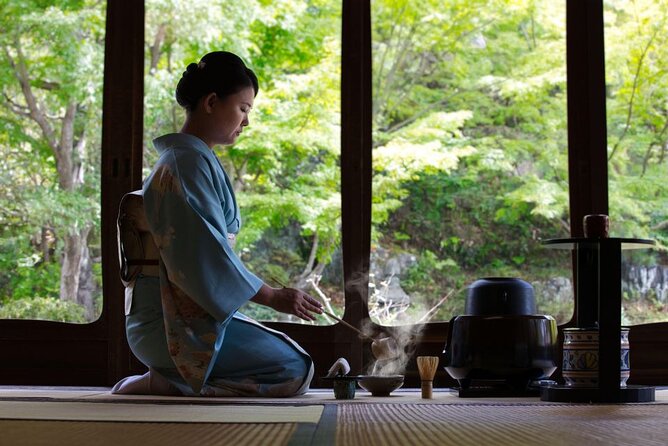
The garden is not just decoration behind the tea master. It changes the mood of the room and gives the ceremony a visual connection to the seasons.
Large windows provide views over carefully maintained grounds, and the setting has been praised for its calm atmosphere in both summer and other seasons. On a hot day, air conditioning has also been available, which makes the quiet room more comfortable.
You should keep your expectations precise. This is a tea ceremony with garden views, not a dedicated garden tour. You will not spend the session walking through the grounds or receiving an extended horticultural explanation. The garden is there to frame the ceremony and give you a peaceful place to look while the rituals unfold.
That combination is what makes the activity appealing. You get two experiences in one compact visit: an introduction to tea culture and a chance to enjoy a traditional Kyoto setting. If you are mainly interested in gardens, choose a longer garden visit. If you want a cultural pause with a strong sense of place, this format works well.
More tea ceremonies in Kyoto:
- Kyoto: Tea Ceremony Ju-An at Jotokuji Temple
★ 4.9 · 3,207 reviews - Kyoto: 45-Minute Tea Ceremony Lesson Experience
★ 4.3 · 2,378 reviews - Kyoto: Table-Style Tea Ceremony at a Kyo-Machiya
★ 4.9 · 1,211 reviews - Kimono Tea Ceremony at Kyoto Maikoya, NISHIKI
★ 5.0 · 911 reviews
Small-group size and the English explanation
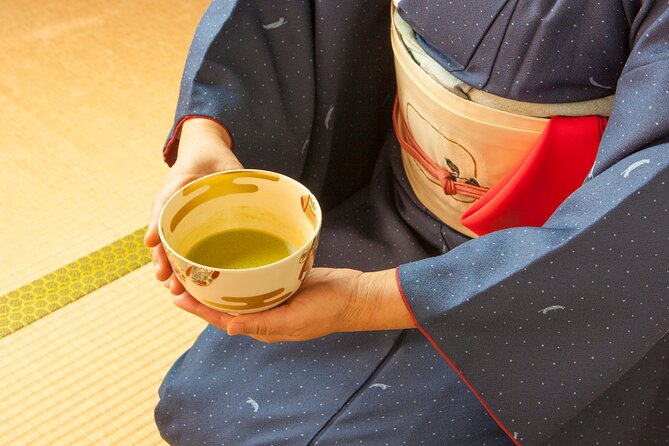
The group limit is 12 people. That is small enough for the assistant to answer questions and for you to see the tea master’s movements without the feeling of a large performance.
The English interpretation is one of the strongest practical features. The assistant explains the process, gives background on the ceremony, and helps with questions about the tools, etiquette, and symbolism. This turns the session from a silent display into a lesson you can follow.
The tea master’s movements are measured and formal, while the assistant creates a more relaxed bridge for international visitors. That pairing works well. You see the tradition performed with care, then receive plain explanations that make it easier to understand.
If you enjoy asking questions, this is a good setting. People have been able to ask about tea culture and the meaning of the ceremony during the session. Just remember that a group format means time is shared. With up to 12 participants, not every question can become a long conversation.
The pace, length, and value of $50.87
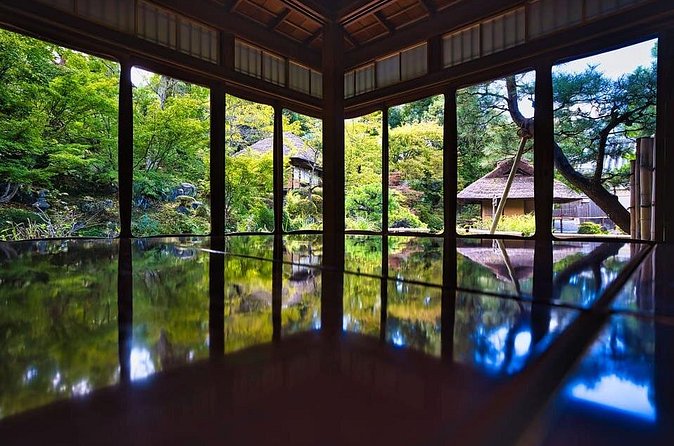
The listed price is $50.87 per person. For that fee, you receive the tea ceremony, two cups of matcha, traditional wagashi, a photo, the garden setting, and instruction from the tea master and assistant.
The value depends on what you want from the visit. If you only want to taste matcha, the price may seem high compared with a café drink. You are paying for the setting, the demonstration, the cultural explanation, the hands-on preparation, and the time spent in a traditional room.
At roughly 45 minutes, this is a compact activity. Some descriptions of the experience place the session closer to an hour, so allow a little flexibility when planning your day. Either way, it is short enough to fit before or after sightseeing around Kiyomizu.
The main value comes from the quality of the presentation. The tea master’s exact movements, the English explanation, and the garden view give the visit more substance than a simple tasting. The main limitation is depth. If you want a long, highly formal ceremony or detailed training in tea preparation, you will probably want something more extensive.
I see it as a reasonable midrange cultural activity for someone with limited time in Kyoto. It is not the cheapest way to drink matcha, but it offers far more context than a casual beverage stop.
Practical comfort tips for the tea room
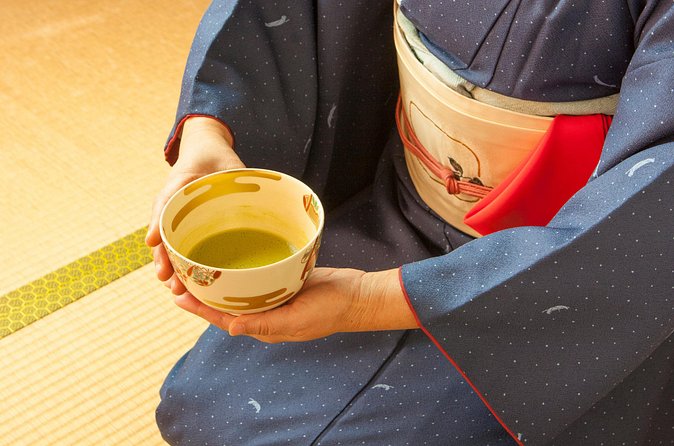
The activity is not recommended for people with foot or knee problems. The traditional room may require sitting in a position that is uncomfortable if you cannot bend or remain close to the floor for a period of time.
Wear socks. One participant specifically offered this advice, and it is sensible for a traditional tea room. Comfortable clothing will also help you sit and move without distraction.
Kimono rental is not included. You can attend in your own clothing, and the tea master’s ceremonial dress provides the visual formality. Video recording is also not included, although a photo is part of the package.
A mobile ticket is provided, and confirmation arrives when you book. The activity requires suitable weather, so poor conditions can lead to a date change or full refund. For a normal cancellation, you must cancel at least 24 hours before the local start time to receive a full refund. Changes or cancellations inside that window are not refunded.
Who will enjoy this Kyoto tea ceremony
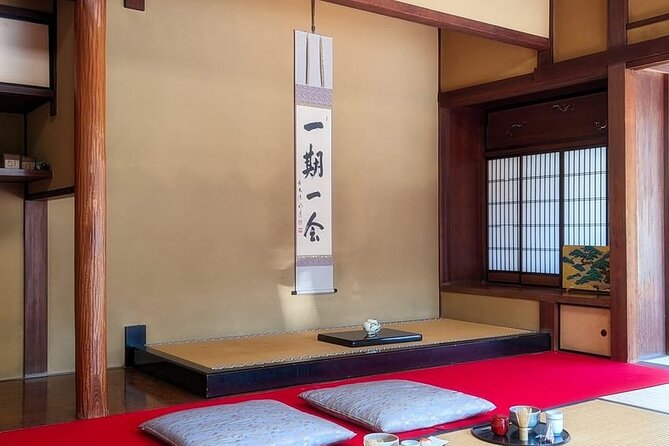
I would recommend this experience to first-time visitors who want a clear introduction to Japanese tea culture without committing to a long formal session. The assistant’s explanations make the rituals approachable, and the second cup gives you a small but useful practical lesson.
It also suits families and couples. The activity is calm, easy to follow, and short enough for children or older family members who enjoy cultural demonstrations, provided everyone can manage the seating.
It is a good choice for anyone who appreciates design, architecture, gardens, or quiet rituals. The room, tools, sweets, clothing, and garden all contribute to the experience.
You may want to skip it if you dislike structured cultural activities, have difficulty sitting in a traditional position, or want a long technical workshop. The short format offers an overview, not mastery. It can also feel expensive if your only goal is to sample matcha.
Should you book Tea Ceremony Sakaguchian?
Book it if you want a peaceful, well-explained introduction to tea ceremony in a beautiful Kiyomizu setting. The strongest reasons are the garden views, the small group, the graceful tea preparation, and the chance to make a second cup yourself.
Skip it if you need full accessibility for foot or knee problems, want kimono rental included, or expect a lengthy formal ceremony. At $50.87, the price makes sense when you value the setting and instruction, not just the drink.
For most visitors with a free hour around Kiyomizu, this is a thoughtful cultural stop. It gives you enough structure to understand the tradition, enough participation to remember it, and enough quiet to feel different from the usual sightseeing rush.
FAQ
Where does the tea ceremony begin?
It begins at Tea Ceremony Sakaguchian, also written as 茶道体験 阪口庵, at 3-chōme-334 Kiyomizu, Higashiyama Ward, Kyoto, 605-0043, Japan.
Where does the activity end?
The activity ends back at the meeting point, Tea Ceremony Sakaguchian.
How long does the experience last?
The listed duration is approximately 45 minutes. Some sessions may run closer to an hour, so allow a little extra time in your schedule.
How many people can join?
The activity has a maximum of 12 participants.
How many cups of matcha are included?
Two cups of matcha are included. The tea master prepares one, and you learn how to prepare the second.
Are traditional Japanese sweets included?
Yes. Wagashi, traditional Japanese sweets, are included with the tea ceremony.
Is a photo included?
Yes. A photo is included. Video recording is not included.
Is kimono rental included?
No. Kimono rental is not included in the activity.
Can I cancel for a full refund?
Yes, if you cancel at least 24 hours before the local start time. Cancellations or changes made less than 24 hours before the start time are not refunded. If poor weather causes the activity to be canceled, you will be offered another date or a full refund.
Newest Kyoto experiences on the site
- Treasures of Kyoto: Gion & historical Walking Tour★ 5.0 · 6 reviews
- Whisk Your Own Matcha: A Zen Matcha Experience at Temple★ 3.6 · 7 reviews
- Kyoto tea town for matcha lovers★ 5.0 · 16 reviews
- Uji: Private immersion into Kyoto’s tea and reglious culture★ 5.0 · 17 reviews
- Kyoto Matcha Green Tea Tour★ 4.5 · 23 reviews
- Uji and Wazuka Matcha Farm Half Day Private Guided Tour★ 5.0 · 21 reviews
- Utilising upcycled Matcha! Creating matcha incense (Uji, Kyoto)★ 5.0 · 6 reviews
- Sacred Temple Yoga Experience in Japan★ 5.0 · 3 reviews
Kiyomizu-dera Temple Tours, compared.
Tea Ceremony in a Traditional Tea House in Kiyomizu
Read our review →
Nijo Castle, Kiyomizu & Fushimi Inari Guided Tour
Read our review →
Nijo, Kinkaku-ji, Arashiyama, Kiyomizu & Fushimi Inari
Read our review →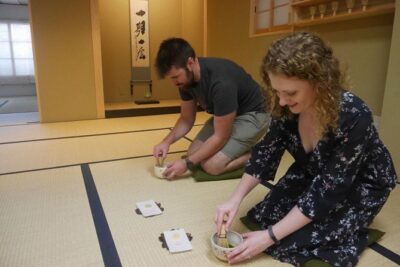
Kyoto Tea Ceremony & Kiyomizu-dera Temple Walking Tour
Read our review →
Kimono/Yukata Rental 5 Minute from Kiyomizu-dera
Read our review →
Kyoto Gion Kiyomizudera Kimono Yukata Hairstyle | Photoshoot
Read our review →
Kiyomizu Temple and Backstreets of Gion, Half Day Group Tour
Read our review →
Best of Kyoto: Red Gates of Fushimi Inari & Kiyomizu Temple
Read our review →Browse the lists this tour appears in