
Reviewed · KIYOMIZU-DERA TEMPLE TOURS
Kiyomizu Temple and Backstreets of Gion, Half Day Group Tour
Kyoto’s best introduction may be a walk that begins uphill at Kiyomizu-dera and winds downhill through old lanes into Gion. In four hours, you see major temples, small shrines, traditional wooden houses, and the city’s most famous geisha district without spending half the day figuring out the route. I especially like the mix of headline sights and quieter corners, plus the chance to ask a local guide why a place matters rather than simply taking a photo and moving on.
I also like the small maximum of eight people and the guide’s ability to adjust the pace. Guides including Mika, Takuma, Mitsuhiko, Toshi, and Kiyoto have been praised for clear explanations, warmth, and local direction. The main thing to consider is the walking: you go uphill to Kiyomizu-dera, then down through sloping historic streets, and the tour can run late.
Key points to know before you book
- Kiyomizu-dera comes first, so you tackle the main uphill section early rather than finishing tired.
- The route covers both famous and lesser-known places, including Sannenzaka, Ninenzaka, Yasaka Koshindo, Yasui-Konpiragu, and Kennin-ji.
- Gion is the finish, with a walk along Hanamikoji and traditional machiya houses.
- The group is capped at eight, giving you more room to hear the guide and ask questions.
- The guides adapt to your interests, with past tours adjusted for children, solo visitors, food stops, and particular questions about Japan.
- The $59.45 price is reasonable if you value context, navigation, and a well-planned route through Kyoto’s crowded Higashiyama district.
Why this four-hour route works so well
Kyoto can look easy on a map. Kiyomizu-dera, the old Higashiyama streets, and Gion all sit fairly close together. In practice, the area is full of slopes, narrow lanes, busy crossings, temple entrances, and small places that are easy to pass without understanding.
This tour gives you a logical route. You meet at the Kyoto Ceramic Center, climb toward Kiyomizu-dera, walk down through Sannenzaka and Ninenzaka, pause at small religious sites, and finish in Gion at 571 Gionmachi Minamigawa. You are not zigzagging across the city or wasting time looking for the next stop.
I like the way the route builds from a major temple to smaller places. Kiyomizu-dera gives you the big Kyoto view and the main cultural setting. The narrow lanes then show you how the area feels at street level. By the time you reach Gion, you have seen temples, shrines, shops, wooden houses, and a working historic district rather than only a string of famous gates.
The tour is described as a group activity with a maximum of eight people, while the guide can tailor parts of the walk to your interests. That is a useful combination. You get the social and financial advantage of a small group, but you are not locked into a rigid script.
More ways to walk Gion:
- Kyoto Geisha Walking Tour: Gion District & Hidden Gems
★ 4.7 · 3,273 reviews - Kyoto: Gion Magical Night Walking Tour with Geisha Trivia
★ 4.9 · 2,393 reviews - Kyoto: Gion Geisha District Walking Tour – Stories of Geisha
★ 4.7 · 2,187 reviews
Starting at the Kyoto Ceramic Center
The meeting point is the Kyoto Ceramic Center, at 583-1 Yūgyōmaechō in Higashiyama Ward. The center is the official shop and gallery of the Kyoto Ceramic Art Association, so the starting point fits the district well. It places you near the traditional craft culture of Kyoto before the main temple walk begins.
The listed time here is about 10 minutes, with no admission charge. Treat this as a meeting and orientation point rather than a full gallery visit. Make sure you arrive ready to walk, since the tour gets moving quickly.
This is also a practical start for anyone using public transportation, since the meeting point is near transit. The exact best route depends on where you are staying, so allow time to find the center and identify the guide before the group leaves.
Kiyomizu-dera, Kyoto’s big opening scene
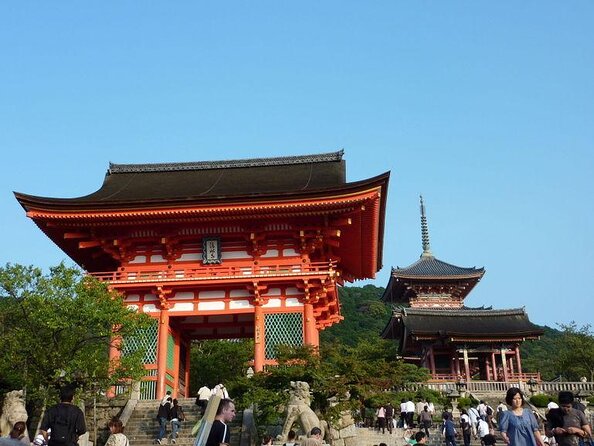
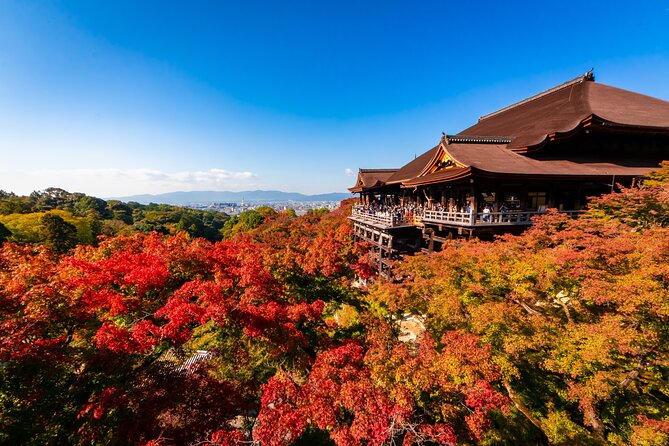
The first major stop is Kiyomizu-dera, one of Kyoto’s most visited temples and a UNESCO World Heritage Site. You have about an hour here, and admission is included.
Kiyomizu-dera is the place where a guide adds real value. The complex is large, crowded, and packed with religious symbols, architectural details, and customs that can be easy to misread. A guide can explain the cultural and historical setting as you move through the site, instead of leaving you to sort out signs and guidebook paragraphs on your own.
The temple is also a strong first stop because it gives you a sense of scale. From here, the tour shifts from a major religious landmark to the smaller streets and shrines below. You see how Kyoto’s sacred places connect with shops, homes, snack stands, and everyday city life.
Crowds are the main issue. Kiyomizu-dera is one of Kyoto’s essential sights, so the approach can be packed, especially at popular times. A guide who knows the area can keep the group moving and help you avoid missing key parts of the visit. Toshi was specifically praised for handling the crowded area and keeping the route on track.
The temple section includes an admission ticket, but you should still expect a fair amount of standing and walking. Wear shoes with good support. This is not the moment for stylish but painful footwear.
Sannenzaka and Ninenzaka, the walk downhill
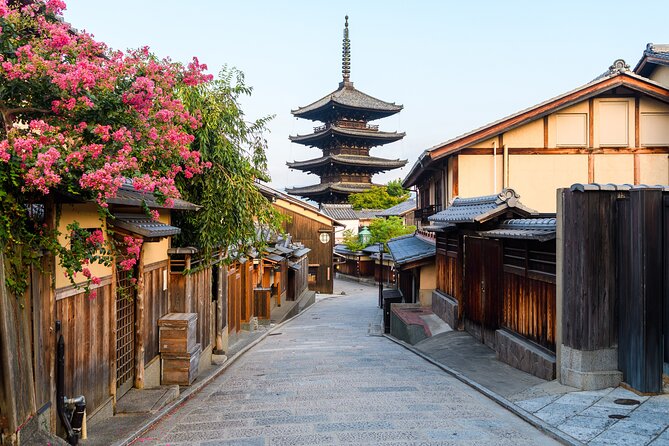
After Kiyomizu-dera, the route descends through Sannenzaka and Ninenzaka. You have about 30 minutes here, though the streets may naturally take longer if the group pauses for views, snacks, or shops.
These are historic lanes leading up to the temple. Sannenzaka is the longer and steeper slope, while Ninenzaka is somewhat gentler. Their traditional buildings, tiled roofs, small shops, and old-style street shape give you one of the clearest glimpses of Kyoto’s tourist-facing historic center.
This section is visually appealing, but it is not quiet or untouched. It is one of the busiest walking areas in Kyoto. That is precisely why a guide helps. You can focus on the buildings and local customs rather than constantly checking a map or trying to keep your group together.
The route can also be useful for food-minded visitors. One guide, Kiyoto, included Japanese snack sampling during the afternoon, and another tour ended with an optional ramen lunch. These extras are not guaranteed parts of the advertised schedule, so do not book solely for food. Still, the guide can point out suitable places and respond to your interests.
Take care on the slopes. The streets are walkable, but the paving and incline require attention. If you have children with you, tell the guide what pace works best. One family found the guide willing to adjust the walk to the children’s speed and interests.
More Kiyomizu-dera visits and hillside walks:
- Kyoto: Tea Ceremony in a Traditional Tea House in Kiyomizu
★ 4.9 · 3,519 reviews - Kyoto: Nijo Castle, Kiyomizu & Fushimi Inari Guided Tour
★ 4.7 · 700 reviews - Kyoto: Nijo, Kinkaku-ji, Arashiyama, Kiyomizu & Fushimi Inari
★ 5.0 · 699 reviews - Kyoto Tea Ceremony & Kiyomizu-dera Temple Walking Tour
★ 5.0 · 115 reviews
Small stops near the Yasaka Pagoda
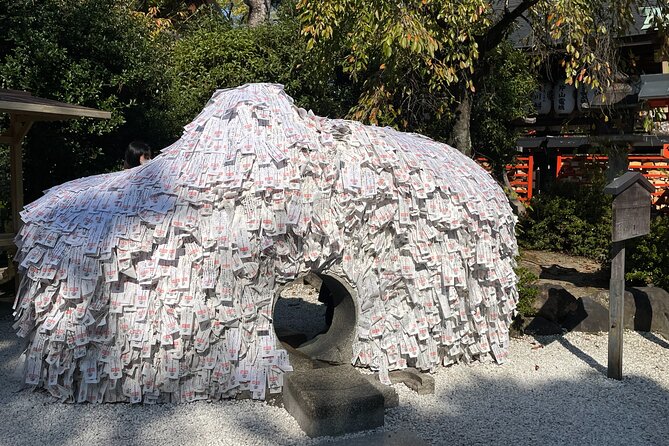
The route includes a Japanese garden near Kiyomizu-dera, known for ponds, wooden bridges, and carefully arranged plants. The supplied schedule does not name this garden or give it a set duration, so think of it as a possible peaceful pause rather than a guaranteed long garden visit.
That kind of short break can be welcome after the crowds around Kiyomizu-dera and the slopes of Sannenzaka. Kyoto’s appeal is not only its grand temples. It is also the change in mood when you step from a busy lane into a controlled, quiet garden setting.
The walk also passes the Yasaka Pagoda, a five-story landmark and one of the most recognizable structures in this part of town. The pagoda is connected with the surrounding Higashiyama district and makes a strong photo stop from the old streets.
The schedule does not assign a separate admission period for the pagoda, so your view may be from the surrounding streets rather than an interior visit. That is still worthwhile. The pagoda helps you understand the visual character of the neighborhood and gives the route a clear sense of place.
Yasaka Koshindo and its colorful charms
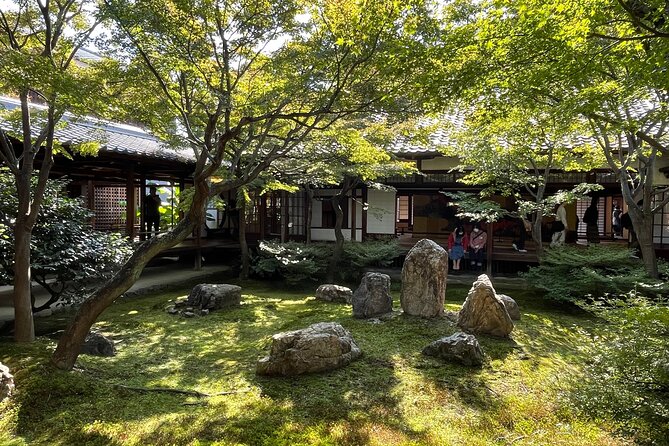
Yasaka Koshindo is a small temple near Yasaka Shrine, with about 10 minutes allowed and no admission fee. It is dedicated to Koshin, a guardian deity associated with protection from illness and misfortune.
The temple is known for colorful kukurizaru, small suspended charms shaped like bound monkeys. They create one of the most distinctive visual moments on the route. The stop is brief, but it shows how local religious practice can be expressed through color, objects, and personal wishes.
This is the sort of place that is easy to miss when walking independently. You may pass the entrance while concentrating on the larger temple ahead. A guide can explain what you are seeing and why the site matters, turning a quick photo stop into a useful cultural lesson.
Do not expect the scale of Kiyomizu-dera. The point here is the contrast. You move from a major World Heritage temple to a compact neighborhood place with its own traditions.
Yasui-Konpiragu and the meaning of cutting ties
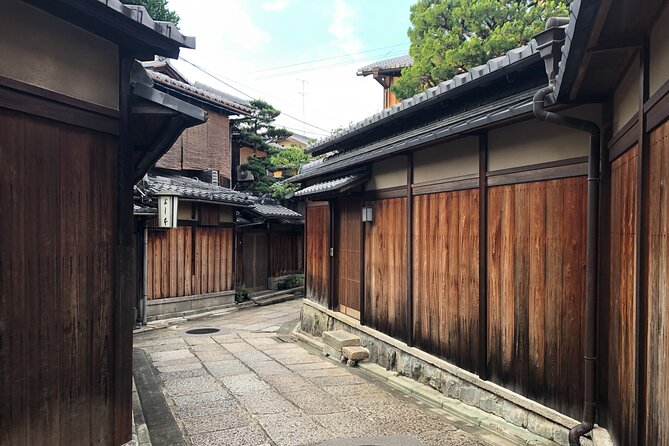
The next short stop is Yasui-Konpiragu, a Shinto shrine in Higashiyama. About 10 minutes is scheduled, and there is no admission charge.
The shrine is known for a ritual connected with ending negative relationships and forming positive ones. People visit with hopes of breaking unwanted ties, including difficult personal connections or harmful habits. It can attract long lines, so the pace here may depend on how crowded the shrine is that day.
This is a good place to learn that Japanese religious sites are not all visited for the same reasons. Some are tied to protection, some to prosperity, some to relationships, and some to personal change. The guide can explain the practice without reducing it to a simple photo opportunity.
If you want to take part in a ritual, ask your guide what is appropriate. The tour includes an explanation and visit, but the time allowance is short, and participation may not be practical if there is a queue.
Kennin-ji, a quieter half hour
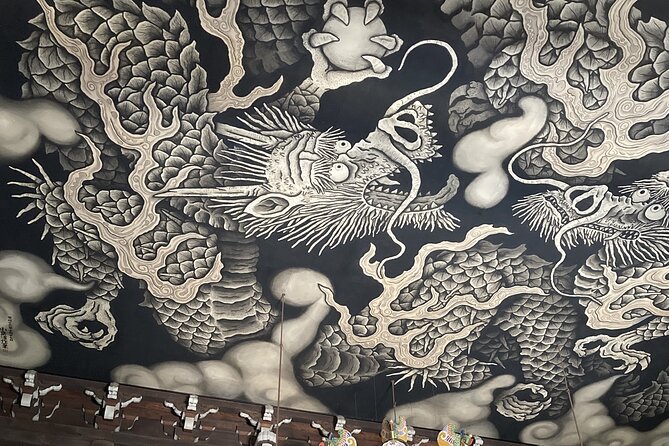
Kennin-ji receives about 50 minutes, with admission included. Founded in 1202, it is Kyoto’s oldest Zen temple. Its central location makes the calm of the grounds feel all the more welcome after the crowded Higashiyama streets.
This is one of the best parts of the route for anyone interested in Zen Buddhism. The temple offers a chance to slow down, look closely, and listen to the guide’s explanation of Zen practice and temple culture. The Dharma Hall is a major feature, and the grounds provide a more spacious setting than many of the narrow lanes earlier in the walk.
I like the timing here. Fifty minutes is long enough to do more than rush in, take a picture, and leave. It also gives the tour a quieter middle section before the final walk through Gion.
Kennin-ji still requires walking and standing, and the tour does not promise a formal meditation session. The advertised focus is learning about Zen Buddhism and seeing the temple. If meditation is your main aim, ask the guide what can realistically fit into the schedule.
Finishing in Gion on Hanamikoji
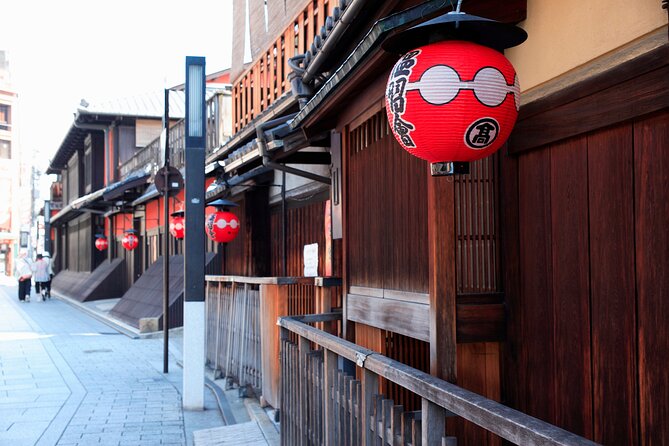
The tour ends with a walk through Gion, Japan’s largest geisha district, including Hanamikoji. The final address is 571 Gionmachi Minamigawa, in Higashiyama Ward.
Hanamikoji is lined with traditional wooden machiya houses, teahouses, shops, and restaurants. It is one of Kyoto’s most recognizable streets, but it is also a place where respectful behavior matters. This is not a theme park. People work and live here, and some lanes have restrictions on photography.
A guide can help you read the district properly. You will learn how the old buildings fit into Gion’s role as an entertainment and tea-house area, while also seeing the difference between a preserved street and a modern sightseeing zone.
The end point is convenient if you want to continue exploring Gion on your own. It also gives you a chance to ask for dinner suggestions, nearby sights, or advice about getting back to your accommodation. Kiyoto was praised for offering recommendations and answering broader Japan questions, which is useful at the end of an introductory walk.
What the guides add to the day
The strongest part of this tour is the human guide. Names associated with the experience include Mitsuhiko, Mika, Takuma, Toshi, and Kiyoto. The specific guide depends on the date, but the pattern is clear: the tour relies on friendly explanation, local navigation, and flexibility.
Mitsuhiko was praised for a good pace and careful organization. Mika was described as calm in crowded places and effective at explaining temples, shrines, Buddhism, Shinto, and Kyoto culture. Takuma Goda was noted for being personable and engaging, particularly on the uphill temple section and the walk into Gion.
Kiyoto tailored the walk to a visitor’s interests, answered questions about Japan, and offered local recommendations. These details matter because a four-hour route can feel rushed if the guide only recites facts. The best version of this tour gives you room to ask why a custom exists, what a symbol means, or where to go next.
The tour is also suitable for a solo visitor. One person used it to cover Kyoto’s main sights on a day trip from Tokyo. That is a smart use of time when you want structure without booking a full-day private guide.
Price, walking effort, and practical value
At $59.45 per person, the price is fair for a four-hour small-group walk with admission included at Kiyomizu-dera and Kennin-ji. You are paying for route planning, local guidance, cultural explanation, and help with a crowded part of Kyoto that can be frustrating to manage alone.
The value is strongest if this is your first time in Kyoto or your first visit to Higashiyama and Gion. You can see several major sights in half a day and still have time afterward for lunch, shopping, or another part of the city.
The value is weaker if you already know these districts well and prefer moving at your own speed. The route is fairly concentrated, so an independent visitor can cover much of it with a map. You would, however, lose the explanations and the benefit of someone who knows how to move through busy streets.
The walking effort is moderate to substantial. The tour starts with an uphill approach, then continues down sloping streets and through temple grounds. Comfortable walking shoes are essential. The tour operates in rain or shine, so bring suitable weather protection and avoid scheduling an important appointment immediately afterward. The end time can be delayed.
Free cancellation is available if you cancel at least 24 hours before the local start time. Changes made later are not accepted, and late cancellations are not refunded.
Who should book this Kyoto walk
I would choose this tour if you want a clear first look at Kyoto’s eastern historic districts, especially if you have only half a day. It suits solo visitors, couples, families with older children, and anyone who wants temple context without signing up for a full-day program.
It is also a good fit if you like asking questions. The guides have shown flexibility with children, food interests, cultural topics, and personal sightseeing priorities. Tell the guide early if you want more focus on Buddhist practice, Shinto customs, architecture, snacks, photography, or Gion.
I would hesitate only if steep walking is difficult for you, if crowded streets cause stress, or if you need the tour to end at an exact minute. The route is busy, the slopes are real, and the schedule can slip.
Should you book it?
Book this tour if you want to cover Kiyomizu-dera, Higashiyama, Kennin-ji, and Gion in one well-planned morning or afternoon, with a guide who can explain what you are seeing. The $59.45 cost is justified by the small group, included temple admissions, and time saved navigating Kyoto’s busiest sightseeing area.
Skip it if you prefer total independence or have already spent time in these neighborhoods. For a first visit, though, this is a practical and culturally useful way to get your bearings, learn the difference between Buddhist temples and Shinto shrines, and finish in Gion with the rest of the day still ahead.
FAQ
How long is the Kiyomizu Temple and Backstreets of Gion tour?
The tour lasts approximately four hours.
How many people can join the tour?
The group has a maximum of eight travelers.
Where does the tour start?
It starts in front of the Kyoto Ceramic Center, at 583-1 Yūgyōmaechō, Higashiyama Ward, Kyoto.
Where does the tour end?
It ends at 571 Gionmachi Minamigawa in Kyoto’s Higashiyama Ward, near Gion.
Are temple admission fees included?
Admission is included for Kiyomizu-dera and Kennin-ji. The other listed stops have no admission charge, or the schedule does not assign a separate admission ticket.
Does the tour operate in bad weather?
Yes. The tour takes place rain or shine, so you should wear comfortable walking shoes and prepare for the weather.
More Temples in Kyoto
- Kyoto: Tea Ceremony Ju-An at Jotokuji Temple
★ 4.9 · 3,207 reviews - Arashiyama Bamboo, Temple, Monkeys, or Secret Sake Brewery
★ 4.8 · 886 reviews - Kyoto: Arashiyama Bamboo Forest, Monkeys, Matcha & Temple Tour
★ 5.0 · 759 reviews - Kyoto Zen Meditation & Garden Tour at a Zen Temple with Lunch
★ 5.0 · 441 reviews
Newest Kyoto experiences on the site
- Treasures of Kyoto: Gion & historical Walking Tour★ 5.0 · 6 reviews
- Whisk Your Own Matcha: A Zen Matcha Experience at Temple★ 3.6 · 7 reviews
- Kyoto tea town for matcha lovers★ 5.0 · 16 reviews
- Uji: Private immersion into Kyoto’s tea and reglious culture★ 5.0 · 17 reviews
- Kyoto Matcha Green Tea Tour★ 4.5 · 23 reviews
- Uji and Wazuka Matcha Farm Half Day Private Guided Tour★ 5.0 · 21 reviews
- Utilising upcycled Matcha! Creating matcha incense (Uji, Kyoto)★ 5.0 · 6 reviews
- Sacred Temple Yoga Experience in Japan★ 5.0 · 3 reviews
Kiyomizu-dera Temple Tours, compared.
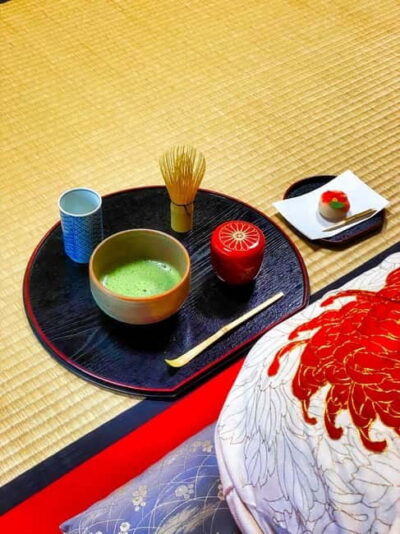
Tea Ceremony in a Traditional Tea House in Kiyomizu
Read our review →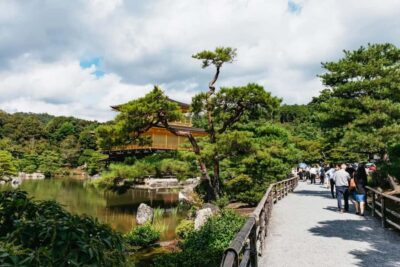
Nijo Castle, Kiyomizu & Fushimi Inari Guided Tour
Read our review →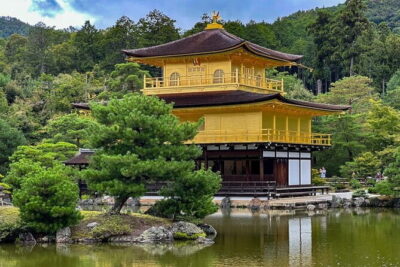
Nijo, Kinkaku-ji, Arashiyama, Kiyomizu & Fushimi Inari
Read our review →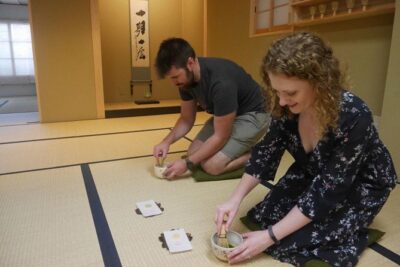
Kyoto Tea Ceremony & Kiyomizu-dera Temple Walking Tour
Read our review →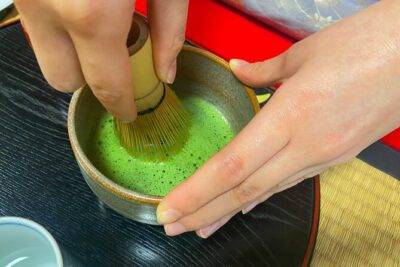
Kyoto Kiyomizu Tea Ceremony with Scenic Garden Views
Read our review →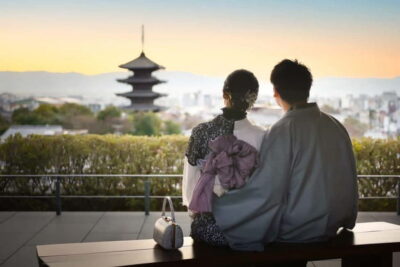
Kimono/Yukata Rental 5 Minute from Kiyomizu-dera
Read our review →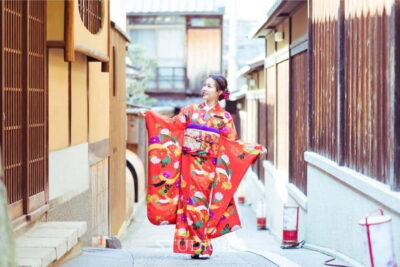
Kyoto Gion Kiyomizudera Kimono Yukata Hairstyle | Photoshoot
Read our review →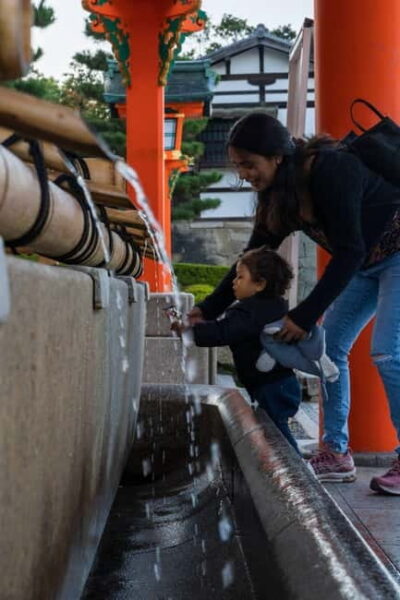
Best of Kyoto: Red Gates of Fushimi Inari & Kiyomizu Temple
Read our review →Browse the lists this tour appears in