
Reviewed · KYOTO ZEN MEDITATION
Kyoto Zen Meditation & Garden Tour at a Zen Temple with Lunch
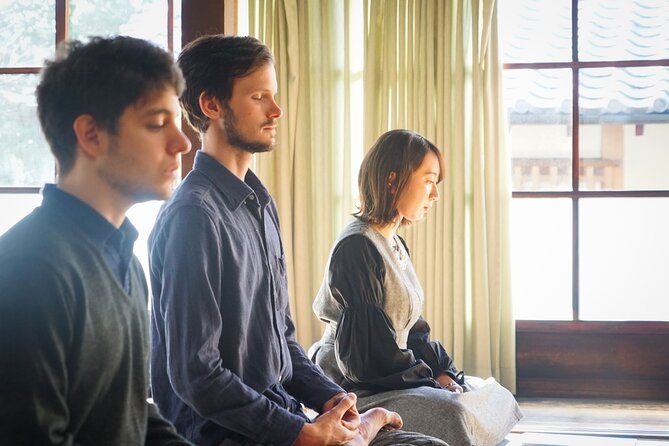
The most meaningful part of this Kyoto outing is the zazen session led by a Zen monk. You do not simply look at a temple, snap a few pictures, and move on. You learn how to sit, how to hold yourself, and how to quiet the usual noise in your head.
I like the small maximum of seven people, which gives you real time with your guide. I also like the mix of temple walks, a dry garden, meditation, and a traditional Buddhist meal. The main drawback is timing: on the 10:45 departure, lunch comes around 14:15, so you should eat a solid breakfast.
Key Points at a Glance
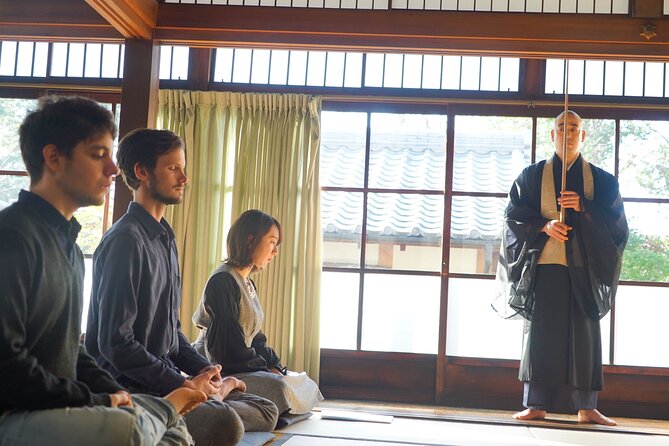
- Meditate with a resident monk: Learn the basics of zazen and sit in a working Zen temple.
- Walk through Tofukuji: See temple grounds and gardens while your guide explains Zen, Buddhism, and local customs.
- Eat a Buddhist temple-style lunch: The traditional meal is included, with food historically served by Zen monks.
- Keep the group small: A maximum of seven people makes questions and conversation much easier.
- Plan for a quiet session: Private conversation is generally not allowed during meditation, and reading materials are provided instead.
- Dress for the season: Bring water and a hat in summer, and wear thick socks when temple floors are cold in winter.
Why This Kyoto Zen Tour Feels Different
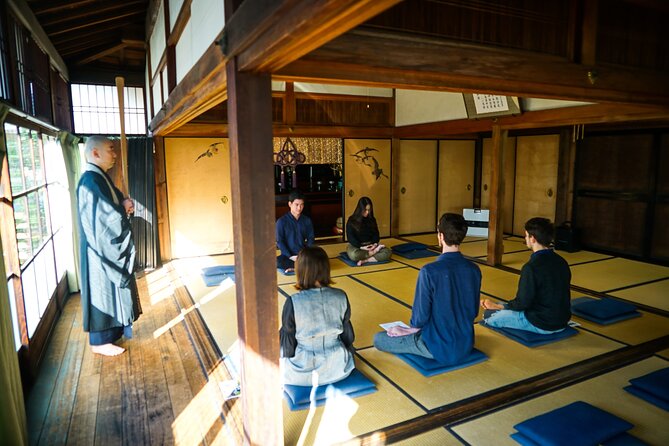
Kyoto has no shortage of temple visits, but many are passive experiences. You enter, admire the architecture, take a photo, and follow the crowd out. This tour asks you to slow down and take part.
The centerpiece is an authentic meditation session at one of Kyoto’s five major Zen temples. A monk guides you through zazen, the seated practice associated with Zen Buddhism. The session can last about an hour, with a short break in the middle. The monk may speak only Japanese, but your English-speaking guide prepares you beforehand and translates key explanations and questions afterward.
That arrangement matters. You are not expected to know how to sit or what to do with your hands. You receive an introduction before entering the meditation space, then get instruction from someone who practices within the temple tradition.
You should still set realistic expectations. This is an introduction to Zen meditation, not a private retreat or a silent monastery stay. You will walk through public temple areas, listen to explanations, and share the session with a small group. For a first experience, that balance works well.
More zen sittings and garden visits in Kyoto:
- Kyoto: Zen Experience in a Hidden Temple
★ 5.0 · 437 reviews - Kyoto: Tea Ceremony Meditation – Make Matcha with Tea Master
★ 4.8 · 406 reviews - Kyoto: Zen Meditation at a Private Temple with a Monk
★ 5.0 · 202 reviews
Starting Near Tofukuji Station
The meeting point is the FamilyMart at 12-232 Honmachi in the Tofukuji area of Kyoto’s Higashiyama Ward. It is near public transportation, but give yourself extra time to find the exact shop and arrive before the stated start.
This tour is strict about departure time. If you miss the group, you cannot join later, receive a refund, or reschedule. That policy is especially important in Kyoto, where a short walk from a station can take longer than expected around busy temple streets.
Once everyone is together, the guide leads you through the Tofukuji area. Guides such as Yutaka, Hikari, and Yuka have been praised for their clear explanations and friendly manner. The exact guide depends on your date, but the experience is built around a small-group walking format rather than a large lecture.
You will learn how Zen Buddhism shaped the temples and gardens around you. The discussion may also touch on Shinto, Buddhist practice, local customs, and the organization of the temple grounds. If you are curious, this is a good time to ask questions before the quieter part of the tour begins.
Walking Through Tofukuji’s Temple District
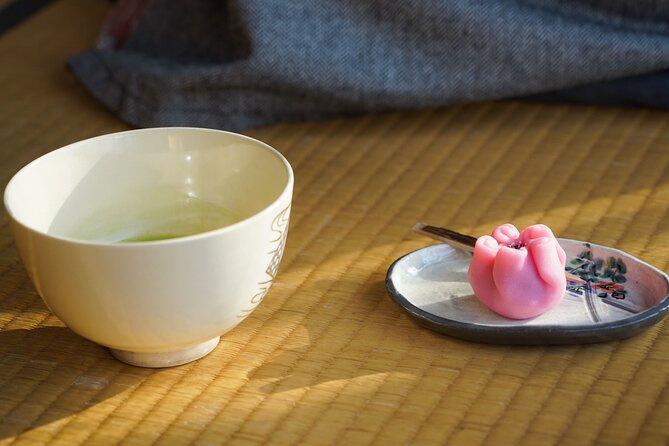
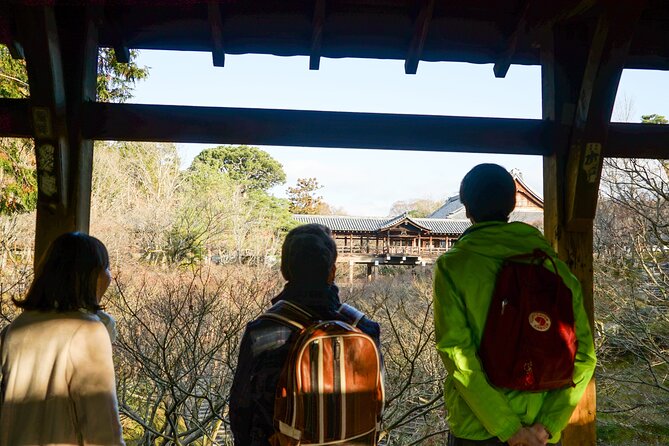
Tofukuji is one of the important Zen temple areas in Kyoto, and the walk gives you context before meditation. Rather than treating the temple as a collection of pretty buildings, the guide explains how the spaces are used and why gardens are arranged as they are.
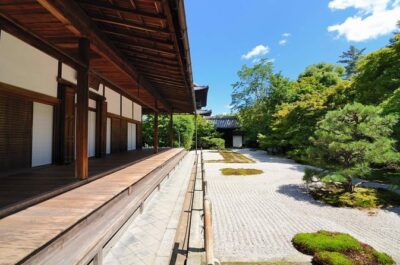
The dry landscape garden is one of the calmest parts of the route. Its rocks, gravel, and carefully controlled composition invite you to look slowly instead of hunting for a single perfect view. Your guide’s comments help connect the garden’s appearance with Zen ideas about attention, simplicity, and restraint.
You may also pass smaller temple spaces dedicated to Zen practice. One particularly meaningful stop described by participants is a smaller temple within the Tofukuji complex where the meditation session takes place. It feels more focused than a quick visit to a major hall because the group is there to practice, not only to observe.
This is also a useful portion of the tour for photography. You will have chances to admire temple details and gardens, though the mood is reflective rather than rushed. Keep your camera ready, but do not let it take over. The tour’s value comes from understanding the setting before you sit down.
Sitting With a Zen Monk
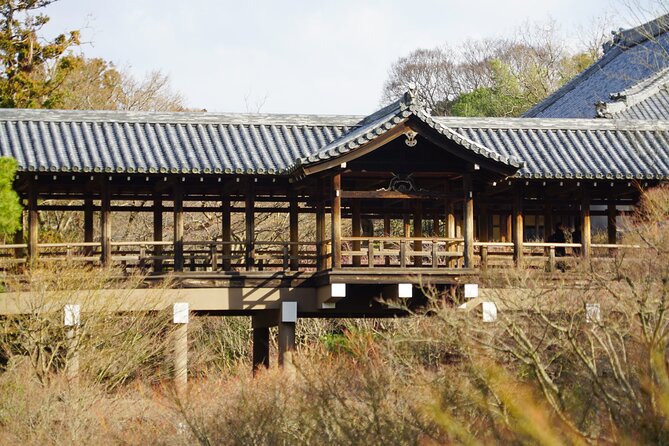
The meditation session is the reason to choose this experience over a standard temple walk. A resident monk explains the basic method and guides the group through the practice.
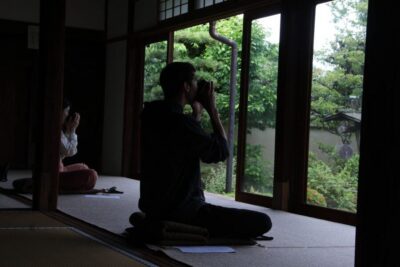
You may learn about posture, breathing, and the mental approach needed for zazen. The point is not to produce a dramatic spiritual breakthrough. It is to sit still, notice your thoughts, and return your attention to the practice.
The silence is part of the experience. Because other people are meditating, private conversation is generally not allowed during the session. You are given materials to read silently, which can help you understand what is happening without interrupting the room.
The monk may speak Japanese, with your guide translating before and after the session. Hikari, for example, has prepared participants in advance, translated additional guidance during a break, and helped with questions afterward. That support makes the experience approachable for beginners while preserving the direct connection with the monk.
At the end, there may be a chance to ask questions through the guide. This is where the session often becomes more personal. You can clarify the techniques, ask about Zen practice, or connect the meditation to the temple’s traditions.
You should know that sitting on a temple floor may be uncomfortable if you are not used to it. The information provided does not promise chairs or special seating arrangements, so wear comfortable clothes and bring thick socks in winter. Temple floors can be very cold.
More temples worth an hour in Kyoto:
- Kyoto: Tea Ceremony Ju-An at Jotokuji Temple
★ 4.9 · 3,207 reviews - Arashiyama Bamboo, Temple, Monkeys, or Secret Sake Brewery
★ 4.8 · 886 reviews - Kyoto: Arashiyama Bamboo Forest, Monkeys, Matcha & Temple Tour
★ 5.0 · 759 reviews - Kyoto: Arashiyama Bamboo, Temple, Matcha, Monkeys & secret spots
★ 5.0 · 219 reviews
A Traditional Buddhist Lunch After Meditation
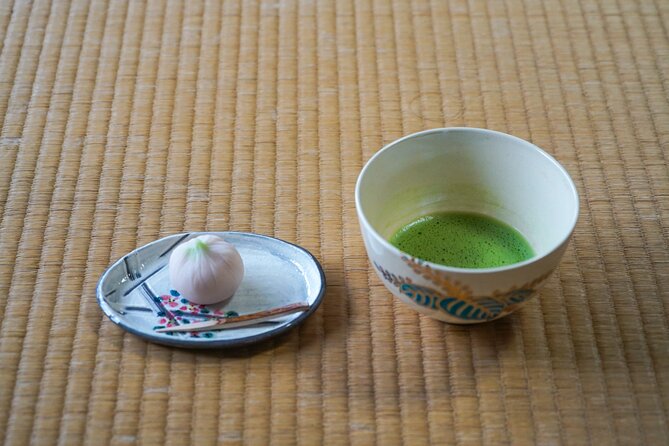
Lunch is included, and it is more than a convenient meal between sightseeing stops. You receive a traditional Buddhist meal with roots in the food served by Zen monks at their temples.
The meal is vegetarian, and participants have described it as filling and substantial. The food may be unfamiliar if you are used to quick Japanese lunches, but that is part of the point. Eating a Buddhist temple-style meal gives you another way to understand the tradition you have just encountered.
The timing depends on your departure. For the 10:45 start, lunch is scheduled around 14:15, after meditation. That is late enough to make breakfast or brunch essential. Do not assume you can simply grab something once the tour begins.
Dietary needs require advance planning. You must make requests by the day before, and the operator cannot guarantee an allergy-free meal because the food is prepared in kitchens it does not control. Substitutions may not be possible at every stop, although the guide will try to compensate at other points.
If you have a serious allergy or strict dietary requirement, contact the provider before booking and treat the meal as a limitation to investigate carefully. For most people looking for a traditional vegetarian lunch, it is a useful part of the experience. For those needing guaranteed ingredients, it may not be suitable.
What You Get for $110.10
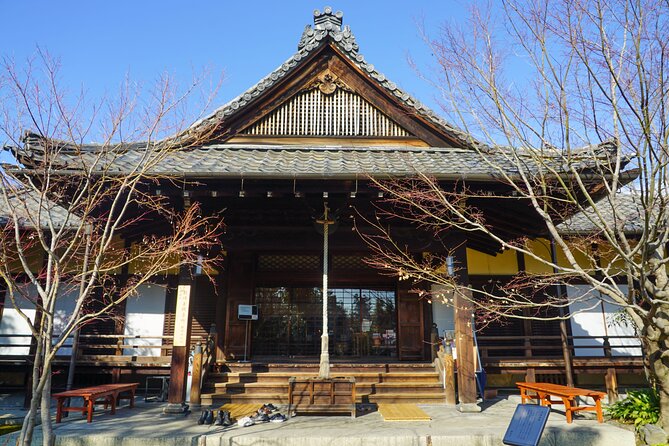
At $110.10 per person, this is not the cheapest way to see a Kyoto temple. You are paying for more than admission. The price includes temple entry, a small-group guide, the meditation session, and lunch.
The value depends on what you want from Kyoto. If you only want garden views, you can find less expensive temple visits. If you want someone to explain Zen practice, prepare you for meditation, translate a monk’s instruction, and handle the route between several stops, the price becomes easier to justify.
The group limit of seven is important here. You have a better chance to ask questions and receive individual help than you would on a large coach tour. The experience also combines several separate activities into four and a half hours, saving you the trouble of arranging temple admission, finding a meditation session, and choosing a suitable lunch.
I would consider it good value for a first visit to Kyoto, especially if Buddhism, meditation, gardens, or traditional food are central interests. It is less useful if you dislike scheduled group activities or want a completely private spiritual experience.
Timing, Weather, and What to Wear
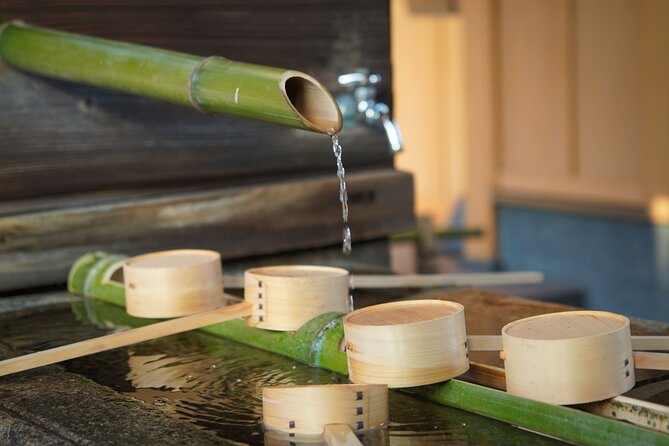
The tour lasts about four and a half hours. Much of it takes place on foot, with time spent on temple floors and in quiet indoor spaces.
Summer in Kyoto is hot and humid. Bring water and wear a hat to reduce the risk of heat exhaustion. The tour moves through temple grounds, so you should not count on staying in air-conditioned rooms for the whole morning or afternoon.
Winter brings the opposite problem. Temple floors can be very cold, and thick socks are specifically recommended. Comfortable clothing also helps during zazen, when you may sit in one position for a substantial period.
The activity is open to anyone over 12. It is best for people who can remain quiet during meditation and manage a walking tour at an easy sightseeing pace. The supplied information does not give detailed accessibility guidance, so ask the operator directly if you need specific assistance.
Where the Tour Ends
There is a small logistical wrinkle. The information says the activity returns to the meeting point, but the actual plan is to disband at the last shop. It also describes the end as near Chishaku-in Temple.
In practical terms, do not plan a tight connection from the original FamilyMart immediately after the stated end time. Ask your guide where the group will finish that day, especially if you have a train reservation or another scheduled activity.
Ending near Chishaku-in Temple can be useful if you plan to continue sightseeing in the southern Higashiyama area. It may be less convenient if you need to return to the exact starting point, so keep your afternoon flexible.
Who Will Enjoy This Experience Most
I would recommend this tour to you if you want more than a quick look at Kyoto’s famous buildings. It suits first-time visitors who want a clear introduction to Zen, solo visitors who appreciate a calm small group, and anyone curious about meditation but unsure how to begin.
It also works well for returning visitors. One participant who already knew Kyoto found that the tour added a new layer to familiar temples by explaining their purpose and philosophy. That is the strength of a good guide: the same garden feels different when you understand how it is meant to be viewed.
The tour may not suit you if you need a guaranteed allergy-free meal, dislike sitting on floors, or want to talk freely throughout the day. It is also not ideal for anyone who arrives late or needs a flexible drop-in schedule.
The strongest part of the experience is the pairing of a local guide with a resident monk. Guides such as Yutaka have been praised for sharing Kyoto with warmth and explaining small details rather than rushing from one famous sight to another. The monk provides the direct practice, while the guide gives you the cultural frame.
Should You Book the Kyoto Zen Tour?
Book it if you want a thoughtful half-day built around participation rather than sightseeing alone. The meditation session, garden visit, and Buddhist lunch create a clear arc, and the small group gives you room to ask questions.
Before booking, check three things: you can arrive early, you can wait until about 14:15 for lunch on the 10:45 departure, and your dietary needs can be met. If those points work, this is a strong choice for a quiet and meaningful Kyoto morning or afternoon.
Free cancellation is available up to 24 hours before the start time for a full refund. Changes or cancellations made less than 24 hours ahead are not accepted, so keep that deadline in mind.
FAQ
How long does the Kyoto Zen meditation tour last?
The tour lasts approximately four hours and 30 minutes.
Where does the tour begin?
It begins at the FamilyMart at 12-232 Honmachi in Kyoto’s Higashiyama Ward, near Tofukuji and public transportation.
Where does the tour finish?
The activity ends near Chishaku-in Temple. Although the itinerary describes a return to the meeting point, the plan is to disband at the last shop, so confirm the exact ending location with your guide.
Is lunch included?
Yes. A traditional Buddhist meal associated with food served by Zen monks is included.
Can dietary requests be accommodated?
Requests must be submitted by the day before the tour. Allergy-free meals and all dietary substitutions cannot be guaranteed because the food is prepared in kitchens outside the operator’s control.
What happens if I arrive late?
The tour starts on time. If you miss the group, you cannot join the tour later, receive a refund, or reschedule.
More Long Lunches in Kyoto
- Bike Tour Exploring North Kyoto plus Lunch
★ 5.0 · 1,087 reviews - Osaka/Kyoto: Arashiyama, Nara & Fushimi Inari Shrine w/Lunch
★ 4.4 · 754 reviews - 4.5-Hour Kyoto Bike Tour with Lunch and UNESCO Zen Temples
★ 5.0 · 122 reviews - From Kyoto: Nara History Guided Half Day Bus Tour with Lunch
★ 4.8 · 114 reviews
Newest Kyoto experiences on the site
- Treasures of Kyoto: Gion & historical Walking Tour★ 5.0 · 6 reviews
- Whisk Your Own Matcha: A Zen Matcha Experience at Temple★ 3.6 · 7 reviews
- Kyoto tea town for matcha lovers★ 5.0 · 16 reviews
- Uji: Private immersion into Kyoto’s tea and reglious culture★ 5.0 · 17 reviews
- Kyoto Matcha Green Tea Tour★ 4.5 · 23 reviews
- Uji and Wazuka Matcha Farm Half Day Private Guided Tour★ 5.0 · 21 reviews
- Utilising upcycled Matcha! Creating matcha incense (Uji, Kyoto)★ 5.0 · 6 reviews
- Sacred Temple Yoga Experience in Japan★ 5.0 · 3 reviews
Kyoto Zen Meditation, compared.
Tea Ceremony Meditation – Make Matcha with Tea Master
Read our review →
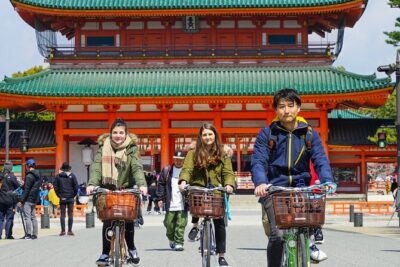
4.5-Hour Kyoto Bike Tour with Lunch and UNESCO Zen Temples
Read our review →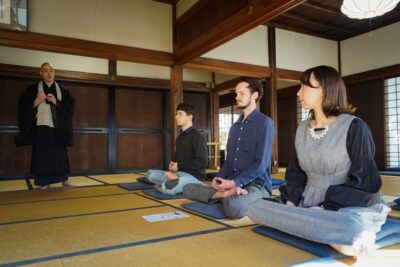
Zen Meditation and Garden Tour at a Temple with Lunch
Read our review →
Arashiyama Guided Tour, Bamboo, Monkey, Zen Temple
Read our review →Browse the lists this tour appears in