
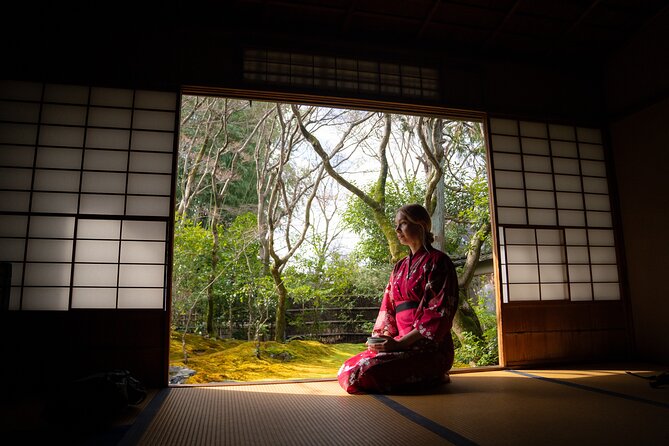
Reviewed · KYOTO ZEN MEDITATION
Kyoto: Zen Meditation at a Private Temple with a Monk
Kyoto is full of famous temples, but this experience takes you somewhere most sightseers never enter: a private temple with a resident monk. After a short walk from Kodaiji Park, you learn the basics of Zazen, sit in meditation, and talk with the monk over tea. It is a quiet change of pace from Kyoto’s crowded lanes.
I like two things here. First, the meditation is taught in a friendly, practical way, so beginners do not need to know anything about Buddhism. Second, the conversation afterward gives the visit a human side. You can ask about monastic life, Zen, and the monk’s daily routine rather than simply walk through a temple and leave.
The main consideration is the price: $91 for 90 minutes is not cheap. The meeting point at the northern side of the Kodaiji Park toilet can also be confusing, especially if your map sends you into the park instead. Arrive early and follow the guide’s day-of message carefully.
Key points at a glance
- A private temple visit: Enter a temple that is not open to the general public.
- Practical Zazen instruction: Learn posture, breathing, focus, and the basic purpose of seated meditation.
- English interpretation: Guides such as Satoru, Soma, Ruko, and Kohtaro explain the monk’s Japanese teachings in English.
- Tea and conversation: Matcha and sweets lead into an informal question-and-answer session.
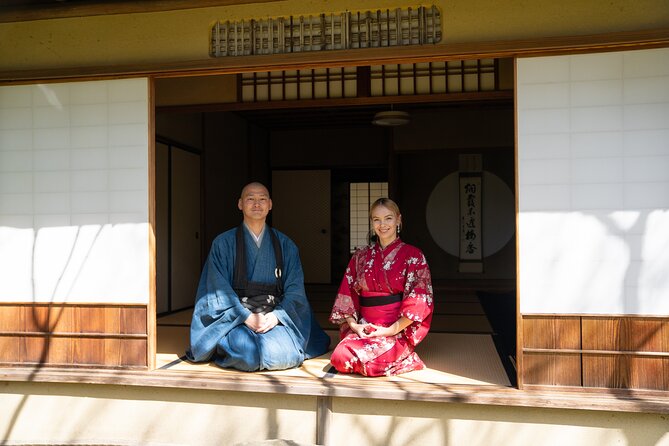
- Peaceful garden time: See the temple grounds and take photographs with the monk, where permitted.
- Small-group feel: Private and small-group options are available, making the setting more personal than a large sightseeing tour.
A quiet temple behind Kodaiji Park
The experience begins at Kodaiji Park, a useful location in Kyoto’s Higashiyama district. You meet the guide by the toilet on the northern side of the building, then walk about 10 minutes to the temple.
This short walk matters. You leave the main sightseeing flow without spending time on a bus or taxi, and the visit quickly shifts from city streets to a much quieter setting. Still, do not rely on a generic map pin. The meeting instructions have caused confusion for some people, so check the guide’s message and look for the northern side of the park toilet.
The temple itself is not open to the general public. That gives the visit a different feel from buying admission at a major Kyoto temple, following a marked route, and moving on with the crowd. You enter as part of a hosted meeting, with the guide explaining the setting and helping you understand what you are seeing.
You might find the atmosphere particularly appealing early in the day. One session began with almost nobody on the nearby stone-paved lanes, and a rainy morning made the temple even quieter. An evening time of 7 p.m. has also been offered, so check the available departure times when booking.
More zen sittings and garden visits in Kyoto:
- Kyoto Zen Meditation & Garden Tour at a Zen Temple with Lunch
★ 5.0 · 441 reviews - Kyoto: Zen Experience in a Hidden Temple
★ 5.0 · 437 reviews - Kyoto: Tea Ceremony Meditation – Make Matcha with Tea Master
★ 4.8 · 406 reviews
Meeting the monk and learning what Zen practice means
The guide gives a short introduction to Japanese culture and Zen before the monk begins the main lesson. Guides have included Satoru, Soma, Ruko, Kohtaro, and others, and the guide’s role is important because the monk generally teaches in Japanese with English interpretation.
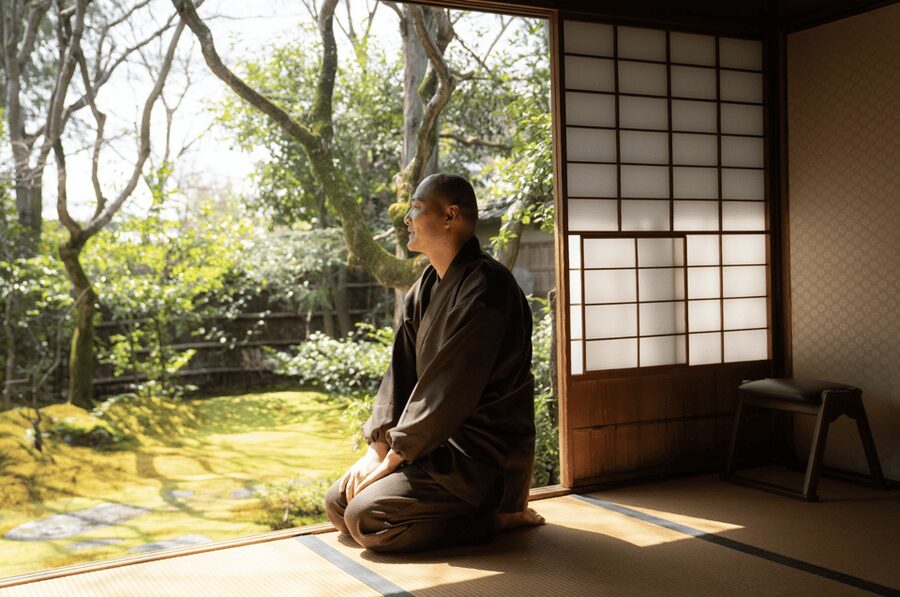
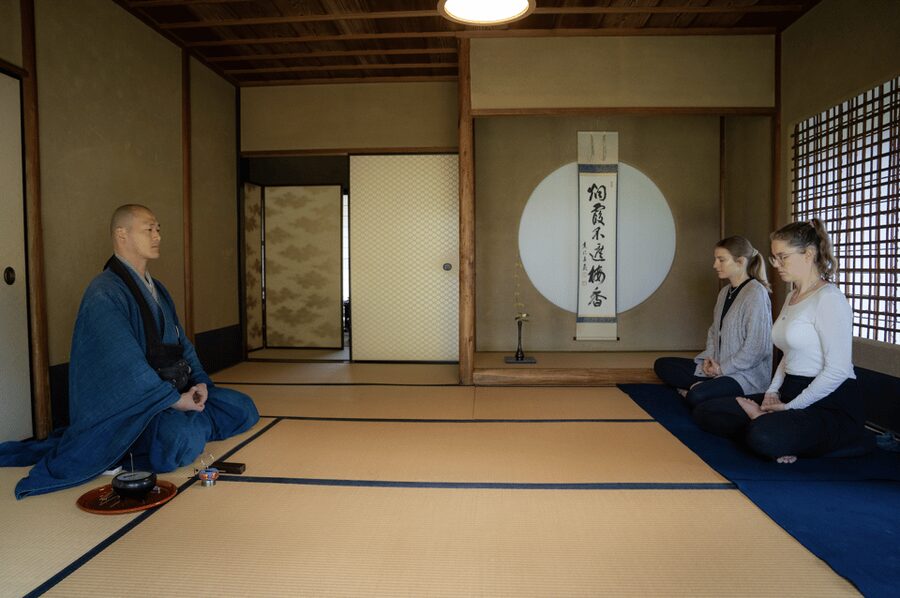
The lesson focuses on Zazen, or seated meditation, a central Zen practice. You learn why posture matters, how to sit, how to breathe rhythmically, and how to deal with the steady stream of thoughts that appears when you become quiet.
This is not presented as a test of spiritual discipline. The monk explains the method, gives you a chance to try it, and makes the practice approachable for someone who has never meditated before. People with some experience can also benefit because the temple setting and direct instruction make the session more focused than meditating alone in a hotel room.
Expect the monk to speak about attention, ego, and the habit of getting caught up in worldly concerns. The central idea is simple: sit, breathe, notice what is happening in your mind, and return your attention to the practice. You are not expected to produce a blank mind.
The English interpretation is one of the strongest parts of the experience. Satoru and Soma have been especially helpful in explaining the monk’s words clearly and respectfully. Ruko has also interpreted and helped with photographs. Since the lesson is translated rather than delivered directly in English by the monk, the pace includes pauses, but those pauses suit the subject.
What the 20-minute meditation is really like
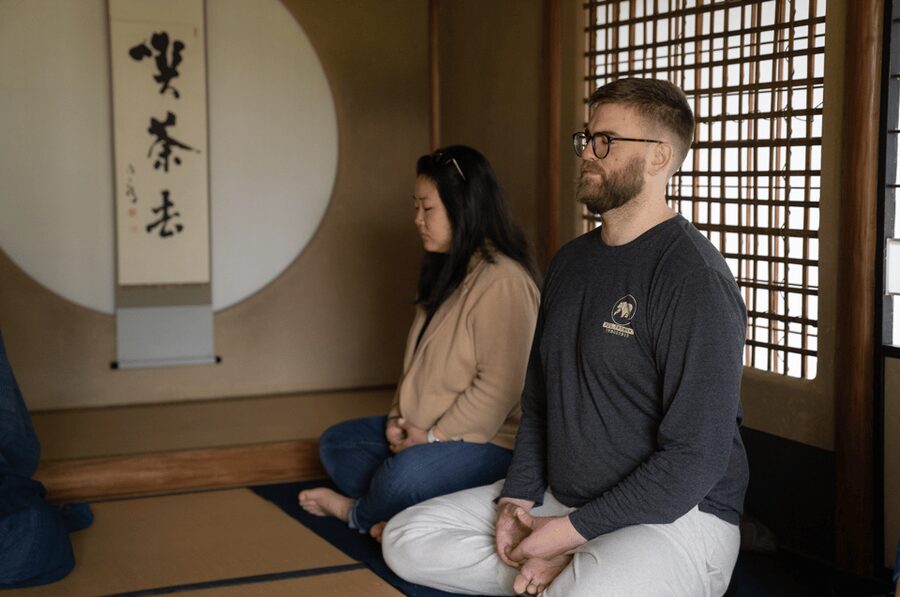
The meditation portion gives you time to try the technique rather than merely hear about it. One session lasted about 20 minutes, long enough to feel different from a quick mindfulness exercise but still manageable for a first formal attempt.
You will sit quietly and follow the guidance on posture and breathing. The atmosphere is designed to help you concentrate, but this is still meditation, not a relaxation show. Your knees, back, or thoughts may become distracting. The point is to notice those distractions and return to the breath.
I would not book this expecting a mystical breakthrough. A more realistic goal is to learn a practice you can repeat at home. Several people left with a clearer idea of how to sit, how to handle constant thoughts, and how to make meditation part of a normal routine.
The setting adds a lot. Sitting inside a private temple, with the monk leading the session, gives the practice a clear cultural context. You are not simply downloading a meditation app in a scenic place. You are learning why this form of sitting matters within Zen Buddhism.
At the same time, the experience is not a full retreat or an intensive monastic training session. The meditation is one part of a 90-minute visit, alongside teaching, translation, tea, questions, and garden time. That makes it suitable for a first introduction, but less suitable if you want several hours of silence.
Matcha, sweets, and a direct conversation
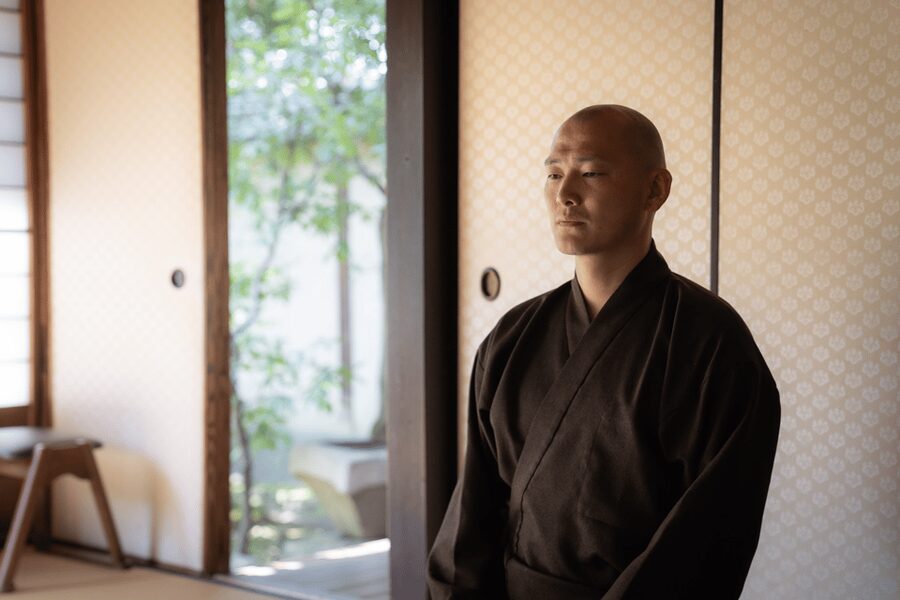
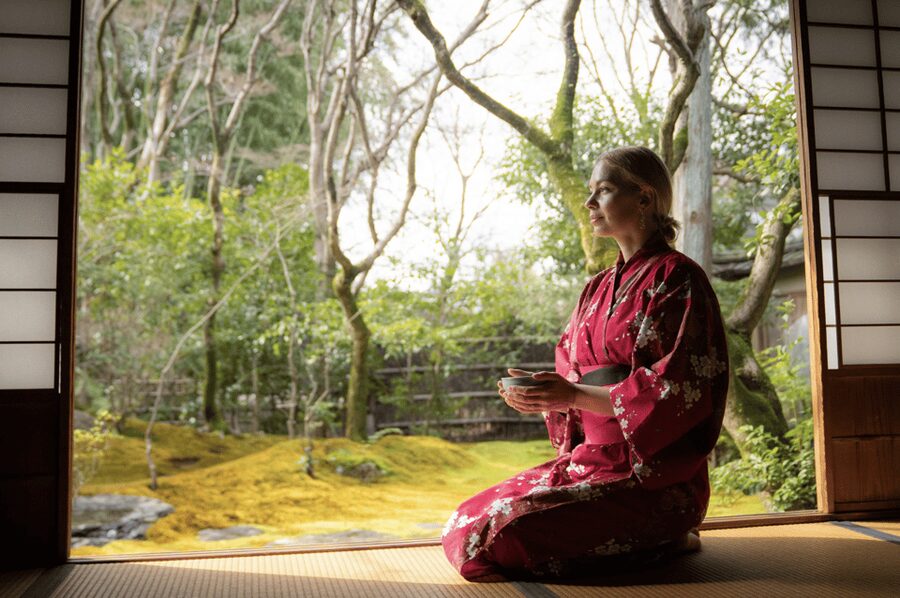
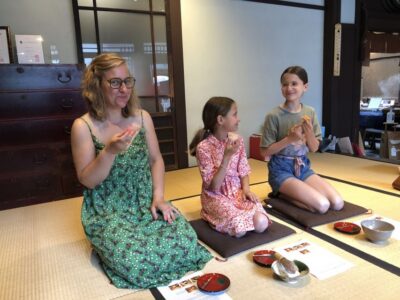
After the sitting practice, the mood becomes more conversational. You share tea and sweets, then have a chance to ask the monk questions.
This part gives the experience its personal character. You can ask about Buddhism, Zen meditation, the purpose of the practice, or what life is like for a monk in Japan. The conversation can range from formal teaching to everyday questions about his routine and family life.
The matcha and small sweets are a modest touch, but they help mark the change from instruction to conversation. You are no longer simply listening to a lecture. You are sitting with someone connected to the temple and learning through an exchange.
The monk is described as friendly, open, and willing to answer questions. That matters for beginners who might otherwise feel shy about asking something basic. The guides also help keep the discussion clear in English.
If you have a personal question about meditation, prepare it in advance. The scheduled time is limited, and the most useful conversations happen when you know what you want to ask. In at least one case, the monk spent extra time answering questions after the formal visit, but you should not count on an extended session.
More temples worth an hour in Kyoto:
- Kyoto: Tea Ceremony Ju-An at Jotokuji Temple
★ 4.9 · 3,207 reviews - Arashiyama Bamboo, Temple, Monkeys, or Secret Sake Brewery
★ 4.8 · 886 reviews - Kyoto: Arashiyama Bamboo Forest, Monkeys, Matcha & Temple Tour
★ 5.0 · 759 reviews - Kyoto: Arashiyama Bamboo, Temple, Matcha, Monkeys & secret spots
★ 5.0 · 219 reviews
A garden that rewards slow looking
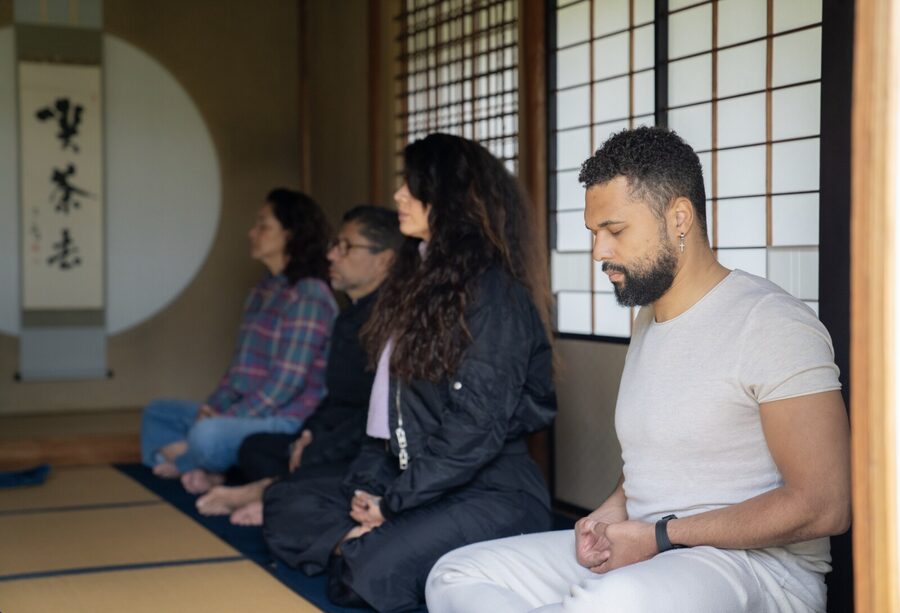
The temple garden is not just a backdrop for photographs. It gives you time to absorb the ideas from the meditation before returning to Kyoto’s busy streets.
Descriptions from past sessions highlight moss, greenery, and a calm setting. You may stroll through the garden after the meditation and conversation, taking in the design at a slower pace than you might manage at Kyoto’s larger temple complexes.
Photography is allowed as part of the experience, including pictures of the temple and, where appropriate, photographs with the monk. Ask before photographing people or private areas. The guide may also help take pictures, which is useful if you are traveling alone or want a group photograph.
The garden visit is brief, so do not expect a full garden tour by a specialist. Its value is the access and quiet. You see a private space connected to the monk’s life, not a major public attraction built around a long list of viewing points.
What the $91 price includes
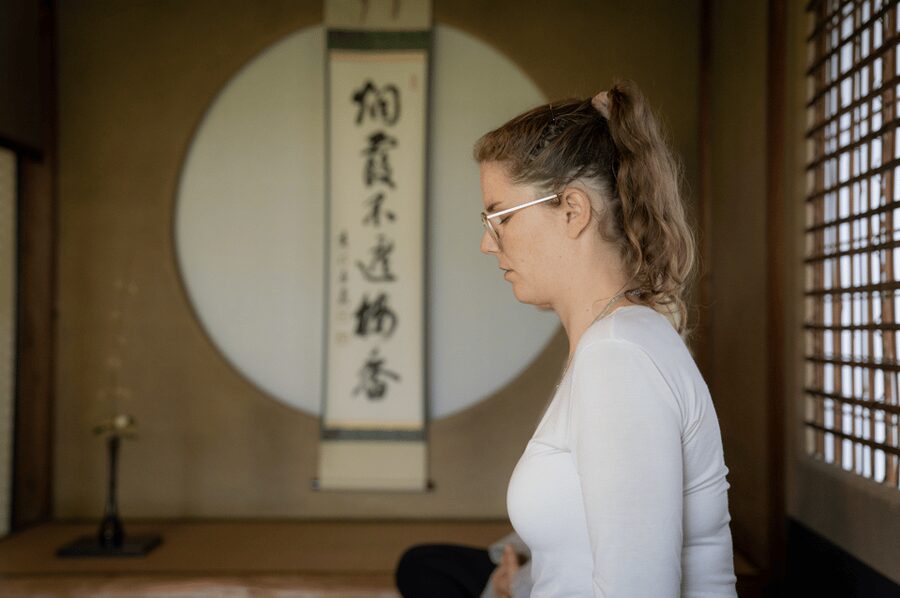
At $91 per person, this is one of those Kyoto activities where the cost makes sense only if you value access and personal instruction. You are paying for a 90-minute hosted visit, temple entry, the monk’s lecture, guided Zazen practice, English interpretation, tea, and access to a temple not open to ordinary public visits.
If you only want to sit in a temple for a few quiet minutes, the price will feel high. Kyoto has many temples that cost far less to enter, and some public temples offer meditation programs at different prices.
The value improves if you want three things together:
- A private setting rather than a public temple visit
- Clear instruction for a first meditation session
- A chance to speak directly with a monk through an English-speaking guide
The private or small-group format also matters. A small group can make it easier to ask questions and can feel more personal than a large class. Group size may vary, so check the option available for your date.
Tea and sweets are pleasant additions, but they are not the reason to book. The real value is the combination of access, translation, instruction, and conversation. If that combination is meaningful to you, $91 can be fair. If you are mainly shopping for a low-cost cultural activity, choose a public temple instead.
Who will enjoy this experience most
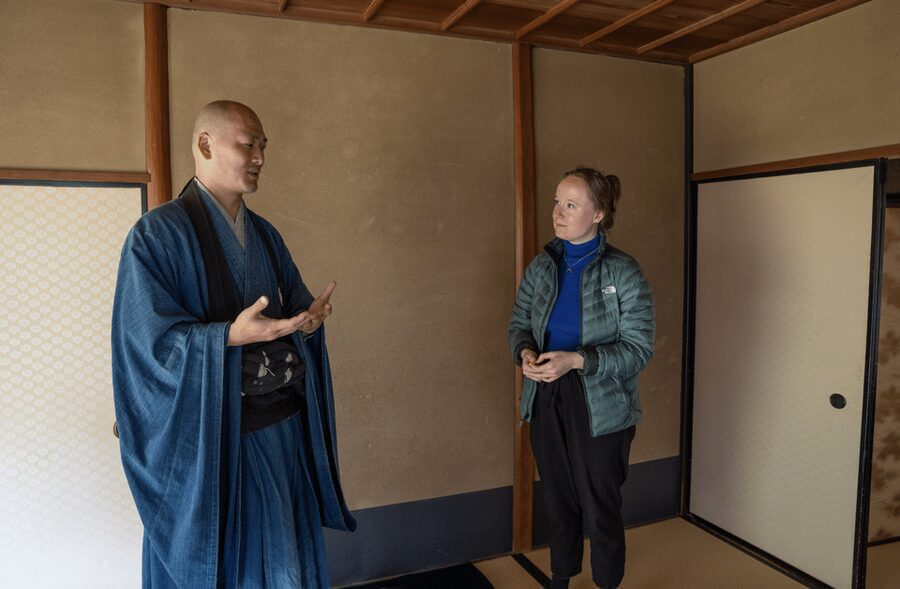
This is a strong choice for a first meditation class. You do not need previous experience, and the monk explains the basic technique before asking you to practice.
It also suits someone who already meditates and wants to understand a Japanese Zen approach. You may not learn an entirely new practice, but the setting, teaching, and chance to ask questions can add useful context.
Couples and solo visitors can both fit comfortably into the format. One person had a session with only the guide and monk, while other sessions included people from different countries. The shared silence can make a small group feel connected without requiring forced social activity.
It may also work well for teenagers aged 12 and older. A parent and teenage son found the setting a good first introduction to formal meditation. Children under 12 are not accepted.
You should think twice if you have significant mobility problems. The activity includes walking from Kodaiji Park, entering a temple, and sitting for meditation. The experience is also listed as unsuitable for people with claustrophobia or a fear of heights, so ask the provider about your specific concerns before booking.
Timing, meeting point, and useful preparation
The full activity lasts 90 minutes, with about 10 minutes of walking and roughly an hour at the temple for the guided visit and class. Starting times vary, so check the schedule for your date.
Meet at the toilet in Kodaiji Park, on its northern side. This is unusually specific, but it is important. Do not simply enter Kodaiji Park and wait near a general map pin. Send a message or check the meeting instructions if you are unsure.
Wear something that allows you to sit comfortably. The supplied information does not specify a dress code, but meditation is easier when clothing does not restrict your legs or waist. Plan to arrive with enough time to find the toilet and the correct side of the building.
The tour does not include transportation. You make your own way to Kodaiji Park, then walk with the guide. The temple is in Kyoto, on Honshu, and the meeting location is convenient for people already visiting the Higashiyama area.
The experience is offered in English with a live guide. The monk may teach in Japanese, with the guide translating. This arrangement has worked well, but it means the lesson will not have the same pace as a direct English conversation.
Should you book this Kyoto Zen experience?
Book it if you want a small-scale cultural encounter, not just another temple entrance. The private setting, practical Zazen lesson, gentle monk, skilled English interpretation, tea, and garden make a well-rounded 90-minute visit.
I would especially recommend it for first-time meditators, people curious about Buddhist life in Japan, and anyone needing a quiet morning or evening away from Kyoto’s crowded sights. It can be a thoughtful way to begin a Kyoto stay, when the city’s pace has not yet taken over.
Skip it if $91 feels too high for a short activity, if you want a long silent retreat, or if sitting and walking are difficult for you. Also take the meeting point seriously. With that small practical issue handled, this is one of the more personal ways to connect with Kyoto beyond its famous gates and souvenir streets.
FAQ
How long does the Zen meditation experience last?
The activity lasts 90 minutes, including the walk from Kodaiji Park, the temple visit, instruction, meditation, tea, and discussion.
Where is the meeting point?
Meet at the toilet in Kodaiji Park. The guide waits on the northern side of the toilet.
How far is the temple from Kodaiji Park?
The walk from the starting point to the private temple takes about 10 minutes.
Is transportation included?
No. Transportation is not included. You meet the guide at Kodaiji Park and walk to the temple.
Is the experience conducted in English?
Yes. The experience includes a live English-speaking guide. The monk may teach in Japanese, with English interpretation from the guide.
Do I need meditation experience?
No. The activity includes a lecture on Zazen principles and techniques, followed by guided practice. It is suitable for beginners.
What is Zazen?
Zazen is seated meditation and a central practice of Zen Buddhism. The lesson covers posture, breathing, and techniques for focusing the mind.
Is tea included?
Yes. The experience ends with tea and sweets, followed by a discussion with the monk.
Can I take photographs?
You can take photographs of the temple and gardens, and photographs with the monk are part of the experience. Ask the guide before photographing private areas or people.
Is the activity suitable for children?
Children under 12 are not permitted. The experience is intended for participants aged 12 and older.
Can I cancel the booking?
You can cancel up to 24 hours in advance for a full refund. You can also reserve now and pay later, subject to the booking conditions.
Are private bookings available?
Yes. Private and small-group options are available.
Newest Kyoto experiences on the site
- Treasures of Kyoto: Gion & historical Walking Tour★ 5.0 · 6 reviews
- Whisk Your Own Matcha: A Zen Matcha Experience at Temple★ 3.6 · 7 reviews
- Uji: Private immersion into Kyoto’s tea and reglious culture★ 5.0 · 17 reviews
- Kyoto tea town for matcha lovers★ 5.0 · 16 reviews
- Kyoto Matcha Green Tea Tour★ 4.5 · 23 reviews
- Uji and Wazuka Matcha Farm Half Day Private Guided Tour★ 5.0 · 21 reviews
- Utilising upcycled Matcha! Creating matcha incense (Uji, Kyoto)★ 5.0 · 6 reviews
- Sacred Temple Yoga Experience in Japan★ 5.0 · 3 reviews
Kyoto Zen Meditation, compared.
Kyoto Zen Meditation & Garden Tour at a Zen Temple with Lunch
Read our review →
Tea Ceremony Meditation – Make Matcha with Tea Master
Read our review →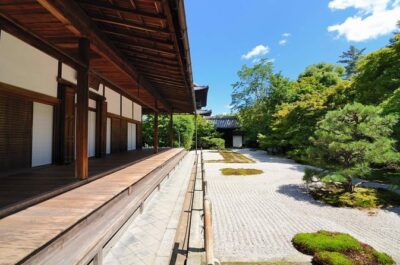
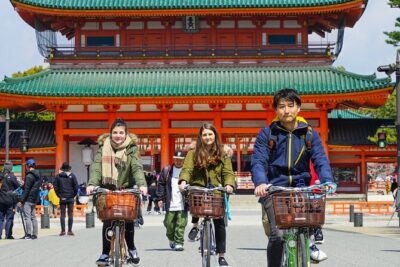
4.5-Hour Kyoto Bike Tour with Lunch and UNESCO Zen Temples
Read our review →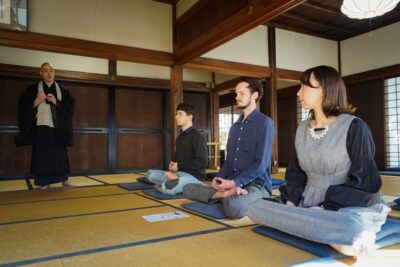
Zen Meditation and Garden Tour at a Temple with Lunch
Read our review →
Arashiyama Guided Tour, Bamboo, Monkey, Zen Temple
Read our review →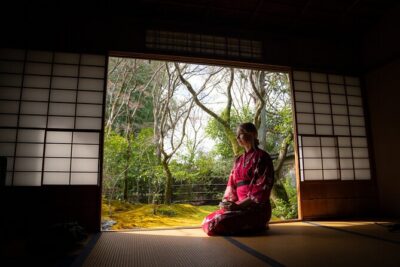
Browse the lists this tour appears in