
Reviewed · ARASHIYAMA BAMBOO GROVE TOURS
Kyoto: Arashiyama Guided Tour, Bamboo, Monkey, Zen Temple
Arashiyama’s best sights come together in one energetic three-hour walk, ending with wild macaques and wide views over Kyoto from Iwatayama. The bamboo grove is beautiful, but the monkeys give this outing its real spark.
I like the thoughtful mix of Zen gardens, river scenery, and wildlife. I also like the human touch: guides such as Kanako, Hiro, Nabet, and Hiraki have helped families, taken photos, explained temple details, and adjusted plans when needed. The main drawback is the climb to Monkey Park, which can feel tough in hot weather or poor shoes.
Key points at a glance
- Bamboo before the crowds: Spend about 40 minutes walking the famous Arashiyama Bamboo Forest with a guide who explains what you are seeing.
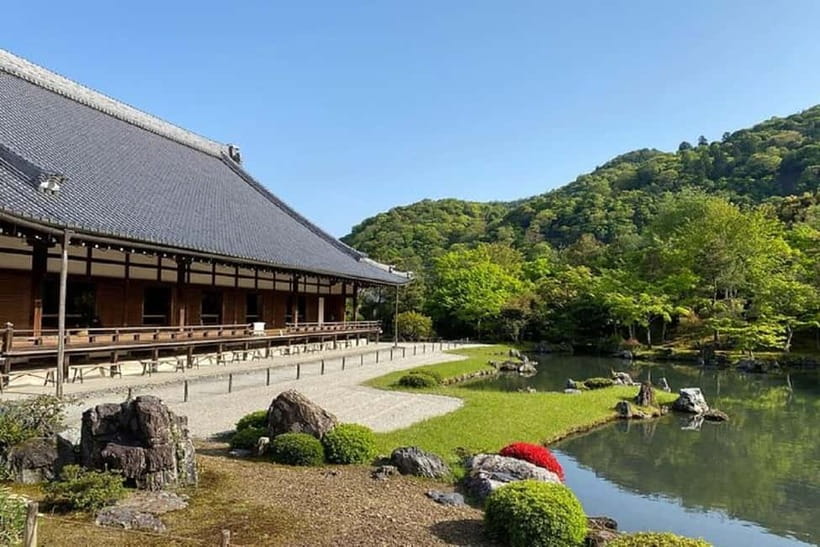
- Tenryu-ji adds calm and context: The UNESCO World Heritage temple and its gardens provide a quieter, more reflective stop.
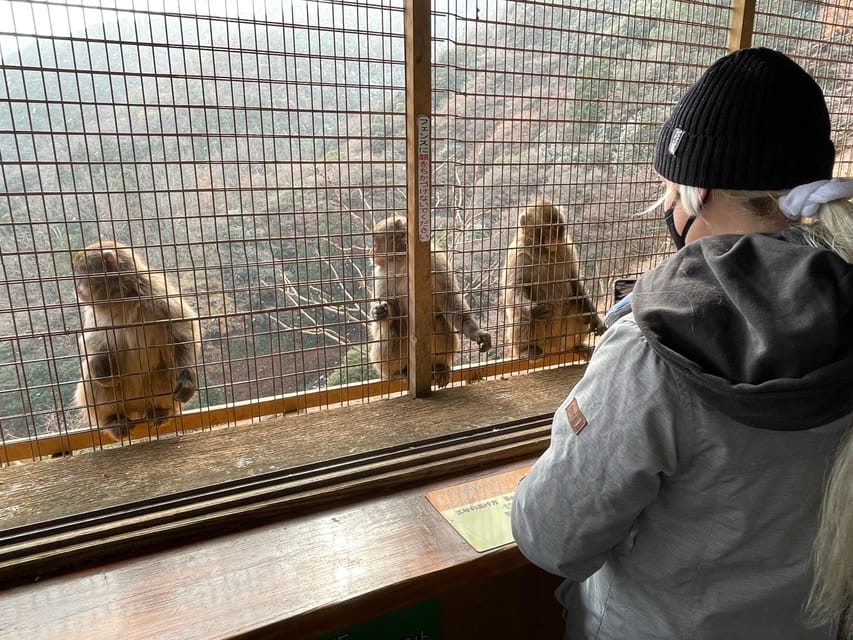
- The monkey park requires effort: Allow for a moderate uphill walk, but you get close views of macaques and broad Kyoto views at the top.
- A compact route with variety: In three hours, you cover forest, temple, river, bridge, mountain, and wildlife.
- Good for families and small groups: Guides have adapted the experience for children and have offered alternative activities when someone could not manage the mountain walk.
- Bring proper shoes and water: The walk is manageable for many people, but the Monkey Park climb is the part to take seriously.
Why this Arashiyama tour works
Arashiyama can feel like several different Kyoto trips packed into one district. You have bamboo groves, a major Zen temple, a broad river, wooded hills, and monkeys living on a mountainside. The route brings these pieces together without asking you to plan each stop yourself.
At $74 per person, the price is not simply for admission to a few sights. You are paying for a live guide, a planned walking route, explanations at each stop, and help with the day’s rhythm. That can be good value if you want context and do not want to spend time working out which entrance, bridge, path, or hill comes next.
The three-hour length is also useful. You see the main Arashiyama sights without giving up an entire day in Kyoto. At the same time, this is not a slow, lingering temple visit. You move from stop to stop, so you should arrive ready to walk.
The tour is available as a private or small-group experience, with English or Japanese guiding. A private format can be especially useful for families, since the pace may be adjusted more easily. Guides have accommodated different needs, including arranging another activity for a person who decided not to make the mountain climb.
More Arashiyama monkey park trips:
- Kyoto Arashiyama Walking Tour: Bamboo, Monkeys, Gardens & Secrets
★ 5.0 · 1,216 reviews - Arashiyama Bamboo, Temple, Monkeys, or Secret Sake Brewery
★ 4.8 · 886 reviews - Kyoto: Arashiyama Bamboo Forest, Monkeys, Matcha & Temple Tour
★ 5.0 · 759 reviews
Starting at JR Saga-Arashiyama Station
You meet in front of the ticket gate at JR Saga-Arashiyama Station. Look for the guide holding a yellow DeepExperience sign. This is a practical meeting place because it gives you a clear landmark and avoids the confusion of trying to meet somewhere inside the bamboo grove.
Arrive ready to begin on foot. Hotel pickup and drop-off are not included, and food and drinks are also your responsibility. The activity information does not specify a private vehicle or local transport during the route, so plan on walking between the stops.
The guide may be one of several people, including Kanako, Hiro, Nabet, or Hiraki. The strongest feedback points to friendly guiding, clear explanations, and help with photographs. That matters in Arashiyama, where a good guide can turn a quick look at a temple roof or garden feature into something you understand.
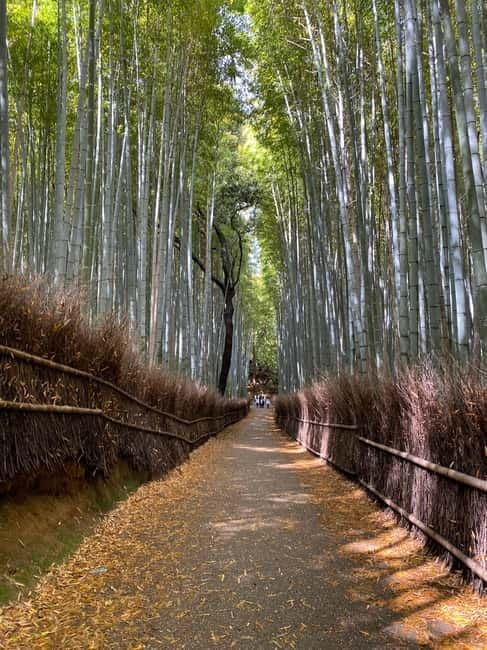
Walking beneath the Arashiyama bamboo
The Bamboo Forest Path gets about 40 minutes of guided attention. This is enough time to walk through the tall green stalks, pause for photos, and hear about the area rather than simply passing through with a camera in hand.
The bamboo is the visual star of Arashiyama. Tall stalks crowd both sides of the path, and the filtered light gives the walk a cooler, quieter feeling than the streets outside. The path is attractive in any season, though the experience still depends on how busy it is and how quickly your group moves.
This is where a guide helps most with orientation and timing. You can take pictures, but the point is not only to collect a famous image. Listen for the explanation of the forest, nearby shrines, and the role these places play in Kyoto’s culture. One guide has also been praised for taking photos of the group, a small service that lets you enjoy the walk without assigning one person to camera duty.
Keep your expectations sensible. The bamboo path is scenic, but it is not a long wilderness hike. It is a popular route, and the tour gives you a taste of it rather than hours of solitude. If you want quiet photographs, your best chance comes from following the guide’s timing and staying alert for less crowded moments.
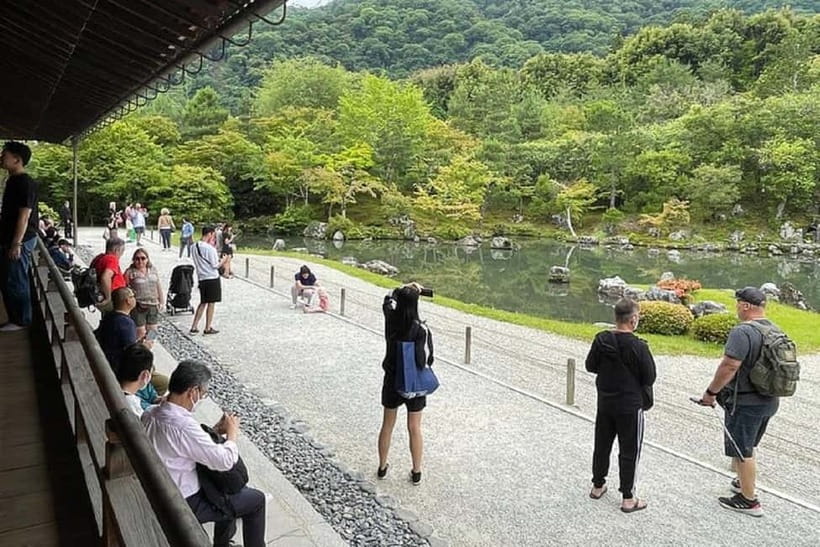
Tenryu-ji and its carefully shaped gardens
Next comes Tenryu-ji, with about 40 minutes for the visit. This is the most important cultural stop on the route and gives the tour more substance than a simple photo walk.
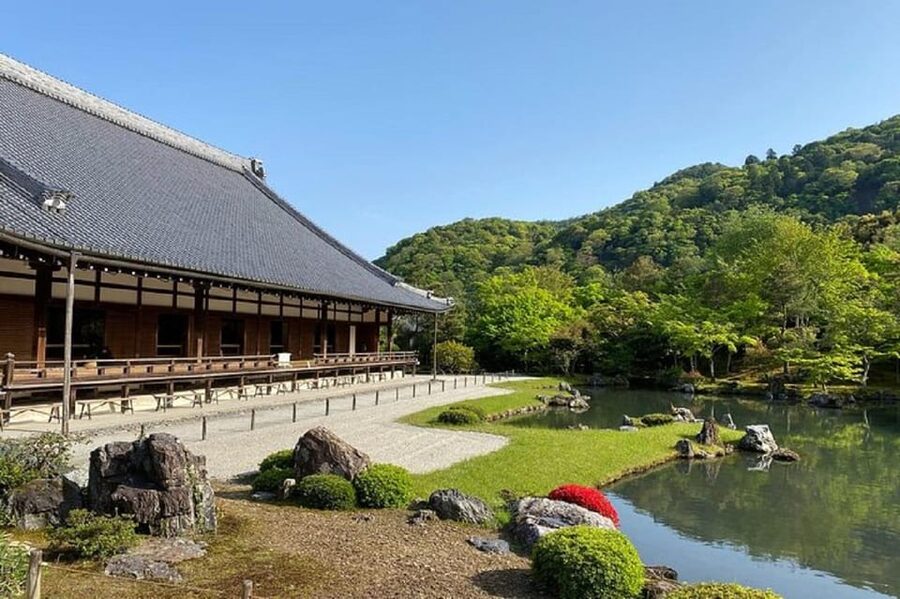
Tenryu-ji is a UNESCO World Heritage site and one of Arashiyama’s signature temples. Its gardens are designed to frame the surrounding hills and water in a controlled, deliberate way. After the vertical bamboo, the open garden setting feels like a change of pace.
A guide can explain the Zen ideas behind the temple and point out details you might otherwise overlook. Hiraki received special praise for explaining the Zen temple and Kyoto’s background in a way that made the visit more interesting. That kind of local context is valuable here because temple gardens can look simple at first glance. Their arrangement, empty space, borrowed scenery, and seasonal changes are part of the experience.
Forty minutes is enough for a focused visit, but you should not expect to study every corner of the temple grounds. The schedule has several more stops ahead. If Tenryu-ji is your main reason for visiting Arashiyama, a separate visit could give you more time. On this tour, the temple works well as the quiet center between the bamboo and the monkey park.
One nice detail from the guiding experience is flexibility. When one person did not have suitable shoes for the mountain walk, guide Hiro arranged another activity and showed the ceiling painting of the Water Dragon instead. That option is not presented as a standard part of every tour, so do not count on it in advance. Still, it shows the benefit of having a person with you rather than following a fixed route on your own.
More mornings in Arashiyama and the bamboo grove:
- Kyoto: Fushimi Inari, Kinkakuji, Bamboo Grove 1 Day Bus Tour
★ 4.8 · 4,316 reviews - Osaka/Kyoto:Kinkakuji,Arashiyama,FushimiInariShrine,NaraPark
★ 4.1 · 1,596 reviews - Kyoto/Osaka: Nara, Fushimi Inari Taisha, Arashiyama Bus Tour
★ 4.7 · 1,275 reviews - Osaka/Kyoto: Arashiyama, Nara & Fushimi Inari Shrine w/Lunch
★ 4.4 · 754 reviews
Togetsukyo Bridge and the Katsura River
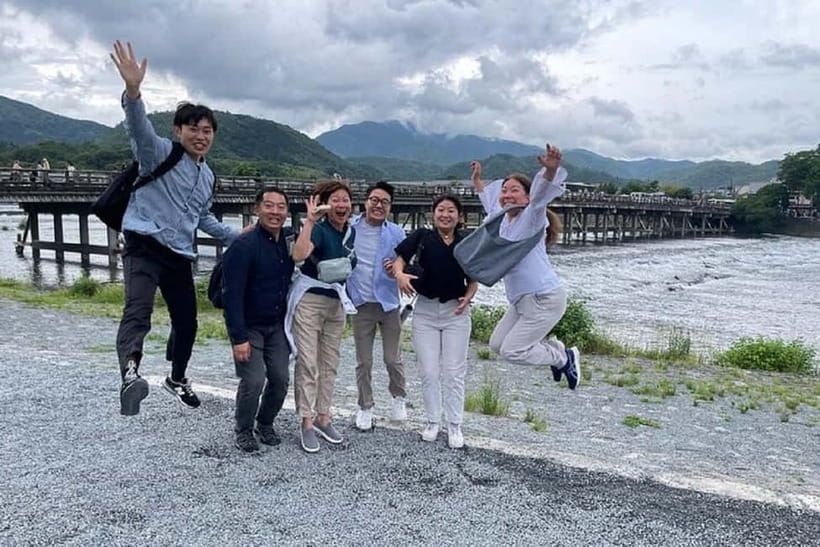
The stop at Togetsukyo Bridge lasts about 20 minutes and is mainly for photographs. This is a short pause, but it breaks up the temple visit and gives you one of Arashiyama’s broadest views.
From the bridge, you look across the Katsura River toward the surrounding mountains. The scene has a different character from the narrow bamboo path and enclosed temple garden. Here, the view opens outward, and the river gives the district its sense of space.
Twenty minutes is a sensible amount of time for a photo stop. You can take pictures, enjoy the view, and hear a little about the area without turning the bridge into a long sightseeing session. The guide can also help position your group for a better photo, something several guides have done during the experience.
Because this is a walking tour, the bridge is more than a quick picture. It gives your legs a brief change from forest paths and prepares you for the uphill section to come. If the weather is hot, use this pause to drink water before heading to Iwatayama.
The climb to Iwatayama Monkey Park
The final major stop is Iwatayama Monkey Park, with about 40 minutes for the visit and guiding. This is the most unusual part of the tour and the reason many families will remember it.
The park is on Iwatayama Mountain, so getting there involves a moderate climb. The walk is not a flat stroll through a zoo. You are heading uphill to a place where macaques live in their natural setting. The effort is part of the experience, but it also sets a limit for anyone with reduced stamina, small children who tire easily, or unsuitable footwear.
Once at the park, you can observe the macaques up close and feed them according to the park’s arrangements. Children in particular may enjoy this section, and guides such as Kanako have helped make the experience work well for families. Keep in mind that these are wild animals, not tame performers. Follow the guide’s instructions and the park’s rules around feeding and contact.
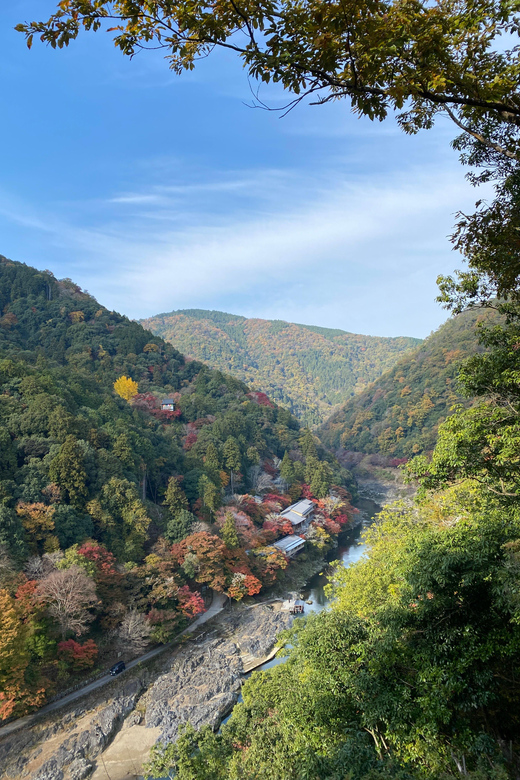
The reward is not only the monkeys. From the hilltop area, you get panoramic views over Kyoto. After the enclosed bamboo and the garden’s framed views, this final stop gives you height and distance. It is a satisfying finish, though you may feel the climb in warm weather.
The schedule allows about 40 minutes at the park, so expect a focused visit rather than a long stay. If you spend time feeding and watching the macaques, then take in the view, the time will pass quickly. Wear comfortable shoes, bring water, and dress for the weather. Those are not minor suggestions here.
The tour finishes at Arashiyama Park’s Nakanoshima area. That ending is useful because you are already close to the river and central Arashiyama sights. You can continue exploring afterward, find food, or make your own way back without returning to the original station with the guide.
What guides add to the experience
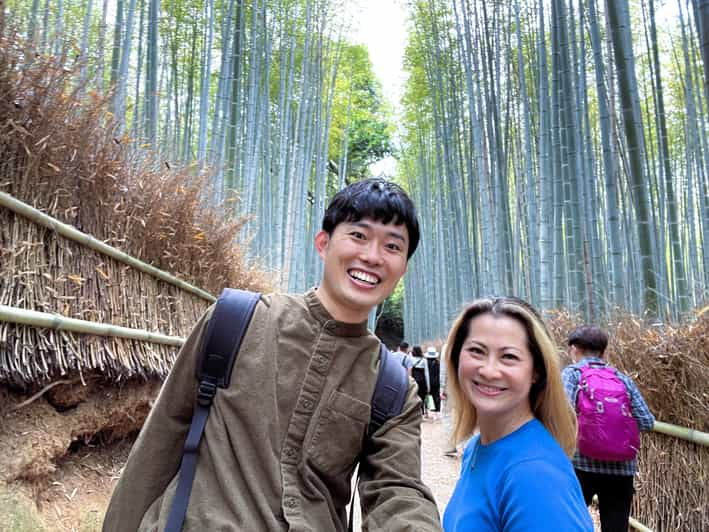
The guide is the difference between a pleasant walk and a useful introduction to Arashiyama. The strongest part of this experience is not just knowing the route. It is having someone explain the meaning of the temple, the design of the garden, and the story behind the places you are seeing.
Guides named in the feedback include Kanako, Hiro, Nabet, and Hiraki. Kanako has been especially good with families and children, while Nabet helped make the bamboo, temple, and monkey park feel connected rather than like separate stops. Hiro has shown flexibility when the mountain walk was not suitable, and Hiraki has given especially strong explanations of Kyoto and Zen.
You should not assume that you can select a particular guide when booking unless that option is offered. Still, these examples show the level of personal attention the experience can provide, particularly in a private or small group.
English and Japanese guiding are available. If you need help with photographs, ask. Guides have taken pictures for groups, which is useful at the bridge, in the bamboo, and at the temple.
Is $74 a fair price?
The value depends on how you normally travel. If you are comfortable navigating Kyoto, reading background information in advance, and visiting the stops on your own, you can likely spend less by arranging an independent outing. The tour’s price makes more sense if you want a guide to connect the sights and keep the three-hour route moving.
The tour includes the guided Arashiyama visit, Tenryu-ji, the Bamboo Forest, and Iwatayama Monkey Park. Food, drinks, personal spending, and hotel transport are not included. You should budget for your own refreshments, especially because the route includes a climb.
The private or small-group format adds value for families and people who prefer a more relaxed pace. It can also help if your group wants explanations in English and the chance to ask questions without a large crowd around you.
Free cancellation is available up to 24 hours before the start time, and you can reserve now and pay later. Those terms give you some flexibility when Kyoto plans are still shifting.
Who should book this walk?
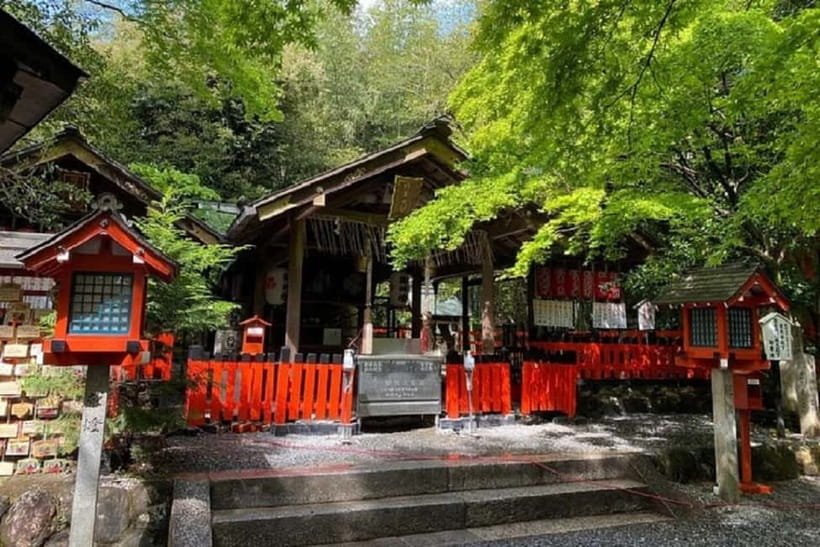
I would recommend it to first-time Kyoto visitors who want Arashiyama’s main sights in a tidy half-day format. It is also a strong choice for families, since the route mixes visual highlights, animals, temple gardens, and stories that can hold a child’s attention better than a temple-only outing.
It suits people who enjoy walking and do not mind a moderate uphill section. It is less suitable if you want a slow temple visit, have difficulty with hills, or prefer to avoid popular sightseeing areas.
Go prepared. Wear comfortable shoes, check the weather, bring water, and carry a camera if you want photos of the bridge, bamboo, gardens, and Kyoto views. Warm conditions can make the monkey park climb feel harder than expected.
FAQ
Where does the tour meet?
The meeting point is in front of the ticket gate at JR Saga-Arashiyama Station. The guide will hold a yellow sign with the DeepExperience logo.
How long does the Arashiyama tour last?
The tour lasts three hours. The route includes the Bamboo Forest, Tenryu-ji Temple, Togetsukyo Bridge, and Iwatayama Monkey Park.
What languages are available?
Live guiding is available in English and Japanese.
Does the tour include Tenryu-ji Temple?
Yes. A visit to Tenryu-ji and its gardens is included.
Do I need comfortable shoes?
Yes. The tour involves a moderate amount of walking, including a climb to Iwatayama Monkey Park. Comfortable shoes are strongly recommended.
Are food and hotel transfers included?
No. Hotel pickup and drop-off, food, drinks, and personal expenses are not included.
Should you book it?
Book this tour if you want Arashiyama’s famous bamboo, temple, river, and monkeys explained by a guide in one compact outing. The best reasons are the varied route, family-friendly guiding, and the chance to finish with macaques and a high view over Kyoto.
Think twice if you want a quiet, unhurried day or cannot manage the climb to Iwatayama. For most active visitors, though, the $74 price is reasonable for a guided route that packs a lot of Kyoto into three hours, with enough flexibility to make the experience feel personal.
More Temples in Kyoto
- Kyoto: Tea Ceremony Ju-An at Jotokuji Temple
★ 4.9 · 3,207 reviews - Kyoto: Arashiyama Bamboo, Temple, Matcha, Monkeys & secret spots
★ 5.0 · 219 reviews - Kyoto: Calligraphy class at Buddhist temple in city center
★ 5.0 · 167 reviews - 4.5-Hour Kyoto Bike Tour with Lunch and UNESCO Zen Temples
★ 5.0 · 122 reviews
More Zen Sittings in Kyoto
- Kyoto Zen Meditation & Garden Tour at a Zen Temple with Lunch
★ 5.0 · 441 reviews - Kyoto: Zen Experience in a Hidden Temple
★ 5.0 · 437 reviews - Kyoto: Tea Ceremony Meditation – Make Matcha with Tea Master
★ 4.8 · 406 reviews - Kyoto: Zen Meditation at a Private Temple with a Monk
★ 5.0 · 202 reviews
Newest Kyoto experiences on the site
- Treasures of Kyoto: Gion & historical Walking Tour★ 5.0 · 6 reviews
- Whisk Your Own Matcha: A Zen Matcha Experience at Temple★ 3.6 · 7 reviews
- Kyoto tea town for matcha lovers★ 5.0 · 16 reviews
- Uji: Private immersion into Kyoto’s tea and reglious culture★ 5.0 · 17 reviews
- Kyoto Matcha Green Tea Tour★ 4.5 · 23 reviews
- Uji and Wazuka Matcha Farm Half Day Private Guided Tour★ 5.0 · 21 reviews
- Utilising upcycled Matcha! Creating matcha incense (Uji, Kyoto)★ 5.0 · 6 reviews
- Sacred Temple Yoga Experience in Japan★ 5.0 · 3 reviews
Arashiyama Bamboo Grove Tours, compared.
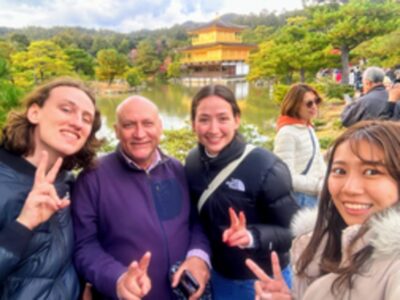
Fushimi Inari, Kinkakuji, Bamboo Grove 1 Day Bus Tour
Read our review →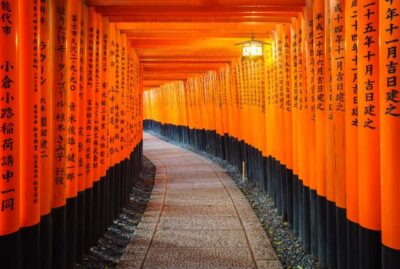
Kinkakuji,Arashiyama,FushimiInariShrine,NaraPark
Read our review →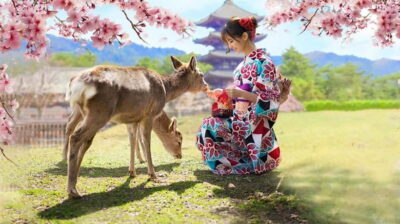
Nara, Fushimi Inari Taisha, Arashiyama Bus Tour
Read our review →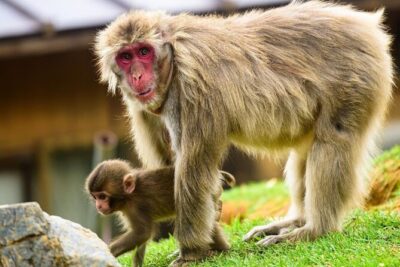
Kyoto Arashiyama Walking Tour: Bamboo, Monkeys, Gardens & Secrets
Read our review →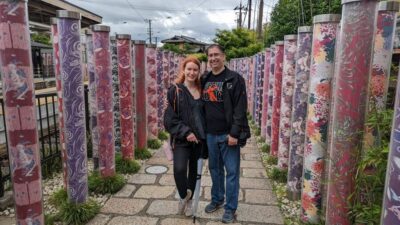
Arashiyama Bamboo, Temple, Monkeys, or Secret Sake Brewery
Read our review →
Arashiyama Bamboo Forest, Monkeys, Matcha & Temple Tour
Read our review →
Arashiyama, Nara & Fushimi Inari Shrine w/Lunch
Read our review →
Nijo, Kinkaku-ji, Arashiyama, Kiyomizu & Fushimi Inari
Read our review →Browse the lists this tour appears in