
Reviewed · FUSHIMI INARI TOURS
Kyoto Fushimi-Inari Night Walking Tour
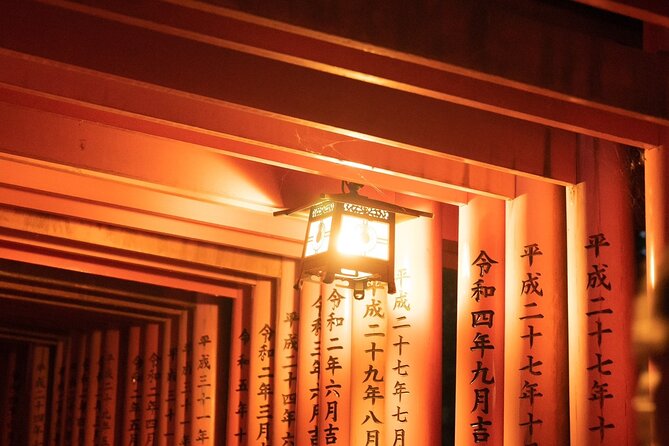
Fushimi Inari is famous for its thousands of red torii gates, but the real treat here is seeing them after the daytime rush has thinned. As evening settles in, the shrine takes on a quieter, more mysterious feel, with lanterns and path lights guiding you uphill.
I like the small group limit of 12, which makes it easier to hear explanations and ask questions. I also like the way the guides connect the gates, fox statues, prayers, and shrine buildings to Japanese culture instead of treating the walk as a photo stop. The main drawback is simple: this is a hill walk, and much of it may take place in full darkness rather than at dusk.
Key points to know before you book
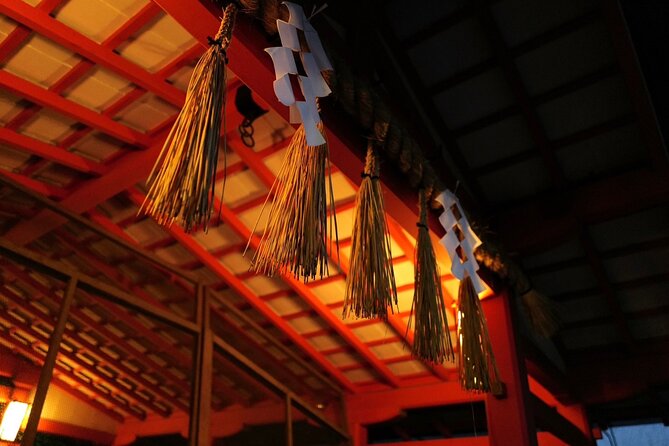
- Night changes the famous torii gates: You see Fushimi Inari with cooler air, fewer people, and a very different mood from a daytime visit.
- The group is capped at 12: That is small enough for a more personal walk and easier questions.
- Guides add useful cultural context: Jem, Hiro, Caleb, Tammy, Masaki, Yessi, Vincent, and others have led walks praised for clear explanations and warm personalities.
- Expect an uphill walk: The route follows paths toward Mount Inari, so comfortable walking shoes matter.
- The meeting point is easy to identify: Begin at the fox statue by the entrance to Fushimi Inari Taisha Shrine.
- The $43.11 price pays for guidance, not admission: Entry to the shrine is free, so the value depends on how much you want help with history, rituals, and navigation.
Why Fushimi Inari works so well at night
Fushimi Inari Taisha is one of Kyoto’s best-known sights for good reason. Its long corridors of orange-red torii gates wind up Mount Inari, creating a scene that feels almost unreal in photographs. During the day, those corridors can fill with people, especially near the lower shrine grounds.
This tour aims for a better balance. You meet in the late afternoon or evening and begin walking as the light fades. Some departures start around 6 p.m., while the exact feeling depends on the season and the day’s sunset. You may get a little dusk color at the start, but you should be ready for genuine nighttime walking.
That timing solves two common problems. The air is often cooler than during a hot Kyoto afternoon, and the crowds tend to thin as you move farther uphill. The shrine does not become empty, but the number of people usually drops as the evening continues.
I especially like that this is not simply a nighttime photo walk. The guide explains why the shrine is dedicated to Inari, the Shinto deity linked with rice, agriculture, business, success, health, and happiness. Those details help you see the gates and smaller shrines as part of an active place of worship, not just a famous backdrop.
More ways to walk the Fushimi Inari gates:
- Kyoto: Fushimi Inari, Kinkakuji, Bamboo Grove 1 Day Bus Tour
★ 4.8 · 4,316 reviews - Fushimi Inari Hidden Hiking Tour (Private Option Available)
★ 5.0 · 1,750 reviews - Osaka/Kyoto:Kinkakuji,Arashiyama,FushimiInariShrine,NaraPark
★ 4.1 · 1,596 reviews
Meeting the guide by the fox statue
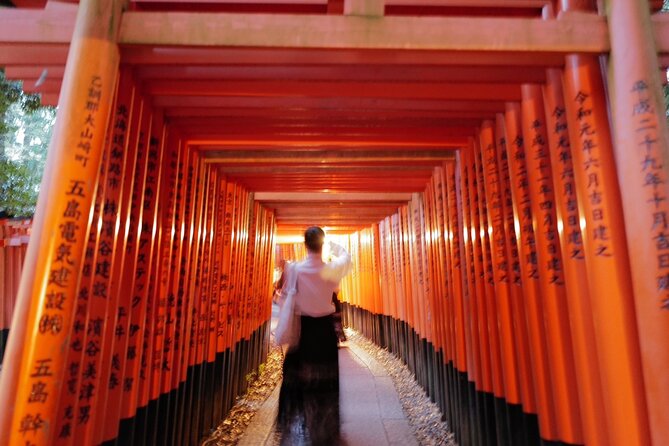
The tour begins at the fox statue near the entrance to Fushimi Inari Taisha Shrine in Fushimi Ward. The listed location is close to Inari Station, and the meeting point is near public transportation.
The fox is an important clue. Fox statues appear throughout the shrine because foxes are regarded as messengers of Inari. Starting beside one gives the guide a natural way to explain one of the first symbols you will encounter.
You should arrive with enough time to locate the statue and gather yourself before the walk begins. The activity ends back at the same meeting point, which makes planning the rest of your evening easier. You are not left at an unfamiliar part of the mountain.
The meeting point is specific, but busy shrine entrances can still feel confusing. If you have a guide named Tammy, she has been known to contact participants through WhatsApp to confirm the address and attendance. That sort of communication is useful, especially if you are new to Kyoto or arriving after a long day of sightseeing.
Walking beneath the first rows of torii gates
The lower section gives you your first close look at the gates and the main shrine setting. This is where the scale of Fushimi Inari becomes clear. Each torii marks a donation, and the repeated gates create a passage that changes as the light fades.
Your guide may point out details you would otherwise pass without noticing. Yessi, for example, has shown how different prayer areas use different rituals. That matters because Shinto worship is not one single gesture repeated everywhere. A guide can help you approach each place with more care and avoid treating the shrine like a stage set.
This part of the walk is also where you are most likely to encounter other people. One evening guide explained that plenty of people may still be around at the start, with the numbers falling as the group continues uphill. So do not book this expecting instant solitude at the entrance.
The lower shrine grounds are also where you can pause for photos before the path becomes darker and more wooded. Your guide may take pictures for the group, as Masaki has done, but you should still bring a phone or camera if photography matters to you.
Following the gates up Mount Inari
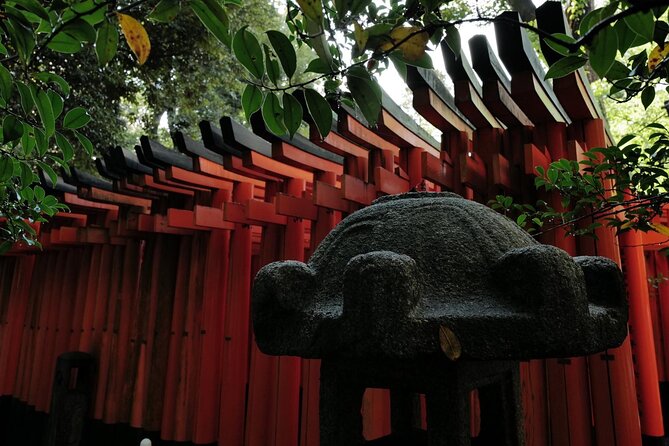
The route continues along paths through the torii gates and toward Mount Inari. The advertised duration is about one and a half to two hours, with the shrine walk itself listed at roughly two hours. That is enough time for more than a quick look, but not enough for an exhaustive exploration of every path on the mountain.
The walk is described as a small hike. You should expect inclines, steps, and uneven mountain paths. Comfortable walking shoes are a better choice than stylish but flimsy footwear. Caleb’s practical advice to wear walking shoes and layers in December is worth following.
The temperature can shift as the evening develops. In August, the nighttime start can be a welcome break from Kyoto’s heat. In December, you may want extra layers. Rain can also change the feel of the walk, but guides have continued to lead the experience in wet conditions, taking care to keep the group together.
The gates are lit in places, but this is still a night walk. One participant specifically noted that most of the route took place in proper nighttime rather than dusk. The path may feel atmospheric and calm, but you should not expect bright illumination everywhere.
That darkness is part of the appeal, but it also creates a practical tradeoff. You will need to watch your footing, stay near the group, and keep your attention on the path rather than only on your camera. A guide is helpful here because Fushimi Inari’s paths can feel maze-like after dark.
More Kyoto after dark:
- Kyoto: Gion Magical Night Walking Tour with Geisha Trivia
★ 4.9 · 2,393 reviews - Night Walk in Gion: Kyoto’s Geisha District
★ 4.5 · 2,003 reviews - Kyoto Night Foodie Tour in Gion (9+ dishes + 6 Sake tastings)
★ 5.0 · 1,762 reviews - Kyoto Gion Night Walk & Geisha District Guided Tour
★ 5.0 · 786 reviews
Fox statues, smaller shrines, and prayer customs
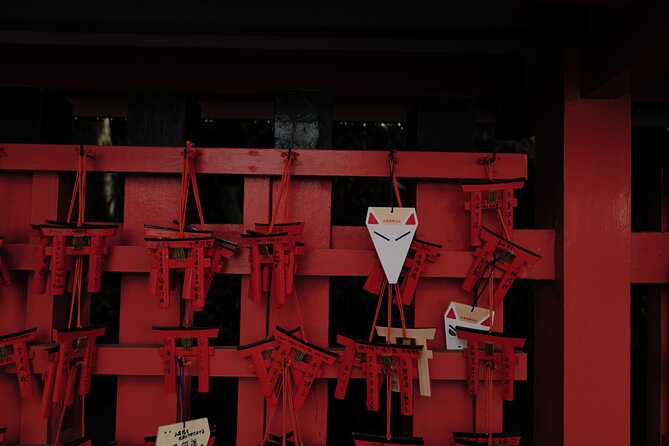
The main torii corridors get the attention, but the smaller shrines and stone fox statues give the walk much of its meaning. Inari worship connects daily hopes with work, food, prosperity, health, and family life. You may see offerings and prayer spaces that make the shrine feel like a living religious site.
The guides are particularly useful in this section. Hiro has been praised for explaining the shrine’s traditions and answering questions without judgment. Masaki has focused on prayers and customs, while Jem has helped groups understand the historical value of the shrine and keep moving together.
A good guide does not need to fill every minute with facts. Caleb’s approach has been to give enough information to make the place understandable without turning the walk into a long lecture. That balance suits Fushimi Inari, where the setting deserves quiet time as well as explanation.
You may also hear broader background about Shintoism, Kyoto, and Japanese culture. The best moments come when the information stays tied to something in front of you: a gate, a fox, a prayer ritual, or a smaller shrine. That makes the learning easier to remember.
What the night atmosphere really feels like
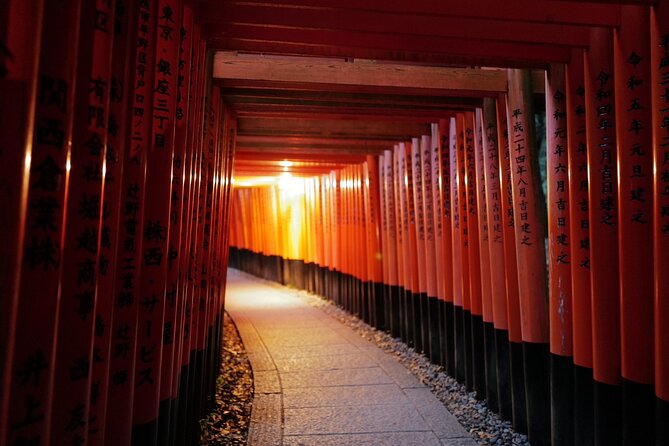
At dusk, the red gates catch the last natural light and can look especially striking in photographs. Once full darkness arrives, the mood changes. Lanterns and path lighting pick out parts of the route, while the repeated gates create long shadowed corridors.
Do not expect the same bright, polished look you see in daytime photographs. Night photography can be harder, and some sections may be dim. Still, the darker setting gives the shrine a more reflective character. The experience becomes less about collecting a perfect image and more about noticing sounds, light, and the steady rhythm of the path.
The cooler temperature is a real advantage in summer. It can make the uphill walk easier, especially in August. In winter, the reverse is true: bring layers, since you may feel colder once you stop for explanations or photos.
Rain does not necessarily cancel the experience. A rainy evening can mean more care with footing and less comfortable photography, but guides have led small groups through wet conditions and kept the experience going. If rain is forecast, wear suitable shoes and protect your phone.
The guides make the biggest difference
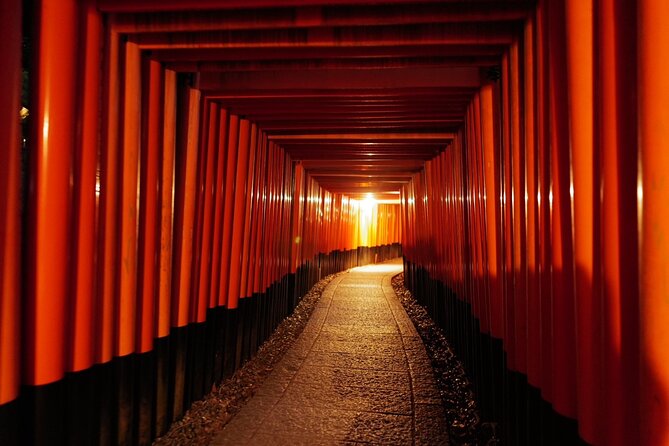
The tour uses different guides, so the tone can vary. That is worth knowing before you book. The strongest guide comments focus on a common set of qualities: clear explanations, friendly energy, patience with photos, and an ability to answer questions.
Jem has been praised for being organized, fun, and good at keeping the group together. Hiro has been singled out for warmth, cultural insight, and confident answers. Caleb brings an engaging style that works well with children, and he has shared personal stories about his musical life in Japan.
Tammy has been described as patient and careful with communication before the tour. Masaki combines shrine information with suggestions for food and other Kyoto sights. Vincent has been patient when participants stop for photographs, while Yessi has drawn attention to small details and different prayer customs.
Those names are useful, but you may not receive a particular guide on your date. The important point is that the experience depends heavily on the person leading it. If you enjoy asking questions and want cultural background, the guide adds real value. If you mainly want a quiet walk and photographs, you may find the explanations slow the pace.
Is $43.11 a fair price?
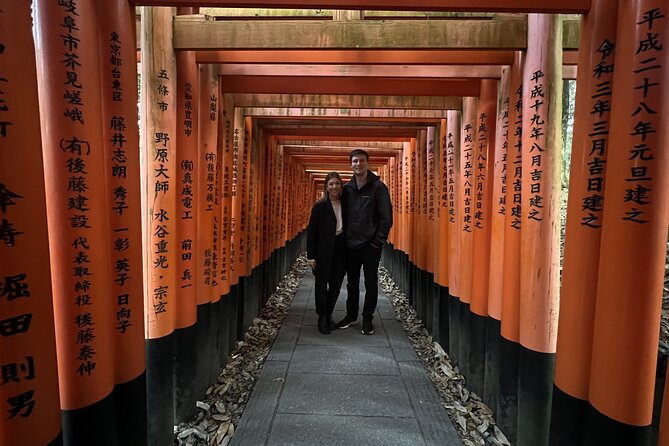
The price is $43.11 per person, and admission to Fushimi Inari Shrine itself is free. That means you are paying for the guide, the small group, the planned route, the cultural explanations, and the added confidence of navigating the mountain paths at night.
For a solo visitor or first-time visitor to Kyoto, that can be fair value. Fushimi Inari is easy to reach, but the shrine paths become less obvious as you climb. At night, having someone lead the way can reduce stress and help you focus on the setting.
The price is less compelling if you are comfortable exploring independently and already understand Shinto customs. You can visit the shrine without paying an entrance fee, and the lower gates are accessible on your own. The tour earns its cost by adding interpretation and structure, not by granting access to a restricted area.
The group limit matters here. A maximum of 12 is not private, but it is more manageable than a large coach group. You have a better chance of hearing the guide and asking a question without interrupting the whole evening.
Who should book this walk?
I would choose this tour if you want to understand what you are seeing rather than simply pass through the gates. It fits first-time Kyoto visitors, solo participants who want an organized evening, couples looking for a different shrine experience, and families whose children respond well to stories and questions.
It also suits people visiting Kyoto in hot weather. Starting later can make the climb more comfortable, and the evening atmosphere feels very different from the city’s daytime sightseeing circuit.
You should think twice if you dislike hills, uneven paths, or darkness. This is not a flat stroll around a lit city center. The walk lasts up to two hours and follows the mountain route, so footwear and clothing matter.
It may also be a poor match if you want complete solitude. The crowds thin, but they do not vanish at once. The first section can still be active, especially near the entrance.
Free cancellation is available if you cancel at least 24 hours before the start time. Changes or cancellations made later are not accepted for a refund. Service animals are allowed, and most people can take part, but the uphill night walk remains the main physical consideration.
My take on the Fushimi Inari night tour
Fushimi Inari is worth seeing on your own, but a guide can turn a famous image into a place with meaning. The fox statues, torii donations, prayer customs, and smaller shrines make more sense when someone explains what you are looking at.
The best reason to book is the combination of cooler evening air, fewer people, and useful cultural guidance. The main caution is that the experience is darker and hillier than a casual sunset visit may sound.
If you want a short, active Kyoto experience with a strong sense of place, I would book it. Bring walking shoes, a light layer, and realistic expectations about darkness. If you only want a quick photo beneath the first gates, visit independently instead and save the $43.11.
FAQ
How long does the Fushimi Inari night tour last?
The experience lasts approximately one and a half to two hours. The shrine walk itself is listed at about two hours.
Where does the tour begin?
It begins at the fox statue at the entrance to Fushimi Inari Taisha Shrine in Fushimi Ward, Kyoto.
Where does the tour end?
The tour ends back at the meeting point.
Is admission to Fushimi Inari Shrine included?
Admission to the shrine is free. The tour price covers the guided experience rather than an entrance ticket.
How many people can join the tour?
The group has a maximum of 12 participants.
Does the tour take place entirely at night?
Not always. Some departures begin around dusk, but you should expect much of the walk to take place after dark.
Is the walk difficult?
The route includes a small uphill hike along paths toward Mount Inari. Comfortable walking shoes are recommended.
Will the shrine be completely empty at night?
No. The entrance and early part of the route may still have plenty of people, though the crowds generally decrease as the evening continues.
Are service animals allowed?
Yes. Service animals are allowed.
Can I cancel for a full refund?
Yes, if you cancel at least 24 hours before the experience start time. Cancellations made less than 24 hours in advance are not refunded.
More Walking Tours in Kyoto
- Kyoto Geisha Walking Tour: Gion District & Hidden Gems
★ 4.7 · 3,273 reviews - Kyoto: Gion Geisha District Walking Tour – Stories of Geisha
★ 4.7 · 2,187 reviews - Kyoto Gion Geisha District Walking Tour – The Stories of Geisha
★ 5.0 · 1,441 reviews - Nishiki Market Brunch Walking Tour (7 Tastings + Brunch)
★ 5.0 · 1,355 reviews
Newest Kyoto experiences on the site
- Treasures of Kyoto: Gion & historical Walking Tour★ 5.0 · 6 reviews
- Whisk Your Own Matcha: A Zen Matcha Experience at Temple★ 3.6 · 7 reviews
- Kyoto tea town for matcha lovers★ 5.0 · 16 reviews
- Uji: Private immersion into Kyoto’s tea and reglious culture★ 5.0 · 17 reviews
- Kyoto Matcha Green Tea Tour★ 4.5 · 23 reviews
- Uji and Wazuka Matcha Farm Half Day Private Guided Tour★ 5.0 · 21 reviews
- Utilising upcycled Matcha! Creating matcha incense (Uji, Kyoto)★ 5.0 · 6 reviews
- Sacred Temple Yoga Experience in Japan★ 5.0 · 3 reviews
Fushimi Inari Tours, compared.

Fushimi Inari, Kinkakuji, Bamboo Grove 1 Day Bus Tour
Read our review →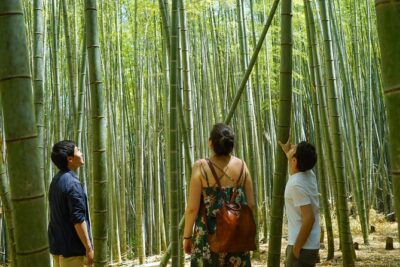
Fushimi Inari Hidden Hiking Tour (Private Option Available)
Read our review →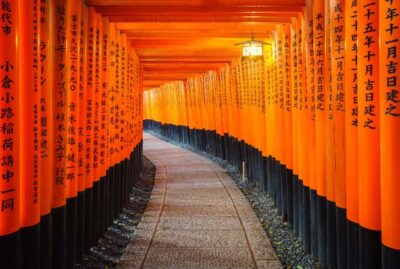
Kinkakuji,Arashiyama,FushimiInariShrine,NaraPark
Read our review →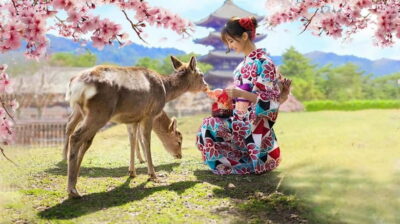
Nara, Fushimi Inari Taisha, Arashiyama Bus Tour
Read our review →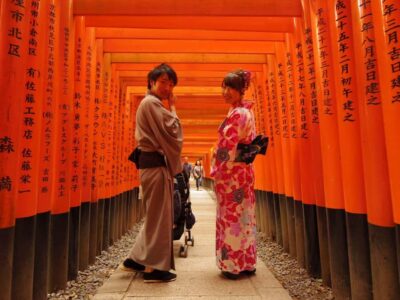
Arashiyama, Nara & Fushimi Inari Shrine w/Lunch
Read our review →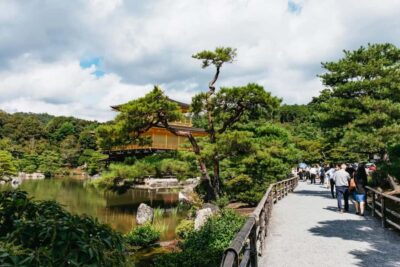
Nijo Castle, Kiyomizu & Fushimi Inari Guided Tour
Read our review →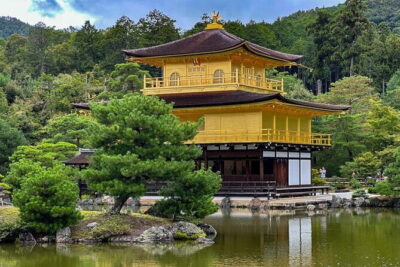
Nijo, Kinkaku-ji, Arashiyama, Kiyomizu & Fushimi Inari
Read our review →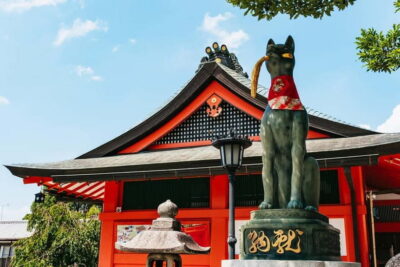
Browse the lists this tour appears in