
Reviewed · FUSHIMI INARI TOURS
Kyoto: Fushimi Inari Shrine and Tofukuji Temple E-Bike Tour
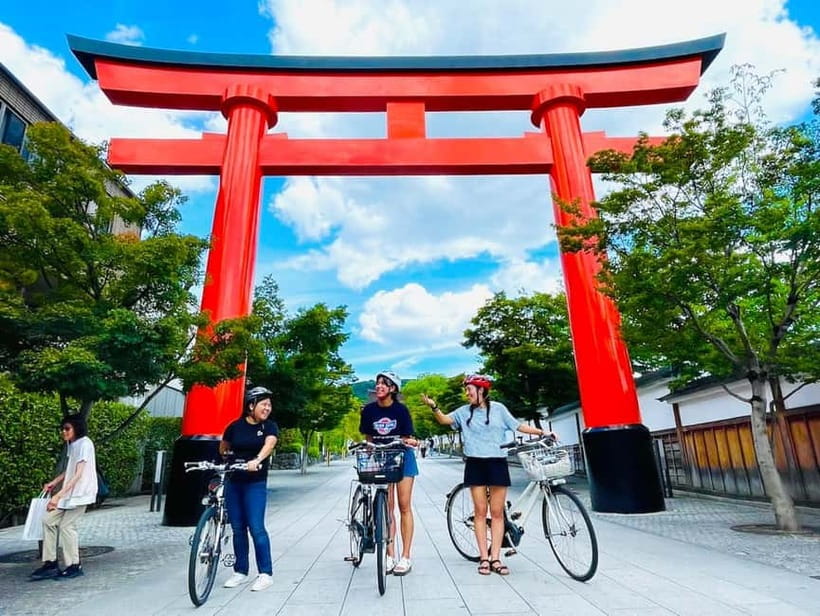
Fushimi Inari’s orange torii gates are one of Kyoto’s big sights, but the best part of this tour is how you reach them. You pedal from the Higashiyama area through Gion, quiet residential lanes, river paths, and less-visited shrines before arriving at the famous shrine. The route shows you everyday Kyoto, not only the postcard version.
I like two things in particular. First, the electric bicycle makes a long urban outing manageable without turning it into a workout. Second, guide Maki brings history, Shinto and Buddhist customs, geisha culture, and personal stories together in a way that feels like a conversation rather than a lecture.
The main consideration is time. Four hours gives you a useful taste of several places, but Fushimi Inari is a major site, and the stop there may feel brief if you want to walk far up the mountain. You should also be comfortable cycling and walking, since the tour is not suitable for children under 12, pregnant women, or people with mobility impairments.
Key points at a glance
- A practical four-hour route: See Gion, Fushimi Inari, Tofukuji, smaller shrines, residential streets, and river scenery in one half-day.
- Maki is the star guide: Her humor, clear English, local stories, and careful road directions add much more than simple sightseeing.
- Electric bikes keep the pace friendly: The motor helps on slopes and when your legs begin to tire, while frequent stops make the ride manageable.
- Two sides of Kyoto: You get the famous torii gates and temple gardens, plus ordinary neighborhoods and quieter places many visitors miss.
- Small-group setting: With no more than eight people, it is easier to ask questions and stay connected to the guide.
- Good value at $83: The price includes the guide, bike, helmet, insurance, water, snack, and admission to two places.
Why an e-bike is a smart way to see Kyoto
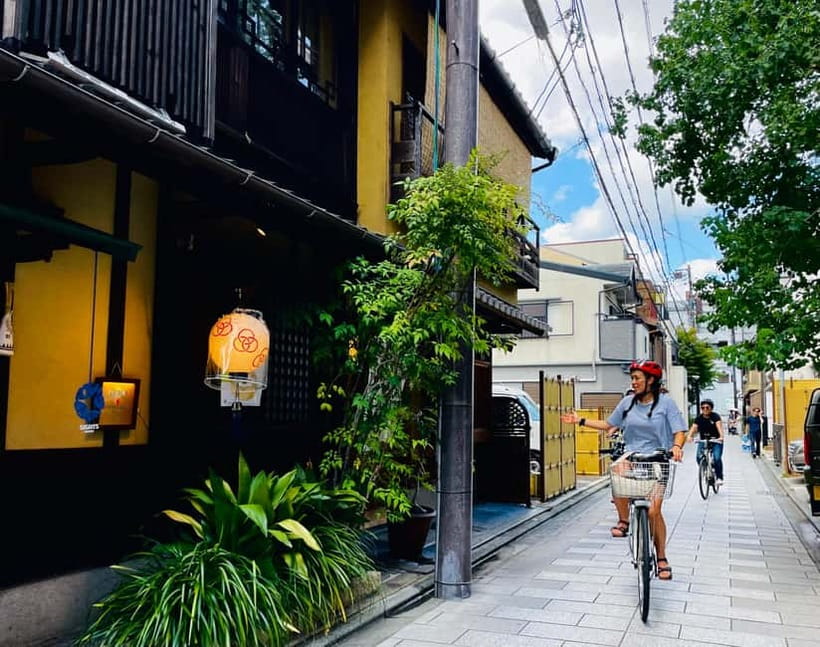
Kyoto is compact on a map, but its sights are spread across a broad city. Buses can be crowded, walking takes time, and taxis add up quickly. An e-bike gives you a third option: you cover more ground while still seeing side streets, waterways, shopfronts, and neighborhoods at street level.
This is not a high-speed cycling trip. The route includes roads shared with cars, busier sections, frequent stops, and stretches where the group gathers before the guide explains something. Maki first gives you an orientation to riding in Japan, including practical road guidance. That matters if you are uneasy about cycling outside your home country.
The bikes have received especially strong praise for being clean, sturdy, and easy to use. The electric assistance helps on steeper sections and takes the sting out of the final part of the ride. You still need to pedal, steer, and pay attention, but you do not need serious cycling fitness.
The group is limited to eight participants. That is large enough for a social half-day but small enough for Maki to check on riders and answer questions. A helmet, insurance, water bottle, and snack are included. Wear clothes you can move in, comfortable shoes, and sunscreen on a bright day.
More ways to walk the Fushimi Inari gates:
- Kyoto: Fushimi Inari, Kinkakuji, Bamboo Grove 1 Day Bus Tour
★ 4.8 · 4,316 reviews - Fushimi Inari Hidden Hiking Tour (Private Option Available)
★ 5.0 · 1,750 reviews - Osaka/Kyoto:Kinkakuji,Arashiyama,FushimiInariShrine,NaraPark
★ 4.1 · 1,596 reviews
Starting near Higashiyama-Sanjyo
The meeting point is Pedal Adventure Kyoto, at a temple near Higashiyama-Sanjyo. The tour begins with a bike briefing, which is useful even if you ride regularly. You learn how the e-bike works and how the group will move through Kyoto’s streets.
This opening also sets the tone. The guide is not simply leading from the front and hoping everyone keeps up. Maki has been praised for giving clear directions, choosing side streets when possible, and making riders feel safe through busier areas. Still, you should be prepared to follow traffic rules and remain alert.
The pace is designed for mixed abilities. One person may be an experienced cyclist, while another may be nervous about riding in city traffic. Frequent stops help the group stay together, although a little time can be lost at the beginning if riders need extra help with the bikes.
Gion, geisha culture, and ordinary Kyoto life
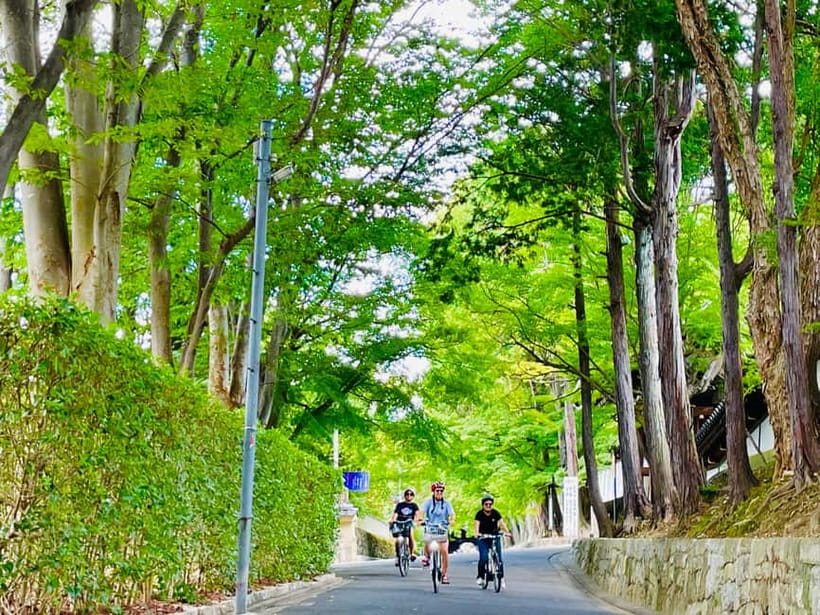
The first major section takes you through Gion, Kyoto’s best-known traditional district. Here, the guide explains geisha culture and local customs while you ride through an area that can be difficult to understand on your own.
Gion is more than pretty wooden buildings and narrow lanes. It is a working district with traditions, etiquette, and residents who deserve respectful behavior. Having a local guide explain what you are seeing helps you avoid treating the area like a film set.
The route then moves beyond the most photographed parts of central Kyoto. You ride through suburban streets and see the quieter side of the city, including places where local people live their daily lives. This is one of the tour’s strongest features. A bus or large walking group tends to link one famous sight to the next. A bicycle lets you notice the spaces in between.
The route may include smaller shrines, temples, alleys, creeks, and river stretches. They are not presented as replacements for Kyoto’s famous sights. Instead, they provide context. You begin to see how religious buildings, homes, shops, waterways, and roads fit together in the city.
Maki’s storytelling is a major part of this section. She covers Japanese customs, samurai battles, religion, infrastructure, traditions, and daily life. She also uses visual material, including a binder with pictures, to help explain subjects that are hard to understand from a quick look at a building.
Fushimi Inari Shrine and the orange torii gates
Fushimi Inari Shrine is the tour’s headline stop. It is one of Japan’s most recognizable religious sites, famous for its seemingly endless rows of orange torii gates climbing into the wooded hills.
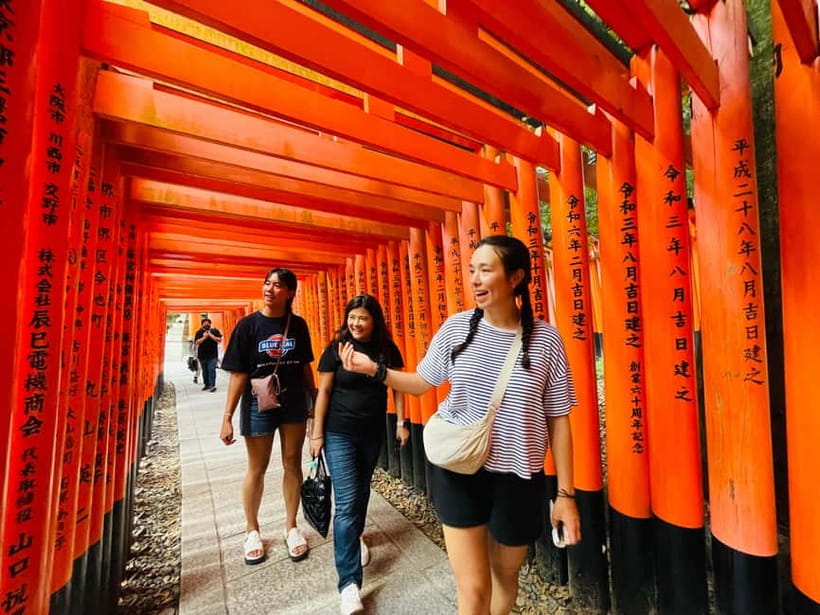
Your guide explains the shrine’s background and the basics of Shintoism. That explanation is valuable because the site can otherwise become a quick photo stop. You learn how to approach a Shinto shrine respectfully and gain a clearer idea of why the torii gates matter.
The visual impact is immediate. The gates create a tunnel of color and shade, with each section offering a different view as you move through it. Even if you have seen photographs, the physical experience is different. The scale, repetition, and steady climb are what make Fushimi Inari memorable.
You should set sensible expectations. This is a four-hour tour, not a full visit dedicated only to Fushimi Inari. The group has to cycle there, spend time learning, visit Tofukuji, and ride back. One rider specifically wanted more time at the shrine, which is a fair concern for anyone hoping to hike far up the mountain.
If Fushimi Inari is your top priority, you may want to return independently for a longer visit. If you want an introduction combined with several other parts of Kyoto, the shorter stop works well. The tour helps you understand the place before you come back on your own.
More bike days around Kyoto:
- Hidden Kyoto E-Biking tour
★ 5.0 · 1,843 reviews - Bike Tour Exploring North Kyoto plus Lunch
★ 5.0 · 1,087 reviews - Arashiyama Bamboo Forest & Hidden Gems Bike Tour (Early Bird)
★ 5.0 · 613 reviews - 5 Top Highlights of Kyoto Full Day Bike Tour (E-bike option)
★ 5.0 · 511 reviews
Tofukuji Temple and a quiet Zen pause
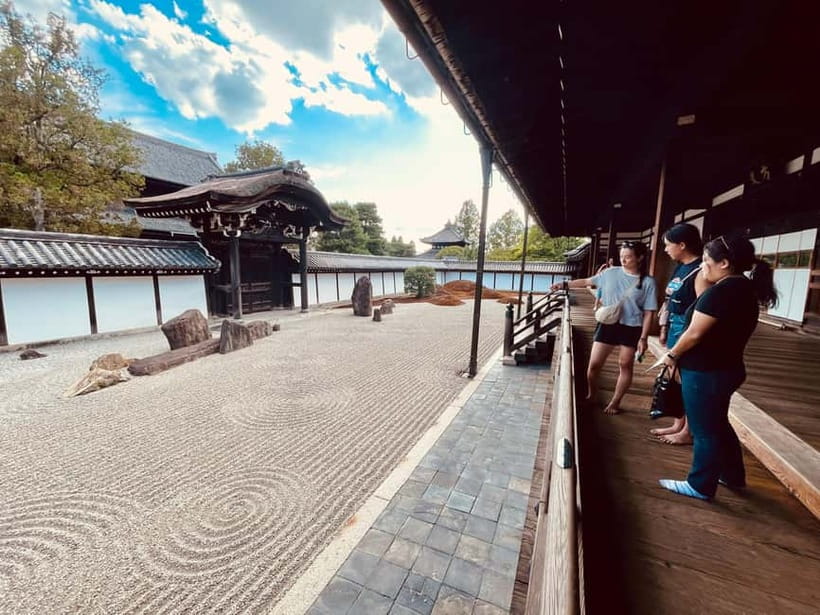
After Fushimi Inari, the tour stops at Tofukuji Temple. This gives the day a useful change of mood. Fushimi Inari is visually dramatic and often crowded, while Tofukuji offers a calmer setting and a chance to slow down.
The focus here includes the temple’s Zen garden. Rather than rushing through for a photo, the group gets time to sit, look, and take in the atmosphere. That pause is important on a cycling tour. You are not only collecting sights; you are also giving your mind a chance to catch up.
Maki explains the difference between Buddhist and Shinto traditions during the tour. Seeing a shrine and a Buddhist temple in the same outing makes the comparison easier to grasp. You can ask questions as they come up, which is especially helpful if Japanese religious customs are new to you.
The stop at Tofukuji also adds balance. Fushimi Inari is a major attraction with an iconic image. Tofukuji gives you a quieter encounter with Kyoto’s spiritual side. The two places work better together than either would on its own.
The ride home along Kyoto’s waterways
The return route is part of the experience, not just transport back to the shop. Several riders have singled out the riverbank ride as a pleasant finish. After the shrine and temple stops, the open route and water views offer a relaxing change from city streets.
You may also have time for cold drinks and the included water helps with hydration, especially in warm weather. Bring your own bottle if you prefer to carry extra water, and use sunscreen during sunny months. Kyoto summers can make even an easy ride feel demanding.
The pace is generally gentle, but do not confuse that with no effort. You will cycle, stop, get on and off the bike, and walk around religious sites. Comfortable shoes are essential. Sandals or stiff sightseeing footwear will make the day less pleasant.
What Maki adds to the experience
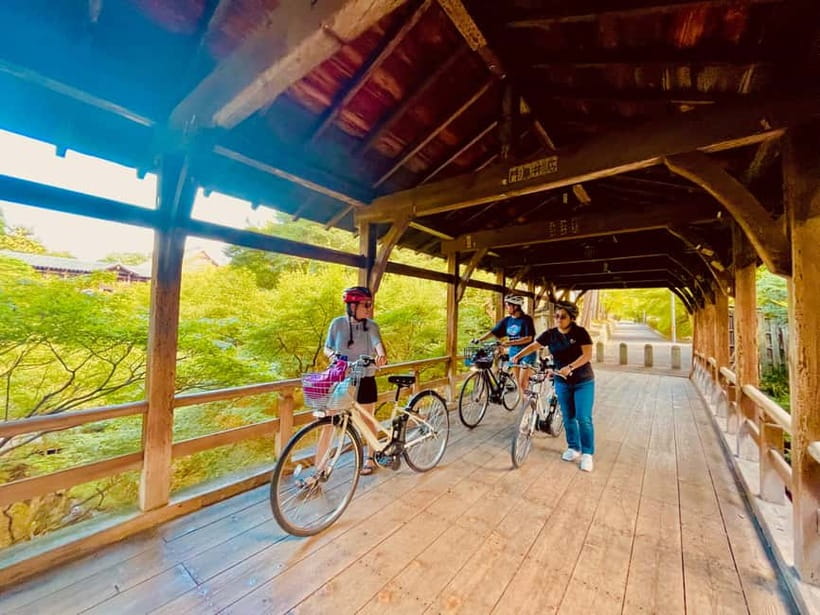
A bicycle tour depends heavily on its guide. The route can be good, but the person leading it determines whether the day feels organized or scattered. Maki is repeatedly described as funny, warm, energetic, and generous with her time.
Her English is strong, and she has a talent for explaining complicated subjects in simple terms. She talks about religion, customs, geisha culture, Japanese history, and local life without making the experience feel like a classroom. Personal stories give the information a human scale.
She also takes photographs for the group. That is a small but useful benefit, especially for families who want pictures with everyone included. Her care with teenagers has also made the tour work well for families with older children.
The tone is informal. You can ask questions, compare impressions with the group, and stop for a quiet moment when appropriate. One practical point is worth noting: because riders are spread out while cycling, you may not hear every comment until the group stops. A participant suggested a microphone and earpiece could help, so stay close when the guide is speaking.
Value, timing, and who should book
At $83 per person, the tour offers solid value for a four-hour outing. The fee covers the local English-speaking guide, electric bicycle, helmet, insurance, snack, water bottle, and admission to two places. You are also paying for route planning, road guidance, cultural interpretation, and access to quieter parts of the city.
The value is strongest if you want several experiences in one morning or afternoon. You get a guided ride through Gion, an introduction to geisha customs, neighborhood views, Fushimi Inari, Tofukuji, and a Zen garden without arranging separate transport between them.
It is less suitable if you prefer to spend a whole day at one major temple or shrine. You also will not want this tour if cycling makes you uncomfortable, even with electric assistance. The activity includes a mix of riding and walking, and the route can include busy roads.
This is a strong choice for couples, families with children aged 12 and above, first-time Kyoto visitors, and anyone who wants cultural background rather than a checklist of buildings. It also suits people who enjoy cycling but do not want an intense athletic outing.
The small group makes it easier to ask about etiquette, food, religion, local neighborhoods, or anything else you notice. Free cancellation up to 24 hours before the start and the option to reserve now and pay later add useful flexibility to a busy Japan itinerary.
Should you book the Kyoto e-bike tour?
Book it if you want a lively introduction to Kyoto that mixes famous places with ordinary streets. The best reason to choose it is not simply the e-bike. It is the combination of a well-planned route, manageable pace, strong cultural explanations, and Maki’s personal style.
Go in knowing that Fushimi Inari is one stop within a broader half-day tour. You will not have unlimited time to climb the shrine’s mountain paths, and you need to be ready for both cycling and walking.
For most visitors, that trade-off is worthwhile. You leave with a better sense of how Kyoto’s shrines, temples, neighborhoods, customs, and waterways connect. If you want a friendly, active way to get your bearings early in your stay, this is an excellent pick.
FAQ
How long is the Kyoto e-bike tour?
The tour lasts four hours.
What places does the tour visit?
The route includes the Gion district, residential parts of Kyoto, Fushimi Inari Shrine, and Tofukuji Temple. It also includes smaller shrines, temples, streets, and scenic routes along the way.
Where does the tour meet?
The meeting point is Pedal Adventure Kyoto, at a temple near Higashiyama-Sanjyo.
Is the tour conducted in English?
Yes. The tour includes a live English-speaking guide.
How large is the group?
The tour is limited to eight participants.
What is included in the price?
The price includes a local guide, electric bicycle, helmet, insurance, snack, water bottle, and entrance fees for two places.
Is lunch included?
No. Lunch is not included.
What should I bring?
Bring comfortable shoes, comfortable cycling clothes, sunscreen, and a water bottle. A camera is also recommended.
Who is the tour not suitable for?
The tour is not suitable for children under 12, pregnant women, or people with mobility impairments. You should also be comfortable with a mix of cycling and walking.
More Shrines in Kyoto
- Osaka/Kyoto: Arashiyama, Nara & Fushimi Inari Shrine w/Lunch
★ 4.4 · 754 reviews - KYOTO Tea Ceremony with kimono near by Imamiya Jinjya Shrine
★ 5.0 · 343 reviews - Kyoto: 3-Hour Fushimi Inari Shrine Hidden Hiking Tour
★ 4.9 · 270 reviews - Kyoto Magical Night English Tour: Gion & Fushimi Inari Shrine
★ 5.0 · 97 reviews
More Temples in Kyoto
- Kyoto: Tea Ceremony Ju-An at Jotokuji Temple
★ 4.9 · 3,207 reviews - Arashiyama Bamboo, Temple, Monkeys, or Secret Sake Brewery
★ 4.8 · 886 reviews - Kyoto: Arashiyama Bamboo Forest, Monkeys, Matcha & Temple Tour
★ 5.0 · 759 reviews - Kyoto Zen Meditation & Garden Tour at a Zen Temple with Lunch
★ 5.0 · 441 reviews
Newest Kyoto experiences on the site
- Treasures of Kyoto: Gion & historical Walking Tour★ 5.0 · 6 reviews
- Whisk Your Own Matcha: A Zen Matcha Experience at Temple★ 3.6 · 7 reviews
- Kyoto tea town for matcha lovers★ 5.0 · 16 reviews
- Uji: Private immersion into Kyoto’s tea and reglious culture★ 5.0 · 17 reviews
- Kyoto Matcha Green Tea Tour★ 4.5 · 23 reviews
- Uji and Wazuka Matcha Farm Half Day Private Guided Tour★ 5.0 · 21 reviews
- Utilising upcycled Matcha! Creating matcha incense (Uji, Kyoto)★ 5.0 · 6 reviews
- Uji Tea Ceremony and UNESCO Heritage Walking Tour★ 5.0 · 20 reviews
Fushimi Inari Tours, compared.
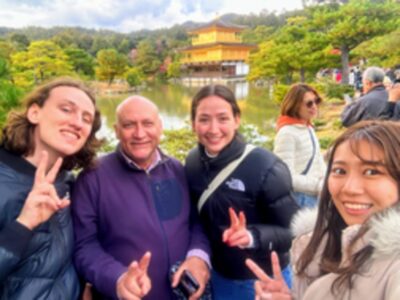
Fushimi Inari, Kinkakuji, Bamboo Grove 1 Day Bus Tour
Read our review →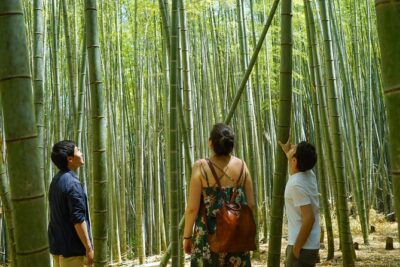
Fushimi Inari Hidden Hiking Tour (Private Option Available)
Read our review →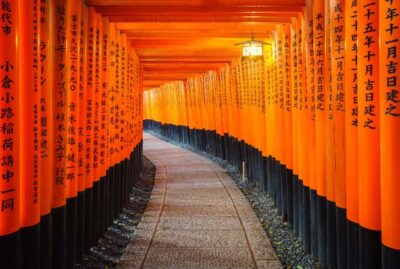
Kinkakuji,Arashiyama,FushimiInariShrine,NaraPark
Read our review →
Nara, Fushimi Inari Taisha, Arashiyama Bus Tour
Read our review →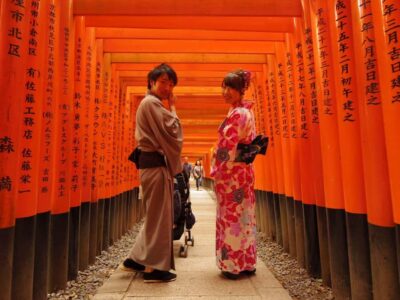
Arashiyama, Nara & Fushimi Inari Shrine w/Lunch
Read our review →
Nijo Castle, Kiyomizu & Fushimi Inari Guided Tour
Read our review →
Nijo, Kinkaku-ji, Arashiyama, Kiyomizu & Fushimi Inari
Read our review →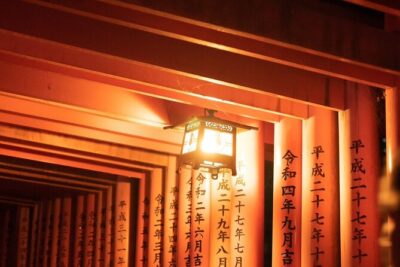
Browse the lists this tour appears in