
Reviewed · KYOTO CYCLING TOURS
Hidden Kyoto E-Biking tour
Kyoto’s best moments are often found between the famous sights. This small-group e-bike ride links Kinkakuji and Kitano Tenmangu with quiet lanes, Zen gardens, and less-visited temple grounds. I like the easy electric bikes and the way guides such as Yuta, Michael, Sean, Henry, and Shizuka add useful context about Zen, Shinto, Buddhism, geisha culture, and local etiquette. The tea stop, tied to a centuries-old shop, is another fine touch.
I also like the small maximum of eight people, which keeps the ride personal and makes it easier to ask questions. The main caution is simple: this is still a bike tour, with hills, descents, city streets, and a firm late-arrival policy. If you have not ridden for years, the e-bike helps a lot, but you should still feel comfortable cycling.
Key points at a glance
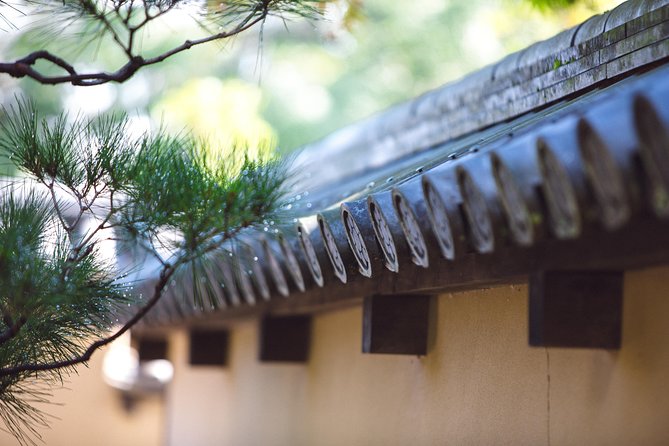
- Quiet northern Kyoto route: Ride through peaceful backstreets and temple districts rather than spending the whole outing in crowded sightseeing zones.
- Five worthwhile stops: See Kinkakuji, Daitokuji, Kitano Tenmangu, Koto-in, and Zuihoin in one carefully linked route.
- Electric assistance matters: The included e-bikes make Kyoto’s hills far more manageable, especially in warm or humid weather.
- Small group, personal guidance: The group is limited to eight people, with English-speaking route coordinators who explain history, customs, and religious traditions.
- A cultural stop beyond temple photos: The tea visit and Zen discussions give the ride more depth than a simple sightseeing circuit.
- Plan for the rules: You must arrive 15 minutes early, be at least 13, and cancel or change the booking at least 24 hours ahead for a refund.
Why this e-bike route reveals more of Kyoto
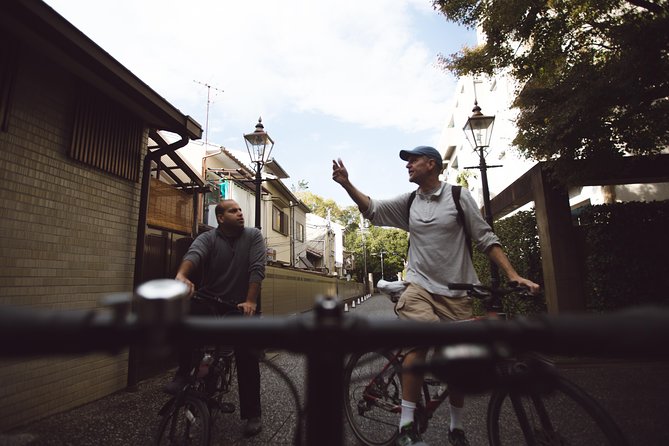
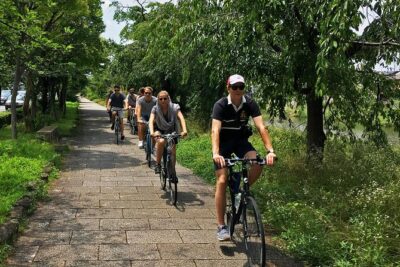
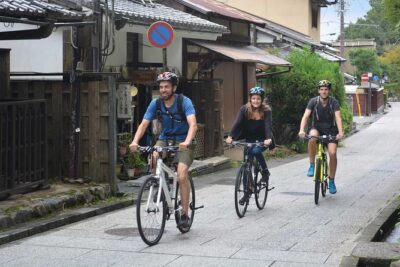
A standard Kyoto day can become a contest with crowds. You move from one major temple to the next, spend time waiting for a clear photo, then squeeze onto public transportation. This ride changes the pace. You cover about 7 to 8 kilometers over roughly 3 hours and 45 minutes, using a folding rental bike and helmet supplied by NORU.
The route begins at the NORU Kyoto Bike Tours shop in Kamigyo Ward. From there, you head toward northern Kyoto, where major religious sites sit among residential lanes, gardens, and quieter temple compounds. I like this combination because you still see a signature Kyoto landmark, but the ride does not stop at the usual postcard view.
The e-bike is central to the experience, not just a minor convenience. The route includes hills and some steep sections, yet the electric assistance keeps the effort reasonable. You still pedal, steer, brake, and pay attention to the road, but you are less likely to arrive at each temple tired and overheated.
The maximum group size of eight also matters. A guide can keep an eye on riders, explain a detail without shouting, and adjust the pace more easily than a large bus group can. The ride is designed for people aged 13 and older, and the overall level is described as easy, though that should not be read as completely effortless.
More bike days around Kyoto:
- Bike Tour Exploring North Kyoto plus Lunch
★ 5.0 · 1,087 reviews - Arashiyama Bamboo Forest & Hidden Gems Bike Tour (Early Bird)
★ 5.0 · 613 reviews - 5 Top Highlights of Kyoto Full Day Bike Tour (E-bike option)
★ 5.0 · 511 reviews
Starting at NORU with the right expectations
You need to reach NORU at 429-22 Takigahanacho, Kamigyo Ward, 15 minutes before your chosen departure. Available start times are 8:30, 9:00, 12:30, and 1:00. The tour returns to this same meeting point.
At the shop, you receive the rental bike, helmet, and a little instruction before setting off. Several accounts of the ride point to the bikes being easy to use, including for people who had not cycled in many years. That is encouraging, but you should still be honest about your comfort level.
You need basic bike control for street riding. You may encounter inclines, descents, turns, and stretches where you share the road with other traffic. The e-bike reduces the physical strain, but it does not remove the need for balance and awareness.
Water is included. Food and other drinks are not, so do not count on a meal during the ride. Some outings have included tea and sweets as part of the cultural experience, but you should not treat that as a substitute for breakfast or lunch.
Kinkakuji, Kyoto’s famous golden introduction
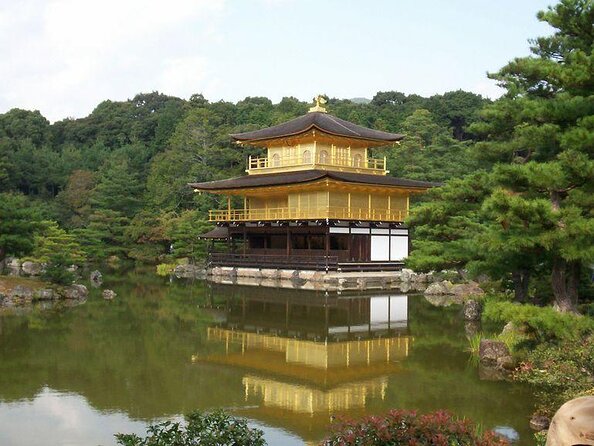
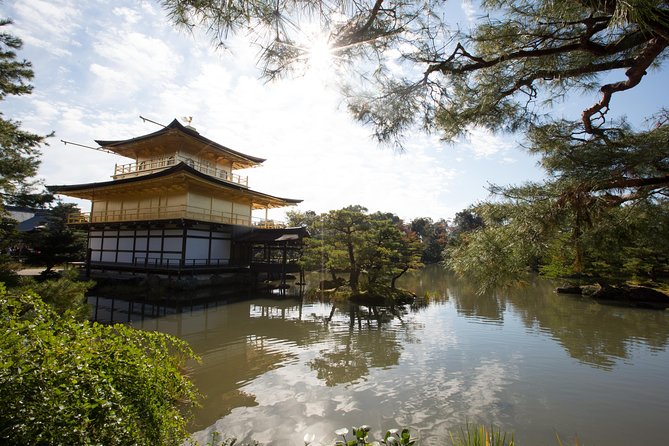
Kinkakuji, the Golden Pavilion, is the route’s most instantly recognizable stop. Its gold-covered upper stories reflect over a pond, creating the classic Kyoto scene that appears on countless brochures. The setting is beautiful, but it is also one of the city’s most popular sights.
That contrast is useful. You get the major landmark, then move away from the densest sightseeing flow. The tour does not ask you to choose between famous Kyoto and quiet Kyoto. It puts both into the same morning or afternoon.
Expect the stop to focus on seeing the grounds and understanding the site rather than spending an unlimited amount of time there. This is a half-day ride with several locations, so the guide must keep things moving. If Kinkakuji is your main reason for booking, schedule a separate visit if you want a slower, more detailed look.
The bike also changes how you understand the city’s layout. Instead of treating each temple as an isolated point on a map, you see how the streets and neighborhoods connect. That in-between movement is one of the strongest parts of the outing.
Daitokuji and the calmer side of temple Kyoto
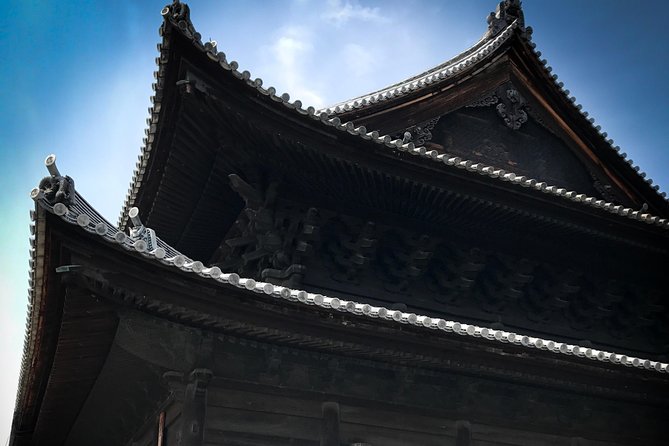
Daitokuji is a major temple complex with strong Zen associations. The complex gives the guide room to explain how Kyoto’s Buddhist traditions developed and how Zen ideas connect with gardens, architecture, and daily conduct.
This is where guides such as Yuta have added particular value. His explanations have covered Zen Buddhism, Shinto and Buddhist differences, temple etiquette, and the meaning behind customs that can otherwise seem mysterious. Michael, Sean, Henry, and Shizuka have also led rides praised for clear storytelling and strong cultural background.
The benefit is not simply learning dates. You begin to notice why a garden is arranged as it is, why certain gestures matter, and how religious spaces function beyond their visual appeal. The ride can be especially worthwhile if you are seeing Japanese temples for the first time and want help making sense of them.
The possible drawback is that the guide’s speaking style can shape the experience. One account found the historical explanations too long for a short tour, with too much time spent standing or sitting and not enough time exploring. If you prefer quick facts and constant motion, tell your guide politely that you would like to keep moving.
Same city, a completely different kind of day:
- PERFECT KYOTO 1-Day Bus Tour
★ 5.0 · 13,518 reviews - Kyoto: Fushimi Inari, Kinkakuji, Bamboo Grove 1 Day Bus Tour
★ 4.8 · 4,316 reviews - Kyoto: Tea Ceremony in a Traditional Tea House in Kiyomizu
★ 4.9 · 3,519 reviews - Kyoto Geisha Walking Tour: Gion District & Hidden Gems
★ 4.7 · 3,273 reviews
Kitano Tenmangu and everyday religious Kyoto
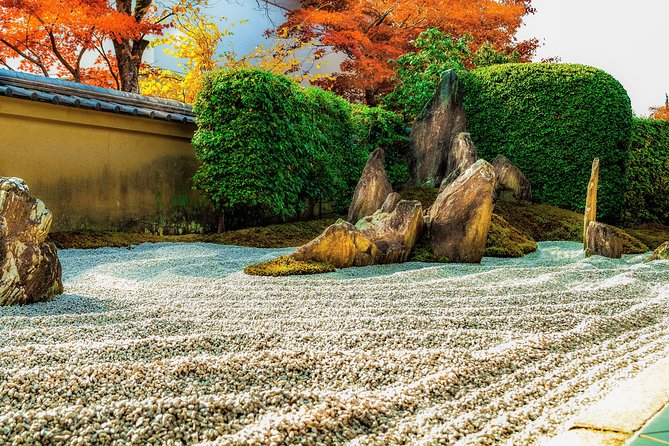
Kitano Tenmangu offers another view of Kyoto’s spiritual life. It is a Shinto shrine rather than a Buddhist temple, making it a useful stop for understanding the difference between the two traditions.
The visit also gives the guide a chance to discuss Japanese customs and respectful behavior. That practical information is valuable. Knowing how to approach a shrine or temple, where to pause, and how to behave in a quiet religious setting makes later sightseeing feel less like a photo stop and more like a visit.
The route’s appeal comes partly from the contrast between the big-name sites and the lesser-known corners around them. You may cycle past small streets and local scenes that would be easy to miss on foot or from a vehicle. The guide can point out details that do not appear in a standard guidebook.
This is also a good place to ask questions. The small group means you are not lost in a crowd, and guides have been praised for answering questions about history, food, etiquette, and local life.
Koto-in and Zuihoin, where the ride gets quieter
Koto-in and Zuihoin add the more intimate side of the route. These temple spaces are associated with Zen gardens and a quieter mood, giving you time to look carefully rather than simply collect another famous name.
The gardens are a key reason to choose this tour over a basic city cycling rental. You are not only being given a bike and a map. The route coordinator explains why these places matter and connects their design to Zen practice and Japanese aesthetics.
At Koto-in, the atmosphere can feel especially removed from the busier Kyoto circuit. Zuihoin continues that shift toward small-scale spaces and contemplation. The exact pace depends on the group and the guide, but the planned sequence gives the ride a clear arc: famous pavilion, major temple complex, shrine, then quieter Zen settings.
The limitation is that these are not amusement-park stops. Their appeal depends on patience and attention. If your ideal tour is built around constant activity, dramatic viewpoints, and little explanation, you may find the garden visits slow. I think the slower moments are what make the route distinctive, but they will not suit every style of sightseeing.
The tea stop and the stories between temples
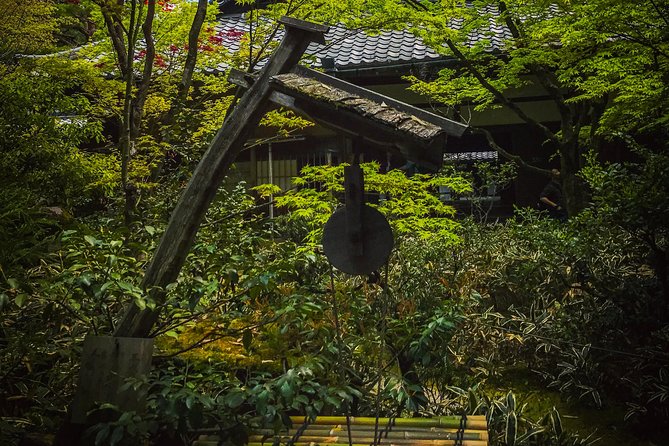
The supplied details do not list a formal tea stop as a guaranteed item, yet accounts of the ride describe a charming visit for tea and sweets at a shop with a history reaching back 1,025 years and 28 generations. Treat this as a possible part of the day rather than a promise of the booking.
That detail captures what the best version of the tour offers. You are not just moving from one ticketed sight to another. You get a small connection to old Kyoto commerce and tradition, with a story attached to the food and drink.
The ride itself also leaves room for local recommendations. Guides have suggested ramen, udon, restaurants, and shopping areas after the tour. Since you finish where you started, you can use the guide’s advice to plan lunch or dinner nearby.
The cultural conversation may range widely. Past guides have discussed maiko and geisha history, samurai-era Japan, Shinto, Buddhism, Zen, temple etiquette, and useful customs. Yuta, in particular, is known for combining historical detail with practical advice, while Michael has been praised for strong storytelling and Sean for helping riders through wet or cooler weather.
How hard is the cycling?
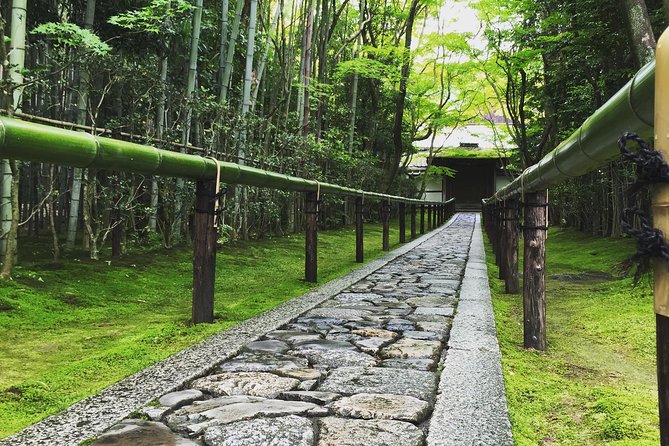
The tour is presented as an easy ride suitable for most people aged 13 and older. The e-bikes do much of the work on uphill stretches, and people who had not cycled for a decade have managed the route.
Still, you should prepare for real riding. Some sections include hills and fairly steep descents. You need to feel comfortable braking and steering, and you should not book simply because the word electric makes the activity sound passive.
The ride has been completed in rain, and guides have provided rain gear on some outings. Even so, bring your own raincoat or poncho if wet weather is expected. Weatherproof gloves are also a sensible addition. The company may cancel for poor weather and offer another date or a full refund.
Warm, humid conditions can make cycling tiring even with motor assistance. The morning departures may be preferable if you dislike heat, while an afternoon departure gives you a later start. Choose the time that matches your energy and sightseeing plans.
What the $116 price buys you
At $116 per person, this is not the cheapest way to see Kyoto. You could rent a bicycle independently for less, visit a few temples on your own, and use public transportation between districts.
The value lies in the route design and the human guidance. Your fee covers the bike, helmet, water, English-speaking route coordinator, and a small-group ride linking places that are not always simple to combine efficiently. You also avoid spending time figuring out directions, deciding which side streets are suitable, or wondering what you are looking at inside a Zen complex.
For a first visit, that structure can save both time and mental effort. For a repeat visit, the quiet lanes and lesser-known temple spaces may offer a fresh angle on a city you already know.
The price makes less sense if you only want Kinkakuji. You can visit that landmark without paying for a half-day experience. It makes more sense if you want a connected route, cultural explanation, e-bike assistance, and a calmer way to see northern Kyoto.
Who should book this ride?
I would recommend it to active couples, families with teenagers, solo visitors who like small groups, and repeat visitors who have already seen the major central sights. The minimum age is 13, so it can work well for a parent and teenager, provided both are comfortable on bikes.
It is also a good match for anyone who wants more than photographs. Guides explain Japanese history and culture in a way that can make later temple visits more meaningful. The ride gives you a useful orientation early in your Kyoto stay, including food and neighborhood suggestions for the days ahead.
You should think twice if you cannot ride a bicycle, dislike hills, or want a fully passive sightseeing experience. Choosing not to participate or being unable to ride does not qualify for a refund. Late arrival is another serious issue: miss the departure after failing to arrive 15 minutes early, and you will not receive a refund.
The maximum of eight people is a strong advantage. It does not guarantee a silent or perfectly paced ride, since guide styles differ, but it gives you a better chance to ask questions and receive help than a large organized group would.
Booking, cancellation, and practical timing
You can cancel for a full refund up to 24 hours before the local start time. Cancellations, changes, missed bookings, or no-shows inside that 24-hour window are not refundable, and departure times cannot be changed during that period.
The tour needs good weather. If NORU cancels because conditions are poor, you can choose another date or receive a full refund. If the minimum number of participants is not reached, the same options apply.
Book the ride early in your Kyoto stay if you want its restaurant and neighborhood advice to help shape the rest of your visit. Pick a morning start if you want cooler riding conditions and a full afternoon afterward. Pick the afternoon if you prefer a slower morning or want to pair the ride with nearby sightseeing before or after it.
Should you book the Hidden Kyoto E-Biking tour?
Book it if you want to combine Kyoto’s famous Golden Pavilion with quiet temple grounds, Zen gardens, local streets, and thoughtful cultural explanation. The e-bike takes the sting out of the hills, while the group size keeps the outing friendly and manageable.
I would not book it as a substitute for a relaxed, in-depth visit to every temple on the route. You are covering several sites in one half-day, and one guide may spend more time talking than you prefer. But if you value a well-planned route and want to see a less hectic side of Kyoto without giving up its major sights, the $116 price is fair.
Arrive early, wear practical clothes, bring rain protection when needed, and keep your expectations realistic about cycling. Do that, and this NORU ride offers a smart way to get your Kyoto bearings fast while still leaving room for quiet moments.
FAQ
How long does the Hidden Kyoto E-Biking tour last?
The tour lasts approximately 3 hours and 45 minutes.
How far do you cycle?
The route covers approximately 7 to 8 kilometers, described in the tour details as about 4.3 to 4.9 miles.
Where does the tour start and finish?
It starts and ends at NORU Kyoto Bike Tours, 429-22 Takigahanacho, Kamigyo Ward, Kyoto, 602-8336, Japan.
What sights are included?
The planned stops are Kinkakuji Temple, Daitokuji Temple, Kitano Tenmangu Shrine, Koto-in, and Zuihoin.
Is the bike included in the price?
Yes. A rental bike, helmet, water, and an English-speaking route coordinator are included.
What is the minimum age?
The minimum age is 13.
How many people can join the tour?
The maximum group size is eight people.
Do I need to arrive early?
Yes. You must arrive 15 minutes before departure. Departure times are 8:30, 9:00, 12:30, and 1:00. If you arrive late and miss the ride, you will not receive a refund.
Can I cancel for a refund?
You can cancel for a full refund at least 24 hours before the experience starts. Cancellations or changes made less than 24 hours before the start time are not accepted or refunded. If NORU cancels because of poor weather or because the minimum number is not met, you can receive a full refund or choose another option.
Newest Kyoto experiences on the site
- Treasures of Kyoto: Gion & historical Walking Tour★ 5.0 · 6 reviews
- Whisk Your Own Matcha: A Zen Matcha Experience at Temple★ 3.6 · 7 reviews
- Kyoto tea town for matcha lovers★ 5.0 · 16 reviews
- Uji: Private immersion into Kyoto’s tea and reglious culture★ 5.0 · 17 reviews
- Kyoto Matcha Green Tea Tour★ 4.5 · 23 reviews
- Uji and Wazuka Matcha Farm Half Day Private Guided Tour★ 5.0 · 21 reviews
- Utilising upcycled Matcha! Creating matcha incense (Uji, Kyoto)★ 5.0 · 6 reviews
- Sacred Temple Yoga Experience in Japan★ 5.0 · 3 reviews
Kyoto Cycling Tours, compared.
Arashiyama Bamboo Forest & Hidden Gems Bike Tour (Early Bird)
Read our review →
5 Top Highlights of Kyoto Full Day Bike Tour (E-bike option)
Read our review →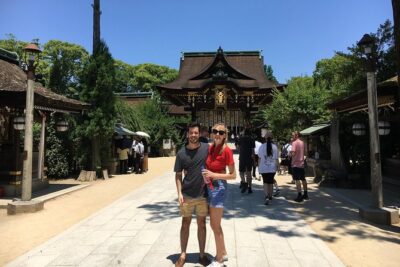
Full Day Biking Tour Exploring the Best of Kyoto
Read our review →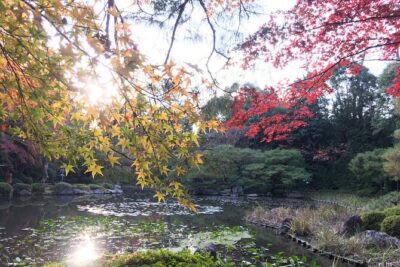
Afternoon Kyoto Bike Tour: Bamboo Forest, Monkeys & Hidden Spots
Read our review →
South Kyoto in a Nutshell: Gentle Backstreet Bike Tour!
Read our review →
Browse the lists this tour appears in