
Reviewed · KYOTO MATCHA EXPERIENCES
Slow Cycling Tour at Uji’s Matcha Green Tea Fields and Heritage
Uji’s best moments often come between its headline sights. On this four-and-a-half-hour BROMPTON ride, you pedal from the station to tea culture displays, old shrines, a Zen temple, river paths, and the quiet valley near Amagase Dam. Local guide Takashi has led several of these tours, explaining both Uji’s tea trade and its long religious story in clear English.
I like the small maximum group of six, which gives the navigator room to adjust the route and answer questions. I also like that this is slow cycling rather than a fitness test: the bike, helmet, and riding equipment are provided, and the course can be shaped around your interests.
The main thing to consider is the price, about $130.46 per person, before optional admission fees, insurance, food, and drinks. You are paying for a private-feeling, guided half-day with a quality folding bike, not simply a rental, so the value depends on how much help and local context you want.
Key details before you book
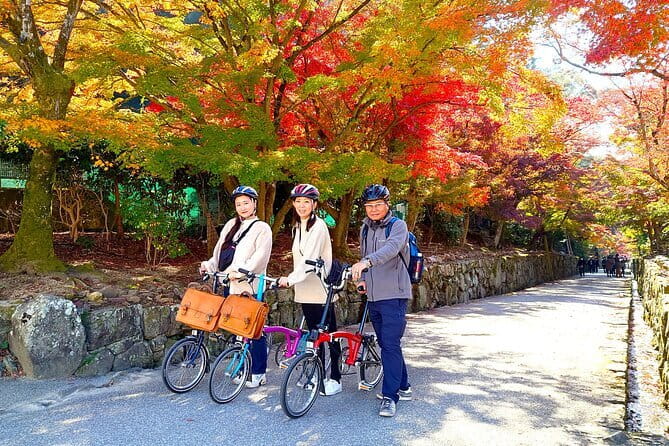
- BROMPTON bicycles keep the ride easy and stylish, with all basic riding equipment supplied.
- A maximum of six people makes the tour personal and flexible.
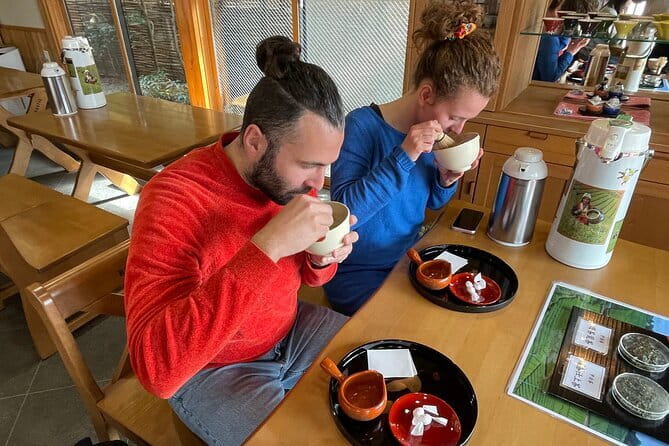
- Chazuna explains Uji tea culture before you visit tea shops and matcha stops in town.
- The route mixes temples, shrines, river scenery, and nature, rather than focusing only on Byodo-in.
- Lunch and snacks are not included, but the navigator can suggest places based on your preferences.
- Optional costs include Chazuna, Byodo-in Phoenix Hall, and insurance, so budget a little above the headline price.
Why slow cycling works so well in Uji
Uji is easy to reach from Kyoto, yet it rewards a slower pace. The main town has famous tea shops and the celebrated Byodo-in Temple, but its quieter corners are spread along the Uji River and into wooded areas beyond the center. Walking can cover some of this ground, though cycling lets you connect the pieces without turning the day into a march.
The word slow matters here. This is designed for people who want gentle movement and sightseeing, including those who are not confident cyclists or athletes. The focus is on stopping often, listening, taking photographs, and enjoying the setting rather than covering a great distance.
The BROMPTON bicycle is part of the appeal. It is a distinctive folding bike with a compact, polished look, and the tour allows you to take photos with it. Helmets and other riding equipment are supplied, along with bags for carrying items while riding, so you do not need to arrange a separate rental.
The route can also be adjusted to your wishes. That does not mean every stop is guaranteed to change, but it gives the navigator room to respond to your interests. Ask for extra attention to tea, temples, food, scenery, or photography when you meet.
More tea days out in Uji:
- Uji: Green Tea Tour with Byodoin and Koshoji Temple Visits
★ 4.8 · 72 reviews - Uji: UNESCO Heritage & Tea Ceremony Walking Tour
★ 4.6 · 54 reviews - Matcha Grinding Experience and Walking Tour in Uji Kyoto
★ 5.0 · 26 reviews
Starting at Uji Station and meeting the navigator
The meeting point is Chatsubo Postbox Japan near Uji Station, at Umonji 1716 in Uji. The start time is 10:00 a.m., and the tour returns to the same meeting point. Since the start is close to public transportation, it is a practical choice for a day trip from Kyoto.
Allow a little time to arrive before the start. You will need to meet the English-speaking guide, receive your bicycle, and get set up with the supplied equipment. The maximum group size is six, though smaller private groups are possible when booked that way.
Takashi is one guide associated with this experience, and the feedback describes him as friendly, fun, and attentive to the interests of the people on his tours. Guides can vary, but the format calls for an exclusive navigator and an English guide, which gives you more personal help than a large coach tour.
Chazuna makes the tea story clearer
The first major stop is the Tea and Uji Town Exchange Center, Chazuna. Admission is not included, with an optional fee of 600 yen. This is a useful opening because Uji tea is more than a flavor sold in a shop. The center gives you a grounding in the cultivation, production, and cultural importance of Japanese tea.
If you already love matcha, this stop adds context to what you will taste later. If you are new to powdered green tea, it helps explain why Uji has such a strong connection to the product. The planned visit lasts about 45 minutes, enough time to learn without taking over the whole morning.
I would treat the admission fee as worthwhile if tea is one of your main reasons for coming to Uji. If you would rather spend the time outside, ask how the route can be adjusted. The tour is designed with some flexibility, but the navigator will have the best sense of what can fit into the four-and-a-half-hour schedule.
Uji Shrine and Ujigami Shrine
The next stops shift from tea to religion and local tradition. Uji Shrine is said to be more than 1,700 years old and is associated with academic and childbirth success. It is a free stop lasting about 30 minutes, giving you enough time to see the grounds and hear the basic story without rushing.
Nearby Ujigami Shrine is paired with Uji Shrine and has its own special feature: Kirihara Water, one of the seven famous waters of Uji, still flows from the grounds. That detail gives the stop a strong sense of place. You are not just checking off another shrine. You are seeing how water, sacred sites, and local identity connect in Uji.
The two shrine visits are especially valuable with a guide. Without context, their compact grounds may seem easy to pass through. With an explanation of their relationship and traditions, you can better understand why both are included.
Admission is free at each shrine. The 30-minute allocation for both individual stops keeps the day moving, though anyone wanting long photography sessions or quiet reflection may find the pace a little structured.
More matcha experiences in Kyoto:
- Kyoto: Arashiyama Bamboo Forest, Monkeys, Matcha & Temple Tour
★ 5.0 · 759 reviews - Kyoto: Tea Museum Tickets and Matcha Grinding Experience
★ 4.9 · 739 reviews - Kyoto: Tea Ceremony Meditation – Make Matcha with Tea Master
★ 4.8 · 406 reviews - Kyoto: Kimono Tea Ceremony with Matcha and Sweet
★ 4.9 · 249 reviews
The Uji River and Asagiri Bridge
Asagiri Bridge provides one of the short scenic pauses on the route. The stop lasts around 15 minutes and is aimed largely at photographs. The bridge crosses the Uji River, and the water and surrounding views give you a natural break between the shrines and the longer ride toward Koshoji.
This is a good example of what a guided bicycle tour adds. You can stop at a worthwhile viewpoint without having to plan the route yourself or search for a place to lock a rental bike. Fifteen minutes is not long, so have your camera ready and listen for the guide’s directions about the best place to look.
The river also helps explain the changing character of Uji. The town center can feel focused on tea shops and major cultural sights, while the water offers more open space and a calmer rhythm. The tour uses that contrast well.
Koshoji Temple and the Kotosaka slope
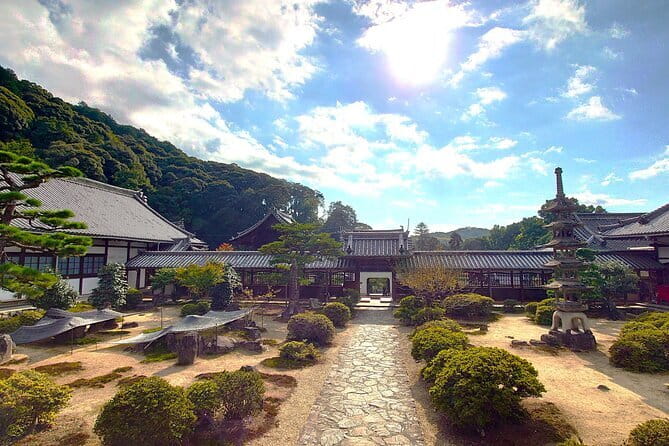
Koshoji is a Zen temple with about 800 years of history. The approach is one of its special features: Kotosaka runs from the stone gate toward the temple grounds, bordered by stone walls. The planned visit lasts about 30 minutes and admission is listed as free.
This stop suits you if you enjoy architecture and peaceful paths more than grand interiors. The stone approach gives the visit a sense of progression, and the temple adds another layer to the day after the shrines. You are seeing several kinds of religious sites, not one repeated style.
The bicycle makes reaching Koshoji easier than walking from the central station area, but remember that the tour remains a sightseeing ride rather than a door-to-door vehicle service. You may still walk the most attractive temple paths, and you should expect occasional stops where the bike is parked while you explore.
The wooded route to Amagase Dam
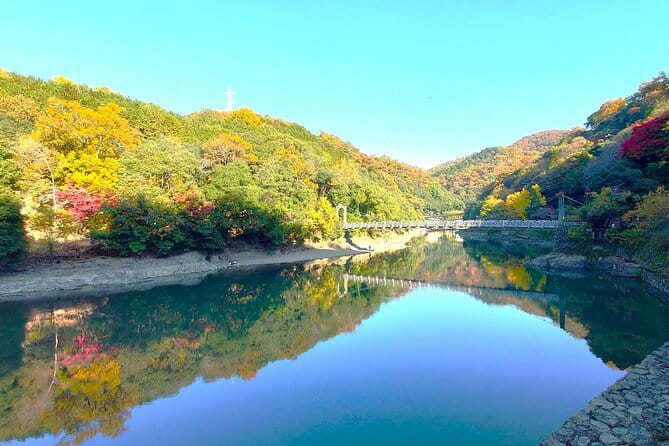
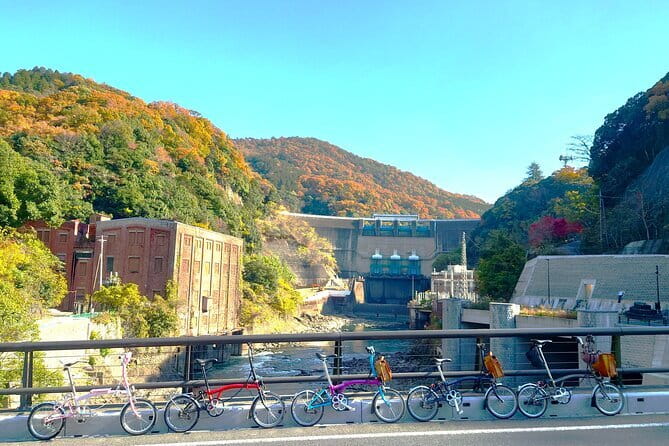
The longest section is the one-hour outing toward Amagase Dam. A nature trail follows the Uji River to the wooden Amagase Bridge, where the valley becomes quiet enough to make Kyoto’s busy center feel far away.
This is likely the strongest part of the experience for anyone who wants scenery. The tour is not only a tea and temple circuit. It reaches a more tranquil section of the Uji area, where the river and valley take center stage. The path also gives the ride a change of pace after several cultural stops.
The route is described as a nature trail, so it is sensible to expect a less urban setting than the streets around Uji Station. The tour requires good weather, and that matters most here. Rain could make the outdoor portion less pleasant, which is why poor-weather cancellations can result in a different date or a full refund.
Summer can be warm, but shaded paths along the river may make the ride more comfortable. Even so, you should dress for the season and be prepared for several hours outside. The supplied equipment covers the riding essentials, not personal sun protection or refreshments.
Returning through Byodo-in Omotesando
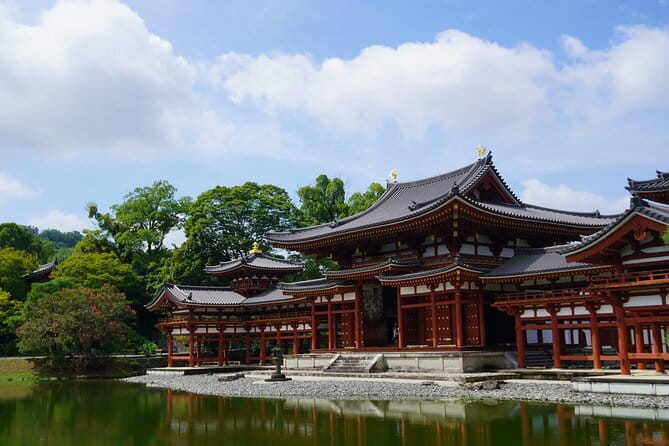
The final hour brings you back toward the city and Byodo-in Omotesando, the approach street to one of Uji’s best-known sights. You can finish by visiting Byodo-in Phoenix Hall, a UNESCO World Heritage Site, or by stopping for tea at one of Uji’s specialty shops.
The admission fee for Byodo-in Phoenix Hall is not included and costs 700 yen as an option. Chazuna and Byodo-in together add 1,300 yen if you choose both, before the optional 500-yen insurance fee. That is useful to know when comparing the tour price with the total cost of your day.
Byodo-in is a major attraction, but this tour does not make it the whole point. You see it after tea culture, shrines, a Zen temple, and the river valley, so the famous hall becomes part of a broader picture of Uji. If you have already visited Byodo-in, you can put more time into tea shops or ask about another part of the route.
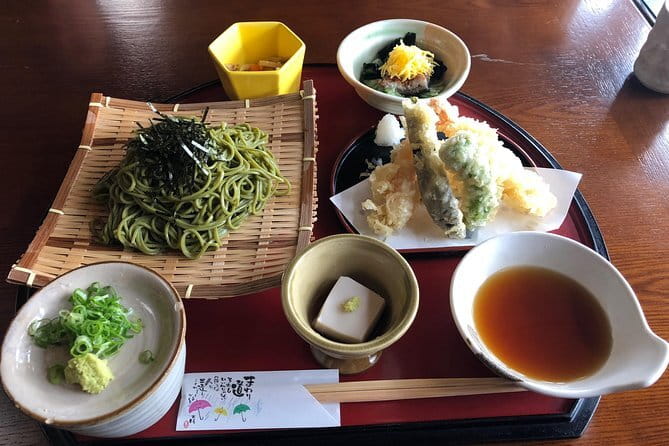
The navigator can also suggest restaurants according to your wishes. Food is not included, and the stop is not a fixed meal package. Past tour arrangements have included a vegan and gluten-free restaurant, so it is worth sharing dietary needs when you book or meet the guide.
What the price really covers
At about $130.46 per person, this is not a budget bicycle rental. The cost includes the bicycle, riding equipment, an exclusive navigator, and an English guide. It also buys you a prepared route that links sites you might otherwise visit separately.
The strongest value comes when you want local explanation and a small group. A rental bike can be cheaper, but you would need to plan the route, find the less obvious shrines, judge the best river paths, and manage the day yourself. This tour handles those decisions while still giving you the freedom to stop and look around.
The price is harder to justify if you only want to ride for an hour or visit Byodo-in. It is a half-day experience with several stops, and you should be ready to give it that time. Group discounts may be available, which can improve the value for a larger booking.
Budget extra for the 600-yen Chazuna entrance, 700-yen Byodo-in Phoenix Hall entrance, optional 500-yen insurance, and whatever food or tea you buy. The tour itself includes no snacks.
Who will enjoy this Uji ride most
I would recommend it to matcha fans, first-time visitors to Uji, couples, and anyone who wants a more active alternative to a standard temple walk. It also fits people who want to see the river and quieter outer areas without committing to a demanding cycling day.
The tour works well for families or mixed-ability groups because the pace is gentle and most people can participate. Still, you are riding for several hours, so it is not entirely effortless. If you have serious mobility concerns or do not feel comfortable on a bicycle, confirm suitability before booking.
Photography lovers get plenty of variety: the BROMPTON bike itself, Asagiri Bridge, the Uji River, Kotosaka, shrine grounds, and the valley near Amagase Dam. Tea enthusiasts benefit from the early explanation at Chazuna and the chance to finish among Uji’s tea shops.
I would skip it if your schedule allows only a quick stop in Uji, if you want a fully self-guided day, or if you strongly dislike changing weather and outdoor riding. The experience is at its best when you enjoy moving slowly and letting the guide shape the day around the place.
Practical booking advice
Confirmation is sent within 48 hours, subject to availability. The tour is often booked well ahead, with an average booking time of about 49 days, so reserve early if your Kyoto dates are fixed.
You can cancel for a full refund up to 24 hours before the start time. Late cancellations and changes are not accepted, and poor weather or an insufficient number of bookings can lead to a new date, another experience, or a full refund.
The tour ends back at the Uji Station meeting point. That makes it easy to continue exploring Uji afterward, though the scheduled route already uses most of the day.
Should you book the Uji Slow Cycling Tour?
Book it if you want Uji to be more than a quick visit to Byodo-in. The combination of matcha culture, old shrines, Koshoji, river scenery, and Amagase Dam gives you a fuller sense of the town, while the BROMPTON bike keeps the day light and distinctive.
The best reasons to choose it are the small group, the English-speaking navigator, and the gentle route into places that are easy to miss on foot. Just allow for the extra admission and food costs, and choose a day when you can enjoy being outdoors.
FAQ
Where does the Uji cycling tour start?
The tour starts at Chatsubo Postbox Japan near Uji Station, at Umonji 1716, Uji, Kyoto. The meeting time is 10:00 a.m.
How long does the tour last?
The tour lasts approximately 4 hours and 30 minutes. It ends back at the original meeting point.
What is included in the tour price?
The price includes the BROMPTON bicycle rental, bicycle equipment such as helmets and transport bags, an exclusive navigator, and an English guide.
Are entrance fees included?
No. Chazuna has an optional 600-yen entrance fee, and Byodo-in Phoenix Hall has an optional 700-yen entrance fee. Both are separate from the tour price.
Is food included?
No. Snacks, refreshments, and meals are not included. The navigator can suggest restaurants according to your preferences, and food costs are paid separately.
What happens if the weather is bad?
The tour requires good weather. If it is canceled because of poor weather, you will be offered a different date or a full refund.
More History-Led Days in Kyoto
- Kyoto Gion: 2-Hour Geisha Culture & History Walking Tour
★ 5.0 · 1,186 reviews - Kyoto Gion Historical Walking Tour
★ 5.0 · 188 reviews - Historical Kyoto E-Bike Tour
★ 5.0 · 181 reviews - Kyoto: Nijo Castle World Heritage Guided Tour with Admission
★ 5.0 · 128 reviews
More Bike Days Around Kyoto
- Hidden Kyoto E-Biking tour
★ 5.0 · 1,843 reviews - Bike Tour Exploring North Kyoto plus Lunch
★ 5.0 · 1,087 reviews - Arashiyama Bamboo Forest & Hidden Gems Bike Tour (Early Bird)
★ 5.0 · 613 reviews - 5 Top Highlights of Kyoto Full Day Bike Tour (E-bike option)
★ 5.0 · 511 reviews
Newest Kyoto experiences on the site
- Treasures of Kyoto: Gion & historical Walking Tour★ 5.0 · 6 reviews
- Whisk Your Own Matcha: A Zen Matcha Experience at Temple★ 3.6 · 7 reviews
- Kyoto tea town for matcha lovers★ 5.0 · 16 reviews
- Uji: Private immersion into Kyoto’s tea and reglious culture★ 5.0 · 17 reviews
- Kyoto Matcha Green Tea Tour★ 4.5 · 23 reviews
- Uji and Wazuka Matcha Farm Half Day Private Guided Tour★ 5.0 · 21 reviews
- Utilising upcycled Matcha! Creating matcha incense (Uji, Kyoto)★ 5.0 · 6 reviews
- Sacred Temple Yoga Experience in Japan★ 5.0 · 3 reviews
Kyoto Matcha Experiences, compared.
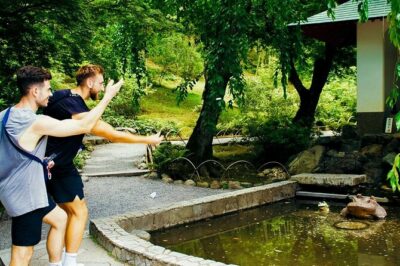
Arashiyama Bamboo Forest, Monkeys, Matcha & Temple Tour
Read our review →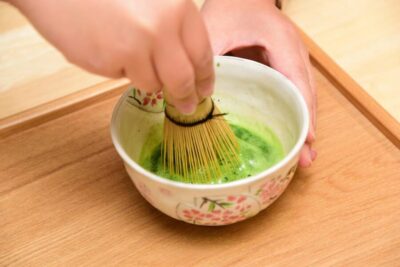
Tea Museum Tickets and Matcha Grinding Experience
Read our review →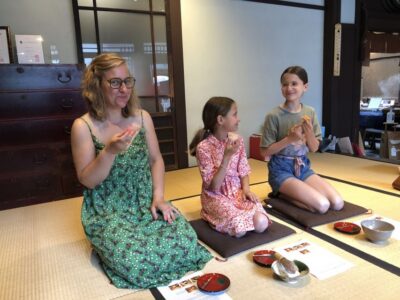
Tea Ceremony Meditation – Make Matcha with Tea Master
Read our review →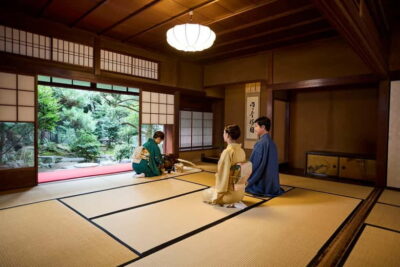
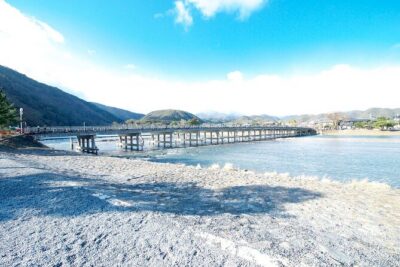
Arashiyama Bamboo, Temple, Matcha, Monkeys & secret spots
Read our review →
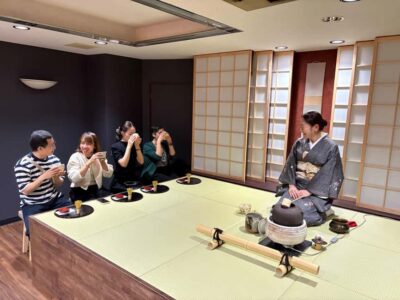
Traditional Tea Ceremony with Matcha & Sweets in Gion
Read our review →Browse the lists this tour appears in