
Reviewed · KYOTO TEA CEREMONIES
Uji: UNESCO Heritage & Tea Ceremony Walking Tour
Uji’s best feature is how much culture fits into a short walk. In three hours, you move from the famous Byodoin Temple to a quiet tea room, then across suspension bridges and into two important Shinto shrines. The tea ceremony gives the town’s matcha reputation some real meaning, while the small group keeps the pace personal.
I like the mix of major sights and simple local pleasures, especially the chance to taste Uji tea and sweets after learning how tea is prepared. I also like the guides’ clear, friendly explanations. Yuko, Katsuhiko, Katsu, and Miyake-san have all been praised for making Japanese customs easier to understand. The main drawback is physical: this is a walking tour with bridges, temple grounds, and standing or sitting during the ceremony, so it is not a good fit for people with mobility, heart, respiratory, or pregnancy-related concerns.
Key points to know before booking
- Byodoin is the visual centerpiece: You get a guided visit and entrance included, with about 50 minutes for the temple and grounds.
- The tea ceremony is hands-on: You learn the basic manners and may prepare or taste tea yourself, with translation from your guide.
- Two suspension bridges add scenery: Tachibara and Asagiri bridges provide open views along the Uji River.
- The small group matters: With no more than nine participants, questions are easier and the walk feels less like a procession.
- The tour ends at Uji Bridge: You finish near local tea and food shops rather than returning to the station.
- Bring cash and good shoes: Local snacks and personal purchases are not included, and the route involves several walking stops.
Why this three-hour Uji walk works
Uji is often treated as a quick matcha stop from Kyoto. That undersells it. The town brings together Buddhist architecture, Shinto traditions, tea culture, river views, and small food shops in a compact area.
This tour gives you a useful route through all of those themes without asking you to plan every turn yourself. You begin at JR Uji Station South Exit and finish at Uji Bridge, so the outing feels like a one-way walk through town rather than a loop back to where you started.
That route is also practical for a short visit. You do not spend the limited three-hour window on hotel transfers. You meet your English-speaking guide at the station, then walk from stop to stop. The group is limited to nine people, which gives the guide room to explain details and answer questions.
The strongest part of the experience is the connection between the sights. Byodoin shows you the grand, formal side of Japanese Buddhist art. The tea ceremony slows things down and focuses on gesture, attention, and etiquette. The shrines then give you a look at Shinto practice before the final stroll through Uji’s food and tea culture.
More tea days out in Uji:
- Uji: Green Tea Tour with Byodoin and Koshoji Temple Visits
★ 4.8 · 72 reviews - Matcha Grinding Experience and Walking Tour in Uji Kyoto
★ 5.0 · 26 reviews - Slow Cycling Tour at Uji’s Matcha Green Tea Fields and Heritage
★ 5.0 · 25 reviews
Meeting your guide at JR Uji Station
Your starting point is the South Exit of JR Uji Station. The guide will wear a TripGuru shirt or hold a TripGuru sign, so look for those details rather than wandering around the station searching for a name.
Arrive at least 10 minutes early. This is especially important if you are coming from another part of the Kyoto area, since morning traffic can make road journeys much slower than a navigation app suggests. The tour does not include hotel pickup, so you need to arrange your own way to Uji.
The station meeting point is a sensible choice. It is easy to identify, and the tour can begin as soon as everyone arrives. Wear shoes you can walk in comfortably. You should also carry cash, since personal purchases and local snacks are not included in the $66 price.
Byodoin Temple and the Phoenix Hall
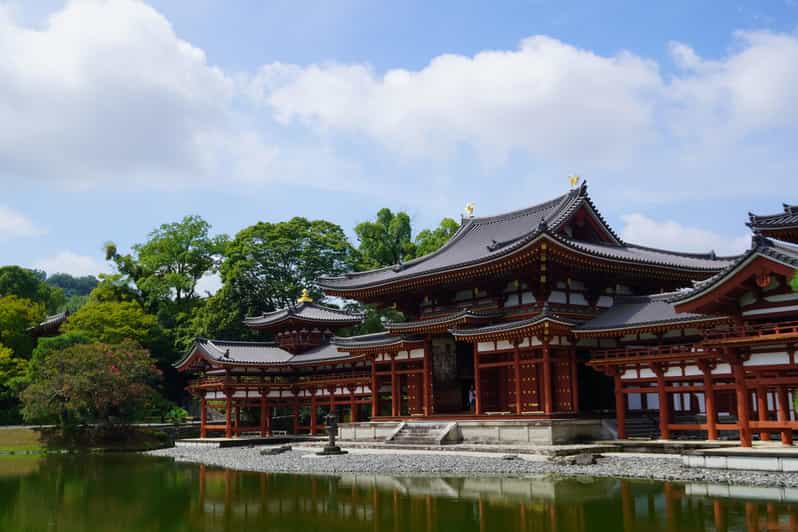
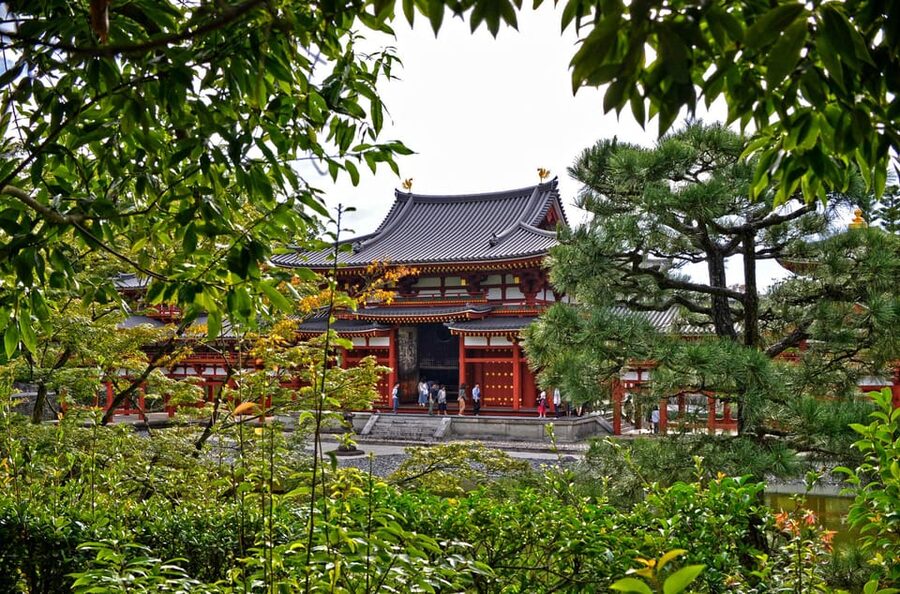
The first major stop is Byodoin Temple, with about 50 minutes for a guided visit. This is the part of the tour most likely to appear in your Japan planning photos, but the value here is not only visual.
Byodoin is a UNESCO World Heritage Site, and its design carries religious meaning as well as beauty. Your guide can help connect the buildings, artwork, and Buddhist ideas instead of leaving you to admire the architecture without context.
The temple visit gives the tour a strong beginning because it starts with one of Uji’s most important landmarks. You have enough time for a proper guided look, though not enough for a slow, all-day exploration of every corner. If you prefer to linger with a camera or read every sign, the fixed schedule may feel brisk.
Still, the 50-minute visit is well judged for a tour that also includes a ceremony and two shrines. You get the main experience without allowing one stop to swallow the entire morning or afternoon.
Bring a camera for the temple grounds and river walk, but remember that photography and video are prohibited during the tea ceremony later. Keeping the camera away at that point is part of showing respect for the setting.
Taihoan tea ceremony: the tour’s most distinctive stop
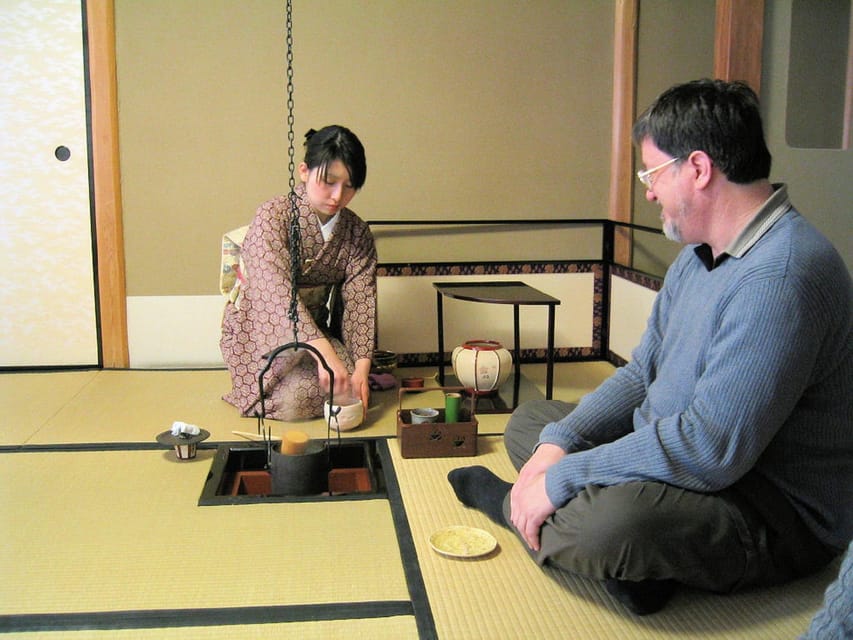
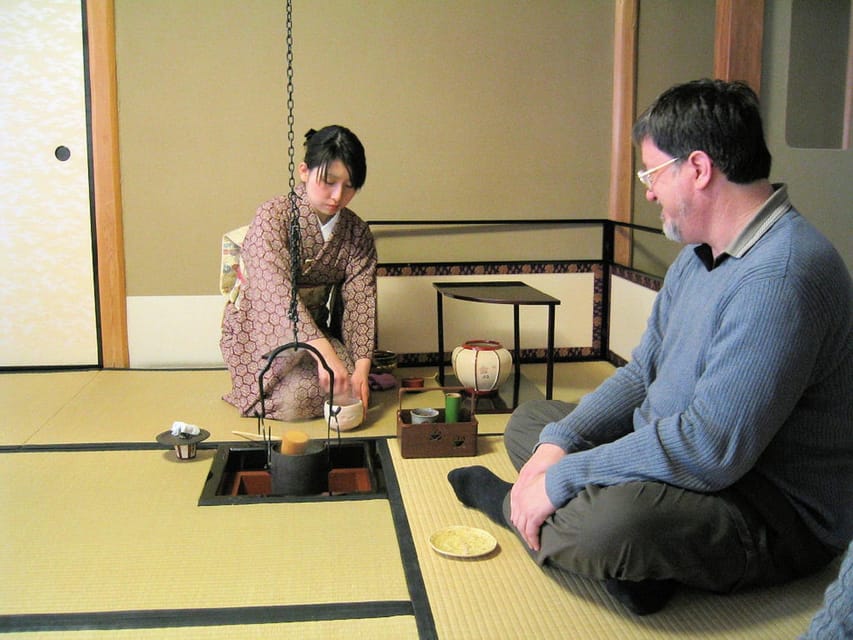
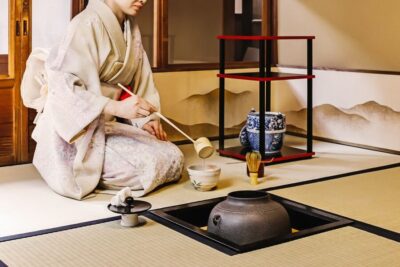
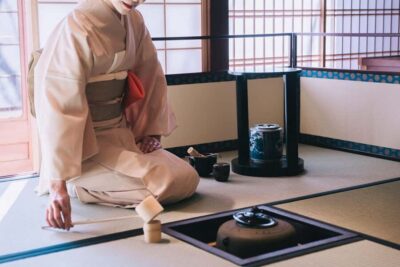
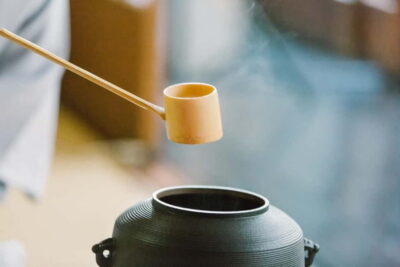
The tea ceremony at Taihoan is the experience’s clearest reason to book it instead of simply walking around Uji on your own. You are not only sampling matcha. You are shown how the ceremony works and what your movements mean.
The ceremony is conducted in Japanese, with your English-speaking guide translating the explanations. That arrangement lets you experience the ceremony in its proper setting without being left to guess what is happening.
Allow roughly 30 to 40 minutes for this part. The activity information includes a 30-minute tea ceremony, while the schedule gives the tea segment about 40 minutes. Either way, it is long enough to feel like a real cultural activity, but short enough to fit comfortably into the walking route.
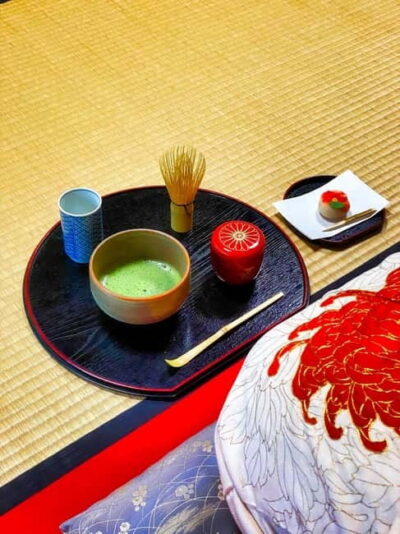
The instructions are precise, but you do not need to arrive as a tea expert. The atmosphere is formal without being harsh. You may have a chance to try the tea-making process yourself, which makes the etiquette easier to remember and gives the experience a personal touch.
This is also where the tour’s guide quality matters most. Guides such as Yuko, Katsuhiko, and Miyake-san have been praised for explaining the ceremony clearly, translating patiently, and helping people feel comfortable with unfamiliar customs. That support is useful because small gestures and sequence matter in Japanese tea practice.
Do not plan to film the ceremony. Photo and video recording are prohibited. If you are hoping for social media footage, this is a limitation. If you want to pay attention to the host and the ritual itself, it is a welcome pause from constant picture-taking.
More tea ceremonies in Kyoto:
- Kyoto: Tea Ceremony in a Traditional Tea House in Kiyomizu
★ 4.9 · 3,519 reviews - Kyoto: Tea Ceremony Ju-An at Jotokuji Temple
★ 4.9 · 3,207 reviews - Kyoto: 45-Minute Tea Ceremony Lesson Experience
★ 4.3 · 2,378 reviews - Kyoto: Table-Style Tea Ceremony at a Kyo-Machiya
★ 4.9 · 1,211 reviews
Walking beside the river and across two suspension bridges
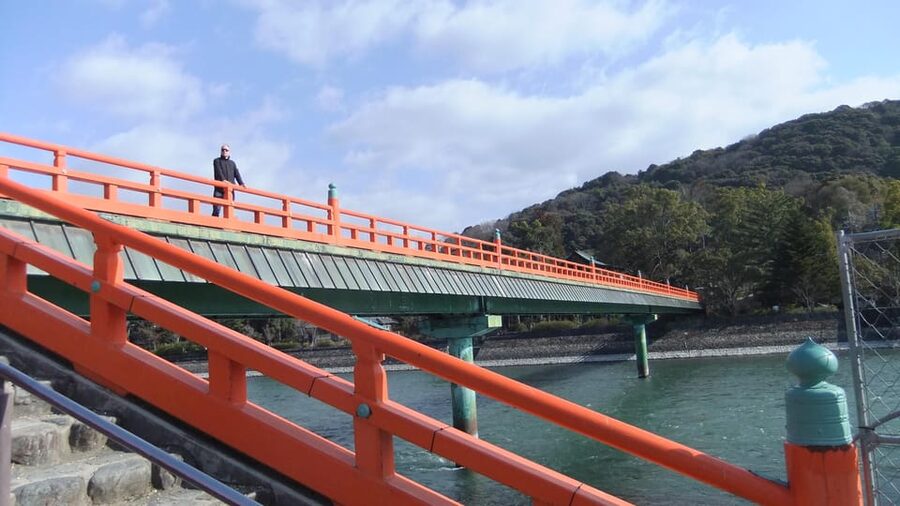
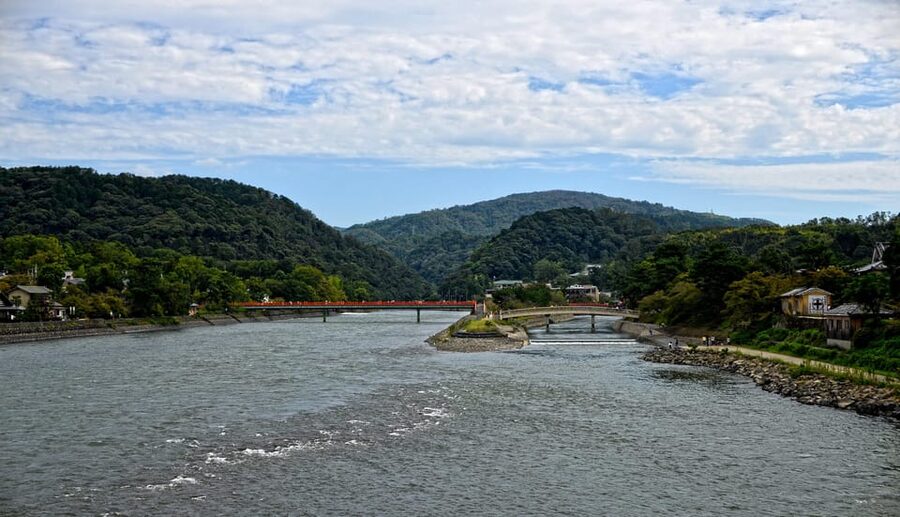
After the tea ceremony, the route returns outdoors for a short walk of about 10 minutes before the shrine visits. The Tachibara and Asagiri suspension bridges add a change of pace after the temple and tea room.
From the bridges, you get views of the Uji River and the surrounding town. These are not simply connecting points on a map. They give you open space, fresh air, and a chance to see why Uji’s setting helped shape its appeal.
Bridge crossings can be less comfortable for anyone uneasy with suspension bridges, and the route remains a walking route rather than a vehicle-based tour. Good shoes matter more than stylish ones here.
The river section also helps balance the cultural explanations. You are not inside a temple or tea room for the entire tour. A short outdoor stretch gives you time to absorb what you have heard before the next guided stop.
Uji Shrine and Ujigami Shrine
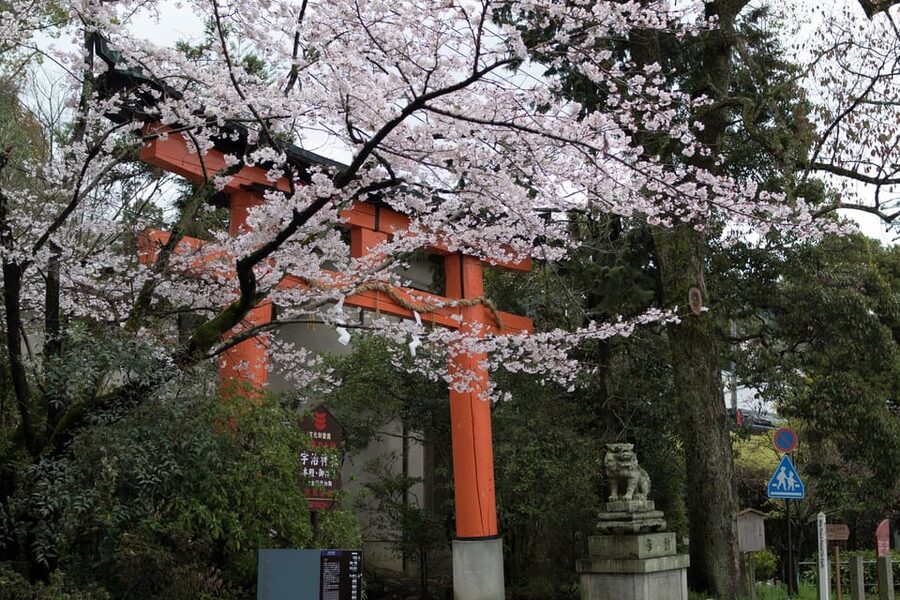
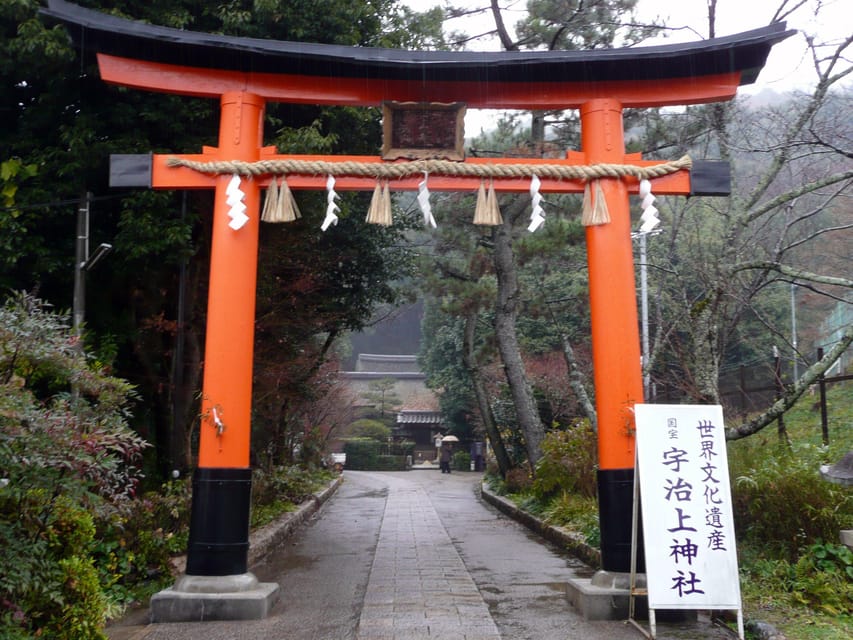
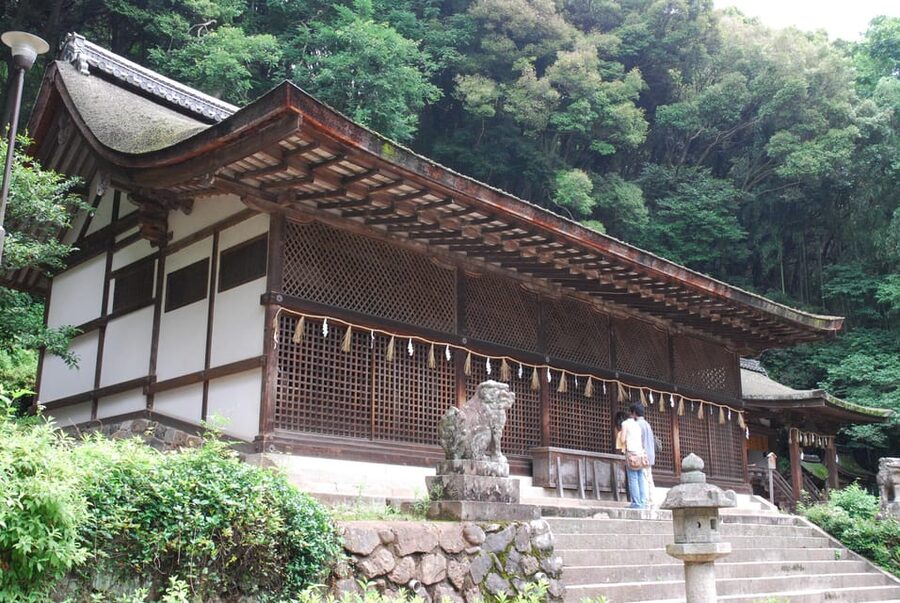
The tour visits both Uji Shrine and Ujigami Shrine, allowing your guide to explain Shinto beliefs and customs in context. Each shrine has cultural importance, but the main value for you is seeing how these sites differ from the Buddhist setting at Byodoin.
The scheduled visit to Uji Shrine lasts about 20 minutes, followed by about 20 minutes at Ujigami Shrine. That is enough for a focused introduction, basic customs, and questions, though it is not intended as a long independent study of shrine architecture.
This section works particularly well if Japanese religion feels confusing. Buddhism and Shinto are often presented together in daily life, yet they have different traditions and spaces. A guide can point out distinctions that are easy to miss when you are walking alone.
The tone of the tour is informal and accessible. You do not need prior knowledge of Shinto or Buddhism. The guides are there to explain what you are seeing without turning the walk into a lecture.
If you have already spent several days visiting temples and shrines in Kyoto, these stops may feel familiar in broad outline. Their value then comes from the Uji setting and from the guide’s local explanations. If this is your first close look at Japanese religious sites, the two shrines add much more context.
Matcha, mochi, and local treats near Uji Bridge
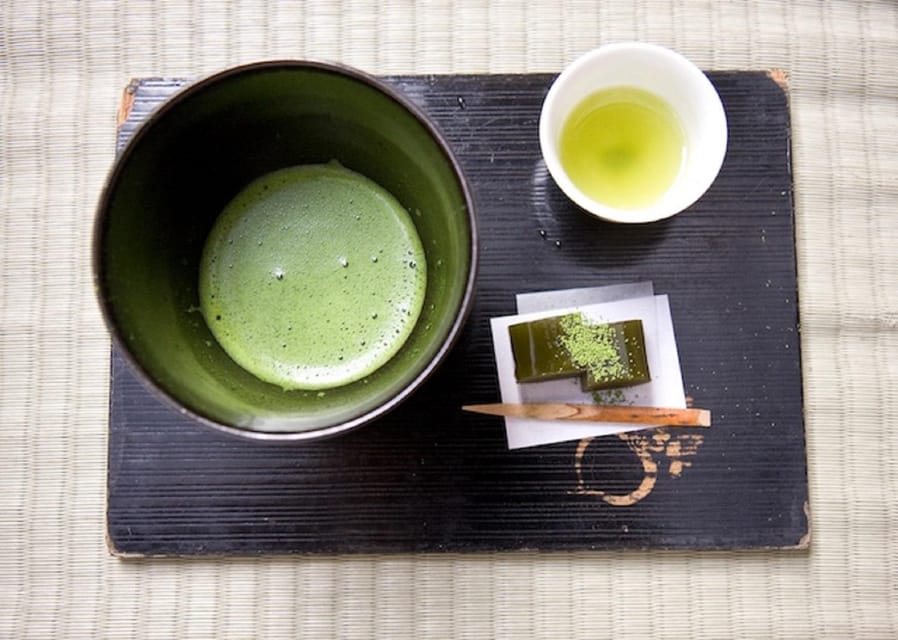
The final 40-minute section focuses on local snacks and tea flavors, finishing at Uji Bridge. This is a good ending because Uji’s food culture is not an afterthought. Matcha is part of the town’s identity, and tasting it in several forms helps you understand why the area is famous.
The exact treats can vary, so do not book this expecting a fixed tasting menu. The stated inclusion is a chance to enjoy local flavors, while personal expenses are separate. Bring cash if you want to buy tea, mochi, or other items to take with you.
The guides can also point you toward matcha shops, restaurants, and mochi shops. That advice can be useful after the tour, since you finish in town rather than being taken back to the station.
Uji Bridge is a convenient final point for continuing your day. You can stay in the area for food or shopping, or make your own way onward. The tour does not include hotel drop-off, so plan your next move before you arrive.
Is $66 a fair price?
At $66 per person, this is a reasonable price if you want a guide-led introduction rather than a self-guided visit to Byodoin. The fee includes the English-speaking guide, Byodoin entrance, and the tea ceremony. It does not include hotel transfers, personal expenses, or food and purchases beyond what is provided during the route.
The value comes from the combination. A temple entrance alone would not give you the shrine explanations, tea instruction, bridge walk, or food guidance. A tea ceremony alone would not show you how Uji’s religious sites and tea culture fit together.
The small group also improves the calculation. A maximum of nine people is intimate enough for questions and translation without the cost of a private tour. Still, you should compare the price with your own interests. If you only want to see Byodoin and take photos, you can spend less by visiting independently. If you want help understanding etiquette and local customs, the guided format earns its keep.
Free cancellation up to 24 hours before the start and the option to reserve now and pay later make the booking less rigid. Check the available start times before committing, since the tour lasts three hours and does not include transportation from your hotel.
Who should book this Uji experience?
I would choose this tour if you have limited time in Uji and want a clear introduction to the town. It is especially useful for first-time visitors who want a guide to explain Buddhist and Shinto customs rather than simply point out buildings.
It also suits anyone curious about Japanese tea but unsure how to approach a formal ceremony. The translation, practical instructions, and chance to participate make the ritual less intimidating.
The tour is a good match for couples, solo visitors, and small groups who enjoy walking and asking questions. The nine-person limit gives it a more personal feel than a large coach excursion.
You should think twice if you dislike fixed schedules, have difficulty walking, or want lots of time for independent photography. The tea ceremony cannot be filmed, the route has several walking sections, and each temple or shrine visit has a set duration. The activity is not suitable for pregnant women or people with mobility, heart, or respiratory problems.
Practical tips for a smoother morning or afternoon
Wear comfortable shoes and bring a camera for the outdoor sections. Bring cash for snacks, tea, and personal purchases, since those costs are not included.
Arrive 10 minutes early at JR Uji Station South Exit. If you are traveling by road, allow extra time for traffic rather than trusting the shortest estimate in a navigation app.
Keep your schedule flexible after the tour. Since you finish at Uji Bridge, you may want to continue eating or shopping nearby, but the tour does not provide a return transfer.
Most important, treat the tea ceremony as a quiet cultural activity, not a photo stop. Listen to the translation, follow the host’s instructions, and accept that the ceremony is conducted in Japanese. That approach will make the experience feel more natural.
Should you book it?
Book this tour if you want Uji explained in a compact, well-planned route. The strongest combination is the 50-minute Byodoin visit, the translated tea ceremony at Taihoan, and the chance to taste matcha treats while finishing near Uji Bridge.
The main question is not quality but pace. You will cover several places in three hours, so this is an introduction rather than an exhaustive study. For most first-time visitors, that is the point. You get history, religion, tea, scenery, and food without spending your day organizing the details yourself.
At $66, the tour makes the most sense for visitors who value context and personal guidance. If you want a deeper tea lesson, a private guide, or a slow day at one temple, choose something more specialized. If you want a friendly, small-group overview of Uji with a genuine tea ceremony at its center, this is a sensible choice.
FAQ
Where does the tour begin?
The tour begins at JR Uji Station, South Exit. Your guide will wear a TripGuru shirt or hold a TripGuru sign.
Where does the tour finish?
The tour finishes at Uji Bridge.
How long does the tour last?
The tour lasts three hours.
What language is the tour conducted in?
The live guided tour is conducted in English.
How large is the group?
The tour is limited to nine participants.
Is Byodoin Temple admission included?
Yes. Entrance to Byodoin Temple is included.
Is the tea ceremony included?
Yes. A tea ceremony is included. The ceremony is conducted in Japanese, and your guide translates the explanations.
Can I take photos during the tea ceremony?
No. Photo and video recording are prohibited during the tea ceremony.
Are hotel pickup and drop-off included?
No. You must make your own way to JR Uji Station, and hotel drop-off is not included.
What should I bring?
Bring comfortable shoes, a camera, and cash for personal expenses and local purchases.
More History-Led Days in Kyoto
- Kyoto Gion: 2-Hour Geisha Culture & History Walking Tour
★ 5.0 · 1,186 reviews - Kyoto Gion Historical Walking Tour
★ 5.0 · 188 reviews - Historical Kyoto E-Bike Tour
★ 5.0 · 181 reviews - Kyoto: Nijo Castle World Heritage Guided Tour with Admission
★ 5.0 · 128 reviews
More Walking Tours in Kyoto
- Kyoto Geisha Walking Tour: Gion District & Hidden Gems
★ 4.7 · 3,273 reviews - Kyoto: Gion Magical Night Walking Tour with Geisha Trivia
★ 4.9 · 2,393 reviews - Kyoto: Gion Geisha District Walking Tour – Stories of Geisha
★ 4.7 · 2,187 reviews - Night Walk in Gion: Kyoto’s Geisha District
★ 4.5 · 2,003 reviews
Newest Kyoto experiences on the site
- Treasures of Kyoto: Gion & historical Walking Tour★ 5.0 · 6 reviews
- Whisk Your Own Matcha: A Zen Matcha Experience at Temple★ 3.6 · 7 reviews
- Kyoto tea town for matcha lovers★ 5.0 · 16 reviews
- Uji: Private immersion into Kyoto’s tea and reglious culture★ 5.0 · 17 reviews
- Kyoto Matcha Green Tea Tour★ 4.5 · 23 reviews
- Uji and Wazuka Matcha Farm Half Day Private Guided Tour★ 5.0 · 21 reviews
- Utilising upcycled Matcha! Creating matcha incense (Uji, Kyoto)★ 5.0 · 6 reviews
- Sacred Temple Yoga Experience in Japan★ 5.0 · 3 reviews
Kyoto Tea Ceremonies, compared.
Tea Ceremony in a Traditional Tea House in Kiyomizu
Read our review →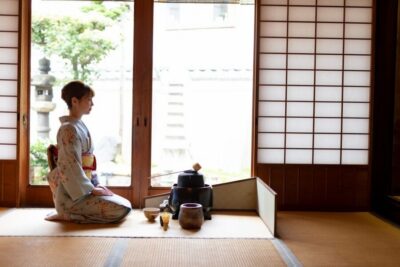
Tea Ceremony in 100-year-old Kyo-Machiya Townhouse
Read our review →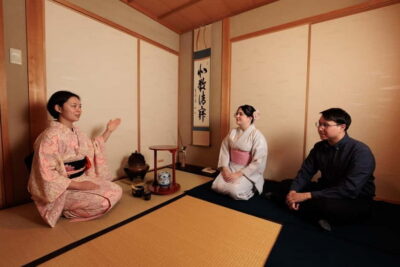
Browse the lists this tour appears in