
Reviewed · FUSHIMI INARI TOURS
Kyoto: Fushimi Inari Night Walking Tour with Guide
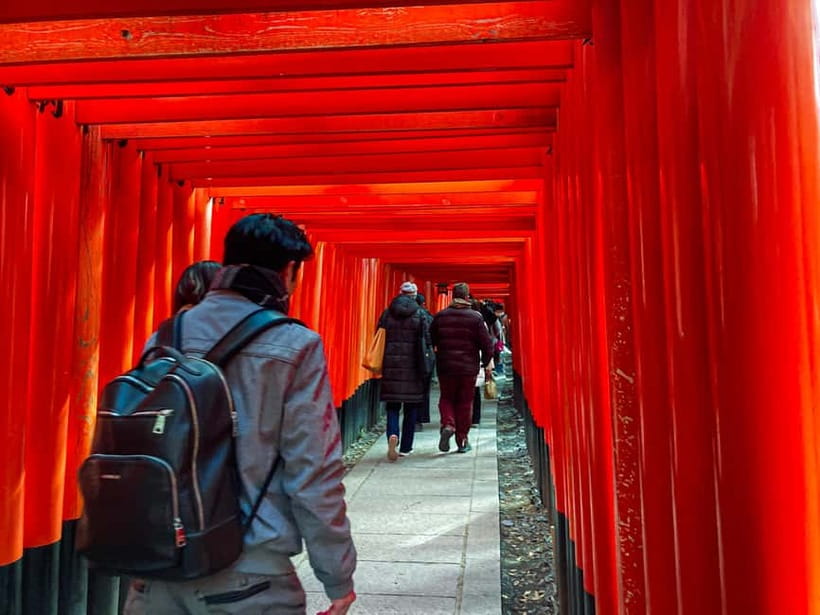
Fushimi Inari feels like a different shrine after dark. The crowds thin, the lanterns glow against the vermillion torii gates, and the walk takes on a quiet, almost private mood. You’ll explore with a local guide rather than simply pass through taking pictures.
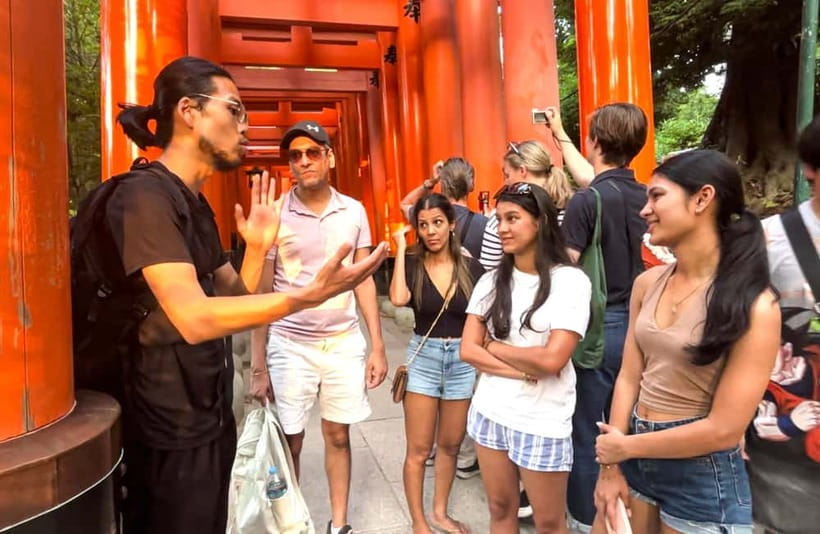
I like the small group limit of 10, which leaves room for real questions and conversation. I also like the guide’s cultural focus: you learn what the torii gates, shrine rituals, and sacred spaces mean, not just where to point your camera.
The main catch is that this is not a full climb of Mount Inari. The tour covers the lower and middle sections, so you’ll need a separate visit if reaching the summit is important to you.
Key points to know before booking
- Night changes the shrine completely: Lantern light and quieter paths give Fushimi Inari a more reflective feel.
- Meet at JR Inari Station: The station has one ticket gate, making the starting point simple to find.
- The walk lasts two hours: About 1.5 hours are spent on the shrine grounds, with the tour returning to the station.
- The group is capped at 10 people: This suits you if you want room for questions and personal conversation.
- You visit only part of the mountain: The route focuses on the lower and middle sections, including part of the Senbon Torii.
- The guide adds cultural context: Expect explanations of Shinto, shrine etiquette, Japanese customs, and the meaning of the architecture.
Why Fushimi Inari works so well after sunset
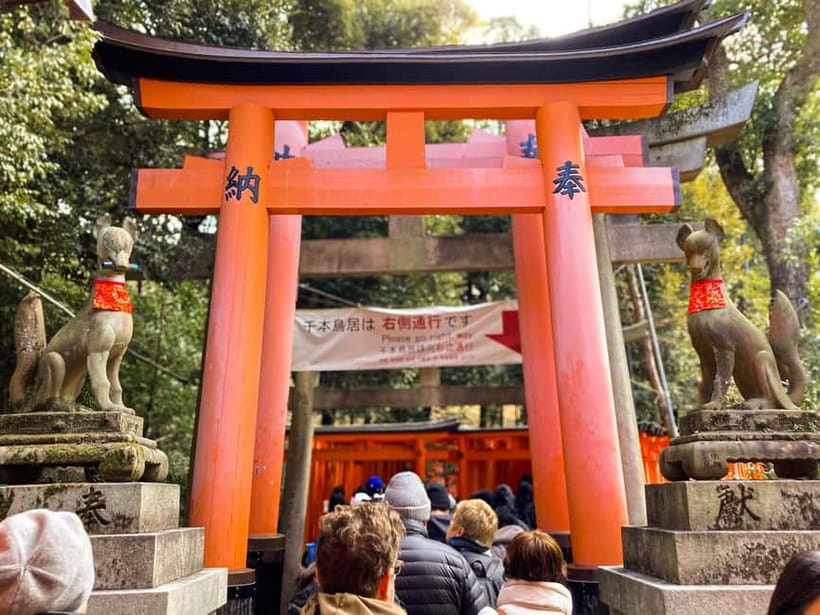
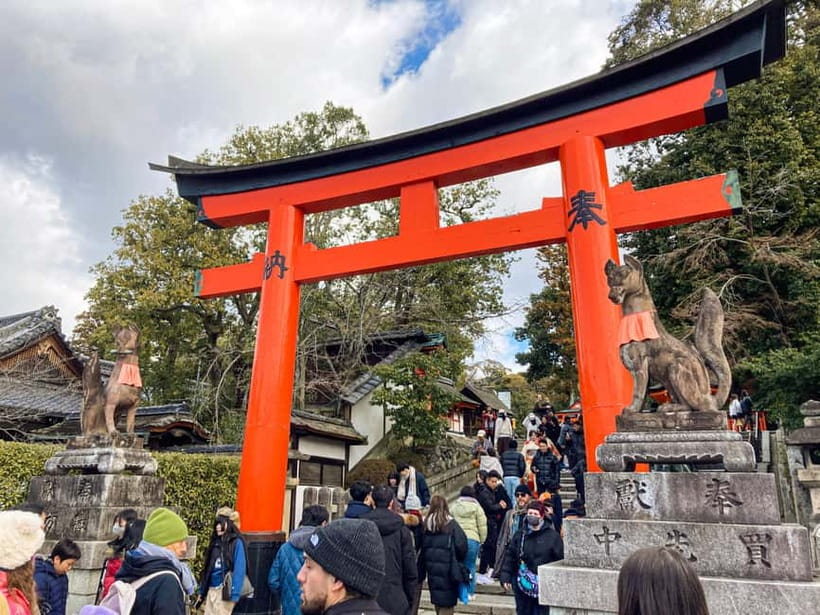
Fushimi Inari Taisha is one of Kyoto’s most recognizable sights, thanks to its long corridors of orange-red torii gates. By day, the shrine can feel busy and highly photographed. At night, the same gates take on a softer, more hushed character.
The evening timing is the heart of this experience. As twilight fades, shrine buildings and lanterns begin to glow. The narrow spaces between the gates feel more enclosed, and the steady rhythm of the torii creates a setting where you naturally slow down.
You’ll have time to take photographs, but the tour is not built around rushing from one photo stop to the next. Your guide can explain why the gates are here, how they relate to Shinto practice, and how the shrine fits into Kyoto’s religious traditions.
That combination matters. Without context, Fushimi Inari can seem like a striking orange tunnel with fox statues and lanterns. With a guide, the site becomes easier to read. You begin to notice the relationship between the shrine buildings, the mountain paths, the offerings, and the rituals taking place around you.
The evening also helps with summer heat. A September booking with guide Kate was praised for making the most of the cooler night hours, a useful point if you are visiting Kyoto during a hot spell. In winter, the tour also offers a daytime option, since darkness arrives early and evening temperatures can be less comfortable.
More ways to walk the Fushimi Inari gates:
- Kyoto: Fushimi Inari, Kinkakuji, Bamboo Grove 1 Day Bus Tour
★ 4.8 · 4,316 reviews - Fushimi Inari Hidden Hiking Tour (Private Option Available)
★ 5.0 · 1,750 reviews - Osaka/Kyoto:Kinkakuji,Arashiyama,FushimiInariShrine,NaraPark
★ 4.1 · 1,596 reviews
Starting at JR Inari Station
Your meeting point is the ticket gate at JR Inari Station, the nearest station to Fushimi Inari Shrine. There is only one ticket gate, so you do not need to search a large station complex or guess which exit your guide means.
That simple meeting point is useful in Kyoto, where major stations can be confusing. You should still arrive with a charged phone and keep WhatsApp or SMS available, since the guide may contact you before the tour.
The guide meets you directly at the station, then leads you toward the shrine. This saves you from working out the route on your own, and it gives the tour a clear beginning rather than leaving you to find a guide somewhere inside the grounds.
The experience ends back at JR Inari Station. That makes it easy to continue your evening by train or ask the guide for advice on food, nearby sights, or transport.
Walking through the lower shrine grounds
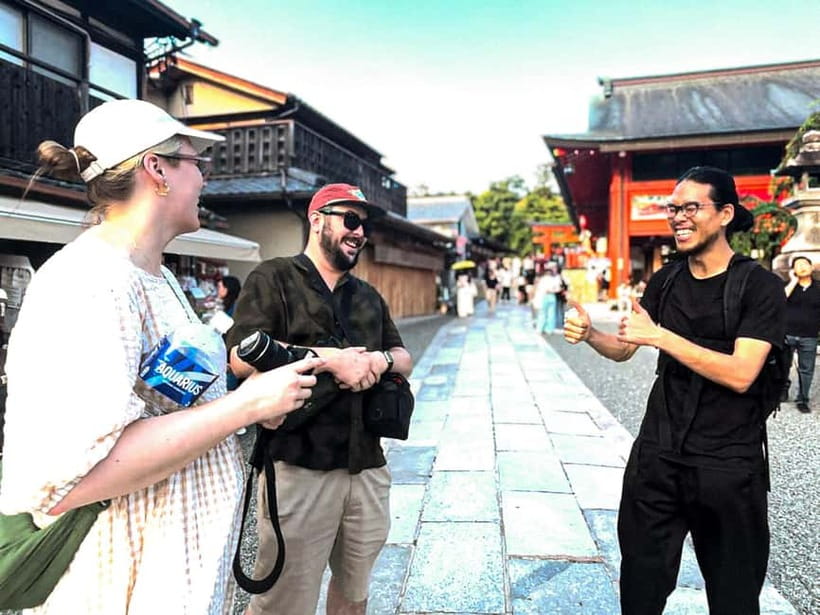
The first part of the visit introduces Fushimi Inari at a manageable pace. You will not be asked to race up the mountain or complete every path. Instead, the guide explains the setting, the shrine’s importance, and the customs that shape a visit.
This is where the tour is especially useful for first-time visitors to Japan. Shinto shrines have their own patterns of behavior, from approaching the main shrine area to understanding the difference between a place of worship and a historic sight. Your guide can explain these practices in plain English and answer questions as they arise.
The guides receive formal training in tourism and Japanese culture, with particular attention to Shinto shrines, Buddhist temples, and Japanese customs. That background supports the tour’s strongest feature: conversation. You can ask about religious traditions, Japanese daily life, cultural differences, or the parts of Kyoto you may want to see next.
The experience is not limited to a memorized speech. The guide is expected to adjust the discussion to your interests. If you want more detail about shrine rituals, you can ask for it. If you are more curious about local customs or the contrast between Japanese and Western habits, the conversation can move in that direction.
The Senbon Torii and the meaning behind the gates
The famous Senbon Torii, often called the thousand torii gates, is the visual center of the walk. You’ll pass through part of this long series of gates, with each opening framing the next section of the path.
The gates are not simply decorative. Your guide explains their symbolic meaning and the role they play at Fushimi Inari. This context adds weight to the photographs, since the gates represent more than a clever pattern of color and shadow.
You may also learn about the shrine’s connection to Japanese spirituality and Kyoto’s religious heritage. The exact discussion can shift depending on your questions and guide, but the stated focus includes Shintoism, shrine rituals, sacred architecture, and Japanese customs.
At night, the Senbon Torii is particularly suited to photography. Lanterns create small pools of light, while the gates form repeating lines that lead your eye forward. Bring a charged smartphone so you can capture the views, but do not expect the guide to turn the whole walk into a formal photography lesson.
You receive free time at key spots for quiet reflection or pictures. That is an important detail. A guided tour can sometimes feel too tightly timed, but this one allows pauses instead of filling every minute with commentary.
More Kyoto after dark:
- Kyoto: Gion Magical Night Walking Tour with Geisha Trivia
★ 4.9 · 2,393 reviews - Night Walk in Gion: Kyoto’s Geisha District
★ 4.5 · 2,003 reviews - Kyoto Night Foodie Tour in Gion (9+ dishes + 6 Sake tastings)
★ 5.0 · 1,762 reviews - Kyoto Gion Night Walk & Geisha District Guided Tour
★ 5.0 · 786 reviews
What the guide adds to the experience
The quality of this tour depends heavily on the person leading it, and the available feedback points to strong guide-led conversations. Goku led one visit for a solo participant when no one else had booked that date and time. He still conducted the tour, which suggests that the small-group format may feel personal even when the group is tiny.
Kate received similar praise for explaining Fushimi Inari in detail during an evening visit. Another booking described the guide as able to communicate Japanese culture clearly, which is exactly what you want here. The shrine is easy enough to photograph on your own, but harder to understand without some explanation.
English is the default language. French, Spanish, Russian, and Portuguese may also be available, depending on the guide schedule, so you should request your preferred language in advance.
A good guide also helps you read the quiet moments. The flicker of a lantern, the repeated gates, and the change from twilight to darkness all mean more when you know how to approach the site respectfully.
What the two-hour itinerary really includes
The activity lasts two hours, with about 1.5 hours spent on a guided visit around Fushimi Inari. You start at JR Inari Station, walk through the shrine area, explore part of the torii route, and return to the station.
The route focuses on the lower and middle sections of the mountain. That keeps the outing suitable for an evening visit, but it also sets a clear limit. You will not cover the entire mountain or reach every section of Fushimi Inari.
If you hoped to complete the full climb, treat this tour as an introduction rather than a complete mountain hike. You could return during the day for a longer walk, using what you learned to make sense of the shrine on your own.
For many people, the shorter route is a benefit. Two hours fits neatly into a Kyoto evening and does not demand a full night of walking. It also leaves time for dinner or another activity afterward.
Comfortable shoes are important. Even without a full mountain climb, you are walking through shrine grounds and along sloping paths. The experience is a walking tour, not a stationary talk beside the station.
Is $38 a fair price?
At $38 per person, this is not the cheapest way to see Fushimi Inari. You can enter the shrine grounds without paying for this tour, and the torii gates are accessible to independent visitors.
The value comes from the guide, timing, and smaller group. You are paying for an English-language explanation of Shinto customs, the symbolism of the torii, local suggestions, and help finding a quieter route. If you would otherwise walk through, take a few pictures, and leave without understanding the setting, the added context may justify the cost.
The price is easier to defend if you are new to Japan, interested in religion and culture, or prefer a guide who will answer questions instead of delivering a fixed talk. It is less compelling if you already know Fushimi Inari well or mainly want to hike to the summit.
The small-group cap of 10 helps. A group this size is large enough to feel social but small enough for questions. In the strongest case, the group may be even smaller, as happened for the solo booking led by Goku.
The free cancellation policy also gives you some flexibility. You can cancel up to 24 hours in advance for a full refund, and the reserve-now, pay-later option means you do not have to pay at booking. Check the available start times carefully, since seasonal sunset changes affect the feel of the walk.
The main drawbacks to consider
The biggest limitation is the partial route. The tour does not cover all of Fushimi Inari, so anyone set on reaching the upper mountain should plan extra time.
Night conditions may also affect what you see. Sunset is around 6:00 PM in the season noted for this activity, but the exact light depends on the date. You may begin in twilight and finish in darkness, or find that much of the walk takes place after sunset.
Photography is atmospheric rather than guaranteed to be easy. Lantern light can make beautiful scenes, but a phone may need a steady hand and patience. The tour provides time for photos, though it does not promise special equipment or professional instruction.
Food and drinks are not included. That is hardly a surprise for a walking tour, but you should plan your meal separately and ask the guide for post-tour suggestions if you want local advice.
Who will enjoy this evening walk most?
I would recommend this tour to you if you want more than a quick photo stop. It suits first-time visitors who want help with shrine etiquette, people curious about Shinto, and anyone who prefers a calm evening setting to a crowded daytime visit.
It also works well for solo visitors and couples. The small group encourages conversation, and the guide can adapt the discussion to your interests. A solo booking being conducted as planned is a useful sign for anyone worried that a small-group tour might be canceled if demand is low, though schedules can always vary.
Families and older visitors should note that this remains a walking tour on shrine paths. The route is shorter than a full mountain hike, but comfortable footwear still matters.
You may want to skip it if your priority is completing the entire Fushimi Inari climb, visiting without a guide, or spending the evening at your own pace with no set route. In those cases, an independent visit may offer better value.
Practical tips for a better visit
Wear shoes that you can comfortably walk in for two hours. Avoid treating this as a quick stop between train rides, since the best part is the gradual change in light and atmosphere.
Bring a fully charged smartphone. You will want it for photographs, and you also need WhatsApp or SMS available in case the guide contacts you before the meeting.
Request your preferred language when booking. English is standard, while French, Spanish, Russian, and Portuguese depend on availability.
Arrive at the JR Inari Station ticket gate with enough time to find the meeting point without stress. Since there is only one gate, this should be straightforward.
Finally, keep your expectations clear. You are visiting the lower and middle sections, not completing every trail on Mount Inari. That shorter route is part of the appeal for a relaxed evening, but it may disappoint you if you imagined an all-night mountain walk.
Should you book this Fushimi Inari night tour?
Book it if you want to see Fushimi Inari in a quieter mood and understand what you are looking at. The strongest reasons are the evening light, the limited group size, and the guide’s ability to connect the shrine to Shinto practice and Japanese culture.
The $38 price makes sense for a visitor who values conversation and cultural explanation. It makes less sense for an experienced Kyoto visitor who only wants the torii gates or intends to climb the entire mountain.
For most first-time visitors, I see this as a well-shaped two-hour introduction. You get the memorable night setting without committing your whole evening, and you leave with practical local advice as well as photographs.
FAQ
Where does the tour meet?
The meeting point is the ticket gate at JR Inari Station, the nearest station to Fushimi Inari Shrine. The station has only one ticket gate.
How long does the experience last?
The full activity lasts two hours. About 1.5 hours are spent on the guided visit to Fushimi Inari, followed by a return to JR Inari Station.
Does the tour climb the entire mountain?
No. The route focuses on the lower and middle sections of Fushimi Inari and does not cover the entire mountain.
What languages are available?
English is the default tour language. French, Spanish, Russian, and Portuguese may be available depending on the guide schedule, so request your preferred language in advance.
What should I bring?
Bring comfortable shoes and a charged smartphone. Keep WhatsApp or SMS available so your guide can contact you before the tour.
Can I cancel or pay later?
You can cancel up to 24 hours in advance for a full refund. A reserve-now, pay-later option is also available.
More Walking Tours in Kyoto
- Kyoto Geisha Walking Tour: Gion District & Hidden Gems
★ 4.7 · 3,273 reviews - Kyoto: Gion Geisha District Walking Tour – Stories of Geisha
★ 4.7 · 2,187 reviews - Kyoto Gion Geisha District Walking Tour – The Stories of Geisha
★ 5.0 · 1,441 reviews - Nishiki Market Brunch Walking Tour (7 Tastings + Brunch)
★ 5.0 · 1,355 reviews
Newest Kyoto experiences on the site
- Treasures of Kyoto: Gion & historical Walking Tour★ 5.0 · 6 reviews
- Whisk Your Own Matcha: A Zen Matcha Experience at Temple★ 3.6 · 7 reviews
- Kyoto tea town for matcha lovers★ 5.0 · 16 reviews
- Uji: Private immersion into Kyoto’s tea and reglious culture★ 5.0 · 17 reviews
- Kyoto Matcha Green Tea Tour★ 4.5 · 23 reviews
- Uji and Wazuka Matcha Farm Half Day Private Guided Tour★ 5.0 · 21 reviews
- Utilising upcycled Matcha! Creating matcha incense (Uji, Kyoto)★ 5.0 · 6 reviews
- Sacred Temple Yoga Experience in Japan★ 5.0 · 3 reviews
Fushimi Inari Tours, compared.
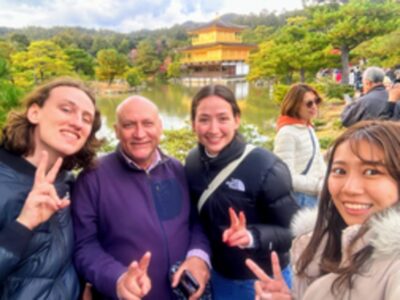
Fushimi Inari, Kinkakuji, Bamboo Grove 1 Day Bus Tour
Read our review →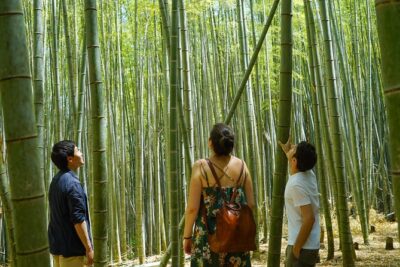
Fushimi Inari Hidden Hiking Tour (Private Option Available)
Read our review →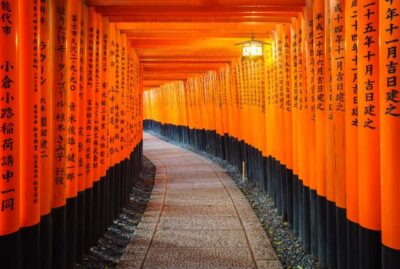
Kinkakuji,Arashiyama,FushimiInariShrine,NaraPark
Read our review →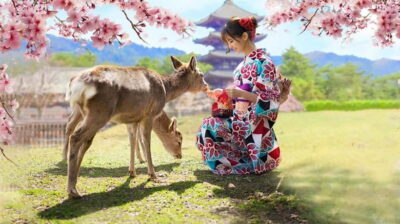
Nara, Fushimi Inari Taisha, Arashiyama Bus Tour
Read our review →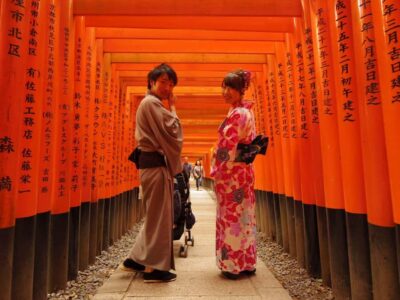
Arashiyama, Nara & Fushimi Inari Shrine w/Lunch
Read our review →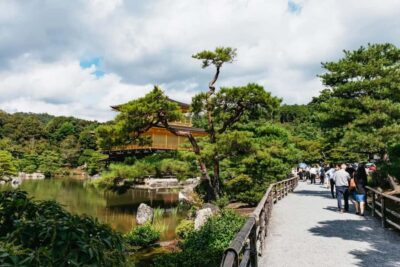
Nijo Castle, Kiyomizu & Fushimi Inari Guided Tour
Read our review →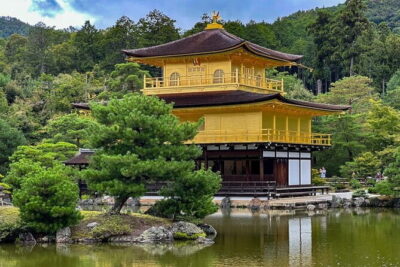
Nijo, Kinkaku-ji, Arashiyama, Kiyomizu & Fushimi Inari
Read our review →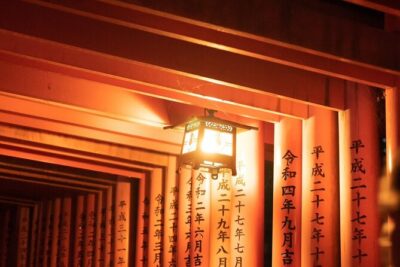
Browse the lists this tour appears in