
Reviewed · FUSHIMI INARI TOURS
Kyoto: Wagashi (Japanese sweets) Cooking near Fushimiinari
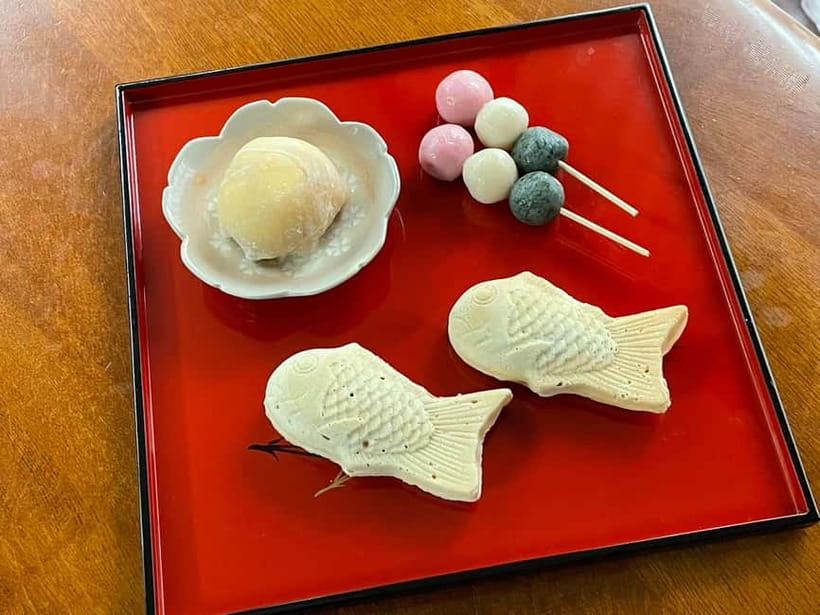
The best part of this Kyoto activity is that it feels like an invitation into a Japanese home, not a quick demonstration behind a counter. Miho guides you through about three kinds of wagashi, then serves tea as you sit in a traditional room facing the garden.
I like the genuine hands-on format. You mix, shape, cook, and assemble the sweets yourself, with Miho showing each step first. I also like the quiet finish: your homemade sweets and matcha are enjoyed in a setting that gives the class a sense of place. The main consideration is age and access: children under six cannot participate, children 12 and under need a guardian, and the experience is not suitable for wheelchair users.
Key points to know before booking
- Three sweets, not just a demonstration: You take part in preparing the wagashi yourself, with guidance at each stage.
- Miho teaches in clear English: She is a licensed guide interpreter, so the class also includes explanations of ingredients, techniques, and Japanese culture.
- A traditional room and garden finish: You eat your sweets with tea in a washitsu, a Japanese-style room with a garden view.
- Small groups make the class personal: The maximum is six participants, and a quiet date may become a private lesson.
- Menus change with the season: Dango, mochi, dorayaki, or mochi ice cream may appear, but the exact selection is not fixed.
- A good fit for families with older children: Children can join from age six, but anyone 12 or under must attend with a guardian.
A sweet introduction to Kyoto near Fushimi Inari
Kyoto has no shortage of food classes, but wagashi offers a different window into Japanese cooking. These sweets are tied to tea, seasons, texture, color, and presentation. You are not simply learning how to make dessert. You are learning why a small sweet can be treated with the same care as a full meal.
This class takes place near Fushimi Inari in an authentic Japanese house. The location matters because the experience gives you a calm change of pace from sightseeing. After visiting shrines, walking through Kyoto streets, or spending a busy morning in southern Higashiyama, you can sit on tatami and slow down.
The activity lasts 150 minutes, long enough for actual preparation and conversation without feeling like a full-day commitment. The setting is informal, but the food has plenty of detail. Wagashi can require careful handling, and Miho explains what to do before you begin each task.
I would book this for someone who wants a cultural activity with a strong food element, but who does not need a large meal or a restaurant setting. It also works well for couples, friends, solo visitors, and families with children old enough to follow instructions.
More ways to walk the Fushimi Inari gates:
- Kyoto: Fushimi Inari, Kinkakuji, Bamboo Grove 1 Day Bus Tour
★ 4.8 · 4,316 reviews - Fushimi Inari Hidden Hiking Tour (Private Option Available)
★ 5.0 · 1,750 reviews - Osaka/Kyoto:Kinkakuji,Arashiyama,FushimiInariShrine,NaraPark
★ 4.1 · 1,596 reviews
Entering a real Japanese room
The class begins with time to settle into the traditional room. This is not just a decorative backdrop for photographs. You use the room at the end of the class, when you sit with tea and eat what you made while looking into the garden.
That simple arrangement gives the experience a pleasant rhythm. You start by arriving and getting comfortable, move into practical cooking, then return to the quiet room for the tasting. It feels closer to being welcomed by a Japanese friend than attending a formal school.
You may begin with tea and a small seasonal treat before the cooking starts. One session included sweet potato, though the opening refreshment can vary. These small touches help you relax and give Miho a natural chance to explain what you will be making.
The room may be less comfortable for anyone who has trouble sitting on the floor. The activity is also not suitable for wheelchair users. Those are important practical points, especially if you are choosing between several Kyoto food experiences.
The cooking is genuinely hands-on
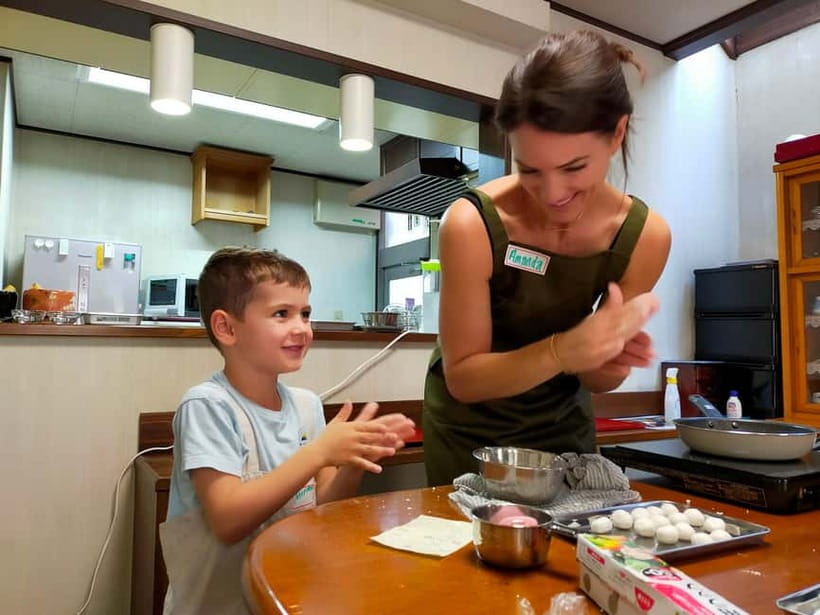
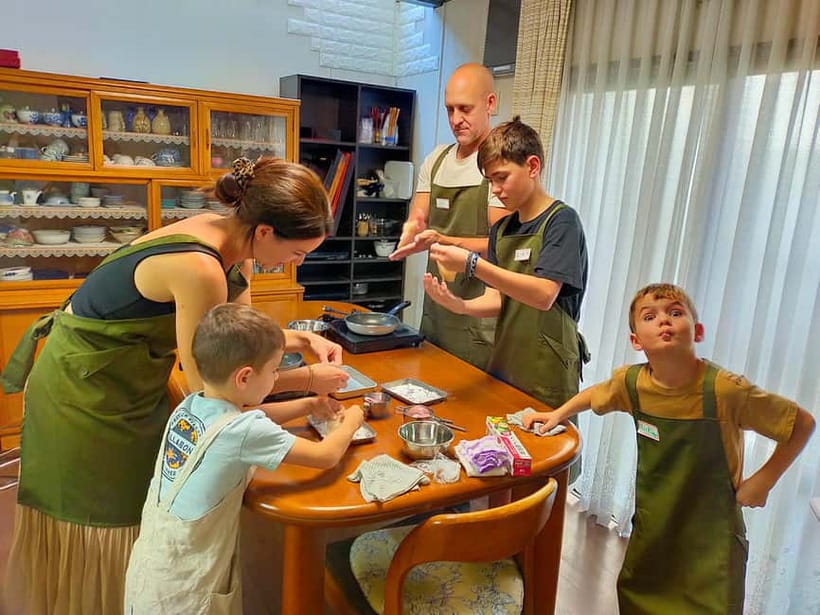
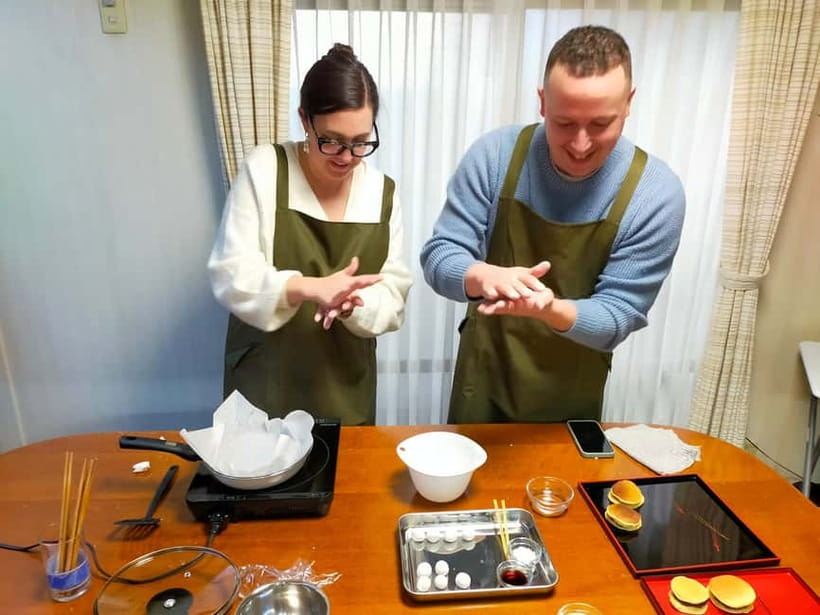
Miho first demonstrates the method, then you prepare the sweets yourself or work with a partner. That difference matters. You are not standing at the edge of a counter watching someone else produce attractive wagashi while you take pictures.
The class has included sweets such as dango, mochi, and dorayaki, and some sessions have featured mochi ice cream. The menu changes by season, so you should treat those examples as possibilities rather than promises. The activity information says you will prepare about three types of wagashi.
Dango gives you a chance to work with a soft dough and shape small pieces. Mochi teaches you about texture and handling. Dorayaki offers a more familiar pancake-style element, usually paired with sweet filling. Each sweet has its own technique, so the class does not feel like repeating the same task three times.
Miho demonstrates clearly before asking you to try. That makes the class approachable even if you have little cooking experience. You can work at your own pace, ask questions, and get help as you go. The small maximum of six people helps keep the instruction personal.
The recipes are also practical enough to revisit at home. You may need to visit an Asian supermarket for some ingredients, but the methods are not presented as mysterious restaurant secrets. The useful part is learning how the ingredients behave, how much pressure to use, and how to shape the sweets without making a mess of them.
What you learn beyond the recipes
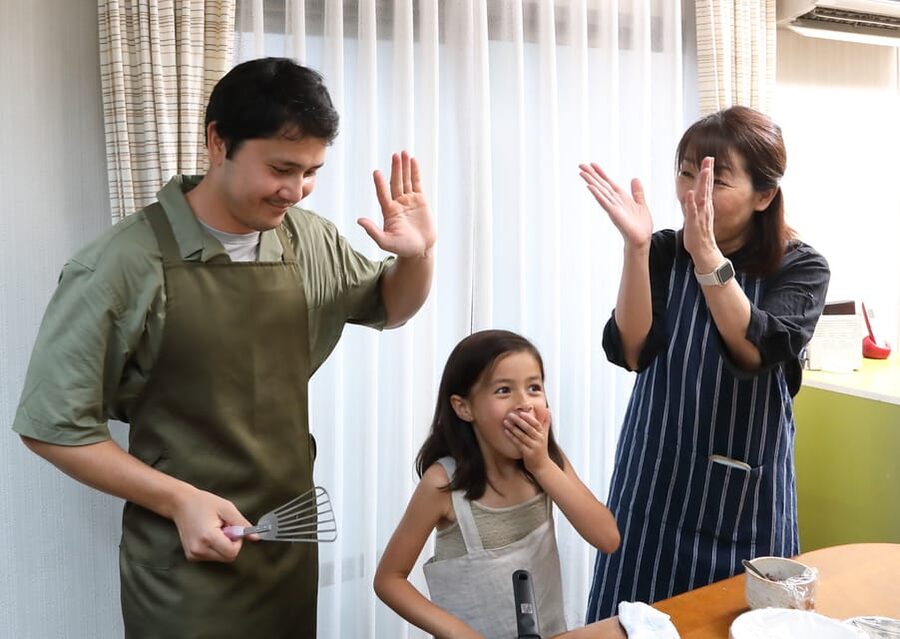
A good cooking class gives you more than a finished plate. Here, Miho explains the ingredients, cooking methods, and some of the cultural background behind wagashi. Her training as a licensed guide interpreter helps connect the food to Japan rather than treating it as a craft project.
You also have room to ask questions about Japanese sweets, local food, and culture. The class is conducted in English, and Miho’s clear instruction makes it suitable for English-speaking visitors who want more explanation than a recipe card can provide.
The matcha portion adds another useful layer. After the sweets are ready, Miho shows you how to whisk matcha, and you prepare or receive a cup to drink with the wagashi. This is a small lesson, not a full tea ceremony, so you should not book it expecting a formal ceremonial performance. It is better understood as a friendly introduction to the relationship between tea and sweets.
That pairing is one of the strongest parts of the experience. Wagashi can be delicate and sweet, while matcha brings a bitter edge. Eating both together helps explain why these sweets are made in such small portions.
More wagashi and sweets workshops in Kyoto:
- Kyoto: Japanese Traditional Sweets Making and Tea Ceremony
★ 4.4 · 314 reviews - Kyoto Wagashi(Japanese sweets) Cooking Class near Fushimiinari
★ 5.0 · 60 reviews - Kyoto: Traditional Tea Ceremony with Matcha & Sweets in Gion
★ 4.9 · 27 reviews - Japanese Traditional Sweets ”Nerikiri” making
★ 4.3 · 17 reviews
The garden view changes the pace
The final tea and tasting session takes place in the Japanese-style room, with a view of the garden. You arrange your sweets, sit down, and eat what you have made. This is where the class feels most distinct from a standard bakery lesson.
You get time to talk with the other participants and with Miho. If the group is small, the conversation can become quite personal. On quieter dates, a solo participant may find the class turns into a private lesson, with more time for questions and a pace tailored to one person.
The garden view is not an extra attraction that requires a separate visit. Its value is that it gives the tasting a peaceful setting. You have already worked with the ingredients, so the final sweets feel connected to the room, the tea, and the instruction.
Depending on the amount prepared, you may be able to take some sweets with you. One class produced enough for a participant to enjoy some immediately and carry the rest away. Treat this as a possible benefit rather than a guaranteed takeaway arrangement, since the menu and quantity can change.
Why the small group matters
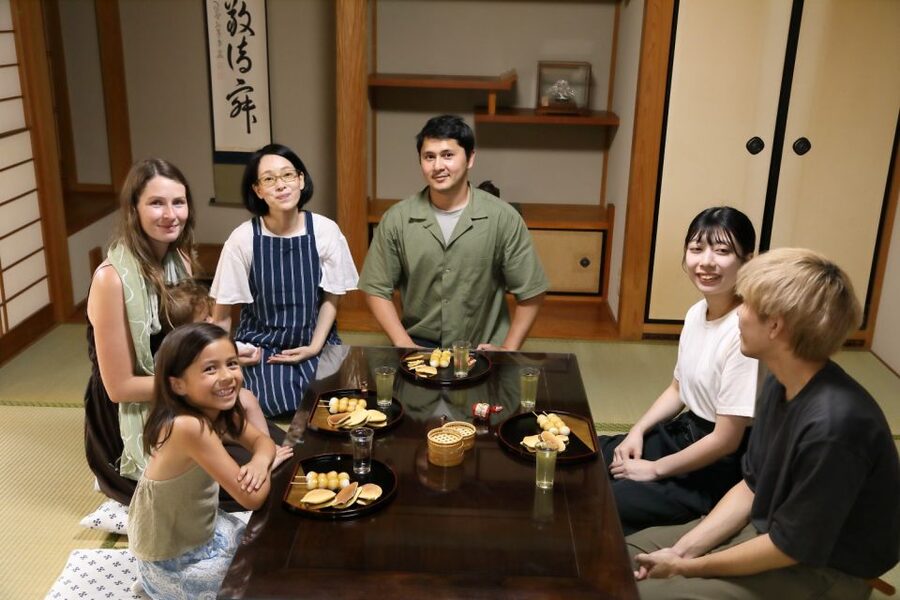
The maximum group size is six. For a cooking lesson, that is a useful limit. A large class can leave you waiting for equipment or trying to see a demonstration from the back. Here, you should have a better chance to watch the technique and receive help when your dough or filling needs attention.
The group size also shapes the mood. You sit together for tea, share the cooking space, and can compare the sweets you have made. A group of five can still feel social without becoming noisy or impersonal.
There is another advantage: the class may run with fewer people than the advertised maximum. Some participants have found themselves in a one-person or very small session. That can be a bonus if you enjoy conversation and want to ask many questions. If you prefer a lively group atmosphere, a busy date may suit you better, but the group will never exceed six.
Is $84 a good value?
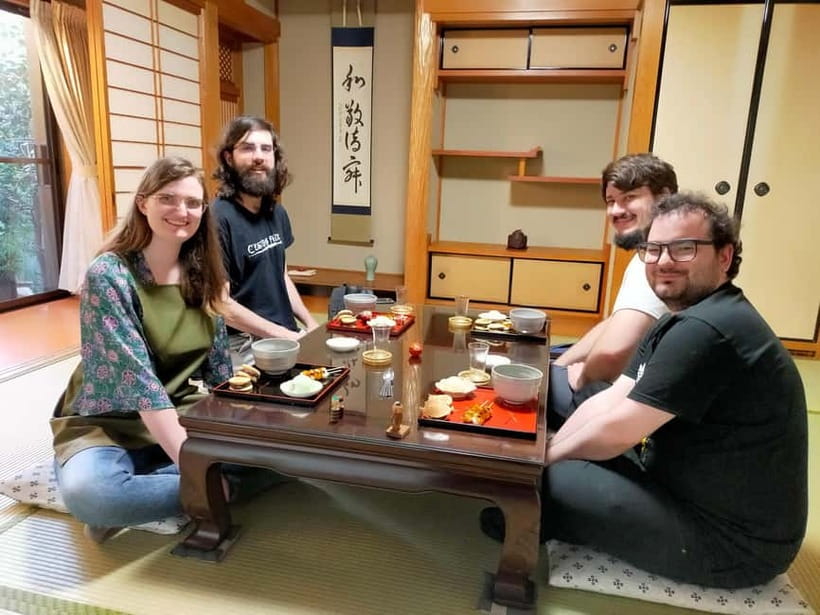
At $84 per person, this is not the cheapest way to eat a few Japanese sweets. You can buy wagashi and matcha in Kyoto for much less. The price makes more sense when you consider what is included: 150 minutes of instruction, ingredients, seasonings, tea, an English-speaking instructor, and all fees and taxes.
You are paying for access to a home setting, guided preparation, cultural context, and a small group. The value is strongest if you want to learn a method you can repeat, rather than simply taste a dessert.
The class also avoids the extra cost and effort of arranging ingredients yourself. You do not need to shop for unfamiliar items, measure everything, or figure out why your mochi has gone wrong. Miho provides the structure and explains the steps.
I would consider it good value for food lovers, families looking for a special Kyoto activity, and anyone who wants a slower cultural experience near Fushimi Inari. It is less compelling for someone who only wants a quick snack, dislikes sweet foods, or has no interest in cooking.
Food restrictions and the changing menu
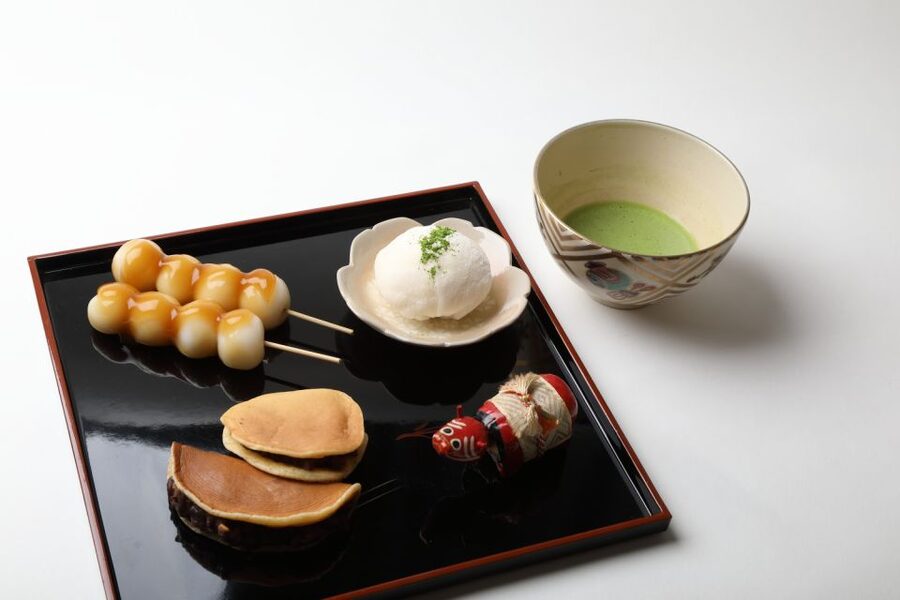
Vegetarians are welcome, and the activity is described as vegan-friendly. You should tell the provider about food restrictions in advance. This is especially important because the menu changes with the season and may include different fillings or ingredients.
Do not assume that every class will feature exactly the same sweets. Dango, mochi, dorayaki, and mochi ice cream have appeared in classes, but the seasonal menu can differ. If one particular wagashi is the main reason you want to book, ask ahead rather than counting on it.
The class focuses on sweets, not a full lunch or dinner. Plan another meal if you need something substantial afterward.
Who should book this activity?
I would choose this class for:
- First-time visitors to Kyoto who want a personal introduction to Japanese food culture.
- Sweet-toothed travelers curious about wagashi seen in manga or anime.
- Families with children age six and older, provided children 12 and under attend with a guardian.
- Couples and friends who want to make something together.
- Solo visitors who enjoy conversation and may appreciate the chance of a very small group.
- Vegetarians and vegans, after confirming the details of the seasonal menu.
I would pause before booking if you use a wheelchair, cannot sit comfortably in a traditional room, or want a formal tea ceremony. The class includes matcha preparation and tea, but the main focus is cooking Japanese sweets.
Hotel pickup and drop-off are not included, so you will need to make your own way to the venue near Fushimi Inari. The exact starting time depends on availability. Free cancellation is available up to 24 hours in advance, and you can reserve while paying later, which helps if your Kyoto schedule is still shifting.
Should you book the wagashi class?
Book it if you want more than a tasting. The strongest reasons are the real hands-on cooking, Miho’s friendly English instruction, the small group size, and the final tea session in a traditional room with a garden view.
I would especially recommend it for anyone who wants a personal Kyoto memory that can continue after the trip. You leave with practical techniques, a better sense of how wagashi fits with matcha, and possibly a few sweets to take away.
Skip it if you are looking for a fast, inexpensive dessert stop or a formal tea ceremony. For the right person, though, the $84 price buys a quiet afternoon, useful cooking skills, and a welcome into a Japanese home near one of Kyoto’s best-known sights.
FAQ
How long does the wagashi cooking class last?
The activity lasts 150 minutes.
Where does the class take place?
It takes place near Fushimi Inari in Kyoto, in a house with traditional Japanese rooms and garden views.
How many sweets will I make?
You will prepare about three different types of wagashi. The menu may change depending on the season.
Is the class taught in English?
Yes. The class is conducted in English, and the instructors are licensed guide interpreters.
Is matcha included?
Yes. Tea is included, and the class includes time to enjoy the sweets with tea. Matcha preparation may also be demonstrated.
Can vegetarians and vegans participate?
Vegetarians are welcome, and the class is vegan-friendly. Tell the provider about food restrictions in advance.
Can children join the activity?
Children under six cannot participate. Children aged 12 and under must attend with a guardian.
More Cooking Classes in Kyoto
- Ramen Cooking Class at Ramen Factory in Kyoto
★ 5.0 · 1,937 reviews - Kyoto: Ramen Cooking Class at a Ramen Factory with Souvenir
★ 4.9 · 532 reviews - Kyoto: Ramen, Gyoza, and Onigiri Cooking Class
★ 5.0 · 445 reviews - Kyoto: Japanese Washoku Bento Small Group Cooking Class
★ 5.0 · 380 reviews
Newest Kyoto experiences on the site
- Treasures of Kyoto: Gion & historical Walking Tour★ 5.0 · 6 reviews
- Whisk Your Own Matcha: A Zen Matcha Experience at Temple★ 3.6 · 7 reviews
- Kyoto tea town for matcha lovers★ 5.0 · 16 reviews
- Uji: Private immersion into Kyoto’s tea and reglious culture★ 5.0 · 17 reviews
- Kyoto Matcha Green Tea Tour★ 4.5 · 23 reviews
- Uji and Wazuka Matcha Farm Half Day Private Guided Tour★ 5.0 · 21 reviews
- Utilising upcycled Matcha! Creating matcha incense (Uji, Kyoto)★ 5.0 · 6 reviews
- Sacred Temple Yoga Experience in Japan★ 5.0 · 3 reviews
Fushimi Inari Tours, compared.
Fushimi Inari, Kinkakuji, Bamboo Grove 1 Day Bus Tour
Read our review →
Fushimi Inari Hidden Hiking Tour (Private Option Available)
Read our review →
Kinkakuji,Arashiyama,FushimiInariShrine,NaraPark
Read our review →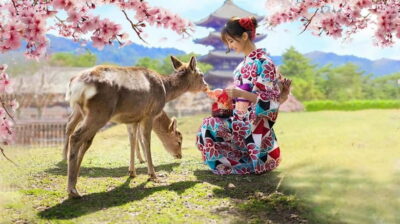
Nara, Fushimi Inari Taisha, Arashiyama Bus Tour
Read our review →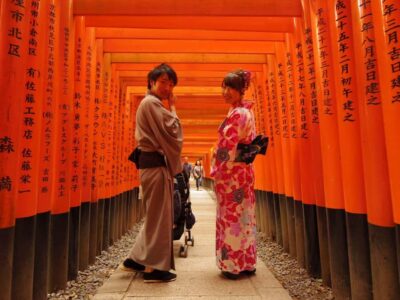
Arashiyama, Nara & Fushimi Inari Shrine w/Lunch
Read our review →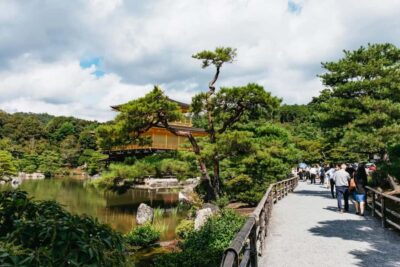
Nijo Castle, Kiyomizu & Fushimi Inari Guided Tour
Read our review →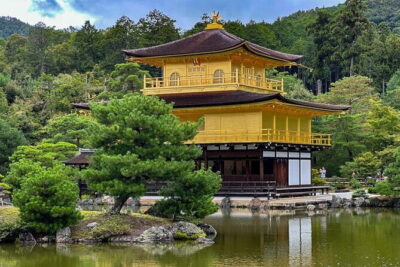
Nijo, Kinkaku-ji, Arashiyama, Kiyomizu & Fushimi Inari
Read our review →
Browse the lists this tour appears in