
Reviewed · KYOTO RAMEN EXPERIENCES
Kyoto: Ramen Cooking Class at a Ramen Factory with Souvenir
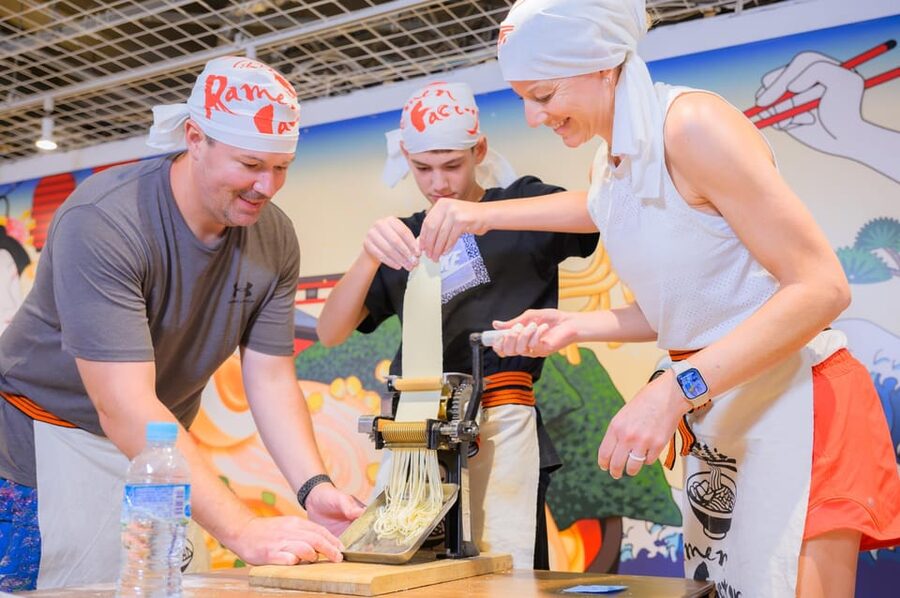
Making ramen here starts with flour, not a packet. In 90 minutes, you knead and fold dough more than 100 times, prepare seasoned chicken, choose from miso, salt, and soy flavors, then sit down to eat the bowl you built. That hands-on noodle work is the heart of the class.
I like the cheerful teaching style, with instructors such as Sakura, Fuku, Moeka, and Akemi keeping the steps clear without making beginners feel clumsy. I also like the practical finish: you receive a recipe digitally, choose a souvenir, and leave with a skill you can use at home. The main consideration is price. At $127 per person, this is much more than a quick bowl of ramen, so it suits you best if you want an activity, not only lunch.
Key points at a glance
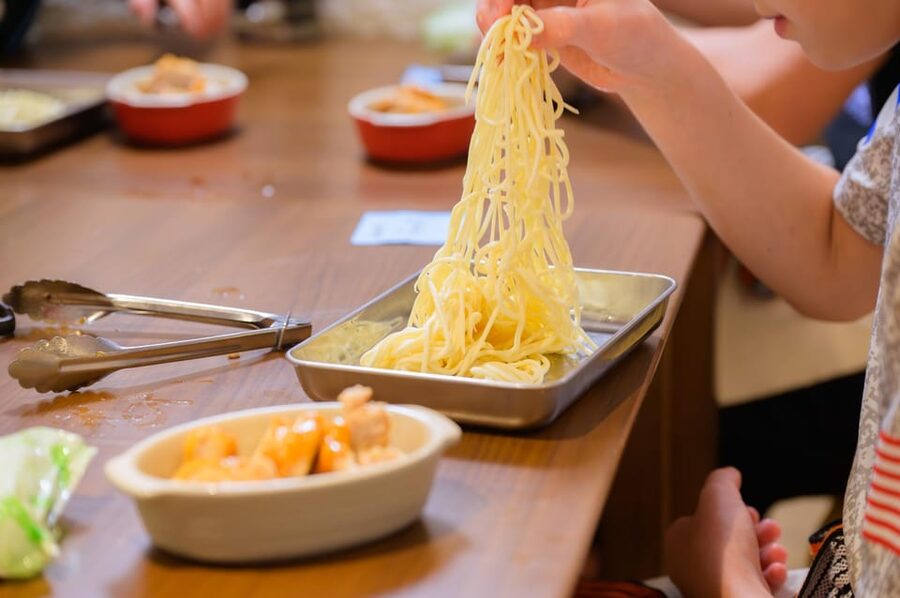
- Noodles made from flour: Mix, punch, knead, fold, drain, and shake your dough into fresh ramen noodles.
- Three featured flavors: Build your bowl with miso, salt, or soy, then adjust the taste with oils and condiments.
- Chicken from scratch: Season the chicken used for your ramen, with alternatives available when arranged in advance.
- A compact Kyoto activity: The class lasts 90 minutes and sits a five-minute walk from Demachiyanagi Keihan Station.
- A useful take-home package: Choose one of four souvenirs and receive the recipe digitally for cooking at home.
- Friendly English instruction: English and Japanese are offered, with staff helping explain, photograph, and organize each step.
What makes this Kyoto ramen class different
Kyoto gives you no shortage of temples, gardens, and food streets. This class offers a different kind of stop: you do something instead of simply looking at something. You leave with a full meal, a souvenir, and a better sense of how much work sits behind a bowl of ramen.
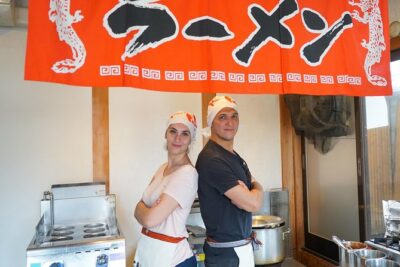
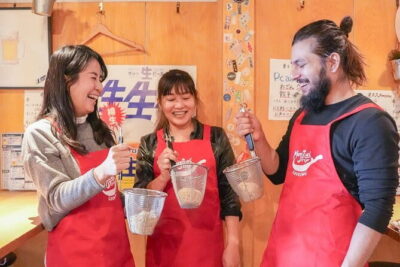
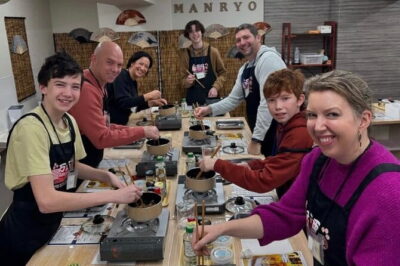
The class is run at Ramen Factory, a ramen school established by Menbaka Fire Ramen, a well-known Kyoto ramen house. The setting is built for participation. You wear a ramen apron and headscarf, follow a short overview video, and then work through the process with an instructor nearby.
I would not call this a professional chef course. It is a structured, tourist-friendly introduction designed to fit into a busy Kyoto day. The equipment and ingredients are prepared for you, and the staff guide the process closely. That means you get the fun parts of making ramen without spending days preparing broth or searching for specialist tools.
The atmosphere is energetic rather than quiet. Fuku, Sakura, Moeka, Akemi, Maya, Haruka, and other instructors are praised for keeping the class lively and easy to follow. If you prefer a silent, technical cooking lesson, the upbeat presentation may feel a little theatrical. If you are visiting with children, teenagers, or a partner, that energy is likely to work in your favor.
More ramen nights in Kyoto:
- Ramen Cooking Class at Ramen Factory in Kyoto
★ 5.0 · 1,937 reviews - Kyoto: Ramen, Gyoza, and Onigiri Cooking Class
★ 5.0 · 445 reviews - Kyoto Ramen and Gyoza Cooking Class with Professional Chefs
★ 5.0 · 282 reviews
Finding the basement near Demachiyanagi
The Ramen Factory is about a five-minute walk from Demachiyanagi Station on the Keihan Line. The location is useful if you are visiting northern Kyoto sights or simply want to fit in a food activity without spending half a day on transport.
Pay attention when you arrive. The entrance is on the basement floor, and it is not necessarily the same point shown by Google Maps. The practical direction is to find the supermarket, locate the staircase to its right, and go down to the basement. One visitor also described the street-side stairs as being behind the bus stop, so look around the supermarket and bus stop area rather than expecting a prominent restaurant entrance.
Transportation is not included, but you do not need a separate transfer once you reach Demachiyanagi. I would allow a few extra minutes for finding the stairs, especially if you are arriving with children or carrying luggage.
The first minutes: apron, headscarf, and a quick lesson
The session begins with the small rituals that make a cooking class feel different from an ordinary meal. You put on the ramen apron and headscarf, then watch an overview video explaining the basic process.
That introduction matters because ramen has several moving parts. You need to understand how the noodle dough changes, how the soup and sauce work together, and when the toppings are added. The video gives you a simple map before you start handling the ingredients.
The instructors explain in English and Japanese. Their role is not just to demonstrate. They help with timing, show you how much force to use, and keep each person moving through the same stages. The class is beginner-friendly, and you do not need prior cooking experience.
The staff also take photos and videos during some sessions, helping you record the process. Professional filming or photography may take place at the venue, including 360-degree camera work. If you do not want to appear in promotional material, ask the local supplier about the media notice before booking.
Turning flour into noodles
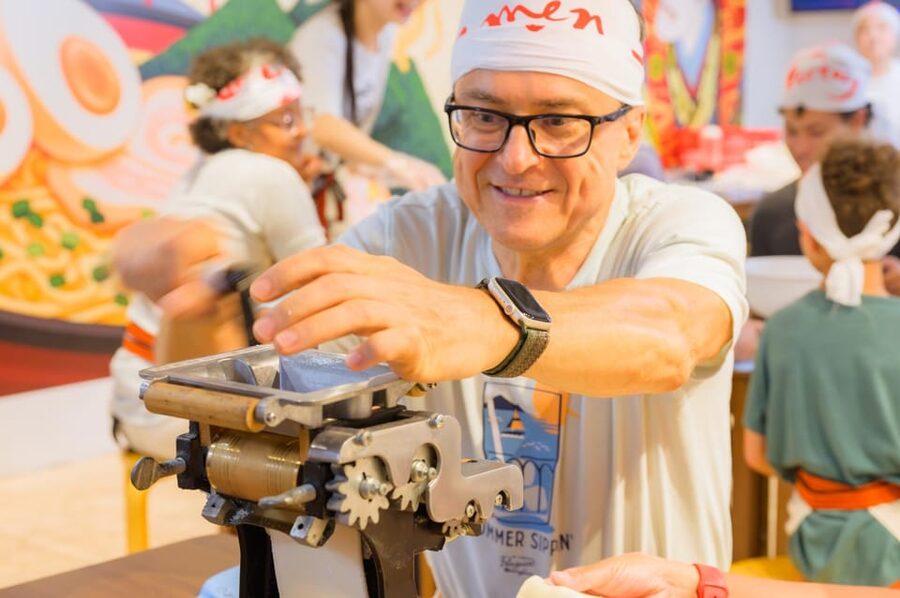
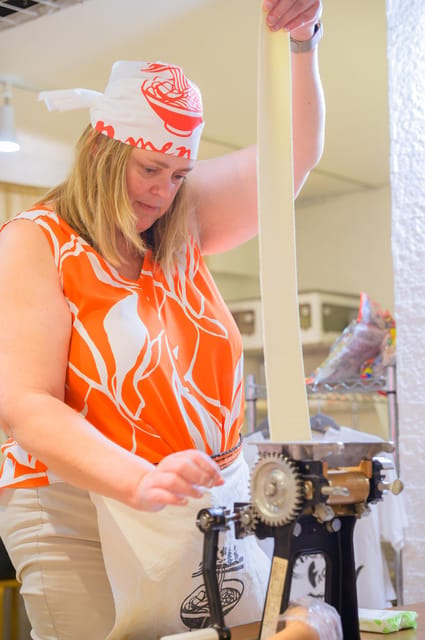
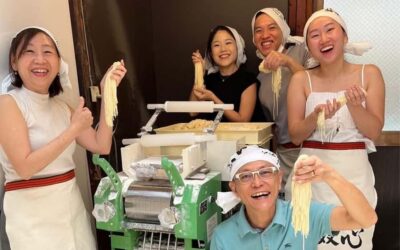
The most memorable part is the noodle-making. You start with flour and work the dough through mixing, punching, kneading, folding, draining, and shaking. The dough is folded more than 100 times, a detail that gives you a useful sense of why fresh ramen noodles take effort.
This is not just a staged demonstration where someone else makes the important part. You handle the dough yourself. The physical work is simple enough for beginners, but it gives the class a clear purpose. You can see and feel the dough changing as you work it.
You should expect some repetition. Kneading and folding are not instant magic, and the process may feel more like a food workshop than a fast restaurant lesson. That is also the point. A packet of noodles hides this stage. Here, you learn the basic mechanics and leave with a recipe that helps you repeat the meal at home.
The class also includes draining and shaking the finished noodles. Those steps help turn the dough into something ready for the bowl, and they give children and teenagers an active job rather than asking them to watch from the side.
More cooking classes in Kyoto:
- Kyoto: Japanese Washoku Bento Small Group Cooking Class
★ 5.0 · 380 reviews - Kyoto: Afternoon Japanese Izakaya Cooking Class
★ 4.9 · 241 reviews - Izakaya Style Cooking Class
★ 5.0 · 219 reviews - Gyoza Cooking Class in Kyoto: Traditional Japanese Dumplings
★ 5.0 · 210 reviews
Preparing chicken and choosing your broth
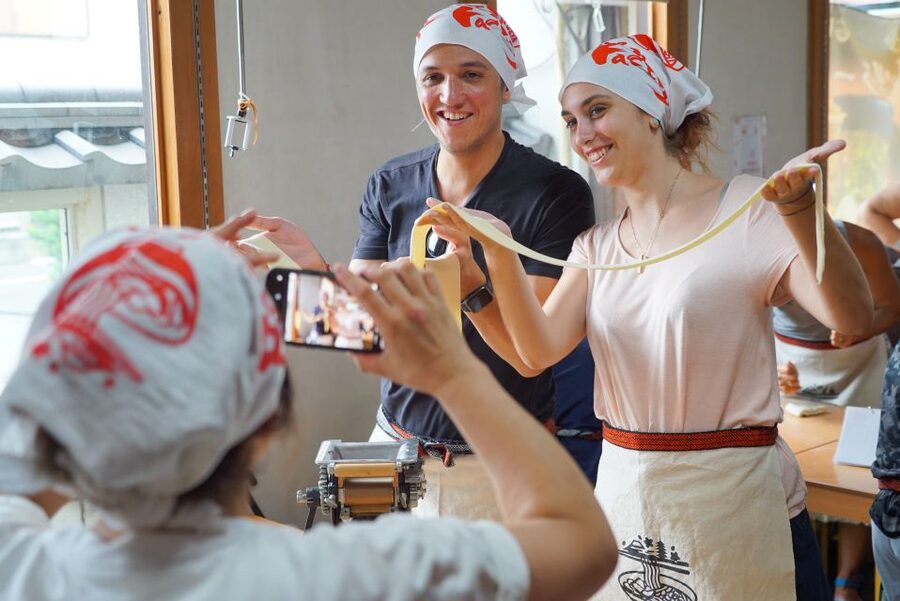
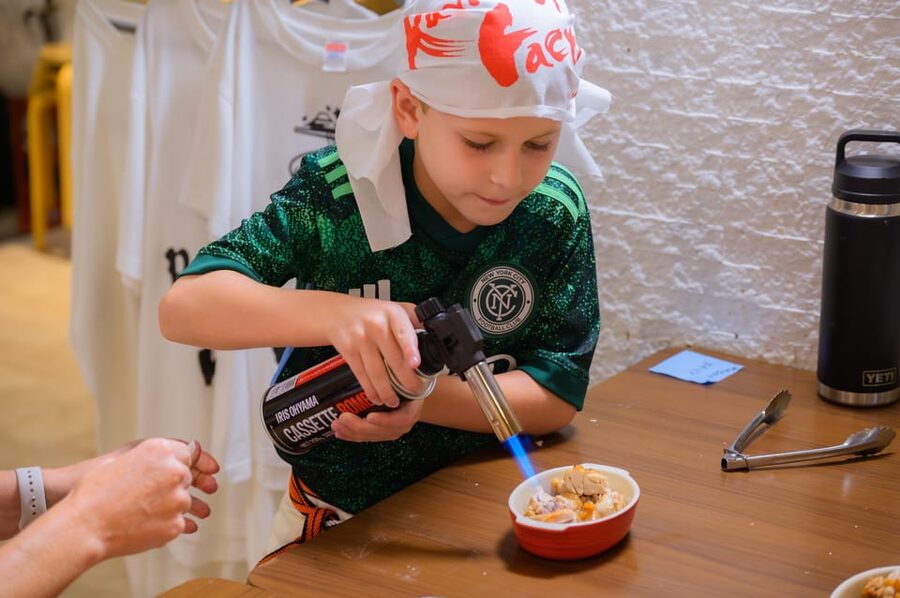
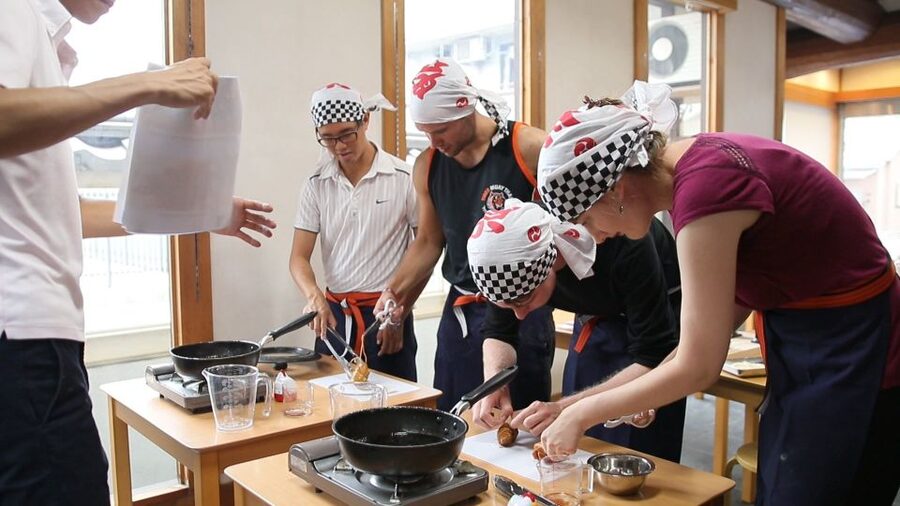
The class uses chicken as part of the meal, and you season it during the preparation. One useful reason for this choice is timing. Traditional ramen components can require long preparation, but chicken allows the class to produce a complete bowl within 90 minutes.
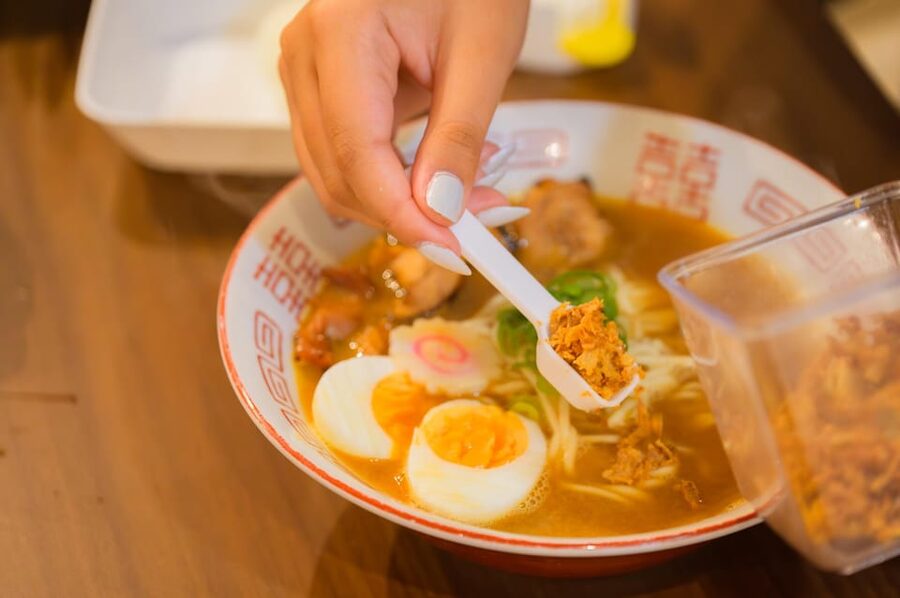
You then choose a soup and sauce combination. The three featured sauce styles are miso, salt, and soy. You can also select oils, toppings, egg, and condiments to shape the final bowl according to your taste.
This customization is one of the better reasons to book the class instead of simply eating ramen at a restaurant. You are not locked into one fixed flavor. You get to compare the main styles and decide what suits your bowl.
That choice has limits, of course. The class is not a full study of every ramen tradition in Japan, and the menu is built around the available components. Still, for a first lesson, three sauces offer enough contrast without slowing the session down.
Dietary needs should be discussed with the supplier after booking. The class has accommodated different diets, including vegan requests, and one pescatarian participant received tofu and fish broth. Do not treat that as an automatic promise for every booking. Contact the provider in advance and confirm exactly what can be prepared.
Building and eating your finished bowl
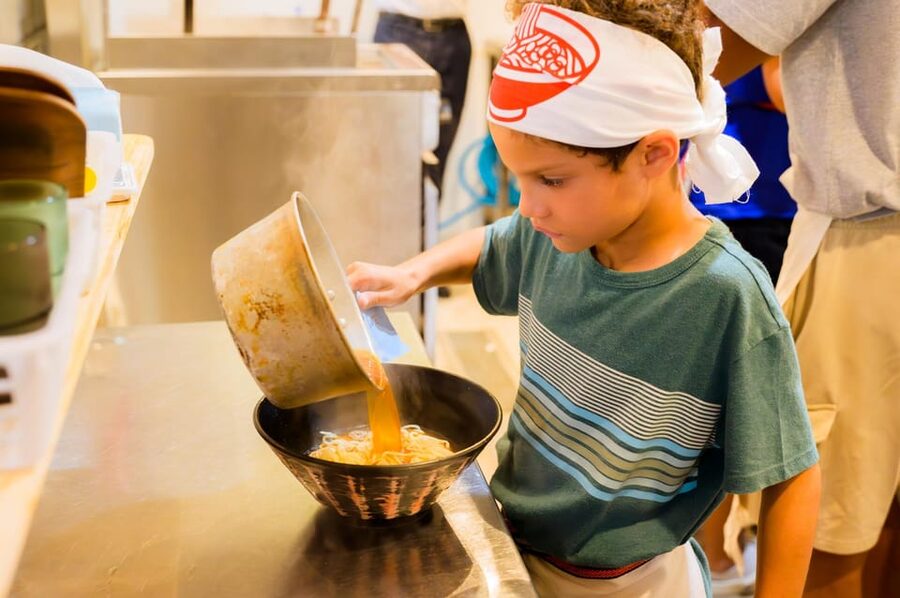
Once the noodles, chicken, soup, and sauce are ready, you assemble the ramen. You choose the toppings, egg, and condiments, then arrange the bowl before eating it.
This part has more value than it might seem. Presentation becomes part of the activity, and you can make the bowl mild, rich, salty, or more strongly flavored according to your choices. The class gives you a clear finish line: you are not simply practicing a recipe, you are sitting down to eat your own result.
The meal is included, but drinks are not. If you want something to accompany the ramen, plan to buy a drink separately.
The finished bowl has earned its place. You have handled the dough, seasoned the chicken, selected the flavor base, and assembled the toppings. That connection makes the meal feel more satisfying, even though the staff handle some preparation behind the scenes to keep the timing workable.
Do not expect a long restaurant-style meal. The class schedule is compact, and the emphasis remains on the cooking process. Still, you have time to enjoy the ramen and look back on the steps you completed.
Souvenirs and the recipe for home
The price includes a selective souvenir. You can choose from four different types, and the options have been praised for being more useful and appealing than a throwaway token. Depending on the session, you may also keep the headscarf or receive a printed photo or certificate, but the confirmed inclusion is the selected souvenir.
You also receive the full recipe digitally, described as being sent by email, with a QR code used in some sessions. This is a strong part of the package because it turns the class into something you can revisit. You will not reproduce every restaurant preparation method in a home kitchen, but you can repeat the main process and flavor choices.
I would take a photo of the recipe as soon as it arrives and note which sauce and oil combination you liked. After a busy Japan trip, it is easy to remember the fun but forget the details of what went into the bowl.
Is $127 a fair price?
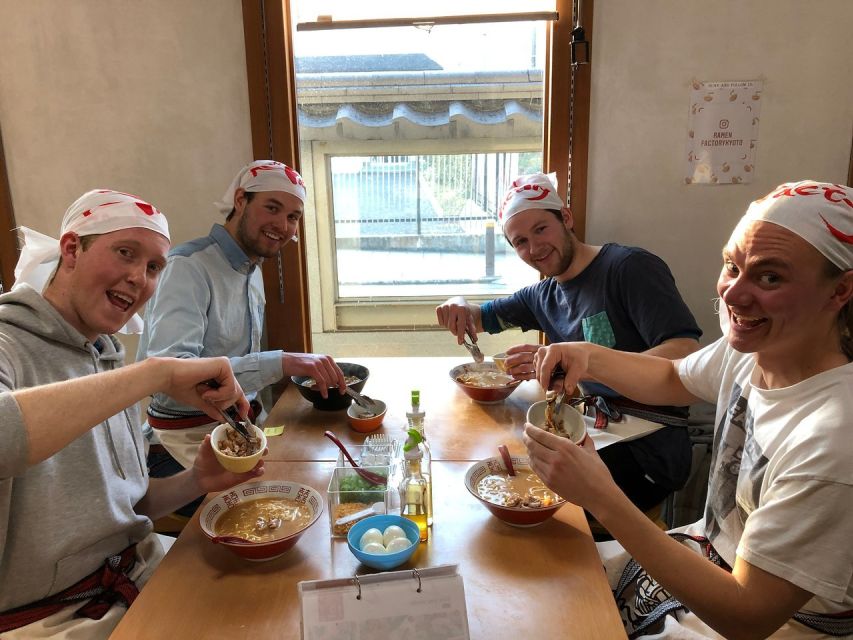
At $127 per person, this is not a budget lunch. You could eat ramen in Kyoto for far less. The price makes sense only if you value the full 90-minute activity, the instruction, the digital recipe, and the souvenir.
For a couple or family, the cost buys a shared activity with a clear result. Children and teenagers can take part in kneading, noodle handling, seasoning, and bowl assembly. Several families found the class easy to follow and especially enjoyable for younger participants.
For a solo visitor, the value depends on your interests. You may receive plenty of personal help, and the staff are used to making individual participants feel included. But if you only want to taste ramen, choose a restaurant instead.
I see this as a good rainy-day plan, a break between sightseeing stops, or a food-focused experience for someone who has already eaten plenty of restaurant meals. It is also a practical choice for travelers who want a short activity near a train station rather than a full-day excursion.
Who will enjoy it most
You are a strong match for this class if you:
- Like hands-on food activities more than demonstrations.
- Are visiting Kyoto with children or teenagers.
- Want an English-supported activity with clear instructions.
- Enjoy customizing your meal.
- Want a souvenir and recipe, not only a meal.
- Need a 90-minute activity that fits around sightseeing.
- Have dietary needs you are willing to arrange ahead of time.
You may want to skip it if your main goal is a low-cost bowl of ramen, a quiet meal, or a highly technical culinary course. The instructors keep the pace lively, and the class has a social, performance-like feel.
The experience is also less suitable if you dislike kneading or repetitive hand work. The noodle stage is central, not a small side task.
Booking and timing tips
The class lasts 90 minutes, with starting times available according to the date. Check the schedule before building your Kyoto day around it.
I would arrive early enough to locate the basement entrance. Do not rely only on the map pin. Find the supermarket, check for the staircase to the right, and look near the bus stop if the entrance is not obvious.
Free cancellation is available up to 24 hours in advance for a full refund, and you can reserve now and pay later. Those terms help if your Kyoto schedule is still shifting, but you should still confirm the precise booking conditions at checkout.
The instructors speak English and Japanese. Staff also help with photos and videos, though you should remember that filming may take place for promotional use. If you have allergies or dietary restrictions, contact the supplier after booking rather than waiting until you arrive.
Should you book the Ramen Factory class?
I would book it if you want a compact Kyoto activity that combines food, light cultural background, and real participation. The best parts are the fresh noodles, the freedom to choose your soup and sauce, and the fact that you eat the finished bowl immediately.
The $127 cost is the deciding point. It is fair for a guided cooking experience with a souvenir and take-home recipe, but it is not fair if you compare it only with the price of lunch. Families, couples, ramen fans, and first-time cooks will get the most from it.
Book this when you want to remember Kyoto through something you made with your own hands. Skip it when all you need is a quick, inexpensive bowl.
FAQ
Where is the Ramen Factory in Kyoto?
It is about a five-minute walk from Demachiyanagi Keihan Line Station. The venue is on the basement floor, reached by stairs near the supermarket.
How long does the ramen class last?
The class lasts 90 minutes.
How much does the experience cost?
The listed price is $127 per person.
Which languages are available?
Instruction is available in English and Japanese.
Do I make the ramen noodles from scratch?
Yes. You work with flour and take part in mixing, punching, kneading, folding, draining, and shaking the dough into noodles.
Which ramen flavors can I choose?
You can choose among miso, salt, and soy sauce styles, then select oils, toppings, egg, and condiments for your bowl.
Is a meal included?
Yes. You eat the ramen you prepare during the class. Drinks are not included.
Do I receive a recipe?
Yes. The full recipe is provided digitally, described as being sent by email, with a QR code used in some sessions.
Is a souvenir included?
Yes. You can choose one souvenir from four available types.
Can dietary requests be accommodated?
Dietary options may be available, including tofu and fish broth in some cases. Contact the local supplier after booking to discuss your needs in advance.
Newest Kyoto experiences on the site
- Treasures of Kyoto: Gion & historical Walking Tour★ 5.0 · 6 reviews
- Whisk Your Own Matcha: A Zen Matcha Experience at Temple★ 3.6 · 7 reviews
- Kyoto tea town for matcha lovers★ 5.0 · 16 reviews
- Uji: Private immersion into Kyoto’s tea and reglious culture★ 5.0 · 17 reviews
- Kyoto Matcha Green Tea Tour★ 4.5 · 23 reviews
- Uji and Wazuka Matcha Farm Half Day Private Guided Tour★ 5.0 · 21 reviews
- Utilising upcycled Matcha! Creating matcha incense (Uji, Kyoto)★ 5.0 · 6 reviews
- Sacred Temple Yoga Experience in Japan★ 5.0 · 3 reviews
Kyoto Ramen Experiences, compared.
Ramen Cooking Class at Ramen Factory in Kyoto
Read our review →
Kyoto Ramen and Gyoza Cooking Class with Professional Chefs
Read our review →
Kyoto Michelin Ramen Workshop or Painting Ramen Essentials
Read our review →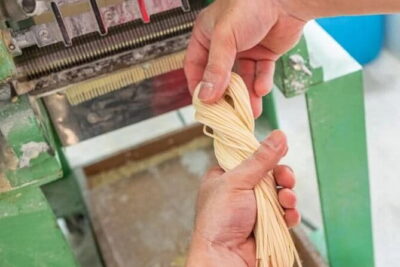
Ramen Gyoza Onigiri Japanese Cooking Class in Kyoto
Read our review →
Kyoto Ramen Spoon Painting & Michelin Cooking Class
Read our review →Browse the lists this tour appears in