
Reviewed · KYOTO RAMEN EXPERIENCES
Kyoto Michelin Ramen Workshop or Painting Ramen Essentials
The best part of this Kyoto activity is that you do not simply watch a ramen demonstration. You work the dough, help make the noodles, and then sit down to eat at Musoshin, a restaurant connected with a Michelin-nominated Toronto branch. The noodles you make need to rest overnight, so your meal is prepared by the restaurant rather than from your own batch.
I like the hands-on noodle work and the warm teaching style of guides such as Shin, Koki, Makoto, Patti, Yaya, and Momo. I also like that your food is part of the experience, not an afterthought. The main drawback is space: the workshop room is small, and a full group can feel cramped.
Key points
- Make ramen noodles from the start: Mix ingredients, work the dough, roll it, and use the noodle machine with careful guidance.
- Eat at Musoshin afterward: Your class includes a drink and a bowl of ramen at the nearby restaurant.
- Painting adds a creative option: Design a spoon or bowl, with custom bowls fired in a kiln for free and collected the next day.
- Good for families: Children as young as four have taken part, and older children and teenagers can handle much of the noodle work.
- Special diets can be discussed: Vegetarian and vegan ramen are available, and one family received gluten-free noodles and soup.
- Allow about 90 minutes: The noodle session takes about an hour, with roughly another half hour for preparing and eating the meal.
Why Musoshin’s ramen class feels different
Kyoto has plenty of food demonstrations, but this one connects the lesson directly to an operating ramen restaurant. Musoshin began in Kyoto in 2022 and now has six restaurants in Kyoto and Toronto. Its Toronto branch has been nominated for Michelin recognition for three consecutive years.
That background matters because the class is not built around a generic cooking-school recipe. Musoshin says it makes its ingredients in-house, including the noodles, soup, ramen soy sauce, and roast pork. The noodles are made each morning and rested overnight before use, while the soup cooks for 12 hours.
You will not learn every secret behind a professional ramen kitchen in one short class. You will, however, see why a good bowl takes more work than boiling noodles and adding a packet of seasoning. The lesson gives you a clearer sense of texture, resting time, broth, and assembly.
I especially like the link between the workshop and the restaurant meal. After handling flour and dough, you can taste how the finished product should come together. That makes the meal more useful than a simple lunch stop, and it gives children a reason to pay attention during the class.
More craft workshops in Kyoto:
- Kyoto : Chopsticks Making Workshop in Gion with Engraving Option
★ 5.0 · 958 reviews - Authentic knife making experience at a blacksmith in Kyoto
★ 4.8 · 350 reviews - Roketsu dyeing experience: M course Roketsu Dyeing Experience
★ 5.0 · 163 reviews
Mixing, rolling, and cutting the noodles
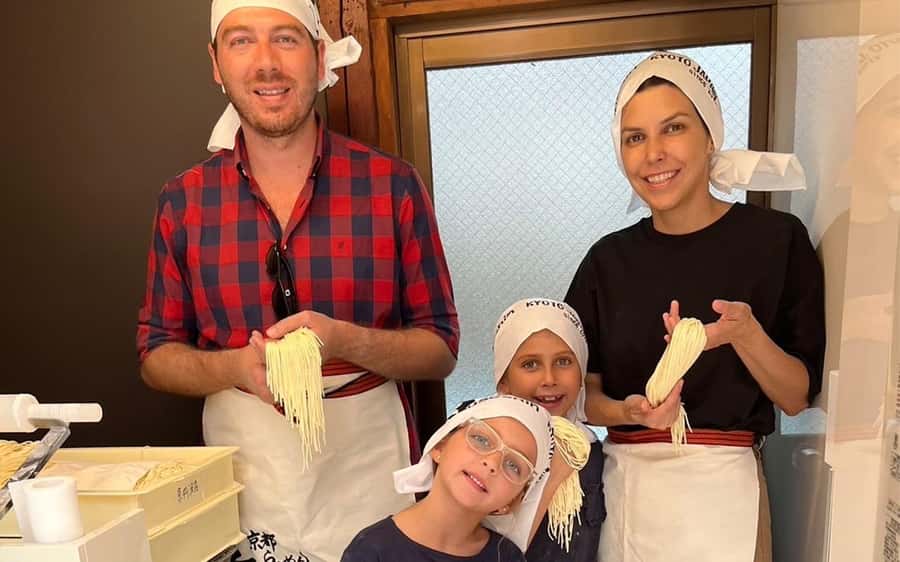
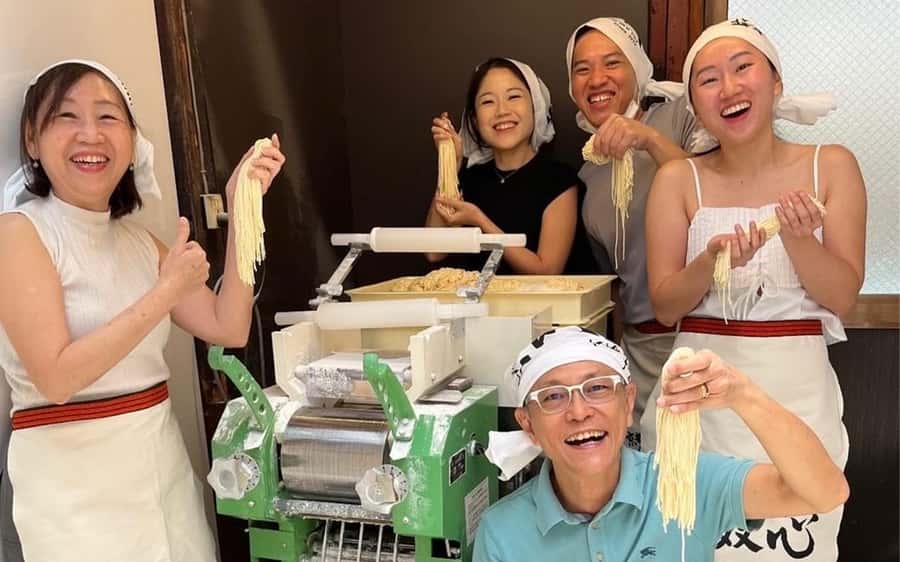
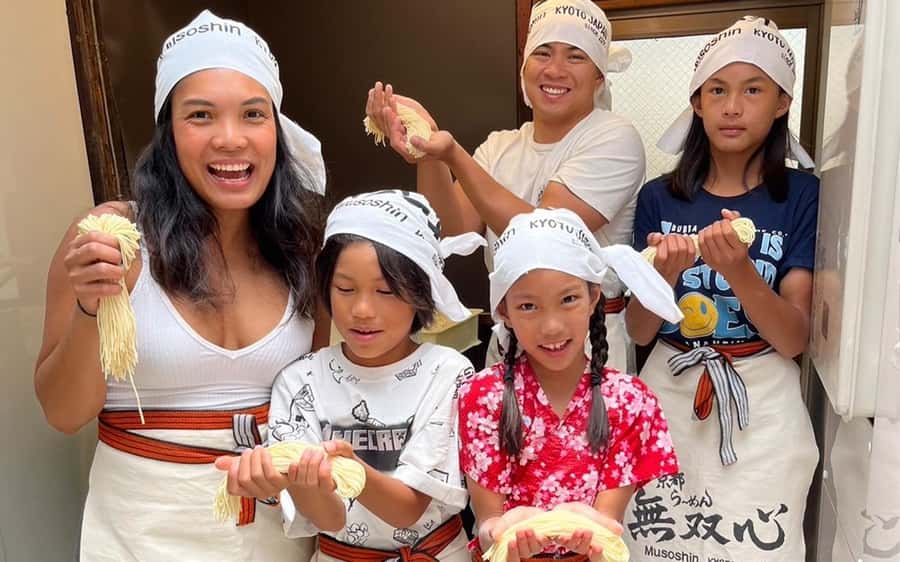
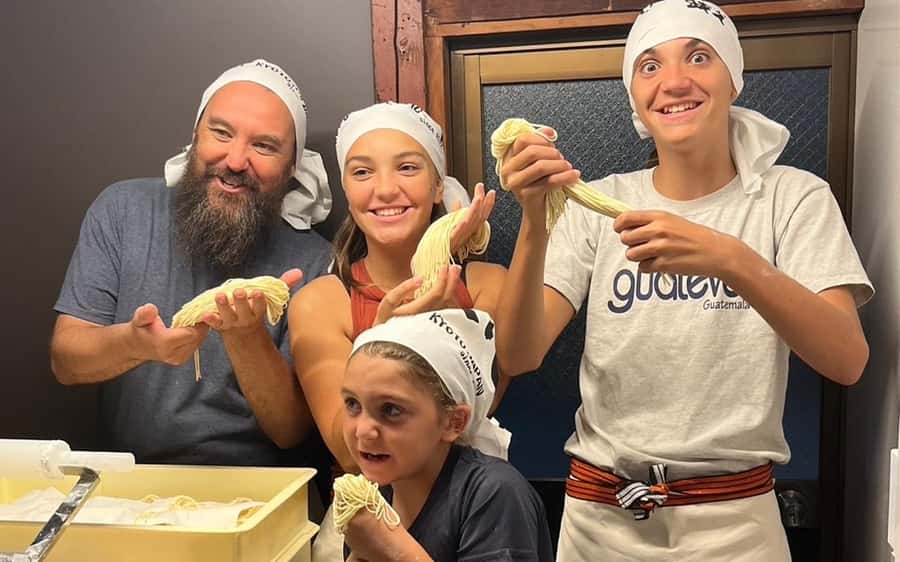
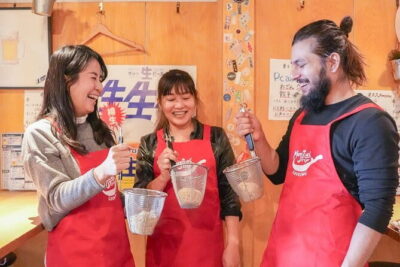
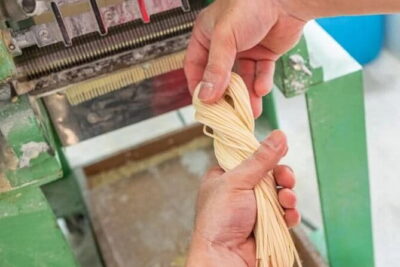
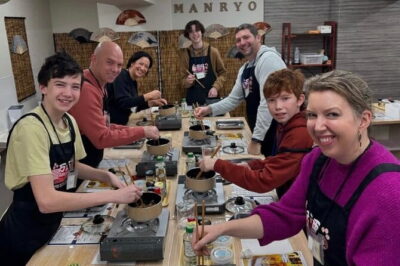
The noodle portion takes about an hour and is designed to keep you involved. You receive the recipe and take part in the process from mixing the ingredients through rolling the dough and running it through the noodle machine.
This is the sort of cooking activity where your hands do more work than your camera. Children can help with the mixing and machine steps, while adults can pay closer attention to the technique and the reasons behind each stage. The instructors guide the process closely, so you do not need previous cooking experience.
Shin is often directly involved, and other sessions have been led by Koki, Makoto, Momo, Shima, Patti, Patty, Yaya, or Rose. The exact team can vary, but the teaching style is consistent in the available accounts: patient, friendly, and willing to explain each step in English or Japanese.
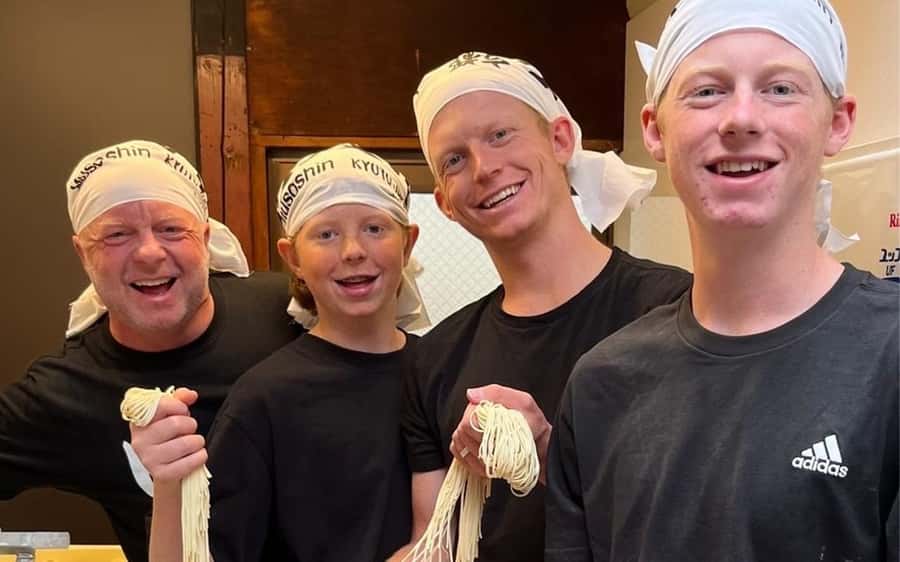
You can take photos and videos during the preparation, and the team takes a picture of you with the finished work. That is useful for families, since the workshop creates a real record of the activity rather than leaving you with only a meal.
The noodle-making room is small and carefully kept. That helps the instructors stay close to everyone, but it also creates the main comfort issue. A group of six, or a family joined by another small booking, may find the working area tight. If you prefer lots of elbow room, this is worth considering before you book.
Painting a spoon or designing your own bowl
The artistic part gives the class a welcome change of pace. Depending on the option you choose, you may paint a ramen spoon or design a ramen bowl before eating.
Painting a spoon is the simpler choice. It takes less room and gives you a small keepsake to take home. A custom bowl is more ambitious, especially for children, since you can create something personal rather than buying a standard souvenir.
The bowl can be fired in a kiln at no extra cost and collected the next day. This is an important practical detail: the bowl is not ready to carry away immediately. You need to remain in Kyoto long enough to return for it, and the meeting point for the workshop can vary according to the option booked.
One useful painting tip comes from a family who worked with pink paint: apply it thickly if you want the color to show clearly after firing. The artwork is part of the fun, but do not expect a professional pottery lesson. The point is to create a personal ramen accessory and enjoy a calm break from the dough work.
A bowl, spoon, apron, and other items may be available as options rather than automatic inclusions. Check the exact package before booking so you know what you are paying for. The Musoshin bandana is included, while the ramen spoon, bowl, and apron are listed as optional items.
Eating ramen at the Musoshin restaurant
After the workshop, you go to the Musoshin ramen restaurant for the food portion. The meal includes a drink, and the restaurant prepares the ramen you eat. Since your freshly made noodles need to rest overnight, you do not eat the batch you handled in class.
That arrangement is actually helpful. You get the fun of making noodles without waiting until the next day for dinner, and you taste ramen made to the restaurant’s usual standard. The meal also shows how the separate parts work together: noodles, soup, soy sauce, roast pork, and toppings.
The restaurant’s black ramen and house specialty are popular choices, and fried chicken is also available. The exact menu choice can depend on the booked option and current restaurant service, so check what is included when reserving.
The meal is more than a convenient finish. It lets you compare the texture of professionally rested noodles with the dough you just worked on. For adults, that comparison adds useful context. For children, it is the simple reward at the end: they made something, then they get to eat ramen.
Vegetarian and vegan ramen options are available. If you have a serious dietary need, tell the team before the class. One family discovered shortly before starting that their son had celiac disease, and the staff arranged gluten-free noodles and a separate gluten-free soup. That is encouraging, though you should still communicate clearly in advance rather than assume every special request can be handled on the day.
More ramen nights in Kyoto:
- Ramen Cooking Class at Ramen Factory in Kyoto
★ 5.0 · 1,937 reviews - Kyoto: Ramen Cooking Class at a Ramen Factory with Souvenir
★ 4.9 · 532 reviews - Kyoto: Ramen, Gyoza, and Onigiri Cooking Class
★ 5.0 · 445 reviews - Kyoto Ramen and Gyoza Cooking Class with Professional Chefs
★ 5.0 · 282 reviews
A family activity that works for different ages
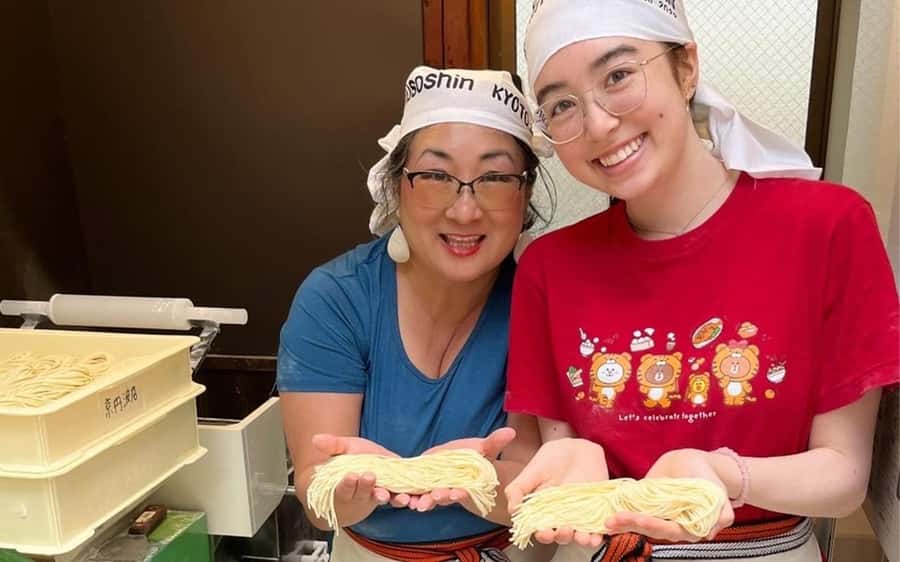
This class earns its family-friendly reputation through participation, not just a child-sized menu. A four-year-old can enjoy painting and helping with simple steps, while older children and teenagers can take a more active role with the dough and machine.
A nine-year-old reportedly wanted to give the activity 1,000 stars, and teenagers have enjoyed both the noodle-making and the painting. Adults do not need to stand aside, either. The process is tactile and detailed enough to keep parents interested, especially if you enjoy cooking.
The instructors are a big part of the success. Shin is described as funny and comfortable in English, while Patti and Yaya have been praised for keeping the class lively and making sure people feel included. Koki and Makoto have also led sessions with clear explanations and a gentle manner.
The tone is informal rather than stern. You can ask questions, take pictures, and work at a relaxed pace. I would still prepare young children for the fact that this is a small working room, not a large open kitchen. Keep belongings organized, and expect to share the space closely with the rest of the group.
For couples and friends, the class offers an easy shared project. You can divide the work, compare your noodles, and create a small painted souvenir. Solo participants can also take part comfortably because the instructors guide everyone through the same steps.
What the $54 price includes
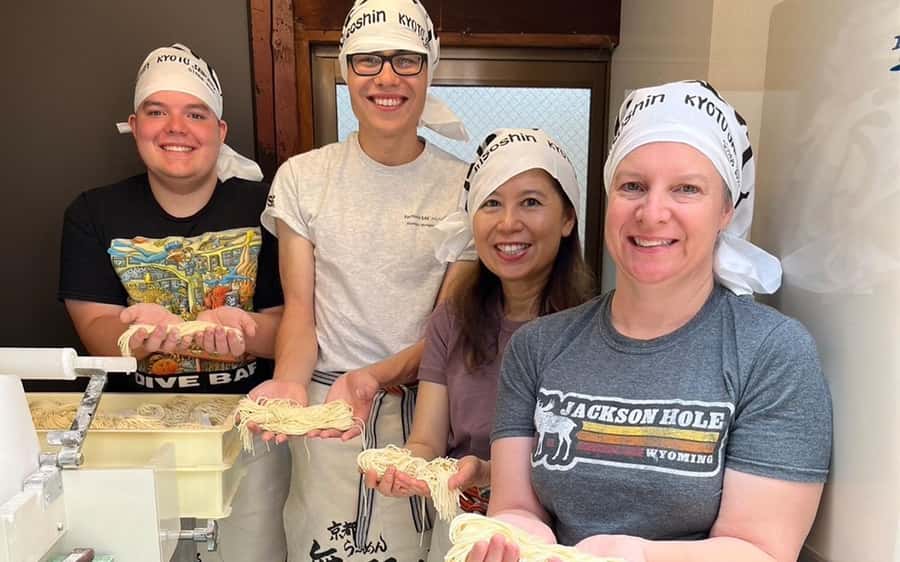
At $54 per person, this is not the cheapest ramen meal in Kyoto. The value comes from combining several parts that would otherwise be separate: a guided cooking class, hands-on noodle making, a drink, and a ramen meal at Musoshin.
The price is strongest if you want an activity lasting about an hour and a half. A normal bowl of ramen gives you food. This experience gives you food plus a practical lesson, staff guidance, a bandana, and the chance to paint or order additional items.
The value is also better for families who want a break from temples and walking. Kyoto sightseeing can involve a lot of looking and listening. Here, children can use their hands and see a result fairly quickly.
Check your booking option carefully. The bowl, spoon, and apron are listed as optional, and the meeting point may differ depending on what you select. A custom bowl is fired for free, but you must pick it up the next day. The apron costs 3,000 yen according to one participant, so budget separately if you want one.
You can reserve now and pay later, and cancellation is allowed up to 24 hours before the activity for a full refund. Those terms are useful when you are arranging a busy Kyoto itinerary, but confirm the exact conditions attached to your selected booking.
Language, timing, and practical planning
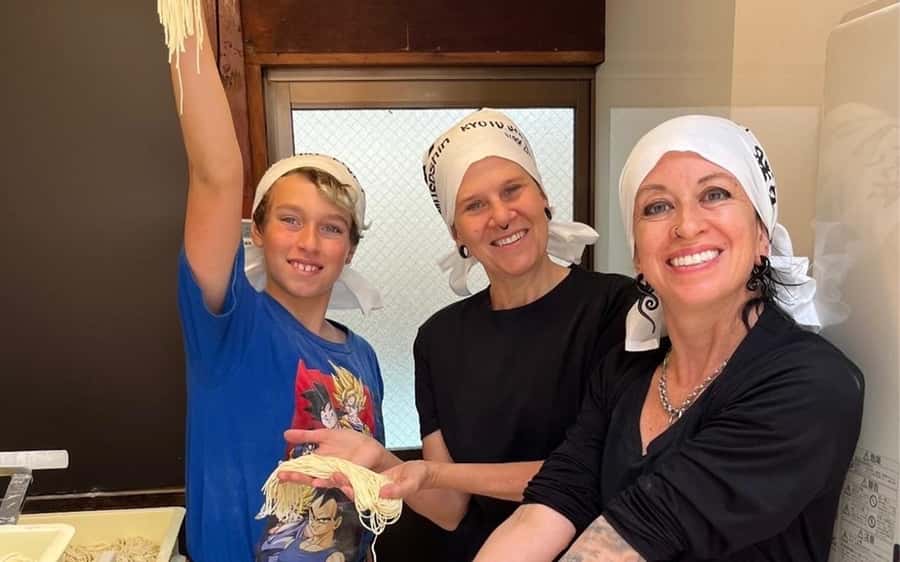
The workshop is offered in English and Japanese. The English-speaking instructors have been able to explain the process, answer questions, and keep the class moving without turning it into a lecture.
Plan for about 60 minutes of noodle preparation, followed by around 30 minutes for the meal. Painting may be included within the workshop timing or offered as part of the selected activity, so read the option details carefully. Some participants describe an hour of bowl painting followed by about half an hour of ramen preparation, while others describe a roughly even split between painting and noodle work.
That difference suggests the exact schedule can vary by package. If noodle making is your main reason for booking, choose the option that clearly includes the full hands-on process. If you mainly want a creative souvenir, look for the painting-focused choice.
The activity ends back at the meeting point. Since the start point can vary by option, do not rely on a single assumed location when planning the rest of your day. Allow enough time afterward if you need to collect a kiln-fired bowl the next day.
Who should book this experience
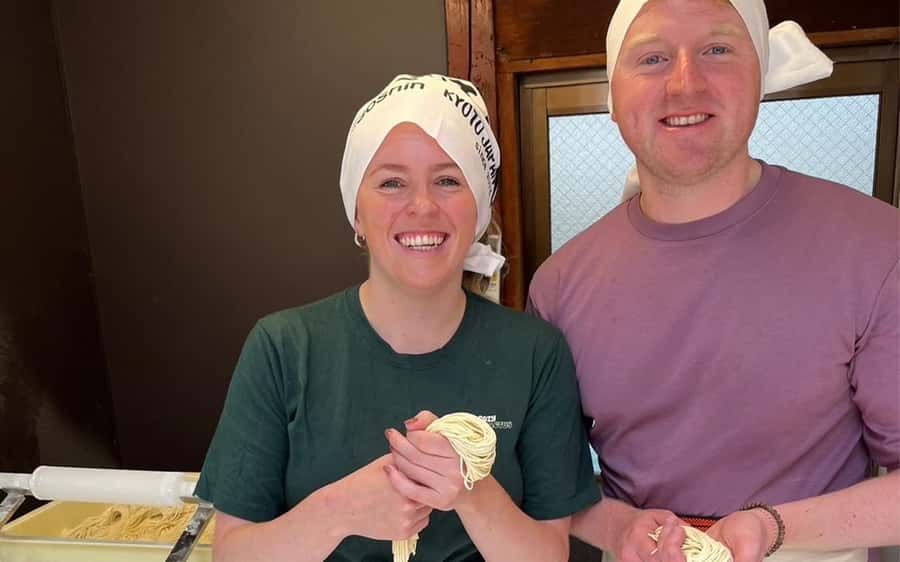
I would recommend it most strongly to families, food-focused couples, and anyone who wants an activity beyond sightseeing. It is also a good fit for older children who enjoy cooking, crafts, or trying foods they have seen prepared.
You should book it if you value contact with the people behind a local restaurant and want to understand how ramen is made. The in-house noodles, 12-hour soup, handmade soy sauce, and roast pork give the lesson more substance than a quick noodle demonstration.
I would be more cautious if you dislike small group activities or want a long, advanced cooking course. The room can feel cramped, and the class is short. You will learn the basic recipe and process, but you will not spend a full day mastering broth or knife skills.
The ramen itself is a major reason to go. The meal has been described as the best ramen of a two-week Japan trip, even by someone who ate many bowls along the way. Taste is personal, but Musoshin’s restaurant connection gives the meal credibility and makes the class feel complete.
Should you book Musoshin’s ramen workshop?
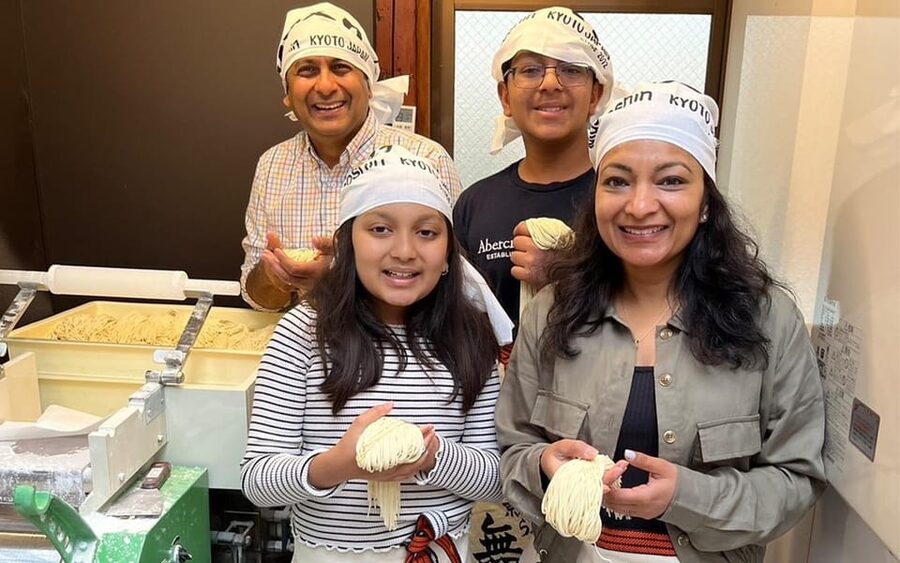
Book it if you want a friendly, hands-on Kyoto activity with a proper meal at the end. The strongest combination is the noodle-making lesson, the patient staff, and the chance to eat ramen made by the same restaurant whose methods you have just been studying.
Families should know that space is limited, but the age range works unusually well. Adults, teenagers, and young children can all find a role. Food-sensitive visitors should contact the team before arrival, since gluten-free arrangements have been possible, while vegetarian and vegan choices are available.
At $54, the experience is best judged as a food class plus dinner, not as a simple restaurant visit. Choose the bowl option only if you can collect it the next day. For a memorable break from Kyoto’s temples and shrines, I think this is a smart booking, especially for first-time visitors who want to make something, eat well, and leave with a story.
FAQ
Where does the ramen workshop take place?
The workshop takes place in Kyoto, on Honshu, Japan. The exact meeting point can vary depending on the option you book.
How long does the activity last?
The noodle-making portion takes about one hour. Allow roughly another 30 minutes for preparing and eating the ramen, though the timing can vary with the selected option.
Is the ramen meal included?
Yes. The experience includes a meal at the Musoshin Ramen restaurant and a drink.
Do I eat the noodles I make?
No. The noodles made during the class need to rest overnight. You eat ramen prepared by the Musoshin restaurant after the workshop.
Are vegetarian and vegan options available?
Yes. Vegetarian and vegan ramen options are available.
Can I make a gluten-free meal?
Gluten-free noodles and soup have been arranged for a participant with celiac disease. Contact Musoshin before the activity to discuss your needs.
Can I take home a bowl I design?
Yes. Musoshin can fire your custom-designed bowl in a kiln for free. You need to pick it up the next day.
What languages are available?
The workshop is offered in English and Japanese.
Newest Kyoto experiences on the site
- Treasures of Kyoto: Gion & historical Walking Tour★ 5.0 · 6 reviews
- Whisk Your Own Matcha: A Zen Matcha Experience at Temple★ 3.6 · 7 reviews
- Kyoto tea town for matcha lovers★ 5.0 · 16 reviews
- Uji: Private immersion into Kyoto’s tea and reglious culture★ 5.0 · 17 reviews
- Kyoto Matcha Green Tea Tour★ 4.5 · 23 reviews
- Uji and Wazuka Matcha Farm Half Day Private Guided Tour★ 5.0 · 21 reviews
- Utilising upcycled Matcha! Creating matcha incense (Uji, Kyoto)★ 5.0 · 6 reviews
- Sacred Temple Yoga Experience in Japan★ 5.0 · 3 reviews
Kyoto Ramen Experiences, compared.
Ramen Cooking Class at Ramen Factory in Kyoto
Read our review →
Ramen Cooking Class at a Ramen Factory with Souvenir
Read our review →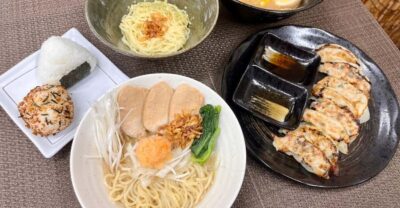
Kyoto Ramen and Gyoza Cooking Class with Professional Chefs
Read our review →
Ramen Gyoza Onigiri Japanese Cooking Class in Kyoto
Read our review →
Kyoto Ramen Spoon Painting & Michelin Cooking Class
Read our review →Browse the lists this tour appears in