
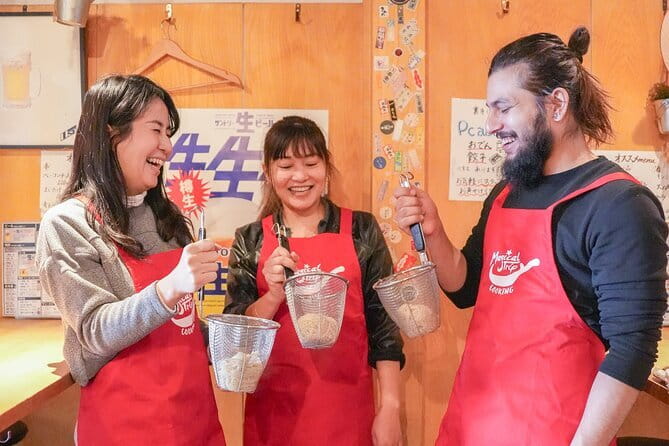
Reviewed · KYOTO RAMEN EXPERIENCES
Kyoto Ramen and Gyoza Cooking Class with Professional Chefs
Making ramen from scratch is the real draw here. You knead and cut the noodles, fold gyoza, cook fried rice, and then sit down to eat the whole meal. It is a practical way to learn dishes you can actually repeat at home, not just watch a chef prepare.
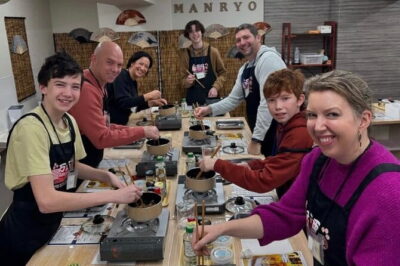
I especially like the small maximum group of eight, which gives the chef time to keep an eye on each work station. I also like the friendly bilingual hosts, including Yuki, Ayuri, Rina, Emi, and others who have guided sessions and translated the chef’s instructions. The main consideration is the food policy: the ramen uses pork broth, and vegetarian, vegan, and gluten-free diets cannot be accommodated.
Key points to know before booking
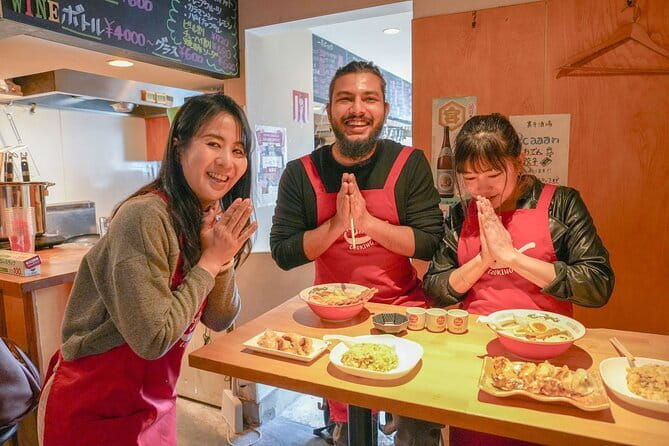
- You make three dishes: ramen, gyoza, and fried rice form a full meal.
- The noodles are genuinely hands-on: you knead, cut, and top your own ramen.
- Two drinks are included: beer or sake pair well with the meal.
- The setting is small and personal: no more than eight people can join.
- Recipes go home with you: you can try the dishes again after Japan.
- Plan your appetite: you will eat a substantial meal, not a small tasting.
Kneading noodles in central Kyoto
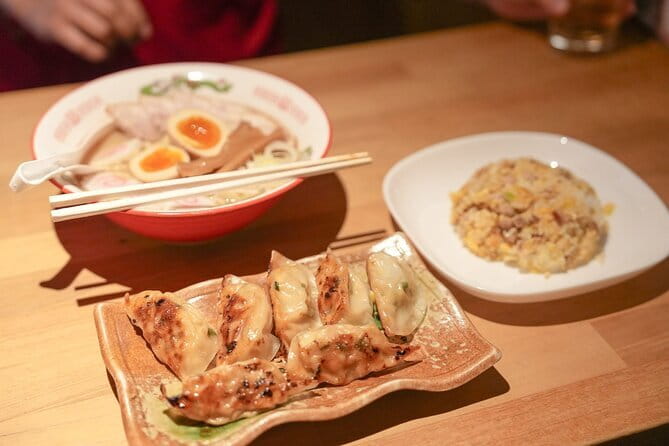
The class meets at 「北緯35物語」木村光佑 in Shincho, in Kyoto’s Shimogyo Ward. You return to the same meeting point at the end, so there is no second location to find after your meal.
The experience lasts about two and a half hours. That is enough time to move from preparation to cooking and then sit down together without making the class feel rushed. Since the meeting point is near public transportation, it fits neatly into a day of sightseeing in central Kyoto.
The space has been described as a former restaurant, which gives the class a practical kitchen setting rather than a polished schoolroom. One useful warning: much of the activity is upstairs, and the space has several levels. Watch your footing, especially on a rainy day or if you are carrying a bag.
Arrive early. The class begins on time, and a late arrival cannot join, reschedule, or receive a refund. That rule may feel strict, but cooking classes are difficult to restart once the group has begun measuring, kneading, and preparing ingredients.
More ramen nights in Kyoto:
- Ramen Cooking Class at Ramen Factory in Kyoto
★ 5.0 · 1,937 reviews - Kyoto: Ramen Cooking Class at a Ramen Factory with Souvenir
★ 4.9 · 532 reviews - Kyoto: Ramen, Gyoza, and Onigiri Cooking Class
★ 5.0 · 445 reviews
Ramen made from flour, not just ordered from a menu
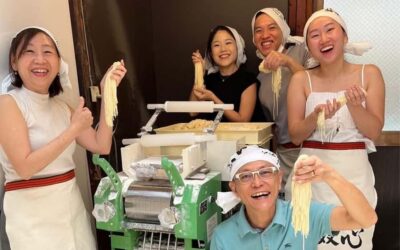
The ramen portion is the heart of the class. You knead the dough, cut the noodles, and add the toppings before cooking and eating them. For anyone who usually sees ramen arrive in a bowl within minutes, this gives you a better sense of the work behind the dish.
A professional chef guides the cooking step by step. The host helps translate and explain, which is useful because the chef’s technical instructions and the cultural background are not always the same thing. Hosts such as Yuki and Ayuri have been praised for making the instructions easy to follow while also sharing facts about Japanese food and Kyoto.
This is suitable for beginners. You do not need previous cooking experience, and the preparation is organized so that first-time cooks can keep up. Children from age six can attend, though an adult must supervise them when they handle knives or take part in risky steps.
There is one important detail about the bowl you will make. The ramen broth uses pork, even if you choose not to have meat toppings. This is not a vegetarian ramen class, and the kitchen cannot promise allergy-free food.
One past participant found the broth less traditional than expected because it used a prepared paste and water rather than a long-simmered stock. If you are looking for a chef’s masterclass in broth production, this may feel basic. If you want to learn the enjoyable parts of ramen making and leave with a meal, the format works well.
Folding gyoza without turning the kitchen into a battlefield
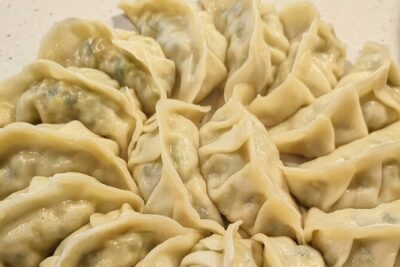
Gyoza brings a different kind of cooking skill. You fill and fold the wrappers, then cook them under the chef’s direction. The folding is simple enough for children and beginners, but it still gives you something to focus on with your hands.
This is also where the group format helps. With a maximum of eight people, the chef can watch how you fold and correct mistakes before the dumplings fall apart in the pan. The hosts keep the pace relaxed, and the meal naturally creates time to talk with the other people at the table.
The gyoza are served as part of the full meal rather than as a quick sample. Two drinks are included, with beer or sake offered as natural pairings. You do not need to pay for the guide’s food or drinks.
The cooking is hands-on, but do not expect to prepare every component from raw ingredients. The class is designed to teach the main techniques within two and a half hours. One enthusiastic cook found the cooking less involved than hoped and the recipes simpler than expected. That is a fair point for experienced home cooks, but it is also why the class remains manageable for families and first-timers.
Fried rice turns the lesson into lunch
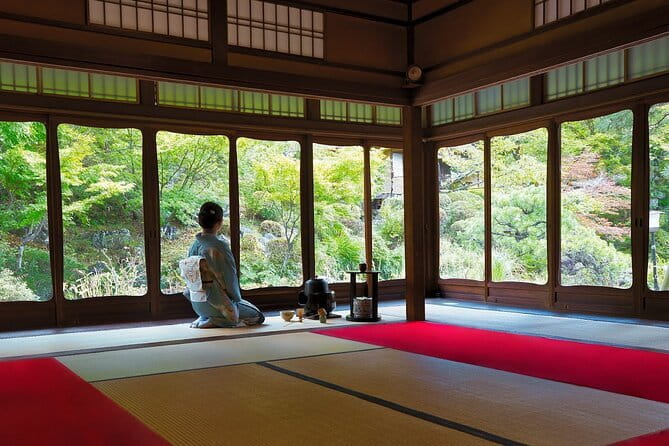
Ramen and gyoza receive the most attention, but fried rice is also part of the meal. Together, the three dishes make this feel like a proper Japanese lunch or dinner rather than a small cooking demonstration.
The finished food is yours to eat at the venue. Several sessions have been described as generous, with enough food to leave people very full. Plan ahead and avoid booking this directly after a large meal. You will get more from the class if you have room to enjoy what you made.
The fried rice also adds variety. Ramen requires dough work and timing, gyoza requires careful folding, and fried rice brings pan cooking into the mix. You finish with a broader set of basic skills than you would get from a ramen-only lesson.
The chef remains involved as the food comes together, checking the preparation and helping the group stay on track. Hosts translate as needed, which makes the class especially useful for people who want instruction rather than simply a social meal.
More cooking classes in Kyoto:
- Kyoto: Japanese Washoku Bento Small Group Cooking Class
★ 5.0 · 380 reviews - Kyoto: Afternoon Japanese Izakaya Cooking Class
★ 4.9 · 241 reviews - Izakaya Style Cooking Class
★ 5.0 · 219 reviews - Gyoza Cooking Class in Kyoto: Traditional Japanese Dumplings
★ 5.0 · 210 reviews
The hosts make the class easier to follow
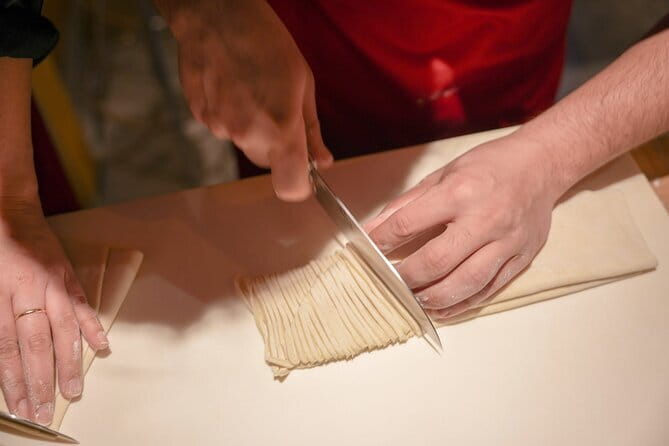
The chef teaches the food, while the host usually handles translation and conversation. That division works well. You can focus on the practical steps while still learning about Japanese dishes and local food customs.
Names associated with this class include Yuki, Ayuri, Rina, Emi, Eri, Miu, Rika, Shun, and Avinash. Your host will depend on the date and group. Yuki and Ayuri have been particularly praised for translating clearly and adding helpful information about Kyoto and Japan.
The tone is informal and friendly. The class can feel almost private when only three or four people book a session, though you should reserve with the expectation that other participants may join. The official maximum is eight.
That small scale is valuable for families. Adults can take part instead of spending the whole time supervising from the side, while children can work through the simple parts of the recipes with an adult nearby. Several age groups can share the table without the class becoming too advanced or too childish.
What the $86.22 price includes
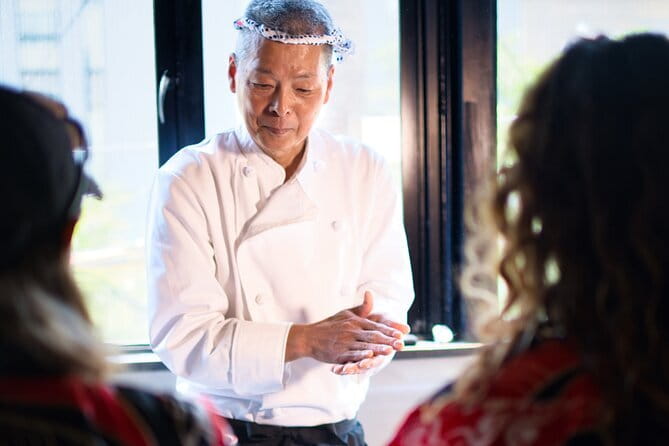
At $86.22 per person, this is not the cheapest way to eat ramen in Kyoto. You can order a bowl for far less. The value comes from combining instruction, a full meal, two drinks, a professional chef, a bilingual host, and recipes to take home.
You are paying for an activity that occupies about two and a half hours, not only for the food on the plate. If you enjoy cooking or want a break from temple visits, the class gives you a useful memory and a skill you can repeat.
The price makes less sense if your main goal is simply to taste high-end ramen. The broth is prepared with pork paste and water rather than presented as an elaborate stock-making lesson, and the recipes are fairly simple. A serious cook may want more technical depth.
For families, couples, and people who like meeting others over food, the cost is easier to justify. You get three dishes, drinks, a guided activity, and a relaxed meal in one booking. The recipe guide adds value after the trip, though you will still need to buy your own ingredients at home.
Who should book this Kyoto cooking class?
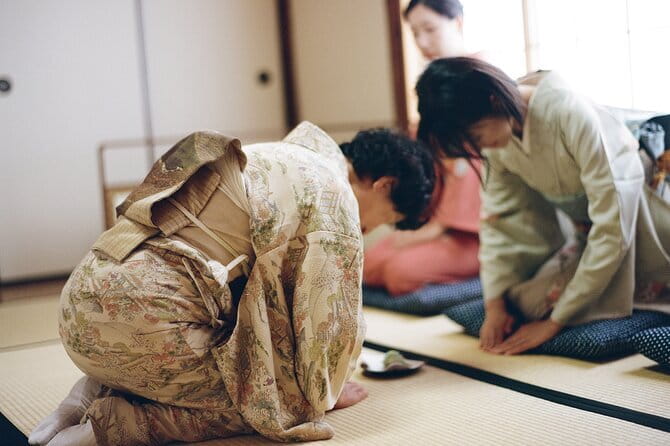
I would choose this class for a family looking for an indoor activity, especially on a rainy day. Children age six and up are welcome, and the cooking gives them a job to do rather than asking them to sit quietly through a cultural talk.
It also suits couples and small groups who want to share a meal with some structure. The class creates easy conversation, and the drink pairing helps the meal feel social without turning it into a bar visit.
First-time cooks should feel comfortable booking. The chef gives clear instructions, the host translates, and the group size is limited. You do not need special skills.
Experienced cooks should set expectations carefully. You will learn a repeatable home version of ramen, gyoza, and fried rice, but not a highly technical restaurant method. The preparation is fun and useful rather than a professional culinary course.
The class is not a good fit for people with serious dietary restrictions. Vegetarian, vegan, and gluten-free requests cannot be accepted, substitutions are not guaranteed, and the kitchen cannot promise an allergy-free meal. It is also not recommended for people with mobility issues because of the stairs and multiple levels. A private tour may be a better choice if you need specific accommodations.
Practical timing and cancellation advice

The meeting point is 「北緯35物語」木村光佑, Shincho, Shimogyo Ward, Kyoto, 600-8001. The activity ends at the same place, and mobile tickets are accepted.
Give yourself extra time to find the venue and arrive before the start time. Late arrivals are not admitted, and there is no refund or rescheduling for missing the beginning.
You can cancel for a full refund up to 24 hours before the start time. Changes made inside that 24-hour window are not accepted, and the cut-off follows Kyoto local time. The class can also be canceled if weather creates unsafe conditions.
Is the ramen and gyoza class worth booking?
Yes, if you want a friendly, hands-on food activity and you are comfortable eating pork broth. The strongest reasons to book are the small group, the patient chef, the clear translation from hosts such as Yuki or Ayuri, and the fact that you make a full meal rather than a single sample.
Book it as a practical introduction, not as an advanced cooking course. You will knead noodles, fold gyoza, cook fried rice, eat well, enjoy two drinks, and take home recipes. For a family, couple, or curious first-time cook, that is a good use of a Kyoto afternoon. Skip it if you need vegetarian or gluten-free food, have mobility concerns, or want to study traditional broth making in great technical detail.
FAQ
Where does the Kyoto ramen and gyoza class meet?
It meets at 「北緯35物語」木村光佑, Shincho, Shimogyo Ward, Kyoto, 600-8001, Japan.
Where does the activity end?
The class ends back at the meeting point.
How long does the cooking class last?
The experience lasts approximately two hours and 30 minutes.
What dishes will I make?
You will prepare ramen, gyoza, and fried rice, then eat the meal you made.
Are drinks included?
Yes. The experience includes two drinks, with beer or sake available for pairing.
Do I receive recipes?
Yes. A recipe guide is provided so you can recreate the dishes at home.
Is the ramen vegetarian?
No. The ramen broth uses pork, even if meat toppings are not included.
Can the class accommodate vegan, vegetarian, or gluten-free diets?
No. Vegetarian, vegan, and gluten-free requests cannot be accommodated. Allergy-free meals also cannot be guaranteed.
What is the minimum age?
Participants age six and above are welcome. Children must be supervised by an accompanying adult when handling knives or taking part in potentially dangerous steps.
What happens if I arrive late?
The class starts on time. Late arrivals cannot join, reschedule, or receive a refund.
How many people can join?
The group has a maximum of eight participants, though the exact number may be smaller.
Can I cancel for a refund?
Yes. You can cancel at least 24 hours before the start time for a full refund. Cancellations or changes made less than 24 hours in advance are not accepted.
Newest Kyoto experiences on the site
- Treasures of Kyoto: Gion & historical Walking Tour★ 5.0 · 6 reviews
- Whisk Your Own Matcha: A Zen Matcha Experience at Temple★ 3.6 · 7 reviews
- Kyoto tea town for matcha lovers★ 5.0 · 16 reviews
- Uji: Private immersion into Kyoto’s tea and reglious culture★ 5.0 · 17 reviews
- Kyoto Matcha Green Tea Tour★ 4.5 · 23 reviews
- Uji and Wazuka Matcha Farm Half Day Private Guided Tour★ 5.0 · 21 reviews
- Utilising upcycled Matcha! Creating matcha incense (Uji, Kyoto)★ 5.0 · 6 reviews
- Sacred Temple Yoga Experience in Japan★ 5.0 · 3 reviews
Kyoto Ramen Experiences, compared.
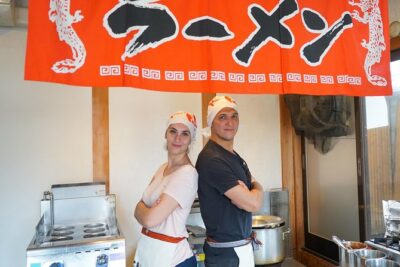
Ramen Cooking Class at Ramen Factory in Kyoto
Read our review →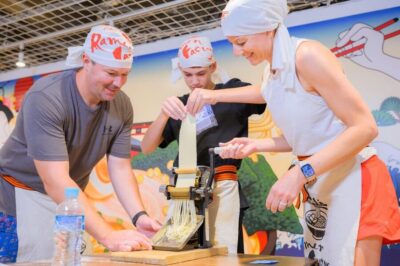
Ramen Cooking Class at a Ramen Factory with Souvenir
Read our review →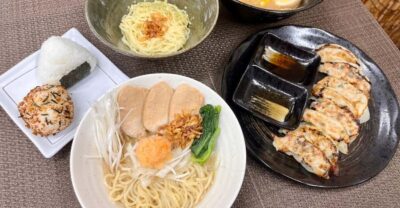
Kyoto Michelin Ramen Workshop or Painting Ramen Essentials
Read our review →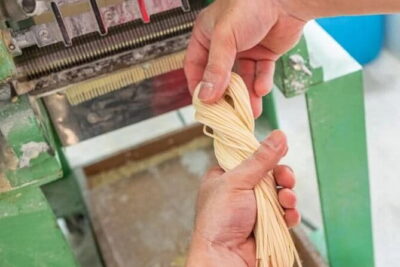
Ramen Gyoza Onigiri Japanese Cooking Class in Kyoto
Read our review →
Kyoto Ramen Spoon Painting & Michelin Cooking Class
Read our review →Browse the lists this tour appears in