
Reviewed · KYOTO COOKING CLASSES
Izakaya Style Cooking Class
Kyoto’s izakaya cooking class teaches the food people actually eat at casual Japanese pubs and home kitchens, not just sushi and teriyaki. You’ll learn to make dashi, handle Japanese seasonings, and prepare several small dishes before sitting down to eat them.
I like the hands-on format, with instructors helping at the cutting board instead of leaving you to watch a demonstration. I also like the practical recipes, which can be made again at home, and the way the class explains why ingredients such as dashi, sesame sauce, and Japanese condiments matter. The main consideration is that the menu changes with seasonal supplies, so you cannot count on one exact set of dishes. Drinks may also cost extra, as one participant was charged 600 yen for a glass of sake.
Key points to know before booking
- You learn dashi from the start, giving you a useful base for soups, sauces, and other Japanese dishes.
- The class lasts about three hours, beginning at 2pm and ending back at the Cooking Sun meeting point.
- You may prepare six dishes, though the exact menu changes with the season and available ingredients.
- The group is limited to eight people, allowing for help at the knife station and stove.
- Dinner is included, along with ingredients, an apron, and an English-speaking instructor.
- Recipes go home with you, making this more useful than a meal you simply eat and forget.
What izakaya means in Kyoto
Izakaya is often explained as the Japanese answer to tapas, but the comparison only goes so far. An izakaya is a casual place for drinks, conversation, and several small dishes shared across the table. It can suit a quick meal, a family gathering, or a relaxed evening with friends.
The tradition grew from sake shops that began offering food alongside drinks. Over time, izakaya became a familiar part of Japanese dining, with dishes that are simple enough for a home kitchen but varied enough to make a full meal.
That background matters because this class is not trying to teach formal kaiseki cooking. You are learning the kind of food you might order at a casual restaurant or see prepared in a Japanese home. It is a good fit if you want to understand the everyday side of Japanese cuisine.
More cooking classes in Kyoto:
- Ramen Cooking Class at Ramen Factory in Kyoto
★ 5.0 · 1,937 reviews - Kyoto: Ramen Cooking Class at a Ramen Factory with Souvenir
★ 4.9 · 532 reviews - Kyoto: Ramen, Gyoza, and Onigiri Cooking Class
★ 5.0 · 445 reviews
Beginning at the Kyoto cooking studio at 2pm
The class starts at Cooking Sun, at 679 Funayacho in Kyoto’s Shimogyo Ward. The meeting point is in a traditional wooden house, which gives the afternoon a more personal setting than a large commercial kitchen.
You should plan to arrive ready to begin at 2pm. Hotel pickup and drop-off are not included, but the studio is near public transportation. The exact cooking studio location is provided when you book, so check your confirmation carefully before setting out.
The first part introduces the background of izakaya and the ingredients used during the lesson. This is useful context, not filler. It helps you understand why Japanese cooking often depends on small amounts of soy sauce, mirin, sesame, dashi, and other seasonings rather than heavy sauces.
The instructors also explain the tools and methods used in Japanese cooking. This is particularly helpful if you have cooked Japanese food before but have not used Japanese utensils or prepared several dishes at the same time.
Learning dashi and Japanese seasoning
The most valuable lesson is likely dashi, the basic Japanese soup stock. Dashi gives soups and sauces a savory depth, and learning to prepare it helps explain why Japanese food can taste full without being strongly seasoned.
The class also focuses on balance. You learn how different sauces and condiments affect a dish, rather than simply following a list of measurements. That makes the lesson easier to adapt when you cook at home.
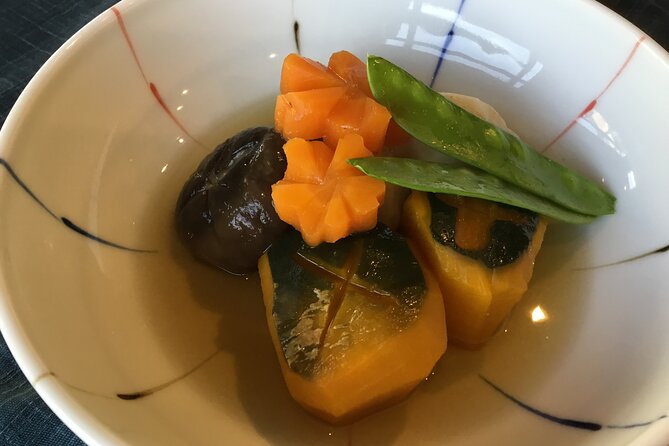
You may work with ingredients for vegetables, fish, mushrooms, rice, and soup. The exact selection depends on the season. Possible dishes include spinach with sesame sauce, teriyaki yellowtail, vegetable chowder, mushroom tempura, and rice with vegetables.
The menu can also include dishes such as cucumber salad, pumpkin soup, pasta, and mochi dessert. That variety is useful, though it means the class is not a strict lesson in one narrow style of izakaya cooking. One participant would have preferred Japanese noodles instead of pasta, so keep your expectations flexible.
A hands-on lesson with help at every station
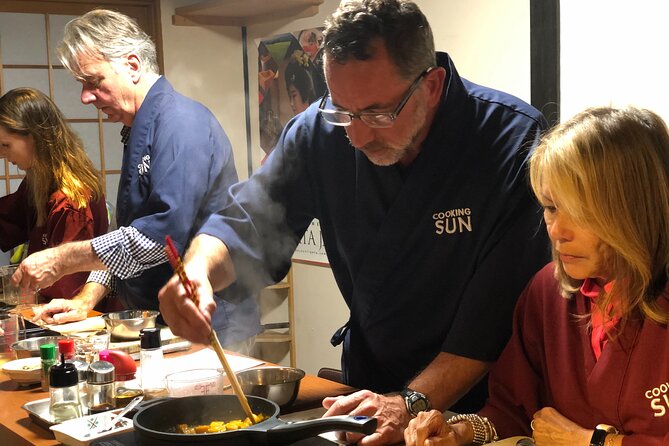
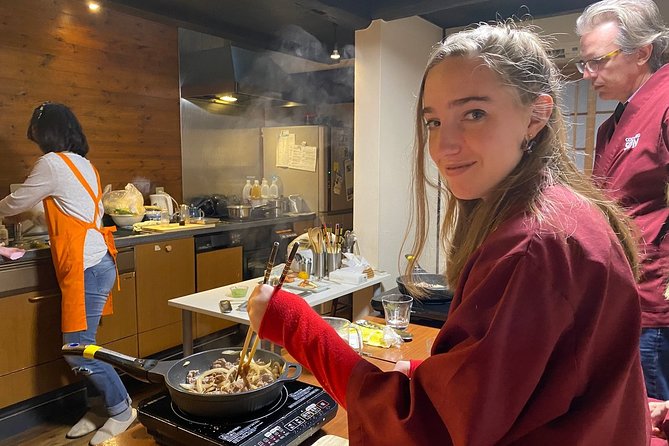
After the chef demonstrates each preparation, you take over with your own knife, bowl, pan, or cooking station. The class is designed for a range of skill levels. You do not need to be an experienced cook, and confident home cooks still have room to pick up new flavor combinations and tools.
The instructors prepare some ingredients in advance. That is a smart choice for a three-hour class. You spend less time on repetitive chopping and more time making several dishes, learning techniques, and eating the finished food.
The staff also work together during the lesson. While one person explains a recipe, another may deliver ingredients, answer questions, or clean a work area. This keeps the class moving and reduces the usual mess that comes with preparing many dishes at once.
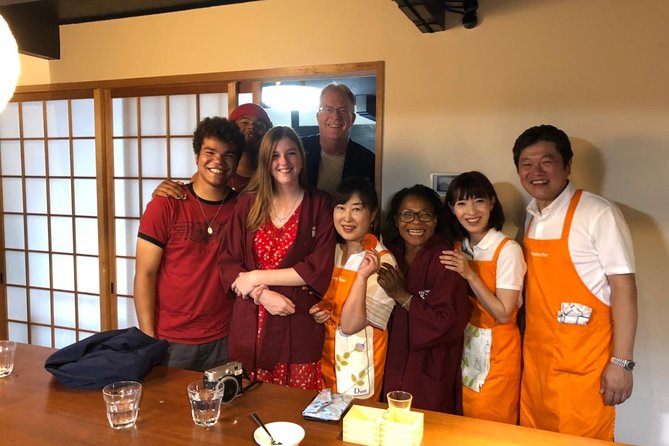
The group limit of eight is important here. You are not guaranteed private instruction, but the size allows the teacher to reach each person. Larger groups can make cooking classes feel like demonstrations. This setup is more practical for anyone who wants to handle the food personally.
More bars and sake stops in Kyoto:
- Kyoto Night Foodie Tour in Gion (9+ dishes + 6 Sake tastings)
★ 5.0 · 1,762 reviews - 3-Hour Kyoto Insider Sake Brewery Tour with Tastings & Pairings
★ 5.0 · 917 reviews - Arashiyama Bamboo, Temple, Monkeys, or Secret Sake Brewery
★ 4.8 · 886 reviews - Kyoto: Izakaya Bars Guided Walking Tour
★ 4.9 · 815 reviews
Preparing several dishes instead of one main course
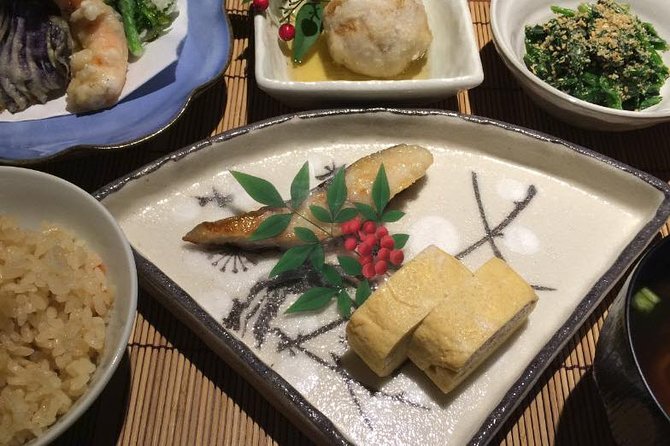
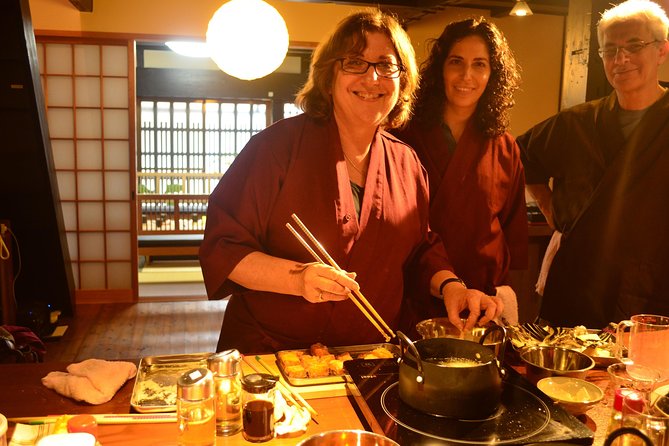
A major strength is the range of food. You may prepare as many as six dishes, moving from one recipe to the next and then eating them as a meal.
That format gives you a better sense of how Japanese meals are put together. Instead of learning one impressive centerpiece, you see how soup, vegetables, rice, fish, and small side dishes can share a table.
The food is described as healthy and approachable, with recipes that are not too difficult to repeat. This is especially useful if you plan to cook for family or friends after returning home. The recipes give you a clear starting point, while the class explanations help you understand which ingredients can be adjusted.
Do not assume every dish will be traditionally Japanese in the strictest sense. The menu can include pasta or other items shaped by the season and the class plan. For some people, that variety is a bonus. If you want a tightly focused lesson on noodles, sushi, or regional Kyoto cuisine, this may not be the right class.
Sitting down to eat your own izakaya meal
The final stage is dinner at the cooking studio. You sit with the group and eat the dishes you helped prepare. Dinner is included, as are the ingredients and apron.
This shared meal is part of the lesson. You can taste how the separate dishes work together and compare the results with other participants. It also gives the afternoon a natural finish instead of ending immediately after the stove is turned off.
Come hungry. Several portions can add up to a generous meal, particularly when rice, soup, vegetables, dessert, and other dishes are served together.
Drinks need a little care. The included dinner does not necessarily cover alcoholic drinks or extras. One person accepted a glass of sake and was later asked for 600 yen. The charge itself was modest, but the price was not clear at the time of the offer. Ask before accepting anything not clearly included.
The instructors and teaching style
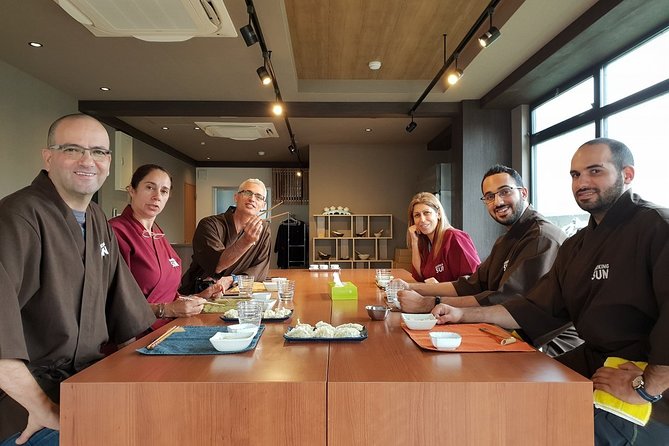
The class is taught in English, and the teaching style is aimed at making the food easy to follow. The instructors explain ingredients, demonstrate each step, and help with technique as you work.
Keiko is named as part of the Cooking Sun team, and the class may be run by her or by other members of the instructor group. The teaching team is praised for being organized, friendly, patient, and quick to help.
That organization matters more than it may sound. Cooking six dishes requires good timing. Ingredients must arrive in the right order, work surfaces need cleaning, and food needs to be served before it cools. The team approach keeps the afternoon from becoming chaotic.
The class also suits families. Children aged 10 and 12 have taken part successfully, and the instruction is presented at a level that can work for beginners as well as experienced home cooks. Adults should still expect to supervise younger children around knives and hot equipment.
Dietary needs and accessibility details
You should report dietary requirements when booking. The staff have accommodated vegetarians and people with allergies, including a guest with celiac disease. This is encouraging, but you should still explain your needs clearly before the class rather than waiting until you arrive.
The available information does not promise that every allergy can be handled or that cross-contact can be avoided. If your condition is serious, contact the provider in advance and ask exactly what substitutions are possible.
Service animals are allowed, and the studio is near public transportation. No hotel transportation is provided. Other accessibility details are not specified, so ask the provider directly if you need step-free access, special seating, or other assistance.
Is the $71.63 price good value?
At about $71.63 per person, this is not the cheapest meal in Kyoto. It is also more than the price of simply ordering a few casual dishes at an izakaya.
The value comes from the combination of instruction, ingredients, dinner, an apron, and take-home recipes. You are paying for a meal plus three hours of structured help. If you cook Japanese food even occasionally after the trip, the recipes and seasoning lessons add lasting value.
The price works best for you if you enjoy participating rather than just eating. It is less appealing if you want a quick introduction, a private class, or a fixed menu built around a favorite dish.
Group discounts may be available, which can help families or friends booking together. The maximum is eight people per booking, and the overall activity also has a maximum of eight participants. That keeps the class small enough for personal guidance.
Who should book this class
I would recommend it to first-time visitors who want a break from sightseeing and a practical way to learn about Japanese food. It also suits home cooks who want better command of dashi, sauces, vegetables, and casual Japanese dishes.
Families can use it as a shared activity, and the hands-on structure gives children something real to do. Couples and small groups will also find it easy to spend an afternoon here without needing advanced cooking skills.
You should think twice if you need a guaranteed menu, want to focus only on sushi or ramen, or dislike group activities. The seasonal menu is a strength for many people, but it removes some control over exactly what you will cook.
The class is also a good choice for repeat visitors to Japan. It shows a side of Japanese food that can be missed when you eat only at famous restaurants. You leave with techniques that can be used in an ordinary kitchen, not just memories of a special meal.
Booking, cancellation, and practical details
Confirmation is provided at booking. The class begins at 2pm, lasts approximately three hours, and ends at the cooking studio.
Free cancellation is available if you cancel at least 24 hours before the local start time. Cancellations or changes made within 24 hours are not accepted and are not refundable.
Wear something comfortable for cooking. An apron is provided, but the class involves knives, sauces, and several preparations, so practical clothing is wiser than anything delicate.
The mobile ticket makes it easy to carry your booking on your phone. Still, save the meeting address and allow enough time to reach the wooden cooking studio, since hotel pickup is not part of the arrangement.
Should you book the Izakaya Style Cooking Class?
Book this class if you want to learn everyday Japanese cooking, prepare several dishes, and sit down to a real meal afterward. The strongest reasons are the dashi lesson, the patient instruction, the small group, and the recipes you can use at home.
I would not book it for a guaranteed list of dishes or a formal restaurant-style cooking course. The menu changes, and some classes may include a less traditional item such as pasta.
For most people, though, the combination of food, culture, and practical instruction makes the $71.63 worthwhile. You get more than dinner, but the dinner is still an important part of the afternoon. Ask about any extra drinks before accepting them, mention dietary needs when booking, and arrive ready to cook.
FAQ
How long is the Izakaya Style Cooking Class?
The class lasts approximately three hours.
What time does the class begin?
The activity starts at 2pm.
Where does the class meet?
It meets at Cooking Sun, 679 Funayacho, Shimogyo Ward, Kyoto, 600-8466, Japan. The cooking studio is located in a traditional wooden house.
Is dinner included?
Yes. Dinner made during the class is included, along with the cooking ingredients and apron. Additional drinks may not be included.
Is the class taught in English?
Yes. An English-speaking cooking instructor leads the class.
How many people can join?
The maximum is eight participants, and the maximum per booking is also eight people.
Can dietary requirements be accommodated?
You should provide dietary requirements when booking. Vegetarian and allergy-related accommodations have been made, including for celiac needs, but you should confirm serious allergies with the provider in advance.
What is the cancellation policy?
You can cancel for a full refund up to 24 hours before the local start time. Cancellations or changes made less than 24 hours before the start are not accepted and are not refundable.
Newest Kyoto experiences on the site
- Treasures of Kyoto: Gion & historical Walking Tour★ 5.0 · 6 reviews
- Whisk Your Own Matcha: A Zen Matcha Experience at Temple★ 3.6 · 7 reviews
- Kyoto tea town for matcha lovers★ 5.0 · 16 reviews
- Uji: Private immersion into Kyoto’s tea and reglious culture★ 5.0 · 17 reviews
- Kyoto Matcha Green Tea Tour★ 4.5 · 23 reviews
- Uji and Wazuka Matcha Farm Half Day Private Guided Tour★ 5.0 · 21 reviews
- Utilising upcycled Matcha! Creating matcha incense (Uji, Kyoto)★ 5.0 · 6 reviews
- Sacred Temple Yoga Experience in Japan★ 5.0 · 3 reviews
Kyoto Cooking Classes, compared.
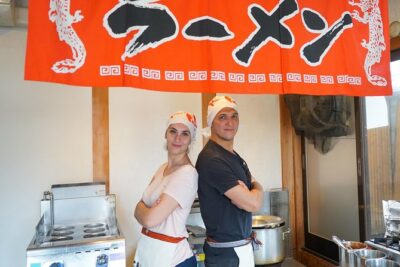
Ramen Cooking Class at Ramen Factory in Kyoto
Read our review →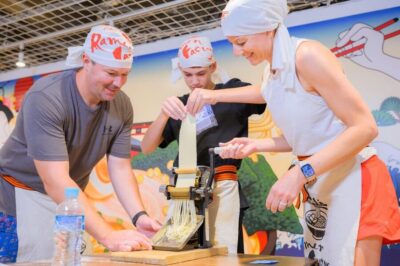
Ramen Cooking Class at a Ramen Factory with Souvenir
Read our review →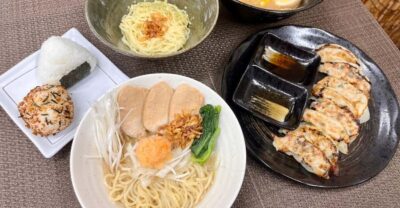
Japanese Washoku Bento Small Group Cooking Class
Read our review →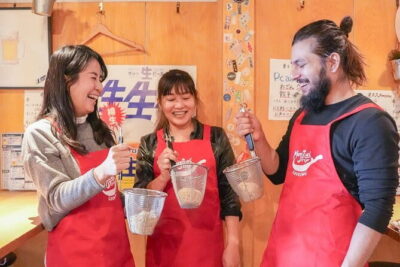
Kyoto Ramen and Gyoza Cooking Class with Professional Chefs
Read our review →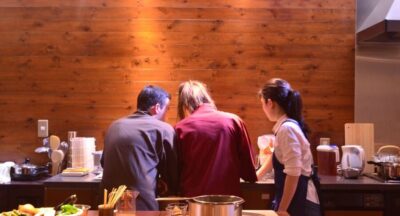
Gyoza Cooking Class in Kyoto: Traditional Japanese Dumplings
Read our review →
Browse the lists this tour appears in