
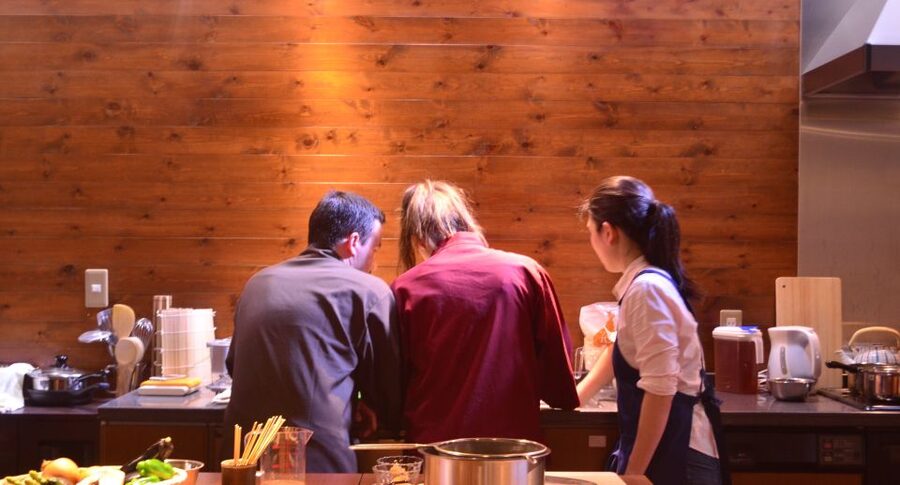
Reviewed · KYOTO COOKING CLASSES
Kyoto: Afternoon Japanese Izakaya Cooking Class
Kyoto’s Izakaya cooking class skips the usual sushi lesson and takes you into the food people actually cook and order with drinks: savory home dishes, simple sweets, sauces, and dashi-based flavors. You work beside an English-speaking chef, cook in two rounds, and sit down to eat after each one.
I like the practical menu and the friendly teaching. You may make as many as six dishes, including dessert, and the recipes are simple enough to repeat at home. I also like the social setup, where cooking and conversation happen together, much as they do at an over-the-counter izakaya.
The main thing to consider is the pace. Three hours can hold a lot of food, so the class may move quickly, especially when several dishes are on the go. If you have dietary requirements, tell Cooking Sun when you book.
Key points at a glance
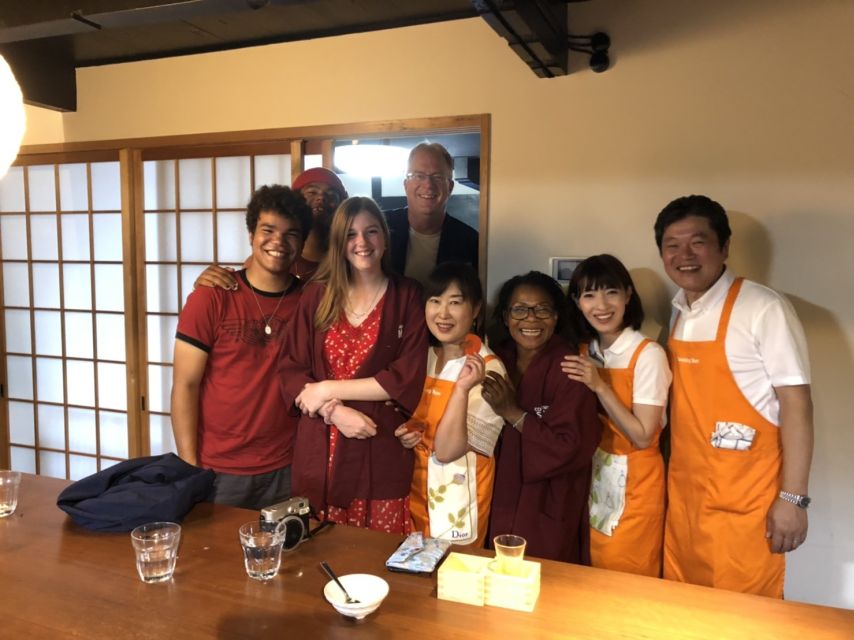
- Two cooking rounds: Prepare two or three dishes, eat them, then return to the kitchen for another two or three.
- More than sushi: The focus is Japanese home and izakaya food, with menus that can include savory dishes, dessert, dashi, and okonomiyaki.
- English instruction: Chefs explain ingredients, techniques, and each step in English.
- Recipes for home: You receive written recipes so the class can continue in your own kitchen.
- Central Kyoto meeting point: Meet at Cooking Sun, Funayacho, in Kyoto’s Shimogyo Ward.
- Good for mixed skill levels: Beginners receive clear demonstrations, while experienced cooks can still pick up useful Japanese methods.
What makes this Kyoto cooking class different
I would choose this class because it teaches the food around a Japanese meal, not just the dishes that are easiest to market abroad. Sushi is wonderful, but it tells you only part of the story. Izakaya cooking brings in sauces, broth, vegetables, grilled or pan-cooked items, small plates, and the relaxed habit of eating several things together.
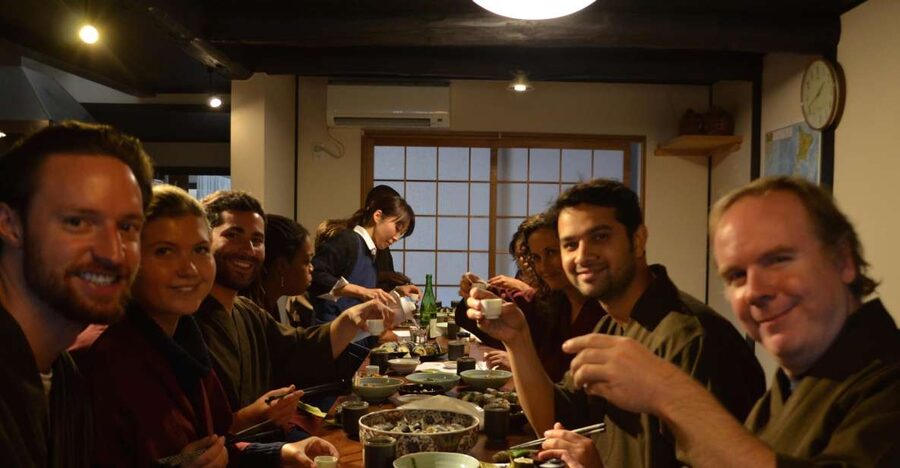
An izakaya is often described as a Japanese pub or small-plate restaurant. The food is ordered gradually, shared around the table, and enjoyed with conversation. This class borrows that social rhythm. You cook while speaking with your instructor, eat what you have prepared, then return to the kitchen for the next set of dishes.
That format matters. Instead of standing through three hours of demonstrations, you get repeated chances to chop, mix, season, cook, and taste. You can see how a dish changes as it comes together, then ask about an ingredient while the result is still in front of you.
The activity costs $67 per person and lasts three hours. For Kyoto, that is a reasonable price if you value both a meal and a lesson. Your fee covers the class, ingredients, apron, and utensils, so you are not paying extra for a restaurant meal after the session. The real value is the recipe knowledge you can carry home.
More cooking classes in Kyoto:
- Ramen Cooking Class at Ramen Factory in Kyoto
★ 5.0 · 1,937 reviews - Kyoto: Ramen Cooking Class at a Ramen Factory with Souvenir
★ 4.9 · 532 reviews - Kyoto: Ramen, Gyoza, and Onigiri Cooking Class
★ 5.0 · 445 reviews
Arriving at Cooking Sun in Shimogyo Ward
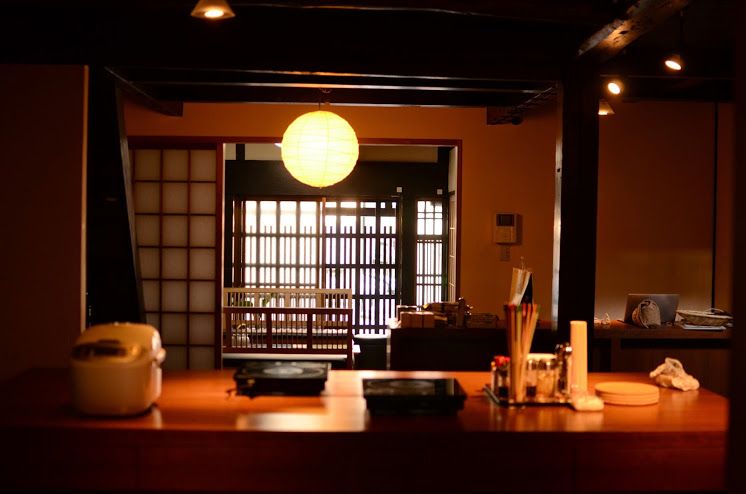
The meeting point is Cooking Sun at Funayacho, Shimogyo Ward, Kyoto, postal code 600-8466. The provided details do not specify a hotel pickup service, so plan to make your own way to the cooking school and allow time to find the exact entrance.
This is an afternoon activity, with the exact start time depending on availability. I like that placement in a Kyoto schedule. You can spend the morning at a temple or market, take a break from sightseeing, then spend the afternoon indoors and out of the heat or rain.
The class is wheelchair accessible, which makes it a useful option for visitors who need a more comfortable indoor activity. If you have food allergies, follow a vegetarian diet, or have another restriction, contact the local supplier at booking time. Do not wait until you arrive, since the staff needs notice to consider ingredients and separate equipment where needed.
The first cooking round: learning the basics
The lesson begins in the kitchen with an English-speaking instructor. Cooking Sun’s teachers, including Yumi and Yumiko in some sessions, are described as warm, patient, and clear. The tone is informal rather than restaurant formal, so you should expect plenty of back-and-forth conversation while you work.
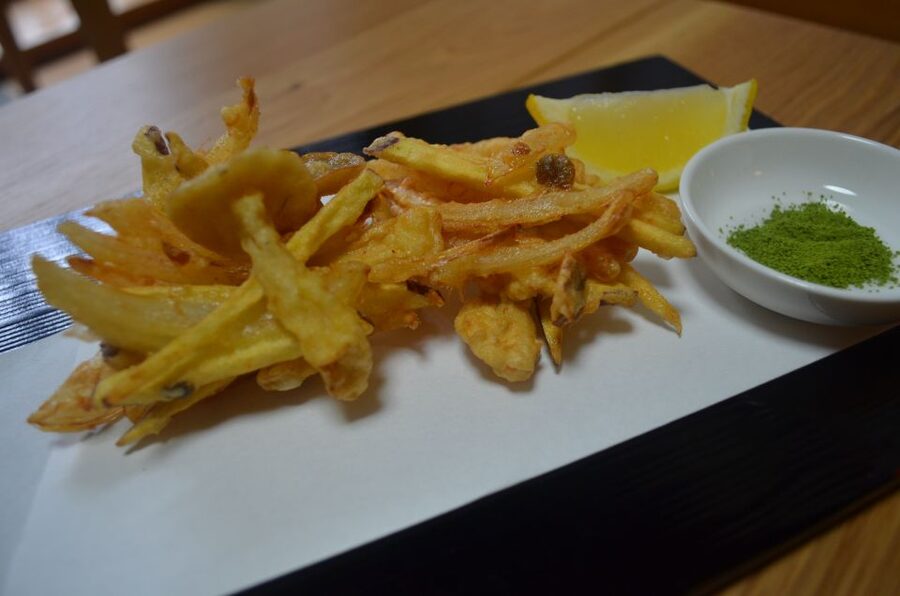
The first part normally covers two or three dishes. The exact menu can change, but the class has included traditional savory items, okonomiyaki, dashi broth, and other less familiar Japanese foods. That variety is one of the better reasons to choose this activity over a narrow sushi course.
You may start with the building blocks of Japanese flavor. One particularly useful lesson has been making dashi, the stock that gives many Japanese dishes their savory base. Learning the broth helps you understand why a few basic ingredients can produce such a full taste.
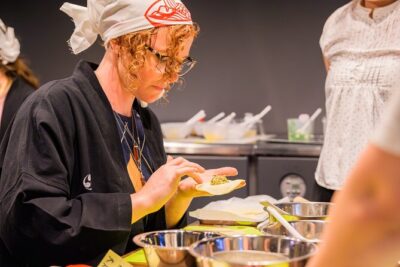
The instruction is hands-on. Your chef demonstrates a task, then you repeat it with your own ingredients and tools. The recipes are broken into short steps, which helps if you do not cook often or cannot read Japanese packaging.
After preparing the first dishes, you eat them together. This is not just a reward at the end. Tasting lets you ask whether the seasoning is right, compare textures, and understand how the dishes fit together as a meal.
Eating like an izakaya regular
The meal is served in stages rather than held back until every dish is finished. That makes the class feel closer to an izakaya meal, where plates arrive over time and conversation carries on between bites.
You also get a useful lesson in balance. A Japanese meal can combine a strong savory item with a lighter vegetable dish, broth, or sweet finish. The class gives you a chance to taste the results together instead of judging each recipe in isolation.
The social side is important here. You are encouraged to talk with the chef while cooking and eating. If you like meeting people through food, this setup gives you more contact than a formal demonstration. If you prefer quiet, individual instruction, the conversation-heavy format may feel more active than expected.
Several sessions have included a friendly, supportive atmosphere, with instructors taking care to help each person succeed. That is good news for beginners, but it also means the class is not designed as a silent professional workshop. You are there to cook, eat, ask questions, and share the room with others.
More bars and sake stops in Kyoto:
- Kyoto Night Foodie Tour in Gion (9+ dishes + 6 Sake tastings)
★ 5.0 · 1,762 reviews - 3-Hour Kyoto Insider Sake Brewery Tour with Tastings & Pairings
★ 5.0 · 917 reviews - Arashiyama Bamboo, Temple, Monkeys, or Secret Sake Brewery
★ 4.8 · 886 reviews - Kyoto: Izakaya Bars Guided Walking Tour
★ 4.9 · 815 reviews
The second kitchen session and the full menu
After the first meal, you return to the kitchen for another two or three dishes. This second round gives the class its generous scope. Depending on the menu, you may prepare five or six dishes in all, with some sessions including dessert.
The large menu is a strength, but it explains the quick pace. You are not spending an hour perfecting one restaurant-style plate. You are learning a group of useful dishes and techniques, then tasting the full set before the three hours end.
That makes the class particularly good for cooks who want ideas rather than a single souvenir recipe. You may learn how to handle dashi, combine seasonings, cook an okonomiyaki, or make small dishes that work well for a casual meal at home.
Do not assume every session has exactly the same menu. The formal description promises two or three dishes in each of two stages, while past menus have reached six dishes with dessert. If one particular food is important to you, ask Cooking Sun about the current menu before booking.
The instructors keep the recipes approachable. The class is not aimed only at confident home cooks. People who rarely cook have been able to follow the tasks, while an experienced chef has also found useful ideas and techniques in the lesson.
What you take home besides a full stomach
The recipe set may be the most valuable practical extra. Written instructions let you try the dishes again after the holiday, when you have time to shop for mirin, dashi ingredients, or other Japanese staples.
This is where the $67 price makes sense for me. You get food, instruction, ingredients, equipment, and a set of recipes that can become part of your regular cooking. The value is weaker if you want only a quick meal, but stronger if you like bringing a skill home from a trip.
The recipes are presented in clear steps, according to the class experience described by past participants. That is important because Japanese cooking can look simple while relying on unfamiliar ingredients and timing. A written guide helps you remember what the chef showed you.
You may also leave with a better sense of what to buy in Japan. Ingredients such as mirin and dashi can seem mysterious in a supermarket. Once you have used them in class, you are better placed to recognize their purpose and decide if you want them in your own cupboard.
How the teaching works for beginners
I would recommend this class even if you are not a confident cook. The instructors demonstrate each task and explain the process in English, then give you time to do it yourself.
The teaching style appears encouraging rather than strict. That matters when you are working with unfamiliar knives, seasonings, or cooking methods. You can ask questions as you go instead of waiting for a formal question period.
At the same time, you should come ready to participate. This is not a show where you sit back and watch a chef do everything. You will handle ingredients and utensils, follow several recipes, and keep track of what happens next.
If you are traveling with family, the activity has worked well for teenagers and adults together. It can also suit a mixed group where one person cooks often and another usually avoids the kitchen. The recipes are approachable enough for beginners, while the cultural context and Japanese ingredients give more experienced cooks something new to consider.
The main drawbacks to think about
The pace is the clearest limitation. Preparing several dishes in three hours leaves little room for long pauses. If you like slow, highly detailed instruction, you may find the session busy.
The menu is also not fixed in the information provided. That is normal for a working cooking class, but it means you should not book expecting a guaranteed list of six particular dishes. Ask in advance if allergies, vegetarian food, or a specific recipe will determine your choice.
This is an izakaya-style class, not a broad survey of every part of Japanese cuisine. You will learn useful home dishes and restaurant-style small plates, but not necessarily sushi, ramen, or a full tea ceremony. The class works best if you want everyday food and cooking basics.
Finally, conversation is part of the experience. That helps create the friendly atmosphere, but it may not suit someone looking for a quiet private lesson. The exact size of your session is not specified, so the amount of individual attention can vary.
Who should book this afternoon activity
I would book it for you if food is a central part of your trip and you want more than a restaurant table. It is especially useful for:
- First-time visitors who want a simple introduction to Japanese ingredients
- Home cooks who plan to recreate dishes after returning home
- Families with teenagers
- Couples or friends looking for a rainy-day or hot-afternoon activity
- People who prefer savory Japanese food to a standard sushi lesson
- Visitors who enjoy meeting a local chef through conversation
I would choose something else if you want a high-end professional cooking course, a fixed menu, or a class focused entirely on one specialty. This session favors variety, participation, and a relaxed izakaya mood.
The English instruction is a major practical benefit. You can ask why a seasoning is used, how a technique works, and what can be substituted at home. That turns the activity into a food culture lesson rather than a series of instructions you may forget by dinner.
Booking details and final advice
The class is offered by Cooking Sun in Kyoto and lasts three hours. The listed price is $67 per person. Ingredients, an apron, utensils, and the cooking lesson are included. English is the teaching language, and the activity is wheelchair accessible.
You can cancel up to 24 hours before the activity for a full refund, and the reservation option allows you to book now and pay later. Those terms are useful when your Kyoto schedule still depends on weather or temple reservations.
I would book this class if you want recipes you can actually use after Japan. The strongest reasons are the two-stage format, the chance to cook as well as eat, the focus on everyday izakaya food, and the clear English instruction.
The best tip is to tell Cooking Sun about dietary requirements when you reserve. Then arrive ready to work at a steady pace, taste as you go, and write down any ingredient names you want to find at home.
FAQ
Where does the Kyoto izakaya cooking class meet?
The meeting point is Cooking Sun, Funayacho, Shimogyo Ward, Kyoto, Kyoto 600-8466.
How long does the cooking class last?
The activity lasts three hours. Starting times depend on availability.
What language is the class taught in?
The instructor teaches in English.
How many dishes will I cook?
The class is organized into two rounds. You cook two or three dishes in the first round, eat them, then prepare two or three more dishes. The exact menu can vary, and some sessions have included six dishes with dessert.
Are ingredients and cooking equipment included?
Yes. The price includes the cooking class, ingredients, apron, and utensils.
Can I cancel or pay later?
You can cancel up to 24 hours in advance for a full refund. A reserve-now, pay-later option is also available.
Newest Kyoto experiences on the site
- Treasures of Kyoto: Gion & historical Walking Tour★ 5.0 · 6 reviews
- Whisk Your Own Matcha: A Zen Matcha Experience at Temple★ 3.6 · 7 reviews
- Kyoto tea town for matcha lovers★ 5.0 · 16 reviews
- Uji: Private immersion into Kyoto’s tea and reglious culture★ 5.0 · 17 reviews
- Kyoto Matcha Green Tea Tour★ 4.5 · 23 reviews
- Uji and Wazuka Matcha Farm Half Day Private Guided Tour★ 5.0 · 21 reviews
- Utilising upcycled Matcha! Creating matcha incense (Uji, Kyoto)★ 5.0 · 6 reviews
- Sacred Temple Yoga Experience in Japan★ 5.0 · 3 reviews
Kyoto Cooking Classes, compared.
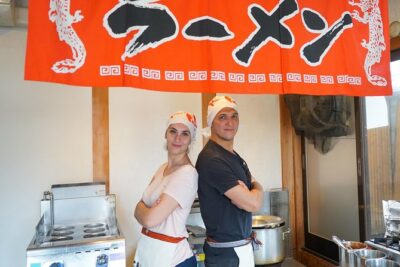
Ramen Cooking Class at Ramen Factory in Kyoto
Read our review →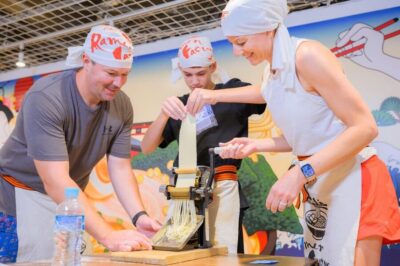
Ramen Cooking Class at a Ramen Factory with Souvenir
Read our review →
Japanese Washoku Bento Small Group Cooking Class
Read our review →
Kyoto Ramen and Gyoza Cooking Class with Professional Chefs
Read our review →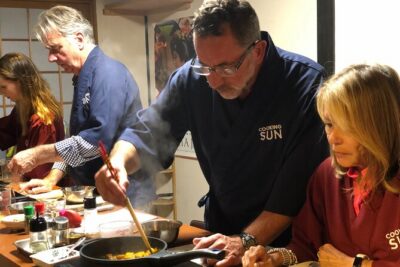
Gyoza Cooking Class in Kyoto: Traditional Japanese Dumplings
Read our review →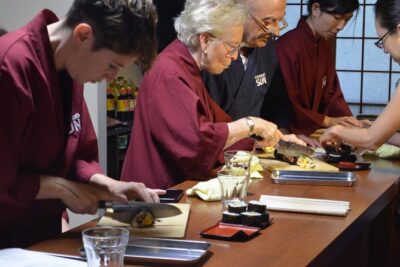
Browse the lists this tour appears in