
Reviewed · KYOTO SAKE TASTINGS
3-Hour Kyoto Insider Sake Brewery Tour with Tastings & Pairings
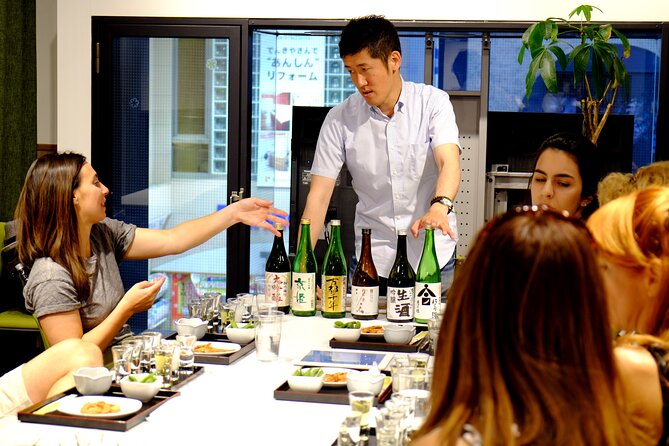
Sake can look simple on a menu, but the differences between bottles are wide. This three-hour Kyoto experience gives you a useful foundation: how sake is brewed, why its flavors vary, and how to spot the style you will enjoy before ordering. The tasting includes 10 selected sakes, not just one house pour.
I especially like the visit to the Gekkeikan Okura Sake Museum, which gives the drinks a cultural and practical setting. I also like the food pairing session, since otsumami snacks show how sake changes alongside salty, savory, and other traditional flavors. Guides including Kyoko, Miyuki, Mai, and Shogo are praised for making technical information easy to follow.
The main consideration is that this is a tasting and museum visit, not a walk through an active brewery production floor. You will learn how sake is made through museum displays and explanation. Also, the tasting is substantial, so eat lunch or brunch first and plan a safe way to return.
Key points to know before booking
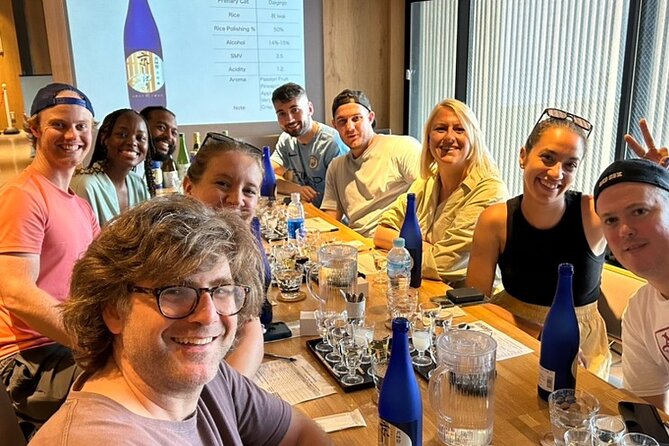
- Ten sake samples give you a broad look at different styles, including options that may be difficult to find outside Japan.
- The Gekkeikan Okura Sake Museum explains rice selection, brewing, bottling, and the brewery’s role in Kyoto’s sake culture.
- Traditional otsumami pairings help you understand which foods work best with different sake profiles.
- A certified sake sommelier leads the tasting, with a sake cheat sheet and tasting notes to take away.
- The group is limited to 12 people, making it easier to ask questions and compare preferences.
- The two meeting points are in Fushimi, so allow time to travel between the starting museum and the final tasting location.
Why this Kyoto sake tour is more useful than a simple tasting
A casual sake flight can be enjoyable, but it may leave you with little idea why one bottle tasted dry, fruity, smooth, or sharp. This experience is built around making those differences understandable.
The sommelier explains the production process first, then connects those choices to the flavor in your glass. You learn why the rice matters, how brewing decisions affect the final drink, and which words and symbols on a bottle label can help you choose.
That practical focus is the strongest part of the experience. By the end, you are not expected to memorize every sake category. You are given a way to identify your own preferences and use them at restaurants, bars, and bottle shops during the rest of your time in Japan.
The teaching also suits complete beginners. You do not need a background in wine, beer, or Japanese food. If you already enjoy tasting drinks, you may appreciate the technical side more, but the guides keep the explanations accessible.
More sake tastings in Kyoto:
- Kyoto Night Foodie Tour in Gion (9+ dishes + 6 Sake tastings)
★ 5.0 · 1,762 reviews - Arashiyama Bamboo, Temple, Monkeys, or Secret Sake Brewery
★ 4.8 · 886 reviews - Kyoto: Insider Sake Brewery Tour with Sake and Food Pairing
★ 5.0 · 704 reviews
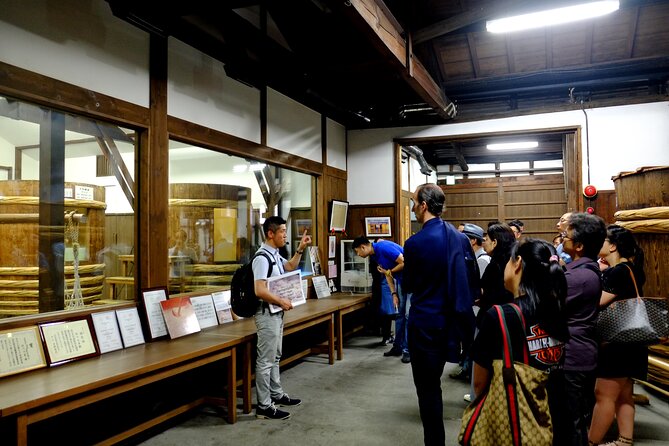
Starting at the Gekkeikan Okura Sake Museum
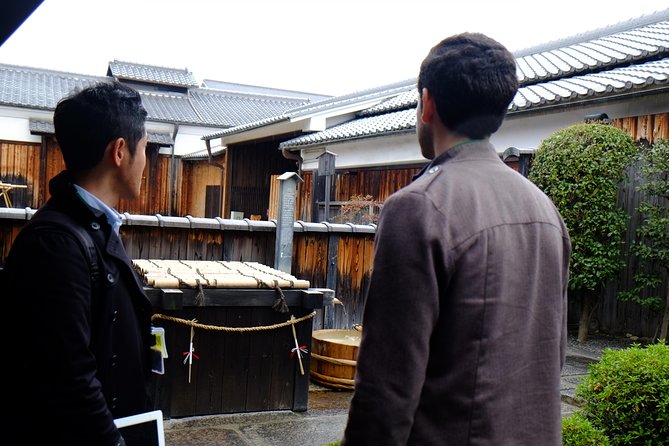
The tour begins at 697 Motozaimokuchō in Fushimi Ward, at the Gekkeikan Okura Sake Museum. Admission is included, and the museum portion lasts about 90 minutes.
Fushimi is one of Kyoto’s best-known sake areas, and the museum gives you a sense of why. Gekkeikan is an influential brewery, and the displays connect its story with the wider development of sake in Japan. The focus is not only on brand history. You also learn about ingredients, brewing tools, production choices, and the place sake holds in Japanese culture.
You should expect a guided museum visit rather than access to the working production area. Sake breweries generally restrict visitors from entering production spaces for health and safety reasons. That may disappoint anyone hoping to watch an active brewing line, but the museum format provides a clearer explanation of the process than a quick peek through a window often would.
The guides use displays, props, and explanations to show how sake moves from rice to finished bottle. Several sessions have included detailed teaching about rice grain selection, fermentation, bottling, and the choices that shape flavor.
This first section matters because it gives you a framework for the tasting. Instead of sampling 10 unrelated drinks, you can listen for the effects of different brewing choices and ask more focused questions.
The first tasting: learning to notice the differences
The museum visit includes selected Gekkeikan sakes with guidance on aroma, flavor, and balance. Your guide explains how professionals assess sake without making the process feel stiff or overly formal.
You will not simply be asked if you like each sample. The goal is to notice what separates one style from another, then decide which qualities suit you. Some people arrive thinking they prefer only sweet or only dry sake. A broader tasting often reveals that texture, aroma, acidity, warmth, and food pairing matter just as much.
The guides are a major part of this section. Kyoko is praised for clear explanations and enthusiasm, while Miyuki is described as personable, humorous, and good at helping beginners understand the process. Other sessions have been led by Mai, Shogo, Shojo, Momo, Greg, Sayaka, and Kotaro.
Guide assignments can change, so you should not book expecting one particular person. The consistent point is the teaching style: friendly, interactive, and aimed at helping you make your own choices rather than telling you what you must like.
Moving to the private tasting room
The second part takes place at the Kyoto Insider Sake Experience, at 271-1 Kurumamachi in Fushimi Ward. The tour ends here, and the tasting room is private, giving you a quieter place to focus on the drinks and ask questions.
The group maximum is 12 people. That is small enough for the guide to hear your questions and adjust explanations when the group needs more help. A smaller session may feel more personal, while a full group gives you more chances to compare reactions and preferences.
The tasting includes 10 carefully selected sakes. Some descriptions from past sessions refer to a dozen samples, so the exact number may vary slightly, but you should plan for a generous tasting rather than a token flight.
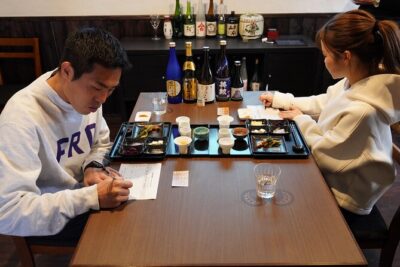
A sake cheat sheet and tasting notes are included. These are useful after the tour, especially when you face a long Japanese menu with unfamiliar terms. The point is not to turn you into a sake expert in three hours. It is to help you recognize the basic information that can guide a good choice.
Same city, a completely different kind of day:
- PERFECT KYOTO 1-Day Bus Tour
★ 5.0 · 13,518 reviews - Kyoto: Fushimi Inari, Kinkakuji, Bamboo Grove 1 Day Bus Tour
★ 4.8 · 4,316 reviews - Kyoto: Tea Ceremony in a Traditional Tea House in Kiyomizu
★ 4.9 · 3,519 reviews - Kyoto Geisha Walking Tour: Gion District & Hidden Gems
★ 4.7 · 3,273 reviews
Otsumami pairings make the tasting click
Traditional otsumami snacks are served with the sake. These small Japanese foods are designed to accompany alcohol, and the pairing portion shows how the drink can change when you eat.
This is more than a snack break. A sake that seems sharp or dry on its own may feel more balanced with food. Another may suit a particular savory flavor better. The guide helps you notice those changes, so you can think about sake as part of a meal rather than a separate drink.
The food is also practical for a three-hour alcohol experience, although you should still eat lunch or brunch before arriving. A vegetarian snack option is available if you tell the guide on site.
Several sessions have included freshly prepared pairings, and the food is repeatedly valued as part of the teaching. If you are interested in Japanese cooking, this section can be as useful as the brewery explanation. It shows why Japanese people enjoy certain sake styles with particular foods.
How much value do you get for $84.89?
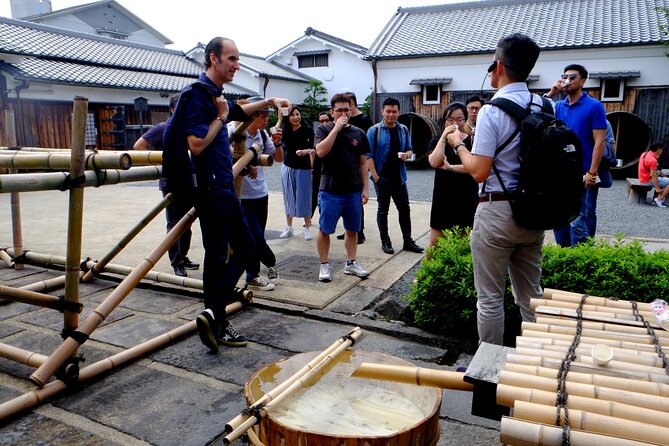
At $84.89 per person, this is not the cheapest way to sample sake in Kyoto. You can buy a few small pours at a bar for less. The value comes from what is bundled into the price.
You receive museum admission, roughly 90 minutes of guided cultural explanation, a private tasting session, 10 selected sakes, traditional food pairings, a certified sommelier, and written tasting material. If you tried to recreate that combination independently, you would need to find the museum, arrange suitable tastings, compare styles in a sensible order, and pay for food separately.
The price makes the most sense if you want to understand what you are drinking. It is less compelling if you simply want one quick drink or if you already have a strong grasp of sake styles and Japanese labels.
The tasting can also prevent expensive guesswork later in your trip. Once you know what you like, you are less likely to order an unfamiliar bottle based only on its price or attractive label.
Getting there and planning the three hours
The start and end points are different, though both are in Fushimi Ward. You are responsible for transportation to the first location and from the final location. The experience is near public transportation, but you should check the route and allow time to arrive at the exact meeting point.
There is a small amount of walking, so comfortable shoes are sensible. The tour lasts about three hours, and the museum and tasting sections are each planned for roughly 90 minutes.
Do not drive or cycle to the tour. For legal and safety reasons, alcohol will not be served to anyone arriving by car or bicycle, and there is no refund if that prevents you from taking part in the tasting. Anyone under 20 may attend only with non-alcoholic drinks, since Japan’s legal drinking age is 20.
All people joining the tour, including children and non-drinkers, need a reservation. This matters if one member of your party plans not to drink. The operator does not accept extra people without bookings.
The tour has limited availability and can fill weeks ahead, especially on popular dates. It is non-refundable and cannot be changed for personal reasons, so check your schedule carefully before booking. If bad weather or insufficient numbers cause the operator to cancel, you will be offered another date or a full refund.
Who will enjoy this most
I would recommend this tour to a first-time sake drinker who wants a clear introduction without having to research the subject alone. It also suits a couple or small group looking for a Kyoto activity that mixes local culture, food, and drink.
It is a good fit if you want to:
- Learn how to read basic sake labels
- Compare many styles in one sitting
- Find a personal preference before ordering more sake
- Understand how sake works with Japanese food
- Visit Fushimi with a guide who can explain its brewing traditions
- Ask detailed questions in English
It can also work for someone who does not drink much but enjoys cooking or food history. Non-alcoholic drinks are served to people under 20, but the main value still comes from learning about sake and tasting its differences. If you have no interest in alcohol at all, the museum visit alone may not justify the price.
A few limits to keep in mind
This is not an active brewery-floor tour. You will not enter the production area, and the museum explanation replaces that part of the visit.
The tasting is generous. That is a benefit for anyone wanting a wide comparison, but it also means you should pace yourself and eat beforehand. Do not schedule a demanding activity immediately after if you know alcohol affects you quickly.
The tour is educational, but it is still a social tasting rather than a private lesson tailored entirely to you. A full group of 12 may mean some questions need to wait. The small maximum helps, but it does not guarantee a one-to-one format.
Finally, guide names and exact sample selections are not fixed. Kyoko, Miyuki, Mai, Shogo, and other guides have led sessions, and the range of sake may change. The reliable features are the museum visit, guided instruction, food pairing, and broad tasting.
Should you book the Kyoto sake experience?
Book it if you want more than a drink. The strongest reason to choose this tour is the combination of clear instruction and practical tasting. You leave with a better sense of what you enjoy, how food affects sake, and how to make a sensible order later.
The $84.89 cost is fair for the museum admission, 10-sake tasting, food, small group, and certified guide. I would place it high on the list for curious beginners, food lovers, and anyone who has felt lost in front of a Japanese sake menu.
Skip it if you cannot drink, do not want a three-hour lesson, or mainly want to see active brewing machinery. For everyone else, this is a useful Fushimi experience that turns sake from a vague category into a drink you can choose with confidence.
FAQ
How long does the sake tour last?
The experience lasts approximately three hours. The museum visit takes about 90 minutes, followed by about 90 minutes at the Kyoto Insider Sake Experience.
Where does the tour begin?
It begins at the Gekkeikan Okura Sake Museum, 697 Motozaimokuchō, Fushimi Ward, Kyoto, 612-8043, Japan.
Where does the tour end?
The tour ends at the Kyoto Insider Sake Experience, 271-1 Kurumamachi, Fushimi Ward, Kyoto, 612-8365, Japan.
How many sakes are included?
The experience includes 10 carefully selected sakes chosen by a certified sake sommelier. Some past sessions have included slightly more samples.
Is food included?
Yes. Traditional otsumami snacks are served as food pairings during the tasting. A vegetarian option is available if you tell the guide on site.
Can people under 20 join?
Yes, but Japanese law prohibits alcohol service to anyone under 20. Non-alcoholic drinks are provided instead.
Can I drive or cycle to the tour?
No. Alcohol will not be served to anyone who arrives by car or bicycle, and there is no refund if you cannot take part in the tasting for that reason.
Do visitors enter the active brewery production area?
No. Sake breweries generally restrict access to production areas for health and safety reasons. The brewing process is explained through the museum visit.
Is the experience refundable if I cancel?
No. The experience is non-refundable and cannot be changed for personal reasons. If the operator cancels because of poor weather or insufficient numbers, you will be offered another date or a full refund.
More Bars and Sake Stops in Kyoto
- Kyoto: Izakaya Bars Guided Walking Tour
★ 4.9 · 815 reviews - Kyoto Bar Hopping Night Tour
★ 5.0 · 613 reviews - Kyoto Local Bar Crawl in Kawaramachi Area
★ 5.0 · 378 reviews - 1.5-Hour Kyoto Insider Sake Experience with 7 Tastings & Pairings
★ 5.0 · 297 reviews
More Sake Breweries in Kyoto
- Kyoto Sake Brewery & Tasting Walking Tour
★ 5.0 · 623 reviews - Kyoto: Fushimi Sake Brewery Tour – 18 Tastings in 2.5 Hours
★ 4.7 · 36 reviews - KYOTO Sake Tasting Tour at Local Breweries(tasting fee included)
★ 5.0 · 16 reviews - Japanese Sake Breweries Tour in Kyoto Fushimi
★ 4.3 · 13 reviews
Newest Kyoto experiences on the site
- Treasures of Kyoto: Gion & historical Walking Tour★ 5.0 · 6 reviews
- Whisk Your Own Matcha: A Zen Matcha Experience at Temple★ 3.6 · 7 reviews
- Kyoto tea town for matcha lovers★ 5.0 · 16 reviews
- Uji: Private immersion into Kyoto’s tea and reglious culture★ 5.0 · 17 reviews
- Kyoto Matcha Green Tea Tour★ 4.5 · 23 reviews
- Uji and Wazuka Matcha Farm Half Day Private Guided Tour★ 5.0 · 21 reviews
- Utilising upcycled Matcha! Creating matcha incense (Uji, Kyoto)★ 5.0 · 6 reviews
- Sacred Temple Yoga Experience in Japan★ 5.0 · 3 reviews
Kyoto Sake Tastings, compared.
Kyoto Night Foodie Tour in Gion (9+ dishes + 6 Sake tastings)
Read our review →
Arashiyama Bamboo, Temple, Monkeys, or Secret Sake Brewery
Read our review →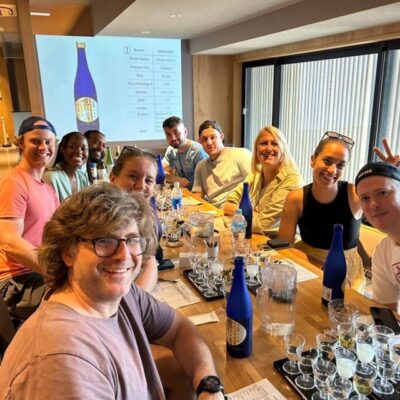
Insider Sake Brewery Tour with Sake and Food Pairing
Read our review →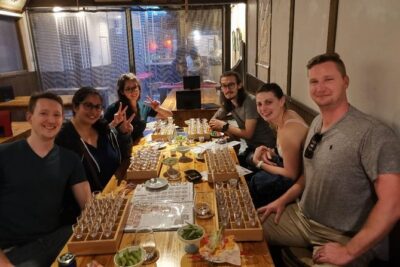
1.5-Hour Kyoto Insider Sake Experience with 7 Tastings & Pairings
Read our review →
Insider Sake Experience with 7 Tastings and Snacks
Read our review →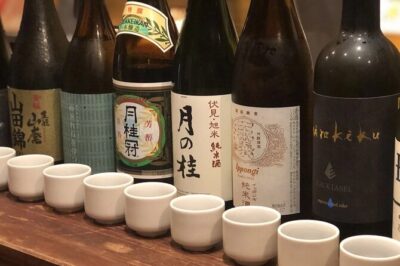
Private Tea Ceremony and Sake Tasting in Kyoto Samurai House
Read our review →
Browse the lists this tour appears in