
Reviewed · FUSHIMI INARI TOURS
Kyoto: Fushimi Sake Brewery Tour – 18 Tastings in 2.5 Hours
Fushimi’s best feature is simple: you can move from old brewery tools to a glass of sake in the same afternoon. This 2.5-hour tour links the Gekkeikan Ōkura Museum, Kizakura Kappa Museum, and Fushimizu Sake Brewery Alley, ending with 18 sake tastings in one lively tasting venue.
I like the clear progression from production to tasting, and I like the human touch. Guides including Yoshi, Akino, Kaito, Masa, and Yuko have helped guests understand sake styles, choose bottles for gifts, and even find the right train afterward. The main drawback is the pace: three stops and 18 samples in 150 minutes can feel brisk, and food costs extra.
Key points to know before booking
- Three sake stops in 150 minutes: Start at Gekkeikan, continue to Kizakura, and finish at Fushimizu Sake Brewery Alley.
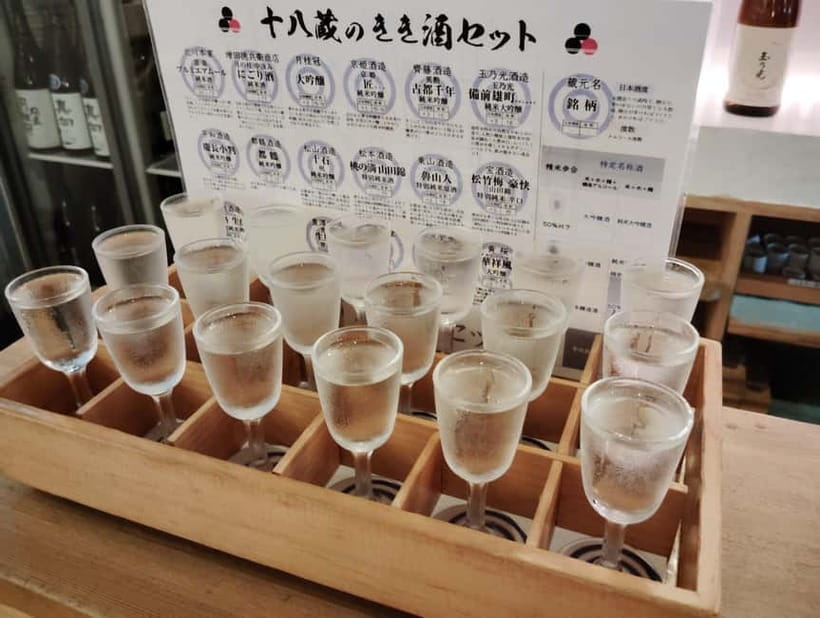
- Eighteen tastings are included: You get a broad look at sake styles rather than one or two token samples.
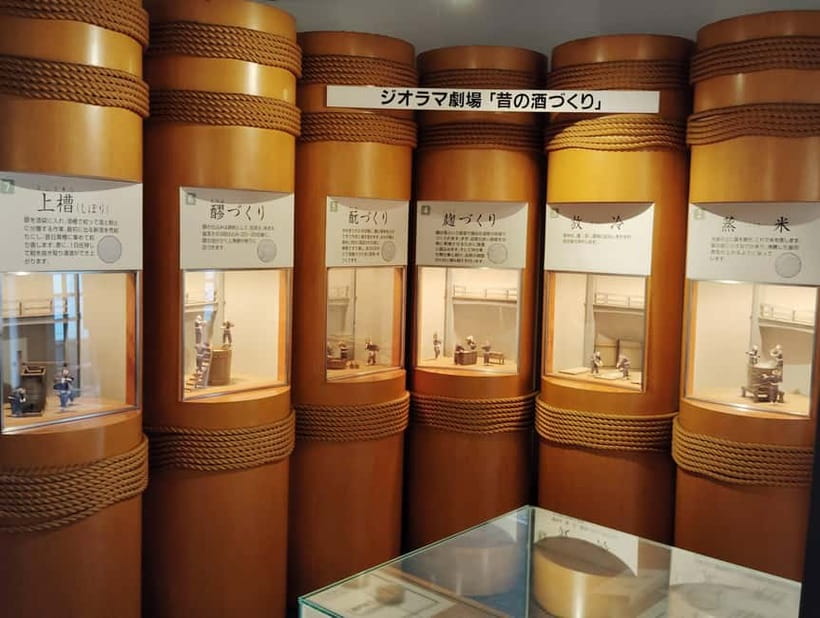
- The museums add useful context: Traditional brewing tools, historical displays, and interactive exhibits explain what is in your glass.
- Guides shape the experience: English and Japanese guides can explain brewing, culture, and tasting choices, with private and small-group options available.
- Food is not included: You may be able to order small plates at the final venue, but budget separately for anything you eat.
- Adults only: The activity is not suitable for anyone under 20 or for pregnant women.
Why Fushimi is a smart place to learn about sake
Fushimi is one of Kyoto’s major sake districts, and this tour gives you a useful way to understand it without trying to piece together separate museum visits and tastings on your own. The neighborhood’s sake identity is not treated as a quick backdrop. You see the equipment, hear how brewing works, and then taste the finished product.
That order matters. Sake can seem like a simple drink if you only encounter it on a restaurant menu. Once you see the tools and hear about the stages of production, differences in aroma, sweetness, body, and finish become easier to notice.
The activity begins in front of the Gekkeikan Ōkura Sake Museum. Look for the guide holding the yellow DeepExperience sign. The tour is offered in English or Japanese, and private or small-group arrangements are available. If you prefer asking plenty of questions, a private option costs a little more but may be worthwhile. One private booking described the extra charge as money well spent, especially for personal tasting advice and gift suggestions.
The overall score is 4.7 from 36 ratings, with especially strong marks for the guides. That does not mean every moment will feel leisurely. You are covering several places, so arrive ready to keep moving and listen carefully.
More ways to walk the Fushimi Inari gates:
- Kyoto: Fushimi Inari, Kinkakuji, Bamboo Grove 1 Day Bus Tour
★ 4.8 · 4,316 reviews - Fushimi Inari Hidden Hiking Tour (Private Option Available)
★ 5.0 · 1,750 reviews - Osaka/Kyoto:Kinkakuji,Arashiyama,FushimiInariShrine,NaraPark
★ 4.1 · 1,596 reviews
Gekkeikan Ōkura Museum: start with the brewing process
The first stop is Gekkeikan Ōkura Sake Museum, where the guided visit lasts about an hour. This is the most educational part of the afternoon and gives you the foundation needed for the tastings later.
Expect traditional tools used in sake production, historical artifacts, and displays showing how brewing has developed. The museum also uses interactive exhibits, which help turn a technical process into something you can follow. You are not simply looking at old equipment behind glass. The goal is to show how each part of the work contributes to the final drink.
Gekkeikan is presented as a brewery that combines established methods with newer ideas. That balance gives the stop a useful angle. You learn about the craft without being told that tradition means refusing to change.
Give this section your full attention. It is easy to rush through a museum when you know 18 samples are waiting, but the information here will make the tasting more rewarding. Notice how the guide explains the connection between production and flavor. Later, you can compare what you taste instead of treating every cup as just another sample.
There is also time to sample Gekkeikan sake and browse the gift shop. If you want to take a bottle home, this is a sensible point to ask which styles travel well as gifts and which suit your own taste. Guides such as Yoshi and Kaito have been praised for answering detailed questions and adding wider context about Japanese culture.
The possible weakness is that an hour can feel long if you are interested only in drinking and not in how sake is made. I would book this tour only if you want both sides of the experience. The museum is not filler, but it does reward curiosity.
Kizakura Kappa Museum: a lighter second stop
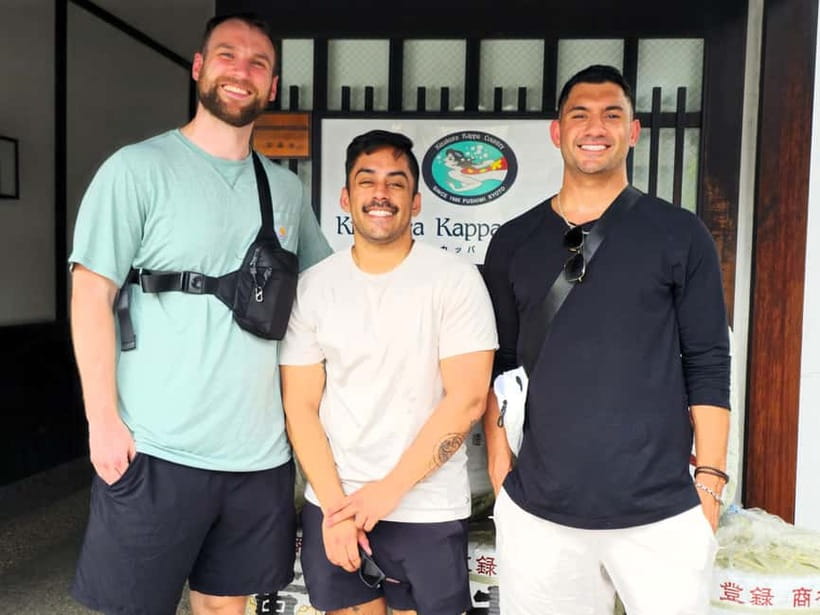
The tour then moves to Kizakura, known for smooth, approachable sake. The visit lasts about 30 minutes and has a more playful mood than the first museum.
Kizakura’s kappa mascot gives the stop its character. Kappa are creatures from Japanese folklore, and the mascot adds a memorable cultural detail without turning the visit into a formal lecture. It also makes this brewery a pleasant contrast with Gekkeikan. After learning about tools and methods, you get a shorter stop with a lighter feel.
The tasting here focuses on Kizakura’s gentle flavors. If you are new to sake, this can be a useful bridge. You do not need a trained palate to notice that some sake feels soft and easy to drink while another may seem drier, fuller, or more pronounced.
Ask your guide to explain what makes the samples different. Akino, according to the supplied tour information, has helped people select sakes according to personal preference, while Junko made the museum visit approachable and friendly. The exact guide changes, but the guide’s role is important. You will get more from the tasting if you say what you normally drink and what you want to avoid.
This stop is short, so do not expect a long brewery tour. It is better viewed as a compact introduction to one producer and its style. If your main interest is detailed production, Gekkeikan carries more of that weight. If you want a relaxed sample and a bit of folklore, Kizakura fills the gap nicely.
Fushimizu Sake Brewery Alley: 18 samples at the finish
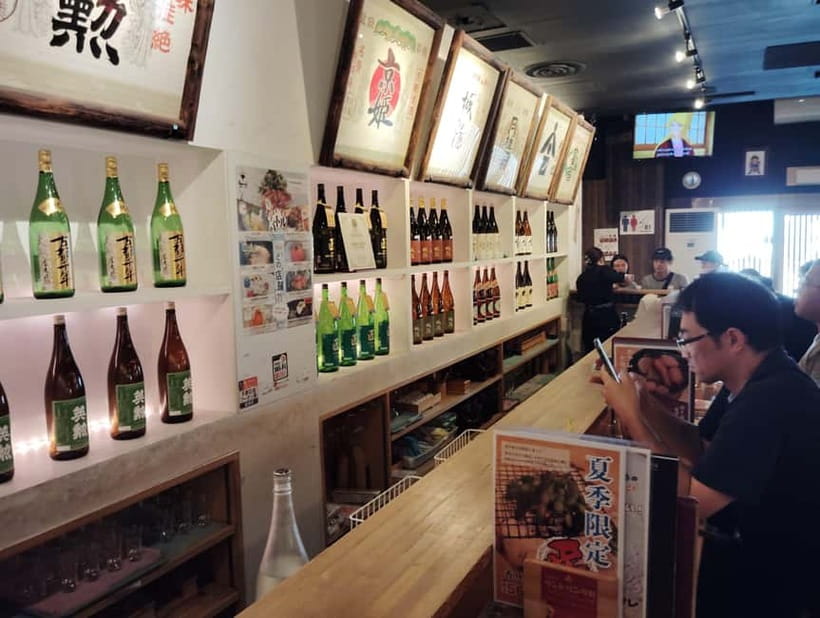
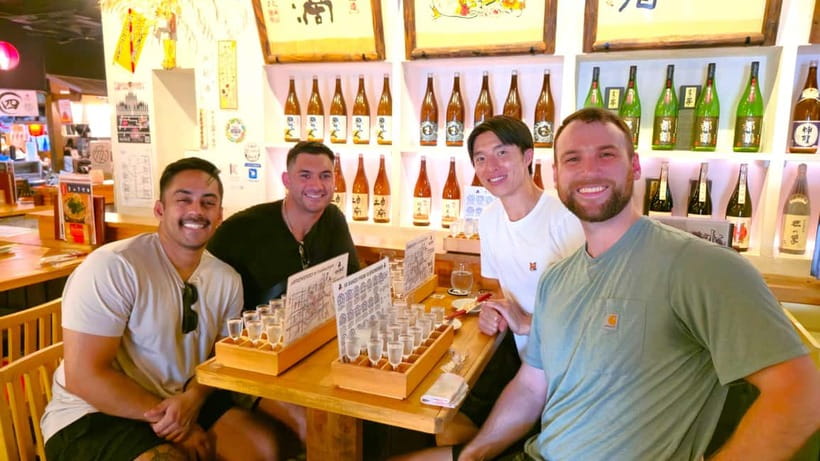
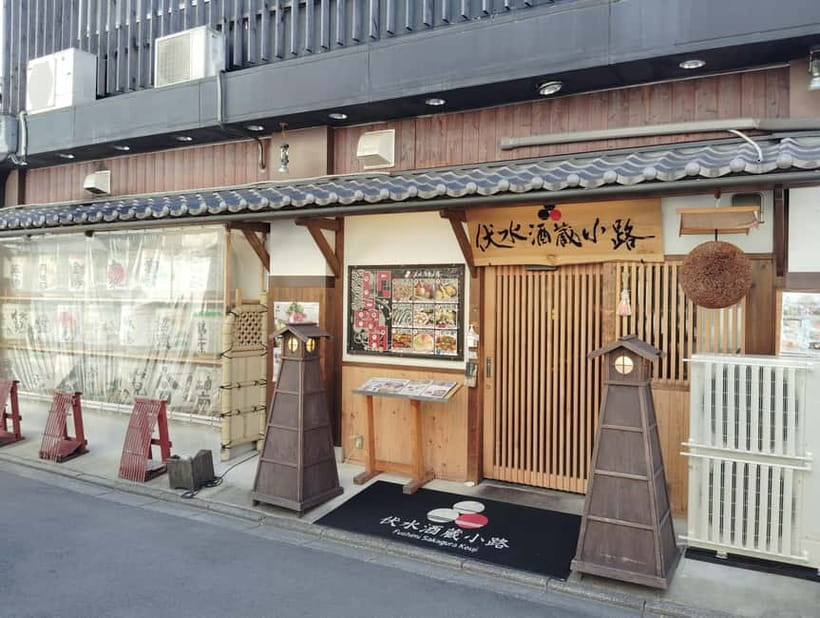
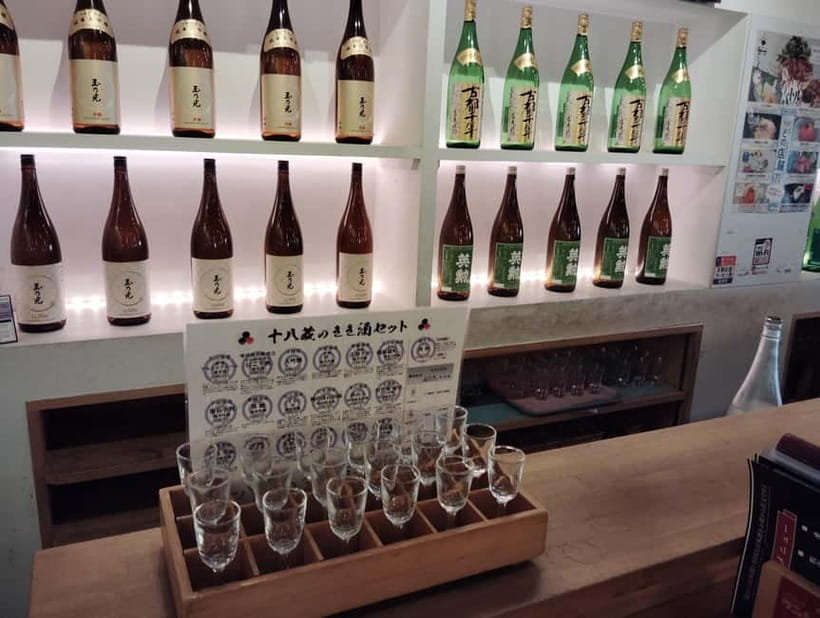
The final stop is Fushimi Saka Gura Kouji, also called Fushimizu Sake Brewery Alley. This is where the tour shifts from explanation to comparison. You taste 18 different sakes, making this the most substantial part of the experience for anyone who wants to sort out personal preferences.
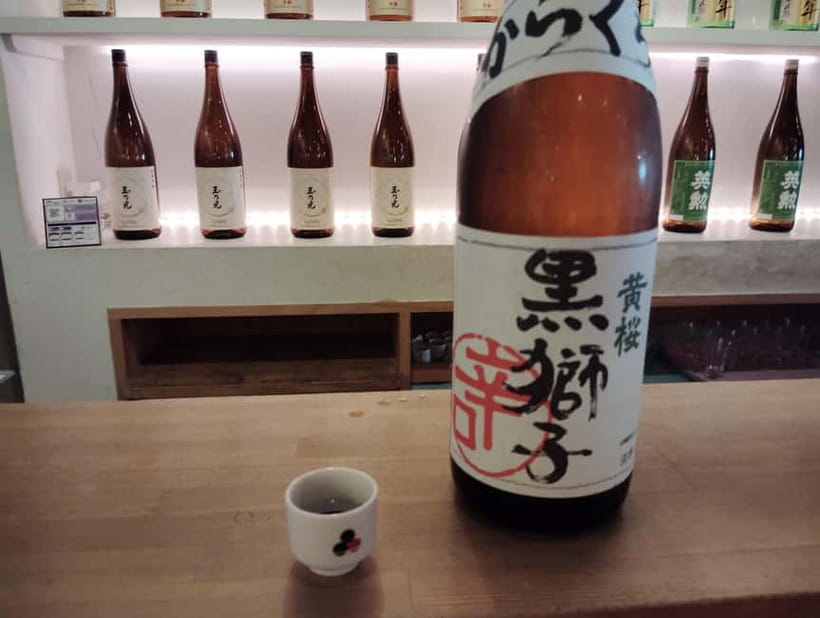
Eighteen samples sound generous, and they are. The value comes from the range. Instead of tasting one brewery’s house style, you can compare different flavors, textures, and levels of intensity. A light, crisp sample may taste completely different from one that feels fuller or sweeter. The number of samples gives you a chance to find patterns.
Do not feel you need to treat every sample like a full glass. Pace yourself. Take small sips, drink water, and pay attention to what your guide says. The supplied information lists water among the recommended items, and it is good advice, particularly when the tasting is the final part of a busy afternoon.
The venue also serves as a place to consider food pairings. Food is not included in the tour price, but one account describes the chance to order small plates at the final restaurant. Since that detail can depend on the day and venue arrangements, treat food as an optional extra rather than part of the package.
This is also where personal taste matters most. A guide can explain sake categories and production, but you still need to decide what you like. Tell the guide if you prefer dry drinks, softer flavors, or something suited to a meal. The advice can save you from buying a bottle simply because the label looks attractive.
The final venue may feel less structured than the museum portions. That is part of its purpose. You have learned the basics and can now test your own judgment. If you want an orderly tasting with long explanations for every sample, the number of pours may make the final section feel fast. If you enjoy variety, it is likely the highlight.
More sake tastings in Kyoto:
- Kyoto Night Foodie Tour in Gion (9+ dishes + 6 Sake tastings)
★ 5.0 · 1,762 reviews - 3-Hour Kyoto Insider Sake Brewery Tour with Tastings & Pairings
★ 5.0 · 917 reviews - Arashiyama Bamboo, Temple, Monkeys, or Secret Sake Brewery
★ 4.8 · 886 reviews - Kyoto: Insider Sake Brewery Tour with Sake and Food Pairing
★ 5.0 · 704 reviews
The guides make the difference
The strongest part of this activity is the quality of the guiding. The names attached to past bookings include Yoshi, Masa, Akino, Hanae, Yuko, Kazuiki, Steve, Nabe, Kaito, Junko, and Akino. Guides are not just there to lead you from door to door. They explain brewing, answer questions, and connect sake with Japanese culture.
Yoshi has been praised for punctuality, professional manners, historical context, and help choosing gifts. Masa is described as both fun and well informed about sake and local places to eat. Hanae added background about the drink and the district, while Yuko provided information, humor, and suggestions for other sights.
Kaito is a useful example of the language support available. English communication was praised, and one booking noted that he also speaks Spanish. Another account described him as patient and open to questions, with help finding a special Sakura sake and translating information.
Akino’s role went beyond tasting advice. She helped choose samples based on preferences, took photographs, and helped with the correct train afterward. Those small acts matter when you are in an unfamiliar part of Kyoto and trying to fit several activities into one day.
Of course, you cannot choose a specific guide unless the provider confirms one. The practical lesson is to use the guide you receive. Ask questions early, mention dietary or drinking preferences, and say if you want buying advice. The more clearly you explain what interests you, the more tailored the tour can feel.
Is $93 a fair price?
At $93 per person, this is not the cheapest way to sample sake in Kyoto. It is also more than a simple museum admission or a single tasting flight. The value depends on how much structure and explanation you want.
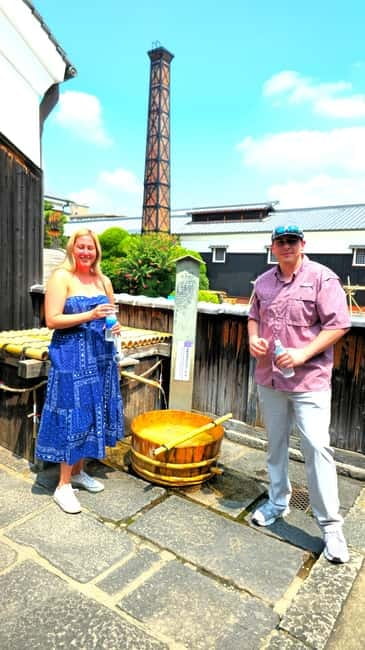
You are paying for a guide, admission fees, and sake tasting fees at multiple locations. The 18 samples are the biggest part of the value, but the two museums also matter. A do-it-yourself afternoon might cost less, yet you would need to arrange the route, interpret the museum displays, and decide what to taste without the same level of advice.
The price looks strongest for first-time sake drinkers, people who want cultural context, and anyone who hopes to choose bottles as gifts. It is less compelling if you already know sake well and simply want to drink in a casual bar.
Private and small-group choices add flexibility, though a private booking may cost more. Based on the supplied booking information, that extra payment can be worthwhile if you value a personal pace, detailed answers, or help with the rest of your Kyoto plans.
Food is separate. Set aside extra money if you want small plates at the final venue. Also remember that the tasting is for adults 20 and older, and the activity is not suitable for pregnant women.
Timing, meeting point, and practical preparation
The tour lasts 150 minutes. Meet in front of the Gekkeikan Ōkura Museum, where the guide will hold a yellow DeepExperience sign. Check the available start times when booking, since the schedule can vary.
Wear something comfortable for walking between the stops. Bring water, sunscreen, a sun hat, and a camera, particularly in warm weather. Smoking is not allowed during the activity.
The pace is manageable, but it is not slow. The one-hour Gekkeikan visit takes most of the educational time, Kizakura receives about 30 minutes, and the remaining time is used for the final tasting venue and movement between stops. If you like stopping for photographs or asking long questions, a private group may give you more breathing room.
Free cancellation is available up to 24 hours before the tour for a full refund. You can also reserve now and pay later, which helps if you are still arranging a Kyoto itinerary.
Who should book this sake tour?
I would recommend it if you are new to sake, want an organized afternoon in Fushimi, or enjoy learning through both museums and tasting. It also suits couples and small groups who want a cultural activity that is more focused than a general city tour.
It is a good choice for gift hunters. You can compare styles, ask which bottles suit different palates, and leave with a better idea of what you are buying for friends or family.
I would be more cautious if you dislike museum visits, want a slow meal, or already have strong sake expertise. The itinerary is full, and the tasting comes after a fair amount of explanation. You are getting breadth rather than a long, quiet session with one brewer.
The best way to approach it is as a guided introduction to Fushimi’s sake culture. Pay attention at Gekkeikan, enjoy Kizakura’s playful character, then use the 18 tastings to work out what you actually like.
FAQ
Where does the tour begin?
Meet your guide in front of the Gekkeikan Ōkura Museum. The guide will be holding a yellow sign with the DeepExperience logo.
How long does the activity last?
The tour lasts 150 minutes, or 2.5 hours.
How many sakes are included?
The experience includes tastings of 18 different sakes at Fushimizu Sake Brewery Alley, along with tastings at the brewery visits as part of the program.
Which places are visited?
The tour visits Gekkeikan Ōkura Sake Museum, Kizakura Kappa Museum, and Fushimizu Sake Brewery Alley.
What is included in the price?
The guide fee, admission fees, and sake tasting fees are included.
Is food included?
No. Food is not included. Small plates may be available to order at the final venue, but you should budget separately for them.
What languages are available?
The tour is available with a live guide in English or Japanese.
Can I book a private group?
Yes. Private and small-group options are available.
Who cannot join the activity?
The tour is not suitable for pregnant women or people under 20 years old.
What happens if I need to cancel?
You can cancel up to 24 hours in advance for a full refund. The reserve-now, pay-later option is also available.
More Bars and Sake Stops in Kyoto
- Kyoto: Izakaya Bars Guided Walking Tour
★ 4.9 · 815 reviews - Kyoto Bar Hopping Night Tour
★ 5.0 · 613 reviews - Kyoto Local Bar Crawl in Kawaramachi Area
★ 5.0 · 378 reviews - 1.5-Hour Kyoto Insider Sake Experience with 7 Tastings & Pairings
★ 5.0 · 297 reviews
More Sake Breweries in Kyoto
- Kyoto Sake Brewery & Tasting Walking Tour
★ 5.0 · 623 reviews - KYOTO Sake Tasting Tour at Local Breweries(tasting fee included)
★ 5.0 · 16 reviews - Japanese Sake Breweries Tour in Kyoto Fushimi
★ 4.3 · 13 reviews - Kyoto Sake Brewery Tour with Lunch
★ 4.5 · 12 reviews
Newest Kyoto experiences on the site
- Treasures of Kyoto: Gion & historical Walking Tour★ 5.0 · 6 reviews
- Whisk Your Own Matcha: A Zen Matcha Experience at Temple★ 3.6 · 7 reviews
- Kyoto tea town for matcha lovers★ 5.0 · 16 reviews
- Uji: Private immersion into Kyoto’s tea and reglious culture★ 5.0 · 17 reviews
- Uji and Wazuka Matcha Farm Half Day Private Guided Tour★ 5.0 · 21 reviews
- Kyoto Matcha Green Tea Tour★ 4.5 · 23 reviews
- Utilising upcycled Matcha! Creating matcha incense (Uji, Kyoto)★ 5.0 · 6 reviews
- Sacred Temple Yoga Experience in Japan★ 5.0 · 3 reviews
Fushimi Inari Tours, compared.
Fushimi Inari, Kinkakuji, Bamboo Grove 1 Day Bus Tour
Read our review →
Fushimi Inari Hidden Hiking Tour (Private Option Available)
Read our review →
Kinkakuji,Arashiyama,FushimiInariShrine,NaraPark
Read our review →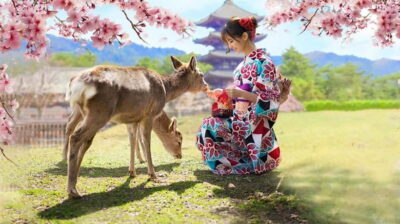
Nara, Fushimi Inari Taisha, Arashiyama Bus Tour
Read our review →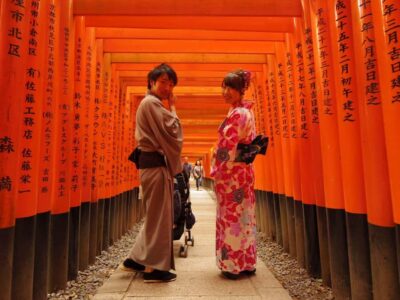
Arashiyama, Nara & Fushimi Inari Shrine w/Lunch
Read our review →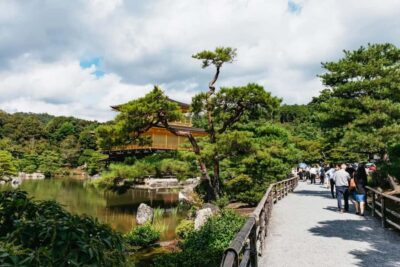
Nijo Castle, Kiyomizu & Fushimi Inari Guided Tour
Read our review →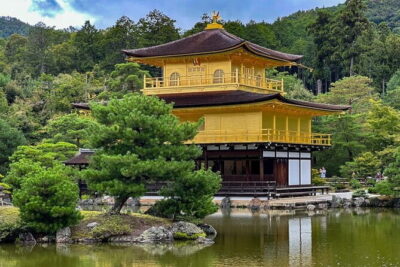
Nijo, Kinkaku-ji, Arashiyama, Kiyomizu & Fushimi Inari
Read our review →
Browse the lists this tour appears in