
Reviewed · KYOTO SAKE TASTINGS
Kyoto: Insider Sake Brewery Tour with Sake and Food Pairing
Kyoto’s Fushimi district is the right place to learn sake. This three-hour experience moves from the Gekkeikan Okura Sake Museum to a private tasting room, where you compare 10 or more sake styles and see how rice polishing, brewing, and serving temperature affect taste. By the end, you can make sense of a sake menu instead of pointing at a bottle and hoping.
I like two things here. First, the tasting is built for comparison, so you can work out what you actually enjoy rather than being told which sake is best. Second, the food pairing is practical: you taste sake on its own, then with Japanese otsumami, and notice how the flavor changes. The main drawback is the first half, with about 1.5 hours of walking and standing, so this is not the right choice if you need a mostly seated activity.
Key points at a glance

- Fushimi brewery setting: Begin at the Gekkeikan Okura Sake Museum, in one of Japan’s best-known sake-producing districts.
- 10 or more tastings: Compare dry, crisp, fruity, and full-bodied styles side by side.
- Useful bottle lessons: Learn how to read labels and understand terms that help you order in Japan.
- Food pairing that teaches: Try sake with traditional otsumami and see how food changes aroma and taste.
- English-speaking sake specialists: Guides such as Kyoko, Miyuki, Momo, Chika, and Greg have led sessions praised for clear explanations and friendly teaching.
- Three hours, $87: A strong value if you want both a brewery visit and a substantial guided tasting, not just a single sample.
Why Fushimi is the right place to start

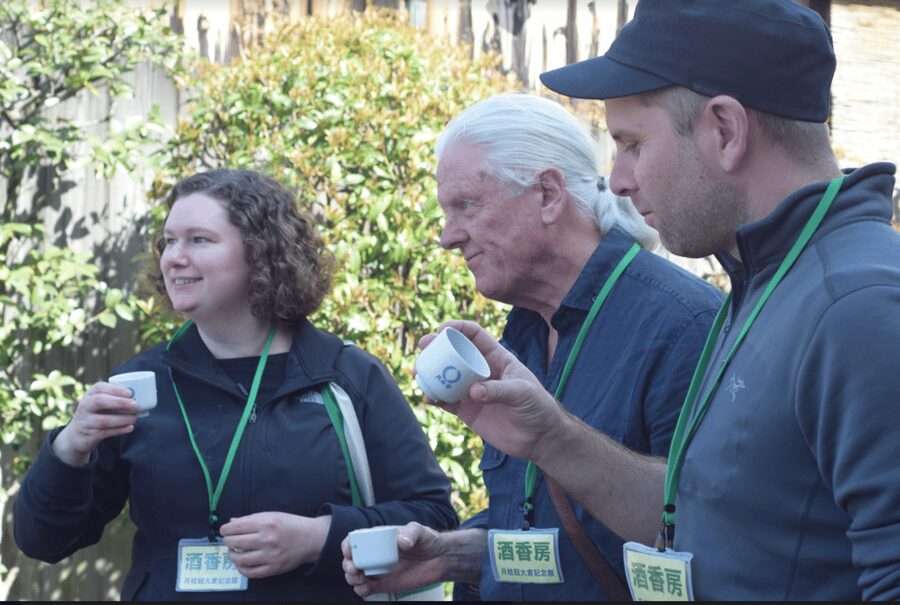
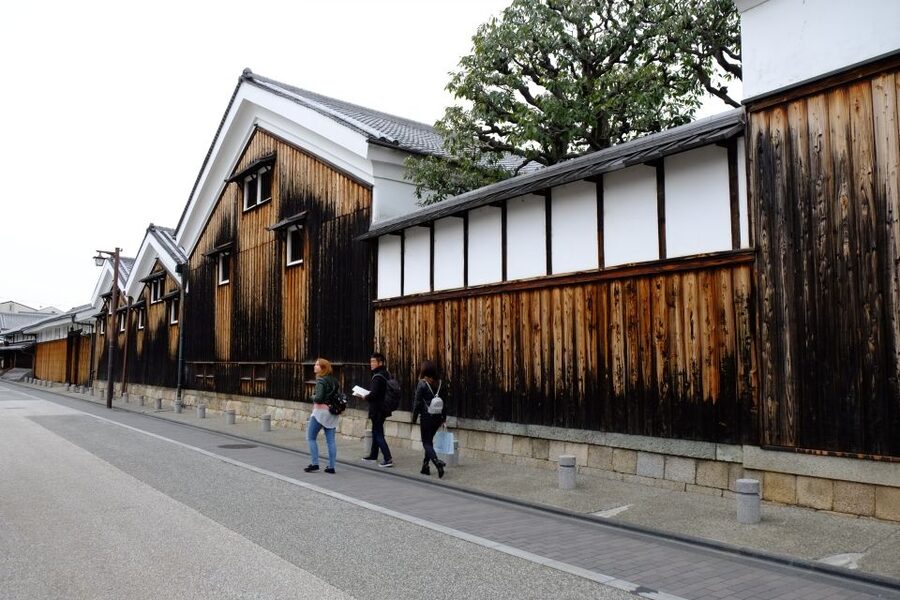
Fushimi is one of Japan’s most famous sake districts, and the tour begins at the Gekkeikan Okura Sake Museum. Your meeting point is inside the museum entrance at 697 Motozaimokuchō, Fushimi Ward, Kyoto.
That location matters. You are not starting with a generic drinks lecture in a hotel bar. You begin in a historic brewing area, with the museum providing the setting for a lesson on how sake is made. If the Gekkeikan museum is unexpectedly closed, the visit may move to another historic brewery in Fushimi.
The experience is led in English by a certified sake expert. The guide names vary, but Kyoko, Miyuki, Momo, Chika, Greg, Mai, Shogo, Sayaka, and others have led sessions. The strongest pattern is clear teaching with a relaxed tone. That helps because sake has its own vocabulary, and a guide who can explain it without turning the lesson into a chemistry class is worth paying for.
More sake tastings in Kyoto:
- Kyoto Night Foodie Tour in Gion (9+ dishes + 6 Sake tastings)
★ 5.0 · 1,762 reviews - 3-Hour Kyoto Insider Sake Brewery Tour with Tastings & Pairings
★ 5.0 · 917 reviews - Arashiyama Bamboo, Temple, Monkeys, or Secret Sake Brewery
★ 4.8 · 886 reviews
The museum visit explains what is in your glass
The first part takes about 1.5 hours and includes walking and standing. At the Gekkeikan Okura Sake Museum, you learn the basic brewing process and the role of rice, water, yeast, and polishing.
You also get context about the brewery and sake making in Fushimi. The lesson is not just about production for its own sake. It gives you a way to understand why two bottles made from the same basic ingredients can taste so different.
Rice polishing is one useful example. Sake rice is milled to remove some of the outer part of the grain. The amount polished affects the style and the label information you see. During the tour, your guide connects those technical details to the taste in your glass, including the lighter, fruitier qualities often associated with more highly polished sake.
The explanations are designed for beginners, but I would not call this a shallow introduction. People with some sake experience can still use the session to sort out terms and taste differences. If you already enjoy sake, the museum section gives you a better framework for understanding what you have been drinking.
The drawback is physical rather than educational. You will be on your feet for much of this section. Wheelchair users and people with a low level of fitness should not book this activity, and it is not a good match if you want a seated tasting from start to finish.
Reading the bottle before you order
Many visitors enjoy sake but feel lost when faced with a Japanese menu. The tour tackles that problem directly.
Your guide explains how to read sake bottles and points out the information that helps you judge style. You learn how labels can indicate the type of sake, the degree of rice polishing, and the flavor profile you might expect. You also receive a sake cheat sheet and tasting note to carry with you.
That small reference card is one of the most useful parts of the experience. You do not need to remember every Japanese term after three hours of tasting. You can keep the sheet and use it later when you are standing at a Kyoto restaurant bar, choosing between bottles with unfamiliar labels.
The goal is not to make you an expert. It is to help you order with confidence. You should leave able to explain that you prefer something dry, fruity, crisp, or richer, rather than simply asking for sake as if it were one single drink.
You also learn that sake is often called nihonshu in Japan. That distinction is handy when ordering or discussing the drink locally. The practical value here is high because the lesson travels with you to other restaurants and cities.
The tasting compares style instead of chasing a single favorite
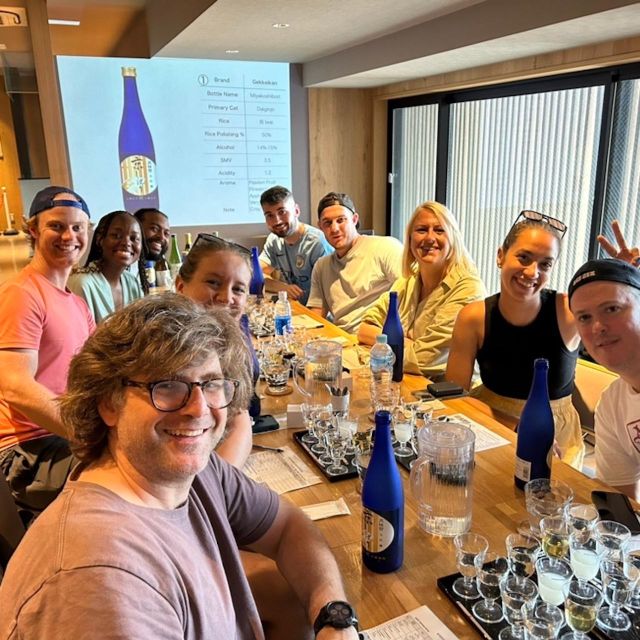
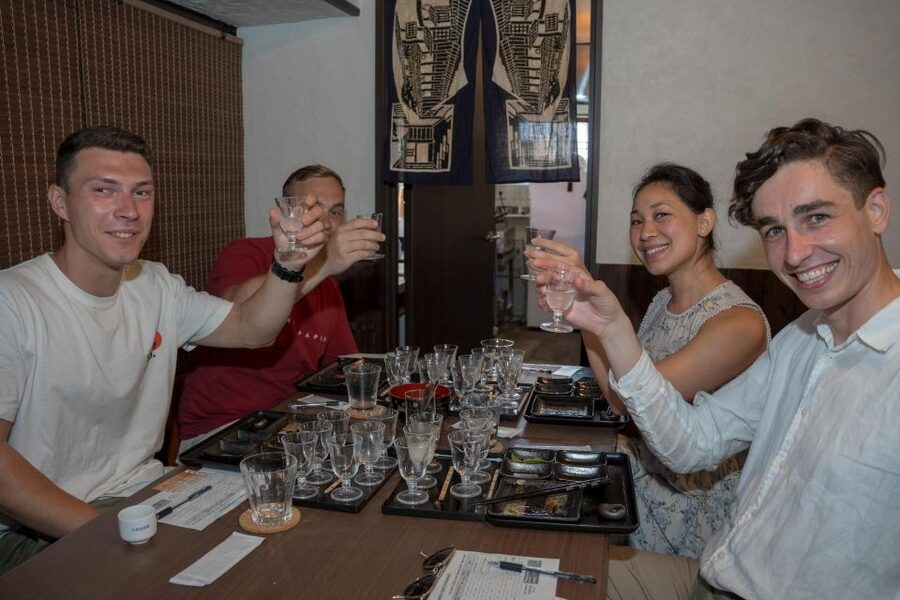
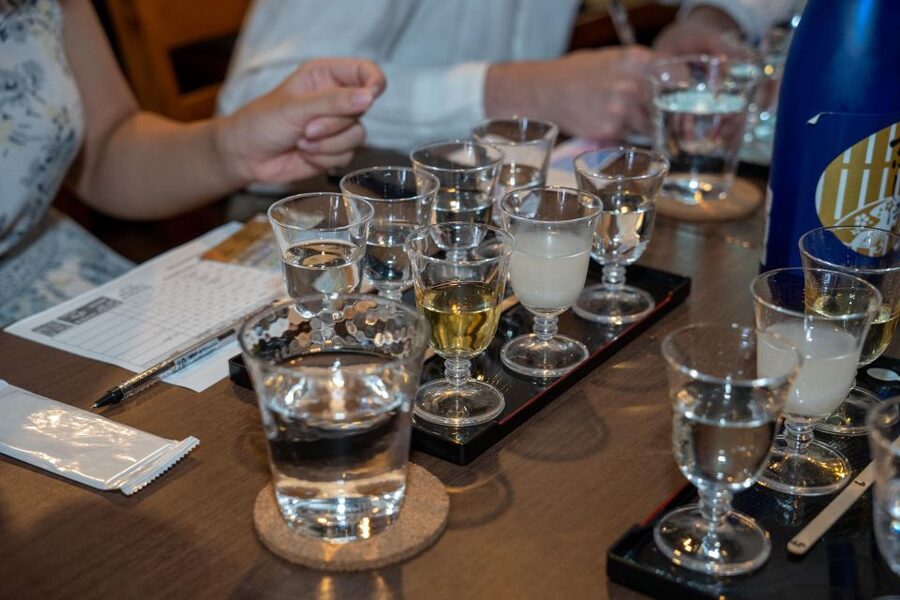
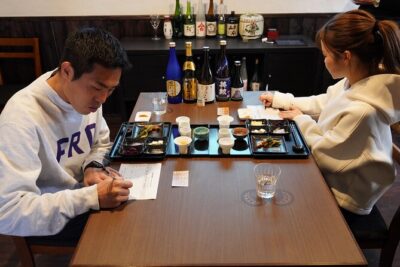
After the brewery visit, the group moves to a dedicated tasting room. This is where the tour becomes especially useful. You taste at least 10 sake selections chosen by a certified sake sommelier, with styles ranging from dry and crisp to fruity and rich.
The selections are tasted side by side. That is much more helpful than trying one sake at lunch and another several days later. Your palate can compare them directly, and the guide can explain what creates the differences.
You may notice contrasts in sweetness, acidity, aroma, body, and finish. The point is not to rank the bottles. It is to identify your own preferences. One person might prefer a clean, dry style, while another may like a softer, fruitier sake. The tour gives you enough range to find out where you fit.
I especially like that the tasting is not treated as a performance. You are encouraged to pay attention to your own reaction. If you dislike a style, that is useful information. If one bottle suddenly makes sake click for you, you now have a direction for future orders.
The amount served also deserves attention. You will taste a lot of sake over the session, so eat beforehand and avoid scheduling an important activity immediately afterward. One useful tip is to leave the rest of your evening open. The experience is designed for enjoyment, not for racing off to another appointment.
More food tours in Kyoto:
- Kyoto Nishiki Market Food and Culture Walking Tour
★ 5.0 · 412 reviews - Kyoto: Gion Food Tour 13 Dishes at 4 Eateries
★ 5.0 · 408 reviews - Kyoto Foodie Night Tour
★ 5.0 · 376 reviews - Kyoto: Gion & Pontocho Food Tour with 13 Dishes
★ 4.9 · 235 reviews
Food pairing shows why sake changes at the table
The tasting includes traditional Japanese otsumami, or small appetizers. Some sake is tasted on its own and then again with food. That simple comparison teaches more than a long lecture about pairing.
Food can soften, sharpen, or bring out different parts of a drink. A sake that seems light on its own may feel more rounded with a savory snack. Another may hold up better against stronger flavors. Your guide explains why each pairing works instead of simply placing food beside the glasses.
This is useful because sake is usually enjoyed with a meal. Knowing how a drink behaves with food gives you a better way to choose at a restaurant. You learn practical ideas about what may work with sushi and which sake styles are better suited to other dishes.
The pairing also keeps the session from becoming a parade of tasting notes. You are not only smelling and sipping. You are thinking about how Japanese dining actually works.
Vegetarian and vegan options are available. Tell your guide at the site about food preferences or allergies. The information provided does not promise a particular menu, so specific substitutions should be confirmed with the guide when you arrive.
Hot, cold, and the best way to enjoy your choice
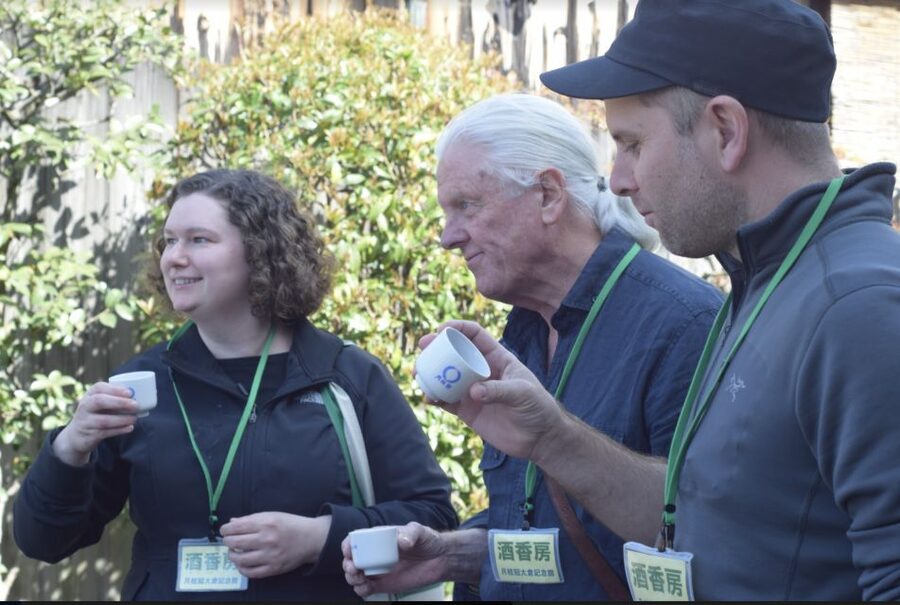
Sake is not always served at one fixed temperature. This experience explains when different styles may be enjoyed hot or cold and how serving temperature can affect aroma and taste.
That lesson is easy to overlook, but it can change your experience at a restaurant. A sake you dislike chilled may seem different warm, while a delicate style may be better appreciated cold. Your guide helps you connect serving temperature with the type of sake in your glass.
You also get advice on ordering in Japan. The aim is not to give you strict rules. It is to show you how to ask for what you want and how to make a sensible choice when the menu offers several unfamiliar options.
This is one reason the experience suits people who are new to sake. You do not need a polished palate or a long list of favorite bottles. Curiosity is enough.
What the $87 price includes
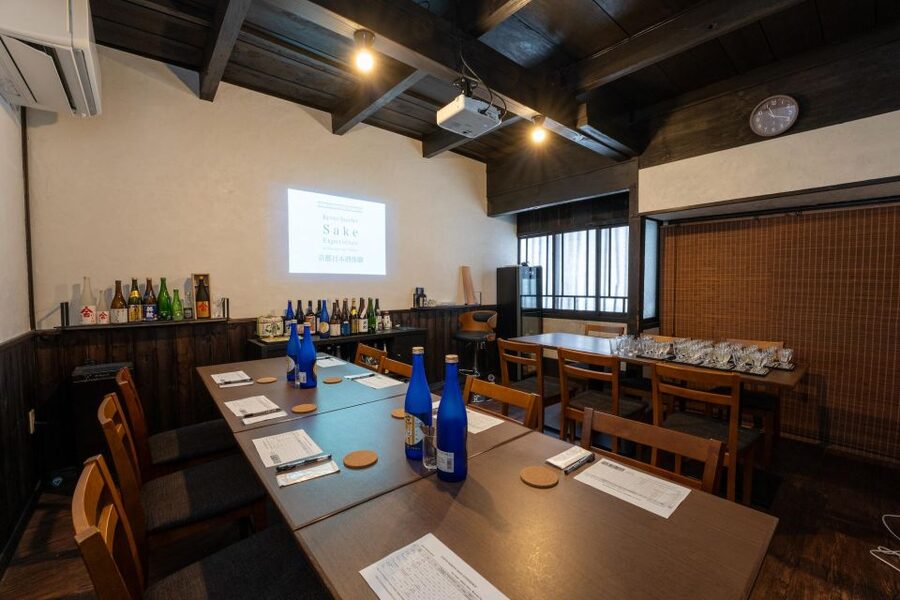
At $87 per person, the price is fair if you want a full lesson rather than a quick drink tasting. The fee includes the certified guide, museum entry and guided visit, at least 10 sake tastings, otsumami, the dedicated tasting room, and the sake cheat sheet.
A cheaper museum visit might give you historical background, but it would not necessarily help you identify the styles you prefer. A simple bar tasting might give you drinks, but not the brewing lesson, label guidance, or structured food comparison.
The value comes from combining those parts. You receive enough tasting to make a personal judgment, plus information you can use during the rest of your time in Japan. If you buy a bottle afterward, you should have a better idea of what you are choosing. Some people leave with one or more bottles, but purchasing alcohol is not listed as part of the tour, so budget for that separately.
The price is less appealing if you do not drink alcohol, have only a casual interest in sake, or want a quick stop between sightseeing plans. Non-drinkers can attend only if reserved, and alcohol will not be served to them. Non-alcoholic drinks are available, but there is no refund if you cannot take part in the tasting.
Who will get the most from this experience
I would recommend this tour to you if you fit one of these descriptions:
- You enjoy sake but cannot tell one style from another.
- You want help ordering at Japanese restaurants.
- You are interested in how rice polishing and brewing affect flavor.
- You like food and drink experiences with cultural context.
- You want a guided tasting with enough variety to find a personal favorite.
- You are comfortable walking and standing for about 1.5 hours.
It also works well for people who rarely drink sake. The teaching starts with the basics, and the side-by-side tasting gives you a calm way to form an opinion.
I would choose another activity if you are pregnant, under the legal drinking age, traveling with young children, or looking for a wheelchair-accessible visit. Children under 12 are not recommended, and children under 3 are specifically unsuitable. Anyone under 20 receives only non-alcoholic drinks, in line with Japan’s legal drinking age.
Do not cycle or drive to the activity. For safety and legal reasons, alcohol cannot be served to anyone who arrives by bicycle or car. Public transportation or a taxi is the safer plan, though transportation to and from the attractions is not included.
Timing, meeting point, and small practical matters
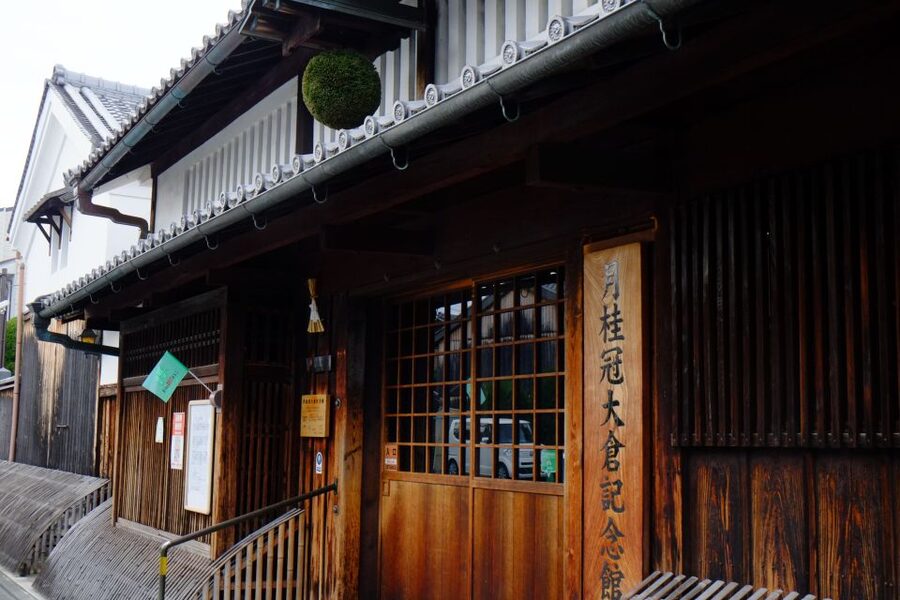
Plan to arrive at the Gekkeikan Okura Sake Museum and meet your guide inside the entrance. If you are more than 20 minutes late, the booking will be canceled, so allow extra time to reach Fushimi.
Do not chew gum during the experience, and skip strong fragrances. Heavy perfume can interfere with your own tasting and everyone else’s ability to smell the sake.
The tour lasts three hours, with starting times varying by date. It is offered in English. The first section involves walking and standing, followed by the seated tasting in the dedicated room.
Cancellation is free up to seven days in advance for a full refund. That policy is useful if your Kyoto schedule is still changing, but book only when you can arrive on time and take part in the tasting.
My recommendation: book it for confidence, not just alcohol
I would book this experience if your goal is to understand sake and use that knowledge during the rest of your Japan trip. The strongest part is not simply the number of pours. It is the way the museum lesson, bottle-reading tips, tasting comparison, and food pairing fit together.
You should leave knowing which flavors suit you, how to ask for them, and how food and temperature can change your choice. Guides such as Kyoko and Miyuki have been praised for making the subject clear, warm, and fun, while guides including Momo, Chika, Greg, and Mai have brought different personalities to the same well-planned format.
Skip it if you want a short tasting, cannot stand for much of the opening section, or do not drink alcohol. For everyone else, $87 buys a useful Kyoto experience with a clear payoff: you can walk into your next Japanese restaurant and choose sake with a lot less guesswork.
FAQ
Where does the sake tour meet?
Meet your guide inside the entrance of the Gekkeikan Okura Sake Museum at 697 Motozaimokuchō, Fushimi Ward, Kyoto, 612-8043, Japan.
How long does the experience last?
The experience lasts three hours.
How many sake types will I taste?
You will taste 10 or more sake selections chosen by a certified sake sommelier.
Is the tour conducted in English?
Yes. The experience includes a live English-speaking guide.
Is entry to the sake museum included?
Yes. The Gekkeikan Okura Sake Museum entry fee and guided visit are included.
Is food included?
Yes. Traditional Japanese otsumami are included for food pairing.
Can vegetarian or vegan guests participate?
Yes. Vegetarian and vegan options are available. Tell your guide at the site about food preferences or allergies.
Can people under 20 drink sake on the tour?
No. Japan’s legal drinking age is 20, and guests under 20 receive only non-alcoholic drinks.
Can I attend if I arrive by car or bicycle?
You may attend, but alcohol cannot be served to anyone who arrives by car or bicycle. Non-alcoholic drinks are available, and there is no refund if you cannot take part in the sake tasting.
Is the tour suitable for wheelchair users or people who cannot stand for long?
No. The first half includes about 1.5 hours of walking and standing, and the experience is not suitable for wheelchair users or people with a low level of fitness.
What happens if I arrive late?
If you are more than 20 minutes late, your booking will be canceled.
Can I cancel for a refund?
Yes. You can cancel up to seven days in advance for a full refund.
More Bars and Sake Stops in Kyoto
- Kyoto: Izakaya Bars Guided Walking Tour
★ 4.9 · 815 reviews - Kyoto Bar Hopping Night Tour
★ 5.0 · 613 reviews - Kyoto Local Bar Crawl in Kawaramachi Area
★ 5.0 · 378 reviews - 1.5-Hour Kyoto Insider Sake Experience with 7 Tastings & Pairings
★ 5.0 · 297 reviews
More Sake Breweries in Kyoto
- Kyoto Sake Brewery & Tasting Walking Tour
★ 5.0 · 623 reviews - Kyoto: Fushimi Sake Brewery Tour – 18 Tastings in 2.5 Hours
★ 4.7 · 36 reviews - KYOTO Sake Tasting Tour at Local Breweries(tasting fee included)
★ 5.0 · 16 reviews - Japanese Sake Breweries Tour in Kyoto Fushimi
★ 4.3 · 13 reviews
Newest Kyoto experiences on the site
- Whisk Your Own Matcha: A Zen Matcha Experience at Temple★ 3.6 · 7 reviews
- Treasures of Kyoto: Gion & historical Walking Tour★ 5.0 · 6 reviews
- Kyoto tea town for matcha lovers★ 5.0 · 16 reviews
- Uji: Private immersion into Kyoto’s tea and reglious culture★ 5.0 · 17 reviews
- Kyoto Matcha Green Tea Tour★ 4.5 · 23 reviews
- Uji and Wazuka Matcha Farm Half Day Private Guided Tour★ 5.0 · 21 reviews
- Utilising upcycled Matcha! Creating matcha incense (Uji, Kyoto)★ 5.0 · 6 reviews
- Sacred Temple Yoga Experience in Japan★ 5.0 · 3 reviews
Kyoto Sake Tastings, compared.
Kyoto Night Foodie Tour in Gion (9+ dishes + 6 Sake tastings)
Read our review →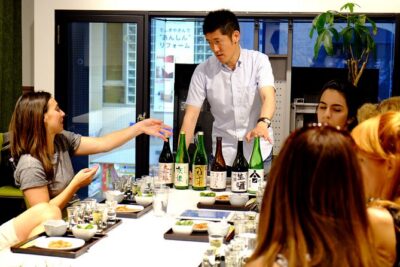
3-Hour Kyoto Insider Sake Brewery Tour with Tastings & Pairings
Read our review →
Arashiyama Bamboo, Temple, Monkeys, or Secret Sake Brewery
Read our review →
1.5-Hour Kyoto Insider Sake Experience with 7 Tastings & Pairings
Read our review →
Insider Sake Experience with 7 Tastings and Snacks
Read our review →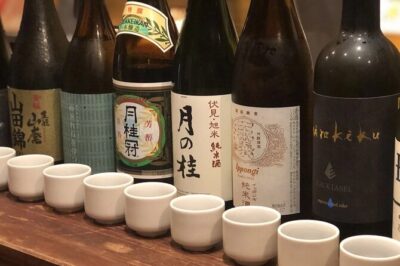
Private Tea Ceremony and Sake Tasting in Kyoto Samurai House
Read our review →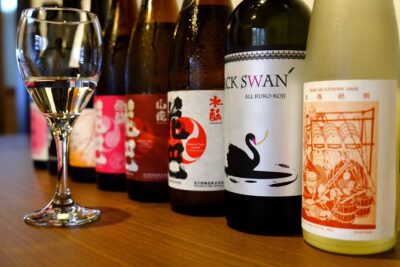
Browse the lists this tour appears in