
Reviewed · KYOTO SAKE TASTINGS
Kyoto: Insider Sake Experience with 7 Tastings and Snacks
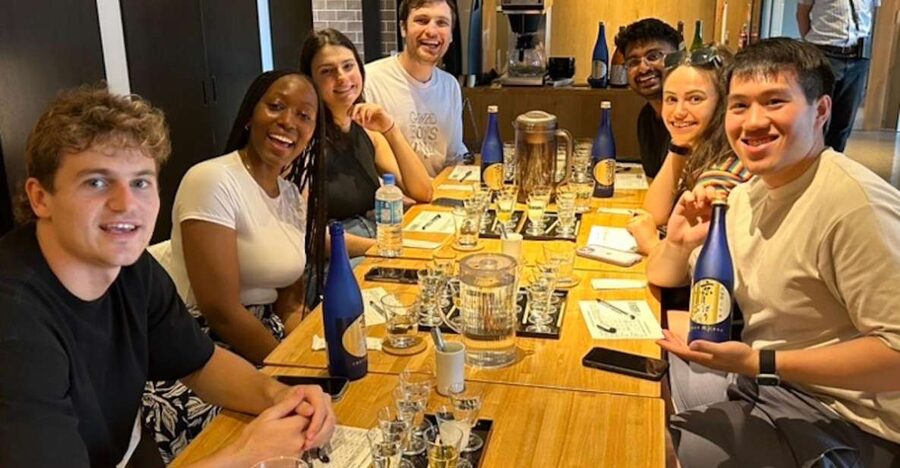
Kyoto’s sake scene makes more sense after you taste several styles side by side. In 90 minutes, you compare dry, crisp, sweet, and fruity sake, then try the same drinks with Japanese snacks to see how food changes the flavor. Mayo, Kotaro, Kiyomi, Greg, and other local guides lead the session in English and keep the lesson easy to follow.
I like two things here: you learn how to read a sake bottle, and you leave with a practical sense of what you actually enjoy. The snack pairings are not filler, either. They can turn a sake you disliked on its own into one you would happily order with food. One caution: this is a tasting, not lunch, and the alcohol adds up, so eat something beforehand and arrive without a car or bicycle.
Key points at a glance
- Seven generous tastings: Compare sake styles rather than judging one bottle in isolation.
- Bottle-reading practice: Learn how rice polishing, sweetness, dryness, and other label details guide your choice.
- Food changes the flavor: Try sake first by itself, then with traditional Japanese otsumami.
- Friendly English instruction: Guides including Mayo, Kotaro, Kiyomi, Greg, and Shogo explain the subject with humor and patience.
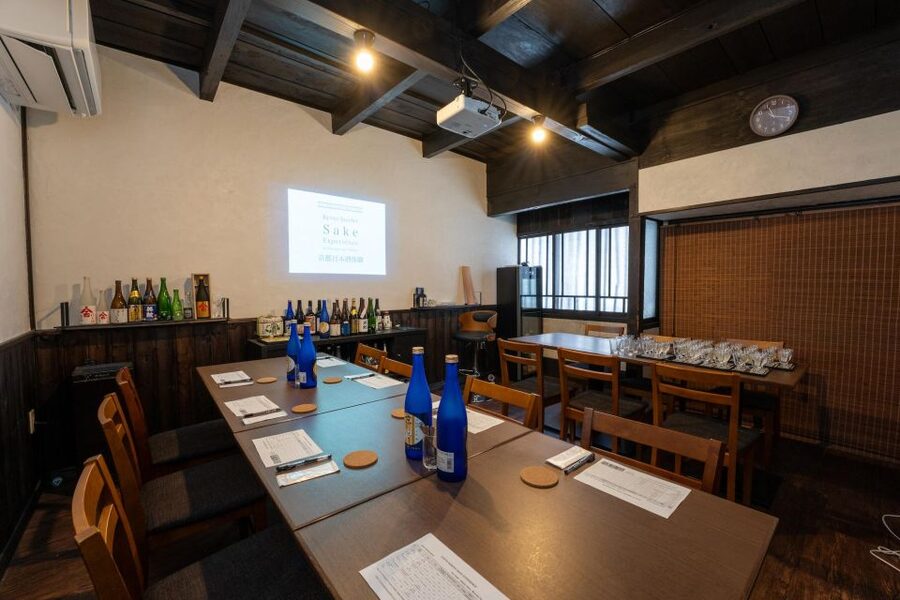
- Small, calm setting: The dedicated tasting room suits people who prefer a focused lesson over a noisy bar.
- Useful Kyoto souvenir: The sake cheat sheet helps you order in restaurants and choose a bottle later.
Why this Kyoto sake class is worth your time
Sake can seem simple until you face a Japanese menu with a dozen unfamiliar names. Labels often give you useful clues, but only if you know what to look for. This experience turns that uncertainty into a short, hands-on lesson.
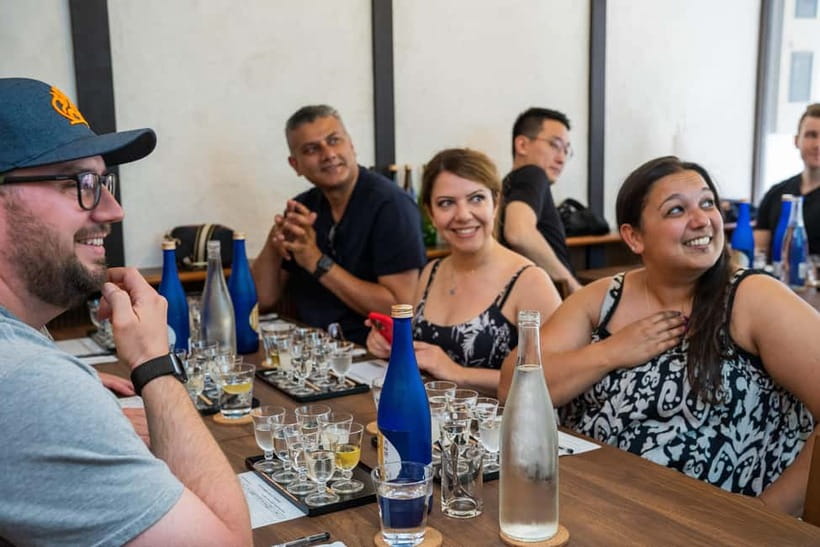
You do not simply receive seven glasses and a speech. The session shows you how brewing choices affect taste, then gives you a chance to test those ideas. You can compare sake with different levels of rice polishing and notice how aroma, texture, sweetness, and dryness shift.
That practical approach is the best reason to book. You may not remember every technical term from the class, but you are likely to remember whether you prefer a light and crisp pour, something sweeter and fragrant, or a fuller style that works with savory food.
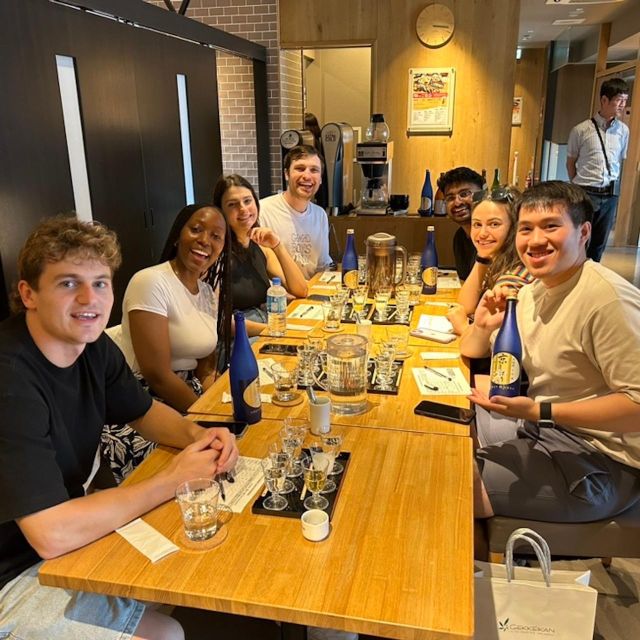
The setting also helps. The tasting takes place in a dedicated room rather than as part of a crowded restaurant meal. The atmosphere is warm and intimate, and one small group was made up of only four people. Group size can vary, but the format is designed for questions and conversation rather than a rushed pour-and-go stop.
More sake tastings in Kyoto:
- Kyoto Night Foodie Tour in Gion (9+ dishes + 6 Sake tastings)
★ 5.0 · 1,762 reviews - 3-Hour Kyoto Insider Sake Brewery Tour with Tastings & Pairings
★ 5.0 · 917 reviews - Arashiyama Bamboo, Temple, Monkeys, or Secret Sake Brewery
★ 4.8 · 886 reviews
Arriving at the dedicated tasting room
You meet at the venue and speak with the staff at the counter when you arrive. Give yourself enough time to find the room, because arriving more than 20 minutes late cancels the booking.
There is no hotel pickup or transportation included. You need to make your own way there, and the exact starting time depends on availability when you book. The 90-minute length fits neatly into a Kyoto day: you can place it between sightseeing stops, before dinner, or during an afternoon in the area.
One useful point is that the experience is not built around a famous brewery visit. You come to a purpose-made tasting room for instruction and comparison. That means you will not see the brewing tanks or walk through a production site, but you get more time to focus on the drink itself.
Avoid strong fragrances. Sake depends on smell as much as taste, and perfume or cologne can distract you and the people sharing the room.
The opening lesson explains what is in your glass
The session begins with the basics of sake, also called nihonshu. You learn how it is brewed, what ingredients matter, and how production choices affect the finished drink.
The order is important. The guide explains the process before asking you to judge the samples, so the tasting has a clear purpose. You begin to connect a production detail with something you can smell or taste instead of treating every pour as a mystery.
Rice polishing receives particular attention. The outer part of the rice grain contains elements that affect the final drink, and the amount removed changes the style. You may also see physical examples showing different levels of refinement. That visual aid makes a technical idea easier to grasp.
The lesson covers flavor, quality, and style without requiring previous experience. First-time drinkers can ask basic questions without feeling behind, while people who already order sake may pick up a few useful details about labels and regional differences.
The guides use different teaching styles. Mayo is described as funny and engaging, while Kotaro is friendly and clear. Kiyomi brings patience and enthusiasm, Greg explains things carefully, and Shogo uses a structured presentation with hands-on bottle work. Your guide will vary, but the format is built around a local English-speaking sake specialist.
Seven pours reveal your personal sake style
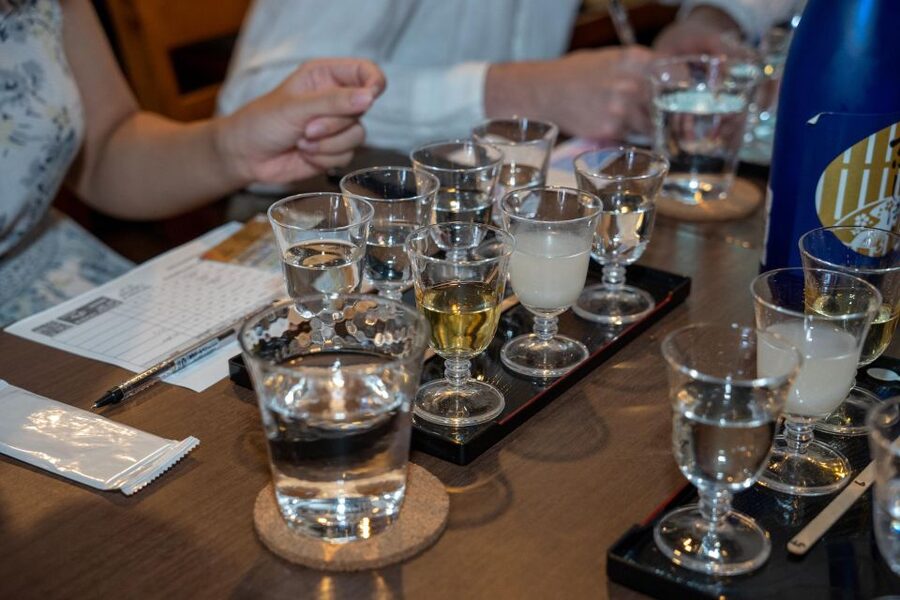
The tasting is the heart of the experience. You compare a selection that moves from dry and crisp styles to sweeter, fruitier examples and other differences created by brewing and rice polishing.
The exact bottles can change, which is a plus. You are not locked into one fixed lineup that ignores the season or available stock. The selection is made by a certified sake sommelier, and the activity information describes more than 10 types available for the tasting program, with seven generous pours highlighted by the experience.
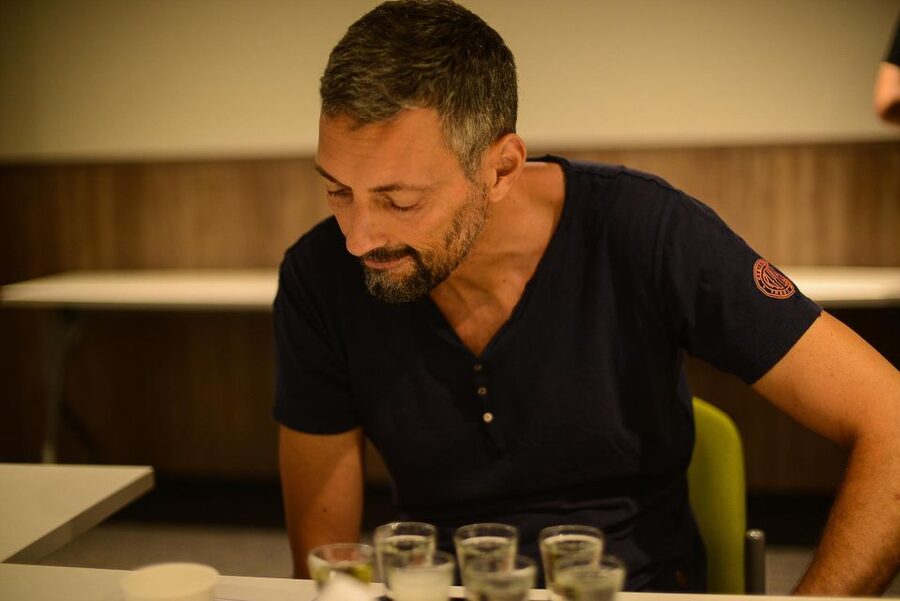
Do not expect seven identical shot-sized samples. The portions are described as generous, so pace yourself. You have time to smell, sip, compare, and make notes rather than knocking back each glass.
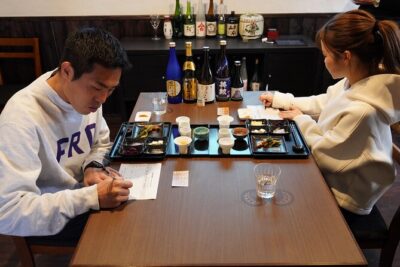
A tasting note and sake cheat sheet help you record what works for you. This is more useful than it sounds. After several pours, the differences can blur, especially if you are new to sake. Writing down your preferences gives you something to consult later at an izakaya, department store, or bottle shop.
The goal is not to identify the most expensive or prestigious sake. It is to find your own preference. You might discover that a dry sake you expected to like feels too sharp, or that a sweeter style suits you better. You might prefer a particular type only when food is present. There is no correct answer.
Same city, a completely different kind of day:
- PERFECT KYOTO 1-Day Bus Tour
★ 5.0 · 13,518 reviews - Kyoto: Fushimi Inari, Kinkakuji, Bamboo Grove 1 Day Bus Tour
★ 4.8 · 4,316 reviews - Kyoto: Tea Ceremony in a Traditional Tea House in Kiyomizu
★ 4.9 · 3,519 reviews - Kyoto Geisha Walking Tour: Gion District & Hidden Gems
★ 4.7 · 3,273 reviews
Bottle-reading practice turns theory into a useful skill
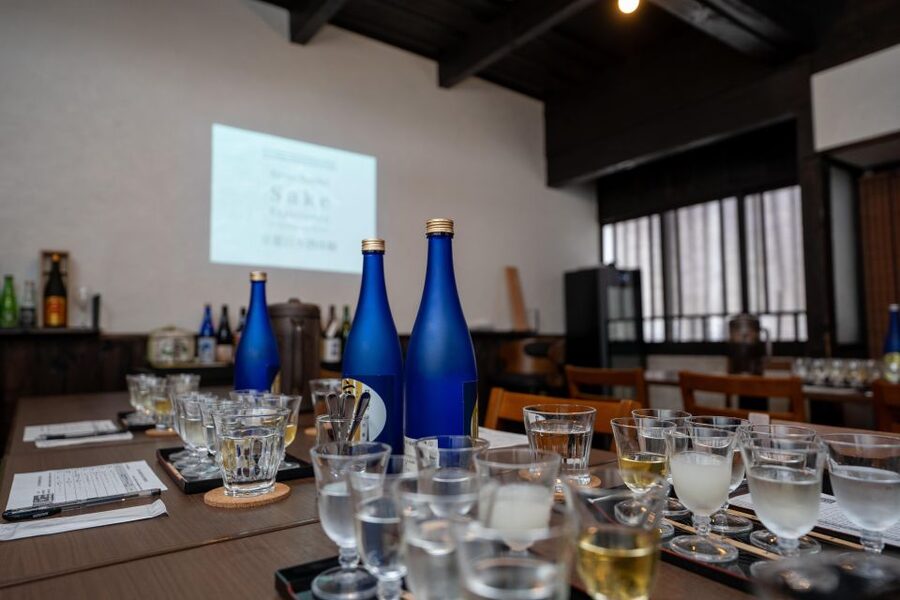
Many sake bottles include information about rice polishing, alcohol level, sweetness, acidity, brewing method, and place of production. Some of these details are written in Japanese, which can make choosing a bottle feel like guesswork.
The class gives you a chance to look at a bottle and find key information for yourself. One part of the session uses practical exercises rather than leaving label reading as a lecture. That matters because the real test comes later, when you are standing in front of a restaurant menu without your guide.
You also learn simple ordering advice, including when sake is served hot or cold. Temperature is not just a personal preference. It can change the way a drink smells and tastes, and the right choice depends on the style and the meal.
The information is presented as a starting point, not a rigid rulebook. You will not leave able to decode every specialist term, but you should feel more confident asking for a dry or fruity style, choosing a bottle with useful clues, and explaining what you like.
Otsumami show why food pairing matters
Small Japanese appetizers, known as otsumami, are served with the sake. These are tasting portions, not a full meal, so plan to eat beforehand if you tend to feel alcohol quickly.
The pairing section is one of the strongest parts of the experience. You first taste the sake without food. Then you try it with the snacks and notice how the balance changes. A drink that seems too strong, sharp, or plain by itself may taste rounder with a savory bite.
That lesson helps with real meals in Japan. Sake is often enjoyed alongside food rather than as a separate drink, and the class shows you why. You also discuss pairings such as sake with sushi, while the snacks give you a direct way to test the idea.
Food preferences can be mentioned at the venue. Vegetarian substitutions have been accommodated, and the vegetarian snacks were well received. Still, tell the guide about allergies or dietary needs as soon as you arrive. The supplied information does not promise that every dietary restriction can be handled, so do not assume a substitute without asking.
The snacks also slow the pace of the alcohol. This is welcome, but they do not replace a proper meal. Have a light meal before the class, especially if you plan to continue drinking or dining afterward.
The guides make a technical subject feel relaxed
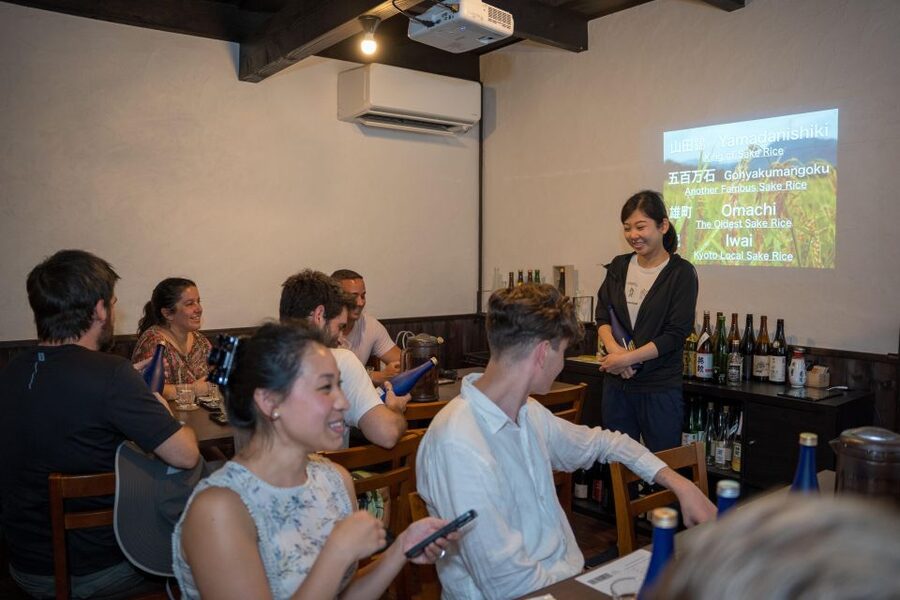
The teaching is repeatedly praised for being clear, patient, funny, and well organized. Those qualities matter in a class about a drink that can quickly become overloaded with unfamiliar terminology.
Mayo appears often in the guide team and is known for mixing humor with solid explanations. Kotaro is described as friendly and easy to follow. Kiyomi brings a warm, patient style, while Greg takes care to answer questions and check that everyone is keeping up.
Other named guides include Shogo, Rieko, Yui, Mai, and Ko-toro as listed in the supplied material. The instructor assigned to your booking may be different, so book this for the format rather than expecting one particular person unless the provider confirms your guide.
The best part of this approach is that you can ask questions without turning the session into a formal lecture. The teaching remains structured, but the tone is social. That makes it a good choice for couples, families with adult children, and small groups of friends who want an activity with conversation built in.
What $66 buys you in practical terms
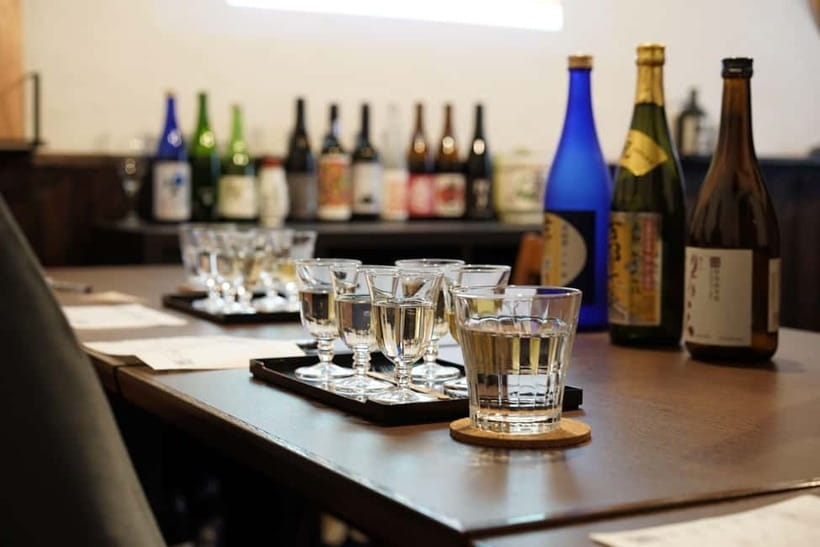
At $66 per person, the experience is not the cheapest way to drink sake in Kyoto. You could order one or two glasses at a bar for less. That comparison misses the point, though. Here you pay for seven tastings, a certified sake expert, food pairings, bottle-reading practice, and a takeaway cheat sheet.
The value is strongest if you are a beginner. A few random pours may tell you what you like that day, but they will not necessarily help you choose the next bottle. This session gives you a method you can use during the rest of your Japan trip.
It also saves you from ordering blindly. If you are likely to buy sake as a souvenir, the lesson may prevent an expensive bottle choice based only on a pretty label. You can use what you learned to ask better questions and pick a style that matches your taste.
The value is weaker if you already know sake well or want a brewery tour. This is an education and tasting session, not a production visit, a neighborhood pub crawl, or a full dinner.
Who should book this experience
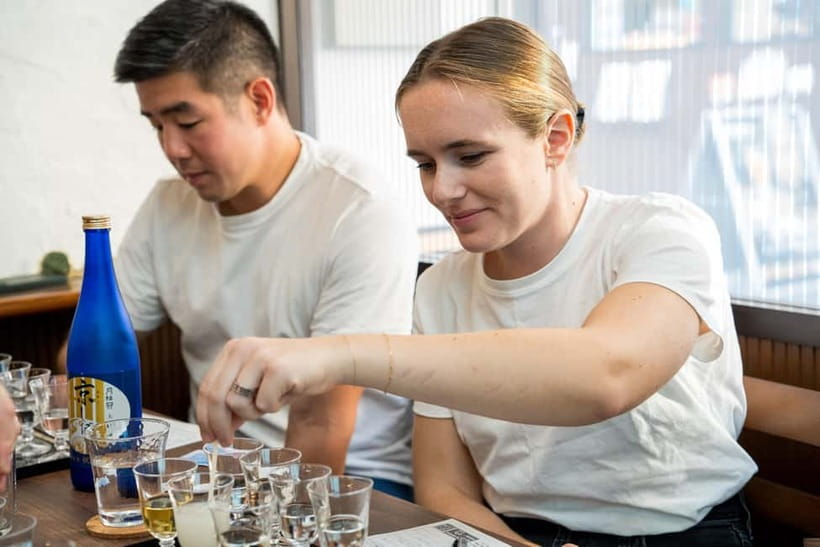
I would choose this for you if you have enjoyed sake but never understood the differences between bottles. It also suits you if you normally avoid sake because menus feel confusing or because you assume every bottle tastes alike.
First-time drinkers are welcome, and the range of samples makes it likely that you will find at least one style you prefer. The session is also useful for people who enjoy Japanese food and want to understand how the drink works with sushi and small dishes.
It is less suitable for children and not recommended for pregnant women. Japan’s legal drinking age is 20. Anyone under 20 receives only non-alcoholic drinks, and the booking rules say unreserved children and non-drinkers cannot simply join the group.
Non-drinkers should not book on the assumption that they can attend without tasting. For safety and legal reasons, alcohol is not served to anyone who arrives by car or bicycle, and there is no refund if that prevents participation. Use public transportation or walk.
A few practical tips before you go
Eat first, but do not arrive overly full. The snacks are designed to show pairing, not to serve as lunch.
Wear little or no fragrance. You will get more from the aroma of the sake, and the other people in the room will appreciate it.
Bring your questions. Ask about serving temperature, sweetness, sushi pairings, and the meaning of a label. The guides are there to help you connect the lesson with choices you will make later.
Keep the cheat sheet. It is the most useful souvenir of the class because it helps you remember your preferred style after several days of temples, trains, and restaurant menus.
If you need to cancel, the stated policy allows a full refund up to seven days in advance. Check the available start times when booking, since the activity runs for 90 minutes and late arrival beyond 20 minutes cancels the reservation.
Should you book the Kyoto Insider Sake Experience?
Yes, if you want a clear first lesson in sake rather than a simple alcohol flight. The combination of seven pours, otsumami, bottle-reading practice, and practical ordering advice gives the $66 price a fair return.
Book it early in your Kyoto stay if possible. Then you can use your new preferences at restaurants and shops during the rest of your visit. Skip it if you want a brewery tour, a full meal, or an advanced seminar.
For most curious adults, this is an easy, friendly way to make sense of sake. You leave with more than a pleasant buzz: you have a better idea of what to order, how to pair it, and why one bottle tastes different from the next.
FAQ
How long does the Kyoto sake experience last?
The experience lasts 90 minutes.
How many sake tastings are included?
The guided tasting includes seven tastings. The available selection is described as 10 or more types chosen by a certified sake sommelier, so the exact bottles may vary.
Is the experience taught in English?
Yes. The live guide conducts the experience in English.
Is food included?
Yes. Traditional Japanese otsumami are included as small food pairings. This is a tasting, not a full meal.
Can I request vegetarian food?
You should tell the guide at the venue about food preferences or allergies. Vegetarian substitutions have been accommodated.
What is the legal drinking age for this experience?
Japan’s legal drinking age is 20. People under 20 are served non-alcoholic drinks only.
Can children attend?
The experience is not recommended for children. Children and non-drinkers without a reservation cannot join, and the activity is not suitable for children under 3.
Can I arrive by car or bicycle?
Do not arrive by car or bicycle if you plan to drink. Alcohol will not be served for safety and legal reasons, and there is no refund if you cannot take part in the tasting.
What happens if I am late or need to cancel?
Arriving more than 20 minutes late cancels the booking. You can cancel up to seven days in advance for a full refund.
More Bars and Sake Stops in Kyoto
- Kyoto: Izakaya Bars Guided Walking Tour
★ 4.9 · 815 reviews - Kyoto: Insider Sake Brewery Tour with Sake and Food Pairing
★ 5.0 · 704 reviews - Kyoto Sake Brewery & Tasting Walking Tour
★ 5.0 · 623 reviews - Kyoto Bar Hopping Night Tour
★ 5.0 · 613 reviews
Newest Kyoto experiences on the site
- Treasures of Kyoto: Gion & historical Walking Tour★ 5.0 · 6 reviews
- Whisk Your Own Matcha: A Zen Matcha Experience at Temple★ 3.6 · 7 reviews
- Kyoto tea town for matcha lovers★ 5.0 · 16 reviews
- Uji: Private immersion into Kyoto’s tea and reglious culture★ 5.0 · 17 reviews
- Kyoto Matcha Green Tea Tour★ 4.5 · 23 reviews
- Uji and Wazuka Matcha Farm Half Day Private Guided Tour★ 5.0 · 21 reviews
- Utilising upcycled Matcha! Creating matcha incense (Uji, Kyoto)★ 5.0 · 6 reviews
- Sacred Temple Yoga Experience in Japan★ 5.0 · 3 reviews
Kyoto Sake Tastings, compared.
Kyoto Night Foodie Tour in Gion (9+ dishes + 6 Sake tastings)
Read our review →
3-Hour Kyoto Insider Sake Brewery Tour with Tastings & Pairings
Read our review →
Arashiyama Bamboo, Temple, Monkeys, or Secret Sake Brewery
Read our review →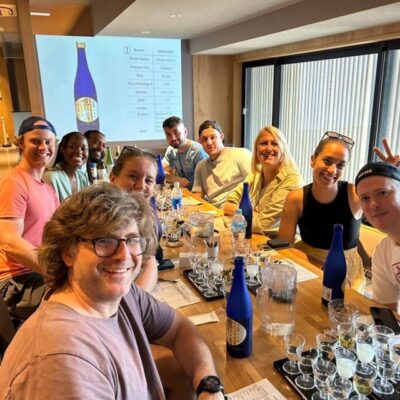
Insider Sake Brewery Tour with Sake and Food Pairing
Read our review →
1.5-Hour Kyoto Insider Sake Experience with 7 Tastings & Pairings
Read our review →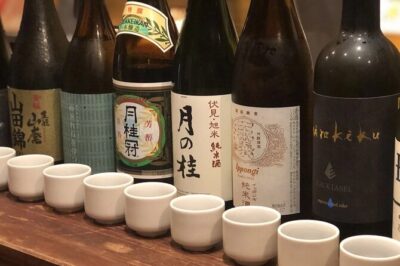
Private Tea Ceremony and Sake Tasting in Kyoto Samurai House
Read our review →
Browse the lists this tour appears in