
Reviewed · KYOTO RAMEN EXPERIENCES
Ramen Gyoza Onigiri Japanese Cooking Class in Kyoto
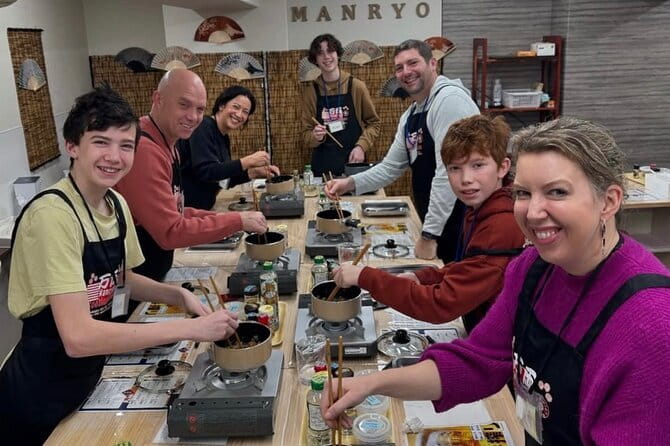
The clever part of this Kyoto cooking class is how much food it fits into 90 minutes. You learn to make ramen broth, gyoza, and onigiri, then sit down to eat the full meal you prepared. Chef Nori, Minori, Ryho, and the rest of the team keep the pace lively and instructions clear.
I like two things especially: the class teaches the part of ramen most useful at home, the broth, and it gives you real hands-on practice with folding gyoza and shaping rice balls. I also like the small maximum of eight people, which gives you a better chance to follow along and ask questions.
The main consideration is dietary. The only choices are regular or vegetarian, and the vegetarian version replaces pork with tofu but does not change the other ingredients. This class cannot accommodate vegan, pescatarian, gluten-free, halal, kosher, or other special diets.
Key points to know before booking
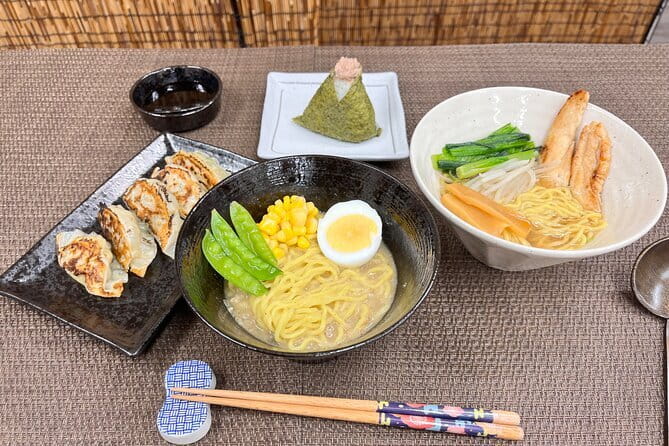
- Three Japanese dishes in one short class: Prepare ramen broth, gyoza, and onigiri instead of spending the whole session on one recipe.
- Broth, not noodles, is the focus: You use readily available noodles, while the class shows you how to build the soup.
- Chef Nori leads a friendly English-speaking team: Minori, Ryho, and other assistants help keep the cooking clear and well paced.
- You eat the entire meal you make: Plan to arrive hungry, since lunch is included after cooking.
- Small group, maximum eight people: You should have good access to the demonstrations and work stations.
- Strict menu limits: Choose regular or vegetarian, with no vegan, pescatarian, gluten-free, halal, or kosher option.
Why this Kyoto class packs in so much cooking
Many Japanese cooking lessons ask you to choose one theme: sushi, ramen, or sweets. This one takes a broader approach. In one sitting, you work on three familiar comfort foods that use different skills.
Ramen teaches you about soup and seasoning. Gyoza gives you a hands-on folding task. Onigiri shows how a simple rice ball can become a useful meal or snack. That mix keeps the class moving and gives you several recipes to repeat at home.
The pace matters. Ninety minutes is not long, so this is not a slow, meditative lesson where you prepare every component from scratch. The format is organized for efficiency. You should expect demonstrations, guided preparation, and practical shortcuts rather than a full professional-kitchen course.
That is a fair trade for a visitor with limited time in Kyoto. You get a taste of several home-style dishes without giving up half a day of sightseeing. The short format also suits families and couples who want an activity that feels more active than a standard restaurant lunch.
More ramen nights in Kyoto:
- Ramen Cooking Class at Ramen Factory in Kyoto
★ 5.0 · 1,937 reviews - Kyoto: Ramen Cooking Class at a Ramen Factory with Souvenir
★ 4.9 · 532 reviews - Kyoto: Ramen, Gyoza, and Onigiri Cooking Class
★ 5.0 · 445 reviews
Arriving at the Life Building in Sakyo Ward
The meeting point is Manryo Japanese Cooking Class at Life Building B1, 841 Chōshōji Monzenchō, Sakyo Ward, Kyoto 606-8366. The location is near public transportation, and the class ends at the same place.
You receive confirmation when you book, and a useful practical step is to read the provider’s follow-up email carefully. The booking information specifically asks you to do this, and the message may contain the details you need for the day.
The underground setting makes this a practical indoor activity in Kyoto. You do not need to worry about weather once you arrive. Since the class is short and the meeting point does not change, it can fit neatly into a morning or afternoon plan.
Allow enough time to find the building and go down to the basement level. The exact transport instructions are not provided here, so check the confirmation message rather than relying only on a general map pin.
Starting with ramen broth, the useful part of the lesson
The class focuses on ramen soup rather than noodle making. That distinction matters. You can often buy ramen noodles near home, but a satisfying soup base is harder to reproduce unless you know how to combine the seasonings and ingredients.
The instructors show you a broth method that uses ingredients and seasonings you can find at home. This makes the lesson more practical than a demonstration built around rare products or specialist equipment. You can take the basic idea back to your own kitchen and use it with noodles you buy locally.
Several descriptions of the class refer to preparing two kinds of ramen or two different broths. The supplied tour details consistently make broth the central lesson, so you should expect variety in the soup portion, but not handmade noodles. The class does not include noodle production.
Chef Nori also gives a short history of ramen before the cooking begins. That small bit of context helps explain why the soup deserves attention. You are not simply stirring a pot, you are learning the element that gives the finished bowl its character.
The short schedule means some work is likely prepared or tightly organized in advance. That is not a flaw. It is how the class manages ramen, gyoza, and onigiri in the same 90-minute window. If your dream is to spend hours making stock from raw ingredients, this is not that kind of lesson.
Folding gyoza and shaping onigiri
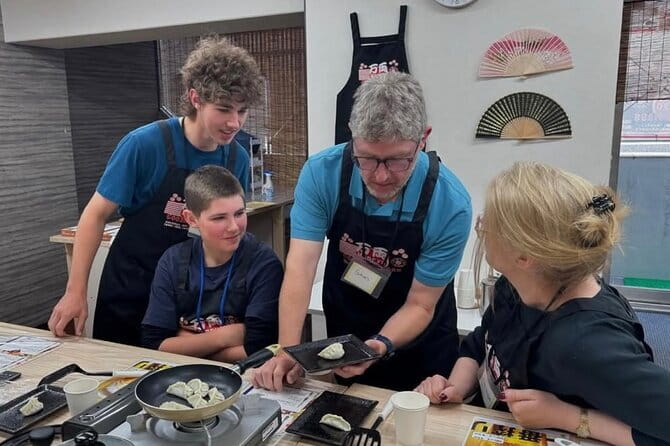
Gyoza is the most tactile part of the class. You learn how to wrap the dumplings, and the instructors guide you through the technique instead of leaving you with a recipe and a pile of filling. Folding can feel awkward at first, but it is exactly the kind of small skill that improves with direct coaching.
Onigiri is simpler in its ingredients but still benefits from instruction. The lesson covers how to shape Japanese rice balls, giving you a basic method you can repeat at home. The appeal is practical: onigiri can become a snack, packed lunch, or quick meal without requiring elaborate cooking.
These two dishes balance the ramen section. The broth asks you to think about flavor and seasoning, while gyoza and onigiri depend more on touch and shape. You leave with different kinds of kitchen practice instead of three versions of the same task.
The class also appears to be arranged almost like a performance. The timing is tight, and the staff divide tasks so the group can keep moving. That structure helps beginners, especially if you are cooking Japanese food for the first time.
More cooking classes in Kyoto:
- Kyoto: Japanese Washoku Bento Small Group Cooking Class
★ 5.0 · 380 reviews - Kyoto Ramen and Gyoza Cooking Class with Professional Chefs
★ 5.0 · 282 reviews - Kyoto: Afternoon Japanese Izakaya Cooking Class
★ 4.9 · 241 reviews - Izakaya Style Cooking Class
★ 5.0 · 219 reviews
A small group with Chef Nori and the team
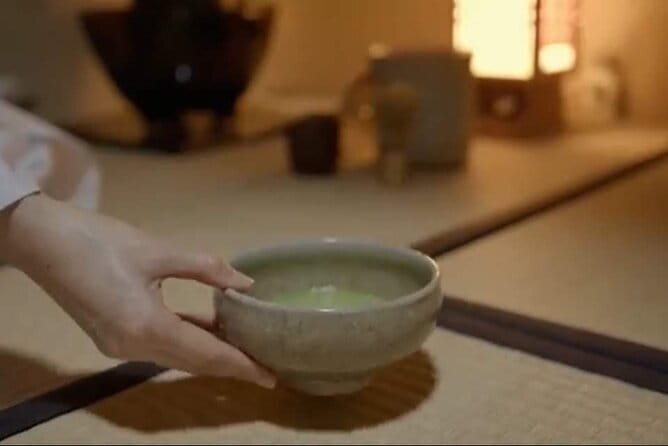
The maximum group size is eight people. That is one of the most valuable details here. A large class can turn a cooking lesson into a demonstration viewed from the back of the room. With eight or fewer, you should have a better view of the work and more room to ask for help.
Chef Nori is named as the lead instructor, and Minori and Ryho are among the team members who assist with teaching. The staff speak English, and the class is designed for clear instruction rather than requiring Japanese language skills.
The teaching style sounds light and social. Jokes are part of the atmosphere, but the English instructions remain clear. That combination matters in a hands-on class, since humor is welcome only if you can still understand what to do next.
Families can enjoy this format, but remember the firm age rule: children under 13 are not accepted. For older children and teenagers, the several-dish format gives them more to do than a lesson focused on one recipe.
Eating the meal you prepare
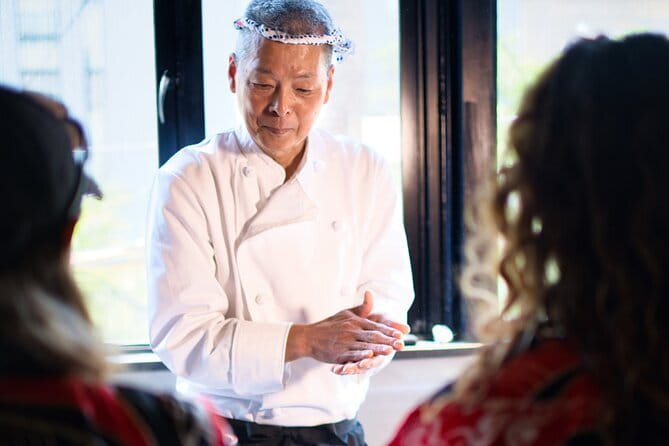
After the cooking, you eat what you have made. Lunch is included, and the meal can be substantial because it combines ramen, gyoza, and onigiri.
Arrive hungry. You are not preparing a tiny tasting plate. The class portions are intended to provide a full meal, and the food you make forms the reward at the end of the session. That also lets you judge the techniques immediately, while the steps are still fresh.
This finish is more useful than taking home uncooked ingredients or watching someone else serve the final dish. You can taste the broth you helped prepare, see whether your gyoza folding held together, and compare the texture of your onigiri.
The meal also gives the class a natural ending. After a fast run through several recipes, sitting down to eat slows things down. It turns the lesson into a social lunch rather than a string of hurried demonstrations.
What the price means at $92.47
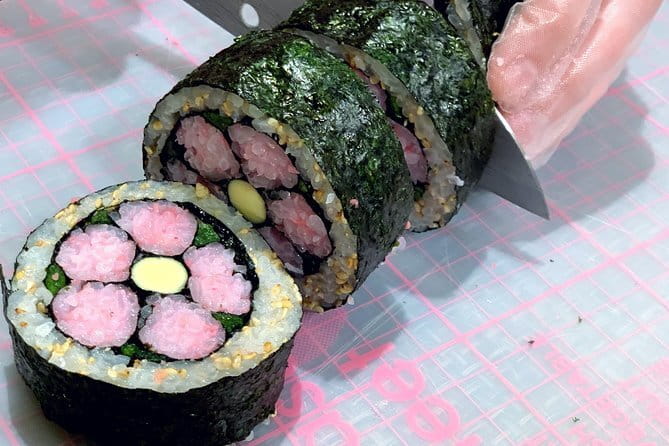
At $92.47 per person, this is not the cheapest lunch in Kyoto. You can buy ramen, gyoza, and rice dishes for much less. The value is in the instruction and the range of skills, not in the raw cost of the meal.
You are paying for a 90-minute class, English-speaking guidance, ingredients, a meal, a small group capped at eight, and recipes you can use later. If you plan to cook Japanese food at home, the broth lesson alone may make the price easier to justify. If you only want a quick meal, a restaurant will be better value.
The class also saves time. You do not spend several hours moving between separate food activities, and you do not need to arrange transport between stops. For a short Kyoto visit, that efficiency can matter more than the price difference between this and an ordinary lunch.
I would book it for someone who values participation and practical learning. I would skip it for someone who dislikes structured group activities or has strict dietary needs that do not fit the menu.
Menu limits you should take seriously
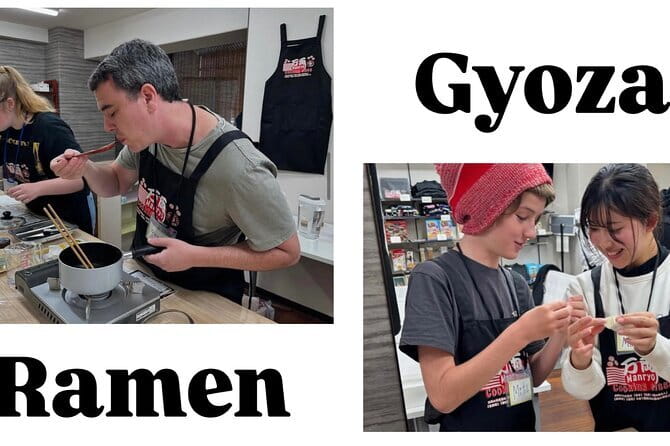
The regular menu uses pork. The vegetarian menu replaces pork with tofu, but the other ingredients remain the same. Vegetarian here does not mean vegan, and that distinction is important.
The class cannot accommodate vegan, pescatarian, gluten-free, halal, kosher, or other special diets. Do not assume that an ingredient can be removed at the last minute. If you have an allergy or dietary restriction outside the two stated menus, this is not a safe booking choice based on the information provided.
The vegetarian option is best understood as a limited substitution, not a separate fully redesigned menu. If tofu works for you and the remaining ingredients are acceptable, it may be suitable. Check the provider’s email after booking and contact them before the cancellation deadline if you need clarification.
Timing, tickets, and cancellation
The activity lasts about one hour and 30 minutes. A mobile ticket is available, which keeps the booking simple once you have the confirmation details on your phone.
Free cancellation is available if you cancel at least 24 hours before the local start time. Cancellations made less than 24 hours in advance are not refunded, and changes inside that window are not accepted.
That policy makes it sensible to book this class only after your Kyoto schedule is fairly settled. The activity is short, but the no-refund window is firm. Read the post-booking email carefully, especially if you are arranging it around transport or another timed visit.
Who will get the most from this class
I think this class suits first-time cooks, food-focused visitors, families with children aged 13 or older, and anyone who wants a useful Kyoto activity between sightseeing stops.
It is especially good for you if:
- You want to learn several Japanese dishes in one session.
- You prefer cooking to simply watching a food demonstration.
- You want recipes that use ingredients available at home.
- You enjoy a friendly class with a bit of humor.
- You plan to eat a full lunch after cooking.
- You have no dietary needs beyond the regular or stated vegetarian menu.
It is less suitable if you want to make ramen noodles from flour. That is not part of the class. It also will not work for children under 13, vegans, pescatarians, or anyone needing gluten-free, halal, kosher, or another special menu.
Should you book the Manryo cooking class?
Book it if you want a short, active food experience that gives you several take-home skills. The combination of ramen broth, gyoza folding, and onigiri shaping offers more variety than a single-dish class, while the eight-person limit should keep the teaching personal.
The best practical reason to choose it is the broth lesson. Noodles are easy to buy, but knowing how to make a satisfying soup base is the skill you may use most often at home. The recipes, hands-on practice, and full meal add real value to the price.
Skip it if you want a slow gourmet workshop, handmade noodles, or a menu built around your dietary requirements. For everyone else, this is a well-organized way to spend 90 minutes in Kyoto, especially if you arrive hungry and ready to work.
FAQ
Where does the cooking class take place?
The class takes place at Manryo Japanese Cooking Class, Life Building B1, 841 Chōshōji Monzenchō, Sakyo Ward, Kyoto 606-8366, Japan.
How long does the activity last?
The cooking class lasts approximately one hour and 30 minutes.
What dishes will I make?
You will learn to prepare ramen broth, gyoza, and onigiri. The class does not include making ramen noodles.
Do I eat the food I prepare?
Yes. Lunch after cooking is included, and you eat the dishes made during the class.
Is a vegetarian menu available?
Yes. You can choose a vegetarian menu in which pork is replaced with tofu. Other ingredients remain the same.
Can the class accommodate vegan or gluten-free diets?
No. The class cannot accommodate vegan, pescatarian, gluten-free, halal, kosher, or other special diets.
What is the cancellation policy?
You can receive a full refund if you cancel at least 24 hours before the experience start time. Cancellations or changes made less than 24 hours in advance are not accepted or refunded.
Newest Kyoto experiences on the site
- Treasures of Kyoto: Gion & historical Walking Tour★ 5.0 · 6 reviews
- Whisk Your Own Matcha: A Zen Matcha Experience at Temple★ 3.6 · 7 reviews
- Kyoto tea town for matcha lovers★ 5.0 · 16 reviews
- Uji: Private immersion into Kyoto’s tea and reglious culture★ 5.0 · 17 reviews
- Kyoto Matcha Green Tea Tour★ 4.5 · 23 reviews
- Uji and Wazuka Matcha Farm Half Day Private Guided Tour★ 5.0 · 21 reviews
- Utilising upcycled Matcha! Creating matcha incense (Uji, Kyoto)★ 5.0 · 6 reviews
- Sacred Temple Yoga Experience in Japan★ 5.0 · 3 reviews
Kyoto Ramen Experiences, compared.
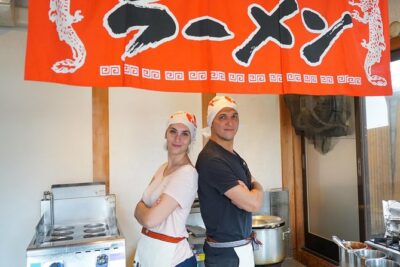
Ramen Cooking Class at Ramen Factory in Kyoto
Read our review →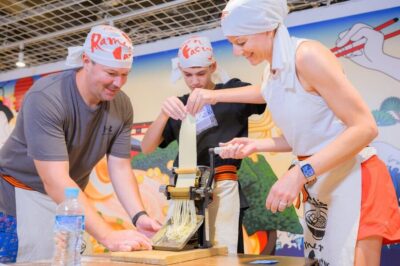
Ramen Cooking Class at a Ramen Factory with Souvenir
Read our review →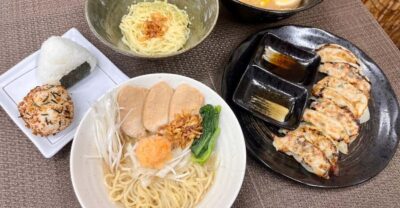
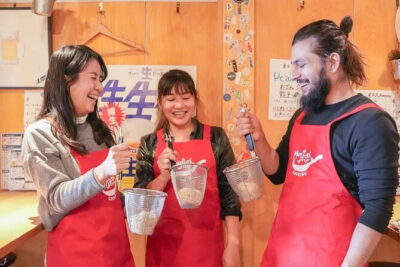
Kyoto Ramen and Gyoza Cooking Class with Professional Chefs
Read our review →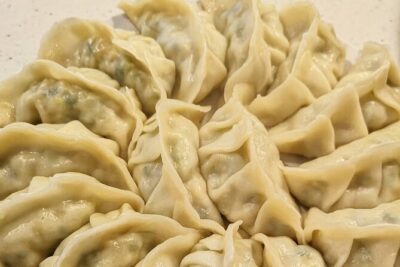
Kyoto Michelin Ramen Workshop or Painting Ramen Essentials
Read our review →

Kyoto Ramen Spoon Painting & Michelin Cooking Class
Read our review →Browse the lists this tour appears in