

Reviewed · KYOTO RAMEN EXPERIENCES
Kyoto Ramen Spoon Painting & Michelin Cooking Class
Kyoto has plenty of food tours, but this one puts you behind the counter. You paint a ceramic ramen spoon, then move into a professional kitchen to prepare ramen with ingredients made by Musoshin Ramen. The class is capped at 12 people, so it feels more personal than a large demonstration.
I like the two-part design: you get a hands-on craft and a real meal, not just a cooking lesson. I also like the chance to learn from a working ramen chef, with Shin and Amiru named in the class feedback. The main catch is practical: your spoon is baked in a kiln overnight, so you may not take it home that day.
Key points at a glance
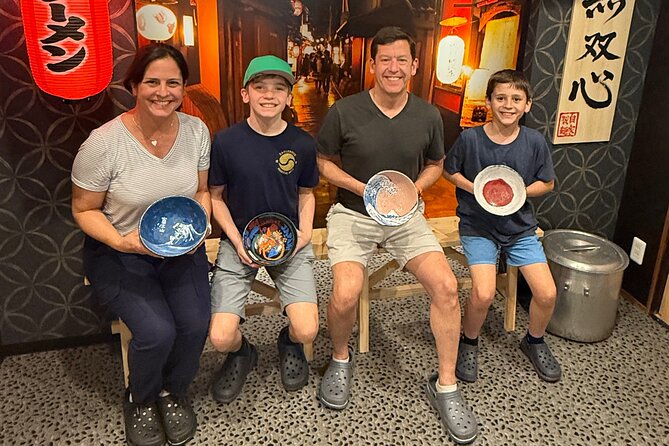
- Paint first, eat later: Decorate a ceramic ramen spoon before cooking your meal.
- Restaurant-made ingredients: Musoshin prepares its own noodles, broth, soy sauce, and roast pork.
- A chef-led kitchen class: You learn the parts of ramen and assemble the dish yourself.
- Vegetarian options are available: Vegan and vegetarian meals can be arranged.
- Small-group format: The maximum group size is 12 people.
- A 90-minute Kyoto activity: The class begins and ends at 440-5 Nishigomonchō in Higashiyama.
A ramen class with more than one trick
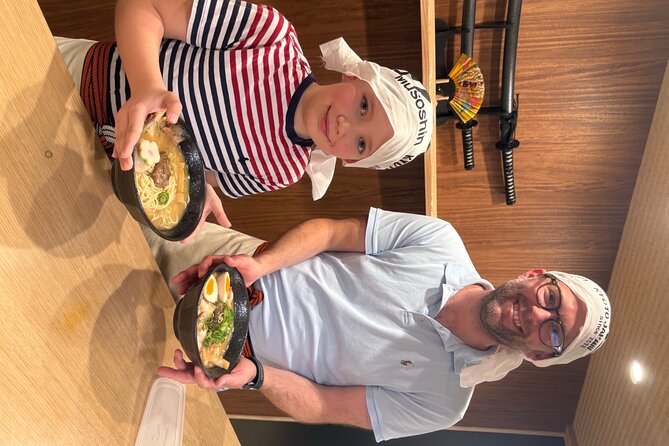
The best part of this Kyoto activity is the order. You do not simply sit down with a bowl and hear a lecture about ramen. You begin with a small craft project, then put on an apron and work with the components of the dish.
That gives the class a nice rhythm. Painting the spoon is relaxed and creative. Cooking brings more movement and instruction. Eating at the end gives the whole session a clear reward.
I especially like that the food is not based on a packet of instant noodles or a generic broth. Musoshin says it makes its noodles in-house each morning, rests them overnight for later use, and cooks its ramen soup for 12 hours. The soy sauce and roast pork are also made by the restaurant.
You are not expected to produce every element from raw ingredients in 90 minutes. Instead, the kitchen supplies the prepared building blocks, and you learn how to handle, combine, and arrange them. That is a sensible format. Traditional ramen can take hours or days to prepare, and a short class could not honestly cover all of it from scratch.
The recipe is connected to Musoshin’s restaurants in Kyoto and Toronto. The Toronto location has been nominated for Michelin recognition for three consecutive years, while the Kyoto operation began in 2022. That does not turn this into a formal Michelin inspection or a fine-dining event, but it does give the class a useful professional link.
More ramen nights in Kyoto:
- Ramen Cooking Class at Ramen Factory in Kyoto
★ 5.0 · 1,937 reviews - Kyoto: Ramen Cooking Class at a Ramen Factory with Souvenir
★ 4.9 · 532 reviews - Kyoto: Ramen, Gyoza, and Onigiri Cooking Class
★ 5.0 · 445 reviews
Painting your ceramic ramen spoon
The craft portion takes place upstairs, where you paint a ceramic ramen spoon. This is a simple project, but it gives you something personal to take from the experience.
You can treat the spoon as a small travel souvenir rather than a major art project. The value is in making it yourself, with the ramen theme tying the object to the meal you are about to cook.
There is one important detail to keep in mind. The spoon goes into a kiln overnight after you paint it. That means you should not assume you will leave with the finished, hardened spoon at the end of the 90-minute class.
One person arrived without realizing that kiln firing was required and could not paint the spoon because of their schedule. I would confirm the collection or delivery arrangements before booking if you have an early departure from Kyoto. The activity information clearly promises the spoon as a souvenir, but it does not explain how or when the finished piece reaches you.
This is also the part most likely to appeal to families. Children can enjoy the visual, hands-on task, while adults get a keepsake that is more personal than a shop-bought magnet. The class also works well for anyone who wants a break from temple visits and formal sightseeing.
Moving downstairs to the professional kitchen
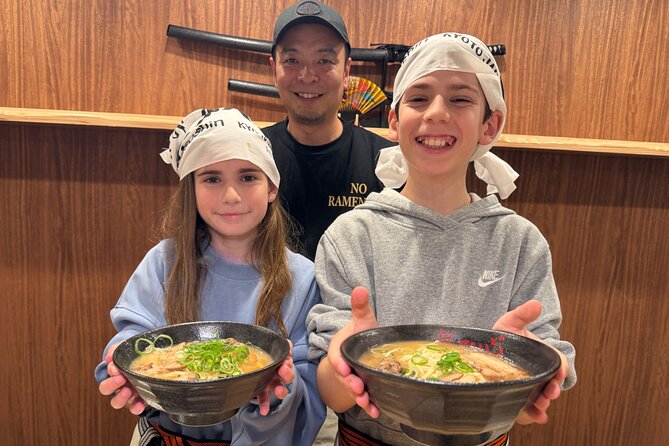
After the spoon painting, the class moves downstairs for the ramen preparation. The setting is a working ramen restaurant, not a temporary hotel-room demonstration. That matters because you can see the connection between the lesson and the food served by the business.
The chef explains the main parts of ramen, its preparation, and its background. You then work with the ingredients brought from the restaurant. The lesson focuses on how those parts come together in the bowl.
You may learn about:
- The noodles made by Musoshin
- The long-cooked ramen soup
- The restaurant’s handmade soy sauce
- Roast pork prepared in-house
- The final arrangement of the ramen bowl
The exact sequence may vary, but the class is built around doing rather than watching. You handle the food and arrange your own bowl, which gives you a better sense of how texture, broth, toppings, and presentation fit together.
That hands-on element received the strongest praise in the supplied feedback. People found the instructions clear and the cooking enjoyable. Shin was described as friendly and patient, including with a child, while Amiru was named as a welcoming chef for another class.
The tone seems energetic rather than solemn. If you prefer a quiet, highly technical cooking school, this may feel informal. If you want a social activity with plenty of guidance, that is likely a benefit.
What you actually cook
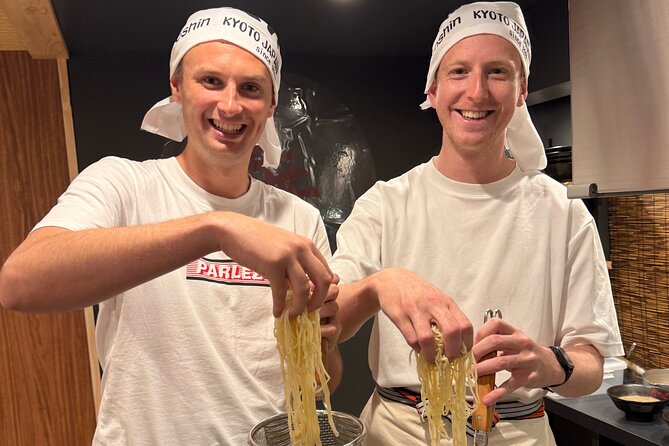
The ingredients are supplied from the restaurant, and the activity lets you cook them rather than asking you to shop, measure, and prepare a full stock at home.
That distinction is worth understanding. One person wished the class included making the noodles. It does not appear to be a noodle-making workshop. Musoshin makes its noodles separately, then brings the prepared components into the class.
I see that as both a limit and a strength. You will not learn the full production process behind every part of ramen. On the other hand, you can focus on the balance of the finished dish without spending most of the session on dough, broth, or stock preparation.
The meal includes ramen, and the class supplies a ramen bowl, a ramen spoon, an apron, and part of the ramen ingredients. The activity description also says you feast on your finished dish at the end, so this is not a tasting-only format.
The food itself is a major reason to book. The cooking process gives you context, but the final bowl is the payoff. Several comments singled out the ramen as especially good, with one person calling it the best ramen they had eaten in Japan. That is personal judgment, not a promise, but it does point to the class’s strongest feature: you are eating the restaurant’s own food, prepared with its standard ingredients.
More cooking classes in Kyoto:
- Kyoto: Japanese Washoku Bento Small Group Cooking Class
★ 5.0 · 380 reviews - Kyoto Ramen and Gyoza Cooking Class with Professional Chefs
★ 5.0 · 282 reviews - Kyoto: Afternoon Japanese Izakaya Cooking Class
★ 4.9 · 241 reviews - Izakaya Style Cooking Class
★ 5.0 · 219 reviews
Vegetarian and allergy needs
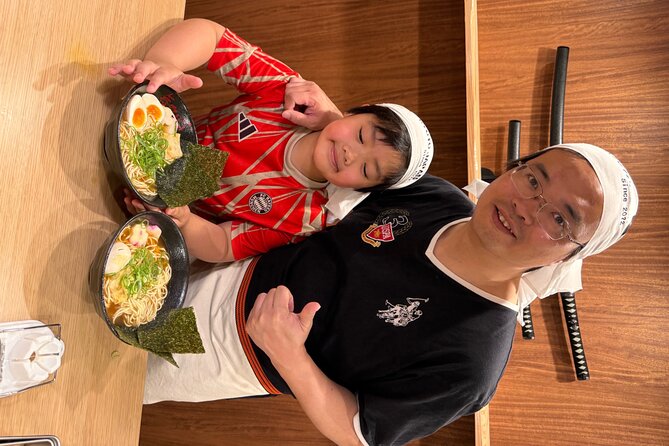
Vegetarian options are available, and the class has provided vegan or vegetarian ramen for people in mixed groups. That makes the experience more flexible than many restaurant-based food activities.
If you have allergies, tell the provider in advance. One person specifically said their allergies were handled well, but the supplied information does not list every ingredient or guarantee that every allergy can be accommodated.
Do not rely on a last-minute explanation at the counter. Give the kitchen clear information when you book or as soon as possible afterward. The class uses a small-group format, which may make special arrangements easier, but you still need confirmation.
Why the small group matters
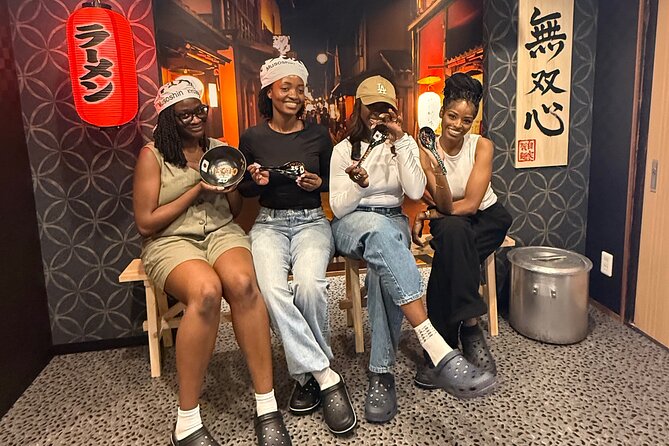
The maximum group size is 12 people. That is not a private lesson, but it is small enough to make chef contact possible.
For a cooking class, group size affects how much you can see and do. With 12 or fewer participants, instructions should be easier to follow than in a large tour group, and the chef can offer some help at individual workstations.
The supplied comments repeatedly praise the instructors’ warmth and patience. Shin is described as hands-on, hardworking, and gentle with children. Amiru is named as a chef who helped create a welcoming class. Those details suggest that the people leading the session are part of the value, not just the ramen itself.
Still, you should keep expectations sensible. A group of 12 is not the same as a one-on-one lesson. If you want extensive personal correction or a long discussion of ramen chemistry, the 90-minute format may feel brief.
The listed Kyoto temple stops need a careful look
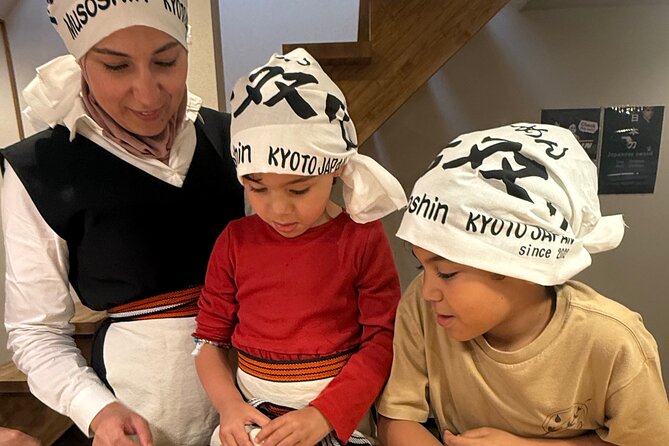
The published schedule also names Kiyomizu-dera Temple, Kennin-ji Temple, and Sanjusangendo Temple. These are important Kyoto sights, but the cooking activity begins and ends at 440-5 Nishigomonchō in Higashiyama, and the description focuses on the spoon and ramen class.
No visit times or temple activities are provided for those three places. I would not assume that the class includes temple admission, guided temple touring, or transport between the temples and the ramen academy.
If those names appear in your booking confirmation, check the exact schedule before you go. Kiyomizu-dera, Kennin-ji, and Sanjusangendo could easily fill a separate sightseeing plan, but the information supplied here does not explain how they fit into this 90-minute cooking experience.
For planning purposes, treat the ramen academy address as the firm meeting and ending point. The activity ends back there. The location is near public transportation, which helps, but no station or walking directions are provided.
Price, timing, and what you get for $65.89
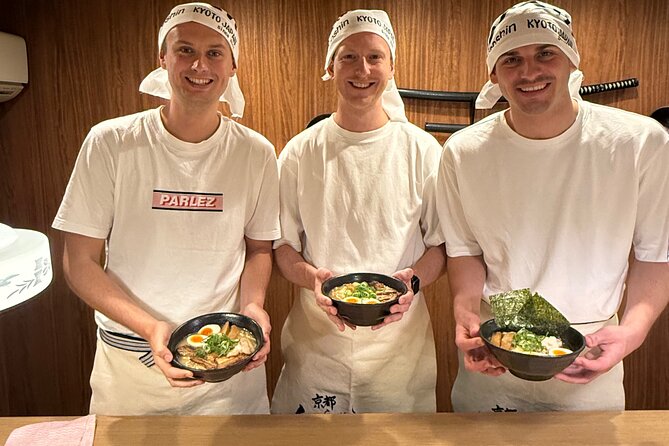
At $65.89 per person, this is more than a basic ramen lunch. You are paying for a small-group cooking lesson, a craft activity, restaurant-prepared ingredients, the meal, and the instruction of a working chef.
I think the price is fair if you value participation. A bowl of ramen alone would cost less, but it would not include the spoon painting, kitchen lesson, apron, or explanation of how the components are made.
The value is strongest for three kinds of people:
- You want a food activity, not just another restaurant meal.
- You like practical souvenirs with a personal story.
- You are curious about ramen but do not need to make noodles or broth entirely from scratch.
The value is weaker if you mainly want a cheap lunch, a full noodle-making course, or a finished spoon in your hand before leaving. The class has a clear focus, and it does not promise all three.
The duration is about 1 hour and 30 minutes. That is short enough to fit into a busy Kyoto day, but you should allow extra time for finding the meeting point and settling in. The ticket is mobile, and confirmation is received when you book.
Who will enjoy this most
I would recommend this for families, couples, solo food lovers, and small groups of friends. It gives children something tactile to do, while adults can focus on the cooking and restaurant background.
It is also a good choice for anyone who has eaten plenty of ramen but wants to understand what goes into the bowl. The long-cooked soup, handmade soy sauce, roast pork, and rested noodles show why restaurant ramen is more involved than it first appears.
Vegetarians should consider it as well, since vegetarian and vegan options are available. Just confirm your needs ahead of time.
I would be more cautious about booking if you have a very tight schedule after the class, need the spoon immediately, or expect to make noodles by hand. The class teaches ramen preparation, but the information does not say that participants make the noodles themselves.
A practical plan for the day
Wear something comfortable enough for kitchen work and keep your phone available for the mobile ticket. The activity supplies an apron, but the information does not describe changing facilities or storage, so avoid arriving with more luggage than necessary.
Give yourself time to find 440-5 Nishigomonchō in Higashiyama. The address is near public transportation, but no exact station or route is listed.
If you are combining this with Kiyomizu-dera, Kennin-ji, or Sanjusangendo, confirm the order and timing. The cooking class ends where it begins, so you can build your day around that point, but do not count on the named temples being part of the cooking session without checking.
Cancellation is free up to 24 hours before the start time. Changes or cancellations made less than 24 hours ahead are not accepted for a refund, and the cut-off follows Kyoto local time.
Should you book the Musoshin ramen class?
Book it if you want a compact, friendly food experience with a real meal and a handmade souvenir. The strongest reasons are the restaurant setting, the chef-led instruction, the excellent ramen ingredients, and the option for vegetarian or vegan preparation.
Go in knowing what it is. You paint a ceramic spoon, but it needs overnight kiln firing. You cook with restaurant-prepared components, but you do not appear to make the noodles from flour. The listed temple names also need clarification before you build your day around them.
For $65.89, I see good value for families and food-focused visitors who want to do something rather than simply eat. If that sounds like your kind of Kyoto afternoon, this small Musoshin class is an easy one to consider.
FAQ
Where does the ramen class start?
It starts at 440-5 Nishigomonchō, Higashiyama Ward, Kyoto, 605-0816, Japan.
Where does the activity end?
The activity ends back at the meeting point.
How long does the class last?
The experience lasts approximately 1 hour and 30 minutes.
What is included in the activity?
The experience includes ramen preparation, a ramen bowl, a ramen spoon, an apron, and part of the ramen ingredients.
Can I take my painted spoon home immediately?
The spoon is baked in a kiln overnight, so you should not assume it will be ready to take home at the end of the class.
Are vegetarian or vegan options available?
Yes. Vegetarian and vegan ramen options are available.
How many people can join the class?
The maximum group size is 12 people.
Is the ticket available on a phone?
Yes. The experience provides a mobile ticket, and confirmation is received at the time of booking.
What is the cancellation policy?
You can cancel up to 24 hours before the local start time for a full refund. Cancellations or changes made less than 24 hours before the start time are not accepted for a refund.
Newest Kyoto experiences on the site
- Whisk Your Own Matcha: A Zen Matcha Experience at Temple★ 3.6 · 7 reviews
- Treasures of Kyoto: Gion & historical Walking Tour★ 5.0 · 6 reviews
- Kyoto tea town for matcha lovers★ 5.0 · 16 reviews
- Uji: Private immersion into Kyoto’s tea and reglious culture★ 5.0 · 17 reviews
- Kyoto Matcha Green Tea Tour★ 4.5 · 23 reviews
- Uji and Wazuka Matcha Farm Half Day Private Guided Tour★ 5.0 · 21 reviews
- Utilising upcycled Matcha! Creating matcha incense (Uji, Kyoto)★ 5.0 · 6 reviews
- Sacred Temple Yoga Experience in Japan★ 5.0 · 3 reviews
Kyoto Ramen Experiences, compared.
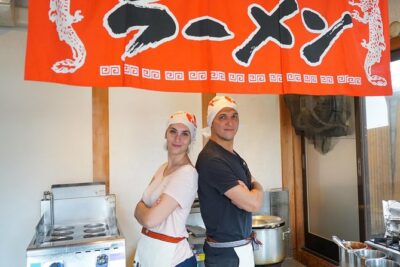
Ramen Cooking Class at Ramen Factory in Kyoto
Read our review →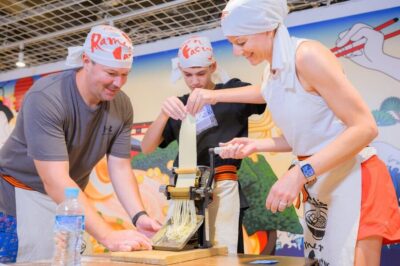
Ramen Cooking Class at a Ramen Factory with Souvenir
Read our review →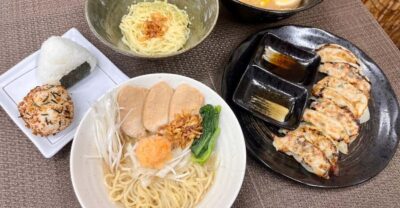
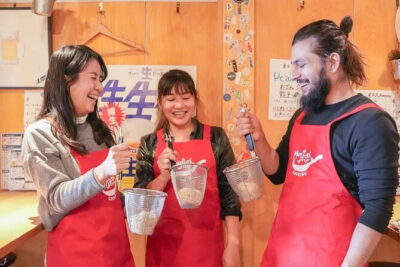
Kyoto Ramen and Gyoza Cooking Class with Professional Chefs
Read our review →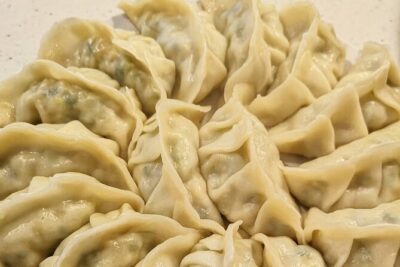
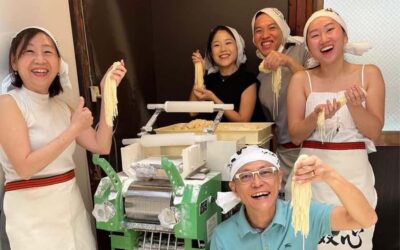
Kyoto Michelin Ramen Workshop or Painting Ramen Essentials
Read our review →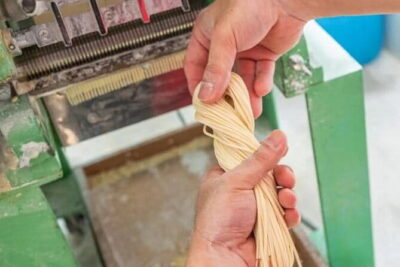
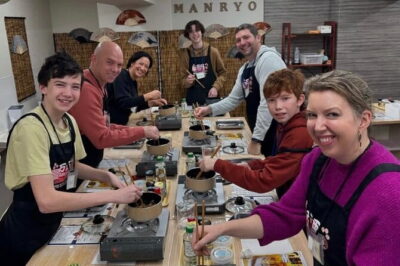
Ramen Gyoza Onigiri Japanese Cooking Class in Kyoto
Read our review →Browse the lists this tour appears in