
Reviewed · KYOTO WAGASHI SWEETS WORKSHOPS
Japanese Traditional Sweets ”Nerikiri” making
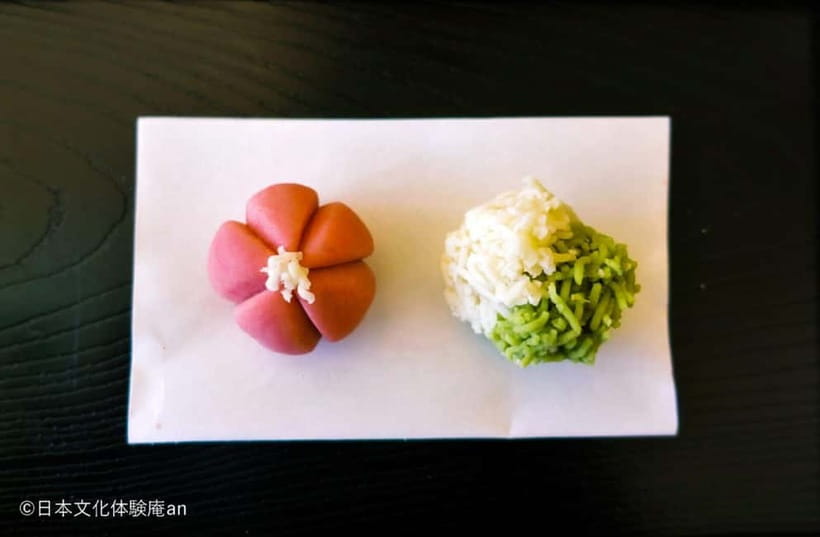
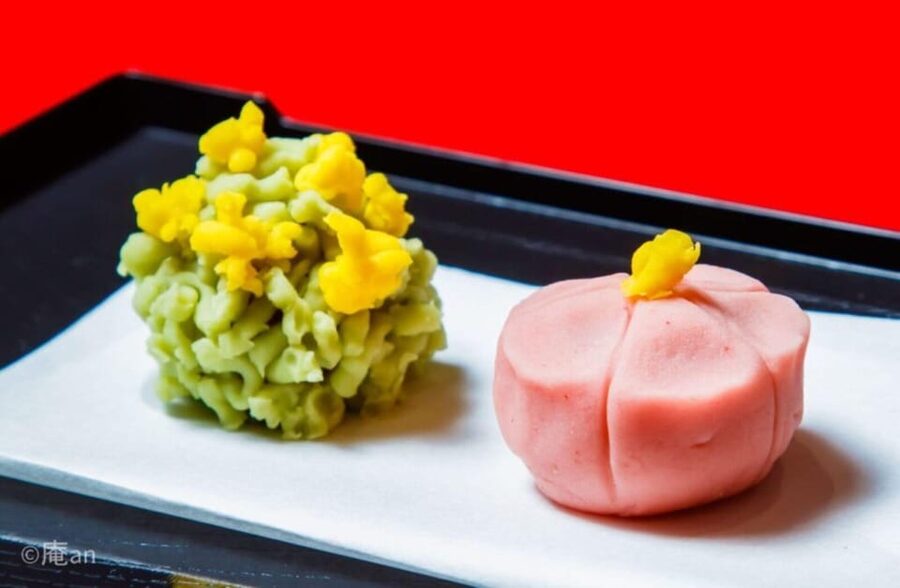
Japanese sweets can look like tiny works of art, and this Kyoto workshop lets you make two of them yourself. You shape seasonal nerikiri from Kyoto-made white and red bean paste, then eat your creations on the spot. It is a gentle, hands-on break from temples and shopping.
I like the short 65-minute format and the low $11 price. I also like that the sweets are not just a demonstration: you handle the ingredients, make a flower-shaped sweet and a kinton-style nerikiri, then enjoy the results. The main consideration is communication. The instructor speaks Japanese, and English help is offered as much as possible, but the guidance may not cover every small detail.
Key points to know before you book
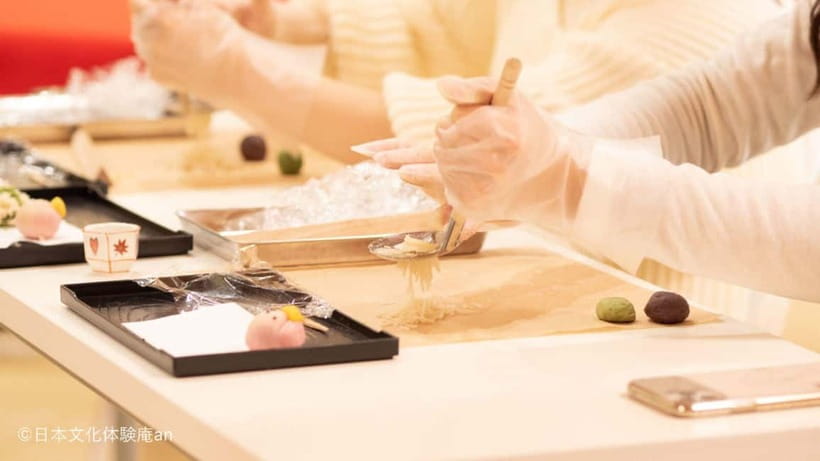
- Two seasonal sweets: Make one flower-shaped nerikiri and one kinton nerikiri.
- Kyoto ingredients: The white and red bean paste comes from long-established shops in Kyoto.
- Quick Gojo location: The venue is one minute from Exit 1 of Gojo Station on the Karasuma Subway Line.
- Eat what you make: Tasting is part of the session, while a takeout box costs an extra 100 JPY.
- Japanese-led instruction: English translation is available as much as possible, but it is not guaranteed throughout.
- Good value: At $11 for 65 minutes, this is an inexpensive cultural activity for a free morning or afternoon.
Why nerikiri makes a good Kyoto activity
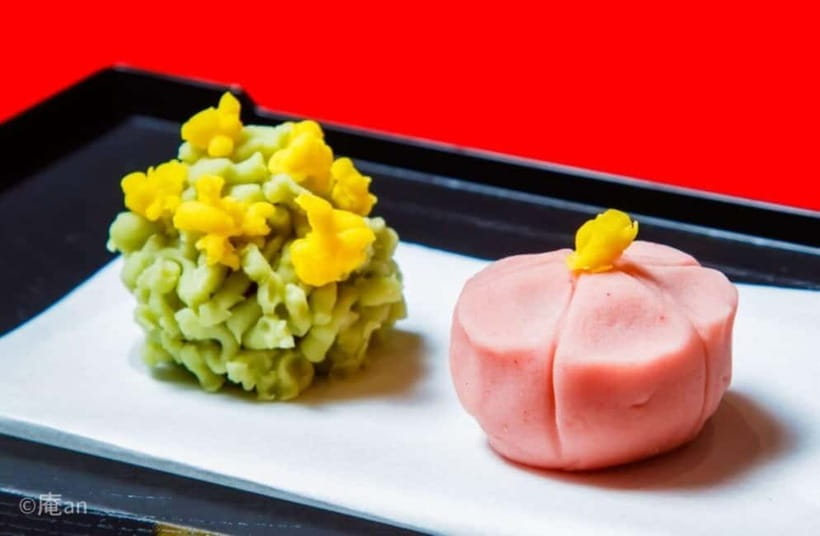
Nerikiri is a traditional Japanese sweet made from bean paste shaped into seasonal designs. Its appearance often matters as much as its flavor. A flower, a leaf, or a soft mound of colored paste can suggest the season without needing a printed explanation.
That makes this activity different from a standard cooking class. You are not preparing a large meal or learning a recipe you will take home for dinner. You are working on two small sweets where shape, color, and neat handling count.
I like this format for Kyoto because it gives you a close look at a food tradition that is easy to miss. You may see beautiful wagashi in department stores or tea shops, but making one yourself helps explain the care behind those polished displays.
The workshop uses white and red bean paste produced by long-established Kyoto shops. That detail matters. You are not working with an improvised substitute made only for a tourist class. The core ingredient connects the activity to Kyoto’s established confectionery tradition, even though the session itself is simple and beginner-friendly.
More wagashi and sweets workshops in Kyoto:
- Kyoto: Japanese Traditional Sweets Making and Tea Ceremony
★ 4.4 · 314 reviews - Kyoto Wagashi(Japanese sweets) Cooking Class near Fushimiinari
★ 5.0 · 60 reviews - Kyoto: Wagashi (Japanese sweets) Cooking near Fushimiinari
★ 5.0 · 40 reviews
A 65-minute plan with no wasted time
The schedule is compact and clear. You start with an explanation of Japanese traditional sweets, then make the flower-shaped nerikiri, followed by the kinton nerikiri. After that comes a picture period, and the final part is for eating.
The first explanation gives you the basic setting. Since the instruction is in Japanese, English support may be important for you. The provider says translation will be offered as much as possible, but you should not expect a full English lecture or detailed written recipe unless the venue confirms otherwise.
The flower-shaped sweet is a natural first project. It gives you a recognizable form to work toward and introduces the basic handling of the paste. The second sweet, kinton nerikiri, adds variety. The two designs are different enough to make the finished plate feel like a small set rather than two copies of the same item.
You then have time to take pictures before eating. This is useful because the sweets are at their best visually right after you finish them. If you enjoy photographing food, bring your phone ready to go. The session allows you to record the result before your handiwork disappears, which may happen quickly once the tasting begins.
The published timing places the main making period at about 55 minutes, followed by eating and departure at 65 minutes. That makes the workshop easy to fit between other Kyoto plans. You can book it as a stand-alone activity rather than giving up half a day.
What you actually make at the table
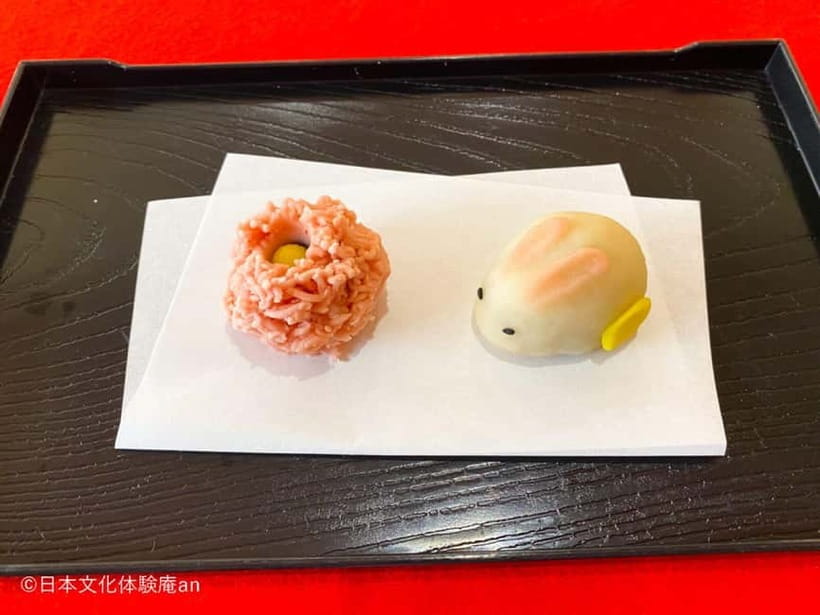
You make two Japanese sweets matching the season. The exact colors and designs can vary with the time of year, so the experience has a seasonal quality rather than one fixed design all year.
The ingredients are already prepared for you. This is not a lesson in cooking bean paste from raw beans, and you are not expected to reproduce the entire confectionery process at home. Instead, the focus is on shaping and finishing the sweets.
That distinction is worth understanding before booking. One participant found it difficult to know how to recreate the paste afterward. If your main goal is to learn a complete recipe from start to finish, this workshop may feel limited. If your goal is to try the traditional shaping process and enjoy two finished sweets, it makes more sense.
You can think of it as a craft session with an edible result. The paste is soft, and the final form depends on how you handle it. Small differences in your shaping will show, which is part of the charm. You do not need professional pastry skills, though careful attention helps.
The activity is suitable for many ages and skill levels. A child around 10 to 12 years old can enjoy it with an adult, and children under two who sit on a parent’s lap are free. The session is also suitable for a solo booking, so you do not need to gather a large group to make the activity worthwhile.
The English question matters
The instructor is Japanese-speaking. English translation is provided as much as possible if you request it, but English is not listed as a regular instruction language.
That can work well for a visual activity. You can watch the demonstration and copy the shape, especially if the instructor comes close enough to show the details. Still, one participant specifically found that the instructor did not approach the tables often enough to demonstrate fine points. That is useful advice: if you are unsure, ask for a closer demonstration rather than quietly guessing.
The language gap is less serious for broad steps than for small finishing touches. You will likely understand the general idea of pressing, shaping, and arranging the paste. The harder part may be learning exactly how to form delicate details or how the prepared materials were made.
If you want extra English help, contact the provider before arrival. Do not assume every explanation will be translated automatically. A translation app may also help with simple questions, though the supplied information does not promise a full bilingual class.
The instructor has been described as kind and helpful, which suits the relaxed pace of the activity. You should still arrive ready to take visual guidance and ask for help directly.
Same city, a completely different kind of day:
- PERFECT KYOTO 1-Day Bus Tour
★ 5.0 · 13,518 reviews - Kyoto: Fushimi Inari, Kinkakuji, Bamboo Grove 1 Day Bus Tour
★ 4.8 · 4,316 reviews - Kyoto: Tea Ceremony in a Traditional Tea House in Kiyomizu
★ 4.9 · 3,519 reviews - Kyoto Geisha Walking Tour: Gion District & Hidden Gems
★ 4.7 · 3,273 reviews
Value at $11 near Gojo Station
At $11 per person, this is one of the easier Kyoto activities to justify on cost. The fee includes the nerikiri-making experience and the two sweets you make. You also get a brief cultural lesson, guided practice, time for pictures, and tasting.
The price is especially useful for a short gap in your schedule. A 65-minute activity can fill an afternoon before dinner or give children a clear project between sightseeing stops. You are paying for participation rather than simply watching a demonstration.
There are a few small extras. A sweets takeout box costs 100 JPY, an experience completion certificate costs 300 JPY, and tatedashi matcha costs 500 JPY. None is required. If you plan to eat the sweets on site, the base price covers the central experience.
The value depends on what you want from a food class. This is excellent for a low-cost introduction to Japanese sweets. It is less suitable if you want a long cooking lesson, a full meal, or a detailed recipe to reproduce at home.
Finding the venue from Gojo Station
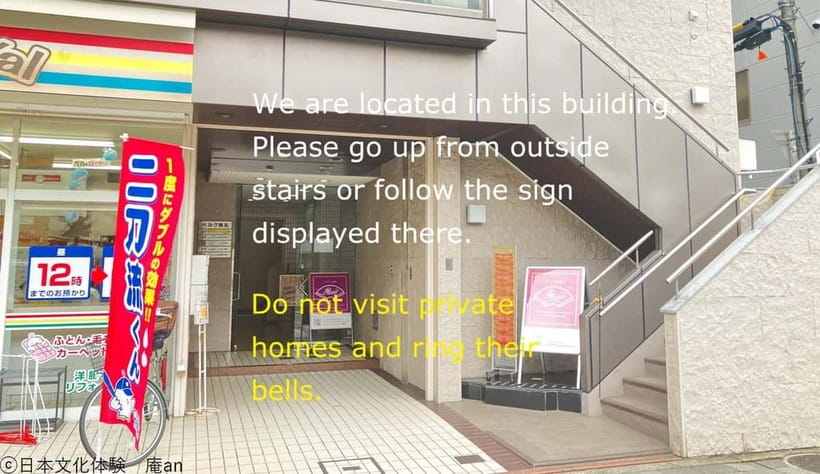
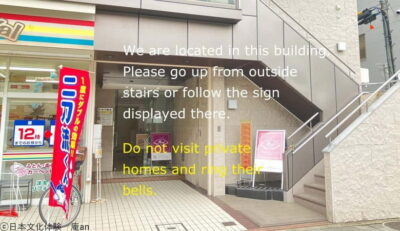
The meeting point is one minute from Exit 1 of Gojo Station on the Karasuma Line. The entrance faces Gojo-dori, the main street, which should make the final approach easier.
That central subway location is practical. You can reach it without setting aside a long transfer or walking across Kyoto. Plan to arrive early, since the activity cannot be held for late arrivals. If you miss the start, the provider says the event will not wait, regardless of the reason.
The operation hours are 10:00 to 17:00. Reservations received after 17:00 are processed the next day, so late-night booking requests may not receive an immediate response.
There is an important access detail. The activity information says the experience is wheelchair accessible, but it also says the building has no elevator and that you need to use stairs to reach each venue. Contact the provider before booking if you use a wheelchair or have difficulty with stairs. Ask which floor the session uses and what assistance is available.
Who will enjoy this most
I would choose this workshop for you if you want a quiet, hands-on activity that does not take over your day. It suits solo visitors, couples, families, and small groups. You do not need prior confectionery experience, and the short format keeps the commitment low.
It is also a good choice for families with older children. The task is concrete, the finished sweets are attractive, and eating your own work gives the session a clear payoff. Younger children may need close adult help, especially with delicate shaping.
This is less ideal if you need detailed English instruction or want a complete recipe. The Japanese-speaking format may leave you with questions about the materials and exact techniques. It also may not suit anyone who expects to take all the sweets home, since eating is part of the normal schedule and the takeout box costs extra.
The relaxed pace is one of its strengths. One participant described it as a pleasant way to spend an hour with a child, while another found the session easy, attractive, and calming. Those qualities make it a useful break after a busy morning at temples or museums.
Booking, cancellations, and small practical details
You can reserve now and pay later, which helps if your Kyoto schedule is still changing. Free cancellation is available up to 24 hours in advance for a full refund. After that point, cancellation fees apply, and changing the date or time may also bring a specified fee.
If you cancel, travel costs to the venue are not covered. Only people taking part in the activity may enter, so a nonparticipating companion should not expect to wait inside.
The provider asks you to contact them if you want to reserve the property, and English translation requests should also be made ahead of time. That contact is especially useful for access questions, language needs, and any concern about bringing a child.
Should you book this nerikiri workshop?
Book it if you want an inexpensive, creative Kyoto activity with real Kyoto bean paste, two seasonal sweets, and a chance to eat what you make. The one-minute walk from Gojo Station and the 65-minute schedule make it easy to fit into a busy itinerary.
Think twice if your priority is fluent English teaching, a full recipe, or a class that prepares sweets from raw ingredients. The Japanese-led instruction and limited translation may require patience, and the stairs deserve attention if mobility is a concern.
For most visitors who want a short cultural activity rather than a serious pastry course, I would book it. The price is modest, the work is approachable, and the result gives you both a small lesson in Japanese confectionery and a tasty souvenir for your memory, even if it does not make it into a takeout box.
FAQ
How long does the nerikiri-making experience last?
The experience lasts 65 minutes, including the introduction, sweet making, picture time, eating, and departure.
How many sweets will I make?
You will make two seasonal nerikiri sweets: one flower-shaped sweet and one kinton nerikiri.
Can I eat the sweets at the venue?
Yes. Eating your handmade sweets on the spot is part of the experience.
Can I take the sweets home?
A takeout box is available for an additional 100 JPY. The standard experience includes eating time at the venue.
Is the activity taught in English?
The instructor speaks Japanese. English translation is provided as much as possible if you request it, but English is not listed as a regular instruction language.
Where is the meeting point?
The venue is a one-minute walk from Exit 1 of Gojo Station on the Karasuma Subway Line. The entrance faces Gojo-dori.
Is the experience suitable for wheelchair users?
The activity information describes it as wheelchair accessible, but the building has no elevator and stairs are required to reach each venue. Contact the provider before booking to confirm the exact access arrangements.
What is included in the price?
The price includes the nerikiri-making experience. A takeout box, completion certificate, and tatedashi matcha cost extra.
Newest Kyoto experiences on the site
- Treasures of Kyoto: Gion & historical Walking Tour★ 5.0 · 6 reviews
- Whisk Your Own Matcha: A Zen Matcha Experience at Temple★ 3.6 · 7 reviews
- Kyoto tea town for matcha lovers★ 5.0 · 16 reviews
- Uji: Private immersion into Kyoto’s tea and reglious culture★ 5.0 · 17 reviews
- Uji and Wazuka Matcha Farm Half Day Private Guided Tour★ 5.0 · 21 reviews
- Kyoto Matcha Green Tea Tour★ 4.5 · 23 reviews
- Utilising upcycled Matcha! Creating matcha incense (Uji, Kyoto)★ 5.0 · 6 reviews
- Sacred Temple Yoga Experience in Japan★ 5.0 · 3 reviews
Kyoto Wagashi Sweets Workshops, compared.
Japanese Traditional Sweets Making and Tea Ceremony
Read our review →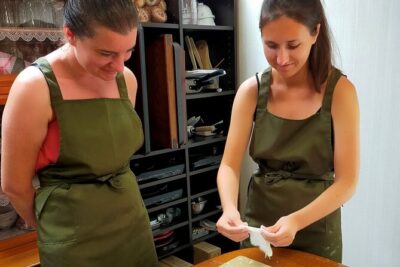
Kyoto Wagashi(Japanese sweets) Cooking Class near Fushimiinari
Read our review →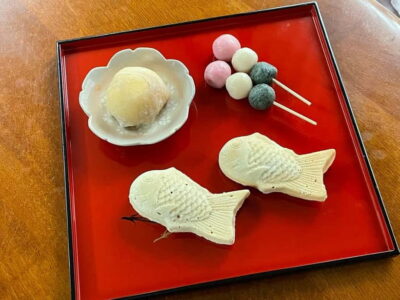
Wagashi (Japanese sweets) Cooking near Fushimiinari
Read our review →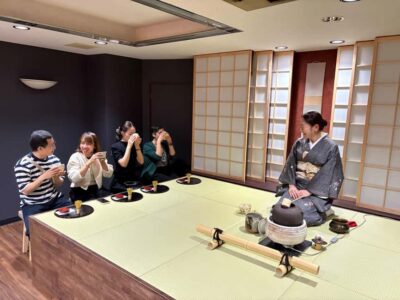
Traditional Tea Ceremony with Matcha & Sweets in Gion
Read our review →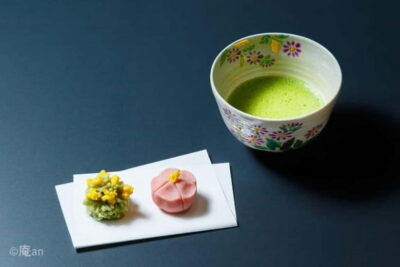
2 Types of Japanese Sweets making and Tea Ceremony
Read our review →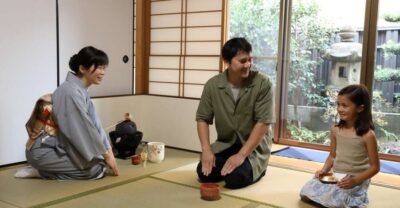
Kyoto Fushimiinari:Wagashi Making & Small Group Tea Ceremony
Read our review →
Kyoto near Fushimiinari Wagashi making&Small Group Tea Ceremony
Read our review →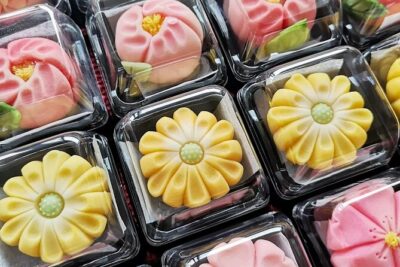
Browse the lists this tour appears in