
Reviewed · FUSHIMI INARI TOURS
Kyoto near Fushimiinari Wagashi making&Small Group Tea Ceremony
Making a Japanese sweet by hand, then eating it during a small-group tea ceremony, gives this Kyoto experience a pleasant sense of purpose. You are not only watching a formal ritual. You are learning enough to repeat part of it at home, with licensed English-speaking guides explaining each step.
I like the intimate setting, a local house near Fushimi Inari, and the friendly teaching style associated with host Miho. I also like the practical balance: you make wagashi, drink two bowls of matcha, and learn how to prepare it yourself. The main consideration is the formal tatami setting, plus the caffeine. Bare feet are not allowed, and the experience may not suit anyone who avoids caffeinated drinks.
Key points to know before booking
- Make your own wagashi: You take part in a hands-on Japanese sweets class instead of simply watching a demonstration.
- Two bowls of matcha are included: One is prepared for you, and you prepare another yourself.
- A real home setting near Fushimi Inari: The tea ceremony takes place in an authentic Japanese-style room, about a 10-minute walk from the famous shrine according to the experience details.
- Small groups keep the lesson personal: The maximum is eight people, with English-speaking instructors who are licensed guide interpreters.
- Tatami etiquette matters: Wear socks and choose shoes that are easy to remove. Chairs can be arranged if sitting on the floor is difficult.
- The $52.26 price covers the full activity: Instruction, taxes, traditional sweets, tea, and the 75-minute session are included, but transportation and gratuity are not.
Why this Kyoto class works so well
Tea ceremony can be intimidating if you picture a silent room, strict rules, and a long list of mistakes to avoid. This experience softens that formality by beginning in the kitchen. You make a traditional sweet with guidance, then carry that food into the tea ceremony and enjoy it at the right point in the ritual.
That order is clever. You have something to do with your hands at the start, so the session feels active rather than stiff. By the time you enter the tea room, you already have a small connection to the food being served.
The class lasts about one hour and 15 minutes, which is long enough to cover the main customs without taking half a day from your Kyoto schedule. The start time is 9:45 a.m. at 38-4 Fukakusa Watamoricho in Fushimi Ward. The activity returns to the same meeting point, making it easy to continue toward Fushimi Inari afterward.
More ways to walk the Fushimi Inari gates:
- Kyoto: Fushimi Inari, Kinkakuji, Bamboo Grove 1 Day Bus Tour
★ 4.8 · 4,316 reviews - Fushimi Inari Hidden Hiking Tour (Private Option Available)
★ 5.0 · 1,750 reviews - Osaka/Kyoto:Kinkakuji,Arashiyama,FushimiInariShrine,NaraPark
★ 4.1 · 1,596 reviews
Starting in the kitchen with wagashi
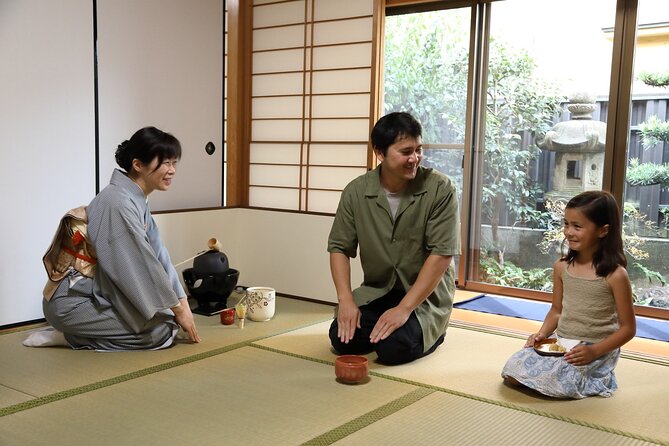
When you arrive at the house, an English-speaking host takes you to the kitchen. Here you learn to make one type of wagashi, a traditional Japanese confectionery. The key point is that this is a hands-on lesson. You are not standing at the back while someone else does all the work.
Wagashi often look precise and delicate, but the process can be pleasantly messy. The provided experience notes that the sweets can get sticky, so do not arrive worried about producing a perfect professional-looking confection. The real value is learning the basic handling and shaping under instruction.
You then eat the wagashi during the tea ceremony. That connection makes the first half more than a separate cooking class. You understand how Japanese sweets are paired with bitter matcha, and you get a souvenir skill rather than a packaged item to carry around.
The class teaches only one kind of wagashi, so do not book it expecting a broad survey of Japanese confectionery. For a short session, however, focusing on one sweet gives the activity a clear pace and leaves room for the tea lesson.
Walking through the garden into the tea room
After the sweets class, the host explains how to attend a tea ceremony. When weather permits, you walk outside through a tiny garden before entering the Japanese-style room. That short transition matters because it separates the everyday kitchen lesson from the more formal tea setting.
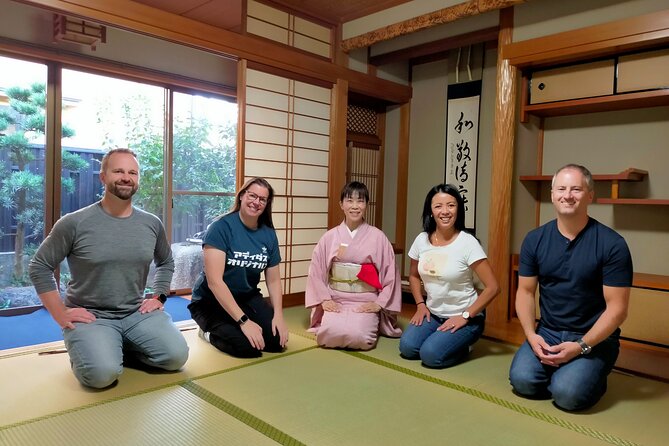
Inside, you sit on tatami flooring. The instructor explains the background of tea ceremony and discusses the hanging scroll on the wall. These details help you understand that the room is arranged with meaning. The scroll is not just decoration, and the garden is not simply a pretty route between two rooms.
The atmosphere is formal, but the setting is also a local home. That combination is one of the most appealing parts of the experience. You receive an introduction to Japanese customs without being placed in a large performance space designed only for sightseeing.
Sitting on tatami is part of the traditional format, but it is not comfortable for everyone. You can request chairs when making your reservation, and you should state how many you need. This is a practical option for anyone with knee, hip, or mobility concerns.
Learning how to drink and prepare matcha
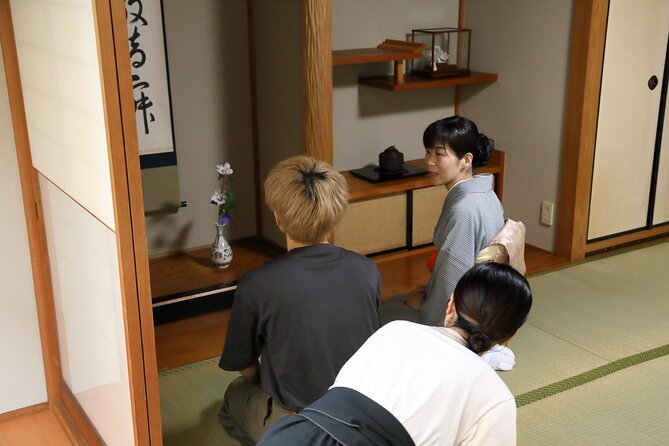
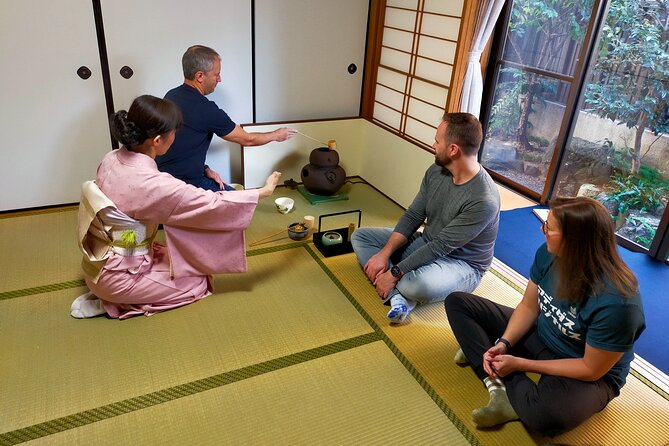
The instructor first demonstrates how to drink a bowl of matcha. You then eat the wagashi you made earlier while watching the preparation. The sweet helps balance matcha’s strong, slightly bitter flavor, and the order of the steps gives the ritual a clear rhythm.
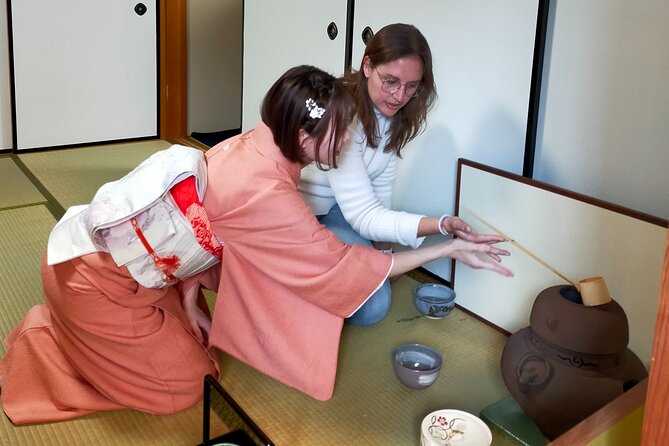
Next, the host demonstrates the ceremonial preparation of matcha. You receive a bowl to drink, and then you get the chance to prepare matcha yourself. Two bowls are included in the experience, making the session more participatory than a simple tasting.
This is where the class earns much of its value. You learn how to serve matcha to friends at home, not just how to hold a bowl correctly for a few minutes. You will not become a tea master in 75 minutes, but you will leave with a basic process you can remember and repeat.
The instruction is given in English, and the instructors are licensed guide interpreters. That is useful because tea ceremony has small gestures and customs that can be easy to miss. Clear explanations also help you understand the meaning behind the movements instead of treating them as unexplained rules.
More tea ceremonies in Kyoto:
- Kyoto: Tea Ceremony in a Traditional Tea House in Kiyomizu
★ 4.9 · 3,519 reviews - Kyoto: Tea Ceremony Ju-An at Jotokuji Temple
★ 4.9 · 3,207 reviews - Kyoto: 45-Minute Tea Ceremony Lesson Experience
★ 4.3 · 2,378 reviews - Kyoto: Table-Style Tea Ceremony at a Kyo-Machiya
★ 4.9 · 1,211 reviews
A calm setting near Fushimi Inari
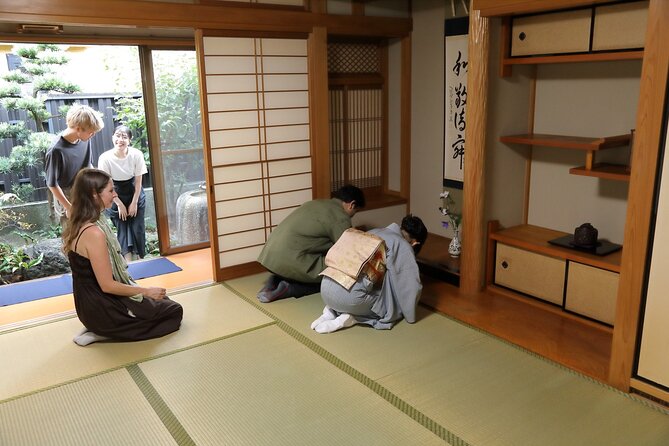
The location is especially useful if Fushimi Inari is already on your Kyoto plan. The house is described as being about a 10-minute walk from Fushimi Inari Taisha, the shrine known for its long rows of orange torii gates. You can pair the morning class with a visit to the shrine, though the activity itself ends back at the meeting point.
The house is in a less commercial area than the main shrine approach. That gives the experience a quieter feel, while still keeping it close to one of Kyoto’s best-known sights. You should allow enough time to find the address and arrive for the 9:45 a.m. start, since hotel pickup is not provided.
The meeting point is near public transportation. The activity does not include rides to or from your hotel, so you are responsible for getting to Fukakusa Watamoricho. A mobile ticket is provided, which is convenient, but you still need to check the meeting address and plan your route in advance.
How the small group changes the experience
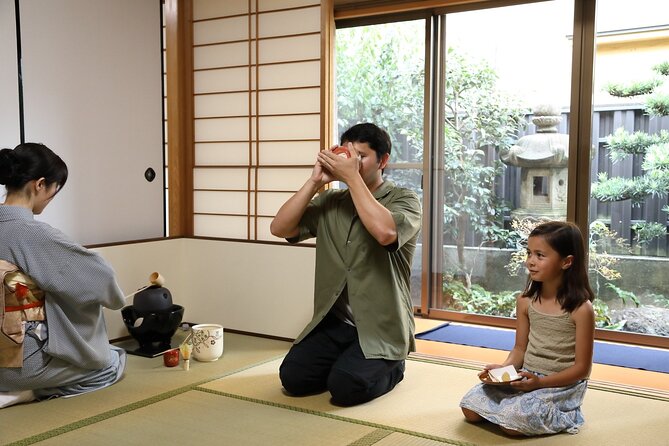
The maximum group size is eight people. That is small enough for the instructor to watch as you shape the wagashi, correct your technique, and answer questions during the matcha preparation.
A larger group would make the tea ceremony feel more like a stage show. Here, the limited size supports the friendly, personal tone that the activity aims for. It also gives you a better chance to take part rather than waiting while each person completes the same step.
The reservation normally requires at least two people. If you are traveling alone, you can contact the provider to see if an arrangement is possible. Do this before booking rather than assuming a solo reservation will be accepted.
Children aged 8 to 12 must attend with at least one adult. Children aged 7 or younger cannot participate. The group limit and age rules make this better suited to adults, older children, couples, families with school-age children, and small groups of friends.
What the $52.26 price really covers
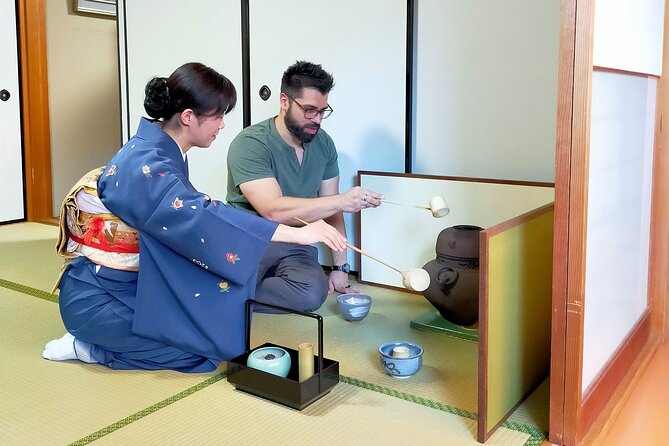
At $52.26 per person, this is not the cheapest way to spend an hour in Kyoto. You are paying for instruction, access to a local home, the wagashi lesson, the tea ceremony, two bowls of matcha, traditional confectionery, and all taxes and fees.
The value is strongest if you want cultural context and active participation. If you only want to taste matcha or take photos in a tea room, you can likely find simpler options. If you want to understand the sequence, make a sweet, prepare tea, and learn how the room is used, the price is more reasonable.
The short duration also helps with scheduling. You are not committing to a long cooking course or a full-day cultural program. For a morning in Kyoto, the class can fit neatly before sightseeing at Fushimi Inari or another nearby stop.
Gratuity is not included, and neither is hotel transportation. Keep those costs and arrangements in mind when comparing the total price with other activities.
Clothing, tatami, and caffeine tips
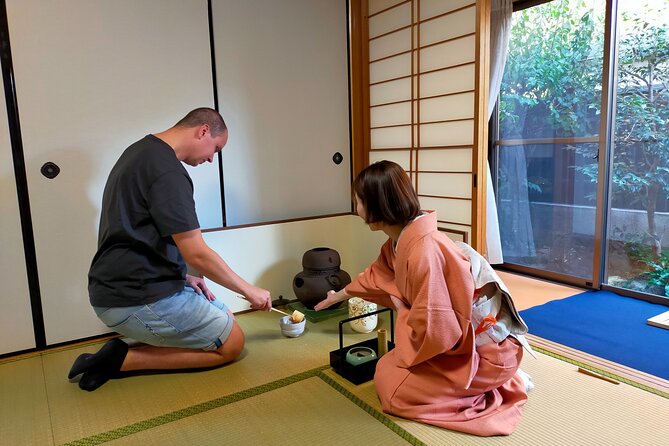
Wear or bring socks. Bare feet are not allowed in the tea room, and this rule is easy to overlook in warm weather when you are wearing sandals. Choose shoes that slip on and off easily because you will need to remove them.
Tatami sitting is part of the traditional experience, but you can ask for chairs when reserving. If you need more than one chair, tell the provider the number in advance. The chair option makes the session more approachable, but you should still expect a formal room and traditional customs.
Matcha contains caffeine. The experience is not recommended if you do not take caffeine, and the included serving is two bowls. You can ask questions about the activity before booking, but the supplied information does not promise a caffeine-free substitute.
Weather can also affect the route. When it is not raining, you walk through the small garden before entering the tea room. If poor weather causes cancellation, you are offered another date or a full refund.
The strongest reasons to choose it
I love that this is not only a demonstration. You make wagashi yourself, eat it in the proper setting, and then prepare matcha for yourself. That gives you a practical souvenir that costs nothing to pack.
I also like the balance between structure and warmth. Tea ceremony remains formal enough to teach genuine etiquette, yet the local-home setting and friendly English instruction keep it from feeling remote. The experience has been especially praised for its peaceful mood, clear instruction, and the chance to experience Japanese culture away from the busiest tourist areas.
Miho, the hostess specifically associated with the experience, speaks English very well and is described as friendly and welcoming. The wider instructor team also consists of licensed guide interpreters, so you should be able to follow the explanations and ask questions without relying on guesswork.
The main drawback is that the session is short. You receive an introduction rather than a full study of tea ceremony, and you make only one kind of wagashi. The formal floor seating, caffeine, and morning start may also rule it out for some people.
Should you book this Fushimi Inari tea experience?
Book it if you want a hands-on cultural activity near Fushimi Inari, especially if you prefer a small group and clear English instruction. It suits you well if you enjoy learning by doing, want to understand the meaning behind tea ceremony customs, and like the idea of making a Japanese sweet you can recreate at home.
Think twice if you dislike caffeine, cannot manage floor seating without a chair, or want a longer and more advanced cooking course. Also remember that the reservation is generally for two or more people, so solo visitors should contact the provider first.
For most visitors who have about 75 minutes to spare near Fushimi Inari, the combination of wagashi, matcha, a garden, and a local tea room offers a useful introduction to Kyoto culture without requiring a full day.
FAQ
Where does the tea ceremony take place?
It takes place at a local house at 38-4 Fukakusa Watamoricho, Fushimi Ward, Kyoto, 612-0022, Japan.
How long does the experience last?
The activity lasts approximately one hour and 15 minutes.
What time does it start?
The scheduled start time is 9:45 a.m.
Is the experience near Fushimi Inari Shrine?
Yes. The house is near public transportation and is described as about a 10-minute walk from Fushimi Inari Taisha Shrine.
What food and drink are included?
The experience includes Japanese traditional confectioneries and two bowls of matcha.
Do I make the Japanese sweets myself?
Yes. You learn to make one type of wagashi in a hands-on class before joining the tea ceremony.
Is the instruction in English?
Yes. English-speaking instructors lead the activity, and the instructors are licensed guide interpreters.
Can I sit on a chair instead of the tatami floor?
Yes. You can request chairs when making your reservation and should state how many chairs you need.
Do I need to wear socks?
Yes. Bare feet are not allowed in the tea room. Easy-to-remove shoes are recommended.
Can children participate?
Children aged 8 to 12 must attend with at least one adult. Children aged 7 or younger cannot participate.
Is hotel pickup included?
No. Hotel pickup and drop-off are not included, so you must make your own way to the meeting point.
Can I cancel for a full refund?
Yes. You can cancel at least 24 hours before the start time for a full refund. Changes or cancellations made less than 24 hours before the start are not accepted for a refund.
More Wagashi Workshops in Kyoto
- Kyoto: Japanese Traditional Sweets Making and Tea Ceremony
★ 4.4 · 314 reviews - Kyoto Wagashi(Japanese sweets) Cooking Class near Fushimiinari
★ 5.0 · 60 reviews - Kyoto: Wagashi (Japanese sweets) Cooking near Fushimiinari
★ 5.0 · 40 reviews - Kyoto: Traditional Tea Ceremony with Matcha & Sweets in Gion
★ 4.9 · 27 reviews
Newest Kyoto experiences on the site
- Treasures of Kyoto: Gion & historical Walking Tour★ 5.0 · 6 reviews
- Whisk Your Own Matcha: A Zen Matcha Experience at Temple★ 3.6 · 7 reviews
- Kyoto tea town for matcha lovers★ 5.0 · 16 reviews
- Uji: Private immersion into Kyoto’s tea and reglious culture★ 5.0 · 17 reviews
- Kyoto Matcha Green Tea Tour★ 4.5 · 23 reviews
- Uji and Wazuka Matcha Farm Half Day Private Guided Tour★ 5.0 · 21 reviews
- Utilising upcycled Matcha! Creating matcha incense (Uji, Kyoto)★ 5.0 · 6 reviews
- Sacred Temple Yoga Experience in Japan★ 5.0 · 3 reviews
Fushimi Inari Tours, compared.
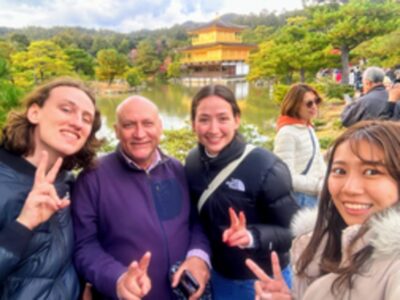
Fushimi Inari, Kinkakuji, Bamboo Grove 1 Day Bus Tour
Read our review →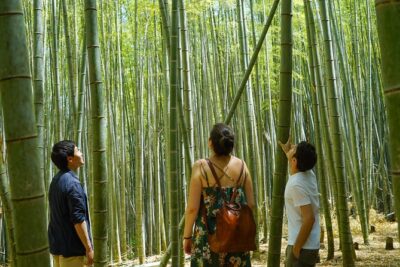
Fushimi Inari Hidden Hiking Tour (Private Option Available)
Read our review →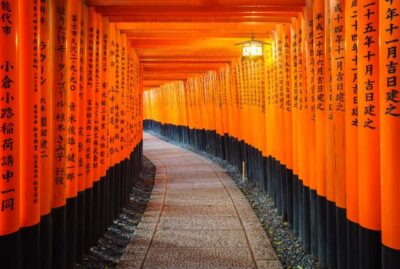
Kinkakuji,Arashiyama,FushimiInariShrine,NaraPark
Read our review →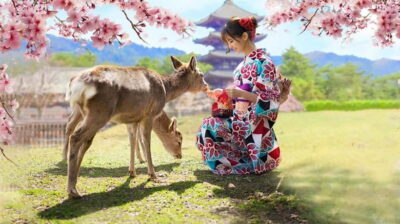
Nara, Fushimi Inari Taisha, Arashiyama Bus Tour
Read our review →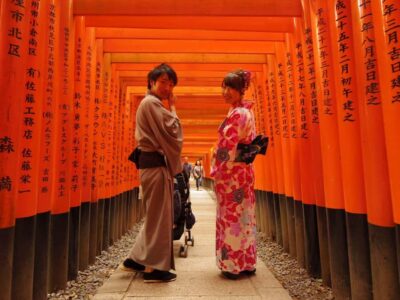
Arashiyama, Nara & Fushimi Inari Shrine w/Lunch
Read our review →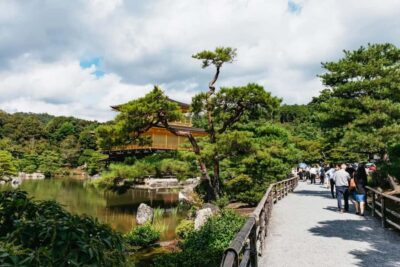
Nijo Castle, Kiyomizu & Fushimi Inari Guided Tour
Read our review →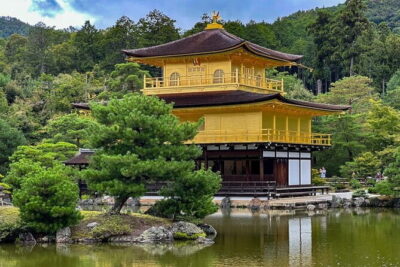
Nijo, Kinkaku-ji, Arashiyama, Kiyomizu & Fushimi Inari
Read our review →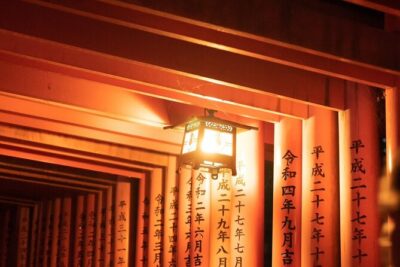
Browse the lists this tour appears in