
Reviewed · KYOTO MATCHA EXPERIENCES
Nerikiri and Matcha Making Class in Kyoto
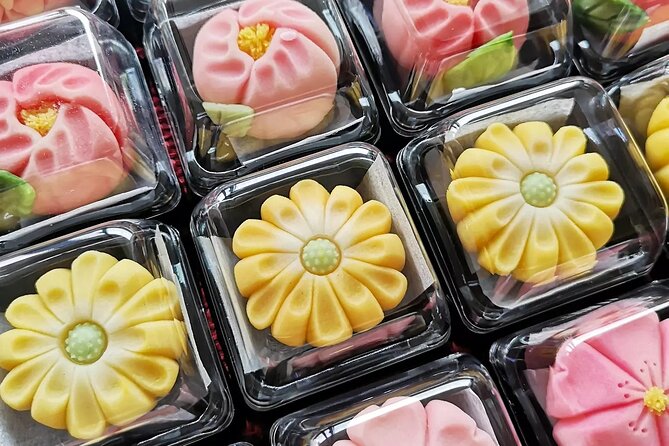
The most unusual part of this Kyoto class is that you do not just eat a Japanese sweet, you shape five different nerikiri designs yourself. These elegant confections, made mainly from sweet white beans, are served with tea and look almost too pretty to touch. The class takes place in the instructor’s home, which gives the two-and-a-half-hour session a quiet, personal feel.
I like the careful, step-by-step teaching and the chance to practice several shaping methods with different nerikiri tools. I also like that the class includes table-style matcha, tasting, a take-home container, and two dough recipes sent by email after class. The main consideration is that the dough is prepared before you arrive, so you learn the dough method but do not make the base mixture from scratch during the session.
Key points to know before booking
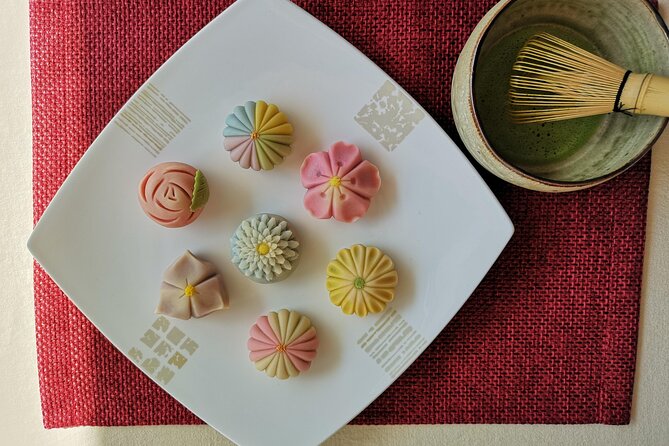
- Five designs in one class: You practice different nerikiri shapes and techniques rather than making one sweet repeatedly.
- A calm home setting: The class is held in the instructor’s home, with a maximum of eight participants and no spectators.
- Matcha is part of the lesson: You prepare table-style matcha and enjoy it with the sweets you have made.
- Useful take-home extras: You receive a container for the remaining nerikiri, plus two dough recipes by email if you provide your address.
- Good for older children and adults: Participants must be over age 10, making this suitable for families with older children, couples, and solo visitors.
- Easy station access: The meeting point is Matsugasaki Station in northern Kyoto, with the class beginning at 10:00 a.m.
Making Kyoto sweets by hand at Matsugasaki
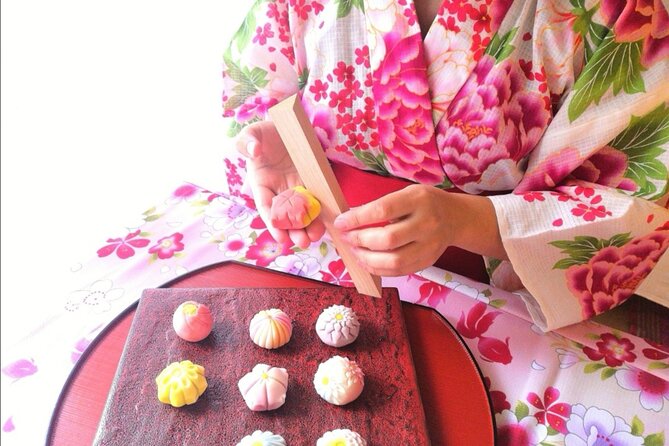
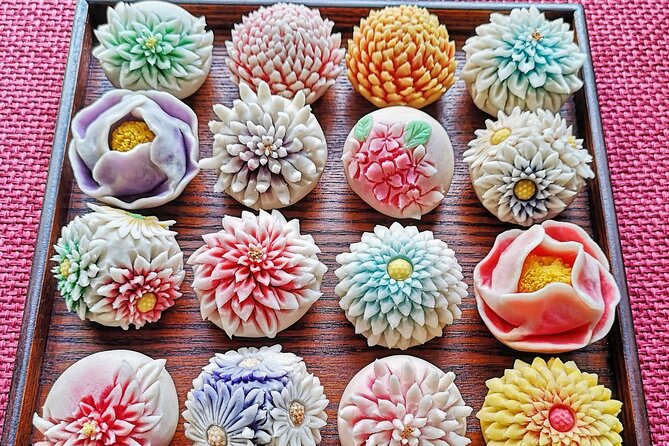
Nerikiri is a Japanese confection commonly served during a tea ceremony. Its soft dough is made mainly from sweet white beans and is shaped into seasonal or decorative forms. The beauty is in the small details: a smooth surface, a neat fold, a petal-like edge, or a carefully placed color.
This class gives you a hands-on way to understand why these sweets require patience. You are not simply watching a demonstration and receiving a finished snack. You handle the dough, use the tools, and make five designs with guidance at each stage.
The setting near Matsugasaki Station adds to the appeal. You meet at Matsugasaki Rokunotsubocho in Sakyo Ward and return to the same meeting point when the class ends. Because transportation is not included, you will need to arrange your own way there, but the location is near public transportation.
The class is limited to eight participants. That is a useful size for this type of lesson. Nerikiri shaping involves small motions, and you may need to watch closely or ask for help. A group of eight still gives the class a social feel without turning the instruction into a large demonstration at the front of a room.
More matcha experiences in Kyoto:
- Kyoto: Arashiyama Bamboo Forest, Monkeys, Matcha & Temple Tour
★ 5.0 · 759 reviews - Kyoto: Tea Museum Tickets and Matcha Grinding Experience
★ 4.9 · 739 reviews - Kyoto: Tea Ceremony Meditation – Make Matcha with Tea Master
★ 4.8 · 406 reviews
The first lesson: how nerikiri dough works
The instructor begins by explaining how to make nerikiri dough. The dough itself is prepared before the class, so you will not spend part of the two-and-a-half-hour session cooking or mixing the base. This keeps the focus on the part most people are eager to try, shaping the sweets.
That arrangement has both a benefit and a limit. You can move quickly into the creative work and finish five designs in one morning. At the same time, anyone hoping to learn every stage from beans to finished dough should know that the cooking and preparation happen ahead of time.
You still receive an explanation of the dough process, and two versions of the nerikiri dough recipes are sent by email after the class if you provide your email address. That makes the class more useful after your Kyoto visit. You can try to repeat the work at home, though the recipes alone will not replace the instructor’s close guidance with texture and shaping.
Pay attention during this opening explanation. The right texture matters. Dough that is too soft or too firm will affect the finish of the sweet, and the instructor’s demonstration gives you a better sense of what to look for than a written recipe can do on its own.
Five designs, five chances to practice
The main part of the lesson is making five nerikiri designs. Each one uses different shaping methods and various nerikiri tools. You will work through the designs step by step rather than being expected to know the techniques already.
This is where the class earns its value for anyone who wants more than a quick cultural activity. Five designs give you repeated practice, but not repetitive practice. You can see how small changes in pressure, hand position, and tool use create a different finished form.
The work is delicate, but it is not presented as something only an expert can do. The instructor is described as precise and well organized, and the teaching is designed to help beginners manage the details. You should still expect to work slowly. Nerikiri is not a rushed, slap-together snack.
The sweets are also a pleasant record of your progress. Your first design may feel cautious, while later ones can benefit from the techniques you have just learned. Since you make five pieces, you have room to improve as the class goes on.
I would book this for someone who enjoys craft workshops, food traditions, or quiet activities that reward concentration. It is also a good choice if you want a break from Kyoto’s temples and busy sightseeing routes. The session is peaceful and therapeutic without pretending to be a formal tea ceremony.
Matcha at the table, not just a photo opportunity
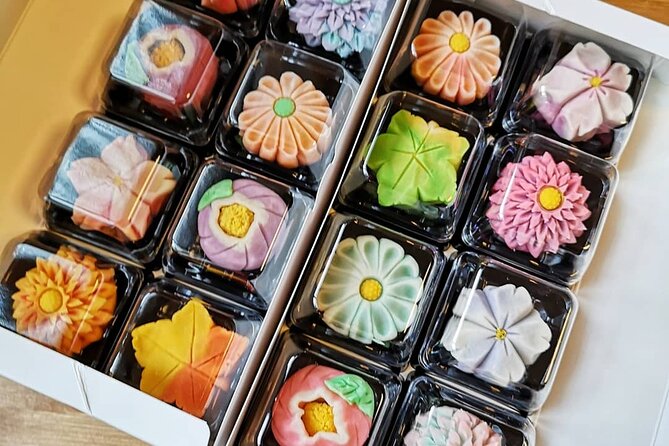
After shaping the sweets, you make matcha tea in a table-style setting. This gives the class a clear finish: you have created the confections, prepared the tea, and then sit down to taste them together.
The matcha portion is not a separate sightseeing stop or a formal ceremony performance. It is a practical introduction to preparing and enjoying matcha at the table. That makes it approachable for first-time visitors who may feel unsure about traditional tea customs.
The pairing is important. Nerikiri is made to be enjoyed with tea, and tasting your own sweets with matcha helps connect the craft to its original setting. You get to see the finished food, taste the texture, and understand why the sweets are made in such careful shapes.
Do not expect a full meal. The included food is five nerikiri, along with matcha. If you need a substantial lunch afterward, plan for another meal in Kyoto.
More wagashi and sweets workshops in Kyoto:
- Kyoto: Japanese Traditional Sweets Making and Tea Ceremony
★ 4.4 · 314 reviews - Kyoto Wagashi(Japanese sweets) Cooking Class near Fushimiinari
★ 5.0 · 60 reviews - Kyoto: Wagashi (Japanese sweets) Cooking near Fushimiinari
★ 5.0 · 40 reviews - Kyoto: Traditional Tea Ceremony with Matcha & Sweets in Gion
★ 4.9 · 27 reviews
What happens to the sweets afterward
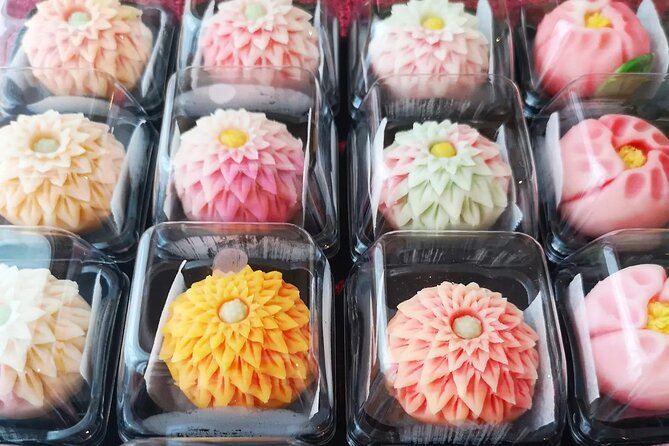
You can eat the nerikiri during the class and take the rest home in a provided container. This is a small but useful detail. The sweets are part of your work, so being able to carry some away gives you a souvenir that is personal rather than mass-produced.
Handle the container carefully after class. Nerikiri is delicate by nature, and the designs are made to look refined. The provided container solves the practical problem of carrying the sweets, but it does not turn them into a durable snack for a long day of sightseeing.
The recipes add another layer of value. If you provide an email address, the instructor sends two versions of the nerikiri dough recipe after the session. I like this because it gives the class a life beyond the morning in Kyoto. You can use the recipe as a starting point for more practice, especially if the shaping work has sparked an interest in Japanese confectionery.
How the two-and-a-half-hour schedule feels
The class begins at 10:00 a.m. and lasts about two hours and 30 minutes. That is long enough for five designs, matcha preparation, and tasting without making the activity an all-day commitment.
A morning start also leaves the rest of your day open. You can continue sightseeing after the class, though you should allow time to travel from the meeting point and make your own onward plans. The activity ends back at Matsugasaki Station, so the start and finish are easy to understand.
The pace should feel focused rather than hurried. You have several designs to complete, and each one involves instruction and practice. If you are the type of person who prefers a quick demonstration followed by free time, this may feel detailed. If you appreciate correction and close teaching, the structure should suit you.
The small group helps here. With no more than eight participants, the instructor can keep the class organized while leaving room for questions. Only paying participants may attend because space is limited, so companions cannot sit in as spectators.
The price and what you receive for $84.92
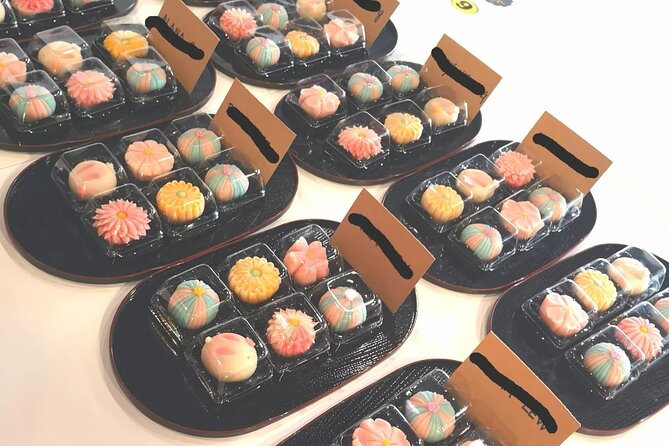
At $84.92 per person, this is not a cheap snack stop. You are paying for a guided craft lesson, not simply for five sweets and a cup of tea. The price includes the instruction, five nerikiri, matcha, and a container for taking the remaining sweets home.
The value depends on what you want from Kyoto. If you only want to taste nerikiri, you can find simpler and less expensive ways to do that. If you want to learn how the sweets are shaped, practice five designs, use the tools, prepare matcha, and receive recipes for future attempts, the price is easier to justify.
I also see value in the setting and group size. A maximum of eight people allows for a more personal lesson than a large commercial workshop. The instructor invites you into her home, and the warm, comfortable atmosphere is a major part of the experience.
The class has a 5.0 rating from 13 reviews and a 100 percent recommendation rate. That is a small sample, but it matches the experience’s strongest qualities: clear instruction, a relaxed mood, and the satisfaction of leaving with five handmade sweets.
Who will enjoy this Kyoto class most
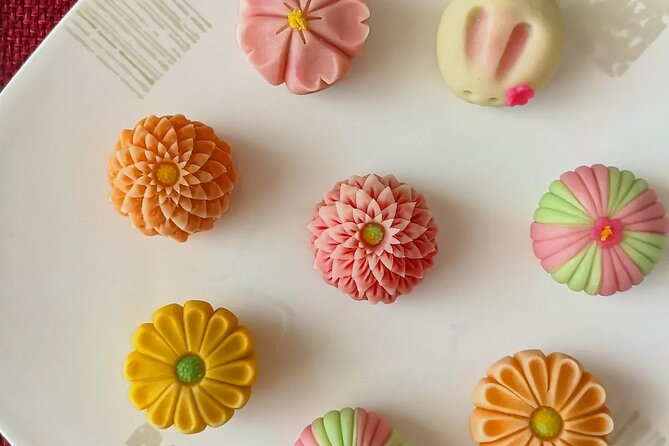
This activity is a strong match for people who enjoy making things with their hands. You do not need to be an experienced cook or artist. The instruction is step by step, and the shaping is described as delicate but manageable with guidance.
It also suits anyone seeking a quieter Kyoto activity. The class is peaceful and focused, with none of the noise or walking that comes with many city tours. You spend the morning concentrating on color, shape, and texture.
Families should note the age rule. Participants must be older than 10, so this is not designed for young children. Older children and teenagers who enjoy cooking or crafts may find the five-design format especially rewarding.
Couples and solo visitors can both fit comfortably into the group. The small class size gives you a chance to work independently while still sharing a table-based activity with other people.
I would be more cautious about booking if you want a formal tea ceremony, a full cooking lesson from raw ingredients, or a large cultural tour with several Kyoto sights. This is a focused confectionery workshop. Its strength is also its narrow purpose.
Practical details before you reserve
The meeting point is Matsugasaki Station, Matsugasaki Rokunotsubocho, Sakyo Ward, Kyoto, 606-0915. The activity begins at 10:00 a.m. and ends at the same meeting point. Private transportation is not included, so you are responsible for getting there.
Confirmation is sent within 48 hours of booking, subject to availability. Since the class is limited to eight people and is booked an average of 29 days in advance, I would not leave it until the last morning of your Kyoto stay.
The ticket is mobile, which makes arrival simple. Have the ticket ready on your phone and arrive with enough time to find the meeting point. Since the class takes place in a home and space is limited, spectators are not allowed. Everyone who attends must be a participant.
The cancellation policy is strict. The experience is non-refundable and cannot be changed for any reason, so check your schedule carefully before paying.
Should you book Nariko’s Kitchen?
Book this class if you want a small, hands-on Kyoto experience with a calm pace and a clear result. You will learn five nerikiri designs, prepare matcha, taste the sweets, take some home, and receive recipes for later practice. The careful instruction and home setting are the main reasons to choose it.
Skip it if you only want a tasting, need a flexible booking, or expect to make the dough entirely from scratch during class. For everyone else, the combination of craft, tea, and personal instruction makes this a thoughtful way to spend a Kyoto morning, especially for visitors who want to bring home a skill as well as a souvenir.
FAQ
Where does the nerikiri and matcha class take place?
The class meets at Matsugasaki Station, Matsugasaki Rokunotsubocho, Sakyo Ward, Kyoto, 606-0915, Japan. It ends back at the meeting point.
What time does the class begin?
The class starts at 10:00 a.m.
How long does the experience last?
The class lasts approximately two hours and 30 minutes.
How many nerikiri designs will I make?
You will learn and make five different nerikiri designs using different shaping techniques and various nerikiri tools.
Is matcha included?
Yes. You will make table-style matcha and enjoy it with the nerikiri you prepare.
Can I take the nerikiri home?
Yes. The remaining nerikiri can be taken home, and a container is provided.
Are there age or attendance restrictions?
Participants must be older than 10. Only people taking the class may attend because space is limited, and spectators are not permitted.
Newest Kyoto experiences on the site
- Treasures of Kyoto: Gion & historical Walking Tour★ 5.0 · 6 reviews
- Whisk Your Own Matcha: A Zen Matcha Experience at Temple★ 3.6 · 7 reviews
- Kyoto tea town for matcha lovers★ 5.0 · 16 reviews
- Uji: Private immersion into Kyoto’s tea and reglious culture★ 5.0 · 17 reviews
- Uji and Wazuka Matcha Farm Half Day Private Guided Tour★ 5.0 · 21 reviews
- Kyoto Matcha Green Tea Tour★ 4.5 · 23 reviews
- Utilising upcycled Matcha! Creating matcha incense (Uji, Kyoto)★ 5.0 · 6 reviews
- Sacred Temple Yoga Experience in Japan★ 5.0 · 3 reviews
Kyoto Matcha Experiences, compared.
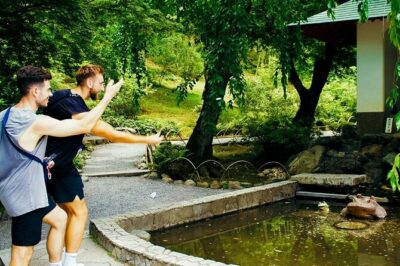
Arashiyama Bamboo Forest, Monkeys, Matcha & Temple Tour
Read our review →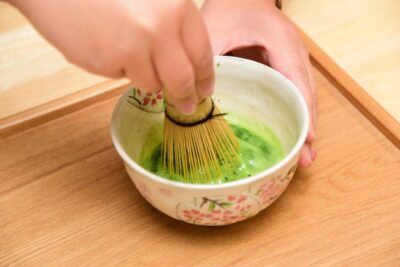
Tea Museum Tickets and Matcha Grinding Experience
Read our review →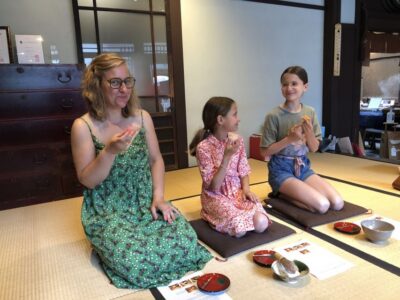
Tea Ceremony Meditation – Make Matcha with Tea Master
Read our review →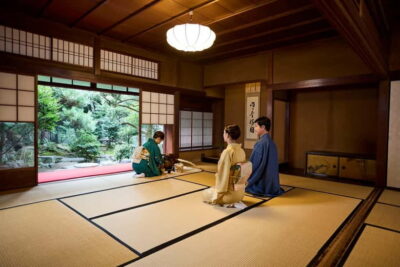

Arashiyama Bamboo, Temple, Matcha, Monkeys & secret spots
Read our review →
Traditional Tea Ceremony with Matcha & Sweets in Gion
Read our review →Browse the lists this tour appears in