
Reviewed · FUSHIMI INARI TOURS
Kyoto Magic Night Walk: Gion & Fushimi Inari(Private Option)
Kyoto feels different after dark, and this tour puts you in two of its most atmospheric districts when the daytime crowds have thinned. You’ll walk beneath the glowing torii gates of Fushimi Inari and through old Gion streets with an English-speaking local guide.
I like the peaceful timing and the practical help. A guide such as Ikke, also written Ikki in one account, can explain customs, answer questions about Japan today, and take professional photos along the way. The main catch is that this is a walking tour using public transport, not a bus ride, so comfortable shoes and punctuality matter.
Key points at a glance
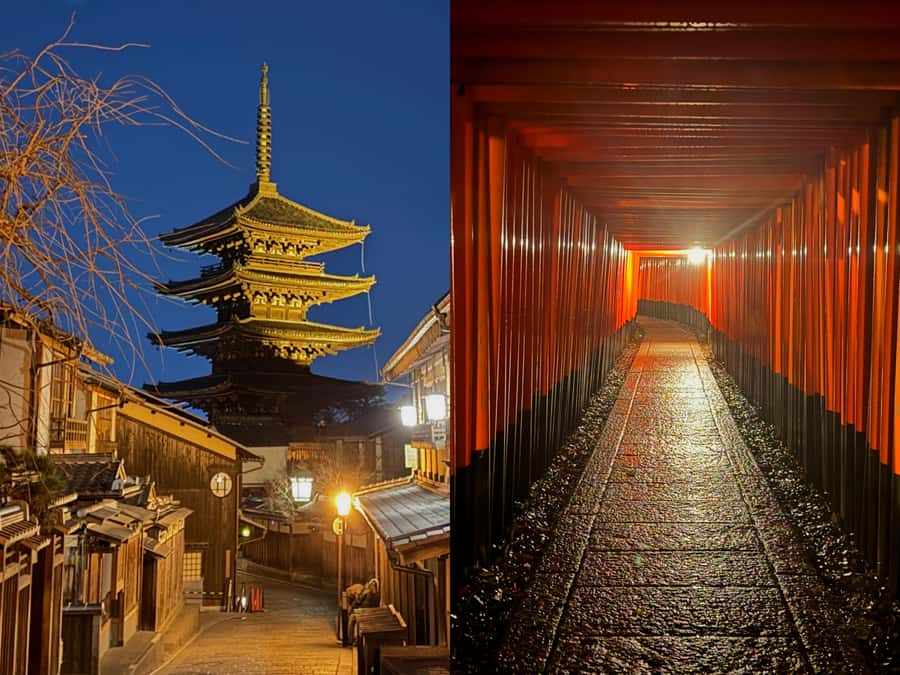
- Fushimi Inari after dark: See the famous orange torii gates with fewer people around.
- Gion and Higashiyama on foot: Explore Kyoto’s old streets and evening atmosphere at a slower pace.
- Local English-speaking guidance: Guides such as Ikke or Ikki explain history, culture, and everyday Kyoto.
- Photos included: Your guide takes professional photos during the walk and sends them afterward.
- About $43 plus transport: Public transportation costs about 400 yen extra, with food and drinks also separate.
- Strict meeting policy: Arrive on time at the Statue of Izumo-no-Okuni, since late arrival means no tour or refund.
Why Kyoto at night changes the experience
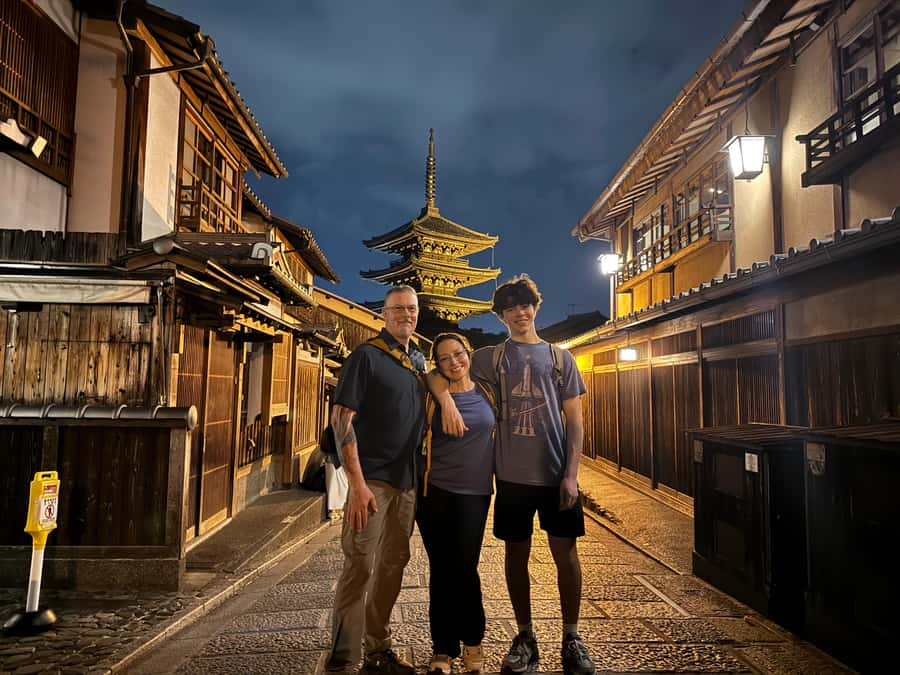
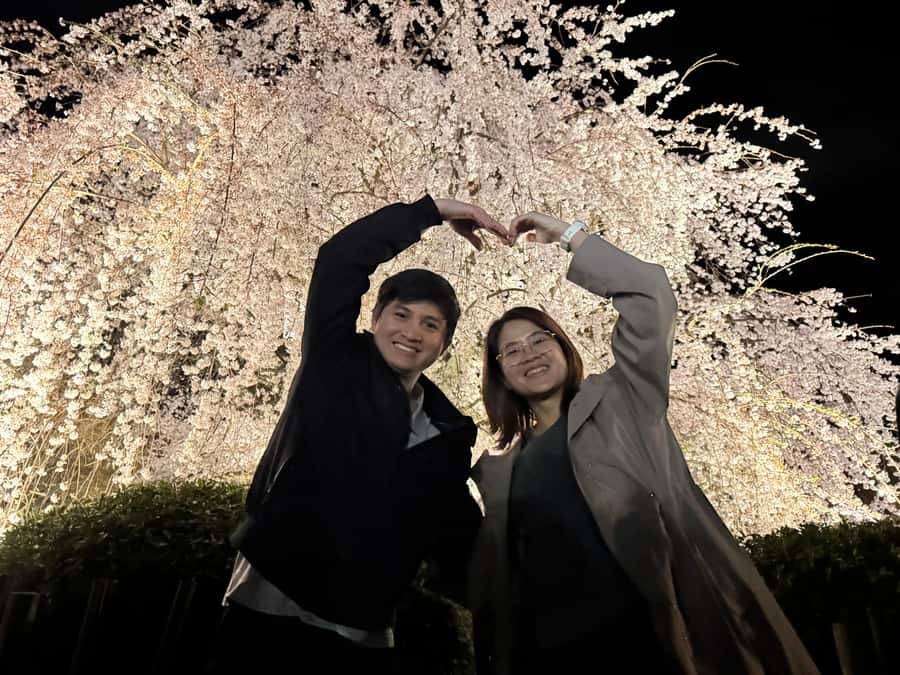
Kyoto’s most famous sights can feel crowded during the day. At night, the mood becomes quieter and more measured. Lanterns, shrine lights, and narrow lanes do more of the work, while a local guide helps you notice details that are easy to miss on your own.
This experience links Fushimi Inari, Gion, and Higashiyama, three areas that show different sides of Kyoto. Fushimi Inari is a major Shinto shrine known for its long rows of orange torii gates. Gion and Higashiyama offer old streets, traditional buildings, and strong connections to Kyoto’s geisha culture.
You should think of this as an evening walk with sightseeing stops, not a formal performance or a luxury car tour. The pace depends on walking and public transportation. That makes it a good choice if you want to feel the city under your own feet, but less suitable if you prefer to sit back and watch from a vehicle.
More ways to walk Gion:
- Kyoto Geisha Walking Tour: Gion District & Hidden Gems
★ 4.7 · 3,273 reviews - Kyoto: Gion Magical Night Walking Tour with Geisha Trivia
★ 4.9 · 2,393 reviews - Kyoto: Gion Geisha District Walking Tour – Stories of Geisha
★ 4.7 · 2,187 reviews
Meeting your guide in central Kyoto
The tour begins at the Statue of Izumo-no-Okuni, a well-known meeting place in Kyoto. Your guide waits in front of the statue with a board showing the OTAKU hopper logo. After booking, detailed meeting information with images is provided.
This is one place where you should be exact. Kyoto’s central streets can be busy and confusing, especially after sunset, so check the meeting instructions before leaving your hotel. If you do not choose a meeting point during booking, the Statue of Izumo-no-Okuni becomes the default.
The late-arrival rule is strict. If you miss the meeting time, you cannot join later and you will not receive a refund. I would arrive early enough to locate the statue, identify the guide, and allow for a few minutes of transport or street confusion.
Walking through Gion and Higashiyama
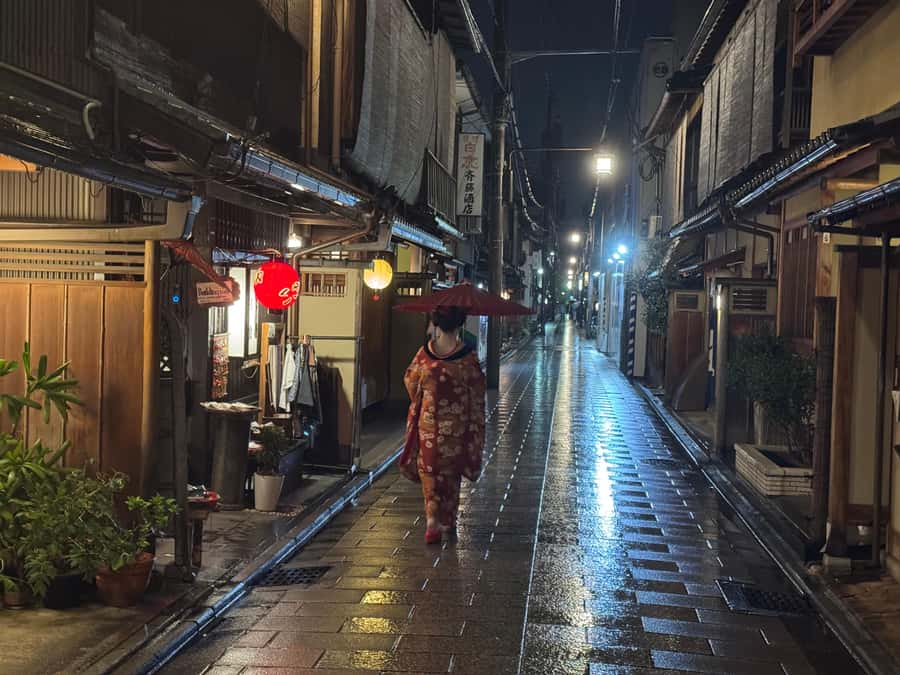
Gion is Kyoto’s best-known traditional entertainment district, and the evening is a sensible time to see it. The streets are associated with tea houses, old wooden buildings, and geisha culture. You may even have a chance to see a Maiko or Geisha, though this is clearly a possibility rather than a promise.
Your guide adds value here because the district can be easy to admire without understanding. A local guide can explain the stories behind the streets, the difference between a Maiko and a Geisha, and the customs that shape this part of Kyoto.
Higashiyama, one of Kyoto’s oldest neighborhoods, adds another layer. The area is known for traditional streets and temples, and after dark the setting can feel calm and atmospheric. Lighting changes the way you see the buildings, but it also means some details are less visible than during the day.
That tradeoff matters. If your main aim is detailed architectural photography, a daylight visit may serve you better. If you want mood, quiet streets, and a guide’s explanation of what you are seeing, the night setting makes good sense.
Seeing Fushimi Inari beneath the torii gates
Fushimi Inari is the tour’s most distinctive stop. Its rows of orange torii gates create a memorable corridor up the wooded shrine grounds. Seeing them after dark offers a much quieter experience than the usual daytime visit.
The lighting gives the shrine a different character. You may notice the repeated gates, stone features, and shadows more than you would in bright daylight. The peaceful setting is one of the strongest reasons to choose this tour.
Keep your expectations sensible. The information provided does not promise a full hike to the highest point of the shrine, a particular route, or a set time at each location. You should expect walking through the shrine area rather than a detailed mountain trek.
The path can still require effort. The tour includes a moderate amount of walking, and the combined route through Gion, Higashiyama, and Fushimi Inari is not designed for someone who needs minimal time on their feet. Wear shoes you can comfortably use for an evening of walking.
More ways to walk the Fushimi Inari gates:
- Kyoto: Fushimi Inari, Kinkakuji, Bamboo Grove 1 Day Bus Tour
★ 4.8 · 4,316 reviews - Fushimi Inari Hidden Hiking Tour (Private Option Available)
★ 5.0 · 1,750 reviews - Osaka/Kyoto:Kinkakuji,Arashiyama,FushimiInariShrine,NaraPark
★ 4.1 · 1,596 reviews - Kyoto/Osaka: Nara, Fushimi Inari Taisha, Arashiyama Bus Tour
★ 4.7 · 1,275 reviews
What the guide adds to the evening
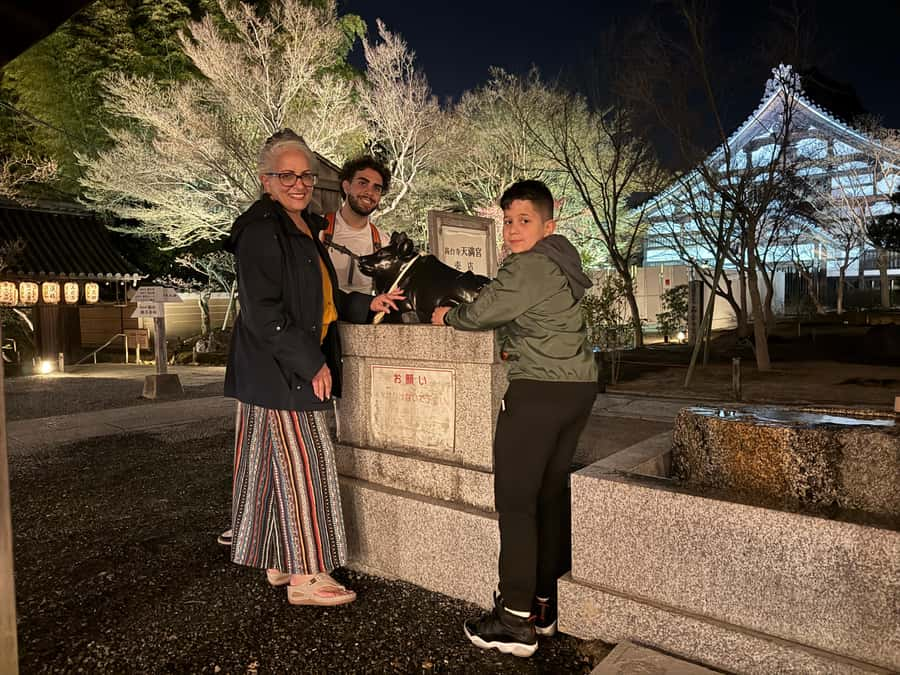
The guide is not just there to lead you from one place to another. The strongest part of the experience is the local context. You can ask about Kyoto’s past, Japanese culture, and current events as you walk.
Ikke, also spelled Ikki in one account, received especially warm praise for being patient, kind, and easy to talk with. He answered questions about both Japanese history and present-day life, and made the evening feel personal rather than scripted.
That sort of guide can make a major difference in Gion and Fushimi Inari. Without help, you may remember the orange gates and old streets but miss the meaning behind them. With a good guide, the walk becomes a way to understand how Kyoto’s religious traditions, old neighborhoods, and modern city life fit together.
The tour is offered with an English-speaking local guide. The information describes it as a private or small-group experience, and a private option is available. Since the exact group size is not provided, check the option you select if group size is important to you.
Photos, restaurant advice, and helpful extras
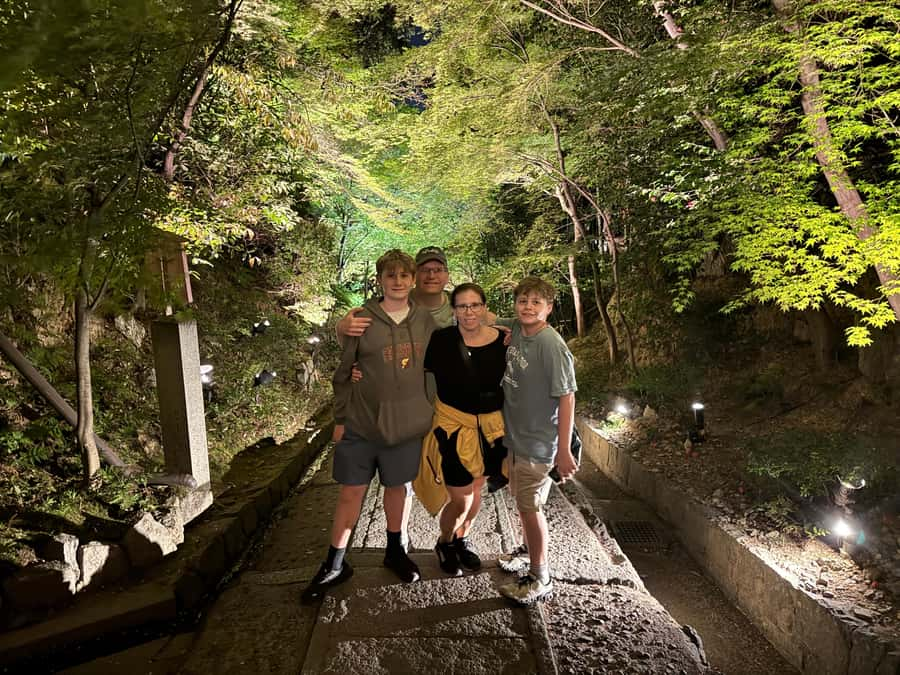
Professional photos are included, which is a useful touch on a walking tour. Your guide takes pictures during the evening and sends them afterward. This lets you focus on the surroundings instead of asking a member of your party to handle every photo.
Ikke also sent restaurant recommendations after one tour and helped hail a taxi at the end. Those extras are not listed as guaranteed services for every departure, so do not book solely on that expectation. Still, they show how this kind of local guide can help you make better use of the rest of your evening.
Free Wi-Fi is included as well. The details do not specify how or where it is provided, so treat it as a useful inclusion rather than the central reason to book.
Is $43 a fair price?
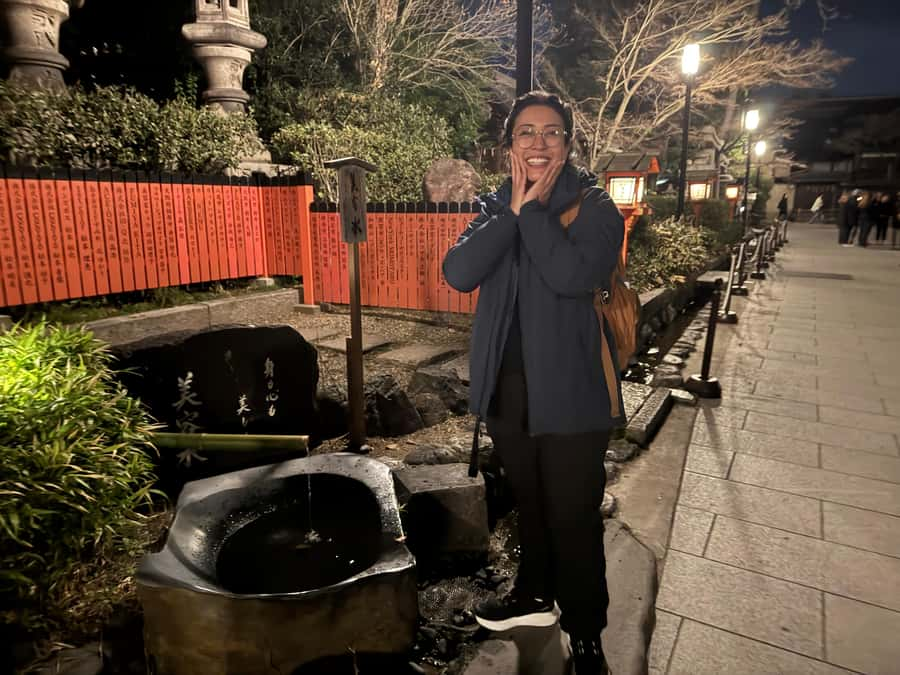
The listed price is $43 per person, with public transportation costing about 400 yen extra. Food, drinks, and personal purchases are not included.
I consider the price reasonable if you value three things: a local English-speaking guide, evening access to major Kyoto districts, and photos from the walk. You are paying for more than transportation between sights. You are paying for interpretation, navigation, and the chance to ask questions as the evening unfolds.
The value is weaker if you only want to see Fushimi Inari and Gion quickly. You could visit public areas independently, and the tour does not include food, drinks, or private vehicle transport. It also does not promise admission to special buildings or a set meal.
For a first visit to Kyoto, the guide’s local knowledge can justify the cost. For someone who already knows Gion and Fushimi Inari well, the main benefit becomes the night timing and the convenience of having someone handle the route.
Who should book this walk
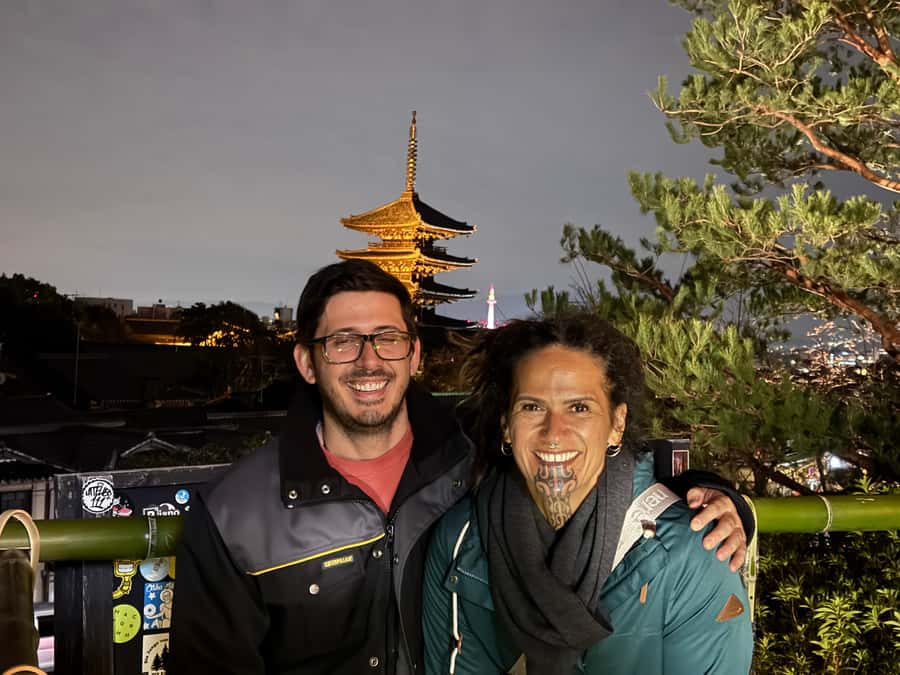
I would recommend it most strongly to:
- First-time Kyoto visitors who want help understanding what they see.
- Solo visitors or couples who want evening company without joining a large bus group.
- People who enjoy photography but would like someone else to take some pictures.
- Anyone interested in Kyoto’s local stories, religious sites, and geisha culture.
- Visitors who want a quieter alternative to daytime sightseeing.
You should think twice if you use a wheelchair, need a stroller, or find moderate walking difficult. Wheelchair users are specifically not suited to this activity, and baby strollers or carriages are not allowed.
It may also be a poor fit if you dislike public transportation or need a flexible start time. The guide cannot wait for late arrivals, and there is no refund if you miss the meeting.
Practical preparation before you go
Wear comfortable walking shoes. This is the most important preparation because the experience involves a moderate amount of walking through several districts.
Bring enough money for roughly 400 yen in public transportation costs, plus anything you may want to eat or drink. Those costs are separate from the tour price.
Check the meeting instructions and photographs supplied after booking. The Statue of Izumo-no-Okuni is the default meeting point if you do not select another option, and the guide will carry an OTAKU hopper sign.
You can reserve now and pay later, which helps if your Kyoto plans are still changing. Cancellation is allowed up to 24 hours in advance for a full refund. Once the meeting time arrives, however, the late-arrival rule is firm.
My call: a strong evening choice with clear limits
Book this tour if you want Kyoto explained as you walk, rather than simply photographed from a bus. The combination of quiet Fushimi Inari, old Gion streets, local stories, and included photos gives the evening a personal feel.
The most convincing reason to choose it is the guide. Ikke or Ikki appears to offer the kind of patient, useful help that turns a pretty walk into a better understanding of Kyoto. The chance of restaurant advice or taxi help is a welcome extra.
Skip it if you want a short, vehicle-based sightseeing trip, guaranteed Geisha sightings, or a fully specified schedule. For everyone else who can walk comfortably and arrive on time, this is a well-priced way to see Kyoto after sunset.
FAQ
Where does the Kyoto night walk begin?
It begins at the Statue of Izumo-no-Okuni in Kyoto. The guide waits in front of the statue with a board displaying the OTAKU hopper logo.
Where does the tour end?
The activity ends back at the meeting point.
Is this a bus tour?
No. It is a walking experience that uses public transportation and includes plenty of time on foot.
How much does the tour cost?
The listed price is $43 per person.
Is public transportation included?
No. Public transportation costs about 400 yen and must be paid separately.
Is a guide included?
Yes. A passionate local English-speaking guide is included.
Will the guide speak English?
Yes. English is the listed tour language.
Can I see a Maiko or Geisha?
You may have the chance to see one, but an appearance is not guaranteed.
Are photos included?
Yes. The guide takes professional photos during the tour.
Is the tour suitable for wheelchair users or strollers?
No. The activity is not suitable for wheelchair users, and baby strollers or baby carriages are not allowed.
More Walking Tours in Kyoto
- Kyoto Gion Geisha District Walking Tour – The Stories of Geisha
★ 5.0 · 1,441 reviews - Nishiki Market Brunch Walking Tour (7 Tastings + Brunch)
★ 5.0 · 1,355 reviews - Kyoto Arashiyama Walking Tour: Bamboo, Monkeys, Gardens & Secrets
★ 5.0 · 1,216 reviews - Kyoto Gion: 2-Hour Geisha Culture & History Walking Tour
★ 5.0 · 1,186 reviews
More of Kyoto After Dark
- Night Walk in Gion: Kyoto’s Geisha District
★ 4.5 · 2,003 reviews - Kyoto Night Foodie Tour in Gion (9+ dishes + 6 Sake tastings)
★ 5.0 · 1,762 reviews - Kyoto Gion Night Walk & Geisha District Guided Tour
★ 5.0 · 786 reviews - Kyoto Ghost Tour: Dark Tales, Urban Legends, Bamboo Forest Night
★ 5.0 · 625 reviews
Newest Kyoto experiences on the site
- Treasures of Kyoto: Gion & historical Walking Tour★ 5.0 · 6 reviews
- Whisk Your Own Matcha: A Zen Matcha Experience at Temple★ 3.6 · 7 reviews
- Uji: Private immersion into Kyoto’s tea and reglious culture★ 5.0 · 17 reviews
- Kyoto tea town for matcha lovers★ 5.0 · 16 reviews
- Kyoto Matcha Green Tea Tour★ 4.5 · 23 reviews
- Uji and Wazuka Matcha Farm Half Day Private Guided Tour★ 5.0 · 21 reviews
- Utilising upcycled Matcha! Creating matcha incense (Uji, Kyoto)★ 5.0 · 6 reviews
- Sacred Temple Yoga Experience in Japan★ 5.0 · 3 reviews
Fushimi Inari Tours, compared.
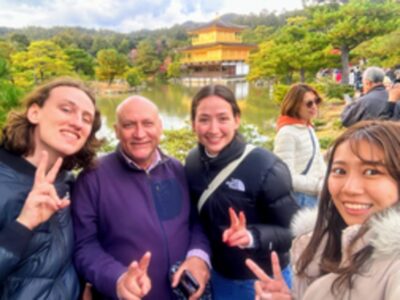
Fushimi Inari, Kinkakuji, Bamboo Grove 1 Day Bus Tour
Read our review →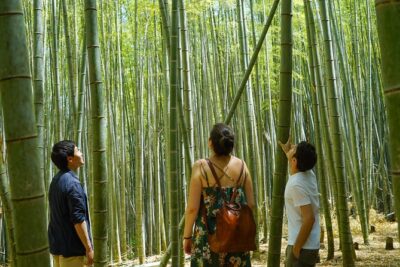
Fushimi Inari Hidden Hiking Tour (Private Option Available)
Read our review →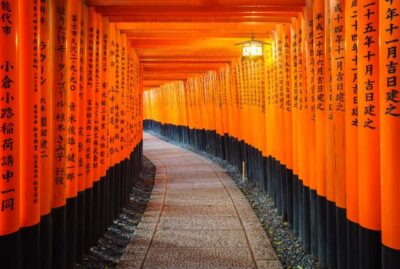
Kinkakuji,Arashiyama,FushimiInariShrine,NaraPark
Read our review →
Nara, Fushimi Inari Taisha, Arashiyama Bus Tour
Read our review →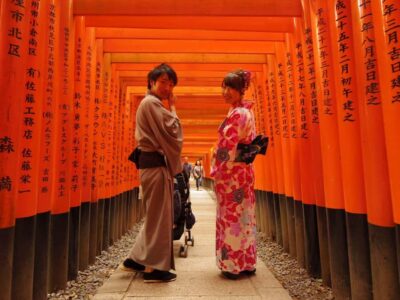
Arashiyama, Nara & Fushimi Inari Shrine w/Lunch
Read our review →
Nijo Castle, Kiyomizu & Fushimi Inari Guided Tour
Read our review →
Nijo, Kinkaku-ji, Arashiyama, Kiyomizu & Fushimi Inari
Read our review →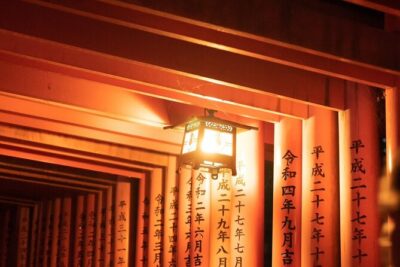
Browse the lists this tour appears in