
Reviewed · FUSHIMI INARI TOURS
Kyoto Early Bird Tour in Uji and Fushimi Inari
Fushimi Inari’s red torii gates and Uji’s historic temples make a fine morning pairing, and this tour gets you there before the worst crowds. You’ll visit three important religious sites, including Byodoin Temple, the image on Japan’s 10 yen coin.
I like the small group of no more than eight, which gives you room to ask questions, and I like ending at Uji Station rather than being returned to central Kyoto. The main tradeoff is an early start, plus a ¥390 transport charge and no lunch included.
Key points to know before booking
- Fushimi Inari begins the morning: You get 90 minutes at Kyoto’s famous shrine and its thousands of red gates.
- Byodoin admission is included: This saves you a ticket-line stop at one of Uji’s most important sights.
- Ujigami Shrine adds a quieter finish: Its old wooden buildings and mossy grounds offer a calmer contrast to Fushimi Inari.
- The group is capped at eight: That is small enough for direct questions and a less hurried feel.
- The tour ends in Uji: You can continue exploring Uji afterward, but the guide does not ride the train back to Kyoto.
- Budget for ¥390 in transport: Lunch is also on your own, while the English-speaking guide and Byodoin entry are covered.
Why this early Kyoto start makes sense
Kyoto is at its best before the day has fully got going. Fushimi Inari is one of the city’s most photographed places, and its torii gates can become crowded later in the morning. Beginning there gives you a better chance to walk through the lower shrine paths with some breathing room.
The timing also makes practical sense because the tour then moves south to Uji. Instead of spending one morning on a single Kyoto sight, you connect Fushimi Inari with three major places across two destinations. It is a useful choice if your time in the Kyoto area is short.
The tour lasts about five and a half hours. The listed sightseeing time is 90 minutes at each stop, with travel between them. That is enough time to see the main points without turning the outing into an all-day commitment.
You meet at Kyoto Station and finish at Uji Station. This is important: the experience is designed as a one-way morning outing. If you want to return to Kyoto afterward, your guide can explain the route, but does not take the train back with the group.
More ways to walk the Fushimi Inari gates:
- Kyoto: Fushimi Inari, Kinkakuji, Bamboo Grove 1 Day Bus Tour
★ 4.8 · 4,316 reviews - Fushimi Inari Hidden Hiking Tour (Private Option Available)
★ 5.0 · 1,750 reviews - Osaka/Kyoto:Kinkakuji,Arashiyama,FushimiInariShrine,NaraPark
★ 4.1 · 1,596 reviews
Fushimi Inari and the red torii gates
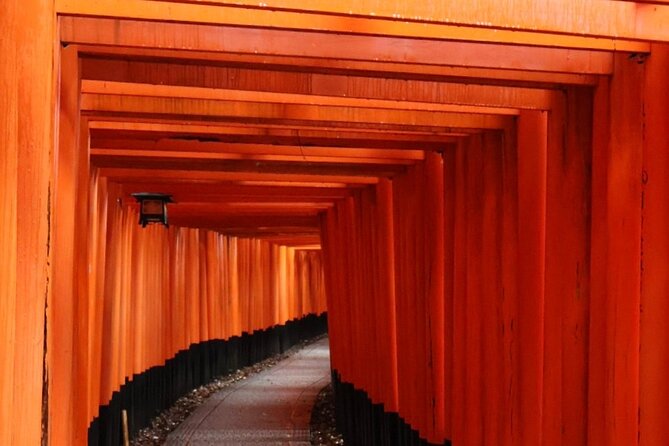
Your first stop is Fushimi Inari-taisha, the shrine famous for its long lines of red torii gates. These gates create the visual identity of the place, with repeated bands of color framing the path as it rises through the wooded shrine grounds.
You have about 90 minutes here. That should give you time to see the central shrine area and walk through a meaningful stretch of the torii-covered route. It is not enough for a leisurely exploration of every path, so keep your expectations sensible. This is a focused visit, not a full mountain hike.
Fushimi Inari is free to enter, which keeps the morning’s overall cost reasonable. The bigger value is timing. A later visit can mean more people stopping for photographs and more difficulty walking at your own pace. An early arrival does not guarantee solitude, but it gives the group a better chance at a calmer visit.
Wear shoes that are comfortable for walking. The tour requires a moderate level of fitness, and the shrine route includes slopes and steps. You do not need to treat the visit as a serious hike, but this is not a flat pavement-only stop.
The guide’s role matters here. Fushimi Inari is visually striking, but without context it can become a quick sequence of gates and photographs. A good explanation can help you understand how the shrine relates to Shinto practice and why the gates are such a central part of the site.
Byodoin Temple, Uji’s 10 yen landmark
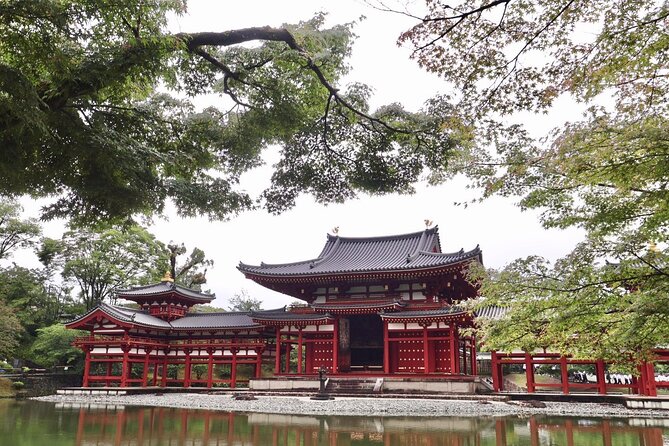
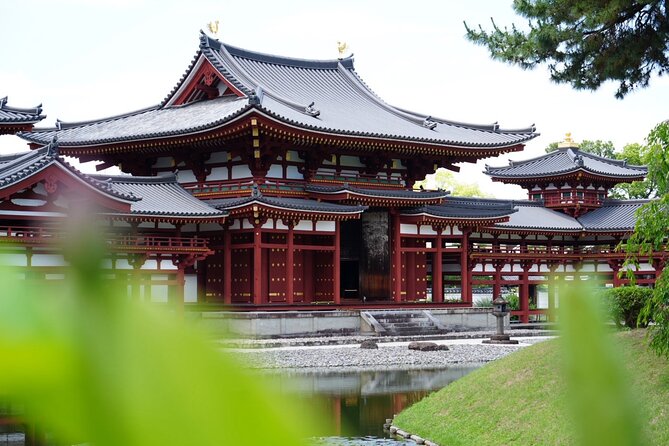
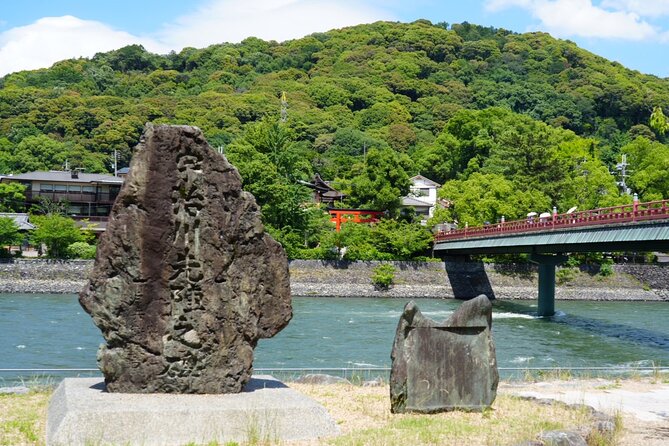
The tour’s main admission-included sight is Byodoin Temple. Located in Uji, the temple is one of Kyoto Prefecture’s best-known historic places and is instantly recognizable from the Phoenix Hall shown on the Japanese 10 yen coin.
You get about 90 minutes here, and your entrance fee is already covered. That makes the visit easier than arriving independently and needing to sort out admission on the spot. It also adds clear value to the price, since you are not simply paying for transport and a guide.
The Phoenix Hall is the visual centerpiece, but the importance of Byodoin goes beyond its appearance. The complex reflects the Heian period and gives you a direct look at the religious and artistic world that shaped classical Kyoto. Your guide can help connect the building, its setting, and its Buddhist meaning rather than leaving you with a quick photo stop.
This is where an English-speaking guide can make a real difference. Guide Genki is named for several departures and is described as warm, engaging, and careful with explanations. If he is leading your group, expect clear comparisons between Shinto and Buddhism, with enough detail to follow without being overloaded.
The small group helps at Byodoin, too. With a maximum of eight people, you can ask about details that catch your eye. That is more useful than it may sound. Religious sites in Japan often have layers of meaning that are not obvious from the architecture alone.
The main limitation is time. Ninety minutes allows a good visit, but you may need to keep moving if you want to see every part of the complex at a relaxed pace. If Byodoin is your single top priority, an independent half-day visit could let you linger longer. For most people trying to combine several sights, the allotted time is sensible.
Ujigami Shrine and a quieter side of Uji
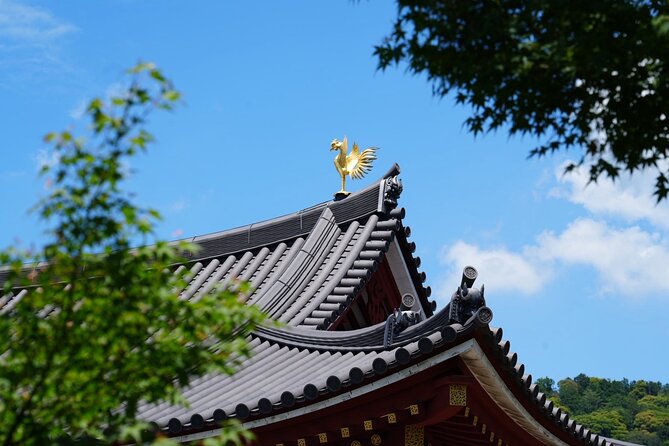
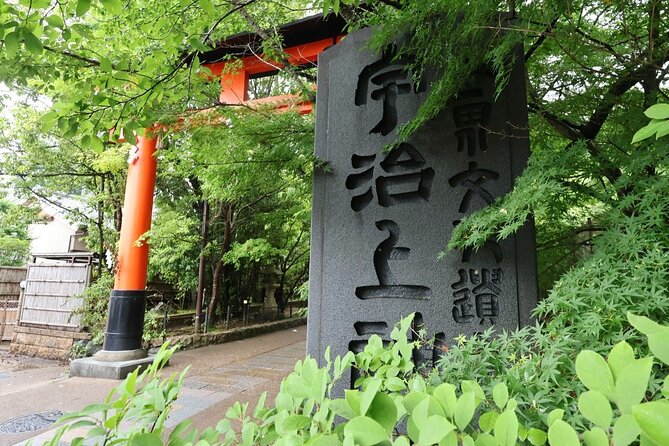
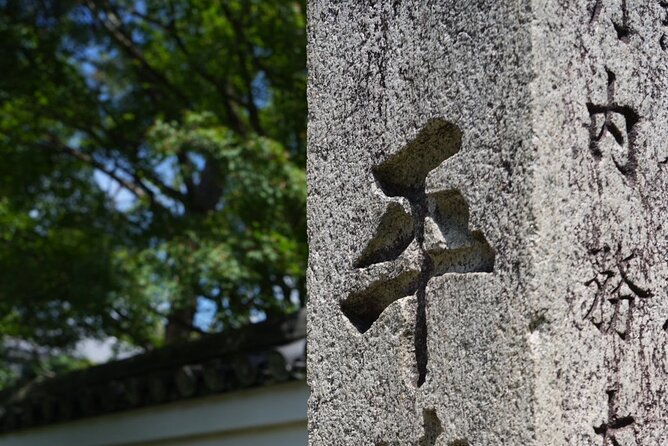
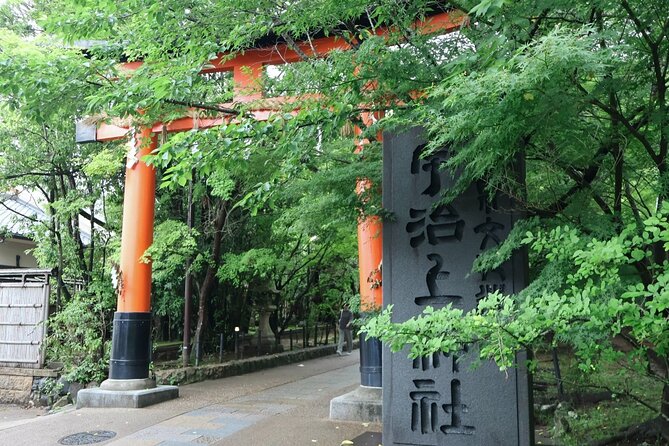
Ujigami Shrine is the final listed stop, also with about 90 minutes. It is described as Japan’s oldest standing shrine, and its appeal is quite different from the dramatic torii gates at Fushimi Inari or the polished presence of Byodoin.
Here, the focus is on old wooden architecture, moss-covered grounds, and a more peaceful setting. The shrine gives you a chance to slow down and notice smaller details. It is a good counterpoint to Uji’s most famous temple.
This stop also helps the tour feel like more than a checklist of major photographs. Ujigami Shrine is less immediately famous than Fushimi Inari and Byodoin, but that is part of its value. You get a quieter view of Uji and a better sense of how religious sites fit into everyday local space.
The shrine is free to enter. Since admission does not add to the cost, the tour can include it without turning the morning into a series of paid attractions. The guide’s explanations are especially useful here, since the site may not be as self-explanatory to first-time visitors.
You should still remember that the tour finishes at Uji Station, not back in Kyoto. That gives you the option to continue around Uji after the guided portion, but any extra sightseeing is up to you. The tour itself does not include lunch, so you will need to make your own plans after the end point.
More tea days out in Uji:
- Uji: Green Tea Tour with Byodoin and Koshoji Temple Visits
★ 4.8 · 72 reviews - Uji: UNESCO Heritage & Tea Ceremony Walking Tour
★ 4.6 · 54 reviews - Matcha Grinding Experience and Walking Tour in Uji Kyoto
★ 5.0 · 26 reviews - Slow Cycling Tour at Uji’s Matcha Green Tea Fields and Heritage
★ 5.0 · 25 reviews
A small group with room for questions
The maximum group size is eight people. That is a meaningful feature, not just a line in the booking details. At Fushimi Inari, it helps the group stay together without the guide shouting to a crowd. At Byodoin and Ujigami Shrine, it makes it easier to ask about architecture, Shinto customs, or the differences between Buddhist and Shinto sites.
The guide is also central to the experience. The most useful praise attached to this outing focuses on explanations of Shinto and Buddhism, delivered in a way that is easy to retain. That balance matters. A guide who talks for too long can turn beautiful places into a classroom, while too little explanation leaves you wondering what you are looking at.
Guide Genki is specifically named and praised for being warm, engaging, and attentive. He is also noted for sharing information in a measured way. If you value cultural context but do not want a nonstop lecture, this is the sort of guiding style you should hope for.
Keep in mind that guide assignments can vary. Genki may not lead every departure, so do not book solely on the assumption that he will be present. The advertised service is an English-speaking guide, with a small group and time for questions.
What the $55.18 price covers
At $55.18 per person, the price is fair for a five-and-a-half-hour guided outing that links Kyoto and Uji. Byodoin Temple admission is included, as is the English-speaking guide. The small group size adds value because you get more personal attention than on a large bus tour.
You must add ¥390 per person for transportation. Lunch is not included. These are modest extra costs, but you should know about them before booking so the low headline price does not surprise you later.
The value is strongest if you want cultural explanation and efficient planning. You avoid working out how to connect Fushimi Inari, Byodoin, and Ujigami Shrine on your own, and you receive help understanding the religious traditions behind each place.
The value is weaker if you prefer to move at your own pace. Each stop has a set time, and the tour follows a shared schedule. You also finish in Uji, so you will need to arrange your own return to Kyoto or continue sightseeing in the area.
Who should book this morning outing
I would recommend this tour to a first-time Kyoto visitor who wants to see major sights without spending a full day on a large coach. It also suits anyone who wants an introduction to the difference between Shinto shrines and Buddhist temples.
It is a good match for people who like a clear plan, early starts, and moderate walking. The small group is helpful if you enjoy asking questions or prefer a more personal guide.
You may want to skip it if you need a late morning start, dislike fixed schedules, or want extensive time at Fushimi Inari. The 90-minute stop gives you a strong introduction, but not the freedom to explore every route.
Families and older adults should consider the physical demands carefully. The required fitness level is listed as moderate, and Fushimi Inari includes sloping paths and steps. The tour is not described as wheelchair accessible, so anyone needing specific access arrangements should confirm before booking.
Practical details for a smoother morning
Meet at Kyoto Station. The exact meeting area is in the Higashishiokoji Kamadonocho area of Shimogyo Ward, and the location is near public transportation.
Bring comfortable walking shoes and allow room in your morning for the three sightseeing stops plus transfers. Since there is no lunch included, plan to eat after arriving at Uji Station or make your own food arrangements.
The tour uses a mobile ticket, and booking confirmation is provided at the time of booking. You can cancel for a full refund up to 24 hours before the start time. Changes or cancellations inside that window are not accepted, with cut-off times based on local time.
Should you book the Kyoto Early Bird Tour?
Book it if you want Fushimi Inari, Byodoin Temple, and Ujigami Shrine in one organized morning, with an English-speaking guide and a group capped at eight. The early timing, included Byodoin admission, and clear finish at Uji Station make it especially useful for a short Kyoto stay.
Think twice if you want a slow, independent visit or a return trip to Kyoto with the guide. For a focused introduction to Kyoto and Uji, though, the combination is strong: famous gates, a coin-famous temple, and a quieter shrine, all in one manageable outing.
FAQ
Where does the tour start?
The tour starts at Kyoto Station in the Higashishiokoji Kamadonocho area of Shimogyo Ward, Kyoto.
Where does the tour end?
The tour ends at Uji Station in Uji, Kyoto.
How long does the experience last?
The tour lasts approximately five hours and 30 minutes.
How many people can join the tour?
The maximum group size is eight people.
Is transportation included?
No. Transportation costs an additional ¥390 per person.
Is lunch included?
No. Lunch is not included in the tour price.
Is admission to Byodoin Temple included?
Yes. The entrance fee to Byodoin Temple is included.
Are tickets included for Fushimi Inari and Ujigami Shrine?
Both are free admission sites, so no admission ticket is required.
Is the tour conducted in English?
Yes. An English-speaking guide is included.
Can I return to Kyoto with the guide after the tour?
No. The guide can provide directions for returning to Kyoto, but does not take the train back with the group.
More Early Starts in Kyoto
- Kyoto Early Morning Tour with English-Speaking Guide
★ 5.0 · 1,427 reviews - Kyoto: Early Morning Tour with English-Speaking Guide
★ 4.9 · 1,128 reviews - Arashiyama Bamboo Forest & Hidden Gems Bike Tour (Early Bird)
★ 5.0 · 613 reviews - Kyoto Early Bird Walking Tour
★ 5.0 · 377 reviews
Newest Kyoto experiences on the site
- Treasures of Kyoto: Gion & historical Walking Tour★ 5.0 · 6 reviews
- Whisk Your Own Matcha: A Zen Matcha Experience at Temple★ 3.6 · 7 reviews
- Kyoto tea town for matcha lovers★ 5.0 · 16 reviews
- Uji: Private immersion into Kyoto’s tea and reglious culture★ 5.0 · 17 reviews
- Kyoto Matcha Green Tea Tour★ 4.5 · 23 reviews
- Uji and Wazuka Matcha Farm Half Day Private Guided Tour★ 5.0 · 21 reviews
- Utilising upcycled Matcha! Creating matcha incense (Uji, Kyoto)★ 5.0 · 6 reviews
- Sacred Temple Yoga Experience in Japan★ 5.0 · 3 reviews
Fushimi Inari Tours, compared.
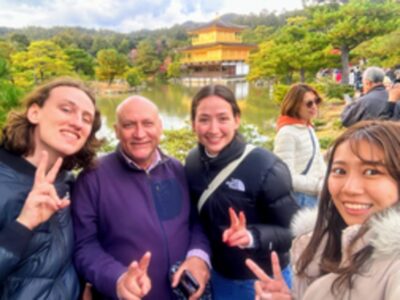
Fushimi Inari, Kinkakuji, Bamboo Grove 1 Day Bus Tour
Read our review →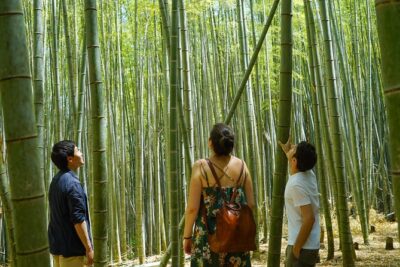
Fushimi Inari Hidden Hiking Tour (Private Option Available)
Read our review →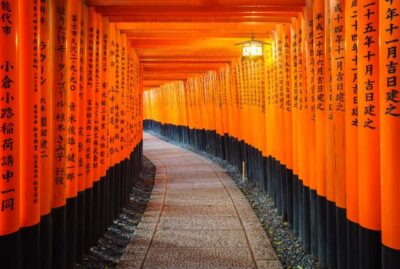
Kinkakuji,Arashiyama,FushimiInariShrine,NaraPark
Read our review →
Nara, Fushimi Inari Taisha, Arashiyama Bus Tour
Read our review →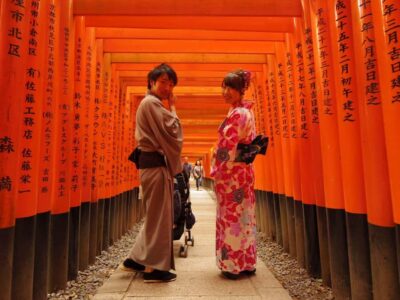
Arashiyama, Nara & Fushimi Inari Shrine w/Lunch
Read our review →
Nijo Castle, Kiyomizu & Fushimi Inari Guided Tour
Read our review →
Nijo, Kinkaku-ji, Arashiyama, Kiyomizu & Fushimi Inari
Read our review →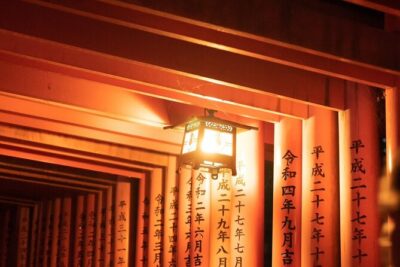
Browse the lists this tour appears in