

Reviewed · KYOTO CRAFT WORKSHOPS
Kyo-arashi Shibori Scarf Class at Kyoto Shibori Museum
The clever part of this Kyoto class is the tube-and-string resist technique, which blocks dye in planned sections and produces bold, highly designed patterns. You make a scarf yourself, then use the drying time to see museum pieces, tools, and examples of shibori. I like the hands-on result and the fact that the museum admission, normally 1,000 yen, is included.
I also like the small-group limit of eight people. The English-speaking instruction keeps the process approachable, and the museum is only a five-minute walk from Nijo Castle. The main consideration is time: one hour goes quickly, so this suits you if you want a compact introduction rather than a long textile workshop.
Key points
- Create a scarf in 30 to 60 minutes: The class focuses on a wearable item, not just a demonstration.
- Try the Kyoto Shibori Museum’s original style: A tube and string create patterned areas that resist the dye.
- Use drying time well: Explore shibori art, valuable tools, and samples upstairs while your scarf dries.
- Small group of up to eight: You get a more focused class than a large craft demonstration.
- Admission is included: The workshop price includes the museum’s usual 1,000-yen entry fee.
- Five minutes from Nijo Castle: It fits neatly into a sightseeing day in central Kyoto.
Making a patterned scarf with Kyoto’s tube-and-string method

Shibori is a Japanese resist-dyeing craft. Instead of letting color reach every part of the cloth, you fold, bind, stitch, clamp, or otherwise protect sections before dyeing. The protected parts keep their original color, leaving a pattern when the bindings come off.
This class uses the Kyoto Shibori Museum’s own tube-and-string style. The description is simple, but the result is more polished than a basic tie-dye project. The tube helps shape the fabric, while the string creates the areas that resist the dye. The technique is designed to produce a stylish scarf with clear, planned patterns.
You should expect the workshop itself to take about 30 to 60 minutes within the one-hour activity. The exact pace depends on the class, but this is not an all-day craft course. That makes it easy to add before or after sightseeing, especially if you are already visiting Nijo Castle.
The practical appeal is that you leave with something useful. A scarf is easier to pack and wear than a large craft project, and the pattern gives you a direct reminder of your time in Kyoto. Since shibori results come from the way the fabric is arranged and protected, your finished item should feel personal rather than factory-made.
More craft workshops in Kyoto:
- Kyoto : Chopsticks Making Workshop in Gion with Engraving Option
★ 5.0 · 958 reviews - Authentic knife making experience at a blacksmith in Kyoto
★ 4.8 · 350 reviews - Roketsu dyeing experience: M course Roketsu Dyeing Experience
★ 5.0 · 163 reviews
A short walk from Nijo Castle
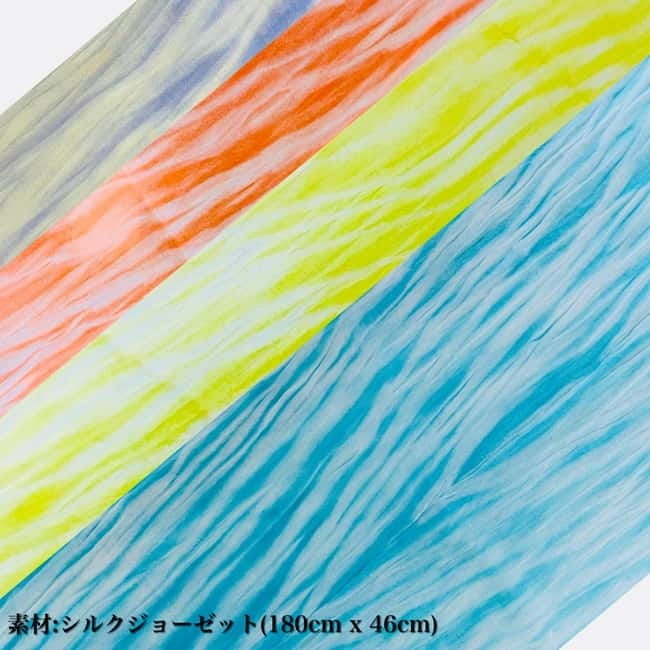
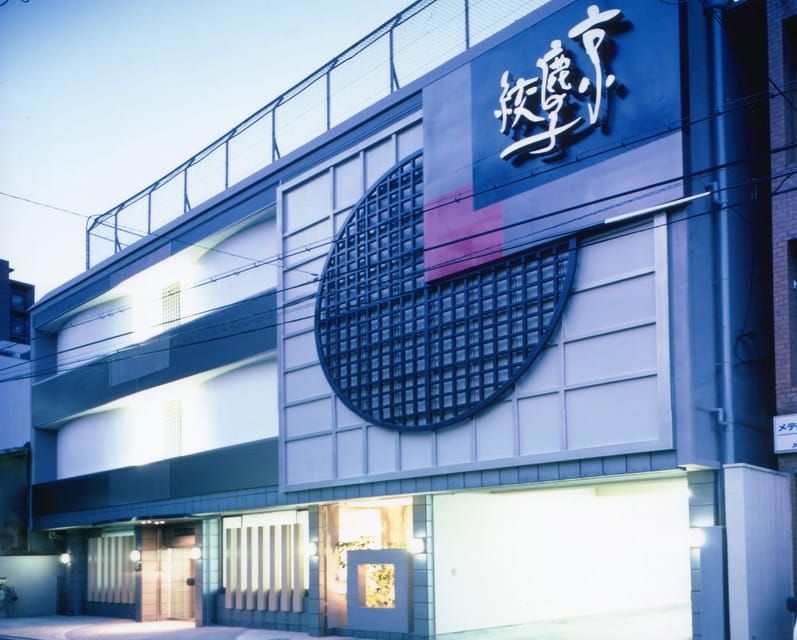
The Kyoto Shibori Museum is about a five-minute walk from Nijo Castle. That location is one of the class’s strongest advantages. You can pair a major historical sight with a quieter craft stop without building a separate journey across the city.
The museum opened in 2001 and focuses on shibori. Its purpose is to introduce the craft to a wider audience through finished works, tools, and demonstrations of the process. This gives the class useful context. You are not simply making a souvenir without knowing what it represents.
If you are planning your day around Nijo Castle, allow enough time for both the castle and the museum. The class lasts one hour, but you will want a little breathing room for arrival and for looking around the shop afterward. The activity information does not provide a detailed walking route or meeting procedure, so check the booking details for the exact starting point.
The central location also makes this a sensible choice for families, couples, or a small group of friends looking for a shared activity. The museum setting keeps the experience calm and focused, rather than turning it into a large commercial craft event.
What happens during the one-hour class
The class begins with instructions from an English- or Japanese-speaking instructor. One Australian participant specifically praised the teacher’s clear guidance and the video about shibori, so you can expect the introduction to include more than hand signals and a quick example.
You learn how the tube and string are used to resist dye. The important idea is placement: the way you arrange and bind the scarf determines where the pattern appears. You do not need prior textile experience according to the activity information, and the short format is built for beginners.
After the scarf is prepared, the dyeing process creates the design. The finished pattern becomes visible as the protected areas are revealed. This is the most satisfying part of the class, but it is also where you should keep expectations realistic. Resist dyeing has an element of surprise. Your scarf is made through a controlled method, yet the exact final pattern belongs to your particular arrangement.
The scarf then needs time to dry. Rather than leaving you idle, the experience gives you a chance to explore the museum. That makes the one-hour schedule work better than a craft class that ends as soon as the practical task is finished.
Museum displays while your scarf dries
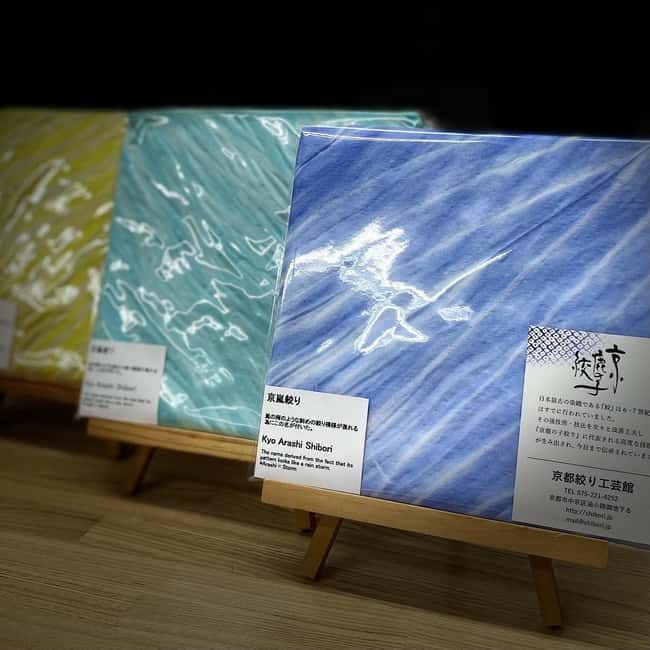
While your piece dries, you can look through the museum’s shibori works and samples. The collection includes finished masterpieces and valuable tools used in the shibori process. These displays help explain how much skill sits behind the patterns you see in Japanese textiles.
I like this part because it changes the class from a simple souvenir-making session into a brief introduction to a traditional art. You see the difference between your first attempt and more refined examples, without needing a separate museum visit.
The displays also give you a chance to examine pattern, texture, and technique at your own pace. The available information does not specify the size of the exhibition or how many pieces are on view, so you should think of it as a focused museum visit rather than a full-day art museum stop.
One participant particularly enjoyed going through the museum upstairs while the scarf dried. That is useful advice: treat the drying period as part of the experience, not as dead time. If you are interested in textiles, the museum may hold your attention longer than the workshop itself.
Same city, a completely different kind of day:
- PERFECT KYOTO 1-Day Bus Tour
★ 5.0 · 13,518 reviews - Kyoto: Fushimi Inari, Kinkakuji, Bamboo Grove 1 Day Bus Tour
★ 4.8 · 4,316 reviews - Kyoto: Tea Ceremony in a Traditional Tea House in Kiyomizu
★ 4.9 · 3,519 reviews - Kyoto Geisha Walking Tour: Gion District & Hidden Gems
★ 4.7 · 3,273 reviews
The shop has more than ordinary souvenirs
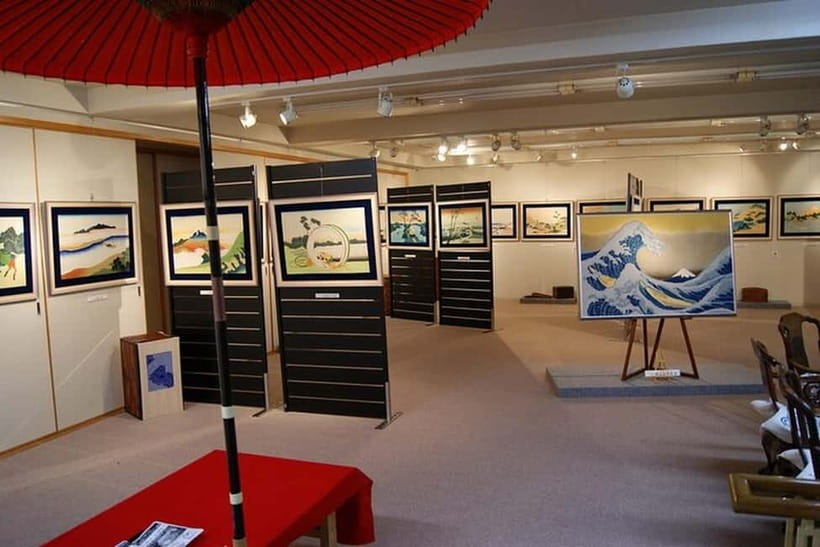
The museum shop carries original items, souvenirs, and fabrics. You can browse shibori scarves and other accessories after seeing how the process works. That makes the shopping stop more meaningful, since you can recognize the labor and patterning behind the finished goods.
The shop may be tempting if you want a more refined textile than the one you make in class. Your handmade scarf is the personal souvenir. The shop gives you a chance to compare it with professionally produced items and perhaps find a gift.
No shop prices are provided, so do not assume that the $49 activity includes any additional purchase. The workshop covers the class and museum admission, while shop items are separate.
For a compact Kyoto activity, this combination works well: make something, study finished examples, then browse fabric and accessories. You get three related experiences in one visit without having to travel between them.
Is $49 a fair price?
The listed price is $49 per person. That is not the cheapest way to buy a souvenir in Kyoto, but the value is more than the scarf alone.
Your fee covers a one-hour guided workshop, the materials and instruction needed to make the scarf, and admission to a museum that normally charges 1,000 yen. You also get access to the displays while the piece dries, plus the chance to see the museum shop.
The small-group limit matters here. With no more than eight participants, the class is set up for direct instruction rather than a crowded production line. That should be especially useful if you want help understanding how the tube and string affect the pattern.
I would book it if you value an activity you can take home and remember. If your main goal is simply to buy a scarf at the lowest possible price, the class is less convincing. If you want to learn a traditional technique and spend time with the craft behind the object, the price is easier to justify.
The included museum entry improves the deal for anyone already interested in Japanese textiles. You are not paying only for a short craft lesson. You are also getting a focused visit to a specialist museum near one of Kyoto’s major sights.
Who will enjoy this class most?
This experience fits you if you like practical cultural activities. You make something with your hands, receive instruction in English or Japanese, and see examples of the wider craft before leaving.
It is also a good choice for couples and small groups of friends. One Canadian participant found it suitable for both a group and a pair of friends, which matches the eight-person limit. The activity gives everyone a shared task without requiring advanced skill.
Families may also appreciate the short length, though the supplied information does not state a minimum age or specific child arrangements. If you are booking for children, confirm those details before paying.
Textile fans will get the most from the museum section and the shop. You can look closely at fabrics, tools, and accessories, then compare those examples with your own scarf. Art lovers who prefer a large collection may find the museum visit brief, but the workshop adds a purpose to the displays.
This is less suitable if you want a long, slow craft course with several stages. The class is designed as a compact introduction. Its strength is accessibility and focus, not a full professional lesson.
Planning the visit around your Kyoto day
The museum’s five-minute distance from Nijo Castle makes the pairing straightforward. You can visit the castle and then make the scarf, or schedule the class first and explore the castle afterward. Check the available starting times when booking, since the activity runs for one hour and start times vary.
Try not to schedule the class so tightly that you must leave the moment the scarf dries. The museum displays deserve some attention, and the shop is part of the appeal. A little extra space in your day will make the stop feel relaxed.
The activity offers free cancellation up to 24 hours before the start time for a full refund. You can also reserve now and pay later, which helps if your Kyoto schedule is still changing. Those terms are useful for a multi-stop sightseeing day, where weather, train timing, or castle plans may shift.
Instruction is available in English and Japanese. The language option is important because the technique depends on understanding how to arrange and bind the scarf. You should have a clearer class experience if you select a time that suits your language needs.
My recommendation: book it for a personal Kyoto souvenir
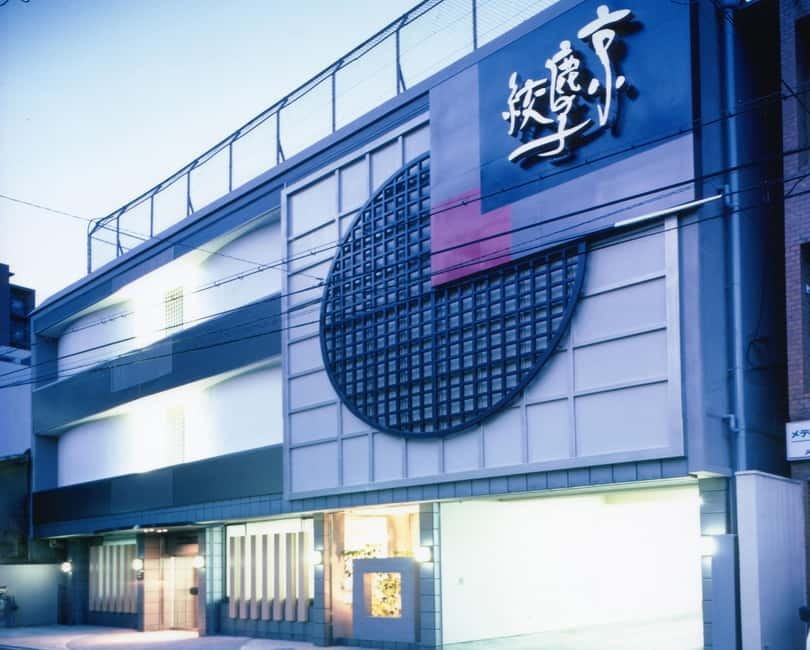
I would book the Kyo-arashi Shibori Scarf Class if you want a short, hands-on activity near Nijo Castle. The best parts are the original tube-and-string method, the small group, the museum displays during drying, and the included 1,000-yen admission.
The main limitation is the one-hour schedule. You will get an introduction and a finished scarf, not an extended study of shibori. At $49, the value depends on wanting the lesson and museum visit as much as the item itself.
Choose this class if you prefer making a souvenir to buying one, and if a focused look at Japanese textile art appeals to you. Skip it if you are short on time, uninterested in crafts, or only looking for the cheapest scarf. For most visitors who can spare an hour near Nijo Castle, it is a practical and memorable addition to a Kyoto itinerary.
FAQ
Where is the Kyoto Shibori Museum?
The museum is in Kyoto on Honshu, Japan, about a five-minute walk from Nijo Castle.
How long does the scarf class last?
The activity lasts one hour. The scarf-making portion is described as taking about 30 to 60 minutes.
What technique will I learn?
You will learn the museum’s original shibori style, which uses a tube and string to resist dye and create designed patterns on the scarf.
Is museum admission included?
Yes. Workshop participants receive free admission to the Kyoto Shibori Museum. Normal admission is 1,000 yen.
What languages are available?
Instruction is available in English and Japanese.
How many people can join the class?
The class is limited to eight participants, making it a small-group activity.
More Museums in Kyoto
- Kyoto: Tea Museum Tickets and Matcha Grinding Experience
★ 4.9 · 739 reviews - Skip the lines Basic Ticket at SAMURAI NINJA MUSEUM KYOTO
★ 4.5 · 632 reviews - Kyoto : Geiko Maiko Dance of Kyoto & Visits of Gion Museum
★ 4.6 · 415 reviews - Kyoto Sword Experience – includes Museum Ticket/Ninja Experience
★ 4.5 · 149 reviews
Newest Kyoto experiences on the site
- Whisk Your Own Matcha: A Zen Matcha Experience at Temple★ 3.6 · 7 reviews
- Treasures of Kyoto: Gion & historical Walking Tour★ 5.0 · 6 reviews
- Kyoto tea town for matcha lovers★ 5.0 · 16 reviews
- Uji: Private immersion into Kyoto’s tea and reglious culture★ 5.0 · 17 reviews
- Kyoto Matcha Green Tea Tour★ 4.5 · 23 reviews
- Uji and Wazuka Matcha Farm Half Day Private Guided Tour★ 5.0 · 21 reviews
- Utilising upcycled Matcha! Creating matcha incense (Uji, Kyoto)★ 5.0 · 6 reviews
- Sacred Temple Yoga Experience in Japan★ 5.0 · 3 reviews
Kyoto Craft Workshops, compared.
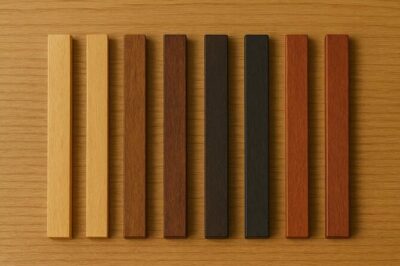
Chopsticks Making Workshop in Gion with Engraving Option
Read our review →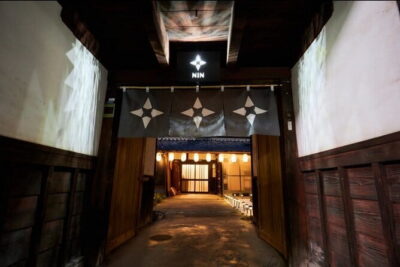
Authentic knife making experience at a blacksmith in Kyoto
Read our review →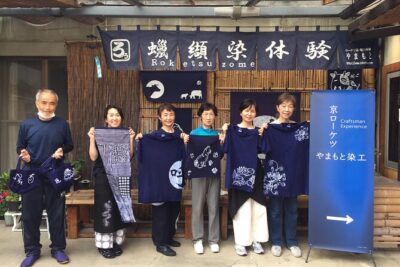
Roketsu dyeing experience: M course Roketsu Dyeing Experience
Read our review →
Beginner Knife Sharpening & Handle Fitting Workshop
Read our review →
Japanese Archery Workshop with Experienced Instructor
Read our review →
Kyoto Michelin Ramen Workshop or Painting Ramen Essentials
Read our review →
Browse the lists this tour appears in