
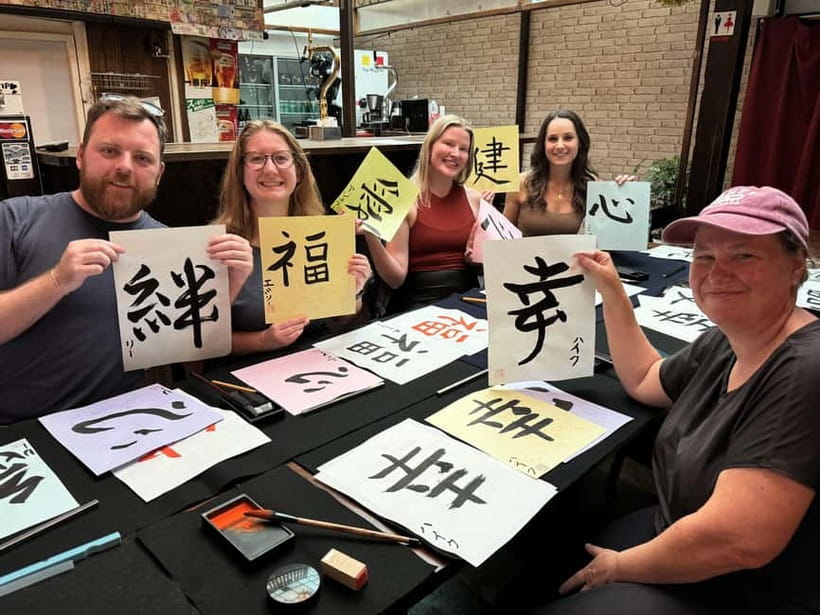
Reviewed · KYOTO CRAFT WORKSHOPS
Kyoto: Japanese Calligraphy Workshop
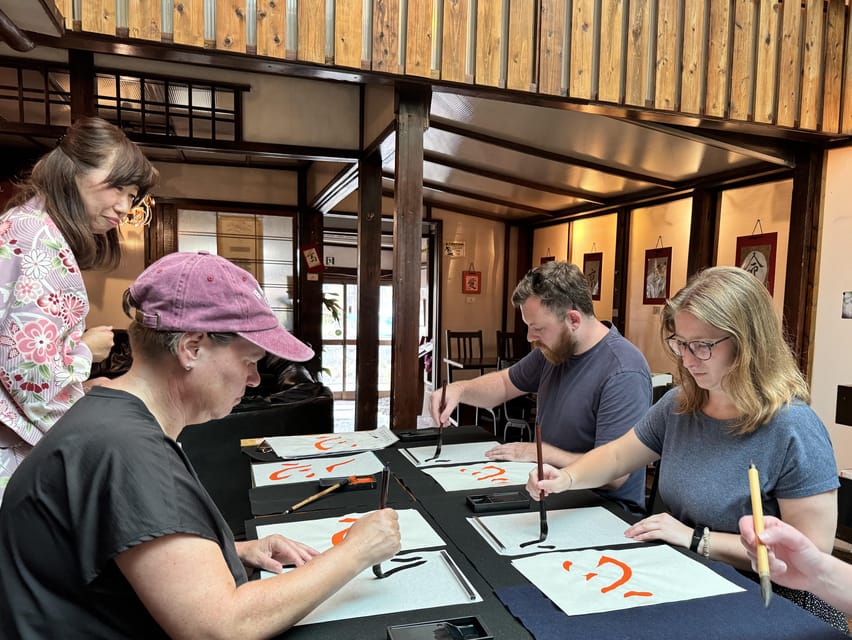
Japanese calligraphy is more than writing a few exotic characters with a brush. At Gojo Paradiso in central Kyoto, you learn how each stroke is formed, then turn that practice into a finished work on rice paper. Instructor Takako teaches patiently and gives individual help, even showing you how to write your name in kanji.
I like the small class size, limited to 10 people, and the fact that you leave with a personal artwork rather than a quickly forgotten souvenir. I also like the quiet setting beside the Takase River, just a short walk from Kiyomizu Gojo Station. The main consideration is that children under 10 cannot join, and this is an introduction rather than a full course in calligraphy.
Key points
- Practice comes before the final artwork: You learn basic brush strokes before writing kanji.
- Takako offers patient, personal guidance: She works with each person and explains the movements clearly in English or Japanese.
- Your finished piece goes home with you: You create calligraphy on rice paper and can add your name in kanji.
- The class stays small: No more than 10 people makes it easier to receive one-to-one help.
- Gojo Paradiso is easy to reach: It sits on Kiyamachi Street beside the Takase River, about five minutes from Keihan Kiyomizu Gojo Station.
- The price is reasonable for a hands-on class: At $32 per person, supplies, instruction, and a finished souvenir are included.
Why This Kyoto Calligraphy Class Works for Beginners
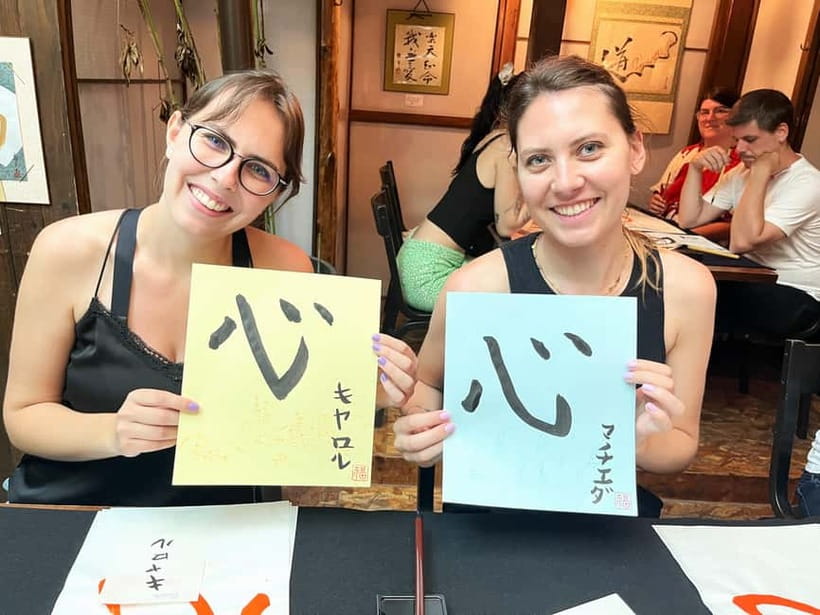
The best part of this workshop is its clear progression. You do not sit down and hope to produce a beautiful character on your first try. You begin with the building blocks: how to hold the brush, how much ink to use, and how to control the direction and pressure of each stroke.
That matters because Japanese calligraphy, known as shodo, depends on movement as much as the final shape. A line can be thick or thin, heavy or light, depending on how you guide the brush. The teacher breaks those movements into manageable exercises, so you can see what changes when you adjust your hand.
Takako is described as an experienced calligraphy teacher with formal training, awards, and a degree in calligraphy. Her teaching style is encouraging rather than severe. You receive corrections, but the class is designed for ordinary visitors, not students who already know Japanese writing.
English instruction is available, and the class also operates in Japanese. The English guidance has been praised for being clear and easy to follow. Two helpers may also assist during the session, which is useful when several people need help at the same time.
More calligraphy classes in Kyoto:
- Kyoto: Calligraphy class at Buddhist temple in city center
★ 5.0 · 167 reviews - Kyoto: Japanese Calligraphy Class
★ 4.8 · 89 reviews - Kyoto: Local Home Visit and Japanese Calligraphy Class
★ 5.0 · 66 reviews
Finding Gojo Paradiso Beside the Takase River
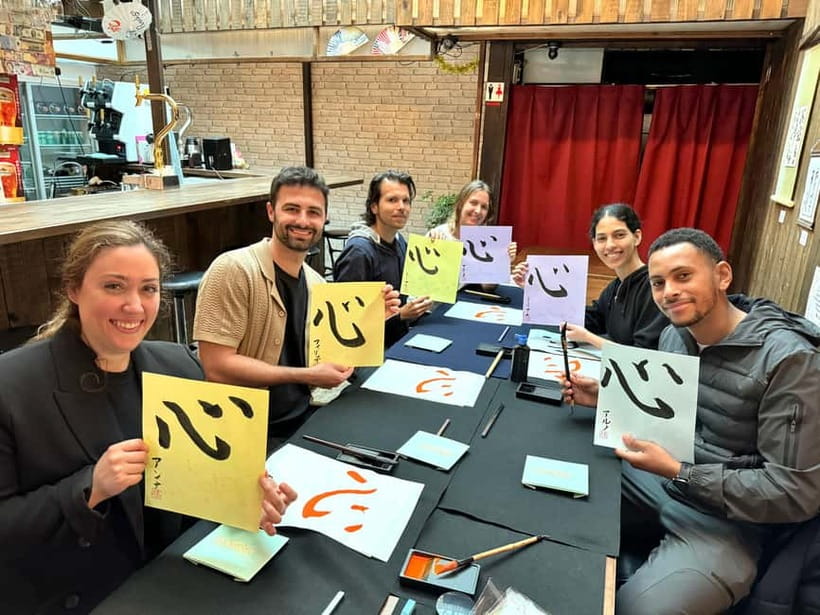
Gojo Paradiso is on Kiyamachi Street along the Takase River. The meeting point is about 386 meters from Keihan Kiyomizu Gojo Station, or roughly a five-minute walk. Keihan Shichijo Station is about 10 minutes away on foot.
The central location makes this easy to fit into a Kyoto day. You can schedule it between sightseeing in the Gion and Higashiyama areas, or use it as a quieter break from temples and crowded streets. The setting is also a pleasant change from a formal classroom. You are in a gallery-like space near the river, with the calligraphy work itself forming part of the atmosphere.
Give yourself enough time to find the entrance. Kiyamachi Street can be busy with restaurants and small businesses, and the venue is not presented as a large, obvious attraction. Checking the meeting point before leaving your hotel will save a little stress.
The venue is wheelchair accessible. If you use a wheelchair or have mobility concerns, it is still wise to confirm the exact meeting arrangement when booking, but the activity itself is listed as accessible.
The First Lesson: Brush, Ink, and Basic Strokes
The class begins with an introduction to calligraphy and its cultural meaning. This opening gives useful context without asking you to memorize a long lecture. You learn why the order and direction of strokes matter, then move quickly into practice.
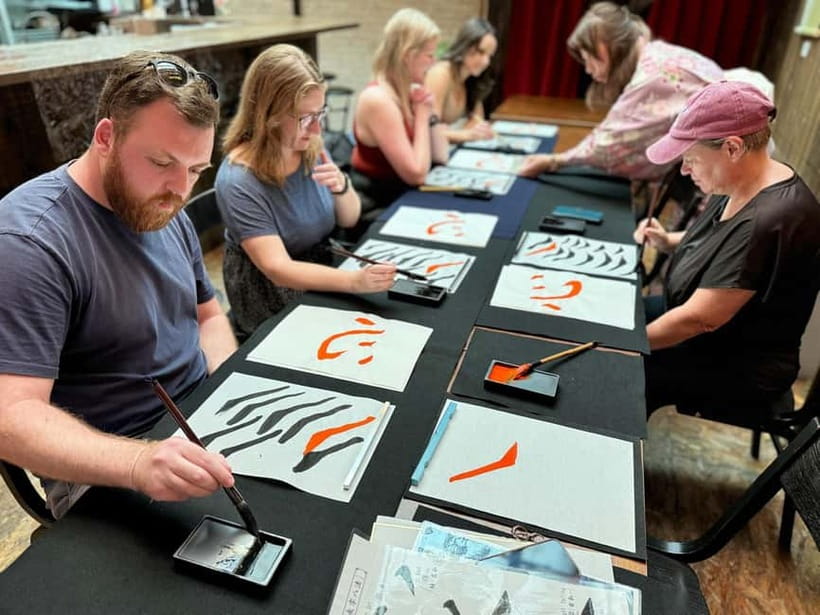
The first exercises focus on basic brush strokes. You may work on straight lines, curves, changes in pressure, and the controlled movements needed for kanji. These drills can feel simple, but they are the part that helps your final character look intentional rather than accidental.
I like this hands-on approach because it gives you something to do almost immediately. You are not just watching Takako demonstrate. You pick up the brush, test the ink, and start learning through repetition.
The materials are included, and the supplies are described as high quality. That makes a difference with calligraphy. A poor brush or thin paper can make the activity frustrating, especially for a beginner. Here, the tools are ready for you when you arrive, so you can concentrate on the technique.
The atmosphere is meant to be calm. One participant described finding the activity relaxing, while another appreciated the quiet location and the patient instruction. That peaceful pace suits calligraphy well. You have time to look closely at your work instead of rushing through a photo opportunity.
Creating Your Kanji Artwork
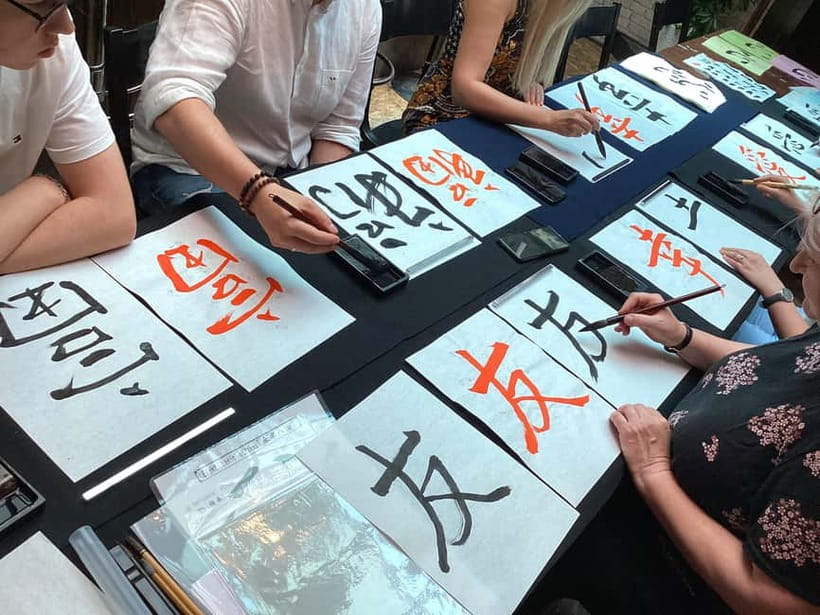
Once you have practiced the basic movements, you move on to writing kanji characters. The instructor guides you through the form and helps you correct the parts that need work. The goal is not perfect professional calligraphy. The goal is to understand the character well enough to create a finished piece that feels like yours.
You may also learn to write your name in kanji. This is one of the most personal parts of the class, especially if you want a souvenir connected directly to your time in Japan. The teacher helps select or explain the characters used for your name, then shows you how to write them.
Expect individual attention during the exercises. Takako has been praised for spending time with each person, offering support without taking over. That is important in a small creative class. You want enough help to improve, but you still want your hand to make the work.
At the end, you create a calligraphy piece on beautiful rice paper. Your name can be added, and the teacher stamps the finished work. That small seal gives the artwork a traditional finishing touch and makes it look more like a keepsake than a practice sheet.
You should keep your expectations realistic. A 1 to 2 hour class cannot make you a skilled calligrapher. Your lines may not be perfectly balanced, and that is part of the charm. The value is in learning the process and leaving with something you made yourself.
More craft workshops in Kyoto:
- Kyoto : Chopsticks Making Workshop in Gion with Engraving Option
★ 5.0 · 958 reviews - Authentic knife making experience at a blacksmith in Kyoto
★ 4.8 · 350 reviews - Roketsu dyeing experience: M course Roketsu Dyeing Experience
★ 5.0 · 163 reviews - Kyoto: Beginner Knife Sharpening & Handle Fitting Workshop
★ 4.9 · 141 reviews
A Finished Souvenir Instead of a Shop Purchase
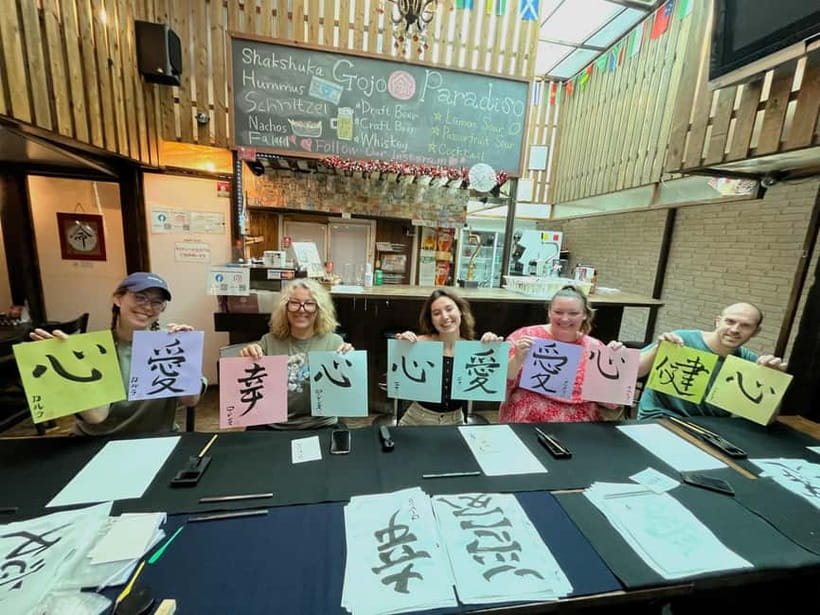
Kyoto offers no shortage of souvenirs, from sweets to folding fans. This workshop gives you a different option: an object connected to your own time, effort, and name.
The final artwork is suitable for taking home, though you should protect it carefully during the rest of your trip. The information provided does not specify packaging or a tube, so bring a folder or ask the venue how best to carry the rice paper if you have a long journey ahead.
Some sessions may also include a small handmade calligraphy gift from the teacher, accented in gold. This is a thoughtful extra, though the central included souvenir is the artwork you create during the class.
The final part of the visit allows time for photographs, a look around the gallery, and special orders. The gallery adds interest for anyone who wants to see more finished calligraphy after making a first attempt. Special orders are available, but they are not part of the $32 price, so ask about the cost before agreeing to anything additional.
How Much Value Do You Get for $32?
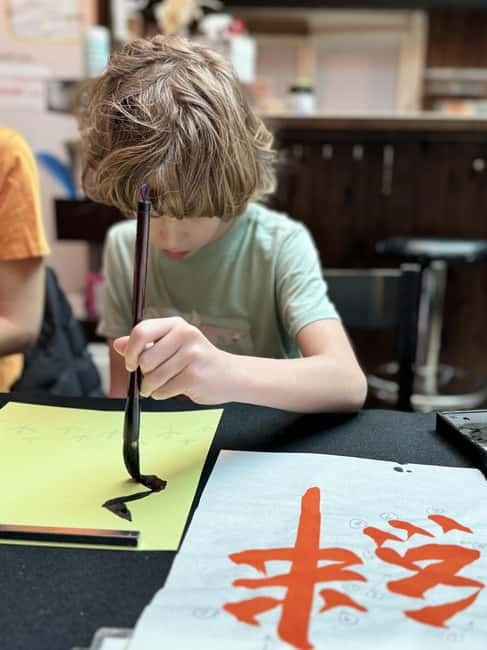
At $32 per person, this is fairly priced for a small, guided cultural activity in central Kyoto. The fee includes the instructor, all necessary supplies, and the finished experience. You are paying for direct teaching, not just admission to a room where materials are placed on a table.
The small group limit matters here. With no more than 10 participants, you have a better chance of receiving personal corrections. The teacher’s patience and the possible help of two assistants make the fee more useful than it would be in a large demonstration class.
The value is also strong if you want a souvenir with a story. A shop-bought print may look more polished, but your own rice-paper artwork carries a personal connection. You can remember the brush exercises, the kanji lesson, and the moment you added your name.
This is less appealing if you only want a quick photograph or a polished professional piece. You will spend much of the session practicing, and your finished work will show that it was made by a beginner. For most people, that is the point. If you want a serious multi-session course, this workshop will be too short.
Who Should Book This Activity?
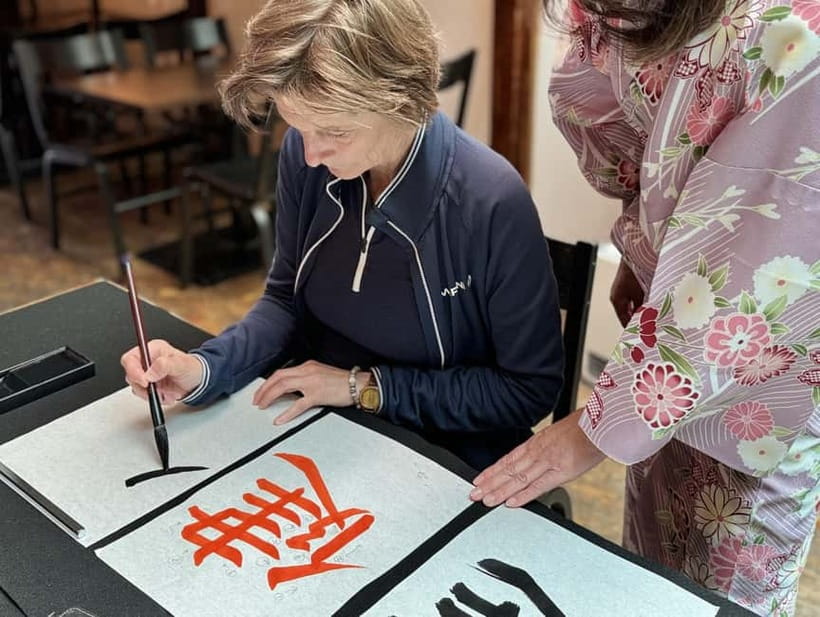
This class suits first-time visitors who want a cultural activity that is practical and easy to fit into a busy Kyoto schedule. It is also a good choice for couples, friends, and solo visitors who enjoy making something with their hands.
You do not need previous calligraphy experience. The step-by-step format is built for beginners, while people with some practice can still use the session to improve their brush control.
I would especially recommend it if you want a souvenir that is:
- Made by you rather than bought from a shop
- Small and easy to display at home
- Connected to Japanese writing and culture
- Personal enough to include your name in kanji
- Suitable for a short afternoon or morning activity
Children under 10 cannot take part. Older children may enjoy it, but the quiet, careful movements and brush control may suit teenagers and adults best.
Timing, Language, and Booking Details
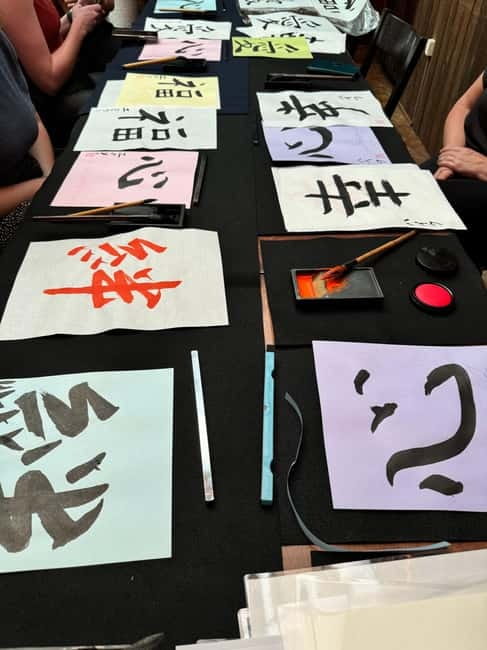
The workshop lasts between one and two hours. The exact length and starting time depend on availability, so check the schedule before choosing your day.
English and Japanese instruction are available. The English teaching has been described as clear, and the teacher is patient when explaining each exercise. Even if you know little about Japanese, you should be able to follow the practical demonstrations.
You need to reserve at least one day in advance. That is important because this is a small class rather than a walk-in activity. The group is capped at 10 people, so last-minute space may not be available.
The activity offers free cancellation up to 24 hours before the start time for a full refund. You can also reserve now and pay later, which helps if you are still arranging several Kyoto plans.
What You May Want to Know Before You Go
Wear something that allows you to sit comfortably and use your arm freely. The supplied information does not specify clothing requirements, but ink and brushwork naturally call for a little care. It is sensible to avoid your most delicate outfit.
Plan your route around the station rather than relying only on the venue name. From Keihan Kiyomizu Gojo Station, the walk is short. From Keihan Shichijo Station, allow about 10 minutes.
Do not schedule a major attraction too tightly after the class. The stated duration is 1 to 2 hours, and the closing time may include photographs, gallery viewing, or questions about special orders. A little breathing room will make the visit more pleasant.
If carrying the finished rice paper through Japan, ask about protection before leaving. The artwork is the main physical souvenir, so keeping it flat and dry is worth some thought.
My Recommendation: Book It If You Want to Make Something
I recommend the Gojo Paradiso calligraphy workshop if you want a friendly, small-scale introduction to Japanese culture and a souvenir with personal meaning. The combination of Takako’s patient teaching, clear English instruction, quality materials, and one-to-one help gives the class real substance.
Book it with the right expectations. You will not become a master in two hours, and your first kanji may have a few wobbly lines. You will, however, learn the basics, write your name, make a rice-paper artwork, and spend a quiet hour doing something rather than simply looking at another Kyoto sight.
At $32, that is a good use of time and money, especially for adults and children aged 10 or older who enjoy creative activities. Skip it only if you dislike careful handwork or want a fast, purely visual attraction.
FAQ
Where is the Kyoto calligraphy workshop held?
It is held at Gojo Paradiso on Kiyamachi Street, along the Takase River in central Kyoto.
How far is Gojo Paradiso from Kiyomizu Gojo Station?
The venue is about 386 meters from Keihan Kiyomizu Gojo Station, or around a five-minute walk.
How long does the calligraphy activity last?
The activity lasts between one and two hours. You should check availability for the exact starting time.
How much does the workshop cost?
The listed price is $32 per person.
Is the workshop suitable for complete beginners?
Yes. The instructor provides step-by-step guidance, beginning with basic brush strokes before moving on to kanji characters.
What languages are available?
Instruction is available in English and Japanese.
What is included in the price?
The price includes an expert calligraphy instructor, all necessary supplies, and the cultural workshop experience.
Can I take my calligraphy home?
Yes. You create a finished calligraphy piece on rice paper and can take it home. You may also write your name in kanji, and the teacher can stamp the work.
Are children allowed to join?
Children under 10 are not suitable for this activity. Participants aged 10 or older can book, subject to availability.
How large is the group?
The workshop is a small-group activity limited to 10 participants.
Is the venue wheelchair accessible?
Yes. The activity is listed as wheelchair accessible.
Can I cancel my booking?
You can cancel up to 24 hours in advance for a full refund. The activity also offers a reserve-now, pay-later option.
Newest Kyoto experiences on the site
- Treasures of Kyoto: Gion & historical Walking Tour★ 5.0 · 6 reviews
- Whisk Your Own Matcha: A Zen Matcha Experience at Temple★ 3.6 · 7 reviews
- Kyoto tea town for matcha lovers★ 5.0 · 16 reviews
- Uji: Private immersion into Kyoto’s tea and reglious culture★ 5.0 · 17 reviews
- Kyoto Matcha Green Tea Tour★ 4.5 · 23 reviews
- Uji and Wazuka Matcha Farm Half Day Private Guided Tour★ 5.0 · 21 reviews
- Utilising upcycled Matcha! Creating matcha incense (Uji, Kyoto)★ 5.0 · 6 reviews
- Sacred Temple Yoga Experience in Japan★ 5.0 · 3 reviews
Kyoto Craft Workshops, compared.
Chopsticks Making Workshop in Gion with Engraving Option
Read our review →
Authentic knife making experience at a blacksmith in Kyoto
Read our review →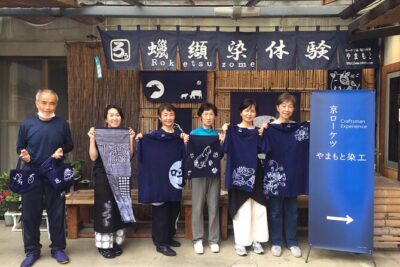
Roketsu dyeing experience: M course Roketsu Dyeing Experience
Read our review →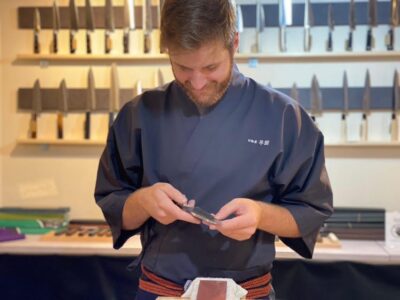
Beginner Knife Sharpening & Handle Fitting Workshop
Read our review →
Japanese Archery Workshop with Experienced Instructor
Read our review →
Kyoto Michelin Ramen Workshop or Painting Ramen Essentials
Read our review →
Browse the lists this tour appears in