
Reviewed · FUSHIMI INARI TOURS
Japanese Sake Breweries Tour in Kyoto Fushimi
Fushimi is one of Japan’s best places to learn about sake, and this three-hour walk gives you more than a quick drink at a bar. You move through an old brewing district, visit the Gekkeikan Sake Museum, and finish with several tastings that let your tongue compare sake styles.
I like the clear mix of history and tasting, especially the museum’s connection to Gekkeikan, founded in 1637. I also like the variety: Kyoto beer, sake ice cream, and six included sake samples keep the tour from feeling like the same pour repeated all afternoon.
The main drawback is guide quality can shape the day. Musaki, also called Bob, has led tours with warm, personal attention, but one booking found the explanations too thin, especially at the final tasting. At $80, you should expect more than being walked between stops.
Key points to know before booking
- Gekkeikan’s 1637 brewing story: Learn about one of Kyoto’s best-known sake makers inside its dedicated museum.
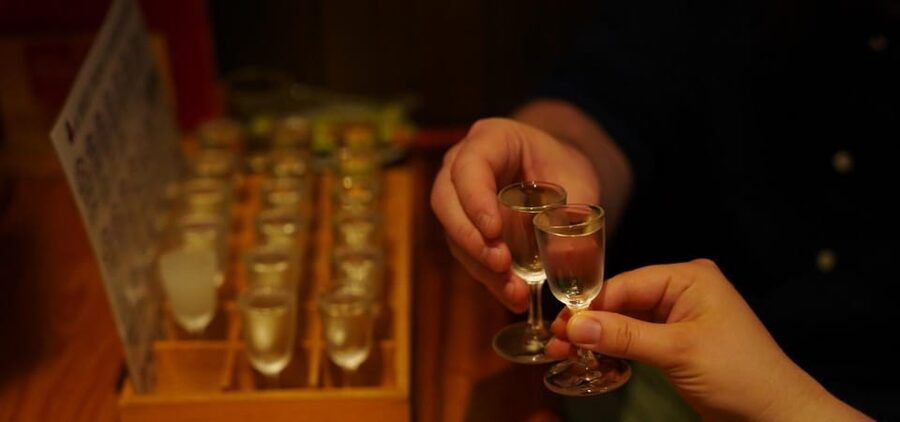
- Six included sake samples: You receive three types at Gekkeikan and three more at Ginjo Shubo Aburacho.
- A broader tasting menu: The route adds one glass of Kyoto Beer and sake ice cream, with other drinks and food available at your own cost.
- Fushimi on foot: The route uses short five-minute walks between most stops, making it easy to follow without transport.
- A guide-led experience: English, Chinese, and Japanese tours are offered, and the guide’s ability to explain flavor differences matters greatly.
- Under-20 visitors can join: Alcohol is illegal for anyone under 20 in Japan, but juice and non-alcoholic choices are available.
Why Fushimi makes a good sake base
Fushimi is not simply a place with a few tasting rooms. It is a historic sake district shaped by water, brewing, and trade. The route connects old brewery buildings, tasting spaces, and places tied to the movement of people and goods between Fushimi and Osaka.
That setting gives the tour its main value. You are not tasting sake in a generic bar far from its source. You are walking through the district where breweries helped shape local life, then tasting products connected to that tradition.
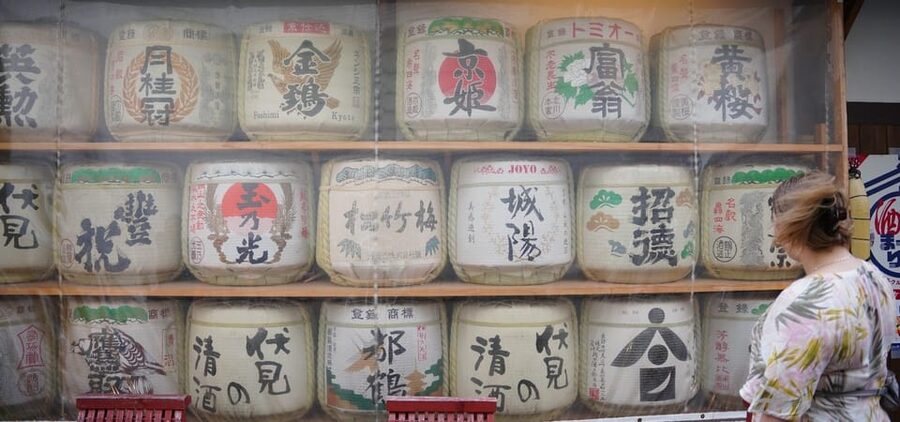
The tour starts at Chushojima Station. Meet beside the sake barrel object just outside the north exit ticket gate. Look for the guide holding a sign marked 888, and take care not to confuse this station with JR Sumiyoshi Station, which has the same station name.
Most of the route is on foot, with five-minute walks between major stops. I like this arrangement because it keeps the afternoon simple. You do not lose time on buses or trains, and the short walks give you a chance to see the streets around the breweries.
More ways to walk the Fushimi Inari gates:
- Kyoto: Fushimi Inari, Kinkakuji, Bamboo Grove 1 Day Bus Tour
★ 4.8 · 4,316 reviews - Fushimi Inari Hidden Hiking Tour (Private Option Available)
★ 5.0 · 1,750 reviews - Osaka/Kyoto:Kinkakuji,Arashiyama,FushimiInariShrine,NaraPark
★ 4.1 · 1,596 reviews
Gekkeikan Museum: the historical anchor
After a five-minute walk, you reach the Gekkeikan Okura Sake Museum. The guided visit lasts about 35 minutes and includes admission, a commemorative sake cup, and a tasting set of three Japanese sake types.
Gekkeikan was established in 1637, so this stop gives the tour a useful time frame. You can connect modern bottles and tasting rooms with a brewery that has operated for centuries. The museum is also the best place on the route to ask how sake is made and what separates one style from another.
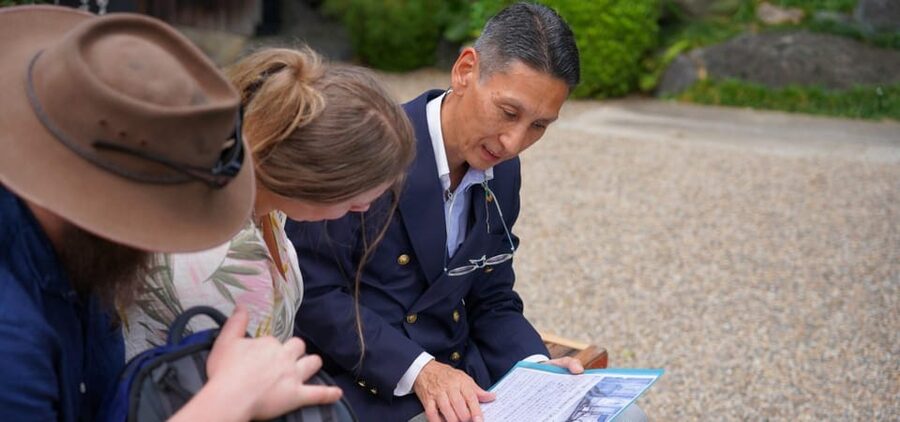
This is where the guide needs to do more than point at displays. If you are new to sake, ask direct questions about rice polishing, fermentation, sweetness, dryness, aroma, and serving temperature. The information provided for the tour promises insight into brewing secrets, but the amount of explanation depends on the guide.
The tasting is not only about finding a favorite bottle. Use the three pours as a comparison exercise. Notice which sake seems lighter, fuller, sweeter, drier, more aromatic, or easier to drink. You will get more from the tour if you taste slowly rather than treating each sample as a quick shot.
The commemorative cup is a small but useful extra. It gives the museum stop a physical souvenir without adding a separate purchase to the $80 price.
Kizakura Kappa Country and Kyoto beer
The next stop is Kizakura Kappa Country, where the scheduled guided portion lasts only about five minutes. That is a short visit, so you should not expect a full brewery tour here.
The included drink is one glass of Kyoto Beer from Kizakura Brewery. This changes the rhythm of the afternoon. After comparing sake at Gekkeikan, beer gives you a different base: carbonation, bitterness, and a cooler, more familiar profile for many people.
Kizakura is also linked to the first local beer made by the brewery, which gives this stop a wider role than a simple drink break. Still, the short timing means the beer is the main practical feature. If you are especially interested in brewing methods, save your questions for the guide and do not expect the five-minute visit to cover every detail.
For anyone in your group who does not drink sake, this part may be especially welcome. The tour also offers non-alcoholic drinks and juices for people under 20, though you should confirm your preferred option with the guide.
Fushimi Saka Gura Kouji and the wider tasting scene
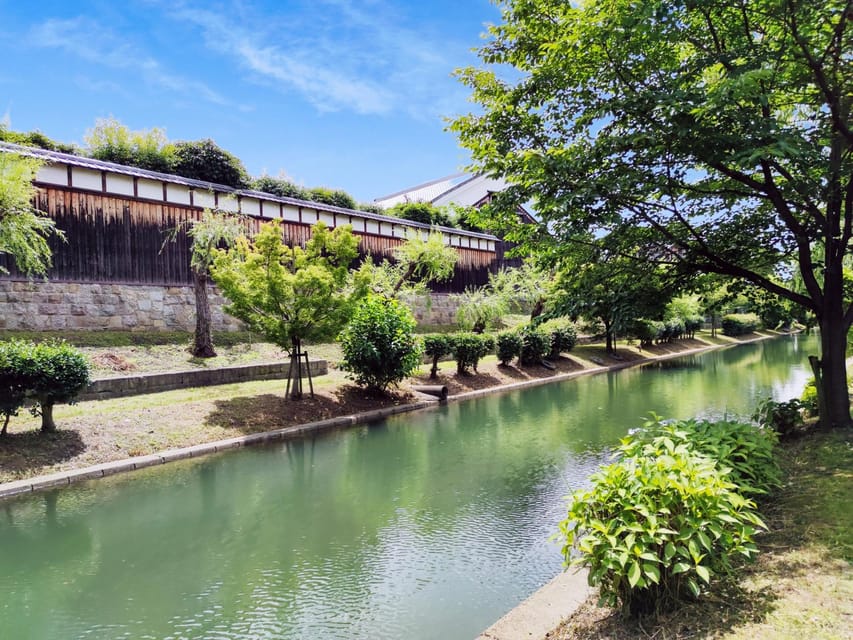
A short walk brings you to Fushimi Saka Gura Kouji for about 25 minutes. This is one of the places where you can sense the scale of Fushimi’s brewing culture. The alley was created with support from 17 breweries belonging to the Fushimi Sake Brewers Association.
That number matters. It shows that Fushimi’s sake identity is shared across many producers, not built around one famous company. The stop is useful for putting Gekkeikan into a larger local context.
The experience description also refers to a set of 17 kinds of drinks associated with the area and popular images online. Do not assume all 17 are included in the tour price. The clearly included sake tastings are three at Gekkeikan and three at Aburacho, while additional eating and drinking expenses at breweries and restaurants are separate.
This is a good place to ask how the different breweries vary. You might find that a guide who explains the flavors well can turn a simple tasting into a lesson in regional style. If the explanation is brief, you can still enjoy the setting, but you may leave without a strong sense of what made each pour different.
More sake tastings in Kyoto:
- Kyoto Night Foodie Tour in Gion (9+ dishes + 6 Sake tastings)
★ 5.0 · 1,762 reviews - 3-Hour Kyoto Insider Sake Brewery Tour with Tastings & Pairings
★ 5.0 · 917 reviews - Arashiyama Bamboo, Temple, Monkeys, or Secret Sake Brewery
★ 4.8 · 886 reviews - Kyoto: Insider Sake Brewery Tour with Sake and Food Pairing
★ 5.0 · 704 reviews
Fushimi Yume Hyakushu in a former Gekkeikan office
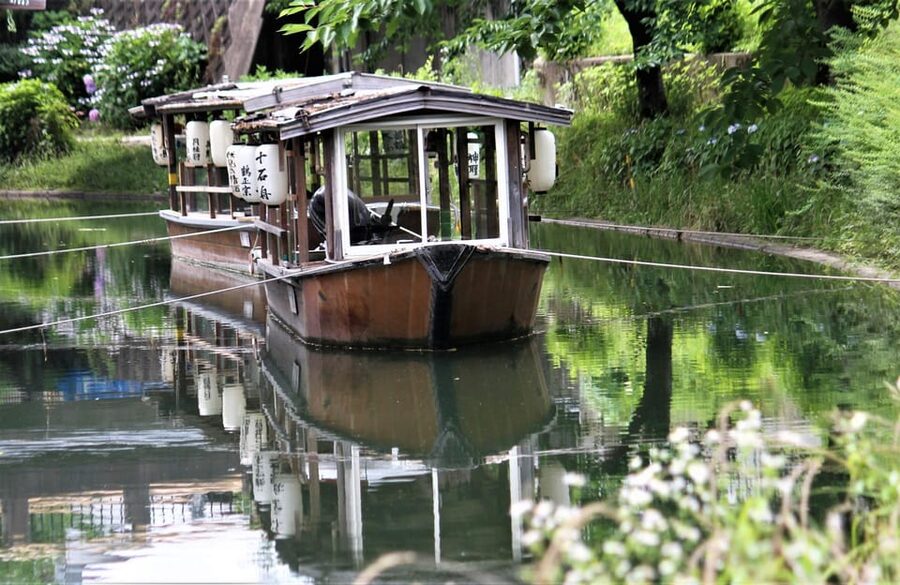
Fushimi Yume Hyakushu receives about 35 minutes of guided time. The café occupies the former Gekkeikan head office, built during the Taisho period. That building gives you another layer of Fushimi’s story, moving from the brewery floor into the business world that supported sake production.
The included treat is sake ice cream. It is a smart choice for this route because it lets you experience a sake-related flavor without adding another alcoholic drink. The café also gives you a chance to pause after several stops and ask the guide about the bottles or brewing terms that still seem unclear.
The area’s old transport connections are part of the story here. From the Edo period through the end of the Meiji era, boats helped connect Fushimi and Osaka, carrying people, sake, rice, and other goods. The Jukkokubune boats are linked to this past, but a boat ride is not part of the scheduled walking route.
If you want to board a Jukkokubune, the fee is 1,500 yen and must be paid at the boat dock. That cost is not included, and the boat is not shown as a regular stop in the route, so ask about timing before counting on it. You should treat the ride as an optional extra, not as part of the $80 package.
Ginjo Shubo Aburacho: the final comparison
The tour ends at Ginjo Shubo Aburacho after another short walk. This is the longest stop, with about 40 minutes of guided time, and it includes a tasting set of three Japanese sake types.
Ending here makes sense. By this point, you have already visited a major brewery museum, tried Kyoto beer, seen the shared brewery district, and had sake ice cream. The final three samples give you one more chance to compare styles and decide what you actually like.
This is also the point where the guide’s teaching matters most. You should be told what you are drinking, how the samples differ, and what flavors to look for. One person who took the tour found the final three pours were served without enough explanation. That is a fair concern, especially if you are new to sake and are paying $80 for a guided introduction.
I would ask three simple questions before tasting: Is this dry or sweet? What aromas should I notice? What food would suit it? Those questions can turn a quiet tasting into a useful lesson. If your guide is Musaki, also called Bob, you may receive a friendly and personal afternoon, but do not hesitate to request more detail if the commentary is too brief.
The tour ends at Aburacho rather than returning you to the starting station. That is helpful if you want to continue eating or exploring in Fushimi, but plan your onward route from the finish rather than assuming you will be escorted back.
What the $80 price really covers
At $80 per person, this is not a cheap tasting crawl. Its value comes from the combination of a guide, museum admission, six sake samples, a Kyoto Beer, sake ice cream, and access to several historic locations in one three-hour route.
The included items are:
- Admission to the Gekkeikan Sake Brewery Museum
- A commemorative Gekkeikan sake cup
- One glass of Kyoto Beer
- Sake ice cream at Café Yumehyakushu
- Three sake samples at Gekkeikan
- Three sake samples at Ginjo Shubo Aburacho
Food, extra drinks, and the 1,500 yen Jukkokubune boat fee cost more. You should also avoid assuming that every drink shown in promotional material is included.
I think the price works best for first-time sake drinkers who want the district explained to them. If you already know sake well and mainly want to buy bottles, you may find the value weaker. You could walk through Fushimi independently, but you would need to arrange your own museum visit, choose tasting locations, and interpret the brewing history yourself.
The tour becomes much better value when the guide explains the difference between the samples. A friendly escort is nice, but clear instruction is what justifies the cost.
Guide style can make or break the afternoon
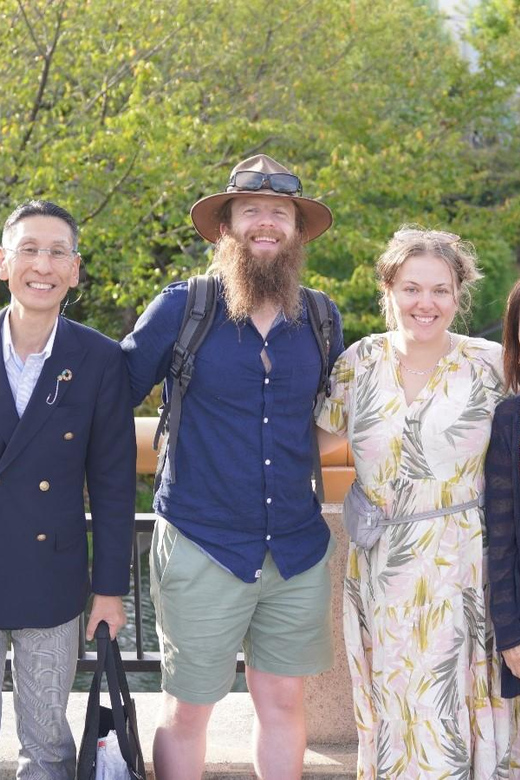
The tour is available in English, Chinese, and Japanese. That makes it accessible to a broad range of visitors, but language alone does not tell you how much you will learn.
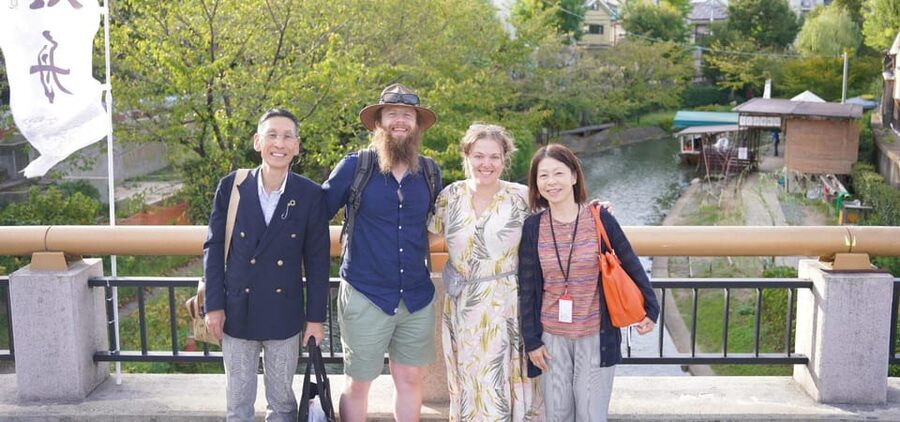
One guide connected with the experience is Musaki, also called Bob. He has a background in sake brewing and has led personalized tours for small groups. That kind of background can be a real advantage when you want to ask practical questions about production and flavor.
At the same time, the experience has not been perfect for everyone. One booking reported that the guide mostly walked the group from place to place and offered too little commentary about production, history, and flavor profiles. Another reported that the guide did not appear at all. That second problem is serious, although it appears to be an isolated bad outcome rather than a normal feature of the tour.
I would arrive at the meeting point early, stand by the sake barrel outside the north exit, and make sure you have the guide’s sign in view. If the guide is not there at the scheduled time, contact the booking provider promptly.
Who should choose this Fushimi walk
I would recommend this tour to you if you are curious about sake but do not know where to start. The six samples, museum visit, and short walks give you an easy introduction without requiring you to plan a full day around breweries.
It also suits couples, small groups, and mixed drinking groups. Beer and sake ice cream add variety, while non-alcoholic drinks and juice help younger participants take part without drinking alcohol.
You should think twice if you want a technical brewing class, a long brewery production-floor visit, or a boat ride built into the schedule. The official route is a city walk with guided visits and tastings, not an all-day manufacturing tour.
The activity is not suitable for people over 80. Anyone under 20 may join, but Japanese law forbids drinking alcohol under that age. The available non-alcoholic options make attendance possible, but they do not change the legal rule.
You can cancel up to 24 hours before the tour for a full refund, and reserve now while paying later. Those terms are useful if your Kyoto plans are still shifting.
Should you book the Fushimi sake tour?
Book it if you want an organized introduction to Fushimi, value a local guide, and like the idea of comparing sake in the district where it is made. The museum, six sake samples, Kyoto Beer, and sake ice cream give the three hours a good mix.
Before booking, set your expectations correctly. The tour is worth the $80 when the guide provides real explanation, not just directions from one stop to the next. Ask questions, especially about sweetness, dryness, aroma, rice polishing, and food pairings.
If you want the strongest possible experience, confirm the meeting details carefully and ask about the optional Jukkokubune boat before the tour begins. For a first taste of Kyoto sake culture, this is a convenient and appealing choice. For serious sake students, it may feel too introductory unless the guide turns the tastings into a proper lesson.
FAQ
How long does the Japanese Sake Breweries Tour in Kyoto Fushimi last?
The tour lasts three hours.
Where does the tour meet?
Meet beside the sake barrel object just outside the north exit ticket gate at Chushojima Station. The guide will hold a sign marked 888.
Could I go to the wrong station?
Yes. Take care not to confuse Chushojima Station with JR Sumiyoshi Station, which has the same station name.
Which languages are available?
Live guides are available in English, Chinese, and Japanese.
How many sake samples are included?
You receive three types of sake at the Gekkeikan Sake Brewery Museum and three more at Ginjo Shubo Aburacho, for six included samples in total.
Is Kyoto beer included?
Yes. The tour includes one glass of Kyoto Beer at Kizakura Brewery.
Is sake ice cream included?
Yes. Snacks including sake ice cream are included at Café Yumehyakushu.
Is the Jukkokubune boat ride included?
No. The boat boarding fee is 1,500 yen and must be paid at the boat dock. The boat ride is not part of the scheduled walking route.
Can someone under 20 join the tour?
Yes, people under 20 can join, but drinking alcohol is illegal in Japan for anyone under 20. Non-alcoholic drinks and juices are available.
More Bars and Sake Stops in Kyoto
- Kyoto: Izakaya Bars Guided Walking Tour
★ 4.9 · 815 reviews - Kyoto Bar Hopping Night Tour
★ 5.0 · 613 reviews - Kyoto Local Bar Crawl in Kawaramachi Area
★ 5.0 · 378 reviews - 1.5-Hour Kyoto Insider Sake Experience with 7 Tastings & Pairings
★ 5.0 · 297 reviews
More Sake Breweries in Kyoto
- Kyoto Sake Brewery & Tasting Walking Tour
★ 5.0 · 623 reviews - Kyoto: Fushimi Sake Brewery Tour – 18 Tastings in 2.5 Hours
★ 4.7 · 36 reviews - KYOTO Sake Tasting Tour at Local Breweries(tasting fee included)
★ 5.0 · 16 reviews - Kyoto Sake Brewery Tour with Lunch
★ 4.5 · 12 reviews
Newest Kyoto experiences on the site
- Treasures of Kyoto: Gion & historical Walking Tour★ 5.0 · 6 reviews
- Whisk Your Own Matcha: A Zen Matcha Experience at Temple★ 3.6 · 7 reviews
- Kyoto tea town for matcha lovers★ 5.0 · 16 reviews
- Uji: Private immersion into Kyoto’s tea and reglious culture★ 5.0 · 17 reviews
- Kyoto Matcha Green Tea Tour★ 4.5 · 23 reviews
- Uji and Wazuka Matcha Farm Half Day Private Guided Tour★ 5.0 · 21 reviews
- Utilising upcycled Matcha! Creating matcha incense (Uji, Kyoto)★ 5.0 · 6 reviews
- Sacred Temple Yoga Experience in Japan★ 5.0 · 3 reviews
Fushimi Inari Tours, compared.
Fushimi Inari, Kinkakuji, Bamboo Grove 1 Day Bus Tour
Read our review →
Fushimi Inari Hidden Hiking Tour (Private Option Available)
Read our review →
Kinkakuji,Arashiyama,FushimiInariShrine,NaraPark
Read our review →
Nara, Fushimi Inari Taisha, Arashiyama Bus Tour
Read our review →
Arashiyama, Nara & Fushimi Inari Shrine w/Lunch
Read our review →
Nijo Castle, Kiyomizu & Fushimi Inari Guided Tour
Read our review →
Nijo, Kinkaku-ji, Arashiyama, Kiyomizu & Fushimi Inari
Read our review →
Browse the lists this tour appears in