
Reviewed · KYOTO CRAFT WORKSHOPS
Let’s make Japanese accessories with Mizuhiki
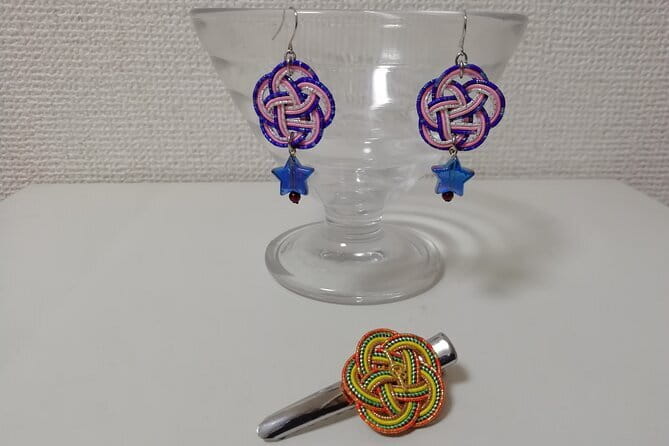
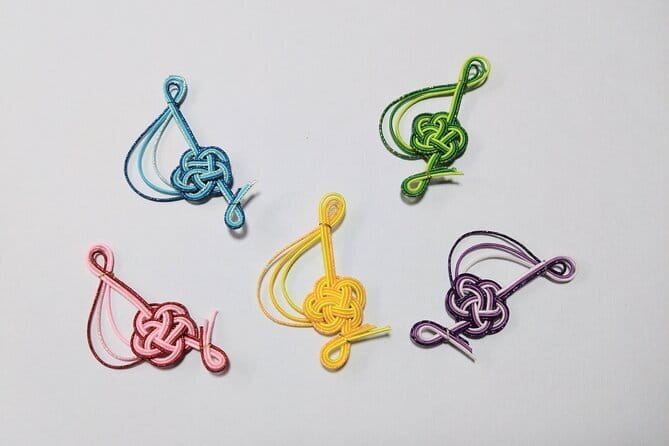
Mizuhiki turns thin twisted paper and thread into surprisingly sturdy cord, then into earrings, keychains, hair ornaments, and tiny baskets. At RakueJapan in central Kyoto, you learn the basic abalone knot, choose your colors, and make a small souvenir with help from Akemi, a patient and encouraging instructor. The hands-on craft feels personal, not like a quick demonstration.
I like two things here: you leave with something you made yourself, and the one-hour format fits neatly into a sightseeing day. The matcha and sweets at the end are also a thoughtful touch. The main drawback is that the work can be fiddly, especially if your fingers are not used to precise knotting, so this is better for people who enjoy slow, careful crafts than for anyone seeking a fast activity.
Key points before you book
- Traditional Japanese cordwork: Learn knots connected with Japanese gift-giving and ceremonial customs.
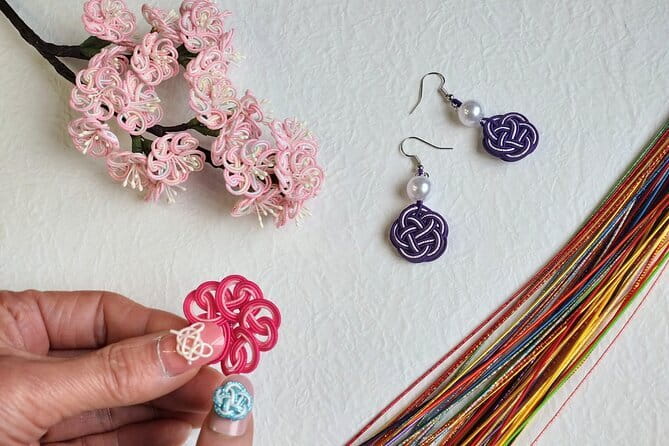
- Several finished projects: Choose from examples such as earrings, floral hair ornaments, straps, keychains, and mini baskets.
- Private setting: Only your group takes part, which allows the instructor to guide you closely.
- A small Kyoto souvenir: The material cost is included, and you take home the accessory you make.
- Matcha and sweets included: The class ends with a quiet snack break rather than an abrupt finish.
- Easy planning: The activity lasts about one hour, begins and ends at RakueJapan, and offers free cancellation up to 24 hours before the start time.
Why Mizuhiki makes a good Kyoto souvenir
Mizuhiki is made by winding a thin, twisted paper cord with thread. The finished material is light but firm, and it comes in many colors. That combination lets you create something delicate without making a fragile souvenir.
In Japan, Mizuhiki has long been used for sacred objects and formal gift envelopes. It remains familiar today on envelopes used when giving money for celebrations and other important occasions. Learning the knots gives you a little context for an object you may otherwise pass quickly in a shop.
I like this kind of craft because it connects a small object with a wider custom. You are not simply assembling a souvenir from ready-made parts. You practice the knot that gives the cord its shape, then use color and arrangement to create your own piece.
The workshop also makes the tradition approachable. You do not need previous experience with Japanese crafts. The first steps are basic, and the instructor demonstrates the technique before asking you to repeat it. Still, expect to use patience. A knot that looks simple in a finished ornament may take several tries when you first make it.
More craft workshops in Kyoto:
- Kyoto : Chopsticks Making Workshop in Gion with Engraving Option
★ 5.0 · 958 reviews - Authentic knife making experience at a blacksmith in Kyoto
★ 4.8 · 350 reviews - Roketsu dyeing experience: M course Roketsu Dyeing Experience
★ 5.0 · 163 reviews
Starting with a colorful Pochi bag
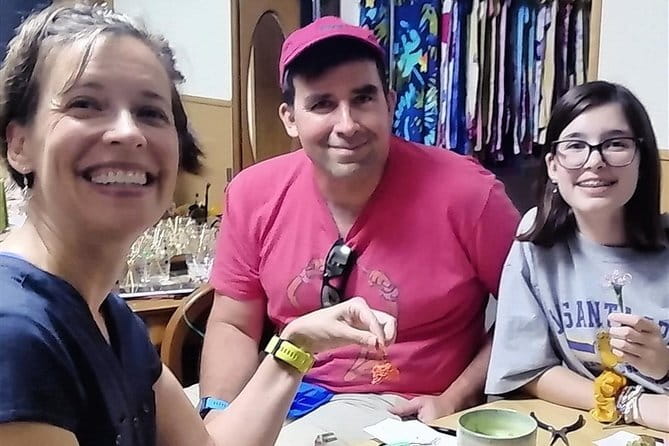
The class begins by choosing colored paper for a Pochi bag, a small paper bag associated with the craft. This opening choice gives you a quick introduction to the colors and materials before the more detailed knotting begins.
You then tie the basic abalone knot to the bag. The class also has you practice the knot with a single Mizuhiki cord. That repetition matters. It gives you a chance to understand the movement without worrying yet about producing the final accessory.
The instructor guides you through the steps as you work. Akemi has been praised for demonstrating the basic knot clearly, then helping students progress to more detailed forms such as a leaf knot and a flat plum knot. Some people work with one cord first, then add two or three colors.
That progression is useful for beginners. You can see how a simple knot changes when you add more cords, and you get a better feel for keeping the strands in place. If your fingers feel clumsy at first, do not read that as failure. The cordwork requires a light touch and careful positioning.
The Pochi bag is also a nice part of the lesson because it gives you an early result. Even if your final accessory takes time, you have already completed a small piece of the craft.
Choosing an accessory that matches your skill
Once you have practiced the basic knot, you select a project from the sample designs. The choices can include strawberry straps, floral hair ornaments, cute earrings, keychains, and mini baskets.
The exact project you choose will affect how much concentration the class requires. Earrings and hair ornaments can involve more careful shaping, while a strap or keychain may feel more direct. The sample pieces let you see the finished look before committing.
This is one of the workshop’s strongest features. You are not handed the same project as every other person in the room. You can choose colors and a design that suit your taste, then make a piece with a clear personal connection to your time in Kyoto.
You should ask for help early if a step feels unclear. The instructor is there to guide you, and the private format makes it easier to slow down and correct a knot. One person completed flower earrings with patient assistance, while another made two different accessories after quickly learning the technique.
The class is not only for people who already enjoy needlework or paper crafts. A visitor who described having unskilled, clumsy fingers still learned the process and finished something. That is a good sign for beginners, though you should still allow yourself time to work carefully.
The private format changes the pace
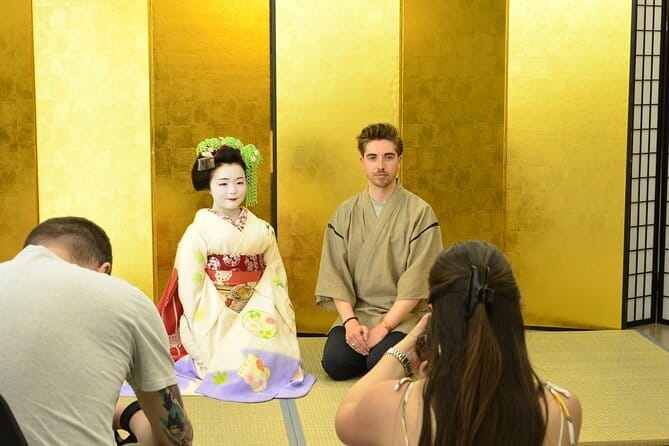
Only your group participates in this activity. That makes a real difference in a craft class, where everyone may move at a different speed.
If you understand the first knot quickly, you can try a more detailed design. If you need extra practice, the instructor can focus on your hands and show the movement again. You do not have to keep pace with a large class or wait while an instructor moves between many tables.
The private setting also gives the workshop a small, authentic feel. The room is not described as a major production, and the setting has been noted as welcoming and personal. If you want a quiet activity after crowded streets and busy temples, this can be a pleasant change of rhythm.
The tradeoff is that the experience depends heavily on what you want from a one-hour class. You will learn basic techniques and make an accessory, but you should not expect a long historical lecture or a full course in every Mizuhiki style. The focus stays on doing the craft.
The workshop can also be combined with kimono rental at the shop. That option is useful if you are building a traditional Kyoto day, though the activity itself centers on Mizuhiki rather than on dressing up.
A few more Kyoto tours worth putting on the shortlist
- PERFECT KYOTO 1-Day Bus Tour
★ 5.0 · 13,518 reviews - Kyoto: Fushimi Inari, Kinkakuji, Bamboo Grove 1 Day Bus Tour
★ 4.8 · 4,316 reviews - Kyoto: Tea Ceremony in a Traditional Tea House in Kiyomizu
★ 4.9 · 3,519 reviews - Kyoto Geisha Walking Tour: Gion District & Hidden Gems
★ 4.7 · 3,273 reviews
Matcha and sweets provide a calm finish
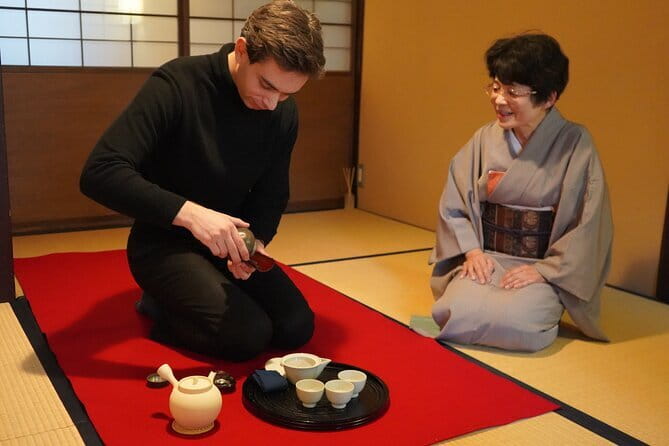
After the main craft work, you take a break with matcha and sweets. This is more than a small extra. Knotting requires close attention, and the refreshment gives you a natural pause before the activity ends.
The finish also suits the mood of the class. You have spent the hour working with your hands, and then you can sit back with a Japanese tea and a sweet. It gives you time to look at the finished accessory and enjoy the result before leaving.
The food is simple rather than a full meal, so do not book this as a dining experience. Think of it as a short cultural pause included with the workshop.
I like that the class does not end the instant the final knot is complete. The tea creates a little breathing room and makes the activity feel less rushed. If you have been walking around Kyoto in hot weather, that break may be especially welcome.
What the $19.60 price covers
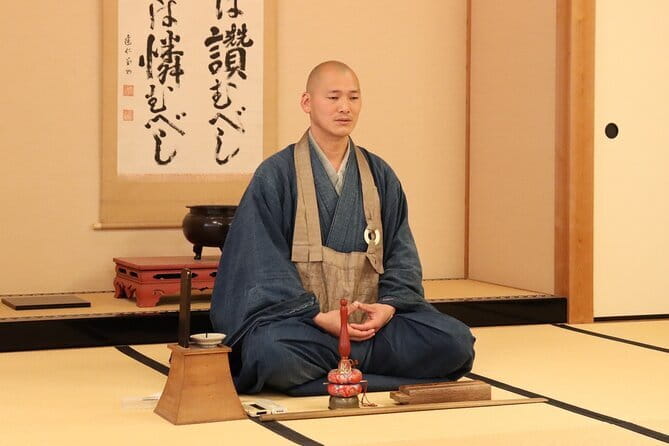
At $19.60 per person, this is reasonably priced for a private, guided craft activity. The materials and the matcha with sweets are included, so you do not need to add a separate material fee to complete the project.
The value comes from three parts: personal instruction, the finished accessory, and the chance to learn a traditional craft rather than simply buy a decorative item. A similar souvenir in a shop may be faster to purchase, but it will not carry the memory of making it yourself.
The price is less attractive if you are only interested in taking home a finished object and have no patience for detailed handwork. In that case, shopping may be quicker. If you like creative activities and want a small item with a story behind it, the cost is modest.
Some supplies for continuing at home are not included. Mizuhiki intended for non-gift items and the metal fittings needed to make more pieces later must be purchased separately. You can complete the scheduled project with the included material, but do not assume you are receiving a full home craft kit.
Location, timing, and planning details
The workshop takes place at RakueJapan, at 255 Nomura Building, second floor, Shijohorikawacho, Shimogyo Ward, Kyoto 600-8481. It is near public transportation, and the activity begins and ends at this meeting point.
The session lasts about one hour. That makes it easy to place between sightseeing stops, though you should allow enough time to find the building and get settled. The address includes a building and floor, so check the meeting details carefully rather than relying only on a general map pin.
The activity is commonly reserved well ahead of time, with an average booking lead time of about 38 days. If you want an earlier start than the available times show, contact Rakue as soon as possible. Earlier time slots may be possible if space can be opened.
Confirmation is provided when you book. Most people can participate, and the private format means your group will not be mixed with other bookings.
Free cancellation is available if you cancel at least 24 hours before the local start time. Cancellations inside that window are not refunded, and changes made within 24 hours are not accepted.
Who will enjoy this workshop most
I would choose this activity for you if you like making things, want a compact cultural experience, or need a gentler break from Kyoto’s temples and streets. It also works well for couples, families, and small private groups because each person can choose a different design.
It suits creative beginners particularly well. The instructor starts with a basic knot and builds from there. You do not need to arrive with craft skills, though you should enjoy working slowly and following careful instructions.
This may not be the best choice if you want a large group atmosphere, a long lecture about Japanese history, or a project that takes only a few minutes. Mizuhiki looks cute and simple, but the hands-on work demands attention.
It is also a good rainy-day or hot-day option. The class takes place indoors, and the matcha break gives you a chance to rest without giving up a full sightseeing day.
Should you book the Mizuhiki class?
Book it if you want a small, personal Kyoto souvenir and enjoy the satisfaction of making something with your own hands. The private lesson, patient instruction from Akemi, included materials, and matcha break make the $19.60 price fair.
Choose a strap or keychain if you want a relatively straightforward project, or ask about earrings and floral designs if you are ready for more detailed work. Keep in mind that the cordwork can be fiddly, and extra supplies for making pieces at home cost more.
For a one-hour activity with a real cultural connection, this is an easy choice for craft lovers and curious beginners. It gives you more than a purchased trinket, but only if you are willing to slow down and tie the knots yourself.
FAQ
Where does the Mizuhiki workshop take place?
It takes place at RakueJapan, 255 Nomura Building, second floor, Shijohorikawacho, Shimogyo Ward, Kyoto 600-8481. The activity ends at the same meeting point.
How long does the activity last?
The workshop lasts approximately one hour, including the craft activity and the matcha and sweets break.
What can I make during the workshop?
You can choose from sample designs that may include strawberry straps, floral hair ornaments, earrings, keychains, and mini baskets. The activity also includes making a small Pochi bag and practicing the basic abalone knot.
Is the activity private?
Yes. This is a private activity, so only your group participates.
Are materials and refreshments included?
The materials for the workshop are included, along with matcha and sweets. Mizuhiki for non-gift items and metal fittings for making additional pieces at home are not included.
What is the cancellation policy?
You can receive a full refund by canceling at least 24 hours before the experience start time. Cancellations or changes made less than 24 hours before the start time are not accepted, and no refund is provided.
Newest Kyoto experiences on the site
- Treasures of Kyoto: Gion & historical Walking Tour★ 5.0 · 6 reviews
- Whisk Your Own Matcha: A Zen Matcha Experience at Temple★ 3.6 · 7 reviews
- Kyoto tea town for matcha lovers★ 5.0 · 16 reviews
- Uji: Private immersion into Kyoto’s tea and reglious culture★ 5.0 · 17 reviews
- Kyoto Matcha Green Tea Tour★ 4.5 · 23 reviews
- Uji and Wazuka Matcha Farm Half Day Private Guided Tour★ 5.0 · 21 reviews
- Utilising upcycled Matcha! Creating matcha incense (Uji, Kyoto)★ 5.0 · 6 reviews
- Sacred Temple Yoga Experience in Japan★ 5.0 · 3 reviews
Kyoto Craft Workshops, compared.
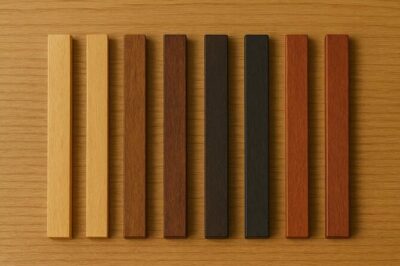
Chopsticks Making Workshop in Gion with Engraving Option
Read our review →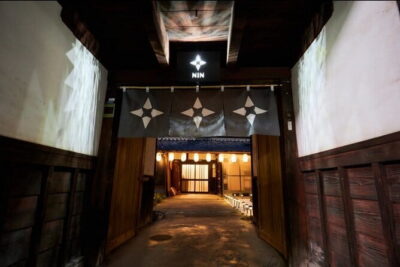
Authentic knife making experience at a blacksmith in Kyoto
Read our review →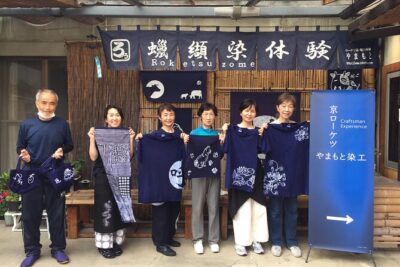
Roketsu dyeing experience: M course Roketsu Dyeing Experience
Read our review →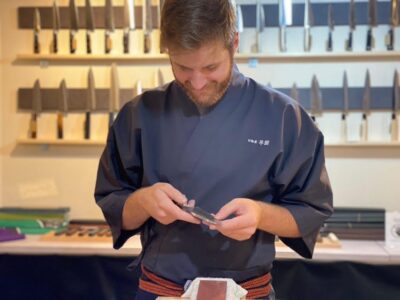
Beginner Knife Sharpening & Handle Fitting Workshop
Read our review →
Japanese Archery Workshop with Experienced Instructor
Read our review →
Kyoto Michelin Ramen Workshop or Painting Ramen Essentials
Read our review →
Browse the lists this tour appears in