
Reviewed · KYOTO CRAFT WORKSHOPS
Kyoto Urushi Lacquer Factory Tour and Chopstick Making Experience
The rare part of this Kyoto experience is seeing urushi lacquer before it becomes a finished bowl, box, or piece of furniture. At Tsutsumi Asakichi Urushi, you learn how sap from the Japanese lacquer tree is collected, refined, and colored for artisans across Japan. Then you use the material yourself on a pair of chopsticks.
I like two things here. First, the factory gives you a look at a working part of Japanese craft culture, not just a display of finished souvenirs. Second, the hands-on workshop gives the 90-minute visit a useful ending: you leave with chopsticks you helped make. The main consideration is price. At $97.55 per person, this is a costly short activity, though the small group and specialist access make it more than a standard craft class.
Key points to know before booking
- More than a shop visit: The tour begins at Und., a store selling lacquerware tools and supplies, then continues into the factory.
- A major domestic supplier: Tsutsumi Asakichi Urushi refines more than 70 percent of Japan’s domestic urushi lacquer.
- A traditional finishing method: You apply lacquer to chopsticks using the fuki-urushi technique.
- Small groups matter: The maximum is five people, giving the English-language guide room to explain the process and answer questions.
- Central Kyoto location: The meeting point is in Shimogyo Ward, near public transportation, and the tour returns there.
- Plan for practical limits: Wear clothes that can get dirty, and do not bring large luggage because storage is not available.
Why urushi lacquer makes this visit different
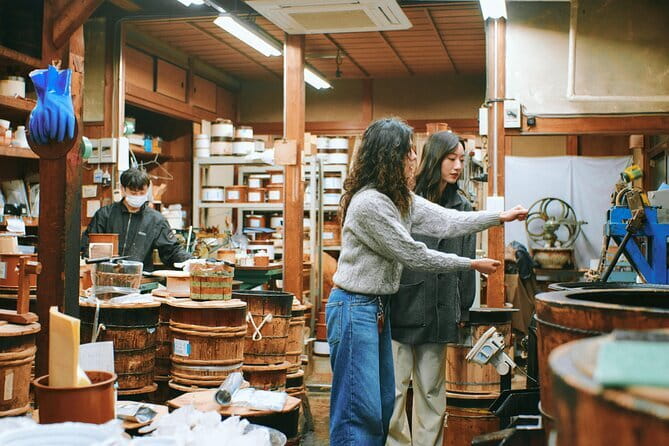
Urushi is the sap of the Japanese lacquer tree. It is collected, refined, colored, and supplied to craftsmen who use it on traditional and modern objects. That simple description hides a long chain of careful work, and this visit lets you see the early stages before the lacquer reaches a lacquerware studio.
Tsutsumi Asakichi Urushi was founded in 1909. The current fourth-generation owner is working to bring urushi back into ordinary life, rather than leaving it only on museum pieces or formal traditional goods. That gives the visit a useful present-day angle. You are not only hearing about an old craft. You are seeing how a family business supports working artisans and considers new uses for the material.
I find that context important because lacquerware can seem distant from daily life. A finished box may be beautiful, but it does not show you how the surface was prepared or how much specialized knowledge goes into the coating. Here, the material itself is the subject.
The factory refines more than 70 percent of Japan’s domestic urushi lacquer. That figure gives you an idea of the business’s place in the craft world, even though the tour itself lasts only about an hour and a half. You are visiting a working supplier, not simply a retail counter arranged for sightseeing.
More craft workshops in Kyoto:
- Kyoto : Chopsticks Making Workshop in Gion with Engraving Option
★ 5.0 · 958 reviews - Authentic knife making experience at a blacksmith in Kyoto
★ 4.8 · 350 reviews - Roketsu dyeing experience: M course Roketsu Dyeing Experience
★ 5.0 · 163 reviews
Starting at the Und. factory store
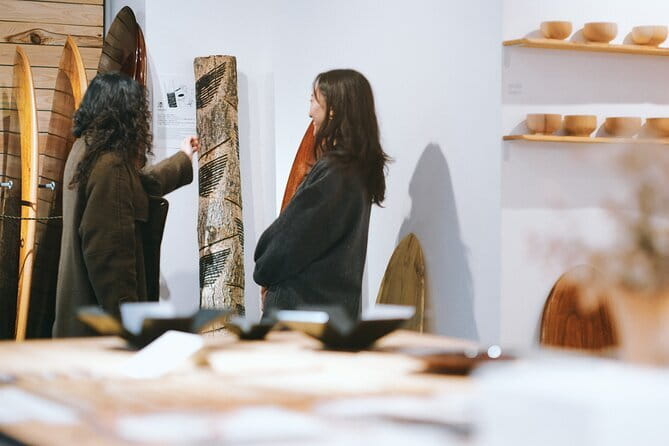
The tour begins at Tsutsumi Asakichi Urushi, in Kyoto’s Shimogyo Ward. The store is known as Und. and specializes in items and tools used by lacquerware artists. It is an important first stop because it places urushi in the context of the people who work with it.
You can expect the English-language guide to explain what the store carries and how those materials fit into the larger lacquer process. The supplied information does not list a guide by name, so you should book this expecting an English-speaking guide rather than a named host.
The store also helps you see how specialized this craft is. Lacquerware is not just a matter of brushing a shiny coating onto wood. It depends on the quality of the urushi, the way it has been refined, and the needs of the artisan using it. The tools and supplies around you make that chain more visible.
Because this is a small group activity, the guide can spend time explaining unfamiliar terms and answering questions. The maximum group size is five people. That is a useful advantage for a technical subject, especially if you want to ask about the difference between raw sap, refined lacquer, and colored lacquer.
Do not treat this opening as a quick gift-shop stop. The store is part of the lesson. It shows you that the factory’s work connects directly to studios and craftsmen across the country.
Seeing how tree sap becomes usable lacquer
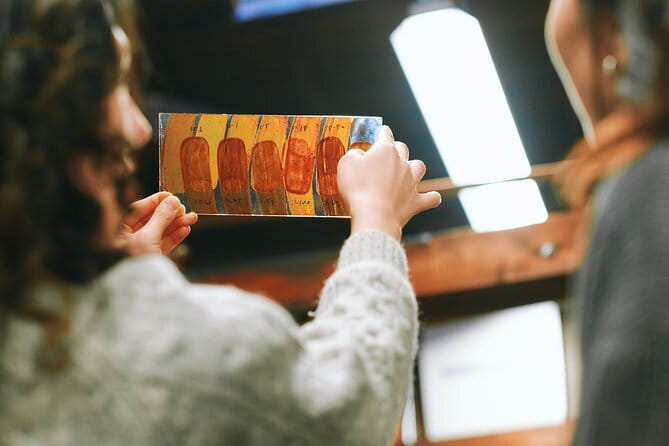
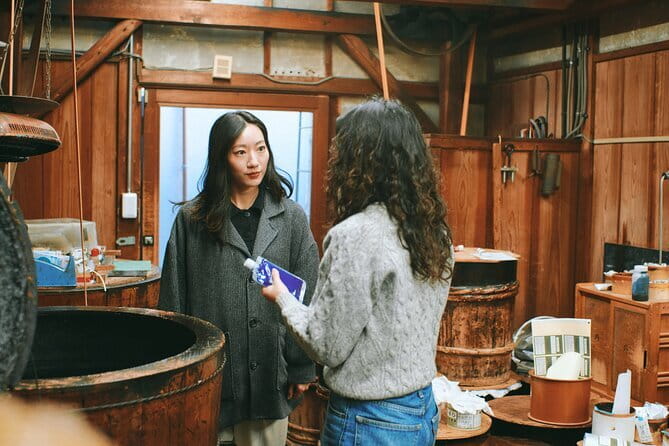
The factory portion explains the path from Japanese lacquer tree to material ready for craftsmen. You will learn about collecting the sap and the refinement that follows. You will also see some of the methods used to refine and color lacquer for local artisans.
The information provided does not promise a long industrial production show or a large collection of machines. Instead, expect an intimate look at a specialized process, with the guide explaining the factory’s work as you move through it. That distinction matters. This is a craft-focused tour, not a general manufacturing attraction.
The most valuable part for me is the connection between raw material and finished object. Urushi does not appear on a bowl or chopstick by magic. It must be prepared for a particular use, and the factory’s role is to produce a high-quality material that craftsmen can rely on.
The tour also gives you a clearer sense of why Japanese lacquerware has survived for centuries. The finished surface gets the attention, but the quality begins much earlier. Collection, refinement, and coloring all affect what an artisan can do later.
You may find the technical subject more interesting if you arrive with a few questions. Ask how the lacquer changes during refinement, why colors are prepared for different uses, or how the factory serves both traditional and modern products. The exact demonstrations are not specified, so it is best to think of these as useful questions rather than promised parts of the tour.
Applying the fuki-urushi technique to chopsticks
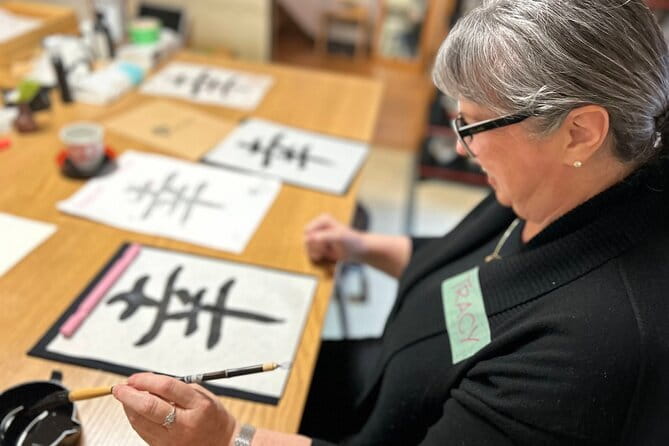
After the factory tour, you go to the workshop area on the top floor. Here you apply lacquer to a pair of chopsticks using the traditional fuki-urushi technique.
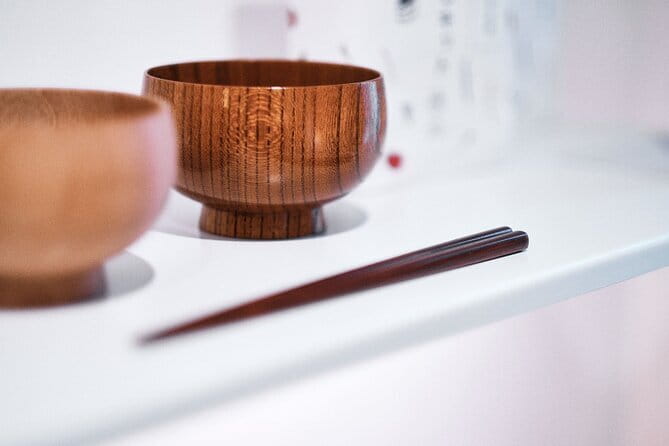
This is the practical heart of the experience. You are not merely watching an artisan work. You are handling the material and creating a small object that you can take home. The finished chopsticks become a reminder of the factory visit, but they also help you understand how much care goes into applying urushi evenly.
The activity is suitable for most people, and no previous craft experience is stated as necessary. Still, you should wear clothes suitable for getting dirty. That advice is worth taking seriously. Lacquer work is hands-on, and your best sightseeing outfit is not the right choice for this workshop.
The information does not specify how many color options are available or how long the chopsticks need to cure. Do not book this expecting to produce a highly decorated, museum-quality object in 30 minutes. The point is to try the coating technique and understand the material through direct use.
For families, couples, and small groups, this part gives the tour a stronger memory than a talk alone. Each person makes a personal object, and the activity is simple enough to fit into a busy Kyoto day. If you are already visiting temples and galleries, the change of pace can be welcome.
A few more Kyoto tours worth putting on the shortlist
- PERFECT KYOTO 1-Day Bus Tour
★ 5.0 · 13,518 reviews - Kyoto: Fushimi Inari, Kinkakuji, Bamboo Grove 1 Day Bus Tour
★ 4.8 · 4,316 reviews - Kyoto: Tea Ceremony in a Traditional Tea House in Kiyomizu
★ 4.9 · 3,519 reviews - Kyoto Geisha Walking Tour: Gion District & Hidden Gems
★ 4.7 · 3,273 reviews
What the 90-minute schedule feels like
The entire experience takes about 90 minutes and begins at 10:00 a.m. The factory and store visit come first, followed by the chopstick workshop. The activity ends back at the meeting point.
That timing makes it easy to place this tour early in a Kyoto itinerary. A morning start leaves the rest of the day open, though you should allow extra time to reach the meeting point in central Kyoto. The location is near public transportation, but private transportation is not included.
Ninety minutes is long enough to introduce the material and complete a small project, but not long enough for an extended apprenticeship. I would choose this tour for a focused introduction, not as a full-day craft course.
The small maximum of five people should help the schedule run at a personal pace. With a larger group, a technical factory explanation can become hard to follow. Here, the guide has a better chance to notice when someone needs the process explained again.
The tour requires at least two participants to operate. You can book for any group size, but a solo booking may be canceled if the minimum is not met. If that happens, a different date or experience, or a full refund, is offered. This is worth checking before you build a tightly timed day around the visit.
Is $97.55 a fair price?
At $97.55 per person, this is not a low-cost Kyoto activity. You are paying for a short visit, a guide, access to a specialist factory, and a hands-on project rather than for a full day of instruction.
The value depends on what you want from your time in Kyoto. If you only want a pair of souvenirs, you can likely find less expensive shopping options. If you want to understand where Japanese lacquer begins and meet a working part of the craft supply chain, the price is easier to justify.
The small group also matters. A maximum of five gives this the feel of a private or near-private appointment, even though the booking is not described as a private tour. That level of access is a major part of the cost.
You also take home the chopsticks you lacquer yourself. Their value is not only material. You will remember the factory process each time you use them, and you can explain how the surface was made. For a person interested in Japanese design, traditional crafts, or practical souvenirs, that makes the price more reasonable.
I would be more cautious if you are looking for a broad overview of Kyoto culture. This tour is narrow by design. It focuses on one material, one company, and one workshop technique. That focus is its strength, but it also means it will not suit someone who wants a general city tour.
Who will get the most from this factory visit?
This experience is a good match for you if you enjoy seeing how objects are made. It also suits anyone with an interest in Japanese craft, design, woodworking, lacquerware, or family-run businesses.
The workshop makes it suitable for people who prefer doing something rather than listening to a long explanation. The activity is not described as physically demanding, and most people can participate. Still, the need to wear clothes that can get dirty makes it less suitable for anyone who wants a polished, formal outing.
The tour is also useful for repeat visitors to Kyoto. If you have already seen major temples and want a smaller local experience, a specialist factory gives you a different view of the city. It shows the working side of traditional culture, where materials continue to move between suppliers and artisans.
The experience may be less satisfying if your interest is only in finished lacquerware. You will see the store and factory, but the focus is on the production material and your own chopstick project. It is not presented as a shopping tour or a visit to a large collection of completed antiques.
Practical details that can affect your day
The meeting point is Tsutsumi Asakichi UrushiJapan, at 540 Inaricho, Shimogyo Ward, Kyoto 600-8098. The activity ends at the same location. A mobile ticket is provided, and confirmation is received at booking.
Large luggage storage is not available. Leave suitcases at your accommodation or another secure storage point before arriving. Bringing only what you need will make the visit easier, especially since you will be working with lacquer.
The tour is conducted entirely in English. That is helpful for a technical subject, since the guide can explain the process directly rather than relying on a translated handout.
The activity may be canceled because of weather or other unforeseen circumstances. It also depends on the minimum of two participants. The booking is non-refundable and cannot be changed for any reason, so make sure the date fits your plans before paying.
My recommendation for booking
I would book this tour if you want a small, specialist experience that combines factory access with a simple hands-on craft. The strongest features are the direct look at urushi production, the small five-person maximum, and the chance to take home your own lacquered chopsticks.
I would skip it if you need a cheap souvenir activity, a broad Kyoto introduction, or a flexible booking that can be changed later. The 90-minute length and $97.55 price require genuine interest in the subject.
For the right person, this is a thoughtful addition to a Kyoto itinerary. You learn where a traditional material comes from, see how a fourth-generation business supports lacquerware makers, and leave with a useful object tied to the experience.
FAQ
Where does the Kyoto urushi lacquer tour begin?
It begins at Tsutsumi Asakichi UrushiJapan, at 540 Inaricho in Kyoto’s Shimogyo Ward, postal code 600-8098.
What time does the experience start?
The tour starts at 10:00 a.m.
How long does the activity last?
The experience takes approximately 1 hour and 30 minutes.
Is the tour conducted in English?
Yes. The tour is conducted entirely in English.
What will I make during the workshop?
You will apply lacquer to a pair of chopsticks using the traditional fuki-urushi technique, then take the chopsticks with you.
How many people can join the tour?
Bookings are accepted for any group size, but the tour requires at least two participants to operate. The maximum group size is five people.
Can I bring large luggage or change my booking?
Large luggage storage is not available. The experience is non-refundable and cannot be changed for any reason after booking.
Newest Kyoto experiences on the site
- Treasures of Kyoto: Gion & historical Walking Tour★ 5.0 · 6 reviews
- Whisk Your Own Matcha: A Zen Matcha Experience at Temple★ 3.6 · 7 reviews
- Kyoto tea town for matcha lovers★ 5.0 · 16 reviews
- Uji: Private immersion into Kyoto’s tea and reglious culture★ 5.0 · 17 reviews
- Kyoto Matcha Green Tea Tour★ 4.5 · 23 reviews
- Uji and Wazuka Matcha Farm Half Day Private Guided Tour★ 5.0 · 21 reviews
- Utilising upcycled Matcha! Creating matcha incense (Uji, Kyoto)★ 5.0 · 6 reviews
- Sacred Temple Yoga Experience in Japan★ 5.0 · 3 reviews
Kyoto Craft Workshops, compared.
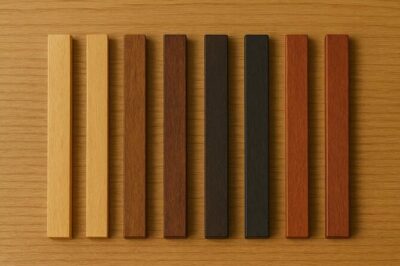
Chopsticks Making Workshop in Gion with Engraving Option
Read our review →
Authentic knife making experience at a blacksmith in Kyoto
Read our review →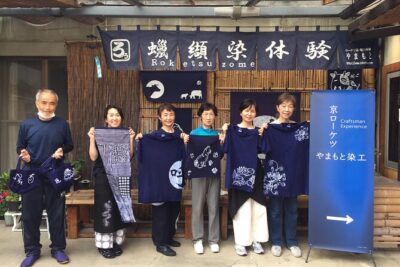
Roketsu dyeing experience: M course Roketsu Dyeing Experience
Read our review →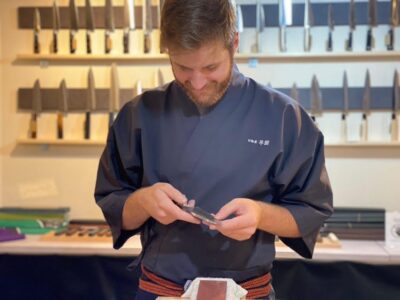
Beginner Knife Sharpening & Handle Fitting Workshop
Read our review →
Japanese Archery Workshop with Experienced Instructor
Read our review →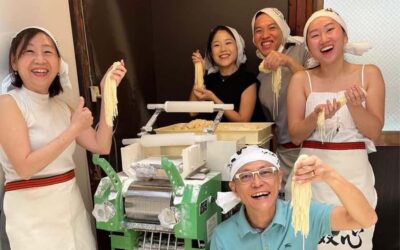
Kyoto Michelin Ramen Workshop or Painting Ramen Essentials
Read our review →
Browse the lists this tour appears in