
Reviewed · KYOTO CRAFT WORKSHOPS
Kyoto: Mindfulness Origami Workshop, Limited 6/8–6/10
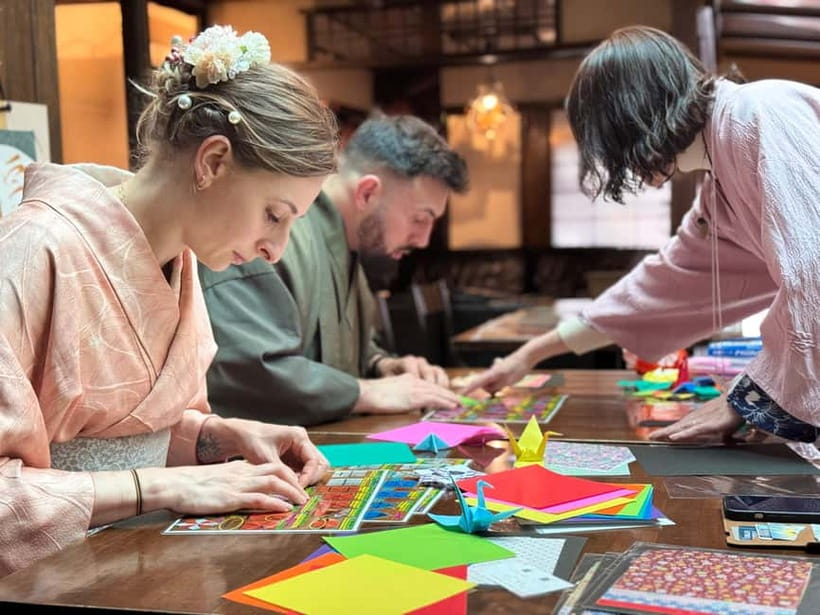
Origami here is less about making a perfect paper crane and more about slowing your hands down. At GojoParadiso, a professional instructor leads you through traditional folds while you focus on each crease, one step at a time. I like the calm, hands-on format and the fact that you leave with your own paper creations, not just a quick photograph.
I also like the easy location near the Takase River, only a short walk from Kiyomizu Gojo Station. The main consideration is the one-hour limit. You will learn basic techniques and several designs, but this is an introduction rather than a full origami course.
Key points at a glance
- Mindful folding beside the Takase River: GojoParadiso provides a peaceful setting for a creative break from Kyoto sightseeing.
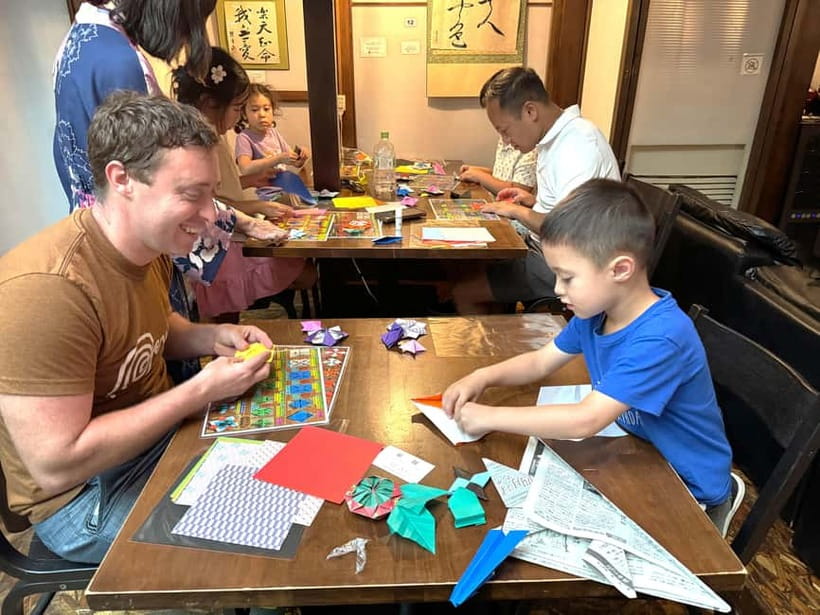
- Traditional designs with patient guidance: You learn basic folds and designs such as cranes from an instructor who teaches in English and Japanese.
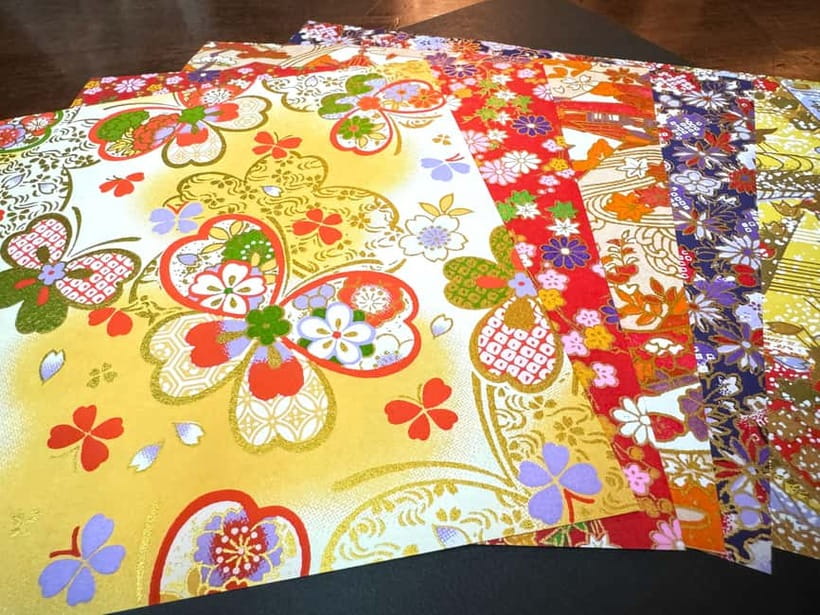
- Colorful or Japanese-patterned paper: You can choose the look of your creations instead of working with plain paper only.
- A small group capped at 10 people: The limited group size allows for individual help when a fold gives you trouble.
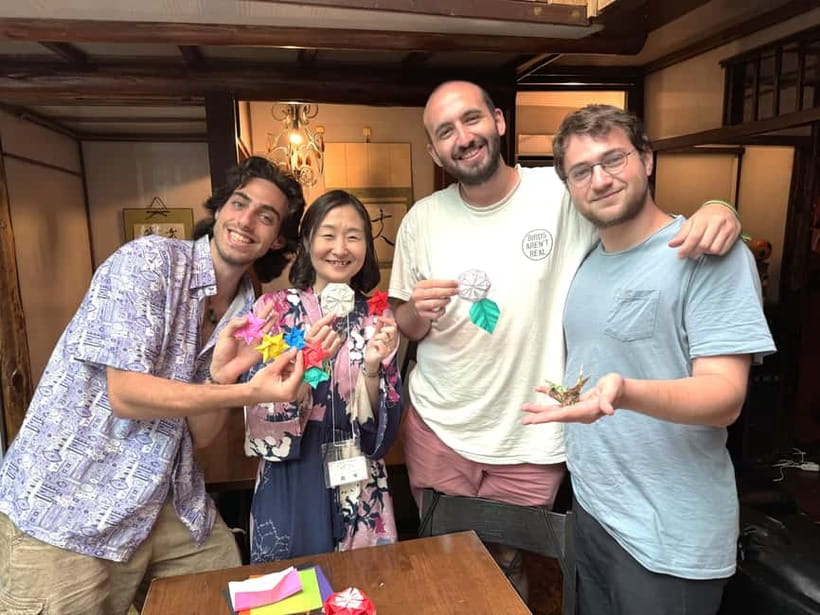
- A souvenir you make yourself: Your finished origami pieces go home with you, along with a group photo.
- Family-friendly and accessible: The activity is designed for children and adults and is wheelchair accessible.
Folding paper in the heart of Kyoto
Kyoto offers plenty of grand sights, but a short craft class can show you a quieter side of Japanese culture. This workshop takes place at GojoParadiso, along Kiyamachi Street by the Takase River. The setting puts you close to central Kyoto without making the activity feel like another stop on a crowded sightseeing route.
You do not need prior origami experience. The class begins with the basics, so you can learn how to make clean folds and follow the shape of the paper as it changes. If you already enjoy origami, you still have a reason to come: the instructor introduces traditional designs and helps you refine techniques you may have used before.
The class is taught in English and Japanese. That matters when you are learning a visual craft. The folds themselves offer a clear language, while spoken instructions help you understand the order and purpose of each step.
More craft workshops in Kyoto:
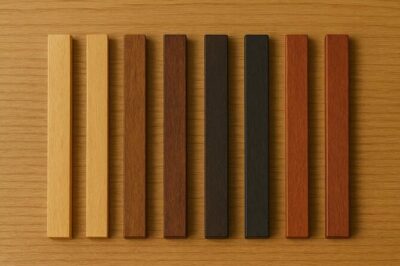
- Kyoto : Chopsticks Making Workshop in Gion with Engraving Option
★ 5.0 · 958 reviews - Authentic knife making experience at a blacksmith in Kyoto
★ 4.8 · 350 reviews - Roketsu dyeing experience: M course Roketsu Dyeing Experience
★ 5.0 · 163 reviews
What the one-hour workshop includes
The experience lasts one hour, so the pace is focused but manageable. You will receive origami supplies to use during the class, with a choice of colorful paper or paper decorated with traditional Japanese designs.
The first part introduces the basic principles of origami. You learn how to align edges, press creases, and handle the paper without rushing. These small actions are the foundation for every design that follows.
From there, the instructor guides you through traditional figures, including cranes. The class also includes other fun designs, although the exact number and selection can vary. The point is not to produce a difficult model as quickly as possible. It is to understand how one simple fold leads to the next.
When you reach a tricky step, you can ask for help. This is especially useful for children or anyone who has not tried origami before. The teaching style is described as kind, patient, and clear, with the instructor helping participants when they get stuck.
How origami becomes a mindfulness exercise
The workshop adds a meditation element to the craft. You focus on the rhythm of folding, the feel of the paper, and the small changes taking place in front of you. That gives the class a different character from a standard craft lesson.
You are encouraged to stay with the process instead of worrying about perfect results. A crease that is slightly crooked does not ruin the activity. In fact, accepting small mistakes is part of the lesson. You keep working, adjust the fold, and see what the paper can still become.
I find this approach useful for a short break in a busy sightseeing day. Kyoto can fill your schedule quickly, and this hour gives you something quiet to do with your hands. It is not a formal meditation retreat, and you should not expect a long period of silence. It is a gentle introduction to concentration through making.
The mindfulness element also makes the class suitable for mixed groups. One person can enjoy the cultural side, another can focus on the craft, and a child can simply enjoy creating something that moves or takes shape.
Meeting the instructor at GojoParadiso
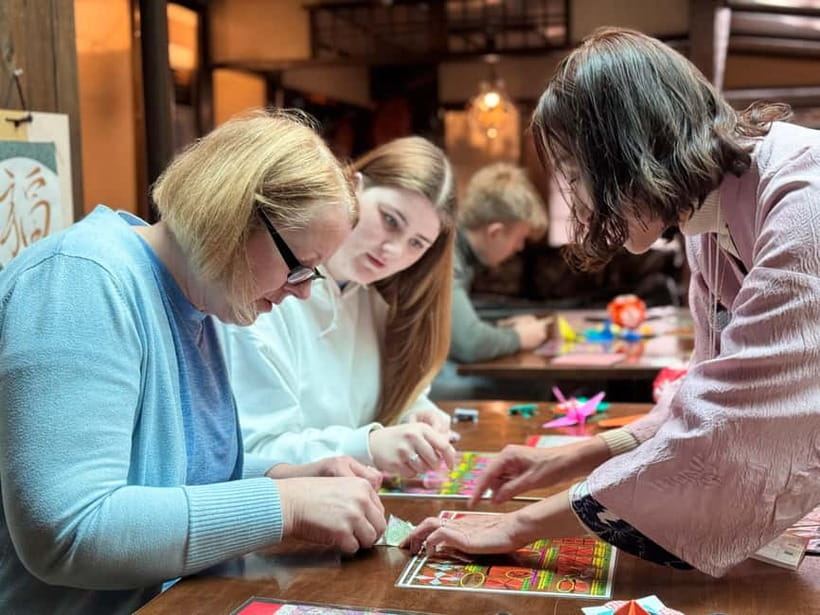
The instructor is described as a professional origami teacher who explains each design carefully. The available information does not give the instructor’s personal name, so you should not expect a named guide listed in advance. You can expect instruction in English and Japanese.
The teaching style is one of the strongest parts of the experience. The instructor gives clear explanations, offers help when participants stall at a particular fold, and keeps the mood friendly. That personal support matters more in origami than it might in a simple demonstration. One missed fold can change the shape of the entire figure.
The group is limited to 10 participants. That is not a private lesson, but it is small enough to keep the class manageable. If you want extensive one-on-one instruction, the group size may still feel larger than a private class. For most beginners, though, the limit should allow time for questions and corrections.
More zen sittings and garden visits in Kyoto:
- Kyoto Zen Meditation & Garden Tour at a Zen Temple with Lunch
★ 5.0 · 441 reviews - Kyoto: Zen Experience in a Hidden Temple
★ 5.0 · 437 reviews - Kyoto: Tea Ceremony Meditation – Make Matcha with Tea Master
★ 4.8 · 406 reviews - Kyoto: Zen Meditation at a Private Temple with a Monk
★ 5.0 · 202 reviews
Choosing paper and making your own souvenir
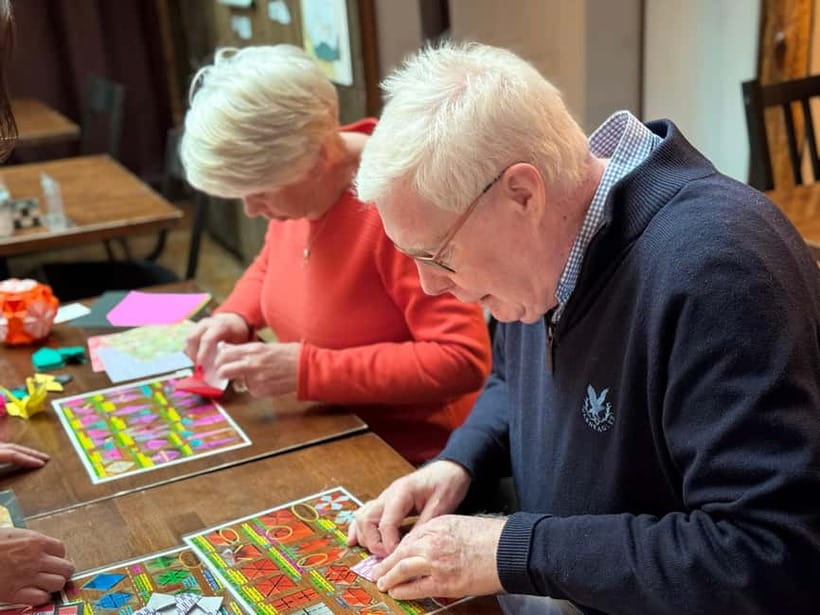
The paper choices add a nice personal touch. Colorful paper gives the finished models a cheerful look, while traditional Japanese-patterned paper gives them a more distinctly local feel.
You can decide how much importance to place on appearance. A child may want a bright color, while an adult may prefer a patterned sheet that works as a small decorative object at home. Since you choose the paper and make the folds yourself, the souvenir has more meaning than a standard shop purchase.
You are allowed to take your origami creations home. This is one of the clearest advantages of the workshop. The finished pieces remind you of the activity, and they also give you something tangible to show family or friends after returning home.
The class includes a group photo after the creations are finished. It is a simple way to mark the hour, especially if you are visiting with family or friends. Do not treat it as a professional photo session. It is a commemorative picture tied to the work you have just made.
Why the location works for a short Kyoto activity
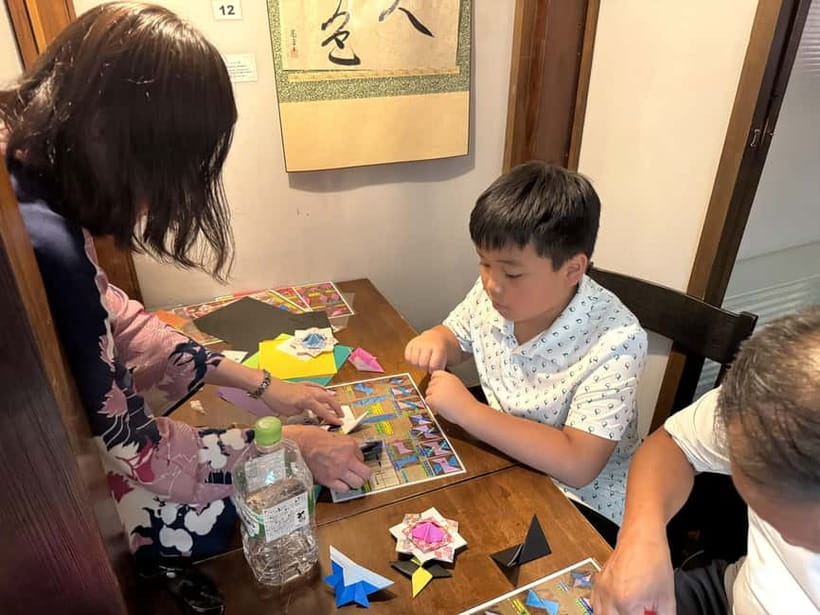
GojoParadiso is along the Takase River on Kiyamachi Street. The venue is about a five-minute walk from Keihan Kiyomizu Gojo Station and about a ten-minute walk from Keihan Shichijo Station. It is also listed as 386 meters from Kiyomizu Gojo Station.
That makes the workshop easy to add before or after other plans in central Kyoto. You do not need to commit half a day to reach the venue or return to your hotel. The nearby river setting also gives you a pleasant route for the final walk to class.
Pay attention to the station details when planning your route. The meeting point is GojoParadiso, not a general public square or a large landmark. Allow enough time to find the venue along Kiyamachi Street, particularly if you are unfamiliar with the area.
The activity is wheelchair accessible. That is useful practical information for anyone checking whether a short cultural class will work for their group. The supplied details do not specify the exact accessible route inside the venue, so you may want to confirm any particular access needs when booking.
Is $29 a fair price?
The cost is $29 per person for one hour. That is more than the price of buying origami paper and following a free online tutorial, but that comparison misses the main value.
You are paying for instruction, a prepared activity, cultural context, supplies, help with difficult folds, and a structured hour away from the usual sightseeing routine. You also keep the pieces you make. For a family, the price covers an activity everyone can share rather than separate entertainment for adults and children.
The value is strongest if you want a guided experience. If you already know several origami designs and mainly want paper, you may find the price less appealing. The class is aimed at learning, relaxing, and making something in Kyoto, not at supplying a large amount of material for later projects.
The one-hour length helps keep the total cost and time commitment modest. You can fit it between major sights, and the reserve now, pay later option lets you hold a place without paying at the time of booking. Free cancellation is available up to 24 hours in advance for a full refund, which gives you some room to adjust a changing Kyoto schedule.
Who will enjoy this class most

This is a good match for families, couples, solo visitors, and small groups of friends who want a calm activity with a clear cultural connection. Children can take part, while adults may appreciate the concentration and slower pace.
It also suits people who prefer making something over watching a performance. You are not simply hearing about origami. You are handling the paper, following the folds, and taking the result with you.
The class works particularly well for:
- First-time origami makers who want patient instruction
- Families looking for a shared activity away from temples and shopping
- Visitors who enjoy Japanese crafts and small handmade souvenirs
- People who want a quiet break during a busy day
- Couples or friends who would like a group photo and matching memories
- Experienced folders who want to practice traditional designs with guidance
It may be less suitable if you want a long, advanced workshop or a highly technical lesson. The experience is designed to welcome beginners and keep the mood relaxed.
What makes the experience feel authentic
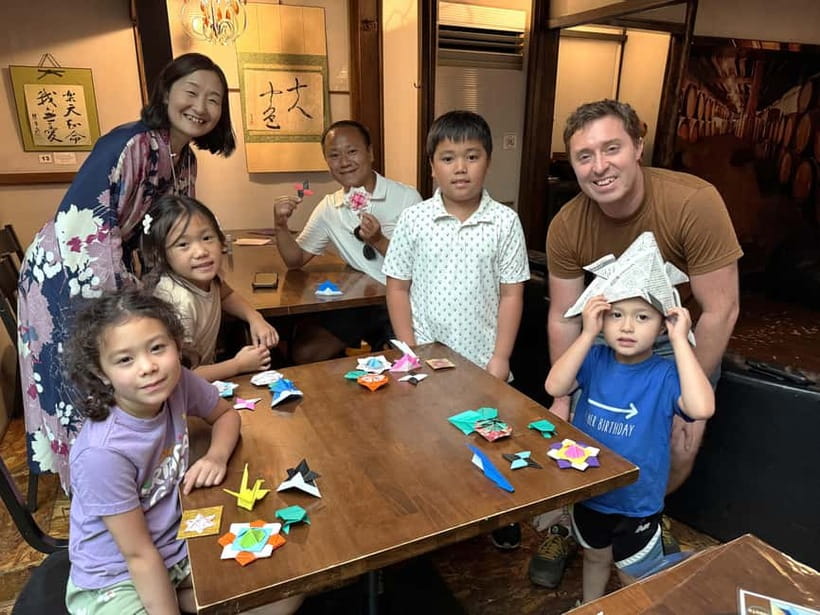
Origami is often treated as a simple children’s craft, but it has a strong place in Japanese cultural life. Traditional designs such as cranes carry familiar cultural associations, and the act of folding reflects care, precision, and patience.
This workshop does not claim to turn you into an expert in one hour. Its value comes from giving you a direct way to engage with a Japanese art form. You learn by doing, which tends to stay with you longer than a short explanation in a museum.
The Japanese-patterned paper helps reinforce that connection. It gives you a visual link to local design while keeping the activity approachable. You do not need specialized cultural knowledge to enjoy it.
The experience also avoids pressure to perform. You are not being graded, and the goal is not perfect symmetry. That makes the activity feel more welcoming than a formal lesson where every finished piece must look identical.
Practical advice for your hour
Wear whatever is comfortable for sitting and working with your hands. The activity is short, but you will want to pay attention to the instructor’s demonstrations and keep your paper organized.
Arrive with enough time to locate GojoParadiso. The venue is close to two Keihan stations, but the meeting point is on Kiyamachi Street beside the Takase River, so checking the route before you leave will make the start less hurried.
If you are booking for children, consider their ability to follow several folding steps. The class is intended for children and adults, and the instructor can help when someone gets stuck, but very young children may need support from an accompanying adult.
Do not judge your finished crane or other figure too harshly. The mindfulness idea works best when you treat the folding as the activity, not just the final shape. If you make a mistake, ask for help and continue.
The language combination is another practical advantage. Instruction is offered in English and Japanese, so English-speaking visitors can follow along without needing prior knowledge of Japanese craft terms.
Final decision: book it for a calm cultural break
I would book this workshop if I wanted a short, friendly Kyoto activity that combines culture, creativity, and a souvenir. The strongest reasons are the patient instruction, the relaxing pace, the small group limit, and the chance to keep what you make.
At $29, it is fair value for a guided hour with supplies and personal help. It is especially worthwhile for families and first-time folders. If you already practice advanced origami or want a long technical course, you may find the session too basic.
For most visitors, the best way to think about it is simple: this is not a test of folding skill. It is one quiet hour by the Takase River, with paper in your hands and a finished reminder of Kyoto in your bag.
FAQ
Where does the origami workshop take place?
The workshop takes place at GojoParadiso on Kiyamachi Street, along the Takase River in Kyoto.
How far is GojoParadiso from Kiyomizu Gojo Station?
GojoParadiso is about a five-minute walk from Keihan Kiyomizu Gojo Station and is listed as 386 meters from the station.
How long does the workshop last?
The workshop lasts one hour.
How much does the activity cost?
The listed price is $29 per person.
Is the class taught in English?
Yes. The instructor teaches in English and Japanese.
Are origami materials included?
Yes. Origami supplies are provided for use during the class.
Can children join the workshop?
Yes. The activity is designed for children and adults.
Is the workshop wheelchair accessible?
Yes. The activity is listed as wheelchair accessible.
Can I cancel for a full refund?
Yes. You can cancel up to 24 hours in advance for a full refund.
Newest Kyoto experiences on the site
- Treasures of Kyoto: Gion & historical Walking Tour★ 5.0 · 6 reviews
- Whisk Your Own Matcha: A Zen Matcha Experience at Temple★ 3.6 · 7 reviews
- Uji: Private immersion into Kyoto’s tea and reglious culture★ 5.0 · 17 reviews
- Kyoto tea town for matcha lovers★ 5.0 · 16 reviews
- Kyoto Matcha Green Tea Tour★ 4.5 · 23 reviews
- Uji and Wazuka Matcha Farm Half Day Private Guided Tour★ 5.0 · 21 reviews
- Utilising upcycled Matcha! Creating matcha incense (Uji, Kyoto)★ 5.0 · 6 reviews
- Sacred Temple Yoga Experience in Japan★ 5.0 · 3 reviews
Kyoto Craft Workshops, compared.
Chopsticks Making Workshop in Gion with Engraving Option
Read our review →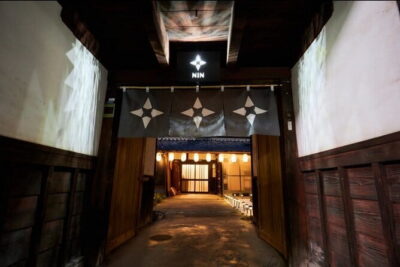
Authentic knife making experience at a blacksmith in Kyoto
Read our review →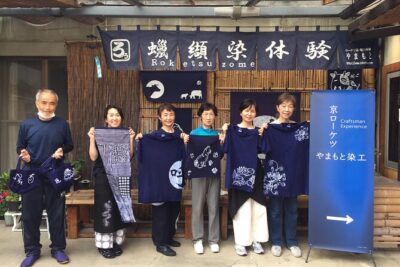
Roketsu dyeing experience: M course Roketsu Dyeing Experience
Read our review →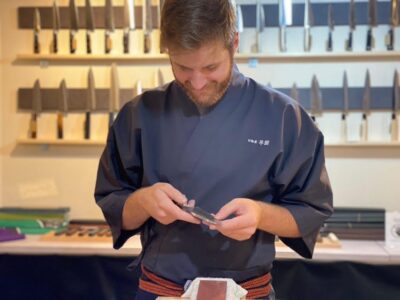
Beginner Knife Sharpening & Handle Fitting Workshop
Read our review →
Japanese Archery Workshop with Experienced Instructor
Read our review →
Kyoto Michelin Ramen Workshop or Painting Ramen Essentials
Read our review →
Browse the lists this tour appears in