
Reviewed · FUSHIMI INARI TOURS
Kyoto: Kiyomizu-dera, Fushimi Inari & Gion Geisha District
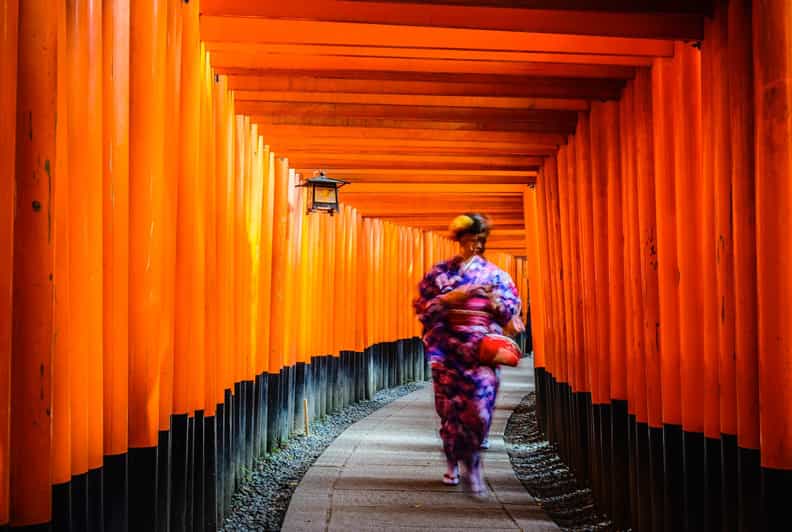
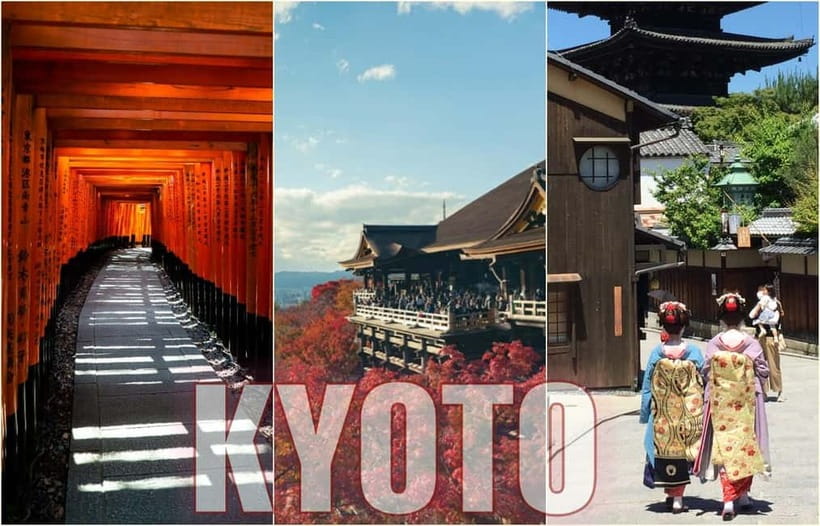
Fushimi Inari’s endless red torii gates are the star of this four-hour Kyoto outing, but the route gives you much more than a quick photo stop. You move from Shinto shrine to Buddhist temple, then through old merchant streets into Gion, with guide Roberto explaining what you are seeing along the way.
I like the private format, which allows the pace and explanations to fit your group. I also like the practical touches: Roberto uses images on an iPad, takes photos throughout the visit, and offers advice about getting around Kyoto.
The main drawback is the pace. You cover several major sights in four hours, use trains and city transport, and walk uphill and over uneven streets. The tour is not suitable for wheelchair users, people with mobility or back problems, people with low fitness, or anyone over 75.
Key points at a glance
- A strong first visit to Kyoto: See four important areas without spending a full day on one district.
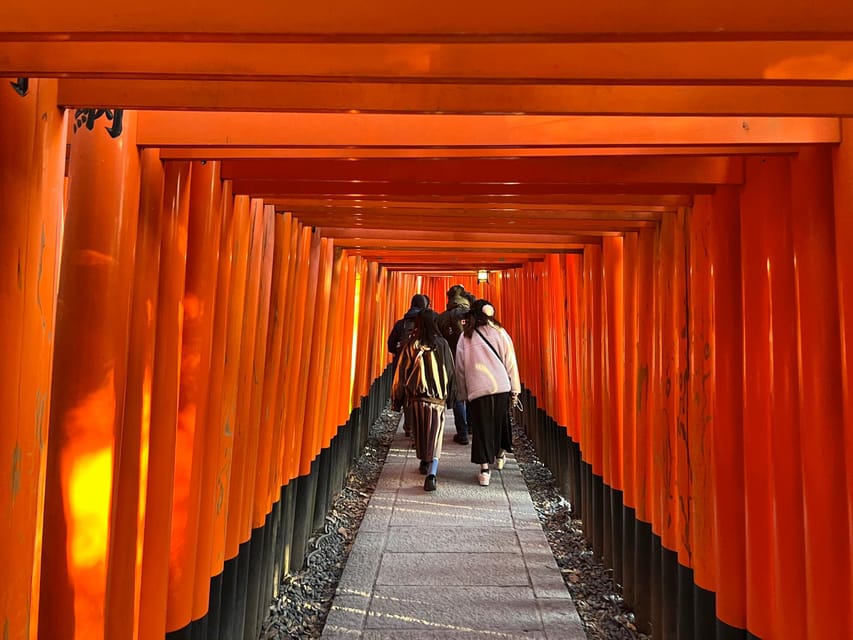
- Fushimi Inari in 75 minutes: Walk beneath the famous vermilion torii and learn about the shrine’s Shinto roots.
- Kiyomizu-dera with cultural context: Visit the temple’s power spots connected with love, longevity, and academic success.
- Old Kyoto on foot: Follow Ninenzaka and Sannenzaka past wooden buildings and traditional shops.
- Gion explained properly: Learn the difference between geisha and maiko, and how ochaya teahouses fit into the district.
- Private guiding in English or Spanish: Roberto is a Kyoto City Certified Tourist Guide and can take photos for you during the route.
Starting at Kyoto Station and heading to Fushimi Inari
Meet Roberto in front of the 7-Eleven at the central entrance of Kyoto Station. Use the Kyoto Tower side exit and look for an iPad and a red card marked RBRT. This clear meeting point matters in a large station, where several entrances can easily cause confusion.
The first train ride takes about 10 minutes. Public transport keeps the tour moving, but it also means you need to arrive on time. The transport cost is not included, so bring cash or another way to pay for trains and buses.
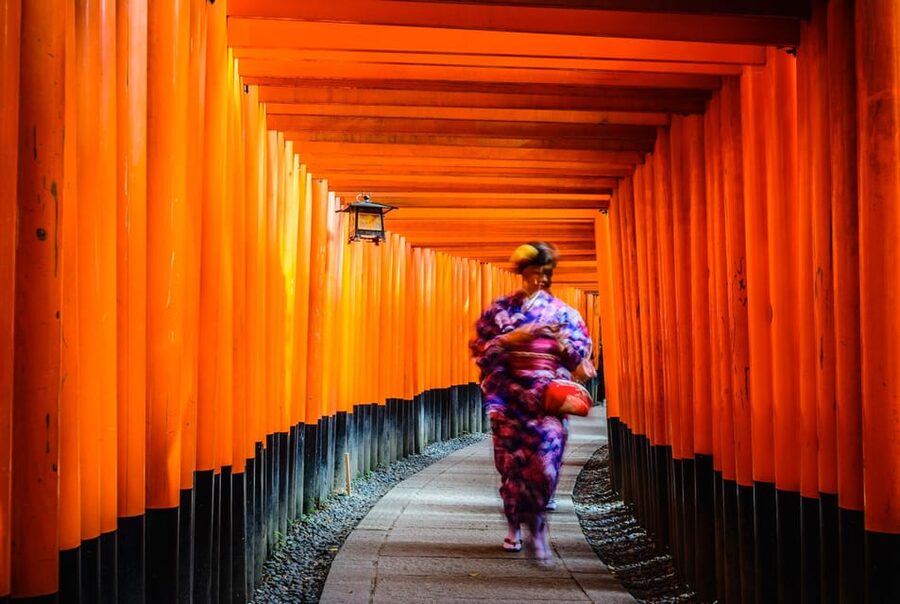
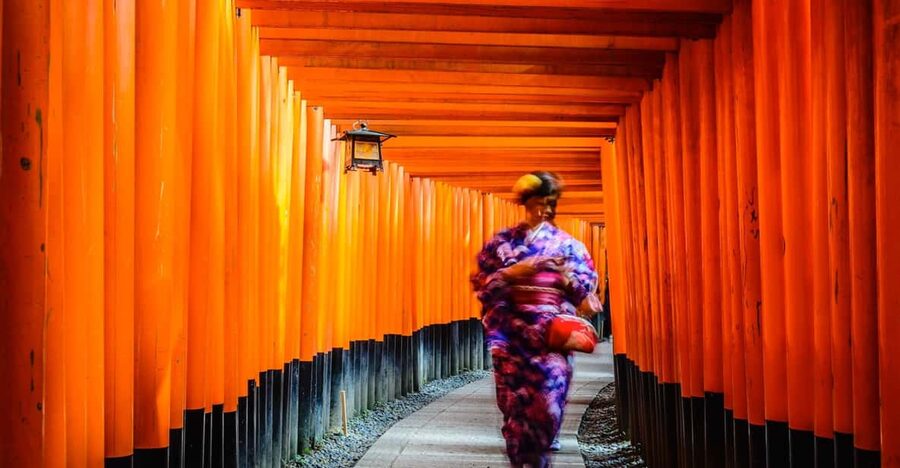
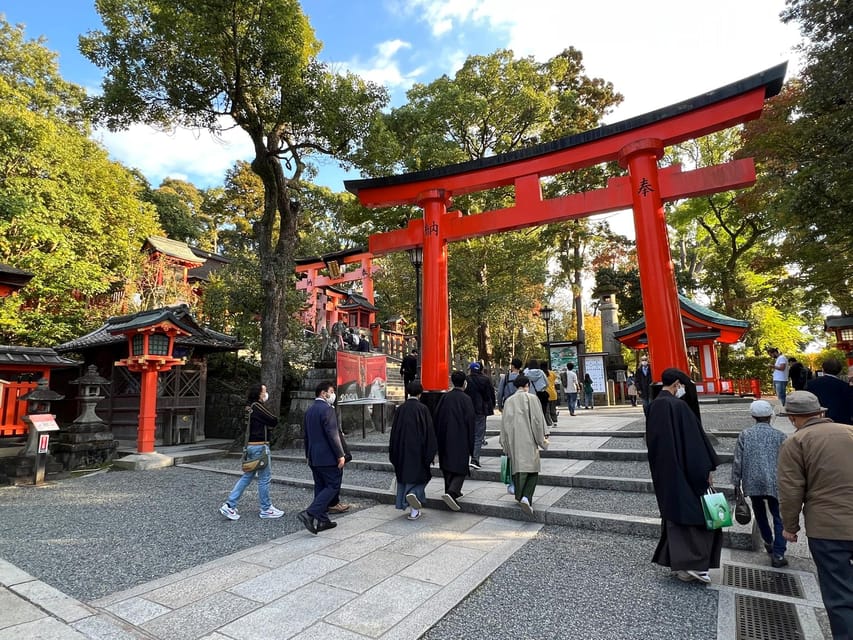
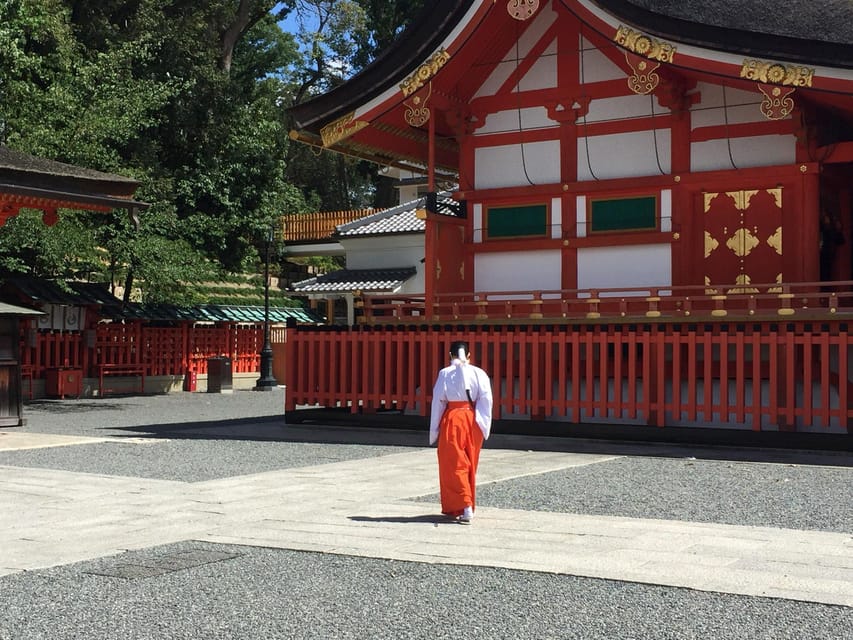
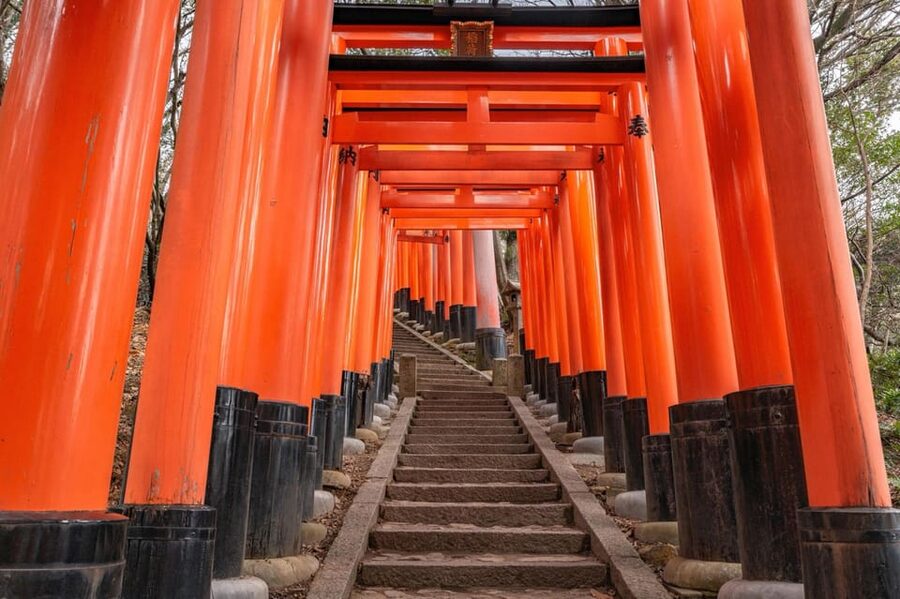
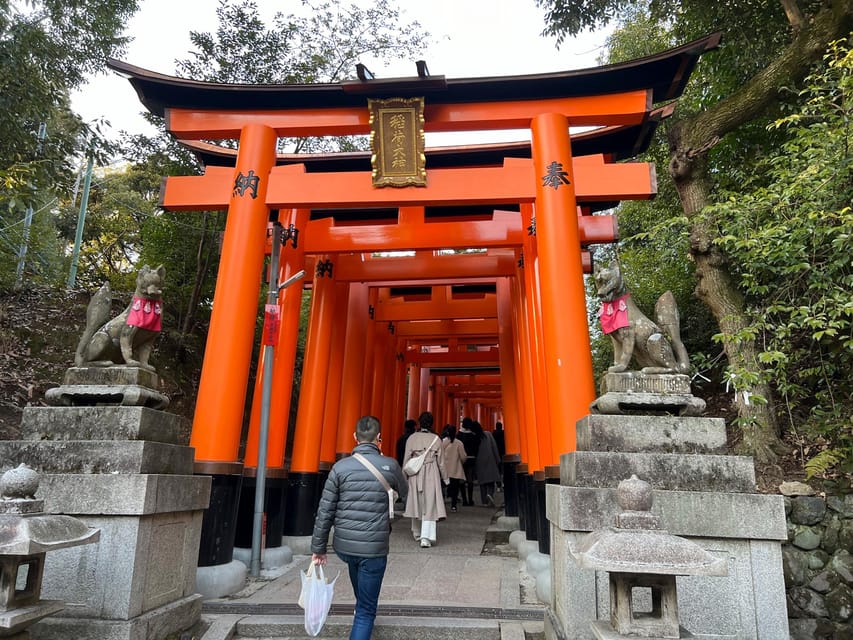
Fushimi Inari Taisha is a Shinto shrine dedicated to Inari, a deity linked with rice, agriculture, business, and prosperity. Its most famous feature is the long trail of vermilion torii gates donated by individuals and companies. The gates form a bright tunnel up the wooded slope behind the main shrine.
You have about 75 minutes here. That is enough to enter the shrine area, hear about its ancient origins, and walk beneath a substantial section of the gates. It is not enough for every corner of the mountain route, so think of this as a focused introduction rather than a full hike.
The torii are not simply decoration. Each one marks a donation and reflects the continuing importance of the shrine to Japanese religious life and business culture. Roberto’s explanations help you see Fushimi Inari as more than a famous Instagram location.
The path can be crowded, especially near the lower gates. Walking farther from the entrance usually changes the feel, but the route remains uphill and includes steps. Wear shoes with good grip, carry water, and keep your bag small.
More ways to walk Gion:
- Kyoto Geisha Walking Tour: Gion District & Hidden Gems
★ 4.7 · 3,273 reviews - Kyoto: Gion Magical Night Walking Tour with Geisha Trivia
★ 4.9 · 2,393 reviews - Kyoto: Gion Geisha District Walking Tour – Stories of Geisha
★ 4.7 · 2,187 reviews
Kiyomizu-dera and Kyoto’s power spots
After Fushimi Inari, you take another train for roughly 30 minutes before reaching Kiyomizu-dera. This transfer uses part of your four-hour schedule, but it links two of Kyoto’s most important religious sites without requiring you to plan the connections yourself.
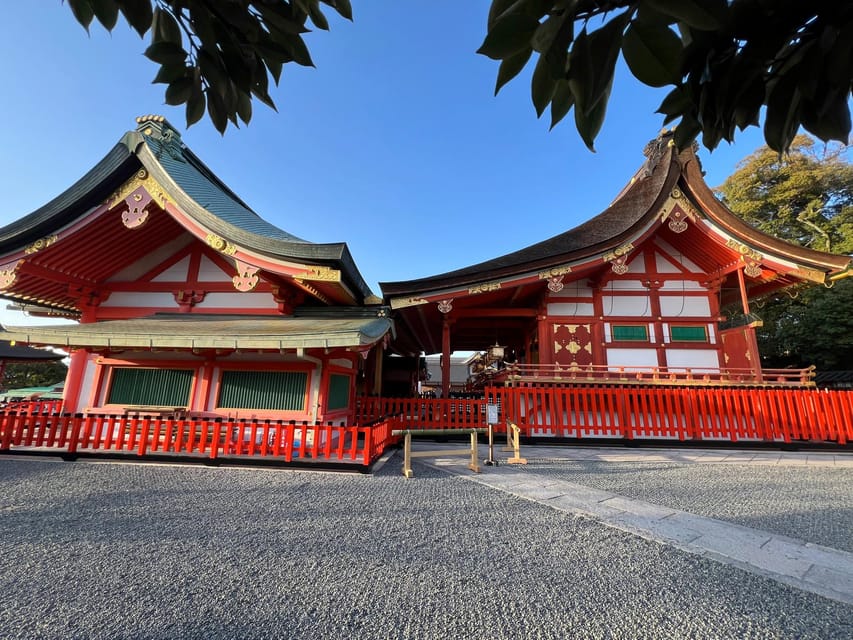
Kiyomizu-dera is one of Kyoto’s best-known temples, set above the eastern side of the city. The visit lasts about 80 minutes, giving Roberto time to explain the temple’s main areas and the beliefs connected with its power spots.
The temple is especially associated with blessings for love, longevity, and academic success. These places are meaningful because they show how Japanese religious practice often connects daily hopes with sacred sites. You can learn what people come to pray for, rather than simply walking through a historic building and taking pictures.
There is an entrance fee of 500 yen, about US$3.10, and it is not included. Roberto’s own entry and transport are covered, but you pay your admission and your share of public transport.
Kiyomizu-dera can be busy, and the approach includes slopes and uneven paving. The setting also makes comfortable clothing important. If you have limited mobility, this is one of the places to consider carefully before booking.
A useful part of a guided visit is the chance to ask what you are looking at. Roberto uses images on an iPad to make explanations easier to follow. This can help when a shrine object, deity, or religious custom is unfamiliar, especially if you are visiting Japan for the first time.
Ninenzaka and Sannenzaka, Kyoto’s old streets
From Kiyomizu-dera, the tour continues on foot through Sannenzaka for about 10 minutes, then Ninenzaka for another 10 minutes. These streets preserve the look of old Kyoto with wooden buildings, narrow lanes, and traditional merchant shops.
This section is not a formal temple visit. It is a chance to slow down and notice how the area connects the major sight with everyday Kyoto. You might find shops selling sweets, crafts, souvenirs, and other local goods, but the main pleasure is the setting itself.
The streets are popular and can feel crowded. Their stone paving and slopes also demand attention, especially after the earlier walking at Fushimi Inari and Kiyomizu-dera. Take care with your footing and avoid bringing large luggage. Large bags are not allowed on the tour.
The route between the old streets and Gion takes about 12 minutes on foot. That short walk helps tie the districts together. Instead of treating the temple, shopping streets, and geisha district as separate attractions, the tour shows how they sit within the same eastern Kyoto area.
Gion and the facts behind geisha culture
The final stop is Gion, reached after about 15 minutes of walking through the district. The tour ends here, which is useful if you want to stay for dinner, browse the area, or make your own way back to your hotel by city bus or taxi.
Gion is Kyoto’s best-known geisha district. Its traditional wooden machiya houses give the streets much of their character, while shops, restaurants, and ochaya teahouses fill out the district’s social and commercial life.
An ochaya is a teahouse where geisha and maiko provide entertainment. The tour explains the difference between the two terms and gives you a clearer view of the work and customs behind the clothing, hairstyles, dance, music, and conversation associated with them.
This context is important. Gion is not a theme park, and geisha and maiko are not performers placed on the street for photographs. You should behave quietly, avoid blocking narrow lanes, and never touch or follow anyone for a picture. A guide can help you understand the district without reducing it to a hunt for sightings.
The walk through Gion is relatively short, so this tour does not offer an evening meal, a teahouse performance, or a private meeting with a geisha or maiko. It gives you orientation and cultural background. If you want a longer Gion visit, you can continue independently after the tour finishes.
More ways to walk the Fushimi Inari gates:
- Kyoto: Fushimi Inari, Kinkakuji, Bamboo Grove 1 Day Bus Tour
★ 4.8 · 4,316 reviews - Fushimi Inari Hidden Hiking Tour (Private Option Available)
★ 5.0 · 1,750 reviews - Osaka/Kyoto:Kinkakuji,Arashiyama,FushimiInariShrine,NaraPark
★ 4.1 · 1,596 reviews - Kyoto/Osaka: Nara, Fushimi Inari Taisha, Arashiyama Bus Tour
★ 4.7 · 1,275 reviews
What makes Roberto’s guiding useful
Roberto is a Kyoto City Certified Tourist Guide and leads the tour in English or Spanish. The private-group setup is a major advantage here because the route includes religious customs that are easier to understand when you can ask questions immediately.
The iPad images are a practical aid. A guide’s spoken explanation can be hard to follow when you are standing outside a shrine or temple among crowds. Visual material gives you something concrete to connect with the words.
Photo help is another thoughtful extra. Roberto can take as many pictures as you wish, which means you do not have to rely only on selfies or ask strangers to photograph your group. Several people who joined the tour particularly valued his timing, politeness, and the photos and videos he took during the day.
The strongest praise centers on his explanations of Kiyomizu-dera, Fushimi Inari, Buddhism, Shinto, and Japanese culture. That makes this tour a good fit if you want more than a checklist of famous places. His advice about using Kyoto’s transport can also help you handle the rest of your stay.
Is four hours enough?
Four hours is enough for a well-planned introduction, not a slow exploration. You visit Fushimi Inari for 75 minutes, Kiyomizu-dera for 80 minutes, walk through two old streets, and finish in Gion. The travel between sites takes time, so you should expect a steady rhythm.
I like this length for a first or second day in Kyoto. You get a clear sense of the city’s religious traditions, historic streets, and geisha culture without giving up an entire day.
The tradeoff is limited free time. You will not have long shopping breaks, a relaxed meal, or an extended climb through Fushimi Inari. If you prefer lingering at one site, this route may feel rushed. If you want several major areas explained in one morning or afternoon, the structure works well.
The tour starts at Kyoto Station and ends in Gion rather than returning you to your hotel. That is convenient if Gion is part of your plans, but you need to arrange your own return. A city bus or taxi can take you onward.
Price, transport, and what to bring
At $90 per person, the value depends on how much you want from the guide. You still pay public transport and the 500 yen Kiyomizu-dera admission, and food and drinks are not included. The price is therefore not an all-inclusive sightseeing package.
For a private tour, the cost buys personal attention, a certified local guide, route planning, cultural explanations, photo help, and transport support. It can be good value for couples, families, or friends who would rather ask questions than follow a large group.
Bring comfortable shoes, water, comfortable clothes, and cash. You will walk at Fushimi Inari, around Kiyomizu-dera, through the sloped old streets, and into Gion. Smoking is not allowed, and large bags or luggage are not suitable.
You can cancel up to 24 hours in advance for a full refund, and the reserve now, pay later option keeps your plans flexible. Starting times vary, so check availability when booking.
Who should book this Kyoto tour?
I would choose this tour if you want the big eastern Kyoto sights linked by one clear route. It suits first-time visitors who want help with Shinto, Buddhism, temple customs, and geisha culture without committing to a full-day tour.
It is also a good choice for English or Spanish speakers who prefer a private group and want photos taken along the way. The route gives you useful orientation for returning to Gion, Kiyomizu-dera, or Fushimi Inari on your own.
I would skip it if you need a wheelchair-accessible route, have serious back or mobility problems, have low fitness, or want an unhurried visit. I would also look elsewhere if your main goal is a long Fushimi Inari hike, a meal, or an evening geisha performance.
For most active visitors, this is a focused and useful introduction to Kyoto’s eastern side. Book it for the explanations and the private pacing, not just for the famous gates and temple views.
FAQ
Where does the tour begin?
It begins in front of the 7-Eleven at the central entrance of the JR Kyoto Station Building on the first floor. Use the Kyoto Tower side exit. Roberto holds an iPad and a red card marked RBRT.
Where does the tour finish?
The tour finishes in Gion District. From there, you can take a city bus or taxi to your hotel.
How long does the tour last?
The tour lasts four hours. The schedule includes train travel, visits to Fushimi Inari and Kiyomizu-dera, walks through Sannenzaka and Ninenzaka, and a walk in Gion.
What languages does the guide speak?
The tour is available in English and Spanish. The guide is Roberto, a Kyoto City Certified Tourist Guide.
Is transportation included?
Transportation is not included in the price. The tour uses public trains and city buses, and you pay your own transport costs. The guide’s transportation is covered.
Is the Kiyomizu-dera admission included?
No. Kiyomizu-dera admission costs 500 yen, approximately US$3.10, and you pay this separately.
Is the tour private?
Yes. The activity is arranged for a private group.
Who should not book this tour?
It is not suitable for wheelchair users, people with mobility or back problems, people with visual impairments, people over 75, or people with a low level of fitness.
More Geisha and Maiko Evenings in Kyoto
- Best of Kyoto: Gion, Geisha, Pagodas & Cobblestones
★ 4.9 · 2,058 reviews - Night Walk in Gion: Kyoto’s Geisha District
★ 4.5 · 2,003 reviews - Kyoto Gion Geisha District Walking Tour – The Stories of Geisha
★ 5.0 · 1,441 reviews - Kyoto Gion: 2-Hour Geisha Culture & History Walking Tour
★ 5.0 · 1,186 reviews
More Kiyomizu-dera Visits
- Kyoto: Tea Ceremony in a Traditional Tea House in Kiyomizu
★ 4.9 · 3,519 reviews - Kyoto: Nijo Castle, Kiyomizu & Fushimi Inari Guided Tour
★ 4.7 · 700 reviews - Kyoto: Nijo, Kinkaku-ji, Arashiyama, Kiyomizu & Fushimi Inari
★ 5.0 · 699 reviews - Kyoto Tea Ceremony & Kiyomizu-dera Temple Walking Tour
★ 5.0 · 115 reviews
Newest Kyoto experiences on the site
- Treasures of Kyoto: Gion & historical Walking Tour★ 5.0 · 6 reviews
- Whisk Your Own Matcha: A Zen Matcha Experience at Temple★ 3.6 · 7 reviews
- Kyoto tea town for matcha lovers★ 5.0 · 16 reviews
- Uji: Private immersion into Kyoto’s tea and reglious culture★ 5.0 · 17 reviews
- Kyoto Matcha Green Tea Tour★ 4.5 · 23 reviews
- Uji and Wazuka Matcha Farm Half Day Private Guided Tour★ 5.0 · 21 reviews
- Utilising upcycled Matcha! Creating matcha incense (Uji, Kyoto)★ 5.0 · 6 reviews
- Sacred Temple Yoga Experience in Japan★ 5.0 · 3 reviews
Fushimi Inari Tours, compared.
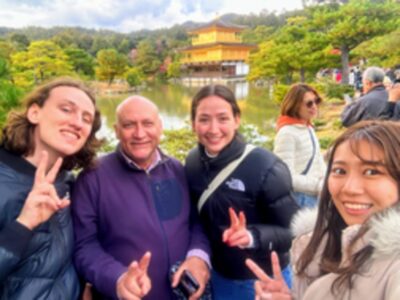
Fushimi Inari, Kinkakuji, Bamboo Grove 1 Day Bus Tour
Read our review →
Fushimi Inari Hidden Hiking Tour (Private Option Available)
Read our review →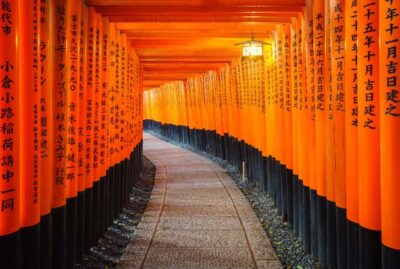
Kinkakuji,Arashiyama,FushimiInariShrine,NaraPark
Read our review →
Nara, Fushimi Inari Taisha, Arashiyama Bus Tour
Read our review →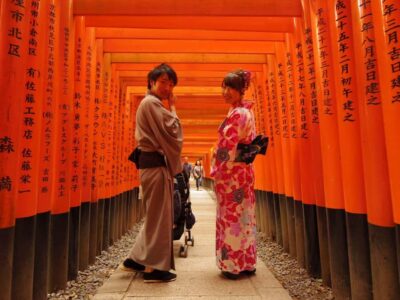
Arashiyama, Nara & Fushimi Inari Shrine w/Lunch
Read our review →
Nijo Castle, Kiyomizu & Fushimi Inari Guided Tour
Read our review →
Nijo, Kinkaku-ji, Arashiyama, Kiyomizu & Fushimi Inari
Read our review →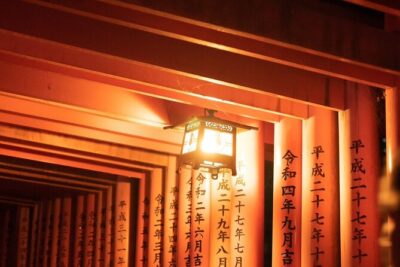
Browse the lists this tour appears in