
Reviewed · GION DISTRICT TOURS
Kyoto Evening Gion Food Tour Including Kaiseki Dinner
Kyoto’s evening magic comes alive on foot, and this tour puts you right in the middle of it. You cross the Kamogawa River, slip through Gion’s wooden lanes, and finish with a 10-course kaiseki dinner. I like the mix of food and place, especially the walk through Gion Shirakawa and the chance to hear how maiko and geiko fit into Kyoto’s old entertainment world.
I also like the small groups, capped at 10, and the guides who bring plenty of warmth to the evening. Yoshiko, Akari, Sae, Thomas, and Bernard have all been singled out for clear explanations and easy conversation. The catch is price: at $276 per person, you are paying for the guide, setting, and cultural context as much as the meal, and some diners find the dinner less filling or less refined than expected.
Key points at a glance
- A three-hour evening walk: Start at the Japan Kanji Museum and Library at 5:00 pm, then explore Gion, Shirakawa, and nearby historic streets.
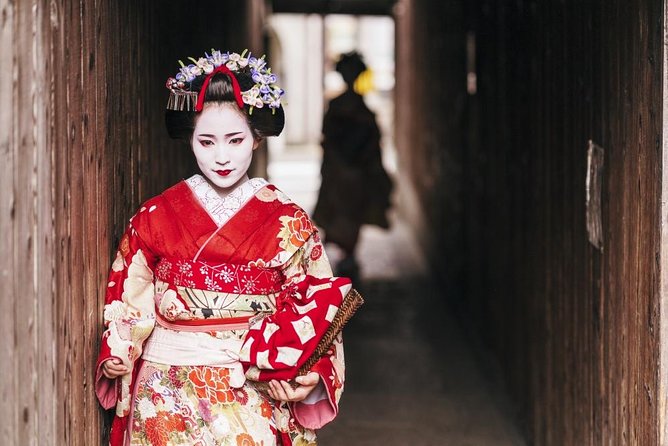
- A look at Kyoto’s geiko and maiko culture: Your guide explains the tea-house world and may point out women walking between appointments in traditional dress.
- Small-group atmosphere: The maximum group size is 10, with occasional very small or private-feeling departures.
- A full kaiseki sequence: Dinner includes 10 courses, green tea, dessert, and one drink, with explanations of seasonal ingredients and presentation.
- Useful for first-time Kyoto visitors: The route helps you connect major names such as Tatsumi Bridge, Hanamikoji Street, Yasaka Pagoda, and Pontocho.
- A premium price: Vegetarian, pescatarian, and gluten-free requests are supported, but extra drinks and food cost more.
Why this Kyoto evening works
This is not simply a restaurant reservation with a short walk attached. The walking portion gives the meal a setting. You see the river terraces, the narrow lanes of Pontocho, and the preserved wooden fronts of Gion before sitting down to a formal Japanese dinner.
I like that order. You first get a sense of place, then learn how Kyoto’s food traditions connect with season, ceremony, and presentation. By the time the first course arrives, you have a better idea why a kaiseki meal is arranged as a sequence rather than served as one large plate.
The experience lasts about three hours and begins at 5:00 pm. That timing suits a Kyoto sightseeing day. You can spend the afternoon at a temple or museum, meet the guide in Gion, and finish in the Pontocho area without needing a late-night return transfer.
Still, keep your expectations in check. The $276 cost is high for a three-hour activity, especially if you judge it only by the amount of food. The strongest value comes from combining a guide, a walking tour, an introduction to Gion, and dinner in one evening.
More ways to walk Gion:
- Kyoto Geisha Walking Tour: Gion District & Hidden Gems
★ 4.7 · 3,273 reviews - Kyoto: Gion Magical Night Walking Tour with Geisha Trivia
★ 4.9 · 2,393 reviews - Kyoto: Gion Geisha District Walking Tour – Stories of Geisha
★ 4.7 · 2,187 reviews
Meeting at the Japan Kanji Museum
Your guide meets you at the Japan Kanji Museum and Library in Gionmachi Minamigawa. The starting point is central and near public transportation, but you should allow time to find the museum and arrive ready to walk.
The opening meeting is brief. From there, the group heads toward the Kamogawa River. The maximum group size is 10, which matters in Gion. Narrow lanes and busy sidewalks are easier to handle when you are not moving with a large crowd.
The guide is an important part of the experience. Names associated with particularly warm and clear tours include Yoshiko, Akari, Sae, Thomas, Bernard, Rosalia, Russ, and G. Guides explain the area in English and answer questions during the walk and meal. The quality can vary with the individual guide, but the strongest departures seem to make the evening feel personal rather than scripted.
Crossing the Kamogawa and watching Kyoto settle into evening
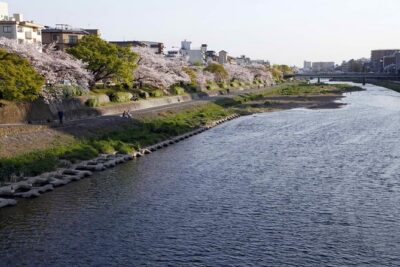
The route takes you across the Kamogawa bridge and along the river. In warmer weather, people sit on the terraces above the water, making this one of the easiest places to see local evening life without entering a restaurant or attraction.
This portion is simple but useful. Kyoto can feel like a collection of famous temples and photo stops. The river walk slows things down and shows you how residents use the city after work. It also gives you a break from the traffic and packed sightseeing areas.
You may stop for small tastings along the way. The exact shops and samples can change, but past departures have included matcha cookies and a visit connected with Kyoto plum products. These are modest samples, not a meal. Their value is in helping you notice local ingredients and shop traditions that you could easily pass on your own.
The weather matters. The experience requires good weather, and rain can make the walking less pleasant. Guides have continued with the tour in wet conditions, but you should bring suitable shoes and rain protection rather than count on a dry evening.
Pontocho, Kyoto’s narrow dining lane
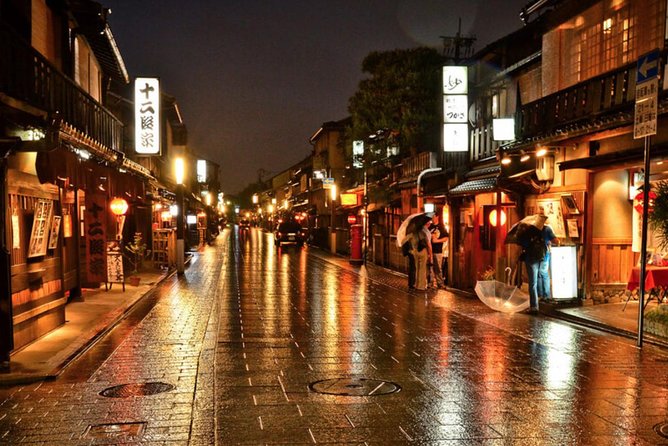
From the river, the route moves toward Pontocho. This district has been linked with geiko entertainment since the 16th century and is known for its narrow lane, traditional dining establishments, and tea houses.
Pontocho is best appreciated with context. Much of what you see from the street is discreet. The buildings are attractive, but the important activity often takes place behind closed doors. Your guide explains how invitation-only establishments work and why simply walking into some traditional venues is not an option.
You might see a maiko or geiko moving between appointments. Treat that possibility as a bonus, not a promised performance. The tour offers explanation and observation, not a staged geisha show. That distinction makes the experience more respectful and more useful.
If you have only one evening in Kyoto, Pontocho is a good area to understand with a local guide. It can be confusing to separate ordinary restaurants, tea houses, entertainment venues, and preserved buildings when you are walking alone. A guide gives the lane a social and cultural frame.
More food tours in Kyoto:
- Kyoto Night Foodie Tour in Gion (9+ dishes + 6 Sake tastings)
★ 5.0 · 1,762 reviews - Kyoto: Insider Sake Brewery Tour with Sake and Food Pairing
★ 5.0 · 704 reviews - Kyoto Nishiki Market Food and Culture Walking Tour
★ 5.0 · 412 reviews - Kyoto: Gion Food Tour 13 Dishes at 4 Eateries
★ 5.0 · 408 reviews
Gion and the wooden streets of Shirakawa
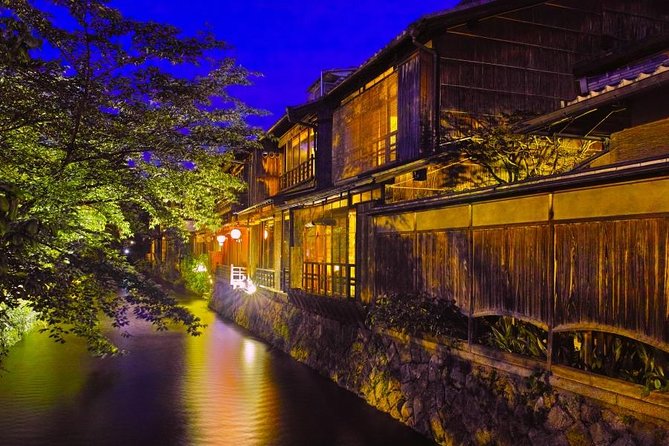
The tour then heads into Gion, Kyoto’s best-known traditional entertainment district. You walk along larger roads and smaller back streets, passing wooden buildings, restaurants, tea houses, and old-style facades.
Gion is not a museum set. It is a working neighborhood with residents, businesses, and rules about photography and behavior. Your guide can help you look closely without treating the area as a stage. That is especially helpful around maiko and geiko, who may be on their way to work.
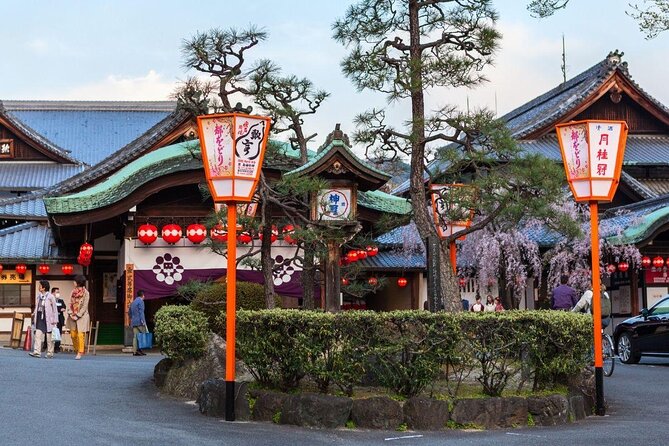
Gion Shirakawa is one of the most attractive parts of the walk. The Shirakawa neighborhood has water, traditional buildings, and a quieter feel than the main streets. You may stop here for a Kyoto treat while learning about maiko and geiko life.
The listed route also includes Gionmachi, Gion Corner, Tatsumi Daimyojin Shrine, Tatsumi Bridge, and Hanamikoji Street. Not every stop is necessarily a long visit. Some are brief orientation points, and the exact route can change because of restaurant schedules, holidays, weather, or other local conditions.
Hanamikoji Street is useful for seeing how old wooden architecture survives beside modern Kyoto. Tatsumi Bridge and Tatsumi Daimyojin Shrine provide smaller, more intimate points of interest than the city’s major temples. Gion Corner is associated with traditional arts, but this tour does not promise a performance there.
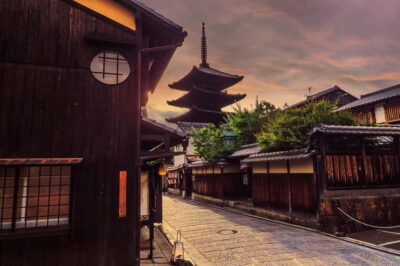
Yasaka Pagoda and the wider Gion setting
The route information also lists Hōkanji Temple and Yasaka Pagoda, along with Kyomizu Temple. These landmarks help place Gion within Kyoto’s larger historic core.
Do not assume you will receive an extended temple visit. This is an evening food walk, not a temple tour. The sights may be viewed from the route or used as landmarks, and changes are possible. Still, seeing the pagoda area at dusk can add a memorable visual stop before dinner.
The walking distance and pace make physical fitness important. You do not need to be an athlete, but you should be comfortable walking city streets for much of the three-hour experience. There is no hotel pickup, and transportation costs are not included, so you must reach the meeting point yourself.
What the 10-course kaiseki dinner means
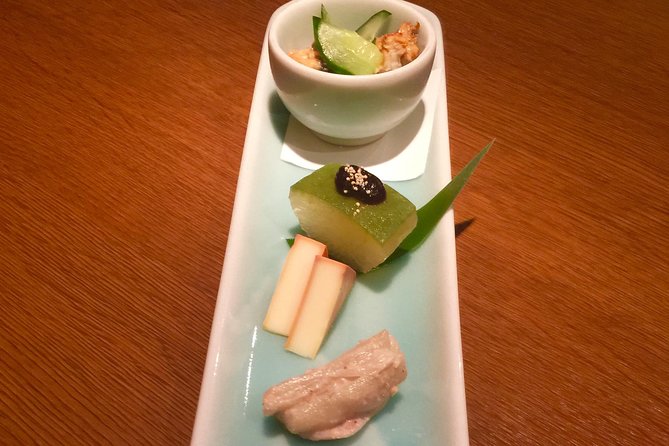
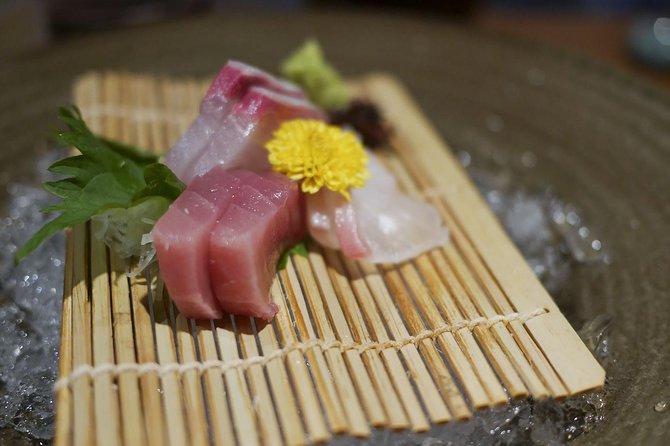
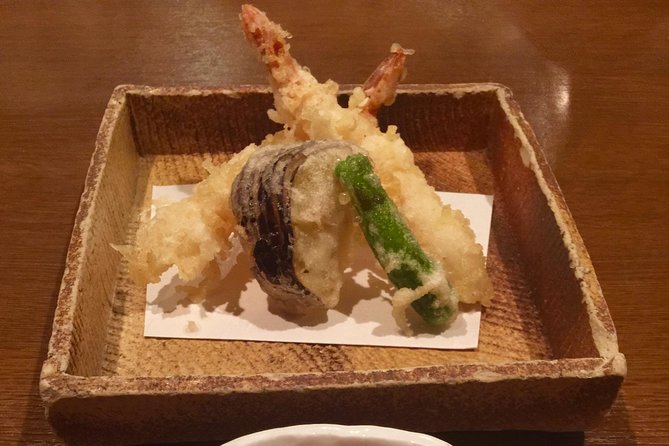
The main event is a 10-course kaiseki meal. Kaiseki is built around seasonal ingredients, careful preparation, balance, and presentation. Courses are usually arranged to create a progression of tastes and textures rather than deliver one heavy main dish.
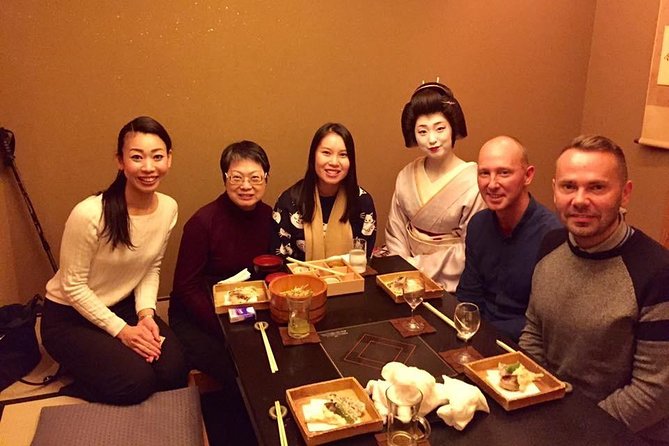
Your guide explains the food during dinner, which is one of the tour’s strongest features. You can ask about unfamiliar ingredients, serving customs, and why a particular course appears at that point in the meal. Guides such as Thomas and Yoshiko have been praised for making these explanations interesting without turning dinner into a lecture.
The meal includes green tea, dessert, and one drink. Additional drinks and food are not included. Go hungry, but do not assume that 10 courses means 10 large portions. Kaiseki is often about variety and balance. One course may be delicate and small, while another provides more substance.
This is also where expectations matter most. Some diners consider the meal delicious and varied, especially when served in a traditional setting. Others feel the dinner is not filling enough or does not justify the full price. If your main goal is the finest kaiseki meal in Kyoto, you may prefer to research a specialist restaurant separately. If you want dinner paired with an explanation of Gion and Japanese food, this package makes more sense.
Dietary needs, children, and drinking rules
The tour is listed as vegetarian, pescatarian, and gluten-free friendly. Tell the operator about your needs when booking, and be specific. The meal is a set sequence, so changes are easier to manage when requested in advance.
Children must be accompanied by an adult. A copy of passport information is required for children age 10 and above. The minimum drinking age is 21, although green tea and dessert are included regardless.
Families have found the guides accommodating, including a group with a baby. Still, the walking and formal dinner may be tiring for very young children. The small group size can help, but this is not designed as a children’s activity with games or flexible meal timing.
Solo visitors should email the provider before booking. The tour can sometimes feel nearly private when only one or two people join, but that depends on the date.
Is $276 a fair price?
The price is $276 per person, and that places this firmly in the premium category. You are not just buying 10 courses. You are paying for an English-speaking local guide, a guided walk through some of Kyoto’s most difficult-to-read neighborhoods, cultural explanation, included beverages, and a restaurant booking.
I see the value most clearly if you have one evening in Kyoto, are new to Japan, or want help understanding kaiseki instead of simply eating it. The guide can explain the geiko system, point out details you might miss, and translate the customs around the meal.
The value is weaker if you already know Gion and Pontocho, have eaten high-end kaiseki in Kyoto, or mainly want the largest dinner for your money. Several strong guides can make the evening special, but no guide can guarantee that the restaurant will match every diner’s idea of luxury.
The tour has a 4.8 rating from 62 reviews and a 94 percent recommendation rate. That points to a consistently positive experience, while the lower scores are useful reminders that food quality and perceived value are personal.
Practical details for a smoother evening
Wear comfortable shoes. The route includes bridges, sidewalks, narrow streets, and back lanes, and the tour requires a good level of physical fitness.
Arrive before the 5:00 pm start at the Japan Kanji Museum and Library. The tour ends in the Pontocho area at Pontocho Idumoya, so plan your evening from there rather than expecting to return to your hotel.
The activity uses a mobile ticket. Same-day booking is available, although the tour is often booked around 60 days ahead. That advance pattern matters if you are visiting Kyoto during a busy season or have only one free evening.
Restaurant schedules, public holidays, weather, and other local conditions can change the route or dining location. Substitutions may be made when needed. Free cancellation is available until 24 hours before the start time. If poor weather or insufficient enrollment causes cancellation, you are offered another date or a full refund.
Who should book this Gion food tour?
I would choose this tour for a first visit to Kyoto, especially if you want one organized evening that combines neighborhoods, Japanese food, and cultural background. It is also a good fit if you are curious about geiko and maiko but do not want a staged entertainment show.
You will get the most from it if you enjoy asking questions, trying unfamiliar dishes, and walking at an easy sightseeing pace. A small group can make the dinner more social, while a very small departure gives you extra time with the guide.
I would hesitate if you are watching your budget, need a very filling meal, or have already explored Gion and eaten formal kaiseki. In that case, the premium may be hard to justify.
For most first-time visitors who want a guided introduction to Kyoto after dark, I think the combination works. Book it for the setting and the explanation as much as the food. If dinner alone is your priority, spend the same money comparing restaurants directly.
FAQ
How long does the Kyoto Evening Gion Food Tour last?
The tour lasts approximately three hours.
What time does the tour begin?
It starts at 5:00 pm.
Where does the tour meet?
The meeting point is the Japan Kanji Museum and Library at 551 Gionmachi Minamigawa, Higashiyama Ward, Kyoto.
Where does the tour end?
The tour ends in the Pontocho area at Pontocho Idumoya, 173-2 Kashiwayacho, Nakagyo Ward, Kyoto.
What food and drinks are included?
The experience includes a 10-course dinner, green tea, dessert, and one drink.
Are extra drinks included?
No. Additional drinks or food are not included.
Can dietary requirements be accommodated?
The tour is listed as friendly to vegetarian, pescatarian, and gluten-free diets. You should provide your requirements when booking.
Is the tour suitable for children?
Children must be accompanied by an adult. A copy of passport information is required for children age 10 and above.
What is the cancellation policy?
You can cancel up to 24 hours before the start time for a full refund. Cancellations or changes made less than 24 hours before the start time are not accepted for a refund.
More Dinners Worth Booking in Kyoto
- Private Dinner with a Geisha
★ 5.0 · 65 reviews - Kyoto: Maiko Dinner in Traditional Restaurant and Tour
★ 4.8 · 55 reviews - Kyoto: Lunch or Dinner with Maiko
★ 4.2 · 52 reviews - Private Dinner with Maiko and Geiko in Kyoto
★ 5.0 · 28 reviews
More Dinner Experiences in Kyoto
- Kyoto Gion Cultural Walk & Geisha Show with Dining Options
★ 5.0 · 518 reviews - Kyoto Gion Cultural Walk & Geisha Show with Dining Options
★ 5.0 · 483 reviews - Dinner with Maiko in a Traditional Kyoto Style Restaurant Tour
★ 5.0 · 175 reviews - Kyoto: Geisha Dinner & Gion Cultural Walk
★ 5.0 · 73 reviews
Newest Kyoto experiences on the site
- Treasures of Kyoto: Gion & historical Walking Tour★ 5.0 · 6 reviews
- Whisk Your Own Matcha: A Zen Matcha Experience at Temple★ 3.6 · 7 reviews
- Kyoto tea town for matcha lovers★ 5.0 · 16 reviews
- Uji: Private immersion into Kyoto’s tea and reglious culture★ 5.0 · 17 reviews
- Uji and Wazuka Matcha Farm Half Day Private Guided Tour★ 5.0 · 21 reviews
- Kyoto Matcha Green Tea Tour★ 4.5 · 23 reviews
- Utilising upcycled Matcha! Creating matcha incense (Uji, Kyoto)★ 5.0 · 6 reviews
- Sacred Temple Yoga Experience in Japan★ 5.0 · 3 reviews
Gion District Tours, compared.
Kyoto Geisha Walking Tour: Gion District & Hidden Gems
Read our review →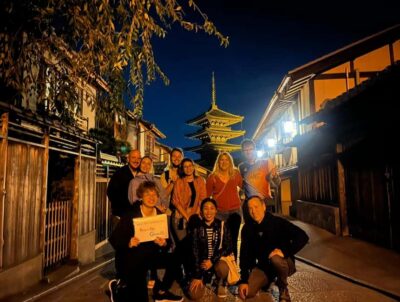
Gion Magical Night Walking Tour with Geisha Trivia
Read our review →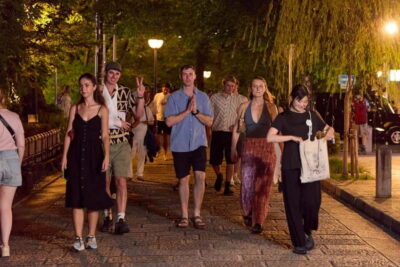
Gion Geisha District Walking Tour – Stories of Geisha
Read our review →
Best of Kyoto: Gion, Geisha, Pagodas & Cobblestones
Read our review →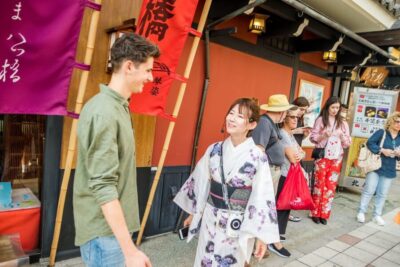
Kyoto Night Foodie Tour in Gion (9+ dishes + 6 Sake tastings)
Read our review →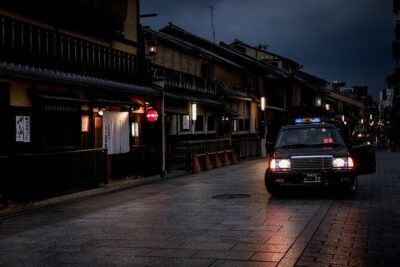
Kyoto Gion Geisha District Walking Tour – The Stories of Geisha
Read our review →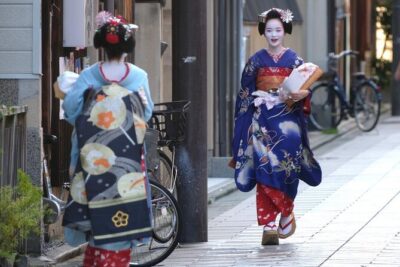
Kyoto Gion: 2-Hour Geisha Culture & History Walking Tour
Read our review →Browse the lists this tour appears in